Embracing Detachment: The Ayurveda Path to Inner Peace
Desires are a natural part of the human experience, but when we become overly attached to them, they can lead to suffering and discontent. In this blog, we’ll explore the concept of detachment and how an Ayurveda lifestyle can help you cultivate a sense of inner peace and contentment.
Ayurveda teaches us that attachment to desires can create an imbalance in the mind and body. When we’re overly attached to our desires, we can become consumed by feelings of craving and aversion. Detachment, on the other hand, allows us to approach life with a sense of equanimity and acceptance. By letting go of attachment to desires, we can:
1 Cultivate a sense of inner peace and contentment
2 Reduce stress and anxiety
3 Increase our sense of freedom and flexibility
4 Develop a greater sense of self-awareness and understanding
Frequently Asked Questions and Answers:
Q: How can I cultivate detachment in my daily life?
A: You can cultivate detachment by practicing mindfulness, meditation, and self-reflection. These practices can help you develop a greater sense of awareness and understanding of your thoughts and emotions.
Q: Is it possible to have no desires in life?
A: Wanting to have no desires in life is, in itself, a desire. The goal of detachment is not to eliminate desires entirely, but to approach them with a sense of equanimity and acceptance.
Q: How can an Ayurveda lifestyle help me cultivate detachment?
A: An Ayurveda lifestyle can help you cultivate detachment by promoting balance and harmony in the mind and body. By following an Ayurvedic diet, practicing yoga and meditation, and cultivating self-awareness, you can develop a greater sense of detachment and inner peace.
Q: What are some Ayurvedic practices that can help me cultivate detachment?
A: Ayurvedic practices such as meditation, yoga, and pranayama can help you cultivate detachment by promoting relaxation, reducing stress and anxiety, and increasing self-awareness.
Conclusion:
Cultivating detachment is a powerful way to reduce suffering and increase inner peace. By embracing an Ayurveda lifestyle and practicing mindfulness, meditation, and self-reflection, you can develop a greater sense of detachment and contentment. Remember, detachment is not about eliminating desires entirely, but about approaching them with a sense of equanimity and acceptance.
Tag: Mental Health
-
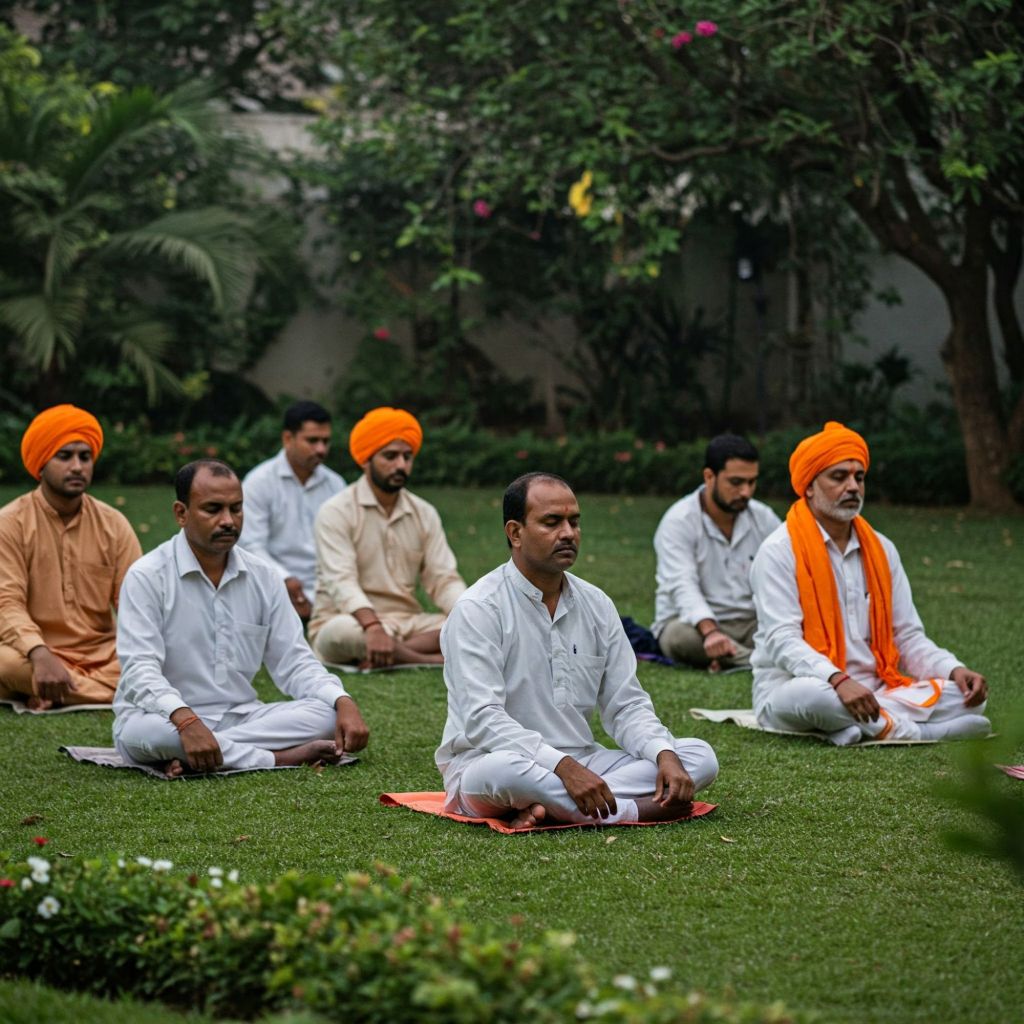
Let go, and find peace.
-
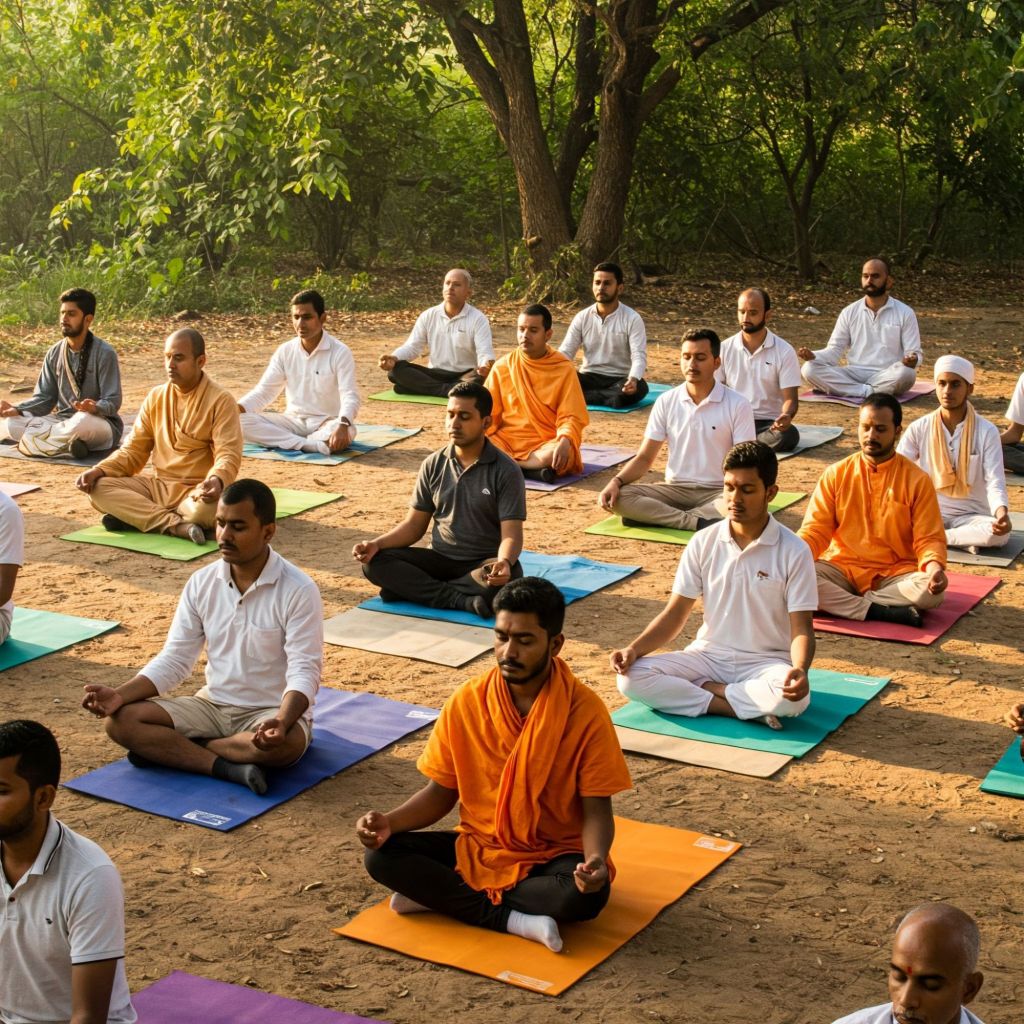
Balance your mind, transform your life.
Balancing the Mind: The Key to Overcoming Negativity
Negativity can creep into our lives in many forms, affecting our mental, emotional, and physical well-being. At its root, negativity often stems from an imbalance in the mind. In this blog, we’ll explore how an Ayurveda lifestyle can help balance the mind, overcome negativity, and cultivate a more positive outlook on life.
According to Ayurveda, the mind is composed of three gunas (qualities): sattva, rajas, and tamas. When the mind is balanced, sattva predominates, leading to clarity, calmness, and positivity. However, when rajas and tamas dominate, the mind becomes imbalanced, leading to negativity, stress, and anxiety. An Ayurveda lifestyle aims to balance the mind by:
1 Cultivating sattvic qualities through meditation, yoga, and pranayama
2 Reducing rajas and tamas through a balanced diet, lifestyle, and stress management
3 Nourishing the mind with wholesome thoughts, emotions, and experiences
Frequently Asked Questions and Answers:
Q: How can I balance my mind using Ayurveda principles?
A: You can balance your mind by cultivating sattvic qualities, reducing rajas and tamas, and nourishing your mind with wholesome thoughts and experiences.
Q: What are some Ayurvedic practices that can help me overcome negativity?
A: Ayurvedic practices like meditation, yoga, pranayama, and mantra recitation can help you overcome negativity by balancing the mind and cultivating positivity.
Q: Can an Ayurveda lifestyle really help me achieve mental balance and positivity?
A: Yes, an Ayurveda lifestyle can help you achieve mental balance and positivity by addressing the root causes of negativity and promoting overall well-being.
Q: How long does it take to see results from an Ayurveda lifestyle?
A: Results can vary depending on individual circumstances, but with consistent practice, you can start to notice improvements in mental balance and positivity within a few weeks.
Conclusion:
Balancing the mind is the key to overcoming negativity and cultivating a more positive outlook on life. By incorporating Ayurveda principles and practices into your daily life, you can achieve mental balance, reduce negativity, and promote overall well-being. Remember, a balanced mind is the foundation of a happy and healthy life. -
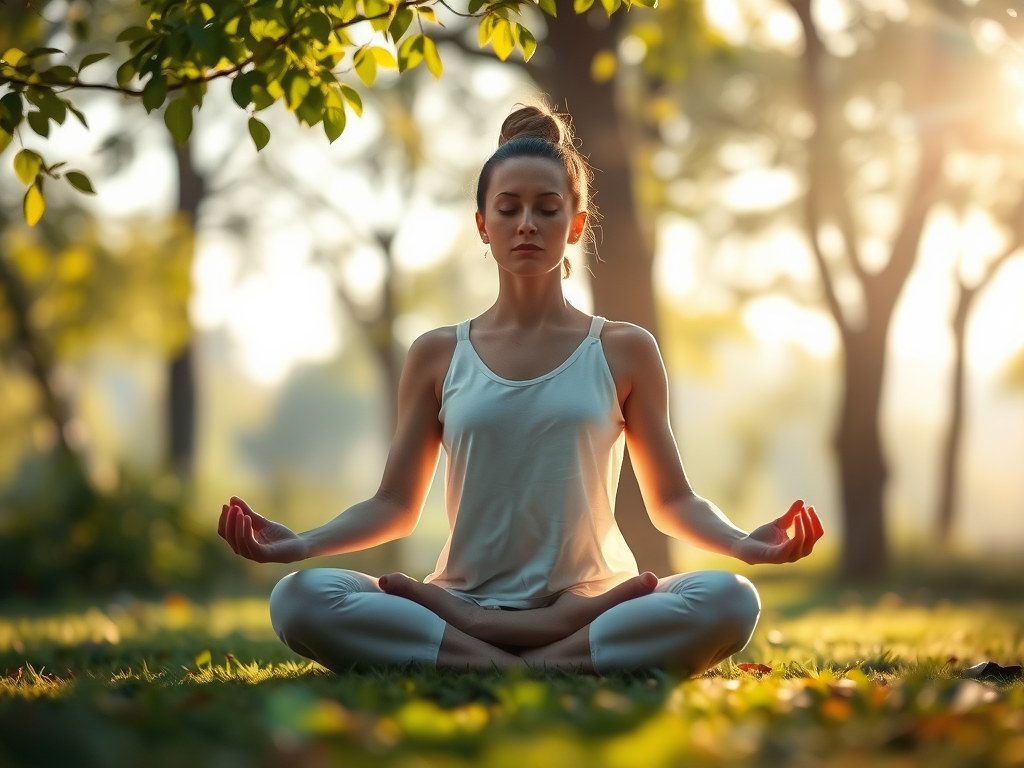
The Benefits of Meditation for Inner Peace
Cultivating Inner Peace: How Meditation Nourishes the Mind, Body, and Soul
Meditation is a powerful tool for cultivating inner peace, clarity, and overall well-being. Just like a seed that’s carefully nurtured and cultivated, meditation has the potential to flourish and transform our lives in profound ways.
The Power of Meditation
Meditation is a practice that involves training our minds to focus, relax,
and become more aware of our thoughts, emotions, and physical sensations.
When we practice meditation regularly, we:
1 Cultivate inner peace and calm: Experience a sense of tranquility and serenity, even in the midst of chaos.
2 Improve our mental clarity and focus: Enhance our ability to concentrate and think clearly.
3 Boost our mood and overall well-being: Increase our feelings of happiness, joy, and fulfillment.
How Meditation benefited to the Nervous System and Body
Just like a seed that’s carefully cultivated, meditation has a profound impact on our nervous system and body. When we practice meditation regularly, we:
1 Reduce stress and anxiety: Lower our cortisol levels and experience a sense of relaxation and calm.
2 Improve our sleep: Enhance the quality of our sleep and wake up feeling refreshed and rejuvenated.
3 Boost our immune system: Strengthen our immune system and reduce our risk of illness and disease.
Tips for Cultivating a Meditation Practice
Here are some tips for cultivating a meditation practice:
1 Start small: Begin with short periods of meditation, such as 5-10 minutes,
and gradually increase as you become more comfortable with the practice.
2 Find a quiet and comfortable space: Identify a quiet and comfortable space
where you can meditate without distraction or interruption.
3 Be consistent: Aim to meditate at the same time each day,
so that it becomes a regular part of your routine.
Frequently Asked Questions and Answers
Q: How do I get started with meditation?
A: Start by finding a quiet and comfortable space, and begin with short periods of meditation.
Q: What are some common obstacles to meditation, and how can I overcome them?
A: Common obstacles include difficulty quieting the mind, physical discomfort,
and lack of motivation. To overcome these obstacles, try practicing mindfulness,
using guided meditations, and finding a meditation community.
Conclusion
Meditation is a powerful tool for cultivating inner peace, clarity, and overall well-being. By incorporating meditation into our daily routine, we can experience a sense of calm, clarity, and fulfillment that enhances our lives in profound ways.
Cultivate inner peace and clarity: How meditation nourishes the mind, body, and soul.
-
Why Choosing Love is the Key to Happiness?
The Weight of Hate
When thoughts of dislike arise, and anger takes its tollOur system contracts, our heart grows coldWe feel unpleasant, our soul feels confinedA weight that’s heavy, a burden to our mind
We should not hate, this saying is trueNot for the other’s sake, but for me and youFor when we hate, we take on their negative mightImbibing their qualities, a poisonous sightHate is a toxin, that spreads like a stainAffecting our being, causing us painIt’s not worth the cost, the damage it can doTo our own well-being, our heart and our crewSo let’s choose love, instead of hate’s dark nightLet’s radiate kindness, and shine with all our lightFor our own good, for our own sakeLet’s release the weight of hate, and let love undertake.“नफरत का बोझ”
जब हम किसी को नापसंद करते हैं, और गुस्सा हमारे ऊपर हावी होता हैहमारा पूरा सिस्टम सिकुड़ जाता है, हमारा दिल ठंडा हो जाता हैहमें अप्रिय लगता है, हमारी आत्मा सीमित महसूस करती हैएक भारी बोझ, हमारे मन के लिए एक बोझहमें किसी को भी नफरत नहीं करनी चाहिए, यह कहावत सच हैन किसी और के लिए, बल्कि हमारे अपने लिएक्योंकि जब हम किसी को नफरत करते हैं, तो हम उनकी नकारात्मक गुणों को अपने अंदर ले लेते हैंएक जहरीला दृश्य, जो हमारे लिए हानिकारक हैनफरत एक जहर है, जो एक दाग की तरह फैलता हैहमारे अस्तित्व को प्रभावित करता है, हमें दर्द पहुंचाता हैयह इसके परिणामों के लायक नहीं है, जो नुकसान यह कर सकता हैहमारे अपने स्वास्थ्य के लिए, हमारे दिल और हमारे समुदाय के लिएतो आइए हम प्यार का चयन करें, नफरत की अंधेरी रात के बजायआइए हम दया को फैलाएं, और अपने पूरे प्रकाश के साथ चमकेंहमारे अपने लिए, हमारे अपने लाभ के लिएआइए हम नफरत के बोझ को छोड़ दें, और प्यार को अपने जीवन में ले आएं।“Meditate, Refresh, Recharge” Daily Meditation Series No 1.
-
How Yoga and Meditation Can Help You Overcome Depression?
Transforming Your Energy Rise Above the Darkness
Depression is a pervasive and debilitating mental health condition that affects millions of people worldwide. While conventional treatments like medication and therapy can be effective, many people are turning to alternative approaches like yoga and meditation to help manage their symptoms. But can these practices really help transform your energy and overcome depression?
The Science Behind Yoga and Meditation’s Impact on Depression
Research has shown that yoga and meditation can have a profound impact on both physical and mental health. These practices have been shown to:
1 Reduce symptoms of anxiety and depression
2 Improve mood and overall sense of well-being
3 Enhance cognitive function and concentration
4 Boost self-esteem and body image
5 Improve sleep quality

How Yoga and Meditation Can Help Transform Your Energy
Yoga and meditation work on multiple levels to help transform your energy and overcome depression. Here are some key ways in which these practices can help:
1 Reduce stress and anxiety: Yoga and meditation have been shown to reduce stress hormones like cortisol, leading to a decrease in anxiety and depression symptoms.
2 Increase positive energy: Yoga and meditation can help increase feelings of positivity and well-being, which can help counteract the negative energy of depression.
3 Improve mood regulation: Yoga and meditation can help improve mood regulation by increasing the production of neurotransmitters like serotonin and dopamine.
4 Enhance self-awareness: Yoga and meditation can help increase self-awareness, allowing you to better understand your thoughts, emotions, and behaviors.
Simple Yoga and Meditation Techniques to Get You Started
Here are some simple yoga and meditation techniques you can try to help transform your energy and overcome depression:
A Deep breathing exercises: Take slow, deep breaths in through your nose and out through your mouth, focusing on the sensation of the breath.
B Body scan meditation: Lie down or sit comfortably, bringing your attention to different parts of your body, starting at your toes and moving up to the top of your head.
C Yoga poses for depression: Try poses like downward-facing dog, child’s pose, and warrior II, which can help reduce symptoms of depression.
Depression is a complex and multifaceted condition that requires a comprehensive treatment approach. While yoga and meditation should not be used as a replacement for conventional treatment, they can be a powerful adjunct therapy to help transform your energy and overcome depression. By incorporating these practices into your daily routine, you can take the first step towards healing and recovery.
Frequently asked questions on Yoga, Meditation, and Depression
Q: What is the concept of “particles of depression” and how does it affect our environment?
A: The concept of “particles of depression” refers to the idea that our emotions andcan affect the environment around us.When we feel depressed, we create a negative energy field that can attract similarenergies and stick to our surroundings. This can affect not onlyour own mood but also the mood of others who enter that space.
Q: How can yoga and meditation help in transforming our energy and overcoming depression?
A: Yoga and meditation are powerful tools that can help transform our energy andovercome depression. By practicing yoga and meditation,we can reduce stress and anxiety, increase positive energy, improve mood regulation,and enhance self-awareness.These practices can also help us develop greater resilienceand coping skills, making it easier to manage depressive symptoms.
Q: What are some simple yoga and meditation techniques that can help with depression?
A: Some simple yoga and meditation techniques that can help with depressioninclude deep breathing exercises, body scan meditation, andyoga poses like downward-facing dog, child’s pose, and warrior II.These techniques can help reduce symptoms of depression, improve mood,and increase feelings of relaxation and calm.
Q: Can yoga and meditation replace conventional treatment for depression?
A: No, yoga and meditation should not be used as a replacement for conventional treatmentfor depression. While these practices can be a powerful adjunct therapy,they should be used in conjunction with other treatments, such as medication and therapy,under the guidance of a qualified healthcare professional.
Q: How can I incorporate yoga and meditation into my daily routine?
A: Incorporating yoga and meditation into your daily routine can be simple.Start by setting aside a few minutes each day to practice deep breathing exercises,meditation, or yoga. You can also try incorporating yoga and meditation into your daily activities,such as taking a few deep breaths before a meeting or practicing yoga poses duringcommercial breaks while watching TV.
Q: What are some common misconceptions about yoga and meditation?
A: Some common misconceptions about yoga and meditation include the ideathat you need to be flexible or athletic to practice yoga, or that meditation is only for spiritualor religious purposes. In reality, yoga and meditation are accessible to anyone, regardless of age,ability, or background, and can be practiced in a variety of ways to suit your individual needsand goals.
Q: How can I find a qualified yoga or meditation instructor?
A: Finding a qualified yoga or meditation instructor can be easy.Look for instructors who have completed a reputable training programand have experience teaching students with needs similar to yours.You can also ask for referrals from friends, family, or healthcare professionals,or search online for qualified instructors in your area.References:
1. “Yoga and Meditation for Depression” (Harvard Health Publishing, 2019)
2. “The Effects of Yoga on Mental Health” (Journal of Clinical Psychology, 2018) -
Give your best, every time.
Giving Your Best: The Key to Satisfaction and Success
Are you looking for a way to feel more satisfied and fulfilled in your life and work? The answer lies in giving your best effort, every time.The Power of 100% Effort
When you give 100% in any task, even if you lose, you feel satisfied that you used your full potential and performed your best. This mindset shift can have a profound impact on your life and work.
Benefits of Giving Your Best
1. Increased satisfaction: When you give your best, you feel more satisfied with your efforts, regardless of the outcome.2. Improved self-confidence: Giving your best helps build self-confidence and self-esteem.3. Better performance: When you strive to give your best, you’re more likely to perform at a higher level.Practical Tips for Giving Your Best
1. Set clear goals: Identify what you want to achieve and set specific, measurable goals.2. Focus on the process: Instead of worrying about the outcome, focus on the process of giving your best.3. Learn from mistakes: Don’t be afraid to make mistakes – use them as opportunities to learn and improve.Giving your best is a mindset shift that can have a profound impact on your life and work. By focusing on the process, setting clear goals, and learning from mistakes, you can unlock a sense of satisfaction and fulfillment that comes from knowing you’ve given your all.References:1 “The 7 Habits of Highly Effective People” by Stephen Covey2 “Mindset: The New Psychology of Success” by Carol S. DweckFrequently asked questions.Q: What is the benefit of giving 100% in any task?A: When you give 100% in any task, you feel satisfied that you used your full potential and performed your best, regardless of the outcome. This sense of satisfaction and fulfillment can boost your self-confidence and motivation.Q: How can giving 100% impact my self-confidence?A: Giving 100% in any task helps build self-confidence and self-esteem. When you know you’ve done your best, you’re more likely to feel proud of yourself and your abilities, which can translate to other areas of your life.Q: What if I give 100% and still fail?A: Giving 100% doesn’t guarantee success, but it does guarantee that you’ve done your best. When you give 100% and still fail, you can hold your head high knowing that you didn’t hold back. This mindset helps you learn from your mistakes and move forward.Q: How can I maintain a 100% effort mindset?A: To maintain a 100% effort mindset, focus on the process rather than the outcome. Break down large tasks into smaller, manageable chunks, and give 100% to each one. Celebrate your small wins, and use them as motivation to keep pushing forward.Q: Can giving 100% lead to burnout?A: Giving 100% doesn’t have to lead to burnout. It’s essential to balance your effort with rest and self-care. Make time for activities that recharge your batteries, and prioritize your physical and mental well-being.Q: How does giving 100% impact my relationships with others?A: Giving 100% in your relationships with others can lead to deeper connections and greater trust. When you show up fully and give your best to your relationships, others are more likely to do the same, leading to more meaningful and fulfilling interactions.Q: Can anyone develop a 100% effort mindset?A: Yes, anyone can develop a 100% effort mindset. It starts with a willingness to learn, grow, and push beyond your comfort zone. With practice, patience, and persistence, you can develop the habits and mindset necessary to give 100% in any task. -
How do I set realistic goals?
5 key steps to lasting success
Q: How do I set realistic goals?
A: To set realistic goals, start by identifying what you want to achieve, then break down your goal into smaller, manageable steps. Consider your resources, skills, and limitations to ensure your goals are achievable.Q: What does it mean to work hard consistently?
A: Working hard consistently means putting in effort and dedication towards your goals on a regular basis. It involves creating a routine, staying focused, and persisting through challenges and setbacks.
Q: How can I learn from my mistakes?
A: To learn from your mistakes, reflect on what went wrong and identify what you could have done differently. Use this experience as an opportunity to grow and improve, and don’t be afraid to ask for feedback or guidance from others.Q: Why is it important to surround myself with positive people?
A: Surrounding yourself with positive people can help boost your motivation, confidence, and overall well-being. Positive people can offer support, encouragement, and valuable advice, helping you stay focused on your goals.Q: What if I feel like giving up on my dreams?
A: It’s normal to feel discouraged or frustrated at times, but it’s essential to remember why you started working towards your dreams in the first place. Take a step back, recharge, and remind yourself that success often requires perseverance and resilience. Break down your goals into smaller steps, and focus on making progress one step at a time. -
The Power of Gratitude.
Happiness and Contentment
“If you don’t learn to appreciate what you have now, you will never have enough, even if you have the best of everything.” – UnknownIn today’s fast-paced world, it’s easy to get caught up in the pursuit of more – more wealth, more possessions, more status. But in the midst of this relentless striving, we often forget to appreciate what we already have. Gratitude is the practice of recognizing and appreciating the good things in our lives, and it has the power to transform our relationships, our mental health, and our overall well-being.
The Benefits of Gratitude.
Research has shown that practicing gratitude can have a significant impact on our lives. Some of the benefits of gratitude include:
1 Improved mental health: Gratitude has been shown to reduce stress, anxiety, and depression.
2 Stronger relationships: Expressing gratitude towards others can strengthen our relationships and build stronger bonds.
3 Better physical health: Studies have found that people who practice gratitude tend to have better physical health, including lower blood pressure and stronger immune systems.
4 Increased resilience: Gratitude can help us develop a more positive outlook and increase our resilience in the face of challenges.
Techniques and Tips for Practicing Gratitude.
So how can we start practicing gratitude in our daily lives? Here are some techniques and tips to get you started:
1. Keep a gratitude journal: Write down three things you’re grateful for each day before you go to bed.
2. Share your gratitude with others: Express your gratitude to someone you appreciate, whether it’s a kind word, a text message, or a small gift.
3. Practice mindfulness: Take a few minutes each day to focus on your breath and appreciate the present moment.
4. Create a gratitude ritual: Develop a daily or weekly ritual that involves practicing gratitude, such as lighting a candle or saying a prayer.
“Gratitude unlocks the fullness of life. It turns what we have into enough, and more.” – Melody Beattie
Gratitude is a powerful tool that can help us cultivate happiness, contentment, and well-being. By incorporating gratitude into our daily lives, we can develop a more positive outlook, strengthen our relationships, and improve our mental and physical health. So take a moment each day to appreciate what you have, and watch your life transform in amazing ways.
“The greatest happiness of life is the conviction that we are loved; loved for ourselves, or rather, loved in spite of ourselves.” – Victor Hugo.
Frequently Asked Questions
1. What is gratitude, and why is it important?
Gratitude is the practice of recognizing and appreciating the good things in our lives. It’s important because it can help us develop a more positive outlook, strengthen our relationships, and improve our mental and physical health.
2. How can I start practicing gratitude in my daily life?
Start by keeping a gratitude journal, sharing your gratitude with others, practicing mindfulness, and creating a gratitude ritual.
3. Can gratitude really improve my mental health?
Yes, research has shown that practicing gratitude can reduce stress, anxiety, and depression.
-
Celebration, Commitment, Service, and Wisdom
The 4 Pillars of a Fulfilling Life
Discover the four essential elements to achieve a balanced and fulfilling life. Learn how embracing celebration, commitment, service, and wisdom can profoundly transform your relationships, career, health, and reputation.The Four Pillars of a Fulfilling Life
Our lives often revolve around money, relationships, reputation, and health. However, by focusing on celebration, commitment, service, and wisdom, we can enjoy a truly fulfilling life. These four elements are the foundation upon which a balanced and meaningful life is built.The Power of Celebration
Celebration is the spark that ignites our passion and joy for life. By acknowledging and appreciating life’s moments, we cultivate a positive mindset and attract abundance into our lives. Celebration helps us appreciate the beauty and goodness that surrounds us, leading to a deeper sense of gratitude and happiness.How to Cultivate Celebration in Your Life
– Celebrate life’s moments by acknowledging and appreciating the good things that happen to you.– Practice gratitude, share your joy with others, and make time for activities that bring you happiness.The Importance of Commitment
Commitment is the glue that holds our relationships, careers, and goals together. Without commitment, we lack the dedication and perseverance needed to overcome obstacles and achieve success. Commitment helps us build trust, credibility, and strong relationships that support our personal and professional growth.The Role of Commitment in Relationships
Commitment is essential in relationships as it builds trust, credibility, and strong bonds between partners. Commitment helps overcome obstacles, navigate challenges, and grow together as a team.The Value of Service
Service is the act of giving back to others and making a positive impact on the world. By serving others, we cultivate a sense of purpose and fulfillment that goes beyond our own personal interests. Service helps us develop empathy, compassion, and kindness, leading to stronger, more meaningful relationships and a greater sense of community.How to Serve Others and Make a Positive Impact
– Serve others by volunteering your time, skills, and resources to help those in need.– Practice random acts of kindness, donate to charitable causes, and support initiatives that promote positive change.The Wisdom of Living a Fulfilling Life
Wisdom is the culmination of our experiences, knowledge, and insights that guide us towards making informed decisions and living a fulfilling life. By applying wisdom to our lives, we navigate challenges with greater ease, make better choices, and cultivate a deeper understanding of ourselves and the world around us.The Role of Wisdom in Living a Fulfilling Life
Wisdom plays a crucial role in living a fulfilling life as it guides us towards making informed decisions, navigating challenges, and cultivating a deeper understanding of ourselves and the world around us.Key Takeaways
1. Embracing celebration, commitment, service, and wisdom is essential to achieving a balanced and fulfilling life.2. Celebration ignites our passion and joy for life, while commitment helps us build strong relationships and achieve success.3. Service cultivates a sense of purpose and fulfillment.4. Wisdom guides us towards making informed decisions and living a fulfilling life.“Celebrate life, commit to your goals, serve others, and cultivate wisdom to live a fulfilling life.”
FAQsQ: How can I cultivate a sense of celebration in my life?A: Celebrate life’s moments by acknowledging and appreciating the good things that happen to you. Practice gratitude, share your joy with others, and make time for activities that bring you happiness.Q: What is the importance of commitment in relationships?A: Commitment is essential in relationships as it builds trust, credibility, and strong bonds between partners. Commitment helps overcome obstacles, navigate challenges, and grow together as a team.Q: How can I serve others and make a positive impact on the world?A: Serve others by volunteering your time, skills, and resources to help those in need. Practice random acts of kindness, donate to charitable causes, and support initiatives that promote positive change.Q: What is the role of wisdom in living a fulfilling life?A: Wisdom plays a crucial role in living a fulfilling life as it guides us towards making informed decisions, navigating challenges, and cultivating a deeper understanding of ourselves and the world around us.Q: How can I achieve a balanced and fulfilling life?A: Achieve a balanced and fulfilling life by embracing celebration, commitment, service, and wisdom. Prioritize your well-being, nurture your relationships, pursue your passions, and make a positive impact on the world. -
Importance of celebrating accomplishments.
Celebrating Your Accomplishments
Have you ever taken a moment to reflect on just how far you’ve come? In our fast-paced world, it’s easy to get caught up in our goals and aspirations, often forgetting to acknowledge and celebrate our successes along the way.
The Importance of Celebrating Your Accomplishments
Celebrating your accomplishments is a powerful way to boost your motivation and confidence. When you take the time to reflect on your successes, you’ll be amazed at how much you’ve grown and achieved. By acknowledging your accomplishments, you’ll build confidence, reinforce positive behaviors, and gain a sense of accomplishment that will propel you forward.

How to Step Back and Realize Your Accomplishments
So, how can you start celebrating your accomplishments? Here are a few tips to get you started:
Keep a Journal
Writing down your accomplishments, no matter how small they may seem, can help you reflect on your progress and celebrate your successes. Try setting aside a few minutes each day to jot down your achievements.
Create a Vision Board
Visualizing your goals and accomplishments can help you stay focused and motivated. Gather some old magazines, scissors, and glue, and get creative!
Share Your Successes
Sharing your accomplishments with friends, family, or a mentor can help you gain recognition and reinforcement. Don’t be afraid to brag a little – you’ve earned it!
The Benefits of Stepping Back and Realizing Your Accomplishments
Stepping back and realizing your accomplishments can have a profound impact on your life. Some of the benefits include:
Increased Motivation
Celebrating your accomplishments can boost your motivation and encourage you to continue working towards your goals.
Improved Confidence
Acknowledging your successes can help you build confidence and develop a more positive self-image.
Better Goal-Setting
Reflecting on your accomplishments can help you set more realistic and achievable goals.
Stepping back and realizing your accomplishments is an essential part of personal growth and development. By taking the time to reflect on your successes, you can build confidence, boost motivation, and gain a sense of accomplishment that will propel you forward.
“Celebrate your successes, no matter how small, and watch your confidence and motivation soar!”
FAQs:
1. Q: Why is it important to celebrate my accomplishments?
A: Celebrating your accomplishments is important because it helps you build confidence, reinforce positive behaviors, and gain a sense of accomplishment.
1. Q: How can I start reflecting on my accomplishments?
A: Start by keeping a journal or creating a vision board. Write down or visualize your accomplishments, no matter how small they may seem.
1. Q: What are the benefits of stepping back and realizing my accomplishments?
A: The benefits of stepping back and realizing your accomplishments include increased motivation, improved confidence, and better goal-setting.
1. Q: How can I share my accomplishments with others?
A: Share your accomplishments with friends, family, or a mentor. You can also share your successes on social media or through a blog.
1. Q: What if I don’t feel like I’ve accomplished anything significant?
A: Everyone has accomplishments, no matter how small they may seem. Reflect on your daily tasks, goals, and successes, and celebrate those.
-
The power of presence.
The Power of Presence: How Giving Someone Your Time and Attention Can Transform Their Life
The greatest gift you can give someone is your time and attention. Be present and listen. In today’s fast-paced world, it’s easy to get caught up in our own thoughts and distractions, but giving someone our undivided attention can have a profound impact on their life.
The Importance of Being PresentBeing present means being fully engaged and attentive to the person or situation in front of us. It means putting away our phones, turning off the TV, and making eye contact. When we’re present, we’re able to connect with others on a deeper level, build stronger relationships, and communicate more effectively.The Gift of Time and AttentionGiving someone our time and attention is a powerful way to show we care. It’s a way to say, “I’m here for you, and I value our relationship.” When we give someone our time and attention, we’re giving them a sense of importance and worth.The Benefits of Being PresentBeing present has numerous benefits, including:1 Improved relationships: When we’re present, we’re able to connect with others on a deeper level, build stronger relationships, and communicate more effectively.2 Increased productivity: When we’re present, we’re able to focus more clearly, prioritize tasks more effectively, and accomplish more in less time.3 Better mental health: Being present can help reduce stress, anxiety, and depression by allowing us to focus on the present moment rather than getting caught up in worries about the past or future.Important points to remember about the power of presence:– Being present means being fully engaged and attentive to the person or situation in front of us.– Giving someone our time and attention is a powerful way to show we care.– Being present has numerous benefits, including improved relationships, increased productivity, and better mental health.“Give the gift of presence, and transform someone’s life.”FAQsHere are some frequently asked questions about the power of presence:Q: What does it mean to be present?A: Being present means being fully engaged and attentive to the person or situation in front of us.Q: Why is giving someone our time and attention important?A: Giving someone our time and attention is a powerful way to show we care, and it can have a profound impact on their life.Q: How can I be more present in my relationships?A: You can be more present in your relationships by putting away distractions, making eye contact, and actively listening to the other person.Q: What are the benefits of being present?A: The benefits of being present include improved relationships, increased productivity, and better mental health.Q: How can I practice being more present in my daily life?A: You can practice being more present in your daily life by taking a few minutes each day to focus on your breath, noticing your surroundings, and engaging fully with the people and tasks in front of you. -
The Courage to continue.
Success is Not Final, Failure is Not Fatal: The Courage to Continue
Success is not final, failure is not fatal: it’s the courage to continue that counts. These iconic words by Winston Churchill remind us that success and failure are temporary states, and it’s our courage and resilience that ultimately determine our progress.
The Courage to Continue in the Face of AdversityThe courage to continue is a vital quality that separates those who achieve their goals from those who give up. When faced with obstacles and setbacks, it’s easy to lose motivation and quit. However, it’s precisely in these moments that we need to dig deep and find the courage to continue.The Power of ResilienceResilience is the ability to bounce back from adversity, and it’s a crucial component of the courage to continue. When we’re resilient, we’re better equipped to handle setbacks and failures, and we’re more likely to learn from our mistakes.The Importance of Learning from FailureFailure is an inevitable part of the learning process, and it’s essential to learn from our mistakes. When we fail, we gain valuable insights and experience that can help us improve and grow. By embracing failure as an opportunity for growth, we can develop the courage to continue and pursue our goals with renewed determination.Important points to remember about the courage to continue:– Success and failure are temporary states– The courage to continue is vital for achieving our goals– Resilience is a crucial component of the courage to continue– Learning from failure is essential for growth and improvement.“Fall seven times, stand up eight: the courage to continue is the key to success.”FAQsHere are some frequently asked questions about the courage to continue:Q: What is the courage to continue?A: The courage to continue is the ability to persevere and stay motivated in the face of obstacles and setbacks.Q: Why is resilience important for success?_A: Resilience is essential for success because it allows us to bounce back from adversity and learn from our mistakes.Q: How can I develop the courage to continue?A: You can develop the courage to continue by practicing resilience, learning from failure, and staying motivated and focused on your goals.Q: What are some common obstacles that can prevent us from continuing?A: Common obstacles that can prevent us from continuing include fear, self-doubt, and a lack of motivation.Q: How can I overcome these obstacles and continue pursuing my goals?A: You can overcome these obstacles by developing a growth mindset, seeking support from others, and staying focused on your goals. -
Resilience and mental health.
Embracing Resilience: Why You Don’t Need to Break to Experience Growth.
Life is a journey of ups and downs, twists and turns. While it’s easy to get caught up in the idea that we need to experience darkness to appreciate the light, the truth is that we don’t need to break ourselves to grow. In this blog, we’ll explore the idea that everything happens for the best, and that moving forward with resilience and hope is the key to unlocking our full potential.The concept of needing to experience depression or hardship to grow is a common one. We’ve all heard the phrase “what doesn’t kill you makes you stronger.” But the truth is that this mindset can be damaging and limiting. By embracing the idea that we need to break ourselves to grow, we can inadvertently create a culture of suffering and martyrdom.Moving Forward with ResilienceSo, how can we move forward with resilience and hope, even in the face of challenges and setbacks? Here are a few key takeaways:1. Practice Self-Care: Take care of your physical, emotional, and mental health. Engage in activities that nourish and uplift you, such as exercise, meditation, and spending time with loved ones.2. Reframe Negative Thoughts : Challenge negative self-talk and reframe negative thoughts into positive and empowering ones. Focus on solutions rather than problems, and cultivate a growth mindset.3. Cultivate Gratitude: Practice gratitude by focusing on the good things in your life. Keep a gratitude journal, write down three things you’re thankful for each day, or share your gratitude with a friend or loved one.The idea that everything happens for the best is a powerful one. When we trust that the universe has our back, we can begin to see challenges and setbacks as opportunities for growth and learning. By embracing this mindset, we can begin to let go of resistance and move forward with resilience and hope.Key Points1. You don’t need to break yourself to experience growth.2. Everything happens for the best, and trusting in this idea can help you move forward with resilience and hope.3. Practicing self-care, reframing negative thoughts, and cultivating gratitude can help you navigate challenges and setbacks with greater ease and confidence.“Breakthroughs Happen When You Move Forward with Hope” -
4 ways to improve your mental health

4 ways to improve your mental health:
1. You’ve overcome problems before!
Remember that this is not the first time you’re facing a problem. You’ve faced problems before, & you’ve overcome them. Learn from your experience. You’ll get over this as well.2. Hold on to the positive.
If we’re given 10 compliments & 1 insult, we tend to hold on to the 1 insult. We need to reorient ourselves & accept that when there are 10 positives that come our way, it is inevitable that there might be 1 negative as well.3. Active Compassion.
There’s a great joy in giving. If you get involved in action-oriented expression of compassion, you’ll feel much better. Get involved in service projects in your community.4. Live in the present moment.
Our mind keeps oscillating between the past & the future, and then we crib about the past or feel anxious about the future. Joy & happiness can be found in the present moment.


 Ayurveda Initiative for Global Health