Ayurveda Initiative for Global Health

Tag: ayurvedic medicine

  • AYURVEDIC Consultation: Your Guide to Holistic Healing.

    Ayurveda, the ancient holistic healing system originating from India, offers a profound and personalized approach to health and wellness. At the heart of Ayurveda is the Ayurvedic consultation a detailed, individualized assessment that identifies your unique body constitution, imbalances, and health needs. This consultation serves as the foundation for tailored therapies, dietary guidelines, lifestyle recommendations, and herbal treatments designed to restore harmony and well-being.Unlike conventional medical appointments that often focus solely on symptoms, an Ayurvedic consultation seeks to understand the whole person body, mind, and spirit. Through this comprehensive evaluation, Ayurvedic practitioners use time-honored techniques, such as pulse diagnosis and personalized questionnaires, to uncover the root causes of health concerns rather than just addressing the effects.Whether you are seeking solutions for chronic health conditions, preventive care, or overall improvement in vitality, an Ayurvedic consultation provides insights and guidance aimed at long-term balance.

    It encourages natural healing by aligning your daily life with your inherent constitution and the rhythms of nature.This guide will explore the essentials of Ayurvedic consultation, answer common questions, and highlight the benefits of choosing this ancient yet ever-relevant path toward holistic health. Embrace the journey to well-being with expert Ayurvedic guidance.More about Ayurvedic consultation with short answers, emphasizing consultation with an Ayurvedic doctor for detailed advice:1. What is Ayurvedic consultation? Ayurvedic consultation is a health assessment by a qualified Ayurvedic doctor to diagnose and treat imbalances using traditional Ayurvedic principles.2. Why should I consult an Ayurvedic doctor? An Ayurvedic doctor provides personalized diagnosis, treatment, and lifestyle guidance based on your unique constitution and health needs.3. How does an Ayurvedic consultation work? The doctor evaluates your body type, symptoms, and lifestyle through questioning, physical examination, and sometimes pulse diagnosis to create a treatment plan.4. What can I expect during my first Ayurvedic consultation? You will discuss your health history, diet, daily routine, and symptoms, followed by Ayurvedic examination and recommendations.5. Can Ayurveda help with chronic diseases? Yes, Ayurveda supports managing chronic conditions through natural therapies, diet, and lifestyle adjustments tailored individually.6. How often should I have an Ayurvedic consultation? Frequency varies per individual; some benefit from monthly checks, others seasonally or as needed for specific health issues.

    7. Does Ayurvedic consultation include herbal treatments? Yes, herbal formulations are often prescribed but always personalized and supervised by the doctor.8. Is Ayurvedic consultation safe for pregnant women? Yes, but only under the guidance of a qualified Ayurvedic practitioner who can tailor safe treatments for pregnancy.9. Can children have Ayurvedic consultations? Yes, Ayurveda offers gentle, natural treatments suitable for children with proper consultation.10. How is Ayurvedic diagnosis different from allopathic diagnosis? Ayurveda diagnoses based on body constitution, energy imbalances, and causative factors rather than only symptoms or lab tests.11. What is Prakriti assessment in Ayurvedic consultation? Prakriti assessment identifies your unique body constitution (dosha balance) that guides personalized healthcare.12. Can Ayurveda treat mental health issues? Yes, Ayurveda addresses mental wellness with herbs, therapies, diet, and mindfulness practices according to individual needs.13. Are Ayurvedic therapies painful? Most Ayurvedic treatments are gentle and aim to restore balance without pain or harsh interventions.14. What is pulse diagnosis in Ayurveda? Pulse diagnosis is a skilled technique used to detect dosha imbalances, organ health, and energy flow by feeling the radial pulse.15. How long does an Ayurvedic consultation last? Initial consultations may last 45 to 90 minutes; follow-ups are typically shorter around 30 minutes.16. Can Ayurveda be combined with conventional medicine? Yes, many use Ayurveda alongside allopathic treatments under professional guidance for holistic care.17. Can I consult an Ayurvedic doctor online? Yes, many Ayurvedic practitioners offer virtual consultations accommodating wider access.18. Does Ayurvedic consultation include dietary advice? Yes, diet is a central part of Ayurveda; personalized nutrition plans are given to support health goals.19. How soon can I see results after Ayurvedic treatment? Results vary; some experience improvement within days while others need weeks or months depending on the condition.20. Is Ayurvedic consultation covered by health insurance? Coverage depends on the insurance provider and country policies; verification is recommended beforehand.21. What qualifications should an Ayurvedic doctor have? Look for certified degrees in Ayurveda from recognized institutions and experience in clinical practice.22. Are Ayurvedic medicines free from side effects? Properly prescribed Ayurvedic medicines are generally safe but should always be taken under supervision.23. Can Ayurveda help with skin problems? Yes, Ayurveda treats skin issues by addressing internal imbalances and using herbs and external therapies.24. How do Ayurvedic doctors personalize treatments? They consider your dosha, health status, environment, and preferences for a tailor-made regimen.25. Is it necessary to detox before Ayurveda treatment? Detoxification is recommended in certain cases but not always mandatory; your doctor decides.26. Can Ayurveda help with weight management? Yes, through balancing metabolism, diet adjustments, and lifestyle changes personalized for you.27. What is Panchakarma in Ayurvedic consultation? Panchakarma is a detoxification and rejuvenation procedure often recommended after evaluation.28. How do I prepare for an Ayurvedic consultation? Bring your medical history, list of medications, and be ready to discuss lifestyle and diet habits.29. Are there age limits for Ayurvedic treatments? Ayurveda treats people of all ages, from infants to elderly, with age-appropriate approaches.30. Can Ayurveda boost immunity? Yes, Ayurveda promotes immunity through herbs, nutrition, and routine tailored to your body type.31. What role does mind-body balance play in Ayurveda? Mind-body harmony is essential for health; Ayurveda treats mental and physical aspects together.32. How are Ayurvedic consultations different internationally? Core principles are consistent but practices may adapt to cultural and regional factors.33. Can Ayurveda help with digestive problems? Yes, digestive health is a primary focus; treatments aim to balance digestion and elimination.34. Can Ayurveda assist in managing diabetes? Ayurveda offers supportive treatments and lifestyle advice to help manage blood sugar levels naturally.35. How does Ayurveda view pain relief? Ayurveda uses herbs, oils, and therapies to reduce inflammation and restore balance to relieve pain.36. What is the significance of sleep in Ayurvedic consultation? Sleep quality affects health deeply; recommendations are made to improve restorative rest.37. Can Ayurveda improve energy and vitality? Yes, customized plans help boost vitality by balancing doshas and improving digestion.38. Does Ayurvedic consultation include yoga advice? Often, yes; yoga and breathing techniques may be recommended as part of holistic care.39. Can Ayurveda help with respiratory issues? Yes, specific herbs and therapies support lung health and respiratory balance.40. Is Ayurvedic consultation useful for women’s health? Absolutely, Ayurveda offers specialized care for menstrual health, fertility, pregnancy, and menopause.41. Can Ayurveda support mental clarity and focus? Yes, through dietary, lifestyle, and herbal approaches that nourish the nervous system.42. What should I avoid before an Ayurvedic consultation? Avoid heavy meals or stimulants just before your appointment for accurate assessment.43. How does Ayurveda treat allergies? Ayurveda uses detoxification, herbs, and dietary changes to reduce allergic reactions and strengthen immunity.44. What kind of follow-up is needed after Ayurvedic consultation? Periodic follow-ups help assess progress and adjust treatments as needed.45. Can Ayurveda help with stress management? Yes, it offers natural stress relief methods including meditation, herbs, and lifestyle changes.46. How important is lifestyle counseling in Ayurveda? Lifestyle guidance is crucial for maintaining treatment benefits and preventing disease.47. Are Ayurvedic medicines natural? Yes, primarily made from herbs, minerals, and natural substances traditionally used for healing.48. Can Ayurveda treat hormonal imbalances? Yes, Ayurveda addresses root causes and supports hormonal balance holistically.49. How does Ayurveda approach detoxification? Detox focuses on eliminating toxins through diet, therapies, and herbal support specific to your dosha.50. What is the role of meditation in Ayurvedic consultation? Meditation is recommended to enhance mental wellness and support overall healing.51. Can Ayurveda help improve digestion? Yes, treatments promote digestive fire and correct food absorption issues.52. Are Ayurvedic consultations useful for skin rejuvenation? Yes, they focus on internal balance and natural therapies to improve skin health and appearance.53. Can Ayurveda assist in managing arthritis? Yes, through herbal therapies, dietary changes, and physical treatments to reduce inflammation and pain.54. Will Ayurvedic doctors prescribe medications? Yes, they offer herbal and mineral formulations tailored to your condition.55. Can Ayurvedic consultation help with sleep disorders? Yes, personalized advice and herbal treatments can improve sleep quality.56. Does Ayurveda focus on prevention? Yes, prevention and maintaining balance are core principles of Ayurveda.57. Is Ayurvedic consultation helpful in detoxing after conventional treatments? Yes, it supports cleansing and rejuvenation post conventional therapies under professional care.58. Can Ayurveda aid in improving circulation? Yes, through specific herbs, therapies, and lifestyle adjustments to enhance blood flow.59. Are dietary changes always required in Ayurveda? Most treatments involve diet changes to restore dosha balance and health.60. How does Ayurveda view immunity? Immunity is linked to digestive strength and dosha balance, promoted through diet and herbs.61. Can Ayurveda help with hair health? Yes, treating hair problems by addressing internal imbalances and using herbal oils.62. Is Ayurvedic consultation punctual or flexible? Appointments may vary by clinic but typically allow enough time for detailed consultation.63. How do I find a trustworthy Ayurvedic doctor? Look for licensed practitioners with credentials and good reviews or referrals.64. Can Ayurveda treat insomnia? Yes, with calming herbs, sleep hygiene, and lifestyle recommendations.65. What tests are done in Ayurvedic consultation? Mostly non-invasive exams like pulse reading, tongue examination, and physical observation.66. Can Ayurveda improve lung function? Yes, targeted therapies and herbal support aim to strengthen respiratory health.67. What is the connection between Ayurveda and diet? Diet is fundamental to Ayurveda, customized to balance individual doshas and health conditions.68. How important is hydration in Ayurveda? Proper hydration supports digestion, toxin elimination, and overall balance.69. Can Ayurveda help with gastrointestinal disorders? Yes, including indigestion, bloating, constipation, and acidity through dietary and herbal therapy.70. Do Ayurvedic doctors recommend exercise? Yes, tailored exercise and yoga are usually part of holistic treatment plans.71. How does Ayurveda approach detox diets? Detox diets cleanse digestion while maintaining dosha balance through specific foods.72. Can Ayurveda support fertility? Yes, with lifestyle, diet, and herbal therapies to enhance reproductive health.73. Is Ayurvedic consultation confidential? Yes, patient confidentiality is maintained as in all health practices.74. Can Ayurveda help reduce cholesterol? Yes, through diet, herbs, and lifestyle changes focused on cardiovascular health.75. Do Ayurvedic medicines interact with allopathic drugs? Potential interactions exist; always inform both your Ayurvedic and conventional doctors about all treatments.76. Can Ayurveda help with anxiety? Yes, natural herbs, therapies, and meditation are used to calm the mind and reduce anxiety.77. Are Ayurvedic consultations expensive? Costs vary by practitioner and region; many offer affordable options.78. Can Ayurveda manage autoimmune diseases? Ayurveda supports immune balance and symptom relief but should be used alongside conventional care.79. Can I take Ayurvedic consultation for preventive care? Yes, Ayurveda is highly effective in promoting health and preventing disease before symptoms appear.80. Does Ayurveda treat respiratory allergies? Yes, with detoxification, strengthening herbs, and dietary adjustments.81. Can Ayurveda help with digestive parasites? Yes, specific herbs and cleansing protocols target parasites naturally.82. Is it safe to take Ayurvedic medicines long-term? When prescribed and monitored by a qualified doctor, long-term use is generally safe.83. How do I schedule an Ayurvedic consultation? Contact the clinic or practitioner directly by phone or online to book an appointment.84. Can Ayurveda improve kidney health? Yes, dietary, herbal, and lifestyle recommendations support kidney function.85. Does Ayurvedic consultation include physical therapy? Some clinics offer therapies like massage, steam, and other healing modalities.86. Can Ayurveda treat hormonal acne? Yes, by balancing hormones through diet, herbs, and lifestyle changes.87. Are there any side effects of Ayurvedic treatments? Side effects are rare but possible if treatments are unsupervised or improper.88. How important is the environment in Ayurveda? Environmental factors affect dosha balance and are considered during assessment.89. Can Ayurveda help with menstrual cramps? Yes, through herbal treatments, diet, and lifestyle advice to ease symptoms.90. What kind of diet does Ayurveda recommend? A balanced diet suited to your dosha aiming to support digestion and health.91. Can Ayurveda treat high blood pressure? Yes, through stress reduction, diet, and herbal therapies aimed at balance.92. Can Ayurvedic consultation help with detoxing from alcohol? Yes, Ayurveda offers supportive detox programs tailored to individual needs.93. Can Ayurveda support healthy aging? Yes, rejuvenation therapies and lifestyle guidance nurture vitality in aging.94. Is Ayurvedic consultation available in cities worldwide? Ayurveda clinics and practitioners are increasingly available globally, including urban centers.95. Can Ayurveda treat thyroid disorders? Yes, with careful diagnosis and customized herbal and dietary plans.96. Can I take Ayurvedic consultation for digestive enzyme support? Yes, Ayurveda offers herbal remedies to enhance digestion and enzyme function.97. Are Ayurvedic practices scientifically validated? Many Ayurvedic principles and herbs have scientific support; ongoing research continues.98. Can Ayurveda help with liver health? Yes, with detoxification and herbs that support liver function.99. Does Ayurvedic consultation involve meditation practices? Often meditation is part of holistic treatment for mental and physical wellbeing.100. How can I prepare for my Ayurvedic follow-up visit? Note any changes, symptoms, and questions to discuss, and follow your doctor’s instructions.This list is designed to offer brief answers while encouraging consulting an Ayurvedic doctor for comprehensive, personalized care.

  • AYURVEDA UPDATES: 11 October 2025.

    The dynamic global landscape of Ayurveda continues to evolve with exciting developments this October, as practitioners, researchers, and policymakers worldwide unite to advance this ancient science’s integration into modern health frameworks. From virtual global summits to national educational programs and cutting-edge research, Ayurvedic tradition and innovation converge to inspire holistic wellness on a broad scale.Global & International Highlights.The 2025 Global Ayurveda Online Summit launches today, October 11, running for two impactful days. This summit—titled “Ayurveda and Integrative Medicine: Healing Wisdom for Whole-Person Health”—is a major virtual gathering uniting experts across continents.

    Delegates include leading Ayurveda researchers, wellness advocates, practitioners, and policymakers who engage in vibrant dialogues. They explore Ayurveda’s dynamic interface with integrative medicine, sharing the latest innovations, research findings, and approaches that nurture physical, emotional, and spiritual wellbeing.This virtual event exemplifies how Ayurveda is gaining global momentum as a viable complement to Western medicine, emphasizing personalized care and sustainability. Prominent speakers will discuss Ayurveda’s role in managing chronic diseases, enhancing mental health, and promoting longevity through whole-person care. The summit fosters valuable cross-cultural knowledge exchanges, helping pave the way for wider acceptance and utilization of Ayurveda beyond its traditional heartlands.In another vital development, the World Health Organization (WHO) and the Government of India have formalized plans for the second Global Summit on Traditional Medicine, to be hosted in New Delhi. This collaboration underscores ongoing efforts to strengthen traditional medicine globally, advancing evidence-based research, policy alignment, and international partnerships. The summit will also focus on expanding access, education, and capacity building to enhance traditional health practices within modern healthcare systems, reflecting Ayurveda’s expanding global footprint.India & National Spotlight.India continues to be the epicenter of Ayurvedic medical education and research. The All India Institute of Ayurveda (AIIA) in New Delhi is hosting a Continuing Medical Education (CME) Program from October 6 to 11, dedicated to Panchakarma and foundational Ayurveda principles. Supported by the Ministry of AYUSH and Rashtriya Ayurveda Vidyapeeth, this initiative aims to enrich the clinical expertise and theoretical knowledge of Ayurvedic practitioners and scholars nationwide. This program highlights India’s commitment to fostering skilled Ayurveda professionals who can deliver high-quality patient care that integrates classical theory with practical advancements.Meanwhile, technological integration in traditional medicine is under spotlight at SASTRA Deemed University in Thanjavur, Tamil Nadu. From October 10, a three-day national conference convenes experts in medical technology, digital health, diagnostics, and data science to discuss their contributions to Ayurveda, Siddha, Naturopathy, and allied disciplines. This conference underscores the critical role of emerging technologies in enhancing diagnosis, treatment efficacy, and accessibility—bridging ancient wisdom with modern innovation.In the realm of Ayurveda product development and accessibility, reports indicate encouraging trends toward reducing consumer costs through innovative product design and scalable supply chains. These advancements are making Ayurvedic wellness offerings more affordable and widely available. By blending traditional Ayurvedic principles with contemporary technology-driven efficiencies, industry players are breaking economic barriers to wellness access, benefiting a larger demographic.Research & Thought-Leadership.Research continues to propel Ayurveda’s evidence base forward with the release of the Prakriti200 dataset, a pioneering bilingual tool providing standardized assessments of individual Ayurvedic body types using 24 carefully crafted questionnaire items. This dataset supports interdisciplinary work spanning computational biology, phenotype characterization, and AI-assisted health analyses based on Ayurvedic principles. It promises to deepen understanding of personalized medicine through Ayurveda’s unique lens of Dosha-based constitutions, facilitating more precise and predictive healthcare models.Complementing research efforts, women healers in rural India are emerging as vital connectors between Ayurvedic traditional knowledge and local healthcare needs. These trained women employ classical Ayurvedic remedies, preventive strategies, and community health education to address primary health challenges in underserved populations. This grassroots movement enhances health equity and resilience among vulnerable communities, showcasing Ayurveda’s social and cultural relevance beyond urban centers.Quote of the Day“Health is not a product of chance, but the result of wisdom, balance, and action.” — AYURVEDA Initiative for Global HealthThis October, Ayurveda’s rich heritage is invigorated by global collaboration, cutting-edge research, education, and innovation. The unfolding events—the Global Ayurveda Online Summit, WHO-India partnership, national CME programs, and academic conferences—collectively reinforce the vital role Ayurveda plays in holistic health worldwide. Innovations improving access and affordability promise to democratize wellness rooted in centuries-old healing traditions.AYURVEDA Initiative for Global Health remains committed to keeping you informed about these transformative developments. Engaging with Ayurveda today means embracing a future where timeless wisdom and modern science coalesce to create personalized pathways to health and well-being. Stay connected for further updates, resources, and expert insights from the forefront of global Ayurveda.For personalized guidance and integrative care, consulting qualified Ayurvedic practitioners is recommended. Together, we can nurture health as a balanced, informed, and empowered journey.

  • Prakriti in Ayurveda: Understanding Your Unique Body Type for Personalized Healing.

    Ayurveda, the ancient holistic healing system from India, emphasizes the importance of understanding your unique body constitution, or Prakriti, to achieve optimal health and wellness. Prakriti represents the natural balance of the three Doshas. Vata, Pitta, and Kapha. that shape your physical, mental, and emotional traits. Knowing your Prakriti helps tailor lifestyle, dietary choices, and treatments specifically suited to your individual constitution for more effective healing and prevention of diseases.Consulting an Ayurvedic doctor is essential for accurate identification of your Prakriti and any imbalances (Vikriti) that may have developed due to various factors such as diet, stress, or environment.

    Ayurvedic practitioners use detailed assessments. including pulse diagnosis, physical examinations, and lifestyle analysis to develop a personalized treatment plan that addresses root causes rather than just symptoms. This personalized approach provides safe, natural remedies comprising herbal medicines, dietary guidance, detoxification techniques, and mental wellness practices like meditation.By embracing Prakriti-based treatment, you not only restore balance and vitality but also promote long-term well-being tailored to your unique body type. To fully benefit from Ayurveda’s timeless wisdom, a consultation with a qualified Ayurvedic doctor is highly recommended, ensuring that your path to health is holistic, individualized, and deeply effective. AYURVEDA Initiative for Global Health recommends regular Ayurvedic consultations for personalized guidance and sustained wellness.More understanding about Prakriti : Ayurveda Body Types, Importance In Treatment And Remedies.1. What is Prakriti in Ayurveda? Prakriti refers to an individual’s natural constitution or body type determined by the unique combination of Doshas at birth.2. How many Prakriti types are there? There are three primary Prakriti types: Vata, Pitta, and Kapha, and combinations called dual or tri-doshic types.3. Why is understanding Prakriti important? It helps tailor diet, lifestyle, and treatments to maintain health and prevent disease based on individual constitution.4. How is Prakriti determined? Through evaluation of physical traits, mental characteristics, and physiological functions by an Ayurvedic doctor.5. Can Prakriti change over time? Prakriti is fixed at birth, but current state (Vikriti) can change due to diet, lifestyle, or illness.6. What is Vikriti in Ayurveda? Vikriti is the current imbalance or deviation from one’s original Prakriti.7. How does Prakriti affect treatment? Treatment plans are customized according to Prakriti to restore and maintain balance effectively.8. What are traits of Vata Prakriti? Light frame, dry skin, quick thinking, variable appetite, tendency to anxiety.9. What are traits of Pitta Prakriti? Medium build, warm body, strong digestion, sharp intellect, prone to anger.10. What are traits of Kapha Prakriti? Heavy set, smooth and oily skin, calm demeanor, steady appetite.11. Can Prakriti influence disease risk? Yes, each Prakriti type has predisposition to specific health issues and strengths.12. How can one balance their Vata Prakriti? Warm, oily foods, regular routine, calming activities, avoiding cold and wind.13. How to balance Pitta Prakriti? Cooling foods, avoiding spicy and oily meals, moderate exercise, stress management.14. How to balance Kapha Prakriti? Light, dry foods, vigorous exercise, stimulating activities.15. What role does Prakriti play in digestion? It determines digestive strength and food tolerance patterns.16. Can Prakriti guide weight management? Yes, diets and activities suited to Prakriti support healthy weight.17. How to identify your Prakriti? Consult an Ayurvedic practitioner for detailed assessment and pulse diagnosis.18. Is Prakriti related to personality? Yes, it influences temperament, behavior, and emotional tendencies.19. How does season affect Prakriti balance? Seasonal changes can aggravate certain Doshas affecting the Prakriti.20. What remedies suit Vata Prakriti? Nourishing oils, warm herbal teas, gentle yoga, and meditation.21. What remedies suit Pitta Prakriti? Cooling herbs, soothing oils, mindful breathing, and relaxation.22. What remedies suit Kapha Prakriti? Stimulating herbs, vigorous exercise, dry massage techniques.23. Can Prakriti affect skin type? Yes, Prakriti influences skin texture, moisture, and sensitivity.24. How does Prakriti influence sleep? Vata types may have light sleep, Pitta moderate, Kapha deep and long sleep.25. Can children have mixed Prakriti? Yes, many have dual or tri-dosha constitutions.26. How does Prakriti affect energy levels? Each type has characteristic energy patterns and endurance.27. What is dual-doshic Prakriti? A combination of two dominant Doshas, causing mixed traits.28. What is tri-doshic Prakriti? Balanced presence of all three Doshas in equal measure.29. How is Prakriti used in herbal treatment? Herbs are selected to balance the dominant Dosha in one’s Prakriti.30. Can Prakriti help in preventing lifestyle diseases? Yes, knowing Prakriti guides choices that reduce disease risk.31. How can diet be customized by Prakriti? Foods are recommended that pacify the dominant Dosha and support balance.32. Does Prakriti affect hair type and health? Yes, oiliness, texture, and hair loss tendencies vary by Prakriti.33. How does Prakriti affect metabolism? Pitta has strong metabolism, Kapha slow, and Vata variable.34. Can Prakriti help in mental health management? Yes, therapies suit emotional needs and stress patterns of each type.35. Is exercise prescription based on Prakriti? Yes, activities are tailored to balance the individual’s Dosha constitution.36. How can Prakriti guide detoxification? Detox treatments are designed considering Prakriti to ensure safety and efficacy.37. How does Prakriti influence hormonal balance? It affects endocrine system tendencies and responses.38. Can Prakriti indicate susceptibility to allergies? Certain types may be more prone to allergic reactions.39. Is Prakriti considered in pregnancy care? Yes, ensuring balance of the mother’s Prakriti is important for health.40. How does environment affect Prakriti? Climate and pollution can aggravate or pacify Doshas depending on Prakriti.41. Can Prakriti affect response to medications? Yes, it influences metabolism and tolerance of treatments.42. What is the role of meditation in balancing Prakriti? Meditation calms the mind and harmonizes Dosha imbalances.43. Can Prakriti be self-assessed? Basic self-assessment is possible, but professional diagnosis is recommended.44. How often should Prakriti be reviewed? Original Prakriti remains same; however, Vikriti assessment is done as needed.45. How is Prakriti useful in Ayurveda skin treatments? Treatments are selected to suit skin characteristics linked to Prakriti.46. Can Prakriti influence aging process? Yes, it affects vitality, skin texture, and aging signs.47. Does Prakriti affect taste preferences? Yes, different Doshas prefer different taste profiles.48. How does Prakriti relate to digestion strength? Strong in Pitta, variable in Vata, slow in Kapha types.49. Can Prakriti guide mental and emotional therapies? Yes, treatments target emotional imbalances specific to Prakriti.50. What is the importance of oil application in Prakriti care? Oils nourish tissues and pacify aggravated Doshas.51. How does Prakriti influence immunity? Some types have naturally stronger immunity than others.52. Can Prakriti impact appetite and eating habits? Yes, each type has characteristic hunger patterns.53. How does stress affect different Prakriti types? Vata increases anxiety, Pitta anger, Kapha depression.54. What role does sleep routine have in balancing Prakriti? Proper sleep protects Dosha balance and overall health.55. Can Prakriti guide choice of herbal supplements? Yes, herbs are chosen to target the dominant Dosha.56. Are Panchakarma therapies customized based on Prakriti? Yes, each therapy aligns with individual constitution.57. How does Prakriti impact respiratory health? Vata types may have dry coughs, Kapha types congestive issues.58. Can Prakriti help in managing skin disorders? Yes, treatments are personalized to correct Dosha imbalances.59. Does Prakriti affect physical endurance? Yes, Kapha has high endurance, Vata low, Pitta moderate.60. Is Prakriti considered in managing diabetes? Yes, diet and lifestyle are adjusted according to constitution.61. How does Prakriti affect mental clarity? Pitta types are sharp and focused, Vata creative but restless, Kapha calm but sometimes slow.62. What role does Panchakarma play in Prakriti balancing? It cleanses accumulated toxins and restores Dosha equilibrium.63. Can Prakriti affect susceptibility to infections? Yes, some body types may be more vulnerable.64. How to strengthen weak Doshas related to Prakriti? Through diet, lifestyle, herbs, and therapies that support balance.65. How do doshic imbalances disrupt Prakriti? They cause symptoms differing from an individual’s natural constitution.66. Can Prakriti be influenced by diet alone? Diet helps maintain balance but cannot change inherent Prakriti.67. What is the Ayurvedic approach to emotional health by Prakriti? Therapies focus on soothing the dominant Dosha’s emotional traits.68. How does climate change affect Prakriti expression? Cold climates may increase Vata symptoms, hot climates Pitta, damp climates Kapha.69. How important is hydration for different Prakriti? Vata needs more hydration due to dryness; Kapha less.70. What type of massage is best for Vata types? Warm oil massage with gentle strokes.71. What massage suits Pitta types? Cooling oil massage avoiding overheating.72. What massage is recommended for Kapha types? Stimulating, dry massage techniques.73. Can Prakriti affect dental health? Yes, tendencies for dry mouth, acidity, or congestion vary by type.74. How does Prakriti affect vision health? Some types are more prone to eye strain or dryness.75. Does Prakriti influence hair fall? Yes, hormonal and Dosha balance impact hair strength.76. How does Prakriti relate to respiratory allergies? Kapha types are more susceptible due to mucus accumulation.77. Can Prakriti guide detox program design? Customized detox suits the individual’s Dosha makeup.78. How does Prakriti influence emotional resilience? Pitta types may get angry, Vata anxious, Kapha calm and steady.79. How are sleep disorders addressed by Prakriti? Via diet, herbs, and calming routines tailored to Dosha.80. Can Prakriti influence tendency to constipation? Vata types commonly face dryness leading to constipation.81. Are breathing exercises different for Prakriti types? Yes, pranayama is tailored to balance dominating Doshas.82. How can Prakriti help manage arthritis? Targeting Dosha imbalances reduces inflammation and pain.83. What role does Prakriti play in allergies? Identifying sensitive Doshas helps manage triggers.84. Can emotional eating be managed with Prakriti knowledge? Yes, understanding Dosha cravings aids behavior control.85. How important is routine for Vata balance? Very important to provide stability and security.86. Can stress trigger Prakriti imbalances? Yes, it worsens Dosha disturbances and symptoms.87. What is the role of herbal teas in Prakriti care? They soothe and balance specific Doshas.88. Can Prakriti determine best sleep position? Recommendations vary to support Dosha comfort.89. Are Prakriti and Ayurvedic constitution the same? Yes, both describe the unique Dosha makeup at birth.90. How is Prakriti used in Ayurvedic diagnosis? It guides understanding of health tendencies and treatment needs.91. Can Prakriti help in choosing daily activities? Yes, activities suited to Dosha support well-being.92. How does Prakriti influence water intake recommendations? Different Doshas require varying hydration levels.93. What role can meditation play in Prakriti balance? Meditation calms doshas and improves mental clarity.94. Can Prakriti indicate sensitivity to weather? Yes, some types are more vulnerable to heat, cold, or humidity.95. How does Prakriti impact skin conditions like eczema? Imbalances in Doshas can make certain skin prone to irritation.96. Can Prakriti help in managing asthma? Yes, treatments are adapted to the dominant Dosha.97. What role does Prakriti play in menopause care? Balancing Doshas eases symptoms during menopause.98. Can Prakriti guide use of natural supplements? Yes, supplements are chosen to pacify aggravated Doshas.99. Is it important to consult an Ayurvedic doctor about Prakriti? Yes, professional guidance ensures accurate assessment and safe treatment.100. Where can I learn more about my Prakriti? Through Ayurvedic consultations, books, and educational courses by experts.For personalized advice and treatment, consulting an Ayurvedic doctor is recommended.

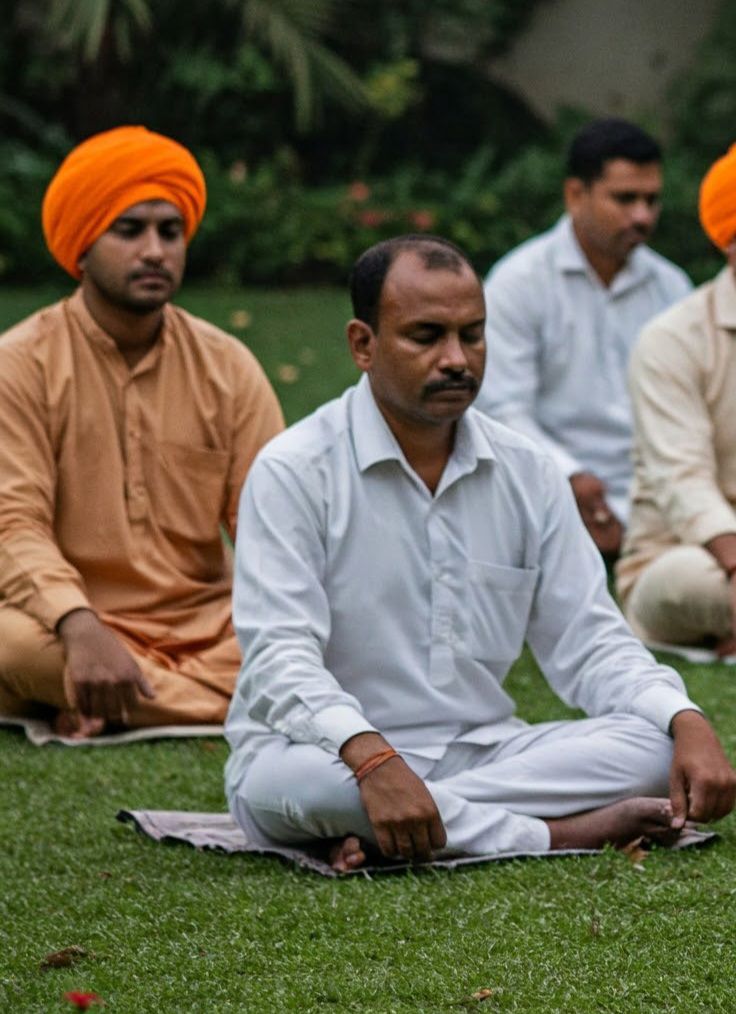
  • Meditation and Yoga in Ayurveda. Awaken Balance: A Journey of Mind, Breath, and Body Integration.

    In Ayurveda, the ancient science of holistic health, meditation and yoga are much more than physical practices. they are powerful pathways to inner harmony and overall well-being. Combining gentle movement, conscious breathwork, and mindful awareness, these timeless techniques foster a dynamic connection between body and mind, helping to navigate life’s stresses and restore natural equilibrium.

    Every individual is unique, with personal strengths and imbalances. Through custom yoga postures, pranayama (breath exercises), and targeted meditation practices, Ayurveda offers solutions tailored to your constitution and wellness needs. To experience the safest and most effective benefits, consult with a qualified Ayurvedic doctor. Professional guidance ensures that every step of your journey honors your body’s requirements and empowers sustainable healing from within.Meditation and Yoga in Ayurveda Awaken Balance: A Journey of Mind, Breath, and Body IntegrationAyurveda teaches that true health is achieved through the harmonious integration of mind, body, and breath. Meditation and yoga are at the heart of this wisdom, guiding us to greater awareness, resilience, and vitality in daily life. Through mindful movement, conscious breathing, and focused attention, these practices address stress, promote healing, and support our natural balance. Because every individual’s constitution and health needs are unique, consulting with a qualified Ayurvedic doctor is the key to developing a customized practice. An Ayurvedic expert can recommend the best meditation techniques, yoga postures, and pranayama to optimize your well-being and help you discover lasting inner peace.Meditation and Yoga in Ayurveda: For More understanding 1. What is the mind-body connection in Ayurveda? Ayurveda sees the mind and body as deeply interconnected. A healthy mind supports the body’s healing, while physical balance positively affects mental clarity.2. How does meditation help in Ayurveda? Meditation calms the mind, reduces stress, improves emotional well-being, and promotes inner healing, all of which support Ayurvedic balance.3. What is pranayama in Ayurveda? Pranayama is the practice of breath control. It balances prana, or life force, harmonizing the mind and body for better health.4. Which pranayama techniques are recommended in Ayurveda? Common techniques include Nadi Shodhana (alternate nostril breathing), Bhramari (bee breath), and Kapalabhati, each chosen based on individual constitution and needs.5. What are the main benefits of meditation? Meditation improves focus, reduces anxiety, enhances self-awareness, rejuvenates energy, and supports the healing of chronic conditions.6. How does yoga support Ayurvedic health? Yoga postures promote circulation, flexibility, digestion, and detoxification while keeping the mind steady and emotions balanced.7. Can meditation reduce stress-related diseases? Yes, regular meditation lowers cortisol, calms the nervous system, and reduces the risk of stress-triggered disorders.8. Which yoga postures are best for beginners? Simple asanas like Tadasana (Mountain Pose), Vrikshasana (Tree Pose), and gentle seated postures are ideal for beginners.9. What is the connection between prana and health? Prana is the vital energy. Balanced prana sustains life processes and prevents illness, as per Ayurveda.10. How does deep breathing improve focus? Deep breathing increases oxygen supply to the brain, relaxing the mind and improving attention span.11. How often should meditation be practiced? Daily meditation, even for 10-20 minutes, is encouraged for consistent benefits.12. Can yoga postures be tailored for health imbalances? Yes, an Ayurvedic doctor or yoga therapist can suggest postures based on individual dosha and health conditions.13. What is the role of diet in meditation and yoga practice? A light, sattvic (pure) diet is recommended, as it keeps the mind clear and supports deeper meditation.14. Does Ayurveda suggest group or solo meditation? Both are beneficial. Solo meditation aids self-reflection, while group meditation creates collective positivity.15. Can pranayama help with respiratory issues? Certain pranayama techniques improve lung capacity and reduce respiratory problems when gently practiced.16. Is meditation effective for emotional healing? Yes, meditation nurtures emotional stability, resilience, and genuine joy.17. Are there specific yoga poses for stress? Restorative poses like Balasana (Child’s Pose) and Savasana (Corpse Pose) relieve stress naturally.18. Which dosha benefits most from meditation? All doshas benefit, but Vata types, prone to anxiety and distraction, often see the most immediate improvement.19. What lifestyle supports effective yoga practice? Regular routine, good sleep, and a nourishing diet help deepen yoga’s effects.20. How soon are benefits felt with regular practice? Some notice changes in a week; others see gradual improvement in mood, health, and energy over weeks or months.21. Can meditation aid in lowering blood pressure? Yes, meditation has been shown to reduce blood pressure by calming the mind and relaxing blood vessels.22. Should yoga be practiced on an empty stomach? Yes, ideally yoga is practiced on an empty stomach or at least two hours after eating.23. Can pranayama be practiced at any time? Morning is best, but gentle pranayama is safe at almost any time, so long as the body is comfortable.24. Is there a best time for meditation? Dawn, dusk, or when the mind is moderately calm are considered ideal times.25. How is mantra meditation used in Ayurveda? Repeating sacred sounds or mantras focuses the mind and channels healing energy.26. Are there side effects to meditation or yoga? When practiced correctly, side effects are rare. Overexertion or improper practice can cause minor discomfort.27. Can meditation improve sleep quality? Yes, meditation relaxes the mind and body, supporting restful sleep.28. How is yoga integrated into Ayurveda treatment? Yoga is tailored to the individual’s constitution and condition as part of a holistic healing plan.29. What is the importance of a teacher or guide? A knowledgeable guide ensures safe practice, corrects technique, and personalizes practices for your needs.30. Which breathing techniques calm anxiety? Nadi Shodhana and gentle, slow abdominal breathing are effective for anxiety.31. Is meditation helpful for digestive issues? Yes, meditation calms nerves involved in digestion and reduces stress-related gut problems.32. Can yoga help balance hormones? Certain postures and breathwork support endocrine health, easing hormonal imbalances.33. How does yoga impact immunity? Yoga enhances lymph circulation, reduces stress, and boosts immunity.34. Which asana is recommended for daily energy? Surya Namaskar (Sun Salutation) is energizing and beneficial for most people.35. Can meditation help with addiction recovery? Yes, it provides emotional support, clarity, and willpower for those overcoming addiction.36. Is meditation necessary for yoga’s benefits? While yoga alone benefits the body, meditation maximizes yoga’s healing, especially at the mental level.37. What are signs of progress in meditation? Less reactivity, better mood, inner calm, and improved focus indicate progress.38. How long does it take to master pranayama? Basic techniques can be learned quickly, but mastery may take months to years with ongoing practice.39. Can children practice yoga and meditation? Yes, with gentle, age-appropriate techniques and guidance.40. Are there safety precautions for elderly practitioners? Yes, gentle modifications and supervision are needed for seniors.41. What is yoga nidra? It is a guided meditation practice inducing deep relaxation and restorative rest.42. Can meditation help chronic pain? Meditation improves pain management by reducing emotional suffering and enhancing resilience.43. Should I practice yoga and pranayama if ill? During illness, gentler techniques are best. Consult an Ayurvedic doctor for personal advice.44. Are there contraindications for certain techniques? Yes, high blood pressure, pregnancy, and certain diseases may require modifications.45. Can meditation help with weight management? It supports mindful eating and balanced hormones, indirectly aiding weight control.46. Are breathing exercises safe for everyone? Basic breathing is safe; advanced yoga breathing should be guided by a professional.47. Is yoga beneficial for mental health? Yes, yoga reduces symptoms of anxiety, depression, and improves general mental well-being.48. Which meditation type suits beginners? Simple mindfulness or breath awareness are best starting points.49. How does pranayama affect the mind? It steadies thoughts, calms anxiety, and increases clarity.50. Can yoga reverse lifestyle diseases? Yoga, as part of an integrated approach, can help manage and sometimes reverse lifestyle conditions.51. Which postures improve digestion? Twists and gentle forward bends are generally beneficial for digestion.52. Is meditation useful during pregnancy? Yes, it nurtures calmness and emotional balance for the mother and baby.53. How does one create a meditation space? Choose a quiet, clean place, use soft lighting, and minimize distractions.54. What music is helpful during meditation? Chants, soft instrumental, or nature sounds support a meditative mood.55. Can yoga be practiced at home without supervision? Gentle postures can be safely done, but guidance is recommended for complex sequences.56. Does meditation require special belief or religion? No, meditation is a universal practice benefiting people of all beliefs.57. Are there yoga postures for focus and concentration? Balance poses and forward bends help settle the mind.58. Can pranayama reduce headaches? Gentle breathwork can relieve stress headaches; consult a doctor for chronic pain.59. Should I force my mind to be silent in meditation? No, allow thoughts to come and go naturally, returning attention to the practice.60. Can meditation increase creativity? By calming mental distractions, meditation unlocks creative thought and inspiration.61. Is laughter yoga a form of Ayurveda? Laughter yoga isn’t traditional Ayurveda, but it has similar benefits for mind and body wellness.62. Are yoga accessories necessary? Simple accessories like a mat or cushion add comfort but are not essential.63. Does meditation help emotional trauma? Regular practice aids in processing and releasing emotional pain gently over time.64. What is the difference between asana, pranayama, and dhyana? Asana is posture, pranayama is breath control, and dhyana is meditative absorption.65. Can yoga and meditation be done during fasting? Meditation is safe, and gentle yoga can generally be continued, but consult a doctor for intense fasting.66. How can I stay motivated for daily practice? Set small goals, celebrate progress, and remember the benefits to encourage consistency.67. Are group classes more effective than self-practice? Group classes can build motivation, but personal practice creates deeper self-knowledge.68. How does Ayurveda personalize yoga for doshas? Practices are adapted in posture, pace, and sequence to balance Vata, Pitta, or Kapha.69. Is advanced yoga or meditation necessary for health? Basic, regular practice offers significant benefits for most people.70. What is the role of mudra in meditation? Hand gestures (mudras) enhance focus, channel energy, and complement pranayama.71. Can yoga reduce joint pain? Regular gentle yoga increases flexibility and relieves mild joint discomfort.72. What foods support yoga and meditation? Fresh, light, whole foods (such as fruits, vegetables, nuts, and grains) encourage mental clarity.73. Can pranayama help with energy slumps? Breathing techniques revive and balance vital energy, especially during fatigue.74. Does Ayurveda recommend meditation for students? Yes, it improves memory, focus, and stress resilience, supporting learning.75. Can pranayama help with asthma? Some breathwork may help, but it should be practiced gently and under expert supervision.76. What is the significance of OM chanting? Chanting OM is considered calming and harmonizing for the mind and nervous system.77. How does yoga benefit sleep? Relaxing postures and meditation before bed promote deeper, more restful sleep.78. Are there precautions for pregnant women in yoga? Yes, avoid strenuous poses. Practice gentle movements and consult a trained prenatal yoga teacher.79. How does Ayurveda view stress? Stress is seen as a cause of imbalance; meditation and yoga are key tools to restore calm.80. Can meditation help in managing anger? Yes, it develops mindfulness, allowing conscious response rather than reactive anger.81. Is self-guided meditation effective? Yes, especially with consistent use of recordings or written guidance.82. Can elderly people benefit equally? Gentle yoga and meditation support joint mobility, balance, and peace of mind for the elderly.83. Does yoga help with concentration for exams? Yes, certain poses and breathing exercises support memory and mental clarity.84. Can meditation help grieving individuals? Meditation offers emotional support, space for grief, and gentle healing.85. How does Ayurveda combine all these practices? By integrating yoga, breathing, meditation, diet, and lifestyle for holistic healing.86. Should yoga be vigorous or gentle for benefits? It depends on your body condition and dosha. Ayurveda recommends what best suits your need.87. Can yoga help with high blood pressure? Gentle yoga and breathing can lower blood pressure. Intense postures should be avoided.88. Does meditation help in chronic disease recovery? It supports healing by reducing stress and increasing body awareness.89. Are there yoga styles not recommended in Ayurveda? Aggressive or excessive heat-generating practices may not suit certain constitutions.90. What are typical obstacles in meditation? Restlessness, boredom, or physical discomfort, all of which can be managed with patience.91. Can balancing prana influence emotions? Yes, balanced prana supports stable and positive emotions.92. Does Ayurveda recommend cleansing before practice? A light, clean body and simple surroundings help deepen the experience.93. Can yoga and meditation help with insomnia? Yes, they calm the mind and release physical tension, promoting sound sleep.94. Should children meditate? Simple guided practices suited for their age are beneficial.95. What to do if I feel sleepy during meditation? Practice sitting upright, meditate earlier in the day, or try breathing techniques to refresh the mind.96. Can yoga correct posture problems? Yes, yoga builds body awareness, flexibility, and spinal alignment.97. Do I need spiritual beliefs for success in yoga/meditation? No, a sincere regular practice is sufficient, regardless of spiritual beliefs.98. Why consult an Ayurvedic doctor? An Ayurvedic doctor can personalize recommendations based on individual constitution, needs, and health challenges.99. Can allopathy and Ayurveda be combined with yoga and meditation? Yes, they can complement each other—but always consult your healthcare provider.100. Is lifelong practice of yoga and meditation important? Yes, lifelong practice supports lasting health, resilience, peace, and well-being in every phase of life. If detailed answers or personalized advice are desired, always consult an Ayurvedic doctor or qualified teacher.

  • AYURVEDA UPDATES: 10 October 2025.By AYURVEDA Initiative for Global Health

    Daily Global and National Ayurveda News Digest Covering Events, Research, and Policy from 7 October 2025.

     Global Ayurveda Updates

    1. WHO Collaborates with AYUSH Ministry for Ayurveda Integration Guidelines (Geneva)  

    The World Health Organization (WHO) has initiated a global framework to integrate Ayurveda and other traditional systems into primary healthcare. Discussed on 7 October 2025, the draft emphasizes safety standards, certification for practitioners worldwide, and inclusion of Ayurveda in universal health coverage programs.

    2. Europe Sees Surge in Ayurveda-Based Wellness Tourism  

    Ayurveda retreats across Spain, Italy, and Portugal are experiencing record visitor numbers under the “Healing Nature 2025” campaign. The European Wellness Council reports that Ayurveda’s holistic detox therapies are becoming a preferred alternative to conventional spa treatments.

    3. Global Ayurveda Research Consortium Expands to Latin America  

    Brazil and Colombia have officially joined the Global Ayurveda Research Consortium (GARC). This expansion aims to promote scientific research and validation of traditional medicinal systems through modern pharmacology and clinical trials.

    4. Online Ayurveda Education Gains Recognition  

    Several European accreditation bodies have approved international Ayurveda e-learning platforms. This recognition paves the way for cross-border Ayurveda education and practitioner training with standardized curricula.

     National Ayurveda News (India).

    1. Countdown Begins for National Ayurveda Day 2025  

    The Ministry of AYUSH announced “Ayurveda for Mindful Living” as the theme for National Ayurveda Day 2025, scheduled on 20 October. State AYUSH departments have started organizing wellness walks, awareness camps, and student competitions nationwide.

    2. CCRAS Announces 10 New Clinical Research Projects  

    The Central Council for Research in Ayurvedic Sciences (CCRAS) approved ten new multi-centric research projects focusing on chronic pain management, metabolic health, and women’s wellness. These projects will include collaboration between Ayurveda and AIIMS researchers.

    3. Ayurvedic Startups Shine at Global Health Tech Summit (Bengaluru)  

    Innovative Ayurvedic startups showcased AI-driven diagnostic tools and personalized herbal formulations at the Bengaluru summit. The event highlighted the integration of Ayurveda principles with digital health technology.

    4. Maharashtra Launches ‘AyurSampada’  

    A new digital portal, AyurSampada, was launched in Pune to connect rural Ayurvedic practitioners with herbal suppliers and e-learning modules. The initiative aims to empower local health systems through enhanced access to Ayurveda resources.

     Press Note and Awareness

    Press Release – Ministry of AYUSH (7 October 2025):  

    “Ayurveda stands as the bridge between ancient wisdom and modern health needs. With renewed global partnerships and evidence-based research, India envisions Ayurveda as a cornerstone of global wellness by 2030.”

     Message:  

     “Live Ayurveda Daily — in Thought, Food, and Action. True health begins with balance.”

     Quote of the Day.

    “When nature heals, Ayurveda reveals.”  

    …. AYURVEDA Initiative for Global Health .

  • Who are your favorite artists?

    http://www.ayurvedainitiative.com.

    My favorite Artists Arun DabholkarArun Dabholkar is a distinguished artist celebrated for his versatile and expressive art style that bridges the realms of realism, abstraction, and scientific inspiration. His remarkable ability to merge diverse elements from human portraits to natural landscapes and anatomical abstractions. enables him to create a rich visual language that resonates deeply with viewers.

    Dabholkar’s art spans several genres including lifelike portraits, figures from everyday life, spacious landscape scenes painted en plein air, and abstract compositions incorporating faces, flora, and anatomical motifs. What makes his work truly unique is the seamless integration of his academic background in biomedical science with his artistic practice. Holding a PhD and postdoctoral research experience from top institutions like Northwestern University and Kyoto University, Dabholkar channels his scientific knowledge into abstract artworks that echo biological forms and scientific principles in creative ways.His mastery over various mediums including acrylics, watercolors, oils, charcoal, and ink demonstrates his technical prowess. Whether working on paper, canvas, wood, or wall murals, Arun Dabholkar’s brushwork reveals a dynamic range from delicately detailed portraits to bold, expressionistic abstractions filled with vibrant color and energy. This eclectic approach makes every piece distinctive, drawing viewers into a dialogue that is both intellectual and emotional.A highlight of his career is his project painting the Shri Sai Charitra large canvases that narrate the life of Shri Saibaba, endowed with a deep spiritual and cultural essence. These works, which combine realism and devotional themes, have been praised for their evocative portrayal and technical excellence. Dabholkar’s art also frequently celebrates Indian culture, festivals, and significant personalities, with a style that marries traditional motifs and contemporary interpretations.His exhibitions span prestigious venues such as the Hyde Park Art Center and Palette & Chisel Academy of Fine Arts in Chicago, where he showcased both expressive portraits and figure drawings. Notably, his plein air landscapes have been exhibited in shows dedicated to outdoor painting, revealing his sensitivity to natural light and atmosphere. Recognition for his work includes awards like the Kenosha International Slide Exhibition’s Best Night Photograph and honors for excellence in portraiture.Arun Dabholkar’s paintings captivate not only because of their aesthetic appeal but also due to the stories they unfold stories of science, spirituality, nature, and the human condition. His pieces invite contemplation, making each viewing an immersive experience that encourages reflection on life’s interconnectedness.In summary, Arun Dabholkar’s art style is a vibrant fusion of lifelike representation, scientific abstraction, and cultural homage. His highlights include multi-genre versatility, integration of biomedical science themes, spiritually significant projects like Shri Sai Charitra, and numerous exhibitions and awards that affirm his artistic excellence. Through his work, Dabholkar offers a compelling journey across the landscapes of perception, emotion, and intellect, establishing himself as a remarkable storyteller with paint and canvas.

  • Ayurveda and Women’s Health: Menopausal Balance.

    Ayurveda and Women’s Health: Menopausal Balance.Menopause is a natural phase in a woman’s life marked by the end of menstrual cycles and significant hormonal changes. Ayurveda regards menopause as an important transition requiring special care to balance the body’s energies (doshas), especially Vata and Pitta dosha, which often become aggravated during this stage.Ayurvedic treatments focus on restoring harmony through herbal remedies, diet, lifestyle modifications, and detox therapies. Herbs like Shatavari, Ashwagandha, Brahmi, and Guduchi support hormonal balance, reduce hot flashes, improve sleep, and ease mood swings. Panchakarma therapies like Nasya and Basti help detoxify and calm the nervous system, providing relief from menopausal symptoms.In addition to herbal and therapeutic interventions,

    Ayurveda emphasizes mental wellbeing through practices such as meditation, yoga, and stress management, encouraging a holistic approach to menopausal health.For personalized diagnosis and treatment plans that consider your unique body constitution (Prakriti), always consult a qualified Ayurvedic doctor. Proper guidance can ensure a healthier, balanced, and more comfortable transition through menopause.Menopause is a natural transitional phase in a woman’s life, bringing physical and emotional changes. Ayurveda offers holistic approaches to balance this phase by addressing dosha imbalances, promoting hormonal harmony, and supporting overall wellbeing naturally. Here are 151 short questions and answers regarding Ayurveda and menopausal health. For personalized treatment, consult an Ayurvedic doctor.More light on Menopausal Balance Know 1. What is menopause in Ayurveda? Menopause, called Rajonivrutti, is the natural cessation of menstruation with age and hormonal changes.2. Which dosha imbalance is most common during menopause? Vata dosha is often aggravated, causing symptoms like anxiety, dryness, and joint pain.3. How does Ayurveda explain menopausal symptoms? It views symptoms as imbalances in doshas, dhatu depletion, and impaired digestive fire (Agni).4. What Ayurvedic herbs help balance menopause? Shatavari, Ashwagandha, Brahmi, and Guduchi are commonly recommended.5. How does Shatavari benefit menopausal women? Shatavari supports hormonal balance, soothes hot flashes, and relieves vaginal dryness.6. What role does Ashwagandha play in menopause? Ashwagandha relieves anxiety, improves sleep, and boosts energy levels.7. Can Panchakarma help menopausal symptoms? Yes, therapies like Vasti (enema) and Shirodhara help detoxify and balance doshas.8. What dietary changes are suggested during menopause? Eat warm, nourishing foods, avoid caffeine and cold foods, and use spices like fennel and cumin.9. How important is lifestyle modification in menopause? Routine sleep, regular exercise, meditation, and oil massage support balance.10. What is Rasayana therapy? A rejuvenation therapy that enhances vitality, immunity, and mental health during menopause.11. How does Ayurveda address mood swings in menopause? Through herbal calming agents, meditation, and balancing Vata dosha.12. Is vaginal dryness treatable with Ayurveda? Yes, herbal oils and Shatavari help restore moisture and comfort.13. How does Ayurveda prevent osteoporosis in menopause? By strengthening bones with herbs like Ashwagandha and encouraging physical activity.14. Can Ayurvedic treatment reduce hot flashes? Yes, cooling herbs like Chandana (sandalwood) and herbs that balance Pitta reduce hot flashes.15. What are signs of Kapha imbalance in menopause? Weight gain, lethargy, and fluid retention are common symptoms.16. How does Ayurveda manage Kapha-related menopausal symptoms? With light diets, warming spices, and detoxification therapies.17. What is Sattvavajaya chikitsa? It is Ayurvedic therapy focusing on mental health through meditation and positive habits.18. How important is Yoga in menopausal balance? Yoga enhances flexibility, reduces stress, and balances doshas.19. Can Ayurveda help with sleep disturbances in menopause? Yes, herbs like Brahmi and Ashwagandha promote restful sleep.20. Are Ayurvedic medicines safe for long-term menopause management? They are generally safe when prescribed by an expert and tailored to individual dosha.21. What role does Agni (digestive fire) play in menopause? Strong Agni helps digest food and toxins effectively, reducing menopausal discomfort.22. How does Ayurveda view weight gain during menopause? It links weight gain to Kapha imbalance and slow metabolism.23. Can herbal teas aid menopausal symptoms? Yes, herbal teas like ginger, cinnamon, and fennel support digestion and calm symptoms.24. What is Abhyanga and how does it help? Daily oil massage that nourishes skin, calms nerves, and balances Vata.25. How is Guduchi beneficial during menopause? Guduchi boosts immunity, supports detox, and balances all three doshas.26. Can Ayurveda improve memory and concentration in menopause? Yes, herbs like Brahmi and Mandukaparni enhance cognitive function.27. What is the significance of Ritucharya in menopause? Following seasonal regimens helps balance doshas and maintain health.28. How does Ayurveda treat mood swings naturally? Through herbal remedies, lifestyle balance, and mind-calming practices.29. Are there specific foods to avoid during menopause? Avoid oily, fried, and processed foods that can aggravate doshas.30. What is Nasya therapy and its benefit in menopause? Nasya involves nasal herbal oils to relieve headaches, dryness, and mental stress.31. Can Ayurveda treat urinary issues related to menopause? Yes, through balanced diet, herbs, and detoxification therapies.32. How can one boost energy levels naturally in menopause? By consuming Rasayana herbs and practicing regular gentle exercise.33. What is the role of meditation in menopausal health? Meditation reduces stress and balances emotional fluctuations.34. How does warm water consumption affect menopause? Warm water aids digestion, detoxification, and balances Vata.35. Is hormonal therapy part of Ayurveda? Ayurveda uses natural herbs to balance hormones without synthetic drugs.36. What Ayurvedic oils are recommended during menopause? Bala oil, Brahmi oil, and Ashwagandha oil for massage and scalp health.37. How does Panchakarma detoxify menopausal toxins? It cleanses accumulated Ama and restores dosha balance.38. Can Ayurveda help menopause-related headaches? Yes, by balancing Pitta and calming the nervous system.39. What is the importance of sleep hygiene in menopause? Regular sleep patterns improve hormone balance and mental health.40. How can one manage hot flashes naturally? Cool foods, herbs like sandalwood, and avoiding heat triggers help.41. Are there exercises specifically suited for menopause? Gentle yoga, walking, and stretching improve flexibility and circulation.42. What is the role of spices in menopausal diet? Spices like turmeric, ginger, and cumin aid digestion and reduce inflammation.43. How does Ayurveda approach menopause-related anxiety? Through calming herbs, meditation, and lifestyle regulation.44. Can Ayurveda prevent early onset osteoporosis? Yes, with calcium-rich diet, herbal supplements, and weight-bearing exercise.45. What is the impact of stress on menopausal symptoms? Stress worsens symptoms by disturbing dosha balance and Agni.46. How does Ayurveda recommend coping with night sweats? Cool herbs, breathable fabrics, and calming routines reduce night sweats.47. Can herbal supplements affect menopausal hair loss? Yes, herbs like Bhringraj and Amla strengthen hair and prevent loss.48. How is Ashwagandha used in menopause treatment? It supports adrenal health and reduces fatigue and stress.49. What are signs of hormonal imbalance in menopause? Irregular cycles, mood changes, weight gain, and sleep issues.50. How does Ayurveda support bone density? Through minerals, herbs like Shatavari, and physical activity.51. Can Ayurveda improve skin texture during menopause? Yes, nourishing oils and antioxidants improve skin vitality.52. How important is hydration during menopause? Adequate water intake prevents dryness and supports detox.53. What role does digestive health play in menopausal balance? Healthy digestion reduces toxins and supports hormone metabolism.54. Can Ayurveda address menopausal depression? Yes, through holistic balancing of mind and body with herbs and therapies.55. What lifestyle changes support menopausal wellbeing? Balanced diet, regular exercise, stress management, and sleep routine.56. Is Ayurvedic counseling helpful for menopausal women? Yes, it provides personalized guidance on diet, lifestyle, and treatment.57. How can one balance Vata dosha in menopause? Warm food, oil massage, and calming routines help stabilize Vata.58. What is the effect of Kapha imbalance in menopause? Causes heaviness, lethargy, and sluggish metabolism.59. How does Ayurveda treat menopausal joint pain? Using anti-inflammatory herbs, massage, and strengthening therapies.60. What is the importance of fiber in menopausal diet? Fiber supports digestion and reduces cholesterol.61. Can meditation affect hot flash frequency? Yes, regular practice lowers stress and decreases frequency.62. Are there Ayurvedic remedies for memory lapses during menopause? Brahmi and Mandukaparni improve memory and focus.63. What is the significance of an individualized approach in Ayurveda? Each woman’s dosha and condition guide tailored treatment.64. How does Ayurveda view menopause as a life transition? As a natural phase requiring balance and rejuvenation.65. Can lifestyle balance reduce the need for medications in menopause? Yes, proper diet and routines minimize symptom severity.66. How does Ayurveda treat mood instability during menopause? Through balancing mental health with herbs and meditation.67. What is the role of antioxidants in menopause? They protect cells from aging and oxidative stress.68. Which Ayurvedic herbs promote hormone balance? Shatavari, Ashwagandha, Yashtimadhu, and Guggulu.69. How does Ayurveda suggest managing weight gain? With diet control, exercise, and metabolism-boosting herbs.70. Can Ayurvedic therapies improve libido in menopause? Yes, through Rasayana and balancing doshas.71. How to manage sleep disorders naturally with Ayurveda? Herbs like Jatamansi and Brahmi plus calming practices.72. What are the effects of dehydration in menopause? Increases dryness and worsens symptoms like hot flashes.73. How does Ayurveda view balancing toxins (Ama)? Clearing Ama is key to reducing menopausal ailments.74. Are dietary fats important during menopause? Healthy fats support hormone production and skin health.75. Can Ayurveda help with urinary incontinence in menopause? Yes, through strengthening pelvic muscles and herbal tonics.76. What role does exercise play in mental health during menopause? Improves mood, reduces anxiety, and supports hormonal balance.77. How important is self-care during menopause? Essential for physical and mental adjustment during this phase.78. What are some recommended Ayurvedic detox practices? Light diet, herbal teas, and Panchakarma therapies.79. Can Ayurveda treat hot flushes effectively? Yes, through cooling herbs, diet, and mental wellness.80. What is the role of herbal supplements in menopause? Support hormonal balance, reduce symptoms, and improve vitality.81. How does Ayurveda help prevent cardiovascular risks post-menopause? By improving metabolism, detox, and reducing inflammation.82. What diet supports bone health in menopause? Calcium-rich foods like leafy greens and milk with Shatavari.83. How does Ayurveda address dry skin in menopausal women? With nourishing oils, hydration, and cooling herbs.84. Can Ayurveda improve digestion during menopause? Yes, with digestive spices and balanced meals.85. How does meditation impact hormonal balance? Reduces stress hormones, promoting overall balance.86. What is the Ayurvedic view on hormone replacement therapy? Preference for natural herbal balance over synthetic hormones.87. Can Ayurveda help with menopausal hair thinning? Yes, through strengthening herbs and scalp treatments.88. How important is regular physical activity? Crucial for maintaining weight, mood, and bone strength.89. What kind of mental exercises does Ayurveda recommend? Mindfulness, meditation, and positive affirmations.90. How does Ayurveda treat vaginal atrophy? With herbal oils and phytoestrogenic plants.91. What are lifestyle tips for balancing Kapha during menopause? Stay active, eat light, and avoid heavy meals.92. Can Ayurveda support healthy cholesterol levels? Yes, through diet and detox therapies.93. How does Ayurveda view menopause in relation to aging? A natural process requiring rejuvenation and balance.94. What is the role of regular sleep schedules? Maintains hormonal rhythm and mental health.95. Can yoga reduce menopausal symptoms? Yes, it improves flexibility, breathing, and mental calm.96. How does Ayurveda suggest managing irritability? Herbal calming agents and proper lifestyle balance.97. What is the importance of emotional support in menopause? Crucial for mental well-being and symptom relief.98. How does Ayurveda view menopausal weight redistribution? As a result of dosha imbalance treated by diet and exercise.99. Can Ayurveda help with indigestion in menopause? Yes, with digestive aids and lifestyle adjustments.100. What is the effect of caffeine on menopause? Can aggravate symptoms like hot flashes and anxiety.101. How does Ayurveda manage joint stiffness? With warming therapies and anti-inflammatory herbs.102. Are probiotics beneficial during menopause? Yes, they support gut health and immunity.103. How can women maintain vitality in menopause? Through diet, exercise, and Rasayana therapies.104. What role do antioxidants play in menopausal skin care? Protect against aging and maintain elasticity.105. Can Ayurveda improve concentration during menopause? Yes, focusing on herbs and mental practices.106. What is the Ayurvedic approach to fatigue? Improving digestion, detox, and using energizing herbs.107. How does Ayurveda address facial flushing? Balancing Pitta with cooling herbs and diet.108. Can Ayurveda support bone marrow health? Yes, through nourishing herbs and diet.109. What role does water intake play? Essential for detox, hydration, and skin health.110. How to balance all three doshas in menopause? By following personalized diet and lifestyle.111. Can Ayurveda treat menopausal anxiety? Yes, herbal and lifestyle therapies reduce anxiety.112. What is the importance of mental peace in menopause? Improves quality of life and symptom management.113. How can one improve digestion naturally? Eat warm, fresh foods with digestive spices.114. What herbs are used for hormonal support? Shatavari, Yashtimadhu, Ashwagandha, and Guggulu.115. Can Ayurveda reduce dependence on synthetic drugs? Yes, with holistic therapies and natural preparations.116. How does Ayurveda manage menopausal insomnia? Through calming herbs and sleep hygiene.117. Can regular meditation improve menopausal symptoms? Yes, by reducing stress and balancing mind-body.118. How to alleviate menopausal irritability naturally? Herbs, meditation, and balanced nutrition.119. Is detoxification recommended in menopause? Yes, to remove Ama and restore balance.120. How does Ayurveda counteract menopausal joint pain? With nourishing massage and anti-inflammatory herbs.121. Can Ayurveda support weight loss naturally? Yes, via metabolism-boosting herbs and diet.122. How important is emotional stability during menopause? Vital for overall health and wellbeing.123. What is the role of Ayurvedic oils in menopause? To nourish skin and calm nervous system.124. How does Ayurveda view natural hormone fluctuation? Part of the life cycle needing balance and care.125. Can Rasayana therapy slow aging in menopause? Yes, it rejuvenates tissues and increases vitality.126. How to manage physical fatigue in menopause? Balanced diet, Rasayana, and moderate exercise.127. What is the importance of seasonal routines? They maintain dosha harmony throughout the year.128. Can Ayurveda treat hot flashes effectively? Yes, especially with cooling herbs and diet.129. How is menopause linked with digestion in Ayurveda? Weak digestion increases Ama leading to symptoms.130. What lifestyle changes support hormonal health? Balanced sleep, diet, and stress relief techniques.131. Can Ayurveda help with urinary tract infections? Yes, through herbal healing and hygiene.132. How to strengthen bones with Ayurveda? Calcium-rich diet, herbs, and weight-bearing exercise.For best guidance and individual tailored treatment, consulting an Ayurvedic practitioner is highly recommended.

  • I will continue to work on AYURVEDA Initiative for Global Health with more energetic.

    What would you do if you lost all your possessions?

    http://www.ayURVEDAINITIATIVE.COM

    What Would I Do If I Lost All My Possessions?

    Life is a journey of impermanence. What if, one day, everything I owned my belongings, wealth, and material comforts vanished? At first, the thought stirs fear and uncertainty. But with deeper reflection, I realize that all possessions are temporary; they come and go like clouds drifting across the sky.

    When I see this world as a dream fleeting, intangible I understand that I have nothing truly to gain or lose. This awareness frees me from the chains of attachment and worry. It invites me to shed the weight of materialism and live more authentically.

    With this clarity, I choose to begin anew. I embrace what I love most those passions and activities that nourish my soul and bring joy. Whether it’s creating, learning, helping others, or simply being present in nature’s beauty, I recommit to these pleasures without hesitation.

    Losing all possessions is not losing myself. It’s rediscovering the essence beyond things a life filled with meaning, freedom, and peace.

    And with this understanding,I live  every moment to  becomes an opportunity to live fully, deeply, and joyfully.

    I will continue to work on AYURVEDA Initiative for Global Health with more energetic.

  • Introduction to Ayurveda: The Wisdom of Ancient Healing.

    Ayurveda, often called the “Science of Life,” is a timeless holistic healing system that originated over 5,000 years ago in India. Rooted in the ancient Vedic tradition, Ayurveda emphasizes balancing the body, mind, and spirit to achieve optimal health and well-being. It views health not merely as the absence of disease but as a harmony of physical, mental, and spiritual energies.

    This ancient science offers a comprehensive approach through herbal remedies, dietary guidelines, lifestyle practices, and therapies like Panchakarma to cleanse and rejuvenate the body. Each individual is unique, with their own Prakriti (body constitution), and Ayurveda provides personalized methods to maintain health and treat ailments. In today’s fast-paced world, Ayurveda offers timeless insights into living closer to nature, embracing natural remedies, and fostering a balanced lifestyle. For those interested in holistic health and age-old wisdom, Ayurveda serves as a valuable guide. Consult a qualified Ayurveda practitioner for personalized advice and authentic treatment tailored to your constitution and needs.Know more About Ayurveda.1. What is Ayurveda?Ayurveda is an ancient Indian science of life focusing on balance between body, mind, and spirit for holistic well-being.2. What does the word ‘Ayurveda’ mean?It means “Science of Life,” derived from Sanskrit words Ayur (life) and Veda (knowledge).3. What are the main aims of Ayurveda?To maintain health in healthy individuals and cure disease in the sick.4. How old is Ayurveda?Ayurveda is over 5,000 years old, rooted in the Vedic tradition of India.5. Who is considered the father of Ayurveda?Acharya Charaka is regarded as the Father of Indian Medicine.6. What are the main classical texts of Ayurveda?The main texts are Charaka Samhita, Sushruta Samhita, and Ashtanga Hridaya.7. What are the three doshas?The three doshas are Vata, Pitta, and Kapha—energies governing physiological and psychological functions.8. What causes imbalance in doshas?Improper diet, lifestyle, stress, and environmental factors can disturb dosha balance.9. What is Vata dosha responsible for?Vata controls movement, circulation, and communication in the body.10. What is Pitta dosha responsible for?Pitta governs digestion, metabolism, and body temperature.11. What is Kapha dosha responsible for?Kapha maintains stability, strength, and lubrication in the body.12. What is Prakriti in Ayurveda?Prakriti is an individual’s unique body constitution determined by dosha balance at birth.13. How can one know their Prakriti?Through Ayurvedic consultation analyzing physical, mental, and emotional traits.14. What is Vikriti?Vikriti refers to the current state of dosha imbalance causing illness.15. What are the main branches of Ayurveda?They include internal medicine, surgery, pediatrics, psychiatry, toxicology, rejuvenation, and aphrodisiac therapy.16. What is Panchakarma?Panchakarma is a five-step detoxification therapy to cleanse and rejuvenate the body.17. What are the five main Panchakarma procedures?Vamana, Virechana, Basti, Nasya, and Raktamokshana.18. What is Dinacharya?Dinacharya means daily routine promoting health and harmony with natural rhythms.19. What is Ritucharya?Ritucharya is the seasonal regimen for maintaining dosha balance throughout the year.20. What role does food play in Ayurveda?Food is considered medicine; right diet according to body type maintains balance.21. What are the six tastes (Shad Rasa) in Ayurveda?The six tastes are sweet, sour, salty, bitter, pungent, and astringent, each influencing doshas differently.22. How does Ayurveda view digestion?Good digestion is key to health; weak digestion causes toxin buildup (Ama) leading to disease.23. What is Ama in Ayurveda?Ama is undigested toxic residue that accumulates due to impaired digestion.24. How does Ayurveda classify herbs?Herbs are classified by their taste, potency, post-digestive effect, and therapeutic action.25. What is the role of meditation in Ayurveda?Meditation calms the mind, balances doshas, and promotes mental and emotional health.26. Can Ayurveda help with stress management?Yes, through diet, lifestyle, yoga, and herbal remedies tailored to individual needs.27. What is the Ayurvedic view on mental health?Mind and body are interconnected; mental disorders are treated by balancing doshas and calming the mind.28. What are some common Ayurvedic herbs?Ashwagandha, Tulsi, Neem, Turmeric, Amla, and Brahmi are widely used herbs.29. What is Ashwagandha used for?It is an adaptogen that supports energy, reduces stress, and boosts immunity.30. What is Tulsi in Ayurveda?Tulsi (Holy Basil) is used for respiratory health, immunity, and stress relief.31. How is turmeric used in Ayurveda?Turmeric is an anti-inflammatory and antioxidant used for wounds, digestion, and immunity.32. What does Ayurveda say about sleep?Good sleep is essential for health; maintaining a routine and avoiding stimulants helps maintain sleep balance.33. What is the importance of daily self-massage (Abhyanga)?Abhyanga nourishes the skin, improves circulation, detoxifies, and calms the nervous system.34. Can Ayurveda help with weight management?Yes, by balancing doshas, improving digestion, and prescribing suitable diet and exercise.35. How does Ayurveda treat chronic diseases?Through detoxification, herbal therapy, diet, lifestyle changes, and rejuvenation therapies.36. What is Rasayana therapy?Rasayana is rejuvenation therapy aimed at improving longevity, vitality, and immunity.37. Is Ayurveda safe for children?Yes, Ayurvedic pediatrics (Kaumarbhritya) uses gentle natural treatments for children’s health.38. How does Ayurveda approach women’s health?It addresses hormonal balance, menstrual health, fertility, and menopause with natural remedies.39. What role does yoga play in Ayurveda?Yoga supports physical health, balances doshas, and enhances mental clarity in Ayurveda.40. Does Ayurveda recommend exercise?Yes, appropriate exercise tailored to individual constitution is part of a healthy lifestyle.41. What are common Ayurvedic detox practices?Dietary changes, herbal cleanses, Panchakarma therapies, and lifestyle adjustments are used.42. What is Nasya therapy?Nasya involves nasal administration of oils and herbs for head and respiratory wellness.43. How does Ayurveda view aging?Aging is natural; Rasayana therapies and healthy habits slow aging and promote vitality.44. Can Ayurveda be integrated with modern medicine?Yes, integrative approaches combine Ayurveda with modern medicine for holistic care.45. What precautions should be taken before starting Ayurveda?Consult a qualified Ayurvedic doctor to determine constitution and condition before treatment.46. Are Ayurvedic medicines herbal?Most are herbal, sometimes combined with minerals or metals prepared by specialized methods (Bhasmas).47. How long does Ayurvedic treatment take?It varies by condition and individual; chronic ailments may require longer treatments.48. Can Ayurveda treat allergies?Yes, by identifying triggers, balancing doshas, and strengthening immunity naturally.49. How can Ayurveda improve immunity?Through balanced diet, herbs, detoxification, stress management, and rejuvenation therapies.50. What are Bhasmas in Ayurveda?Bhasmas are Ayurvedic preparations of metals or minerals purified for therapeutic use.51. What are Kanakas (metal preparations) in Ayurveda?Kanakas are purified metal or mineral compounds used for specific therapies, like Bhasmas.52. What is the importance of lifestyle in Ayurveda?Lifestyle practices like daily routines align health with natural rhythms, preventing disease.53. How does Ayurveda view addictions?Addictions disturb dosha balance; therapies aim to detoxify and restore harmony naturally.54. Can Ayurveda help with skin problems?Yes, through herbal formulations, diet, detox, and external treatments like Panchakarma.55. What are common Ayurvedic facial treatments?Herbal masks, oils, cleaning therapies, and daily skincare routines based on skin type.56. What role does Ayurveda play in diabetes management?It aims to balance blood sugar by improving digestion, insulin sensitivity, and lifestyle.57. How does Ayurveda address digestive issues?With herbs, diet, lifestyle, and Panchakarma therapies targeting digestive fire (Agni).58. What are the qualities of a healthy body in Ayurveda?Balanced doshas, good digestion, quality sleep, proper hydration, and mental clarity.59. What is the role of sleep in Ayurveda?Sleep rejuvenates tissues, restores doshas, and maintains mental and physical health.60. Can Ayurveda help with anxiety?Yes, through herbal remedies, meditation, breathing exercises, and lifestyle modifications.61. What is a typical Ayurvedic breakfast?Light, easily digestible foods like khichdi, oats, or herbal teas suited to Prakriti.62. How does Ayurveda classify the seasons?Seasons are categorized into six Ritu, each requiring specific diet and regimen adjustments.63. What are the Ayurvedic approaches to postnatal care?Herbal tonics, rest, adequate nutrition, massage, and therapies to restore balance.64. How does Ayurveda view immunity?Immunity is linked to the balance of doshas, digestion, and overall health.65. What is Agni in Ayurveda?Agni is the digestive fire responsible for digestion, absorption, and assimilation.66. How to strengthen Agni?With suitable diet, herbs like ginger and cumin, regular meal times, and avoiding overstress.67. What is the significance of Abhyanga (oil massage)?It nourishes the skin, calms nerves, detoxifies tissues, and enhances longevity.68. What Ayurvedic remedies are used for fatigue?Ashwagandha, Brahmi, and Rasayana therapies boost energy and mental clarity.69. Can Ayurveda help with arthritis?Yes, through herbal treatments, diet, detox, and massage therapies to reduce inflammation.70. What role does Ayurveda play in weight loss?Tailored diet, herbs, detox, and lifestyle changes help restore metabolic balance.71. What is the significance of turmeric in Ayurveda?Turmeric is a natural anti-inflammatory, antimicrobial, and immune-boosting herb.72. How does Ayurveda handle chronic pain?With herbal remedies, massage, heat therapy, and lifestyle modifications.73. What Ayurvedic therapies exist for detoxification?Panchakarma, herbal cleansing, oil therapies, and dietary adjustments.74. Can Ayurveda improve cardiovascular health?Yes, via herbs, diet, stress reduction, and lifestyle practices.75. What is the importance of herbs in Ayurveda?Herbs are vital for restoring balance, detoxification, and treating various ailments.76. What are staple herbs used in Ayurveda?Tulsi, Ashwagandha, Neem, Brahmi, and Turmeric.77. How does Ayurveda view emotional health?Emotional disturbances are linked to dosha imbalances affecting physical health.78. What are Ayurvedic treatments for anxiety?Herbal teas, meditation, Abhyanga, and breathing exercises.79. What is the concept of Sattva in Ayurveda?Sattva represents purity, clarity, and harmony in mental and spiritual states.80. How does Ayurveda support reproductive health?By balancing hormones, strengthening immunity, and promoting overall vitality.81. What is Ama and how does it affect health?Ama is toxic buildup from improper digestion leading to disease and toxicity in the body.82. How can Ama be removed?Through detoxification therapies like Panchakarma, proper diet, and herbal cleanses.83. What is the Ayurvedic view of allergies?Allergies are caused by dosha imbalances and accumulation of Ama, treated with detox and herbs.84. What is the role of water in Ayurveda?Water supports digestion, detoxification, and hydration but should be consumed mindfully.85. When is the best time to drink water according to Ayurveda?Warm water is best, ideally between meals, to aid digestion and clear toxins.86. What is the Ayurvedic treatment for indigestion?Herbs like ginger, cumin, and Fennel along with dietary modifications.87. Does Ayurveda support seasonal detox?Yes, seasonal cleansing prevents dosha buildup and maintains balance.88. What is the significance of tongue diagnosis in Ayurveda?The tongue reveals body imbalances and helps diagnose dosha disturbances.89. What is the role of color therapy in Ayurveda?Colors influence mood and energy; they are used to balance doshas and mental state.90. What are the six seasons in Ayurveda?Vasanta (spring), Grishma (summer), Varsha (rainy), Sharad (autumn), Hemanta (early winter), Shishira (late winter).91. What foods increase Vata dosha?Dry, cold, light, and rough foods increase Vata.92. What foods balance Vata?Warm, moist, and oily foods with sweet, sour, and salty tastes balance Vata.93. What foods increase Pitta dosha?Hot, spicy, sour, and oily foods increase Pitta.94. What foods balance Pitta?Cool, sweet, bitter, and astringent foods balance Pitta.95. What foods increase Kapha dosha?Heavy, oily, cold, and sweet foods increase Kapha.96. What foods balance Kapha?Light, dry, warm, and spicy foods balance Kapha.97. What is the Ayurvedic approach to fasting?Short periodic fasting helps balance doshas and detoxify the body.98. Can Ayurveda treat hair loss?Yes, with herbal oils, diet, detoxification, and scalp therapies.99. What is the role of oil pulling (Gandusha)?Oil pulling detoxifies the mouth, improves dental health, and balances Kapha.100. How does Ayurveda treat constipation?Using fiber-rich foods, herbal laxatives, and lifestyle changes.101. What is the importance of breathing exercises in Ayurveda?Pranayama balances prana (life energy), calms the mind, and supports health.102. How is Ayurveda used in sports medicine?To enhance strength, flexibility, and quick recovery with herbs and therapies.103. What is the role of meditation in Ayurveda?Meditation promotes mental clarity, reduces stress, and balances doshas.104. What causes skin diseases in Ayurveda?Imbalance of Pitta, toxins (Ama), and aggravated doshas cause skin diseases.105. How can Ayurveda help thyroid disorders?By balancing metabolism, supporting endocrine health with herbs and lifestyle.106. Can Ayurveda treat asthma?Yes, through herbal formulations, diet, breathing exercises, and detoxification.107. What is the Ayurvedic view on cholesterol?High cholesterol relates to dosha imbalance and can be managed naturally.108. What is the significance of oil massage before bath?It softens tissues, detoxifies skin, and relaxes the nervous system.109. How does Ayurveda approach headaches?By identifying dosha imbalance and treating with herbs, diet, and lifestyle.110. What is the role of spices in Ayurveda?Spices enhance digestion, balance doshas, and have medicinal properties.111. How can Ayurveda improve vision?Through herbal eye washes, diet, and therapies promoting ocular health.112. Can Ayurveda treat infertility?Yes, by restoring hormonal balance and improving reproductive health.113. What are common Ayurvedic detox drinks?Herbal teas like ginger, tulsi, and coriander infused water.114. What is the role of Shirodhara therapy?Pouring warm oil on the forehead calms the mind and balances nervous system.115. How does Ayurveda treat respiratory disorders?With herbs, steam inhalation, diet, and lifestyle adjustments.116. What is the significance of Agni deepana?Stimulating digestive fire to improve digestion and reduce Ama.117. What is the Ayurvedic approach to heart health?Balanced diet, herbs, stress management, and exercise maintain heart health.118. How does Ayurveda handle fever?By cooling therapies, herbal remedies, and restoring dosha balance.119. What role do Panchakarma enemas play?Basti enemas detoxify colon and balance Vata dosha.120. What is the Ayurvedic treatment for insomnia?Calming herbs, meditation, Abhyanga, and proper sleep hygiene.121. How does Ayurveda approach dental care?Using herbal pastes, oil pulling, and regular oral hygiene.122. What is the importance of tongue scraping?Removing toxins and bacteria to improve digestion and oral health.123. Can Ayurveda help with depression?Yes, via herbs, meditation, detox, and balancing doshas.124. What is the role of herbal steam in Ayurveda?Clears respiratory tract, improves circulation, and detoxifies tissues.125. How does Ayurveda treat high blood pressure?By reducing stress, balancing diet, and herbal therapies.126. What is the Ayurvedic concept of immunity (Ojas)?Ojas is vital energy representing strength and immunity.127. What lifestyle changes can Ayurveda recommend?Balanced sleep, diet, exercise, meditation, and avoidance of toxins.128. Can Ayurveda treat digestive ulcers?Yes, with protective herbs and diet modifications.129. How does Ayurveda recommend skin care?Using natural oils, herbs, cleansing, and sun protection.130. What is the role of Pranayama in health?Enhances oxygen flow, calms mind, and balances doshas.131. How is Ayurveda personalized?Treatments are tailored to individual Prakriti and current health status.132. What is the significance of herbal decoctions (Kashayam)?Concentrated herbal waters used for internal cleansing and healing.133. Can Ayurveda treat chronic fatigue syndrome?Yes, by restoring balance, improving digestion, and rejuvenation therapies.134. How does Ayurveda approach cancer support?By strengthening immunity, detox, and improving quality of life.135. What is therapeutic fasting in Ayurveda?Controlled fasting to remove toxins and reset metabolism.136. How is Ayurveda helpful in menopause?Balancing hormones, reducing symptoms with herbs and lifestyle.137. What is the role of inflammation in Ayurveda?Imbalance of Pitta leading to excessive heat and inflammation.138. Can Ayurveda treat viral infections?Yes, through immune support and symptom relief herbs.139. What is Tridosha theory?The concept that health depends on balance of Vata, Pitta, and Kapha.140. How does Ayurveda view physical exercise?Exercise should be moderate and suited to dosha and constitution.141. What is the Ayurvedic approach to headaches?Identifying triggering dosha and treating with herbs and lifestyle changes.142. Can Ayurveda help with infertility?Yes, by addressing hormonal imbalances and improving reproductive health.143. What is the role of the five elements in Ayurveda?Earth, Water, Fire, Air, and Ether compose body and mind elements.144. How is Ayurvedic medicine prepared?Using herbs, minerals, metals processed through traditional methods.145. What is good digestion according to Ayurveda?Balanced Agni with no Ama formation.146. Can Ayurveda treat migraines?Yes, by balancing doshas and reducing triggers.147. What is Srotas in Ayurveda?Channels in the body for transport of fluids and energies.148. How does Ayurveda explain disease?As dosha imbalance, impaired Agni, and toxin accumulation.149. Is Ayurveda only herbal medicine?No, it includes diet, lifestyle, therapies, and spiritual practices.150. What is the role of detoxification in Ayurveda?Removing toxins to restore natural balance and health.151. When should one consult an Ayurvedic doctor?For personalized diagnosis, treatment, and health maintenance guidance.Consult Ayurvedic Doctor for more in details.

  • AYURVEDA Your Guide to Healthy Pregnancy and Postnatal Care.

    Pregnancy and postnatal care bring many changes and concerns for mothers to be and new mothers Ayurveda offers natural support through diet lifestyle and herbs for wellness Understanding when to seek medical advice is important for safety and health The questions below are tailored by trimester and postnatal period with answers incorporating Ayurvedic principles alongside a reminder to consult your healthcare provider for personalized care.

    First Trimester Weeks 1 to 131 How soon can I take a pregnancy testYou can take a pregnancy test as early as the first day of your missed period after that follow Ayurvedic practices for balanced health2 What are early signs of pregnancyCommon signs include missed periods nausea fatigue and changes in taste Ayurveda suggests gentle warm foods and adequate rest3 Is nausea normal in the first trimesterYes it is common Ayurveda recommends ginger tea and small frequent meals but consult your doctor if severe4 When should I start prenatal vitaminsBegin vitamins once pregnancy is confirmed Ayurveda also supports herbs like Ashwagandha after consulting your healthcare provider5 Can I exercise during the first trimesterLight exercises like walking or gentle yoga are beneficial avoid strenuous activities and always check with your doctor6 Should I avoid certain foodsYes avoid processed fried and excessively cold foods prefer warm fresh meals according to Ayurvedic dosha balance7 Are medications safe during pregnancyAvoid all medications without doctor advice discuss any Ayurvedic herbs with your healthcare provider8 How much weight should I gain in the first trimesterA gain of 1 to 4 pounds is common Ayurveda focuses on nourishing foods to support steady growth9 Can I travel during early pregnancyShort and comfortable travel is fine but avoid stress and fatigue seek doctor approval10 What tests are done in the first trimesterBlood tests ultrasounds and screenings Ayurveda complements this with regular self care and mindfulness11 Is spotting normal in early pregnancyLight spotting may be normal heavy bleeding needs prompt medical attention12 How do I manage fatigueRest well consume warm nourishing foods and use herbal teas like Brahmi but see your doctor if fatigue is extreme13 Can I drink coffee or teaAvoid coffee limit tea to mild herbal varieties like ginger or tulsi14 Is it safe to have sexGenerally safe unless your doctor advises otherwise15 When will I start feeling fetal movementBetween 16 to 20 weeks usually in the second trimester16 How can I deal with mood swingsPractice meditation and breathing exercises Ayurveda recommends Ashwagandha but consult your doctor first17 Should I avoid alcohol completelyYes alcohol is harmful to fetal development avoid completely18 Can I continue workingLight work is fine avoid stress and heavy lifting19 What can I do for morning sickness reliefGinger warm lemon water and small meals are helpful seek medical advice if severe20 When is my first prenatal visitUsually between 6 and 8 weeksSecond Trimester Weeks 14 to 2621 Why am I feeling more energetic nowHormonal balance improves Ayurveda supports this with balanced diet and gentle exercise22 Can I find out my babys gender nowYes ultrasounds can reveal gender around 1820 weeks23 What causes leg crampsCirculatory changes and mineral deficiencies Ayurvedic remedies include sesame oil massage and warm baths24 Is it normal to have back painYes due to body changes practice posture correction and Abhyanga oil massage with approval25 How often should I have prenatal visits nowEvery 4 weeks typically26 What should I eat to support my babys growthWarm cooked foods with ghee dairy grains and seasonal vegetables suit Ayurvedic nutrition27 How do I care for stretch marksMoisturize skin with natural oils like almond or coconut oil regularly28 Can I start prenatal exercise classesYes gentle yoga and swimming are safe after doctor’s clearance29 Should I get the glucose screening testYes between 24 to 28 weeks according to medical advice30 What if I feel decreased fetal movementContact your healthcare provider immediately31 Can I travel during the second trimesterGenerally safest trimester to travel but avoid long and stressful journeys32 What vaccinations are safe nowFlu and TDAP vaccines are recommended consult your doctor33 Can I dye my hairUse herbal dyes after checking with your healthcare provider34 How much weight gain is expected nowAround one pound per week35 What prenatal tests might I haveAnatomy ultrasound and routine health monitoring36 How do I manage heartburnEat slowly avoid spicy fatty foods try aloe vera juice with doctor approval37 Is it normal to have nasal congestionYes pregnancy hormones cause it practice oil pulling or steam inhalation cautiously38 Should I avoid stressYes meditation and pranayama are helpful39 How do I prepare for breastfeedingAttend classes and use herbal lactation support like fenugreek40 When do I start preparing a birth planDuring the second trimester is idealThird Trimester Weeks 27 to 4041 Why am I feeling short of breathUterus pressure on lungs common in late pregnancy42 What are Braxton Hicks contractionsPractice contractions preparing the body for labor43 How can I sleep comfortably nowUse pillows for support sleep on left side44 When should I pack my hospital bagBy 36 weeks or earlier if high risk45 What signs mean labor is startingRegular contractions watery discharge and backache46 Can I continue exercisingYes but reduce intensity and avoid heavy strain47 How often should I have prenatal visits nowEvery 2 weeks until 36 weeks weekly thereafter48 Is swelling normalMild swelling is common seek doctor if severe49 How do I deal with leg cramps and varicose veinsElevate legs massage with warm oil and wear support stockings50 What can I do to reduce labor painBreathing exercises and meditation are helpful51 When do I need to call my doctorIf heavy bleeding severe pain or fluid leakage occurs52 What are common delivery optionsVaginal cesarean or assisted delivery53 Can I eat during laborLight snacks allowed if approved by your provider54 What is an epiduralPain relief injection during labor55 How long does labor lastVaries from 12 to 24 hours in first time mothers56 How soon can I breastfeed after birthWithin one hour is best57 What postpartum recovery should I expectBleeding cramps and fatigue are common58 Can I have sex after birthUsually after 4 to 6 weeks with doctor guidance59 What support do I need after deliveryHelp with baby care nutrition rest and emotional support60 When will I have my postpartum checkupFour to six weeks after deliveryPostnatal Period After delivery until 6 weeks and beyond61 What is postpartum depressionA mood disorder needing support and treatment62 What are signs of postpartum depressionPersistent sadness anxiety and fatigue63 How do I care for stitches after deliveryKeep clean dry and follow doctor advice64 What activities should I avoid right after deliveryHeavy lifting and strenuous exercise65 How much rest do I needMany hours of rest with baby naps66 How often should I breastfeedOn demand eight to twelve times daily67 Can I take medications while breastfeedingOnly with doctor approval68 How do I prevent mastitisKeep breasts clean empty fully and avoid nipple trauma69 What if I have sore or cracked nipplesUse herbal creams and check latch technique70 How long should vaginal bleeding lastFour to six weeks usually71 When should I call my doctor about bleedingIf heavy or sudden bleeding occurs72 When can I resume exerciseAfter six weeks with doctor clearance73 How do I manage mood swings and stressMeditation rest and support groups help74 Is it normal to have hair lossYes it is temporary75 How do I take care of my umbilical cord stumpKeep clean dry until it falls off naturally76 Can I have sex after cesarean deliveryUsually after six weeks when healed77 How do I plan birth control postpartumConsult doctor for options78 When can I return to workDepends on health baby needs and leave79 How often should I have postpartum checkupsFollow doctor’s schedule carefully80 What signs indicate an emergency postpartumHeavy bleeding fever or severe pain seek immediate help81 How do I care for my babys feeding needsFeed on demand and look for hunger cues82 How can I ensure good sleep for my newbornFollow safe sleep advice and routines83 What vaccinations does my newborn needFollow immunization guidelines84 How do I recognize newborn jaundiceYellowing skin or eyes needs medical review85 When should I take my baby for checkupsAt two weeks one month two months and ongoing86 How do I manage postpartum constipationUse fiber fluids and gentle movement87 Can I have visitors after deliveryLimit to reduce infection and stress88 How do I prevent urinary incontinence postpartumDo pelvic floor exercises regularly89 What nutrition do I need while breastfeedingBalanced diet with sufficient fluids90 How soon will my body return to prepregnancy shapeTime varies be patient and consistent91 Can I get pregnant again soonDiscuss contraception with your doctor92 How do I handle breastfeeding challengesSeek lactation consultant support93 What are signs of baby feeding problemsPoor weight gain fussiness or long feeds94 How do I keep myself hydratedDrink water regularly throughout the day95 When should I call the doctor if I feel unwell postpartumWith fever severe pain or unusual symptoms96 What is the best way to bond with my babySkin to skin contact talking and breastfeeding97 How do I manage lack of sleepNap when baby naps and ask for help98 Should I attend postpartum support groupsYes they offer valuable emotional support99 When should I follow up with my healthcare provider after deliveryUsually at six weeks or earlier if neededConsult your healthcare provider regularly as Ayurveda complements medical care by supporting natural balance and wellness Always seek professional advice for any concerns during pregnancy and postpartum for the best outcomes for mother and baby

  • AYURVEDA: Recipes and Formulations.

    Ayurveda, the ancient science of life, offers a holistic approach to health by balancing the mind, body, and spirit using natural remedies and nutrition. Recipes and formulations in Ayurveda include a wide range of herbal teas, decoctions, tonics, diet recipes, and home remedies that have been refined through centuries of tradition. These preparations are designed not only to treat specific ailments but also to promote overall wellness and prevent disease by restoring harmony within the body’s doshas Vata, Pitta, and Kapha.Traditional Ayurvedic formulations come in various forms such as powders, decoctions, herbal jams, medicated ghee, and oils. Each recipe follows a careful selection of herbs and preparation methods rooted in classical texts, ensuring they provide synergistic benefits beyond the sum of their parts. From the energizing effects of Ashwagandha tonics to the digestive support of ginger teas,

    Ayurveda recipes emphasize natural ingredients, mindful preparation, and individualized use based on one’s unique constitution. Ayurvedic recipes and formulations that empower health through nature’s wisdom, inspiring a balanced and vital lifestyle.Below collection offers guidance on herbal formulations, diet recipes, and easy home remedies widely used in Ayurveda to support health and balance naturally.1. What is herbal tea in Ayurveda? Herbal tea is a warm infusion made from Ayurvedic herbs that helps balance doshas and improves health.2. How does Tulsi tea benefit health? Tulsi tea boosts immunity, relieves stress, improves digestion and has anti-inflammatory properties.3. What are common ingredients in Ayurvedic teas? Common ingredients include Tulsi, ginger, cinnamon, cardamom, fennel, licorice, and black pepper.4. How to prepare Ayurvedic ginger tea? Boil fresh or dried ginger in water for 5-10 minutes, strain, and drink warm with honey if desired.5. Can Ayurvedic teas help digestion? Yes, spices like ginger, fennel, and ajwain in teas stimulate digestion and reduce bloating.6. What is Ayurveda’s approach to tonics? Tonics are herbal preparations that nourish, strengthen immunity and promote overall wellness by restoring balance.7. What is a decoction (kashaya)? A decoction is a concentrated boiled extract of herbs taken warm for therapeutic effects.8. How is Chyawanprash considered a tonic? Chyawanprash is a herbal jam that rejuvenates, improves immunity and supports respiratory health.9. What are common home remedies for cold? Tulsi, ginger, and honey concoctions soothe throat and relieve congestion.10. How to balance Vata with diet? Eat warm, moist, and grounding foods including soups, cooked grains and warming spices.11. What Ayurvedic herbs aid Kapha dosha? Trikatu (black pepper, long pepper, ginger), turmeric, and neem help reduce Kapha.12. How does Ashwagandha support health? Ashwagandha reduces stress, improves stamina and supports mental clarity.13. What is Triphala used for? Triphala is a digestive detoxifier and antioxidant that supports bowel regularity.14. How is herbal tea consumed in Ayurveda? Sip warm tea slowly, preferably without milk for better absorption.15. Can Ayurvedic formulations aid sleep? Yes, herbs like Brahmi, Jatamansi, and Ashwagandha promote restful sleep.16. How to prepare Ajwain and fennel tea? Boil equal parts of ajwain and fennel seeds in water for 5-7 minutes, strain and drink.17. What is Ayurvedic detox tea? A blend of herbs that awakens metabolism and helps expel toxins through digestion and sweat.18. Why avoid honey in boiling tea? Heating honey above 40 degrees reduces its medicinal properties and can make it toxic.19. What are common Ayurvedic spices for immunity? Turmeric, ginger, black pepper, cinnamon, and Tulsi are known to boost immunity.20. How to make Ayurvedic turmeric milk? Warm milk with turmeric, black pepper, and honey, drink it before bed for immunity and inflammation.21. What is Dasamoola? A classical Ayurvedic ten-herb formulation used as an anti-inflammatory tonic.22. How does Ayurveda recommend treating acidity? With cooling and alkaline herbs like licorice, fennel and avoiding spicy and oily foods.23. What is the role of diet in Ayurveda? Diet balances doshas, improves digestion, and promotes health by choosing appropriate foods per constitution.24. What does ‘Prakriti’ mean in Ayurveda? Prakriti is the unique mind-body constitution guiding personalized treatment and diet.25. How to prepare herbal kadha? Boil powdered herbs with water until reduced by half, strain and drink warm.26. How does Cinnamon help in Ayurveda? Cinnamon improves digestion, circulation and balances Vata and Kapha.27. Are there Ayurvedic recipes for weight loss? Yes, recipes combining Trikatu, ginger tea, and light cooked vegetables support healthy metabolism.28. What is Tulsi’s role in respiratory health? Tulsi acts as an expectorant and antimicrobial agent easing cough, cold, and bronchitis.29. Can ghee be part of Ayurveda diet? Yes, ghee is a nourishing fat that aids digestion and carries herbal properties deep into tissues.30. How to make Triphala powder consumption effective? Take Triphala powder with warm water before bedtime to aid detox and digestion.31. What is the use of licorice in Ayurveda? Licorice soothes the throat, aids digestion and balances all three doshas.32. How can Ashwagandha be taken? It is taken as powder, capsules or mixed in warm milk depending on condition.33. What is Sage’s Ayurvedic use? Sage helps in detoxification and reducing inflammation.34. What Ayurvedic herbs help skin health? Neem, turmeric, manjistha and aloe vera support skin cleansing and rejuvenation.35. How is Ayurvedic diet seasonal? It changes to pacify seasonal dosha imbalances with warming foods in winter and cooling in summer.36. Can Ayurvedic teas be sweetened naturally? Yes, with jaggery, honey or natural sweeteners added after cooling.37. What is the role of ginger in Ayurveda? Ginger is a digestive stimulant and anti-inflammatory herb.38. How is Brahmi used for memory? In teas or powders, Brahmi enhances concentration and calms the mind.39. What is an Ayurvedic tonic for women’s health? Shatavari is commonly used to support hormonal balance and vitality.40. How to prepare Ayurvedic lemonade? Mix lemon juice, honey, a pinch of black salt and water for a digestive and detox drink.41. What is the importance of mindful eating in Ayurveda? Eating slowly and with awareness improves digestion and assimilation.42. Can peppermint be used in Ayurveda? Yes, peppermint soothes the digestive tract and reduces nausea.43. How should Ayurveda approach fasting? Fasting is done gently with herbal teas and light food to cleanse without stress.44. How to treat cough with Ayurveda? Use honey, ginger, and Tulsi decoctions.45. What is the role of cumin in Ayurveda? Cumin aids digestion, reduces gas and balances Vata and Kapha.46. Can Ayurvedic teas help in cold weather? Yes, warming teas with spices improve circulation and immune resistance.47. What are Ayurvedic home remedies for headache? Applying sandalwood paste and drinking ginger tea may relieve headache.48. How to prepare coriander water? Boil fresh coriander seeds in water, strain and drink for digestion and detox.49. What is the benefit of fennel seeds? They improve digestion, reduce acidity and soothe the stomach.50. Can turmeric be used daily? In moderate amounts, turmeric acts as an anti-inflammatory and immunity booster.51. What is the role of cardamom? Cardamom improves digestion, detoxifies and uplifts mood.52. How can Ayurveda support detoxification? By using herbal teas, tonics, and diet adjustments aligned with dosha balance.53. What are common Ayurvedic home remedies for indigestion? Ginger tea, ajwain water and warm lemon water are often used.54. How to prepare ginger and honey mixture? Mix grated ginger with raw honey, use as digestive aid or cold remedy.55. Does Ayurveda recommend dairy products? Yes, but preferably warm and easily digestible forms like milk, buttermilk, and ghee.56. How does Cinnamon support blood sugar? It helps stabilize glucose levels and improves insulin sensitivity.57. What is the importance of drinking warm water? Warm water activates digestive fire and flushes toxins gently.58. How is Shatavari used in Ayurveda? As a rejuvenative tonic especially for female reproductive health.59. Can Ayurveda help with anxiety? Yes, calming herbs like Brahmi and Ashwagandha soothe the nervous system.60. What is the method to prepare Ashwagandha milk? Boil Ashwagandha powder in milk and drink warm before bed.61. How to make a digestive herbal tea? Simmer ginger, fennel, cumin, and coriander in water and strain before drinking.62. What is the role of black pepper? It enhances nutrient absorption and stimulates digestion.63. Are Ayurvedic formulations safe for daily use? Yes, when used as per guidelines, they support long-term health.64. What home remedy aids sore throat? Tulsi leaves boiled in water with honey soothe irritation.65. How is Aloe Vera used in Ayurveda? It cleanses the digestive tract and supports skin health.66. How to prepare Triphala tea? Boil Triphala powder in water, strain and drink to aid digestion.67. Can cinnamon and honey help cough? Yes, their antimicrobial and soothing properties reduce cough symptoms.68. What is the significance of warm foods in Ayurveda? Warm foods balance Vata and Kapha and improve Agni (digestive fire).69. How does ginger tea help cold symptoms? It clears mucus and reduces inflammation.70. What is the benefit of fennel tea? It relieves bloating and improves digestion.71. Can Ayurvedic herbs help boost energy? Yes, Ashwagandha and Chyawanprash provide stamina and vitality.72. How does Ayurveda view sugar? Prefer natural sugars like jaggery in moderation over refined sugar.73. How to treat acidity with herbal formulations? Use cooling herbs like licorice and coriander while avoiding spicy foods.74. How to prepare ajwain water? Boil ajwain seeds in water, strain and drink for digestive relief.75. What is the use of holy basil in Ayurveda? Tulsi enhances immunity and respiratory health.76. Can turmeric and black pepper be combined? Yes, black pepper increases turmeric’s bioavailability and effectiveness.77. How is neem used in Ayurveda? Neem purifies blood and supports skin health.78. What diet is best for Pitta imbalance? Cooling, less spicy foods like cucumbers, melons, and dairy.79. Can herbal teas calm anxiety? Certain blends with lavender, Brahmi, and Mint relax the mind.80. How to prepare an Ayurvedic tonic for vitality? Mix Ashwagandha, Shatavari and honey in warm milk.81. What are benefits of Licorice root? Soothes digestive tract, reduces inflammation and heals ulcers.82. How to make fennel seed decoction? Boil fennel seeds in water for 10 minutes and drink warm.83. Can Ayurveda help healthy weight gain? Yes, nourishing tonics and diet rich in healthy fats support this.84. What is the Ayurvedic view of detox? Balancing doshas and supporting natural elimination processes via herbs and diet.85. How to prepare cinnamon tea? Simmer cinnamon sticks in water for 10 minutes and strain.86. What herbs aid respiratory health? Tulsi, Mulethi (licorice), and Vasaka improve breathing and reduce cough.87. Can Ayurveda support better sleep? Yes, herbs like Jatamansi, Brahmi, and Ashwagandha promote relaxation.88. How to use garlic in Ayurveda? Garlic boosts immunity and aids digestion but should be used in moderate amounts.89. What is the role of jaggery? Jaggery acts as a natural sweetener and detoxifier supporting liver function.90. How is herbal steam used in Ayurveda? Herbal steam clears sinuses and calms the nervous system.91. Can Ayurvedic drinks aid metabolism? Yes, teas with ginger, black pepper, and cinnamon boost metabolic rate.92. What is the difference between tea and decoction? Tea is a light herbal infusion; decoction is a strong boiled extract.93. Are Ayurvedic home remedies effective for digestion? Yes, many traditional herbs effectively soothe and enhance digestion.94. How do Ashwagandha and Brahmi help mental health? They reduce anxiety and improve cognition and mental clarity.95. Can diet alone balance doshas? A personalized diet is central to Ayurveda and is key in maintaining dosha balance.Consult Ayurvedic Doctor for more in details.

  • Ayurveda News Update: Progress, Recognition, and Renewed Hope.

    Date: 2 October 2025

    Ayurveda continues its upward trajectory as October begins with landmark achievements strengthening its presence and credibility worldwide.

    Signature: Oeb0OOwCE9gvRzS6tZlzjEY1J5A3+6EXC81bRz03RoFBuTKGQj7Oqsp7QJbM6excRAFjkjUv+DDUVqwtaaXB1kHTl4DKxZxtG9Nd/FpImzvhtJPj/Bf+ncRREIM+SlCNIiNTdDkMT5iDXtGjhTbD7zbcjB0NcEE6JCC4nXfdvxs=

    A Global Identity for Ayurveda

    From this year, Ayurveda Day will be celebrated annually on 23rd September. This date aligns with the autumnal equinox and symbolizes nature’s balance, a core principle of Ayurveda. The 2025 theme, Ayurveda for People and Planet, highlights holistic health and global sustainability.

    Policy, Integration, and Recognition

    The Ministry of AYUSH is launching national and international initiatives that showcase India’s leadership in holistic healing. New awards have been announced to honor outstanding professionals for their work in research and global implementation of Ayurveda.

    Ayurveda in Education and Everyday Life

    Efforts are underway to integrate Ayurveda into school and college curricula through partnerships with NCERT and UGC, aiming to share time-tested wisdom with future generations. There are now more than 30 AYUSH Information Cells worldwide, and new university Chairs have been established to expand Ayurveda’s influence.

    International Standards and Medical Research

    New ISO standards for Ayurveda are enhancing safety, quality, and trust on the world stage. The World Health Organization has included Ayurveda codes in the latest international classification and introduced benchmarks for training and practice, marking a major step for scientific recognition.

    Summits, Surveys, and Hope

    Upcoming events such as the Global Ayurveda Summit and the Global Ayurveda Online Summit will bring together experts worldwide, encouraging collaboration and research. Recent surveys show Ayurveda is the most trusted health system in India, valued in both urban and rural communities.

    Ayurveda stands as a beacon of integrated health, progressing with new global milestones, international recognition, and hope for a healthier society and planet.

  • सूर्य म्हणजे सातत्य आणि तेजस्वीपणा.

    सूर्य म्हणजे सातत्य, 
    दररोज तोच उदय, 
    तोच प्रवास आकाशाचा, 
    कधीही न थांबणारा. 

    त्याचे तेज म्हणजे प्रेरणा, 
    कधी सौम्य, कधी प्रखर, 
    पण नेहमीच उजळून टाकणारे, 
    अंधाराला हरवून नवे क्षितिज दाखवणारे. 

    सूर्य शिकवतो
    जरी ढगांनी झाकले तरी 
    त्याचे अस्तित्व अखंड असते, 
    विश्वासाने, चिकाटीने, 
    तो परत पुन्हा उजळतो. 

    त्याच्या सातत्याने कळते, 
    जीवन सुंदर होण्यासाठी 
    फक्त सातत्याची, उजेड देण्याची 
    मनापासूनची तयारी हवी. 

    सूर्य म्हणजे स्मरण
    तू थांबू नकोस, 
    तू कमी होऊ नकोस, 
    तुझ्या तेजाने जग उजळू दे. 

    #Ayurveda #AyurvedicDoctor #AyurvedicMedicine #AyurvedicTreatment #AyurvedicLifestyle #AyurvedicDiet #AyurvedicWellness #AyurvedicHealth #AyurvedicRemedies #AyurvedicTherapies #PanchakarmaTherapy #Yoga #Meditation #AyurvedicHealthTips #AyurvedicTipsForAHealthyLifestyle #WhatIsAyurveda #AyurvedaInIndia #AyurvedicTreatmentCentersInIndia #RejuvenateYourselfWithAyurvedaAndYoga #Dombivli #Kalwa #Thane #Mumbai
    #AyurvedaForGlobalHealth #AyurvedicHealthcare #NaturalHealth #HolisticHealth #Wellness #SelfCare #HealthyLiving

  • Ayurveda News Update: 30 September 2025 Progress, Recognition, and Renewed Hope in Traditional Medicine.

    Ayurveda, the age-old Indian system of holistic health, is gaining new momentum globally. Recent developments from 30 September 2025 spotlight breakthroughs in women’s health, scientific research, educational reforms, brand collaborations, and therapeutic advancements that collectively reinforce Ayurveda’s role as a powerful healthcare system for the modern era.

    Honouring a Visionary in Women’s HealthDr. Upasana Vohra, founder of Vohra Ayurvedic Hospital and Panchkarma Centre, received the prestigious International Icon Award for her exceptional work in Ayurvedic treatment of female hygiene issues such as Polycystic Ovary Disease (PCOD), fibroids, and leucorrhoea. Her dedication goes beyond clinical care; Dr. Vohra has spearheaded NGO efforts via Ek Khwaab and Mission Jugnu, spreading menstrual hygiene education and healthcare access to marginalized women in eight Indian states. Her work has empowered women in rural and underserved areas by addressing taboo health issues through Ayurveda. Kapiva’s $60 Million Investment: Bridging Tradition and Science.Leading Ayurveda brand Kapiva secured $60 million to expand research & development, health technology, manufacturing, and global market reach. The company partners with top institutions like AIIMS and CSIR, integrating Ayurvedic wisdom with scientific rigor through clinical trials. With a focus on diabetes, sports nutrition, cardiac, and liver health, Kapiva aims to mainstream Ayurveda globally, affirming the commercial and clinical potential of this ancient system.Government Integration of Ayurveda in Education.The Indian government announced plans to infuse Ayurveda teaching into school and higher education curricula. This initiative seeks to nurture awareness and appreciation for Ayurveda’s holistic health principles among young learners, fostering preventive care and lifestyle habits that support lifelong wellness. Embedding Ayurveda in education marks a historic step towards cultural preservation and health literacy.Promoting Women’s Wellness: Krishna’s Herbal & Ayurveda Collaboration.Krishna’s Herbal & Ayurveda collaborated with actress Pooja Singh to promote She Care Juice, an Ayurvedic product designed to support hormonal balance and reproductive health. The campaign seeks to raise awareness of Ayurveda’s natural approaches to managing women’s health concerns such as PCOD and menstrual discomfort, making traditional wellness accessible to contemporary audiences . Advancements in Panchkarma Therapy.A government-inaugurated seminar highlighted recent progress in Panchkarma, a classical Ayurvedic detoxification therapy. Renewed research and clinical developments are enhancing treatment efficacy, expanding Panchkarma’s appeal and applicability in integrative healthcare settings.The Ayurveda news from 30 September 2025 symbolizes a renaissance—a harmonization of ancient wisdom and modern innovation. As Ayurveda continues to gain scientific validation, social relevance, and policy support, it holds promise to enrich healthcare systems worldwide by offering holistic, natural, and personalized care options.These developments underscore Ayurveda’s evolving landscape and encourage all who seek integral wellness to embrace its time-tested principles and contemporary advances.

  • A Complete Guide to Ayurveda: Principles, Practices, and Healing Wisdom.

    Ancient Wisdom for Modern Wellbeing.

    Ayurveda, the 5,000-year-old “Science of Life,” offers timeless principles for living in harmony with nature, maintaining balance in body and mind, and embracing true health as the foundation of a fulfilling life. This complete guide will inspire you to connect with Ayurveda’s healing wisdom, practice self-care rituals, and move closer to lasting wellbeing. The Essence of Ayurveda. Ayurveda is not just a medical system; it is a philosophy of health that sees life as an interconnected whole. According to Ayurveda, harmony between body, mind, and spirit is the key to wellness. Every individual is unique, governed by their constitution made up of the three doshas Vata (air and space), Pitta (fire and water), and Kapha (earth and water).When these doshas are balanced, health flourishes.

    When they are disturbed by diet, lifestyle, stress, or environment, disease arises. Ayurveda teaches that we must care for our inner nature, live in rhythm with the natural world, and nurture balance daily. Principles that Guide Ayurveda. 1. Life in Balance. Ayurveda emphasizes sustainable balance in food, sleep, work, relationships, and thoughts. Balance is not about perfection; it is about aligning with your true nature. 2. The Power of Digestion (Agni).Strong digestion is considered the root of good health. Weak digestion leads to toxins (ama) in the body. Ayurveda teaches mindful eating, seasonal diets, and herbs to keep digestion strong. 3. Healing Nature’s Way. Ayurveda draws from nature—herbs, oils, minerals, therapies, and diet—to restore health. Plants like turmeric, ashwagandha, trikatu, and tulsi hold medicinal value scientifically validated today. 4. Mind–Body Connection.Mental peace is as important as physical vitality. Ayurveda highlights meditation, yogic breathing (pranayama), and awareness to calm the nervous system and enhance emotional balance. 5. Preventive Wellness. Ayurveda is proactive. Instead of waiting for illness, it recommends dinacharya (daily routine), ritucharya (seasonal rhythm), meditation, yoga, and mindful food choices to strengthen immunity. Practical Daily Practices for Healing. Morning Rituals: Start with Purity 1 Wake before sunrise (Brahma Muhurta) for mental clarity. 2 Drink warm water to cleanse digestion. 3 Practice meditation and pranayama for calmness. 4 Oil pulling and abhyanga (self-oil massage) to detox and energize. Food as Medicine .1 Eat fresh, seasonal, and sattvic (pure) foods. 2 Avoid overeating, junk food, and late-night meals. 3 Use spices like cumin, coriander, ginger, and fennel to aid digestion. Do Daily Meditation. Daily meditation is an Ayurvedic cornerstone. Just 15–20 minutes of mindful breathing or mantra meditation steadies the mind, relieves stress, and restores inner strength. Meditation nourishes both the mind and body, unlocking peace and joy. Healing Therapies.Ayurveda offers therapies like Shirodhara (oil pour on forehead), Panchakarma (detox and rejuvenation), Marma therapy (energy points activation), and herbal formulations to heal ailments deeply. Modern Relevance: Ayurveda and Research Today, modern science is increasingly validating Ayurvedic principles: 1 mmunity: Herbs like Ashwagandha and Giloy boost natural immunity. 2 Mental Health: Meditation, guided by Ayurveda, reduces stress, anxiety, and depression. 3 Chronic Illness: Studies support Ayurveda in managing diabetes, arthritis, digestive disorders, and hypertension. 4 Gut–Brain Axis: Ayurveda’s focus on digestion aligns with recent research on gut microbiota and mental wellbeing. Health leaders worldwide are exploring Ayurveda as a preventive and complementary system uniting tradition with modern health needs. Health is True Wealth. Ayurveda reminds us: “He who has health has hope, and he who has hope has everything.” No external success can bring peace if health is lost. By following simple Ayurvedic wisdom—balanced diet, mindful routine, meditation, and natural therapies you invest in the greatest treasure: your health. Consult an Ayurvedic Doctor. While self-care is empowering, Ayurveda is deeply personalized. Your constitution and imbalances are unique. To receive precise guidance, always consult a qualified Ayurvedic doctor. They can diagnose your dosha imbalance, recommend therapies, and design a personalized healing plan. A Journey Into Wholeness.Ayurveda is more than medicine; it is a way of living that reawakens our connection to self, nature, and spirit. By integrating simple practices—daily meditation, mindful eating, and natural healing—you can nurture vitality, cultivate peace, and live in harmony. When health shines, life flourishes. Begin your Ayurvedic journey today—heal, grow, and live with balance.

    Ayurveda Questions with Detailed Answers

     Basic Concepts.

    1. What is Ayurveda?  

    Ayurveda is the ancient Indian holistic medical science focused on balancing body, mind, and spirit using natural therapies, diet, herbal remedies, and lifestyle changes. It aims to promote health, prevent illness, and restore harmony.

    2. What is the meaning of the word Ayurveda?  

    “Ayurveda” combines two Sanskrit words: “Ayus” meaning life and “Veda” meaning knowledge. It translates to “the science of life,” emphasizing living in harmony for longevity and well-being.

    3. What are the three doshas?  

    The doshas—Vata, Pitta, and Kapha—are functional bio-energies derived from the five elements that govern bodily and mental processes. Vata controls movement, Pitta governs metabolism, and Kapha provides structure and lubrication.

    4. What are the Pancha Mahabhutas?  

    These are the five great elements: earth, water, fire, air, and ether. They compose everything in the universe, including the human body, and are the basis for dosha theory in Ayurveda.

    5. How do doshas relate to elements?  

    Vata dosha combines air and ether, Pitta combines fire and water, and Kapha integrates water and earth. Each dosha’s elemental makeup defines its qualities and effects on the body.

    6. What is Prakriti?  

    Prakriti is a person’s natural constitution determined at conception, reflecting unique proportions of doshas and influencing physical, mental, and emotional characteristics.

    7. What is Vikriti?  

    Vikriti indicates the present state of dosha imbalance caused by lifestyle, diet, environment, or illness, and differs from one’s original constitution (Prakriti).

    8. What is Agni?  

    Agni refers to the digestive and metabolic fire responsible for transforming food into energy and tissues. Balanced Agni is vital for health and immunity.

    9. What is Ama?  

    Ama is undigested, toxic material resulting from weak digestion. It accumulates and blocks bodily channels, leading to disease.

    10. What is Ojas?  

    Ojas is the essence of all body tissues representing vitality and immunity. It supports mental and physical strength and protects against diseases.

     History and Philosophy.

    11. Who is considered the father of Ayurveda?  

    Charaka is known as the father of Ayurvedic medicine, authoring the Charaka Samhita, whereas Sushruta is recognized as the father of surgery in Ayurveda.

    12. What is Charaka Samhita?  

    A classical Ayurvedic text focusing on medical theory, diagnosis, and internal treatments, emphasizing a holistic approach to health.

    13. What is Sushruta Samhita?  

    An ancient text focusing on surgical techniques, anatomy, and trauma management, pioneering plastic and reconstructive surgery.

    14. What is Ashtanga Hridaya?  

    A comprehensive and concise text by Vagbhata combining Charaka and Sushruta’s teachings, integrating theory and clinical practice.

    15. How old is Ayurveda?  

    Rooted in Vedic traditions, Ayurveda is over 5,000 years old, evolving through centuries as a holistic healing system.

    16. What are the Upaveda of Ayurveda?  

    Ayurveda is an Upaveda of the Atharva Veda, meaning it is a subsidiary knowledge derived from the Vedic scriptures.

    17. What is Swasthya?  

    Swasthya means “being established in the self,” indicating a balanced state where body, mind, and senses function optimally.

    18. How does Ayurveda define disease?  

    Disease originates from dosha imbalance, impaired Agni, accumulation of Ama, and disturbance in Dhatus and Malas, disrupting harmony.

    19. What is the ultimate goal of Ayurveda?  

    To maintain health in healthy individuals and cure diseases in the sick through personalized diet, lifestyle, and therapies.

    20. How does Ayurveda view the mind?  

    The mind (Manas) links the physical and spiritual self and influences emotions, cognition, and health.

     Diagnosis.

    21. What is Nidan Panchaka?  

    A five-step diagnostic process analyzing cause, symptoms, pathogenesis, premonitory signs, and prognosis.

    22. What is Ashtavidha Pariksha?  

    Eight-fold examination includes pulse, urine, stool, tongue, speech, touch, eyes, and general appearance.

    23. What is Nadi Pariksha?  

    Pulse diagnosis detecting dosha imbalances and disease tendencies by examining pulse quality and rhythm.

    24. Why is tongue examination important in Ayurveda?  

    Tongue reflects digestive health and dosha balance through its color, texture, and coating.

    25. What does Rogi-Roga Pariksha entail?  

    Examination of both patient (Rogi) and disease (Roga) ensures personalized treatment strategy.

    26. What is Trividha Pariksha?  

    Examination through sight (Darshana), touch (Sparshana), and questioning (Prashna).

    27. How is digestion assessed?  

    By analyzing appetite, tongue coating, bowel habits, and energy to evaluate Agni.

    28. What role does urine analysis play?  

    Urine color and consistency indicate dosha imbalances and metabolic health.

    29. What is the Prashna method in diagnosis?  

    Detailed patient questioning about symptoms, lifestyle, and mental health informs diagnosis.

    30. How are dreams interpreted?  

    Dreams provide insight into dosha imbalances, with distinct types reflecting mental and energetic states.

     Concepts and Principles.

    31. What are Dhatus?  

    Seven bodily tissues—plasma, blood, muscle, fat, bone, marrow, reproductive tissue—that nourish and maintain structure.

    32. What are Malas?  

    Metabolic wastes like feces, urine, and sweat whose proper elimination prevents disease.

    33. Define Srotas.  

    Channels that transport nutrients and wastes throughout the body; their blockage causes illness.

    34. What functions do the Dhatus perform?  

    They sequentially nourish one another and form the structural basis of the body.

    35. How is immunity explained?  

    Ojas, derived from proper tissue nourishment and digestion, underpins immunity.

    36. What is Prana’s role?  

    Vital life force governing breathing, circulation, and nervous function.

    37. How is Prakriti determined?  

    Set at conception, it balances dosha proportions influencing body and mind traits.

    38. What is Satmya?  

    Adaptation or compatibility to food, environment, and habits supporting individual health.

    39. What is Dinacharya?  

    Routine daily practices promoting balance, including hygiene, diet, and activity.

    40. What is Ritucharya?  

    Seasonal adjustments in lifestyle and diet to maintain dosha equilibrium.

    Therapies and Practices.

    41. What is Panchakarma?  

    Five detox therapies—emesis, purgation, enemas, nasal therapy, bloodletting—cleanse doshas and toxins.

    42. What is Abhyanga?  

    Full-body oil massage enhancing circulation, detoxification, and relaxation.

    43. What is Shirodhara?  

    Warm medicated oil poured on the forehead to soothe the nervous system.

    44. What is Nasya?  

    Nasal administration of herbal preparations treating head and sinus disorders.

    45. What is Basti?  

    Medicated enema therapy cleansing the colon and balancing Vata.

    46. What is Swedana?  

    Herbal steam therapy promoting sweating for toxin elimination.

    47. What is Rasayana?  

    Rejuvenative therapies to improve vitality, lifespan, and immunity.

    48. What is Kwatha?  

    Herbal decoctions used as internal medicines to treat various ailments.

    49. Why regulate diet?  

    Diet influences dosha balance, Agni strength, and toxin accumulation.

    50. What does Svedana do?  

    Induces perspiration to clear toxins and relieve stiffness.

     Herbs and Formulations.

    51. What is Ashwagandha used for?  

    Adaptogen that relieves stress, boosts immunity, and enhances energy.

    52. Why is Ashwagandha called the “King of Herbs”?  

    Because of its wide-ranging benefits modulating mind and body energy.

    53. What is Triphala?  

    Combination of three fruits aiding digestion, detoxification, and antioxidant defense.

    54. What are Turmeric’s benefits?  

    Anti-inflammatory, antimicrobial, antioxidant properties for skin and overall health.

    55. What is Brahmi’s use?  

    Enhances cognition, reduces anxiety, and calms the mind.

    56. What is Guduchi?  

    Immune-enhancer and blood purifier with detoxifying action.

    57. What does Guggulu do?  

    Reduces inflammation and cholesterol, used in arthritis and metabolism disorders.

    58. What is Shatavari?  

    Supports female reproductive health, balances hormones, and promotes lactation.

    59. What does Neem treat?  

    Antibacterial and antifungal for skin conditions and blood purification.

    60. What is Licorice used for?  

    Soothes mucous membranes, boosts immunity, and enhances herbal efficacy.

     Diagnosis and Clinical Applications.

    61. How is pulse diagnosis performed?  

    Practitioners examine pulse characteristics to identify dosha imbalances and organ health.

    62. What does urine color indicate?  

    Different hues correlate with dosha imbalances and disease states.

    63. How are digestive disorders managed?  

    Strengthening Agni, removing Ama, and balancing doshas with herbs and diet.

    64. What is Ayurveda’s approach to mental health?  

    Restoring dosha balance, calming herbs, meditation, and mental hygiene.

    65. How is arthritis treated?  

    Detoxification, anti-inflammatory herbs, Panchakarma, and diet.

    66. How does Yoga complement Ayurveda?  

    Supports physical health, mental balance, and spiritual growth.

    67. How is skin health addressed?  

    Detoxification, herbal rejuvenation, and lifestyle modifications.

    68. What is Ayurveda’s view on cancer?  

    Disease from dosha imbalance and toxins, treated with detox and immune support.

    69. How is diabetes treated?  

    Diet and lifestyle management with blood sugar-lowering herbs.

    70. How is hypertension managed?  

    Balancing doshas, stress reduction, and cardio-supportive herbs like Arjuna.

     Clinical and Therapeutic Applications.

    71. What herbs support respiratory health?  

    Tulsi, Pippali, and Vasaka help clear mucus and balance Kapha.

    72. How is digestive health maintained?  

    Through balanced Agni, herbs like ginger, and mindful eating.

    73. What helps treat insomnia?  

    Calming Vata and Pitta with Ashwagandha, Brahmi, and meditation.

    74. How does Ayurveda enhance women’s health?  

    Using hormone-balancing herbs, detox, and lifestyle support.

    75. What role does meditation play?  

    Reduces stress, balances doshas, and improves mental clarity.

    76. How is obesity viewed and treated?  

    Kapha imbalance managed by diet, exercise, and metabolism-enhancing herbs.

    77. What supports heart health?  

    Balancing Pitta and Kapha, using Arjuna and healthy lifestyle.

    78. How is stress handled?  

    Vata pacification via adaptogenic herbs, meditation, and routine.

    79. Why detoxify the body?  

    To remove toxins, restore balance, and improve vitality.

    80. How are skin diseases treated?  

    Through detox, herbal applications, and internal dosha balance.

     Diet and Lifestyle.

    81. What are Ayurveda’s diet principles?  

    Eating according to one’s dosha, digestive power, and seasonal requirements.

    82. What foods aggravate Vata?  

    Dry, cold, light, and astringent foods increase Vata dosha.

    83. What foods increase Pitta?  

    Hot, spicy, oily, and acidic foods aggravate Pitta.

    84. What foods increase Kapha?  

    Heavy, oily, cold, and sweet foods increase Kapha.

    85. Why practice mindful eating?  

    Enhances digestion, nutrient absorption, and prevents toxin formation.

    86. How does fasting benefit health?  

    It removes toxins, refreshes digestion, and balances doshas.

    87. How long should daily routines be followed?  

    Practiced lifelong for maintaining health and preventing disease.

    88. What water is best for digestion?  

    Warm or room-temperature water aids in digestion and dosha balance.

    89. Why is sleep important?  

    Restores Ojas and balances all doshas, supports immunity and healing.

    90. What lifestyle factors increase Vata?  

    Irregular routines, excessive movement, exposure to cold, and anxiety.

     Modern Practice and Integration.

    91. How is Ayurveda integrated with modern medicine?  

    As complementary therapy addressing root causes while improving immunity.

    92. Are Ayurvedic herbs safe with modern drugs?  

    Generally safe, but consult professionals for potential interactions.

    93. Can Ayurveda treat chronic diseases?  

    Yes, by managing symptoms and improving holistic well-being.

    94. What challenges exist in Ayurveda research?  

    Standardization, clinical validation, and rigorous protocols.

    95. How is Ayurveda taught?  

    Through academic institutions, workshops, and international programs.

    96. What services do Ayurvedic spas offer?  

    Detox, rejuvenation, massage, and relaxation therapies.

    97. How is Ayurveda regulated worldwide?  

    Regulations vary; some countries recognize and license practitioners.

    98. What is Ayurveda’s role in mental health today?  

    Providing holistic care through herbs, therapies, and lifestyle changes.

    99. How do modern Ayurvedic products differ?  

    Standardized, quality-controlled, and clinically tested formulations.

    100. How does Ayurveda help lifestyle diseases?  

    By correcting metabolic imbalances, diet, detoxification, and lifestyle management.

     Advanced Concepts and Clinical Details.

    101. What is Rasayana therapy?  

    Rejuvenation treatments enhancing vitality, slowing aging, and boosting immunity.

    102. How is immune health supported?  

    By strengthening Agni, removing toxins, and immune-enhancing herbs.

    103. What are Marma points?  

    Energy points that influence physical and energetic health via therapy.

    104. How do Pancha Mahabhutas guide diagnosis?  

    By identifying elemental imbalances that lead to disease in an individual.

    105. What is metabolism in Ayurveda?  

    Agni, the fire responsible for transformation of food into energy and tissues.

    106. How is skin rejuvenated?  

    Through detox, nourishing herbs, and treatments that enhance tissue regeneration.

    107. What treatments help joint pain?  

    Herbal oils, Guggulu, Panchakarma, and dietary changes.

    108. What causes aging in Ayurveda?  

    Gradual decline in Agni, Ojas, and tissue vitality leading to degeneration.

    109. How is fertility viewed?  

    Balanced doshas, nourished dhatus, and healthy reproductive tissues are essential.

    110. How is eye health maintained?  

    Using Triphala, detox, and dosha-balancing practices.

     Herbs and Their Clinical Uses.

    111. What is Haritaki?  

    A digestive aid and detoxifier improving bowel health and absorption.

    112. What is Amalaki?  

    Amla is rich in vitamin C, supports immunity, and balances Pitta dosha.

    113. How does Guduchi aid health?  

    It boosts immunity, detoxifies blood, and supports liver function.

    114. What is the use of Yashtimadhu?  

    Relieves inflammation, soothes mucous membranes, and enhances immunity.

    115. What is Shankhapushpi used for?  

    Improves memory, reduces anxiety, and enhances mental clarity.

    116. What does Arjuna treat?  

    Supports heart health and treats cardiovascular conditions.

    117. How is Vidanga helpful?  

    An effective dewormer for intestinal parasites.

    118. What is Gudmar used for?  

    Controls sugar cravings and helps regulate blood glucose levels.

    119. What benefits does Brahmi offer?  

    Improves cognitive function and calms the nervous system.

    120. What is Musta’s role?  

    Supports digestion and helps treat diarrhea and detoxifies the body.

     Diagnostic Techniques and Disease

     Understanding.

    121. How is fever diagnosed and treated?  

    By assessing dosha involved and applying cooling or warming herbs accordingly.

    122. How is constipation managed?  

    With diet, hydration, and gentle laxatives such as Triphala.

    123. What causes diarrhea?  

    Vata and Pitta aggravation combined with Ama leading to loose stools.

    124. How are headaches approached?  

    Balancing doshas alongside herbal and lifestyle interventions.

    125. What causes allergies?  

    Ama accumulation and dosha imbalance leading to immune hypersensitivity.

    126. How is anxiety treated?  

    Calm Vata dosha using herbs, meditation, and balanced routines.

    127. How is diabetes identified?  

    Symptoms such as excessive thirst, urination, weakness with dosha imbalance.

    128. How does Ayurveda deal with infections?  

    By enhancing immunity and cleansing toxins with herbal antimicrobials.

    129. How is arthritis classified?  

    Primarily due to aggravated Vata affecting joints causing pain and stiffness.

    130. How is cancer approached?  

    Through detoxification, Rasayana therapy, and balancing doshas to support.

     Modern Ayurveda and Research.

    131. How is quality ensured in Ayurvedic medicines?  

    Through standardization, purity testing, and adherence to classical formulations.

    132. Are clinical trials performed?  

    Yes, ongoing trials validate safety and effectiveness.

    133. How does Ayurveda address antibiotic resistance?  

    Using herbal antimicrobials with broad-spectrum effects and immunity boosters.

    134. Can Ayurveda prevent diseases?  

    Yes, through diet, lifestyle, and seasonal practices aimed at dosha balance.

    135. What global role does Ayurveda play in mental health?  

    Offers holistic, integrative approaches combining herbs and mind-body practices.

    136. What is Ayurvedic education?  

    Training in classical theory, diagnosis, therapies for holistic patient care.

    137. How is Ayurveda promoted worldwide?  

    Through government initiatives, research, education, and wellness industries.

    138. What is Ayurveda’s future outlook?  

    Greater integration with modern science and enhanced clinical research.

    139. How does Ayurveda impact lifestyle diseases?  

    By addressing underlying metabolic imbalances and promoting healthy habits.

    140. What scientific evidence supports Ayurvedic herbs?  

    Many herbs contain active compounds with antioxidant, anti-inflammatory, and immunomodulatory properties.

    141. How can Ayurveda be adapted to modern living?  

    By customizing ancient principles to contemporary lifestyles for holistic wellness.

    Consult an Ayurvedic Doctor for more in details.

  • The Ancient Healing Power of Marma Therapy.

    Marma Therapy is a sacred and powerful branch of Ayurveda, the ancient Indian system of holistic healing. Rooted in a 5,000-year-old tradition, it focuses on stimulating vital energy points called marma points located at the intersections of muscles, veins, ligaments, bones, and joints. The Sanskrit word “Marma” means “vulnerable point,” and these 107 points throughout the body are gateways to restoring balance, vitality, and wellness in body, mind, and spirit.

    What is Marma Therapy?Marma Therapy involves gentle, precise stimulation of these sensitive points through massage, touch, or pressure to release blocked energy (prana) and toxins. This revival of the body’s natural energy flow enhances physical functions, mental clarity, and emotional balance. Originally developed within martial arts traditions for both healing and protection, Marma Therapy today offers profound benefits without harm, enabling self-healing, pain relief, and rejuvenation.The Benefits of Marma Therapy.1 Supports detoxification at the cellular level and improves circulation.2 Enhances immune function, digestion, and organ vitality.3 Alleviates chronic pain, muscle tension, and inflammation.4 Balances the body’s three doshas (Vata, Pitta, Kapha) for holistic wellness.5 Induces deep relaxation, reduces stress, and calms the nervous system.6 Raises energy and awareness, fostering creativity and mindfulness.7 Harmonizes chakras and sensory-motor functions, elevating consciousness [5][6][11]. Daily Meditation for Marma Healing.Incorporating daily meditation complements Marma Therapy’s healing power. A simple meditation focusing on breath and awareness of subtle energy centers can amplify energy flow and calm the mind. Here is a recommended daily practice:1. Sit comfortably in a quiet place, spine straight.2. Close your eyes and take deep, slow breaths.3. Gently bring focus to your body’s marma points, especially at the heart of the hands, chest, and forehead.4. Visualize energy unblocking and flowing freely through these centers.5. Maintain this awareness for 10-15 minutes, embracing peace and vitality.Regular meditation nourishes prana, calms mental fluctuations, and deepens the mind-body connection, enhancing the effects of Marma Therapy.Harnessing Your Inner Healer.Marma Therapy teaches us that true health and happiness reside within. By learning to gently activate these vital points, you unlock a healing energy source unique to you — a wellspring of creativity, resilience, and spiritual growth. It offers not just relief from pain but a profound transformation of consciousness, revealing your innate potential to live joyfully, vibrantly, and mindfully.Marma Therapy is far more than a physical treatment; it is a sacred art of healing that integrates body, mind, and spirit. Through the gentle awakening of Marma points, it rejuvenates, detoxifies, and realigns the entire being. Combined with daily meditation, it empowers one to harness inner energy, restore balance, and cultivate lasting wellness and awareness. Embracing this ancient wisdom provides a pathway to vibrant health and a harmonious life.To experience the transformative benefits of Marma Therapy, one should seek guidance from trained practitioners and embrace meditation as a daily practice to nourish the flow of prana within.More about Marma Therapy and its health benefits :1. Marma therapy is an ancient Ayurvedic healing technique focusing on energy points called marma. 2. Marma points are vital junctions where muscles, veins, bones, ligaments, and joints meet. 3. There are 107 marma points located throughout the human body. 4. These points are considered gateways to the flow of prana or vital energy. 5. Marma therapy uses gentle stimulation of these points to promote healing. 6. It helps remove energy blocks and restore balance to the body’s energy channels. 7. Marma therapy supports pain relief in joints, muscles, and nerves. 8. It improves circulation, promoting oxygen and nutrient flow in the body. 9. The therapy boosts lymphatic drainage and detoxifies the body. 10. Marma massage enhances flexibility and relieves muscle stiffness. 11. It accelerates recovery from injuries by stimulating nerve rejuvenation. 12. Marma therapy balances the three doshas—Vata, Pitta, and Kapha—in the body. 13. It regulates body temperature by harmonizing metabolic processes. 14. Marma stimulation quiets the nervous system, easing anxiety and stress. 15. The therapy fosters emotional healing by releasing stored trauma. 16. It improves mental clarity, focus, and cognitive function. 17. Marma massage promotes deep relaxation and restful sleep. 18. It activates the body’s natural healing response and immunity. 19. Marma points correspond with major organ systems, aiding their function. 20. Therapy improves digestion, hormonal balance, and respiratory health. 21. Marma therapy influences the lymphatic system, enhancing detoxification. 22. It harmonizes the chakras, aligning energy centers for spiritual wellness. 23. The practice restores vitality by increasing ojas, the essence of health in Ayurveda. 24. It balances energetic pathways (nadis) vital for spiritual awakening. 25. Marma therapy is non-invasive, relying on sensitive touch and subtle pressure. 26. The technique calms the mind, reducing mental clutter and stress. 27. Marma healing can relieve headaches by targeting specific head points. 28. It reduces inflammation and supports faster healing of wounds. 29. Therapy helps regulate blood pressure through its calming effects. 30. It boosts emotional resilience and creates a sense of inner peace. 31. Marma points correspond to sensory and motor organs improving control. 32. Marma therapy is used in both self-care and professional treatment. 33. It is foundational in Ayurvedic rejuvenation therapies. 34. The therapy supports skin health by improving circulation and detox. 35. Marma therapy enhances creativity and energy flow. 36. It supports hormonal balance for reproductive health. 37. The practice improves respiratory function and eases breathlessness. 38. Marma massage can relieve back, neck, and joint pain effectively. 39. It opens subtle energy channels aiding in Kundalini awakening. 40. Marma points can be used to release accumulated stress and fatigue. 41. Therapy is gentle enough for all ages, including elderly and children. 42. It can complement other Ayurvedic treatments and therapies. 43. Marma stimulation during pregnancy aids relaxation and reduces discomfort. 44. Therapy enhances immune system response against illnesses. 45. It reduces symptoms of chronic diseases by balancing energetic flow. 46. Marma points relate to the endocrine system, influencing glands and hormones. 47. Therapy can improve circulation to the brain, supporting memory. 48. Marma therapy increases pranic energy, revitalizing body and mind. 49. It is effective in managing neurological disorders through energy balance. 50. The therapy promotes emotional balance by releasing grief and fear. 51. Marma therapy can help alleviate symptoms of insomnia. 52. It is used to treat digestive disorders by activating abdominal points. 53. Therapy supports detox through enhanced liver and kidney function. 54. Marma points on hands and feet can be stimulated for self-care. 55. The therapy aligns body clock and circadian rhythms. 56. It improves oxygenation at the cellular level. 57. Marma therapy reduces muscle spasms and cramps. 58. It promotes faster healing of bone fractures and soft tissue injuries. 59. The technique reduces symptoms of arthritis and joint stiffness. 60. Marma massage releases neuro-chemicals like serotonin for mood elevation. 61. It balances the autonomic nervous system for heart rate regulation. 62. Therapy can improve vision by stimulating eye-related marma points. 63. It nurtures psychological well-being and reduces panic attacks. 64. Marma therapy increases overall energy and reduces fatigue. 65. It supports detoxification of heavy metals and toxins. 66. Therapy enhances lymphatic system function, preventing edema. 67. Marma points connect deeply with the body’s energetic consciousness. 68. It fosters a deep body-mind connection, aiding mindfulness practice. 69. Marma therapy enhances feelings of wellbeing and vitality. 70. It reduces symptoms of seasonal allergies by enhancing immunity. 71. Therapy regulates endocrine secretions for balanced appetite and metabolism. 72. Marma therapy reduces muscle tension induced by emotional stress. 73. It promotes healthy skin glow and reduces signs of aging. 74. The therapy enhances motor coordination and physical balance. 75. Marma points on the face stimulate rejuvenation and clarity. 76. Therapy improves circulation in extremities, reducing numbness. 77. It supports natural hormonal changes during menopause. 78. Marma massage can lessen migraine severity and frequency. 79. Therapy enhances focus and sensory perception. 80. It supports regulation of blood sugar and insulin balance. 81. Marma therapy reduces physical and mental burnout symptoms. 82. It can improve reproductive system function for fertility support. 83. Therapy balances emotional responses and provides mental support during trauma. 84. Marma points are subtle but powerful centers impacting whole-body health. 85. Therapy increases detox pathways in liver leading to cellular repair. 86. It reduces anxiety through calming the nervous system and promoting relaxation. 87. Marma therapy balances body fluids and supports hydration. 88. It improves nerve function and sensory integration. 89. Therapy promotes mindfulness and spiritual awakening. 90. Marma massage stimulates acupressure points promoting healing. 91. It helps regulate sleep cycles for better rest quality. 92. Therapy supports adrenal health and reduces stress hormone levels. 93. Marma points influence muscle tone and relieve stiffness. 94. Therapy can be used as preventive care for long-term wellness. 95. It enhances digestive fire (Agni) improving overall metabolism. 96. Marma therapy improves mental clarity and reduces brain fog. 97. It supports emotional release and spiritual cleansing. 98. Therapy helps maintain healthy blood circulation and heart health. 99. Marma massage encourages detoxification at cellular and tissue levels. 100. Regular practice of Marma therapy integrates body, mind, and spirit for holistic health.Consult Ayurvedic Doctor for more in details.

  • The Power of Bija Mantra: The Seed Sound of Spiritual Energy.

    Bija Mantra, translating literally as “seed sound” in Sanskrit, holds profound significance in spiritual traditions like Ayurveda, Yoga, and Tantra. It represents the root or primal vibration from which all mantras and cosmic sounds emerge. Each Bija Mantra is a single syllable sound charged with energetic power, functioning as a key to unlock the deep spiritual consciousness and inner vitality within an individual.

     Bija Mantra means: 

    The essence of Bija Mantra lies in its vibratory frequency. Unlike longer mantras, Bija Mantras are compact, potent sounds considered the seed or core vibration of universal energy. As the foundational building blocks of sound meditation practices, these seed sounds correspond to specific energy centers in the body, especially the chakras, offering targeted activation and balance. For example, the widely known “Om” is the primordial Bija Mantra reflecting the sound of the cosmos itself.

     Insights into Bija Mantra Practice :

    Daily meditation using Bija Mantras encourages a deeper state of mental focus and spiritual awakening. The mantras act as sonic tools to clear mental clutter, reduce chaotic thoughts, and harmonize body-mind energies. Regular chanting creates sound vibrations that resonate through the nervous system and energy pathways (nadis), releasing stress and emotional blockages.

    Scientific research has begun to validate these ancient practices, revealing positive effects such as reduced cortisol levels, improved cognitive function, enhanced emotional stability, and increased parasympathetic nervous system activity promoting relaxation and healing. Practitioners report heightened clarity, improved mood, and an enduring sense of peace.

    Benefits of Daily Bija Mantra Meditation :

    1.Cultivates spiritual insight by opening intuition and higher consciousness  

    2.Supports emotional healing by calming anxiety, fear, and depression  

    3.Boosts mental resilience and sharpens focus for daily challenges  

    4.Balances physical energies, enhancing vitality and holistic wellness  

    5.Opens chakras promoting energetic flow and spiritual growth  

    6. Encourages harmony with cosmic rhythms and universal laws  

    7.Builds lasting inner peace as a foundation for mindful living  

     Why Commit to Daily Bija Mantra Meditation?

    Embarking on daily meditation with Bija Mantras is an inspiring journey toward self-realization and healing. These seed sounds provide a potent anchor in the fast-paced, distraction-filled modern world. By dedicating a small time each day, one harmonizes with the cosmic vibration and nurtures an unshakable calmness and centeredness. The practice cultivates a powerful internal sanctuary, strengthening spiritual resolve and enhancing overall well-being.

    Bija Mantras are ancient sonic treasures gifted to humanity by Vedic wisdom, encapsulating the cosmic sound vibration in their simplest, most powerful form. Integrating Bija Mantra chanting into daily meditation harnesses this energy to restore balance, clarity, and deep inner peace. The spiritual seeds sown through this practice blossom into profound transformation, empowering individuals to embrace life with wholeness and serenity.

    In the journey of holistic health and spiritual development, Bija Mantras shine as luminous gateways to unlocking one’s highest potential. With consistent practice, the seed sound nurtures and uplifts every aspect of life mind, body, and soul cultivating radiant wellness and lasting harmony.

     Bija Mantra along with their benefits, based on Ayurvedic and spiritual understanding:

    1. Bija Mantra means “seed sound” in Sanskrit, representing the root energy of mantras.  

    2. Each bija mantra is a single syllable sound that carries spiritual vibrations.  

    3. Bija Mantras are the core sounds from which other complex mantras derive.  

    4. Chanting bija mantras creates specific sound waves that activate energy centers (chakras).  

    5. The bija “Om” is the most universal bija mantra symbolizing cosmic vibration.  

    6. Chanting “Om” enhances spiritual awareness and mental clarity.  

    7. “Lam” mantra resonates with the root chakra, creating stability and groundedness.  

    8. “Vam” mantra activates the sacral chakra, promoting creativity and emotional balance.  

    9. “Ram” mantra energizes the solar plexus chakra, boosting willpower and confidence.  

    10. “Yam” mantra stimulates the heart chakra for love and compassion.  

    11. “Ham” mantra cleanses the throat chakra for communication and self-expression.  

    12. “Ksham” mantra opens the third eye chakra, enhancing intuition and insight.  

    13. “Om” also relates to the crown chakra, connecting to universal consciousness.  

    14. Regular chanting of bija mantras harmonizes body, mind, and spirit.  

    15. Bija mantras help in calming racing thoughts and improving focus.  

    16. These mantras work as sound therapy, balancing internal energies.  

    17. Bija mantras invoke specific deity energies for spiritual growth.  

    18. “Shreem” bija mantra is linked with abundance and prosperity by invoking goddess Lakshmi.  

    19. “Hreem” bija mantra is used for divine protection and purification.  

    20. Bija mantras can be combined to increase mantra power and effect.  

    21. Chanting bija mantras aids in balancing the flow of prana (life energy).  

    22. They activate dormant spiritual energies within the human body.  

    23. Bija mantras assist in emotional healing and releasing stress.  

    24. Repetition of bija mantras creates vibrational healing effects.  

    25. Bija mantras connect practitioners with universal cosmic energy.  

    26. They are integral in tantric and yogic spiritual disciplines.  

    27. “Klim” bija mantra is associated with attraction and love energy.  

    28. These mantras can be practiced during meditation for deeper concentration.  

    29. The sound vibrations of bija mantras tune the nervous system for calmness.  

    30. Bija mantras are useful for chakra balancing practices.  

    31. They help in removing energy blockages in the body’s subtle system.  

    32. Bija mantras kindle the inner fire (Agni) for spiritual awakening.  

    33. They open the doors to higher states of consciousness and awareness.  

    34. Bija mantras are effective tools for mantra meditation and sound healing.  

    35. Chanting bija mantras releases positive neurotransmitters reducing anxiety.  

    36. The vibrational nature of these mantras supports mental resilience.  

    37. Bija mantras enhance emotional stability and joyful living.  

    38. Each bija mantra is associated with a unique element or cosmic principle.  

    39. “Lam” mantra corresponds to Earth element, grounding the body and mind.  

    40. “Vam” mantra associates with Water, flowing emotional balance.  

    41. “Ram” mantra corresponds to Fire, energizing and empowering the self.  

    42. “Yam” mantra relates to Air, providing movement and balance.  

    43. “Ham” mantra represents Ether or Space, supporting expression and clarity.  

    44. Bija mantras stimulate the subtle channels (nadis) enhancing energy circulation.  

    45. They support the purification of mind and body through sound vibrations.  

    46. Bija mantras are reputed to awaken Kundalini energy safely.  

    47. They inspire spiritual transformation and personal evolution.  

    48. Bija mantras can help deepen the connection between practitioner and divine.  

    49. Mantra chanting enhances oxygen intake and improves mindfulness.  

    50. They provide a spiritual anchor to regulate emotions and thoughts.  

    51. Practicing bija mantras reduces cortisol, contributing to stress relief.  

    52. These sacred sounds encourage positive changes in subconscious patterns.  

    53. Bija mantras connect ancient wisdom with modern meditation practices.  

    54. The vibrations enhance overall wellness, promoting holistic health.  

    55. Bija mantras foster a sense of inner peace and tranquility.  

    56. When chanted collectively, bija mantras build a protective energetic shield.  

    57. Certain bija mantras are used to clear negative energies from spaces.  

    58. Bija mantras build mental stamina and patience over regular practice.  

    59. They strengthen cognitive functions and memory through vibrational effects.  

    60. Specific bija mantras are linked to healing particular physical ailments.  

    61. These include chants for detoxification and immune system support.  

    62. Bija mantras are ancient scriptures’ core sounds, preserved over millennia.  

    63. They are foundational in Ayurveda’s energetic healing systems.  

    64. Bija mantras create a bridge between earthly and spiritual dimensions.  

    65. Consistent chanting improves sleep quality and reduces insomnia.  

    66. They improve emotional intelligence and self-awareness.  

    67. Bija mantras support mindfulness, presence, and purposeful action.  

    68. They can be used as affirmations to manifest positive life changes.  

    69. Bija mantras are chanted in rituals to invoke divine blessings.  

    70. They are mnemonic devices connecting sound to spiritual states.  

    71. Bija mantras soften the ego and cultivate humility.  

    72. They promote forgiveness, gratitude, and loving-kindness.  

    73. Bija mantras enhance receptivity to healing energies.  

    74. They harmonize the subtle body and physical body vibration.  

    75. Each bija mantra creates a unique vibrational signature.  

    76. Chanting bija mantras with breath control deepens pranayama practice.  

    77. They help counteract mental fragmentation and focus scattered attention.  

    78. Bija mantras strengthen the practitioner’s energetic boundaries.  

    79. They help increase willpower and diminish negative habit loops.  

    80. Bija mantras cultivate dynamic spiritual energy flow.  

    81. Used in meditation, they help silence the monkey mind.  

    82. These mantras also assist in awakening dormant spiritual potential.  

    83. Bija mantras help overcome fear, anxiety, and depression.  

    84. They support alignment with cosmic rhythms and universal laws.  

    85. The vibrations influence subtle energy currents within the chakras.  

    86. Bija mantras amplify intentions and spiritual prayers.  

    87. They assist in emotional purification and psychological balance.  

    88. They generate harmony between the physical and subtle nervous systems.  

    89. Bija mantras express the essence of particular goddesses and gods.  

    90. They aid in spiritual empowerment through vibrational resonance.  

    91. The resonance of bija mantras produces healing sound waves.  

    92. They foster a deep connection to nature and natural rhythms.  

    93. Regular chanting fosters humility and spiritual patience.  

    94. Bija mantras support aligning one’s energy to planetary influences.  

    95. They assist in awakening love and compassion within the heart.  

    96. Bija mantras improve communication skills by clearing the throat chakra.  

    97. They balance right and left brain hemispheres through sound vibration.  

    98. Bija mantras deepen meditative absorption or samadhi.

  • Healthy Mind, Healthy Body — The Gateway to True Wealth.

    Healthy Mind, Healthy Body: The True Wealth of Life.

    Health is Wealth.a timeless truth that underscores the essence of living a fulfilling life. The harmony between mental well-being and physical health creates the foundation for vitality, happiness, and success. When the mind is calm and clear, the body functions optimally; likewise, a healthy body supports mental clarity and emotional balance.

    This interdependence highlights why a “Healthy Mind, Healthy Body” approach is essential in today’s fast-paced world. The Mind-Body Connection: Why It Matters The mind and body are not separate entities but parts of an intricate system. Stress, anxiety, and negative emotions can manifest as physical ailments, while physical health challenges often affect mental well-being. Cultivating mental peace through daily meditation is a powerful way to break this cycle. Meditation aids in reducing stress hormones, enhances focus, and balances emotions, all of which translate into improved physical health such as better immunity, digestion, and sleep. Do Daily Meditation: Your Gateway to Holistic Wellness Integrating meditation into your daily routine creates a sanctuary of calm amidst the chaos. Whether five minutes or thirty, meditation refreshes the nervous system, cleanses mental clutter, and nurtures inner resilience. This practice is a cornerstone of holistic health, opening the door for the mind and body to harmonize naturally. Over time, regular meditation leads to sustainable health improvements, emotional strength, and joyful living. Consult an Ayurvedic Doctor: Personalized Wellness Guidance Ayurveda, the ancient Indian system of medicine, offers profound insights into balancing mind and body according to one’s unique constitution (dosha). Consulting an Ayurvedic doctor provides personalized guidance tailored to individual health needs, including diet, lifestyle practices, natural therapies, and meditation techniques. This holistic approach empowers individuals to achieve enduring balance, prevent diseases, and enhance overall vitality. The Path to Lifelong Health and Success Invest in your health daily by nurturing both your mind and body. Practice meditation regularly, embrace Ayurvedic wisdom, and seek expert advice to tailor your wellness journey. Remember, true wealth is not measured by material possessions, but by the richness of health and inner peace.The intimate bond between mental clarity and physical health, inspiring to adopt meditation and Ayurvedic wisdom as pillars of lifelong wellness and prosperity. It’s an invitation to transform health into wealth through mindful, personalized practices.1 A calm mind acts as fertile ground for good health When thoughts are peaceful and centered the body relaxes and functions optimally fostering healing from within2 Deep breathing nourishes every cell calming anxious thoughts and relaxing tension in the body This simple act bridges mental clarity and physical ease3 A healthy sleep routine gives both mind and body a chance to recharge Restful sleep improves emotional balance energy and overall wellness4 Maintaining a positive attitude uplifts the spirit and strengthens the immune system Optimistic thoughts help the body heal faster and manage stress better5 Physical movement even gentle stretching boosts circulation and uplifts mood It creates vitality and refreshes the mind for daily challenges6 Practicing gratitude each day shifts perspective dissolves stress and invites healing energy The heart and mind grow lighter supporting better health7 Embracing balanced nutrition fuels both the brain and body Wholesome foods contribute to clear thinking and sustained physical vitality8 Meditation is a sanctuary for the mind It declutters thoughts and promotes deep relaxation resulting in improved emotional stability and physical health9 Smiling even on difficult days releases beneficial hormones and eases physical tension A simple smile can nurture optimism and foster healing10 Managing stress through mindful practices preserves mental peace and protects the body from illness Cultivating inner calm is essential for holistic wellness11 Keeping hydrated sharpens focus energizes muscles and keeps mental fatigue at bay Every sip of water is a step towards healthier living12 Organized clutter free spaces soothe the mind and support clear decision making Simplicity in surroundings brings harmony and inner calm13 Sunlight is a natural energizer that balances mood and enhances immunity Time outdoors revitalizes both mind and body14 Emotional balance is the foundation of true health Learning to process feelings builds resilience and steadies the bodys systems15 Laughter is a healing force reducing stress and boosting mood It refreshes the mind and relaxes the body supporting holistic wellbeing16 Warm herbal teas create moments of peace The calming notes relax nerves improve digestion and bridge the gap between mind and body17 Yoga integrates mental focus with physical flexibility Each pose encourages both inner balance and outer strength18 Being in nature restores mental clarity refreshes the spirit and soothes the body Natural beauty is a powerful antidote to stress19 Kindness is mutual nourishment for wellness Giving and receiving compassion activates healing restoring both mental stability and physical ease20 Balancing work and rest ensures lasting energy and joy A well paced routine empowers both mind and body to thrive21 Mindful eating invites greater satisfaction and prevents digestive issues Focusing on each bite fosters appreciation and strengthens self care22 Even light exercise refreshes thoughts relieves muscle tension and immediately boosts mood Movement revitalizes body and mind daily23 Clear thinking opens the path to purposeful action Mental focus brings confidence and supports healthy decisions in moments big and small24 Appreciating everyday blessings transforms anxiety into gratitude This mental shift brings peace and supports the immune system25 Healthy posture lifts confidence and aligns the body for deeper breathing sustaining energy throughout the day26 Soothing music is a gentle healer easing stress and creating emotional stability It unlocks joy and aids relaxation27 Willpower is the invisible force that sustains health Developing inner strength supports better habits and combats illness28 Glowing skin often reflects inner peace Cultivating calmness and happiness is reflected vividly in outer wellness29 Fresh air energizes the mind revitalizes organs and elevates mood A few moments outdoors can restore mental clarity and physical vigor30 Simplicity reduces the weight of stress and helps focus on what truly matters Lightening mental and physical loads paves the way for better health31 Through meditation emotions become easier to manage Regular practice increases resilience supporting both inner and outer wellness32 A joyful heart produces stability in hormones making recovery quicker and promoting long term health33 Purposeful morning routines enhance motivation and bring order to mind and body increasing stability throughout the day34 Forgiveness is powerful medicine it releases inner tension and frees energy for healing and growth35 Self love is a cornerstone of holistic health Nurturing oneself through kind thoughts and positive rituals builds lifelong wellness36 Open communication relieves stress and brings harmony to relationships supporting mental and physical wellness37 Regular stretching keeps muscles and thoughts flexible Physical ease mirrors openness of mind encouraging holistic balance38 Optimism is healing accelerating recovery and brightening every experience A positive outlook attracts wellness39 Balanced lifestyles prevent disease Well chosen habits build strong bodies and resilient minds for lifelong health40 Inner peace is reflected outward in healthy choices and habits sustaining wellbeing in all areas of life41 Silence is a sanctuary for the nervous system Quiet moments boost intuition and foster deep emotional rest42 Walking in nature brings clarity eases nerves and inspires creative thought Nature is both medicine and teacher43 Well rested minds think clearly and solve problems effectively Deep rest is essential for wellness in everyday life44 Daily routines provide stability during chaos Structure helps the mind stay focused and the body stay healthy45 Journaling is a detox for the soul allowing reflection and freeing the mind from hidden stress46 Happiness is the most effective medicine Activities that spark joy strengthen both body and mind against illness47 Eating slowly aids digestion and teaches mindfulness This simple practice encourages deeper self awareness and healthful enjoyment48 Mental relaxation through music and gentle activities creates healing states in both mind and body49 Compassion practiced daily lowers stress and supports emotional healing It builds networks of care that protect wellness50 Caring for digestion through healthy habits brings clarity and energy for the day51 Positive visualization relaxes the nervous system and encourages healing on every level52 Mental steadiness helps regulate heart rate and blood pressure supporting sustainable wellness53 Creative hobbies nourish the brain and relieve tension sparking joy and restoring balance54 Mornings in quiet reflection generate positive energy for a productive day55 Organic foods limit toxin intake nourishing both mind and body with cleaner fuel56 Generosity uplifts mood reduces stress and creates a deep sense of meaning benefiting all aspects of health57 Taking restful breaks throughout the day refreshes energy prevents burnout and sustains productivity58 The scent of flowers instantly calms the mind reduces stress and brings comfort59 Quality family time stabilizes emotions and anchors health in connectedness60 Breathwork soothes the heart and energizes the body supporting overall wellbeing61 Releasing anger protects immunity and increases peace Letting go is an act of self compassion and healing62 Regular spiritual practice supplies inner calm deep strength and holistic balance63 Peaceful mornings set the tone for resilient and balanced days64 Silent reflection cultivates strong decision making and rooted calm in lifes challenges65 Mindfulness while eating prevents unhealthy habits and teaches respect for nourishment66 Trust in lifes journey calms the mind and attracts strength from within67 Prayers and affirmations fuel hope offering tools to overcome health difficulties68 Mental harmony creates systemic health and outer balance69 Accepting life as it is relieves inner struggle and fosters calm healthy living70 Loving relationships lengthen life reduce stress and enhance mind body wellness71 Reading encouraging words inspires optimism and strengthens mental resolve72 Balanced meals keep moods steady supporting mental and physical endurance73 Daily meditation sharpens memory and increases concentration for higher productivity74 Affirmations refocus energy quiet the heart and calm the mind for healthy living75 Choosing simple natural foods supports mental clarity and nutrient absorption76 Self discipline in habits builds resilience strengthens immunity and protects health77 Quiet restful evenings promote deep sleep and serene transitions into night78 Joyful activities nourish hormones and create networks of positive energy for wellness79 Laughter is a free prescription for health releasing endorphins and dissolving tension80 Respect for the body models self appreciation and fosters lasting wellness81 Mindful breathing instantly calms the mind and relaxes the body making every moment an opportunity for wellness82 Supportive friendships help heal stress increase longevity and nurture happiness83 Sunrise meditation renews mental clarity and inspires creative beginnings84 Kind words spoken or written nurture emotional health and calm the nervous system85 Periodic fasting recharges digestion and refreshes the mind but should be practiced wisely86 Trusting natures wisdom teaches patience and supports deeper mind body healing87 Living in harmony with oneself brings real success where deep joy is partnered with good health88 Evening stillness cultivates deep sleep and peaceful closure to busy days89 Patience is the healer of unrest teaching emotional balance for longer healthier living90 Pausing mindfully during daily routines wards off exhaustion and restores balance91 Faith in self and the future converts fear into hope building resilience and energizing healing92 Moderate activity keeps the mind clear and dispels physical sluggishness even with minimal effort93 A peaceful setting at home or work stabilizes mood and supports holistic wellness94 Positive self talk encourages healthy choices and uplifts self image for lasting wellbeing95 Seasonal fruits energize body and mind squelching fatigue and sharping concentration96 Joyful living protects every aspect of health from brain to body to spirit97 Minimalism in objects and commitments creates freedom for deeper happiness and health98 Harmony in every area brings balance that sustains wellness through lifes storms99 Creating healthy habits nurtures mind body and spirit sowing the seeds of lifelong wellness100 The greatest medicine is a peaceful mind when thoughts are clear the body heals naturally.

  • Meditation: A Calm Mind is Fertile Ground for New Ideas

    Today’s fast-moving world, stress and constant distractions cloud our thoughts, making it difficult to focus and create or even simply relax. Yet, according to Ayurveda and other ancient wisdom traditions, one timeless practice offers profound restoration and balance: meditation.The famous saying, “A calm mind is fertile ground for new ideas to grow,” encapsulates the essence of meditation. When the mind is peaceful, creativity, clarity, and wellbeing naturally flourish.

    Why Daily Meditation Matters1. Reduces Stress: Daily meditation lowers cortisol, the stress hormone, calming the nervous system and relieving anxiety.2. Sharpens Focus: A quiet and disciplined mind naturally enhances concentration, boosting productivity and mental clarity.3. Boosts Creativity: Like fertile soil that nurtures seeds, a calm mind fosters the growth of innovative ideas and problem-solving skills.4. Supports Health: Scientific research confirms meditation improves sleep quality, lowers blood pressure, strengthens immunity, and balances emotional health.5. Spiritual Balance: Ayurveda views meditation as a means to harmonize body, mind, and spirit, aligning us with the rhythms of nature.Research and Ayurveda InsightsModern science strongly supports Ayurveda’s perspective on meditation. Studies from institutions such as Harvard and Stanford reveal meditation rewires the brain, enhancing regions responsible for memory, compassion, and emotional control.Ayurveda teaches that the manas (mind) governs both health and thoughts. When restless, it causes dosha imbalances manifesting as physical and mental ailments. Meditation calms the manas, preventing disease and promoting longevity.Think of the mind as a garden: if overgrown with weeds (stress and scattered thoughts), nothing can thrive. Meditation clears these mental weeds, creating space for peace, growth, and inspiration.Great thinkers and leaders have long relied on stillness and reflection. Even dedicating 10 minutes daily to meditation cultivates creativity and wellbeing.Practical Steps for Daily Meditation1. Choose a Quiet Space: Begin in a calm, clean area to minimize distractions.2. Set a Time: Start with 5 to 10 minutes daily, preferably at sunrise or sunset.3. Focus on Breath: Observe each inhale and exhale without judgment.4. Use a Mantra or Affirmation: Repeat soothing words like “peace” or Sanskrit “Om.”5. Consistency Is Key: Small daily practices outperform occasional extended sessions.At Ayurveda Initiative for Global Health, we encourage everyone to embrace meditation as a vital daily practice. Remember:“A calm mind is fertile ground for new ideas to grow.” Start now close your eyes, breathe deeply, and gift yourself the healing power of stillness.

  • Ayurveda Books : Ancient Wisdom for Holistic Health and Wellness.

    Ayurveda books encompass a rich collection of ancient and modern texts focused on holistic health, natural healing, and balanced living. These books cover Ayurvedic principles such as the tridosha theory, herbal medicine, nutrition, detoxification, and mind-body wellness. They provide guidance on diagnosis, treatment, and lifestyle practices to maintain physical, mental, and spiritual harmony. Combining wisdom from classical scriptures like the Caraka and Sushruta Samhitas with contemporary research, Ayurveda literature serves as a vital resource for practitioners, students, and health enthusiasts seeking natural and integrative health solutions.

    List of Book on Ayurveda. 

    1. Ayurvedic Healing by David Frawley – A foundational guide introducing Ayurvedic principles of health, healing, and herbal medicine for holistic wellness. It emphasizes traditional lifestyle practices combined with herbal remedies.

    2. The Yoga of Herbs by David Frawley and Vasant Lad – This book artfully combines Ayurveda and Yoga to explain the therapeutic use of medicinal plants in balancing body and mind.

    3. Ayurveda: The Science of Self-Healing by Vasant Lad – A beginner-friendly introduction to Ayurveda focusing on self-care, doshas, and natural healing approaches to sustain health.

    4. Ayurvedic Cooking for Self-Healing by Usha and Vasant Lad – A practical guide on preparing Ayurvedic meals tailored for health promotion and disease prevention.

    5. Secrets of the Pulse by Vasant Lad – Detailed exploration into Ayurvedic pulse diagnosis to understand individual health constitution and detect imbalances.

    6. The Textbook of Ayurveda, Volume One by Vasant Lad – Comprehensive coverage of Ayurvedic fundamentals, physiology, pathology, and treatment principles supporting a strong foundation in Ayurveda.

    7. The Ayurvedic Cookbook by Amadea Morningstar – Blends ancient Ayurvedic culinary wisdom with modern nutrition to promote healthy eating as healing therapy.

    8. The Book of Ayurveda: A Holistic Approach to Health and Longevity by Judith H. Morrison – An accessible resource introducing Ayurvedic diet, self-care, and rejuvenation for lasting wellness and longevity.

    9. Ayurveda: Life, Health and Longevity by Robert E. Svoboda – A clear and inspiring guide that explains the philosophical and practical aspects of Ayurveda for everyday life.

    10. The Hidden Secret of Ayurveda by Robert E. Svoboda – Reveals the deeper spiritual and philosophical underpinnings of Ayurveda beyond its healing practices.

    11. The Caraka Samhita (Ayurveda-Dipika) – One of the foundational classical texts of Ayurveda, offering deep insights into diagnostics, therapies, and preventive medicine principles. It is essential for understanding ancient Ayurvedic philosophy and practice.

    12. The Sushruta Samhita – An ancient Indian surgical text foundational to Ayurveda, detailing procedures, surgical techniques, and treatment of injuries. It underscores Ayurveda’s comprehensive approach to health and surgery.

    13. Ayurvedic Medicine: The Principles of Traditional Practice by Sebastian Pole – This book demystifies Ayurvedic healing concepts with modern interpretations and practical applications suited for contemporary readers.

    14. Textbook of Ayurveda, Volume Two: A Complete Guide to Clinical Assessment by Vasant Lad – Focuses on clinical examination, diagnostics, and assessment techniques within Ayurvedic medicine for practitioners.

    15. Ayurvedic Pharmacology by T. Patwardhan, K. Vaidya – Covers the use of herbal and mineral medicines in Ayurveda, highlighting pharmacological actions and therapeutic applications.

    16. Healing Plants of Ayurveda by Dr. P.V. Sharma – A detailed guide on medicinal plants and herbs used in Ayurveda, accompanied by descriptions and therapeutic uses.

    17. The Complete Book of Ayurvedic Home Remedies by Vasant Lad – A useful resource for home care that empowers readers to effectively use Ayurvedic herbs and remedies for common ailments.

    18. Ayurveda and the Mind: The Healing of Consciousness by David Frawley – Explores the psychological and spiritual dimensions of Ayurveda, focusing on mental wellness and consciousness healing.

    19. Ayurveda of the Heart by Dr. Robert Svoboda – Centers on cardiovascular health from an Ayurvedic perspective, integrating lifestyle and herbal therapy for a healthy heart.

    20. Principles and Practice of Ayurvedic Medicine by K.R. Srikanthamurthy – A comprehensive academic reference on the fundamentals, diagnostics, and treatments of Ayurvedic medicine.

    21. Ayurvedic Healing Cuisine: The Art and Science of Indian Food and Medicine by Harish Johari – This book explores the deep connection between Ayurveda and culinary arts, offering recipes and insights for balanced health through diet.

    22. Ayurveda: A Comprehensive Guide to Traditional Indian Medicine for the West by Frank John Ninivaggi – Provides an accessible overview of Ayurvedic philosophy, anatomy, and clinical practice tailored for Western readers.

    23. The Practice of Ayurveda by Ajaya Kashyap – A practical guide to Ayurvedic treatments, emphasizing daily routines, herbal remedies, and lifestyle changes for maintaining health.

    24. Ayurvedic Massage by Susan Williams – Focuses on the traditional techniques and health benefits of Ayurvedic massage therapy for relaxation and healing.

    25. Indian Materia Medica by K.R. Kirtikar and B.D. Basu – An extensive encyclopedia of Ayurvedic herbs and minerals, providing detailed descriptions and therapeutic uses.

    26. Ayurveda and Panchakarma: The Science of Healing and Rejuvenation by Dr. Sunil V. Joshi – Explains cleansing and rejuvenation therapies vital for detoxification and health restoration in Ayurveda.

    27. The Ayurvedic Pharmacopoeia of India – Official governmental compendium detailing standards for Ayurvedic medicines, formulations, and quality control.

    28. The Roots of Ayurveda by Dominik Wujastyk – Examines classical Sanskrit texts and their historical contexts, providing critical translations and scholarly insights.

    29. Ayurvedic Healing: A Comprehensive Guide by Loren D. Fishman and Ellen Salveson – Integrates theory and clinical application, focusing on healing body’s balance using traditional Ayurvedic principles.

    30. Ayurveda: The Divine Science of Life by Acharya Deepak – Holistic exploration of Ayurveda addressing spiritual, mental, and physical health dimensions.

    31. Ayurveda and Yoga: The Science of Self-Healing and Self-Realization by Dr. David Frawley – Combines practice and philosophy of Ayurveda and yoga for comprehensive wellbeing.

    32. Ayurvedic Remedies: A Practical Guide to Natural Healing by C. Eisenberg – A straightforward manual offering herbal and lifestyle remedies for everyday health concerns.

    33. Ayurvedic Psychology: The Science of Self-Awareness by Dr. David Frawley – Delivers insights into the mind and emotions through an Ayurvedic lens toward mental health and self-awareness.

    34. Ayurveda: The Science of Life and Longevity by Dr. R. H. Singh – Covers scientific basis and clinical practice of Ayurveda, aiming to bridge traditional knowledge with modern medicine.

    35. Handbook of Ayurveda by Harish Johari – A compact yet detailed handbook covering Ayurvedic principles, doshas, and treatment modalities.

    36. Ayurveda and Modern Medicine: An Integrative Approach by Dr. Pankaj N. Joshi – Discusses integrating Ayurveda with contemporary medical practices for more holistic treatment approaches.

    37. Ayurvedic Secrets of Healing by Dr. Vasant Lad – Offers deep insights into traditional Ayurvedic healing methods focusing on body, mind, and spirit balance.

    38. Ayurveda and Women’s Health by Dr. Abani Kanta Mishra – Focuses on Ayurvedic approaches to women’s health issues including reproductive and hormonal balance.

    39. The Essence of Ayurveda: A Guide to Our Physical, Mental, and Emotional Health by Harold F. Searles – Explores the holistic nature of Ayurveda emphasizing physical and psychological health connections.

    40. Ayurvedic Diet and Cooking by Sarah Kucera – Practical cookbook blending Ayurvedic principles with modern culinary practices focused on healing diets.

    41. Ayurveda: The Medicine of the Future by Dr. Vasant Lad – Introduces Ayurveda’s potential for future health care, emphasizing prevention and holistic treatment.

    42. Ayurvedic Pulse Diagnosis by Vasant Lad – Focuses on the ancient diagnostic technique of pulse reading to understand health imbalances.

    43. Ayurvedic Treatments by Usui Sensei – A comprehensive guide to Ayurvedic therapies, including herbal treatments, dietary recommendations, and detoxification.

    44. Ayurveda for Women: A Guide to Vitality and Health by Maya Tiwari – Delves into Ayurveda’s unique insights on women’s health, including fertility, menstruation, and menopause.

    45. The Ayurvedic Self-Care Handbook by Sarah Kucera – A practical manual to Ayurveda’s self-care routines including diet, exercise, and daily practices.

    46. Ayurveda and Aromatherapy by Light Miller – Integrates Ayurveda with the science of aromatherapy, exploring essential oils’ healing properties.

    47. Ayurvedic Medicine for Encyclopedia of Alternative and Complementary Therapies by Dominik Wujastyk – A scholarly compilation covering various Ayurvedic treatments and theoretical underpinnings.

    48. Ayurvedic Secrets for Health and Beauty by Andre Van Lysebeth – Offers traditional Ayurvedic beauty care and rejuvenation techniques for body and skin.

    49. Ayurveda and Yoga for a Healthy Heart by Dr. Robert Svoboda – Combines Ayurveda and Yoga practices aimed at cardiovascular health and wellness.

    50. Clinical Examination in Ayurveda by Vaidya Bhagwan Dash – Detailed guide to Ayurvedic methods of clinical examination and diagnosis.

    51. Ayurvedic Massage Techniques by Light Miller – Provides step-by-step instructions on traditional massage practices that enhance well-being.

    52. Ayurveda for Depression and Anxiety by Thomas Yarema – Explores Ayurvedic methods to balance mind and emotions in managing mood disorders.

    53. Ayurveda: A Lifetime Introduction to Ayurvedic Philosophy and Practice by Christopher Hedley – Introduces Ayurveda’s core philosophies and practical applications for lifelong wellness.

    54. The Principles of Ayurveda by Dr. M.S. Valiathan – Concise and scholarly overview of Ayurvedic medical principles and treatment strategies.

    55. Ayurveda and the Mind by David Frawley – Explores the connections between Ayurveda and mental health, focusing on consciousness and healing.

    56. Ayurvedic Beauty Care by Sebastian Pole – Guides readers on natural beauty routines based on Ayurvedic herbs and therapies.

    57. Ayurveda for Beginners by Judith H. Morrison – An easy-to-understand guide aimed at those new to Ayurveda, providing foundational knowledge.

    58. Ayurveda and Mindfulness by Dr. Anu Bhardwaj – Brings together Ayurveda and mindfulness to promote mental balance and emotional well-being.

    59. The Complete Book of Ayurvedic Home Remedies by Dr. Vasant Lad – Offers detailed instructions for using Ayurvedic herbs and home treatments for common ailments.

    60. Ayurvedic Cooking by Madhu – Combines traditional Ayurvedic cuisine principles with tasty recipes for health and balance.

    61. Ayurvedic Medicine: The Principles and Practice of Indian Medicine by Dr. K. R. Srikanthamurthy – Comprehensive coverage of Ayurvedic medical sciences including pathology, pharmacology, and clinical practice with modern insights.

    62. The Ayurvedic Pharmacopoeia of India: Volume 1 – An official government publication laying down the standards for Ayurvedic herbal drug formulations essential for practitioners and manufacturers.

    63. Practical Ayurveda by S.C. Vaidya – A practical guide covering Ayurvedic treatment methods, dietetics, and lifestyle therapies for common diseases.

    64. Essentials of Ayurvedic Medicine by Anil Kumar – Focuses on basic principles, diagnostic methods, and therapeutics in Ayurveda with clinical relevance.

    65. Ayurvedic Therapeutics: Herbal Medicine by P.V. Sharma – Detailed descriptions of Ayurvedic herbs and their medicinal uses with case studies and formulations.

    66. The Principles and Practice of Indian Medicine by K. R. Kang – A scholarly text on classical Ayurvedic theories integrated with modern medical perspectives.

    67. Ayurvedic Massage and Bodywork by Harish Johari – Explores the art, techniques, and benefits of Ayurvedic massage therapies enhancing physical and energetic balance.

    68. Ayurveda and Panchakarma: Detoxification and Rejuvenation by Dr. Sunil V. Joshi – Thorough exploration of Panchakarma treatments designed to cleanse and restore the body’s natural balance.

    69. Ayurvedic Cooking for All Seasons by Amadea Morningstar – Recipes and dietary advice tailored to the changing Ayurvedic seasons for maintaining optimal health.

    70. The Ayurveda Bible by Anne McIntyre – A comprehensive guide to Ayurveda principles, treatment methods, and dietary recommendations for health and well-being.

    71. Encyclopedia of Ayurveda by Dr. Vasant Lad – An authoritative reference covering a vast array of Ayurvedic concepts, treatments, herbs, and clinical practices.

    72. Ayurvedic Healing: A Scientific Approach by P.N. Joshi – Bridges traditional Ayurvedic wisdom with modern scientific understanding and research.

    73. Dance of Shiva: Ayurvedic Wisdom for the Self by David Frawley – A poetic exploration that links Ayurvedic teachings with deeper spiritual and metaphysical insights.

    74. The Ayurvedic Way: A Practical Guide to Holistic Health by Margaret Connell – A user-friendly guide to Ayurveda emphasizing lifestyle, diet, and herbal remedies for health.

    75. Ayurveda for the Soul by Dr. David Frawley – Focuses on Ayurveda’s spiritual aspects, guiding readers towards inner harmony and higher consciousness benefits.

    76. Ayurvedic Plant Remedies by C.P. Khare – Scientific and practical guide to Ayurvedic botanicals used in healing with phytochemical profiles.

    77. Ayurveda and Traditional Chinese Medicine: A Comparative Study by R.H Singh – Examines similarities and complementary features between Ayurveda and TCM for integrative healthcare.

    78. Ayurvedic Therapies: For Healing and Rejuvenation by Marc Halpern – Covers classical Ayurvedic treatment protocols and therapies with modern clinical cases.

    79. The Breath of Life: Ayurveda, Yoga, and the Art of Longevity by Vasant Lad – Integrates breathwork and Ayurvedic practices aimed at extending health span and vitality.

    80. Ayurvedic Transformation: A Holistic Approach to Health by Dr. Maya Tiwari – Offers comprehensive strategies for healing the body and mind through Ayurvedic nutrition and lifestyle.

    81. Ayurveda and Panchakarma Therapy by Dr. Rajesh Kotecha – Detailed exploration of Panchakarma, the Ayurvedic detox and rejuvenation process, with clinical applications and protocols.

    82. The Ayurvedic Pharmacopoeia of India: Volume 2 – Continuation of herbal drug standards and formulations, essential for quality control in Ayurveda.

    83. Practical Guide to Ayurvedic Herbs by Ajay Kumar Singh – A concise manual highlighting key Ayurvedic herbs, their identification, and medicinal uses.

    84. Ayurvedic Medicine: A Handbook for Physicians by Sunil V. Joshi – Combines classical principles with modern clinical insights to guide Ayurvedic practitioners.

    85. Ayurveda and Health Management by R. H. Singh – Covers Ayurvedic approaches for managing chronic diseases and lifestyle disorders effectively.

    86. Ayurvedic Shamanism: Ancient Healing through Rituals and Herbalism by Dominik Wujastyk – Explores traditional healing rituals combined with herbal medicine in Ayurveda.

    87. The Mind-Body Connection in Ayurveda by Maya Tiwari – Investigates the interrelation of mental and physical health from an Ayurvedic perspective.

    88. Ayurveda for Children by Dr. Shandilya – Provides Ayurvedic care guidelines for infants and children focusing on nutrition, health, and disease prevention.

    89. Medicinal Plants in Ayurveda by P.V. Sharma – Comprehensive reference on the botanical aspects, identification, and therapeutic properties of Ayurvedic plants.

    90. Ayurvedic Formulations and Therapeutics by K.R. Srikanthamurthy – Detailed coverage of classical Ayurvedic formulations and their preparation methods.

    91. Ayurveda and Life: Holistic Healing and Nutrition by Robert E. Svoboda – Insightful guide linking nutrition and lifestyle with Ayurvedic healing sciences.

    92. The Science of Ayurveda by Dr. S. Tripathi – Introductory text detailing the scientific principles underlying Ayurveda’s ancient knowledge.

    93. Ayurvedic Surgery by Prof. Sushruta – Classical surgical techniques and methodologies described in ancient Indian medical texts.

    94. Ayurveda for Radiant Health by Dr. Vasant Lad – A practical approach to Ayurvedic lifestyle and therapies designed to promote radiance and vitality.

    95. Maharishi Ayurveda: The Path to Health by Dr. David Frawley – Detailing Maharishi’s contribution to Ayurveda with a focus on meditation and consciousness.

    96. Ayurvedic Dietetics by Dr. K. Singh – Covers diet and nutrition based on Ayurvedic principles for maintaining balance and preventing disease.

    97. The Healing Power of Ayurveda by Dr. Harshad A. Oak – Explores Ayurveda’s therapeutic potential for various health conditions with modern adaptations.

    98. Ayurveda and Mental Health by Subhash Ranade – Addresses psychological disorders through Ayurvedic herbs, diet, and lifestyle practices.

    99. Ayurveda Today: A Comprehensive Guide to Ancient Healing by Sarah Kucera – Covers contemporary applications of Ayurveda including herbal treatments and wellness practices.

    100. Ayurvedic Remedies for Common Ailments by Vasant Lad – Practical remedies for everyday health problems based on Ayurvedic knowledge.

    101. Ayurvedic Botanical Charts by Dr. Yashodhan – Visual guide to Ayurvedic plants, their parts, and uses in medicine.

    102. History of Indian Medicine by Dr. P.V. Sharma – Chronicles the evolution of Ayurveda and its contribution to Indian medical heritage.

    103. Ayurvedic Herbal Formulations by Dr. M.L. Sharma – Compilation of effective herbal formulas with preparation and application guidelines.

    104. Indian Ayurveda: Tradition and Modernity by Dr. R.H. Singh – Discusses the integration of Ayurveda in the modern healthcare system.

    105. Ayurvedic Healing Massage by Anna Sharma – Stepwise instructions and benefits of traditional Ayurvedic massage techniques.

    106. Ayurveda and Modern Science by Dr. S.N. Bhattacharya – Bridges Ayurveda with modern scientific insights addressing research and development.

    107. Guide to Ayurvedic Medicines by K. Chopra – Detailed information on medicinal herbs and formulations used in Ayurveda.

    108. Ayurveda for Holistic Health by Dr. Prakash Patil – Emphasizes holistic health approaches including body, mind, and spirit balance.

    109. Ayurvedic Principles for Health by Ramdev Baba – A popular guide focusing on simple Ayurvedic principles for everyday wellness.

    110. The Art of Ayurveda by Dr. Vasant Lad – A comprehensive synthesis of Ayurvedic philosophy, treatments, and lifestyle for a balanced life.

  • Global Recognition of Ayurveda.

    Ayurveda, the ancient Indian system of natural healing, has gradually gained recognition and practice across the globe, evolving beyond its Indian roots into an internationally respected holistic healthcare tradition. This widespread acceptance can be attributed to Ayurveda’s comprehensive approach towards health, focusing not only on curing diseases but also on preventive care, lifestyle balance, and natural therapies.

    Global Recognition of Ayurveda

    Many countries have officially recognized Ayurveda as a legitimate system of medicine. This recognition often comes through government health ministries, legislative acts, or inclusion as part of national healthcare frameworks. Countries such as India, Nepal, Sri Lanka, Bangladesh, and the United Arab Emirates (UAE) have institutionalized Ayurveda, with dedicated regulatory bodies, educational systems, and licensed practitioners. In addition, countries in Africa like South Africa, Tanzania, and Mauritius have embraced Ayurveda through formal collaborations and health agreements.

    Practice and Legal Framework.

    In numerous countries, Ayurveda is practiced both formally and informally. Formal recognition means Ayurveda is integrated into the healthcare system with regulatory standards for practitioners, facilities, and products. For instance, Switzerland and Romania have recognized Ayurveda in their national regulations, allowing for certified clinics and Ayurvedic professional training. In others, such as Germany and the UK, Ayurveda is often practiced as an alternative or complementary therapy, with growing academic research centers and education programs.

    The legal framework varies, from being a fully regulated medical system to a complementary wellness practice. Many countries have signed Memorandums of Understanding (MoUs) with India to collaborate on Ayurveda education, research, and healthcare delivery. Such agreements help standardize practice, facilitate cross-border education, and promote safe use of Ayurvedic medicines.

     Academic Collaborations and Research.

    The expansion of Ayurveda globally has been supported by several academic and research collaborations. Universities and research institutes in countries like the USA, Germany, Japan, and Australia have established Ayurveda departments or centers focusing on clinical trials, pharmacology of Ayurvedic herbs, and integration with modern medicine. These partnerships enhance the scientific understanding of Ayurveda, validate its benefits, and foster innovations in holistic health solutions.

    Export of Ayurvedic Products and Services.

    The global demand for natural and holistic therapies has led to a booming export market for Ayurvedic products such as herbal supplements, cosmetics, medicinal oils, and dietary products. Countries worldwide import these products, increasing their availability and acceptance. Wellness tourism, including Ayurvedic spa treatments, Panchakarma detox therapies, and yoga retreats, further promotes Ayurveda’s presence worldwide.

     Informal Practice and Awareness.

    In many regions, Ayurveda is practiced informally as a complementary health approach. People adopt Ayurvedic lifestyle practices such as dietary habits, herbal remedies, meditation, and yoga to enhance well-being. This often occurs in countries without formal regulatory frameworks for Ayurveda but where there is cultural openness to traditional medicine.

    Holistic Healing and Future Prospects.

    The rising global recognition of Ayurveda reflects a growing preference for healthcare systems that emphasize root cause treatment, personalized care, and natural healing, aligning with sustainable and preventive healthcare trends. As chronic diseases, lifestyle disorders, and stress-related conditions increase worldwide, Ayurveda offers a time-tested alternative that complements modern medicine.

    With continued global collaborations, research validation, education, and standardized regulations, Ayurveda is poised to become an integral part of global healthcare, promoting holistic well-being and enriching medical pluralism.

    Global Recognition of Ayurveda In following Countries. 

    1. India  

    2. Nepal  

    3. Sri Lanka  

    4. Bangladesh  

    5. Pakistan  

    6. United Arab Emirates (UAE)  

    7. Malaysia  

    8. Switzerland  

    9. South Africa  

    10. Cuba  

    11. Tanzania  

    12. Romania  

    13. Hungary  

    14. Latvia  

    15. Serbia  

    16. Slovenia  

    17. Colombia  

    18. Mauritius  

    19. Oman  

    20. Saudi Arabia  

    21. Bahrain  

    22. Trinidad & Tobago  

    23. Mongolia  

    24. Turkmenistan  

    25. Myanmar  

    26. Germany (Joint Declaration)  

    27. Iran  

    28. Sao Tome & Principe  

    29. Equatorial Guinea  

    30. Bolivia  

    31. Gambia  

    32. Republic of Guinea  

    33. China  

    34. St. Vincent & The Grenadines  

    35. Suriname  

    36. Brazil  

    37. Zimbabwe  

    38. United Kingdom (integrated into national health policy)  

    39. Ghana  

    40. Chile  

    41. Canada (Ontario)  

    42. United States (growing popularity but limited formal scope)  

    43. Australia  

    44. Qatar  

    45. Russia  

    46. Turkey  

    47. France  

    48. Italy  

    49. Spain  

    50. Netherlands  

    51. Belgium  

    52. Austria  

    53. Poland  

    54. Czech Republic  

    55. Portugal  

    56. Greece  

    57. Sweden  

    58. Norway  

    59. Finland  

    60. Denmark  

    61. Japan  

    62. South Korea  

    63. Indonesia  

    64. Philippines  

    65. Thailand  

    66. Vietnam  

    67. Cambodia  

    68. Laos  

    69. Myanmar  

    70. New Zealand  

    71. Mexico  

    72. Argentina  

    73. Peru  

    74. Chile  

    75. Ecuador  

    76. Venezuela  

    77. Panama  

    78. Costa Rica  

    79. Jamaica  

    80. Bahamas  

    81. Barbados  

    82. Dominican Republic  

    83. Haiti  

    84. Lebanon  

    85. Jordan  

    86. Kuwait  

    87. Yemen  

    88. Libya  

    89. Egypt  

    90. Morocco  

    91. Tunisia  

    92. Algeria  

    93. Ethiopia  

    94. Kenya  

    95. Uganda  

    96. Zambia  

    97. Malawi  

    98. Botswana  

    99. Namibia  

    100. Mozambique 

  • Ayurveda Enhances Respiratory Health: Nurturing Breath for a Healthy Life.

    Breathing Life into Health.

    Respiratory health is fundamental to overall well-being because every breath we take fuels our body and mind. Ayurveda, the ancient holistic healing system, offers profound wisdom for enhancing respiratory function by addressing root causes rather than just symptoms. With natural herbs, breathing exercises, detoxification therapies, and lifestyle guidance, Ayurveda empowers us to breathe freely and live vibrantly.

    Ayurvedic Insights on Respiratory Health.

    According to Ayurveda, respiratory disorders arise primarily due to imbalance in the doshas, especially Vata and Kapha, affecting the Pranavaha Srotas (the respiratory channel). Conditions such as asthma, bronchitis, sinusitis, and chronic obstructive pulmonary disease (COPD) are manifestations of this imbalance. Ayurveda promotes holistic treatments to cleanse toxins, balance doshas, and strengthen the lungs and respiratory muscles naturally.

    Powerful Ayurvedic Remedies and Practices.

    1 Medicinal Herbs: Tulsi, Amla, Pippali, Ginger, and Turmeric are acclaimed to reduce inflammation, clear congestion, and boost immunity.  

    2 Pranayama (Breathing Exercises): Techniques like Nadi Shodhana (alternate nostril breathing), Kapalabhati (skull shining breath), and Bhastrika (bellows breath) improve lung capacity, oxygen absorption, and mental tranquility.  

    3 Panchakarma Therapies: Detoxifying processes such as Vamana (therapeutic vomiting) and Virechana (purging) help eliminate excess Kapha-related mucus and toxins.  

    4 Diet and Lifestyle: Warm, light, and easy-to-digest foods reduce mucus, while avoiding cold and heavy meals aids respiratory balance. Regular physical activity and avoiding pollutants are also emphasized.

    Just as breath connects body and mind, daily meditation deepens this connection, fostering calmness, better focus, and improved lung function. Meditation complements Ayurvedic treatments by enhancing mental clarity and reducing stress that can exacerbate respiratory problems.

    Remember, respiratory health is a gift  “Health is Wealth.” Dedicate time every day to mindful breathing and holistic wellness practices. Seek personalized guidance from an Ayurvedic doctor to unlock your body’s natural healing potential and ensure treatments are tailored to your unique constitution.

    “Breathe deeply, live fully. Embrace Ayurveda and meditation every day to nurture your lungs and your life”.

  • नदीसारखी पुढे वाहणारी जीवनधारा.  

    नदी कधी थांबत नाही,  

    पाषाण, खडक, वळणं पार करत  

    ती सतत पुढेच वाहत राहते.  

    ती शिकवते

    “जीवन म्हणजे प्रवाह,  

    स्थिर राहिलो तर साचून कुजशील,  

    पण वाहत राहिलास तर नव्यासाठी खुलं राहशील.”  

    प्रत्येक थेंब घेऊन ती चालते,  

    डोंगरावरून पठारावर, खेड्यांमधून गावांपर्यंत

    जिथे जाते तिथे जीवनाची तहान भागवते.  

    हीच तर खरी आरोग्याची देणगी

    वाहणाऱ्या पाण्यासारखं शरीरही शुद्ध होतं,  

    मन स्वच्छ होतं, आत्मा निर्मळ होतो.  

    ध्यानसुद्धा हाच गूढ संदेश देतं.

    श्वासावर लक्ष ठेव,  

    विचार वाहू दे पाण्याच्या प्रवाहासारखे,  

    त्यांना थांबवू नकोस,  

    फक्त पाहत राहा, मुक्त होत राहा.  

    हळूहळू मन हलकं होतं,  

    आणि जीवन प्रवाही सुखाने भरतं.  

    नदी आपल्याला शिकवते

    आडथळ्यांवर आपटूनही ती मार्ग शोधते,  

    तसंच आपणही अडचणींवर न अडकता पुढे सरकायचं.  

    कारण प्रवाह म्हणजेच प्रगती,  

    आणि थांबणं म्हणजे पराभव.  

    म्हणून रोज काही क्षण ध्यानकरा,  

    नदीसारखे मन पुढे जात आहे अशी अनुभूती घ्या.

    शरीर शुद्ध होईल, विचार पारदर्शक होतील,  

    आणि जीवन अखंड नवचैतन्याने उजळेल. 

  • नदीसारखी पुढे वाहणारी जीवनधारा.  

    नदी कधी थांबत नाही,  

    पाषाण, खडक, वळणं पार करत  

    ती सतत पुढेच वाहत राहते.  

    ती शिकवते

    “जीवन म्हणजे प्रवाह,  

    स्थिर राहिलो तर साचून कुजशील,  

    पण वाहत राहिलास तर नव्यासाठी खुलं राहशील.”  

    प्रत्येक थेंब घेऊन ती चालते,  

    डोंगरावरून पठारावर, खेड्यांमधून गावांपर्यंत

    जिथे जाते तिथे जीवनाची तहान भागवते.  

    हीच तर खरी आरोग्याची देणगी

    वाहणाऱ्या पाण्यासारखं शरीरही शुद्ध होतं,  

    मन स्वच्छ होतं, आत्मा निर्मळ होतो.  

    ध्यानसुद्धा हाच गूढ संदेश देतं.

    श्वासावर लक्ष ठेव,  

    विचार वाहू दे पाण्याच्या प्रवाहासारखे,  

    त्यांना थांबवू नकोस,  

    फक्त पाहत राहा, मुक्त होत राहा.  

    हळूहळू मन हलकं होतं,  

    आणि जीवन प्रवाही सुखाने भरतं.  

    नदी आपल्याला शिकवते

    आडथळ्यांवर आपटूनही ती मार्ग शोधते,  

    तसंच आपणही अडचणींवर न अडकता पुढे सरकायचं.  

    कारण प्रवाह म्हणजेच प्रगती,  

    आणि थांबणं म्हणजे पराभव.  

    म्हणून रोज काही क्षण ध्यानकरा,  

    नदीसारखे मन पुढे जात आहे अशी अनुभूती घ्या.

    शरीर शुद्ध होईल, विचार पारदर्शक होतील,  

    आणि जीवन अखंड नवचैतन्याने उजळेल. 

  • नदीसारखी पुढे वाहणारी जीवनधारा.  

    नदी कधी थांबत नाही,  

    पाषाण, खडक, वळणं पार करत  

    ती सतत पुढेच वाहत राहते.  

    ती शिकवते

    “जीवन म्हणजे प्रवाह,  

    स्थिर राहिलो तर साचून कुजशील,  

    पण वाहत राहिलास तर नव्यासाठी खुलं राहशील.”  

    प्रत्येक थेंब घेऊन ती चालते,  

    डोंगरावरून पठारावर, खेड्यांमधून गावांपर्यंत

    जिथे जाते तिथे जीवनाची तहान भागवते.  

    हीच तर खरी आरोग्याची देणगी

    वाहणाऱ्या पाण्यासारखं शरीरही शुद्ध होतं,  

    मन स्वच्छ होतं, आत्मा निर्मळ होतो.  

    ध्यानसुद्धा हाच गूढ संदेश देतं.

    श्वासावर लक्ष ठेव,  

    विचार वाहू दे पाण्याच्या प्रवाहासारखे,  

    त्यांना थांबवू नकोस,  

    फक्त पाहत राहा, मुक्त होत राहा.  

    हळूहळू मन हलकं होतं,  

    आणि जीवन प्रवाही सुखाने भरतं.  

    नदी आपल्याला शिकवते

    आडथळ्यांवर आपटूनही ती मार्ग शोधते,  

    तसंच आपणही अडचणींवर न अडकता पुढे सरकायचं.  

    कारण प्रवाह म्हणजेच प्रगती,  

    आणि थांबणं म्हणजे पराभव.  

    म्हणून रोज काही क्षण ध्यानकरा,  

    नदीसारखे मन पुढे जात आहे अशी अनुभूती घ्या.

    शरीर शुद्ध होईल, विचार पारदर्शक होतील,  

    आणि जीवन अखंड नवचैतन्याने उजळेल. 

  • शनिवार की शुभकामनाएं

    आज शनिवार है, एक विशेष दिन,
    जब आप अपने आप पर ध्यान दें और अपने जुनून को पूरा करें।

    आज आप अपने ज्ञान और उत्साह को दूसरों के साथ बांटें,
    और उनके जीवन में सकारात्मक परिवर्तन लाएं।

    आज आप ध्यान, योग, और आयुर्वेद जीवनशैली के माध्यम से,
    अपने जीवन को स्वस्थ, सुखी और समृद्ध बनाएं।

    प्राणायाम, प्रार्थना, और योग के माध्यम से,
    आप अपने शरीर को मजबूत और लचीला बना सकते हैं।

    ध्यान और सकारात्मक सोच के माध्यम से,
    आप अपने मन को शांत और एकाग्र बना सकते हैं।

    आयुर्वेद जीवनशैली अपनाकर,
    आप अपने जीवन को स्वस्थ, सुखी और समृद्ध बना सकते हैं।

    आइए, आज से ही अपने जीवन को बदलने का संकल्प लें,
    और आयुर्वेद के सिद्धांतों को अपनाकर अपने जीवन को स्वस्थ और सुखी बनाएं।

    आपको शनिवार की शुभकामनाएं!

    आपका दिन मंगलमय हो,
    और आप अपने जीवन के लक्ष्यों की ओर बढ़ते रहें।

    आप अपने जीवन में खुशियों और सफलता के रंग भरें,
    और अपने सपनों को पूरा करने के लिए निरंतर प्रयास करें।

  • Meditation and Ayurveda

    What activities do you lose yourself in?

    Meditation and Spreading Ayurveda in these two activities I lose myself.

    sometimes I feel Strongly that all activities are happening spontaneous with out reason

    All activities happened with out any gain

    that’s the joy

  • रंगपंचमी की शुभकामनाएं


    रंगपंचमी का त्योहार रंगों का त्योहार है,
    जो जीवन में खुशियों के रंग भरता है।

    इस रंगपंचमी पर,
    आपके जीवन की यात्रा खुशियों और सफलता के रंगों से रंगीन हो।

    आयुर्वेद जीवनशैली अपनाकर,
    आप अपने जीवन को स्वस्थ, सुखी और समृद्ध बना सकते हैं।

    नियमित व्यायाम, प्राणायाम, और योग के माध्यम से,
    आप अपने शरीर को मजबूत और लचीला बना सकते हैं।

    ध्यान और प्रार्थना के माध्यम से,
    आप अपने मन को शांत और एकाग्र बना सकते हैं।

    सकारात्मक सोच और उत्साह के साथ,
    आप अपने जीवन को सुंदर और समृद्ध बना सकते हैं।

    आइए, आज से ही अपने जीवन को बदलने का संकल्प लें,
    और आयुर्वेद के सिद्धांतों को अपनाकर अपने जीवन को स्वस्थ और सुखी बनाएं।

    आपको रंगपंचमी की शुभकामनाएं!

    आपका जीवन रंगीन और खुशहाल हो,
    और रंगपंचमी का त्योहार आपके जीवन में खुशियों का संचार करे।

  • Ramayan

    What movies or TV series have you watched more than 5 times?

    A Timeless Epic: A  Ramanand Sagar’s Ramayan

    I have had the privilege of watching Ramanand Sagar’s iconic Ramayan serial more than five times, and each time, I am struck by its timeless appeal and profound impact. This classic adaptation of the ancient Indian epic, the Ramayana, is a masterpiece that continues to captivate audiences with its rich storytelling, memorable characters, and universal life lessons.

    Faithful Adaptation

    Ramanand Sagar’s Ramayan is a faithful adaptation of the original epic, staying true to the spirit and essence of the story. The serial’s narrative is engaging, and the characters are well-developed and complex, making it easy to become invested in their journeys.

    Memorable Performances

    The cast, including Arun Govil as Ram, Deepika Chikhalia as Sita, and Dara Singh as Hanuman, deliver memorable performances that bring the characters to life. Their portrayals are nuanced and heartfelt, making it easy to connect with them on an emotional level.

    Timeless Values

    One of the standout aspects of Ramayan is its ability to convey timeless values and life lessons that are just as relevant today as they were when the epic was first written. The serial teaches us about the importance of duty, loyalty, and compassion, and reminds us that true strength lies not in physical power, but in moral character.

    Artistic and Cinematic Achievement

    Considering the technical limitations of the time, the serial’s production values are impressive. The sets, costumes, and special effects all come together to create a visually stunning and immersive experience.

    Conclusion

    Ramanand Sagar’s Ramayan is a must-watch for anyone interested in Indian mythology, culture, and history. Its timeless appeal, memorable performances, and universal life lessons make it a classic that continues to inspire and captivate audiences to this day. If you haven’t already, do yourself a favor and watch this iconic serial – you won’t regret it!

  • होली की रंगीन शुभकामनाएं


    होली का त्योहार रंगों का त्योहार है,
    जो जीवन में खुशियाँ, प्रेम, और आनंद लाता है।

    जैसे होली के रंग जीवन को रंगीन बनाते हैं,
    वैसे ही आपका जीवन भी उज्ज्वल पलों, अविस्मरणीय यादों, और प्यारे मित्रों से भरा हो।

    होली के इस त्योहार में,
    रंगों के साथ खेलें, प्रेम का संचार करें, और जीवन को रंगीन बनाएं।

    पूरन पोली की मिठास का आनंद लें,
    और होली के रंगों में खो जाएं।

    आयुर्वेद जीवनशैली अपनाकर,
    आप अपने जीवन को स्वस्थ, सुखी और समृद्ध बना सकते हैं।

    नियमित व्यायाम, प्राणायाम, और योग के माध्यम से,
    आप अपने शरीर को मजबूत और लचीला बना सकते हैं।

    ध्यान और प्रार्थना के माध्यम से,
    आप अपने मन को शांत और एकाग्र बना सकते हैं।

    सकारात्मक सोच और उत्साह के साथ,
    आप अपने जीवन को सुंदर और समृद्ध बना सकते हैं।

    आइए, आज से ही अपने जीवन को बदलने का संकल्प लें,
    और आयुर्वेद के सिद्धांतों को अपनाकर अपने जीवन को स्वस्थ और सुखी बनाएं।

    आपको होली की शुभकामनाएं!

    आपका जीवन रंगीन और खुशहाल हो,
    और होली का त्योहार आपके जीवन में खुशियों का संचार करे।

  • आत्म-सुधार का मार्ग

    जब तुम दूसरों को दोष देने के बजाय,
    खुद पर काम करना शुरू करते हो,
    तभी वास्तविक विकास होता है।

    जब तुम अपने जीवन की जिम्मेदारी लेते हो,
    तुम मजबूत बनते हो, और आगे बढ़ते हो।

    आयुर्वेद जीवनशैली अपनाकर,
    तुम अपने जीवन को स्वस्थ और सुखी बना सकते हो।

    नियमित व्यायाम, प्राणायाम, और योग के माध्यम से,
    तुम अपने शरीर को मजबूत और लचीला बना सकते हो।

    ध्यान और प्रार्थना के माध्यम से,
    तुम अपने मन को शांत और एकाग्र बना सकते हो।

    सकारात्मक सोच और उत्साह के साथ,
    तुम अपने जीवन को सुंदर और समृद्ध बना सकते हो।

    आइए, आज से ही अपने जीवन को बदलने का संकल्प लें,
    और आयुर्वेद के सिद्धांतों को अपनाकर अपने जीवन को स्वस्थ और सुखी बनाएं।

    बुधवार की शुभकामनाएं!

    आज का दिन तुम्हारे लिए मंगलमय हो,
    और तुम अपने जीवन के लक्ष्यों की ओर बढ़ते रहो।

  • Balance your energies, revive your vitality.

    Overcoming Fatigue: The Ayurveda Way


    Fatigue is a common complaint that can affect anyone, regardless of age or health status. It can be debilitating, making it difficult to perform even the simplest tasks. While conventional treatments often focus on quick fixes, Ayurveda offers a holistic approach to addressing fatigue and promoting overall well-being. In this blog, we’ll explore how an Ayurveda lifestyle can help you overcome fatigue and regain your energy.


    Ayurveda views fatigue as a symptom of imbalance in the body and mind. When our energies are out of balance, we can experience physical, mental, and emotional exhaustion. An Ayurveda lifestyle aims to restore balance to the body and mind by:

    1 Identifying and addressing the underlying causes of fatigue
    2 Nourishing the body with wholesome foods and herbs
    3 Cultivating stress-reducing practices like yoga, meditation, and pranayama
    4 Establishing a balanced daily routine that honors the body’s natural rhythms

    Frequently Asked Questions and Answers:

    Q: What are the common causes of fatigue according to Ayurveda?
    A: Ayurveda identifies several causes of fatigue, including poor digestion, stress, lack of sleep, and imbalance of the doshas (energies).

    Q: How can Ayurvedic diet help overcome fatigue?
    A: An Ayurvedic diet can help overcome fatigue by nourishing the body with wholesome foods that balance the doshas and support energy production.

    Q: What are some Ayurvedic herbs that can help alleviate fatigue?
    A: Ayurvedic herbs like ashwagandha, ginseng, and tulsi can help alleviate fatigue by reducing stress, improving energy production, and promoting overall well-being.

    Q: Can yoga and meditation really help reduce fatigue?
    A: Yes, yoga and meditation can help reduce fatigue by reducing stress, improving sleep quality, and increasing energy levels.

    Conclusion:

    Fatigue is a common complaint that can be addressed through an Ayurveda lifestyle. By identifying and addressing the underlying causes of fatigue, nourishing the body with wholesome foods and herbs, and cultivating stress-reducing practices, you can overcome fatigue and regain your energy. Remember, a balanced lifestyle is the key to vibrant health and well-being.

    Dr Varma sreeviraj k Dombivli

    Contact for Ayurvedic Consultation, Ayurvedic Treatments, and Panchakarma Therapy Dombivli.

    Discover personalized Ayurvedic solutions, experience transformative treatments, and renew your body and mind with Panchakarma therapy at Dr. Varma’s Ayurveda Vaidyasala in Dombivli.

    Meet  Ayurvedic Expert Today .

    – Dr. Varma K. Sreeviraj.

        – Qualifications: B.A.M.S., D.Y.M.S.

    Dr.Darshana Varma
    B.A.M.S MUMBAI


         Mobile:
    9820472331/9930644683.
    Online Consultation:-
    Mob No : 9619695666

        Email:
    drksvarma1@gmail.com

    Clinic Locations and Timings.

    – Gandhi Nagar Clinic:
        – Address:
    Plot No. 34, Varma Apts., Nr. Subhash Dairy & DNS Bank, Gandhi Nagar, Dombivli East, Maharashtra, India, Pin 421201
        – Time: 1.00 p.m. to 2.00 p.m.

    – Dombivli East Clinic:
        – Address:
    Above Varma Stores, Opp. Kailash Mandir & Railway Station, Dombivli East, Maharashtra, India, Pin 421201
        – Time: 10 a.m. to 1.00 p.m. & 5.00 p.m. to 9.00 p.m.

    – Dombivli West Clinic:
        – Address:
    Shram Saphalya, Near Samaj Mandir, Gupte Cross 2nd Road, Dombivli West, Maharashtra, India, Pin 421202
        – Time: On Appointment

    Facilities Available.

    – Ayurvedic Consultation
    – Ayurvedic Treatments
    – Panchakarma Therapy
    – Ayurvedic Solutions for various health problems, including:
        – Joints
        – Skin
        – Hair
        – ENT
        – Respiratory
        – Abdomen
        – Urinary
        – Menstrual
        – Ano-Rectal
        – Infertility
        – Pediatrics
        – Diabetes
        – Hyper Tension

    Reach out to us today to experience the transformative power of Ayurveda!

  • Ayurvedic Wisdom: Cultivating Trust in Nature

    Ayurvedic Wisdom: Cultivating Trust in Nature

    Surrendering to the Natural Order: The Ayurveda Way.

    In today’s fast-paced world, it’s easy to get caught up in the idea that we must control every aspect of our lives. However, this mindset can lead to stress, anxiety, and a sense of disconnection from the world around us. In this blog, we’ll explore how an Ayurveda lifestyle can help you cultivate a sense of surrender and trust in the natural order of things.

    Ayurveda teaches us that everything in the universe is interconnected and governed by natural laws. When we try to control every aspect of our lives, we can create imbalance and disharmony. By surrendering to the natural order, we can:

    1 Cultivate a sense of trust and faith in the universe
    2 Reduce stress and anxiety
    3 Increase our sense of connection to nature and the world around us
    4 Develop a greater sense of self-awareness and understanding

    Frequently Asked Questions and Answers:

    Q: How can I cultivate a sense of surrender in my daily life?
    A: You can cultivate a sense of surrender by practicing mindfulness, meditation, and self-reflection. These practices can help you develop a greater sense of awareness and understanding of your thoughts and emotions.

    Q: What does it mean to surrender to the natural order?
    A: Surrendering to the natural order means trusting that the universe has a plan and that everything is unfolding as it should. It means letting go of the need to control every aspect of our lives and instead, allowing things to unfold naturally.

    Q: How can an Ayurveda lifestyle help me cultivate a sense of surrender?
    A: An Ayurveda lifestyle can help you cultivate a sense of surrender by promoting balance and harmony in the mind and body. By following an Ayurvedic diet, practicing yoga and meditation, and cultivating self-awareness, you can develop a greater sense of trust and faith in the universe.

    Q: What are some Ayurvedic practices that can help me cultivate surrender?
    A: Ayurvedic practices such as meditation, yoga, and pranayama can help you cultivate surrender by promoting relaxation, reducing stress and anxiety, and increasing self-awareness.

    Conclusion:

    Cultivating a sense of surrender and trust in the natural order can be a powerful way to reduce stress and anxiety and increase our sense of connection to the world around us. By embracing an Ayurveda lifestyle and practicing mindfulness, meditation, and self-reflection, you can develop a greater sense of surrender and faith in the universe. Remember, when you do your best and leave the rest to nature, you can trust that everything will unfold as it should.

  • Let go, and find peace.

    Let go, and find peace.

    Embracing Detachment: The Ayurveda Path to Inner Peace

    Desires are a natural part of the human experience, but when we become overly attached to them, they can lead to suffering and discontent. In this blog, we’ll explore the concept of detachment and how an Ayurveda lifestyle can help you cultivate a sense of inner peace and contentment.

    Ayurveda teaches us that attachment to desires can create an imbalance in the mind and body. When we’re overly attached to our desires, we can become consumed by feelings of craving and aversion. Detachment, on the other hand, allows us to approach life with a sense of equanimity and acceptance. By letting go of attachment to desires, we can:

    1 Cultivate a sense of inner peace and contentment
    2 Reduce stress and anxiety
    3 Increase our sense of freedom and flexibility
    4 Develop a greater sense of self-awareness and understanding

    Frequently Asked Questions and Answers:

    Q: How can I cultivate detachment in my daily life?
    A: You can cultivate detachment by practicing mindfulness, meditation, and self-reflection. These practices can help you develop a greater sense of awareness and understanding of your thoughts and emotions.

    Q: Is it possible to have no desires in life?
    A: Wanting to have no desires in life is, in itself, a desire. The goal of detachment is not to eliminate desires entirely, but to approach them with a sense of equanimity and acceptance.

    Q: How can an Ayurveda lifestyle help me cultivate detachment?
    A: An Ayurveda lifestyle can help you cultivate detachment by promoting balance and harmony in the mind and body. By following an Ayurvedic diet, practicing yoga and meditation, and cultivating self-awareness, you can develop a greater sense of detachment and inner peace.

    Q: What are some Ayurvedic practices that can help me cultivate detachment?
    A: Ayurvedic practices such as meditation, yoga, and pranayama can help you cultivate detachment by promoting relaxation, reducing stress and anxiety, and increasing self-awareness.

    Conclusion:

    Cultivating detachment is a powerful way to reduce suffering and increase inner peace. By embracing an Ayurveda lifestyle and practicing mindfulness, meditation, and self-reflection, you can develop a greater sense of detachment and contentment. Remember, detachment is not about eliminating desires entirely, but about approaching them with a sense of equanimity and acceptance.

  • Celebrate life with reverence, joy with sacredness.

    Celebrate life with reverence, joy with sacredness.

    Celebrating Life with Sacredness: The Ayurveda Way

    Celebrations are an integral part of human life, allowing us to connect with others, honor special occasions, and create lasting memories. However, in today’s fast-paced world, celebrations can often feel superficial and lacking in depth. In this blog, we’ll explore how incorporating sacredness into our celebrations can add more meaning and joy, and how an Ayurveda lifestyle can help us achieve this.

    Ayurveda teaches us that everything in life is interconnected and sacred. When we approach celebrations with a sense of reverence and devotion, we can transcend the mundane and connect with something deeper and more meaningful. By incorporating sacred practices into our celebrations, we can:

    1 Create a sense of community and connection with others
    2 Honor the occasion and the people involved
    3 Cultivate gratitude and appreciation for life’s blessings
    4 Experience a deeper sense of joy and fulfillment

    Frequently Asked Questions and Answers:

    Q: How can I incorporate sacredness into my celebrations?
    A: You can incorporate sacred practices such as meditation, prayer, or ritual into your celebrations to add depth and meaning.

    Q: What are some Ayurvedic practices that can help me cultivate a sense of sacredness?
    A: Ayurvedic practices such as pujas (rituals), havans (fire ceremonies), and mantra recitation can help you cultivate a sense of sacredness and connection to the divine.

    Q: Can incorporating sacredness into my celebrations really make a difference in my life?
    A: Yes, incorporating sacredness into your celebrations can help you cultivate a deeper sense of meaning, connection, and joy in your life.

    Q: How can I balance the sacred and the mundane in my celebrations?
    A: You can balance the sacred and the mundane in your celebrations by incorporating sacred practices into your daily life and approaching everyday activities with a sense of reverence and devotion.

    Conclusion:

    Celebrating life with sacredness can add depth, meaning, and joy to our experiences. By incorporating Ayurvedic practices and sacred rituals into our celebrations, we can cultivate a deeper sense of connection to ourselves, others, and the world around us. Remember, every moment is an opportunity to celebrate the sacredness of life.

  • Balance your mind, transform your life.

    Balance your mind, transform your life.

    Balancing the Mind: The Key to Overcoming Negativity

    Negativity can creep into our lives in many forms, affecting our mental, emotional, and physical well-being. At its root, negativity often stems from an imbalance in the mind. In this blog, we’ll explore how an Ayurveda lifestyle can help balance the mind, overcome negativity, and cultivate a more positive outlook on life.

    According to Ayurveda, the mind is composed of three gunas (qualities): sattva, rajas, and tamas. When the mind is balanced, sattva predominates, leading to clarity, calmness, and positivity. However, when rajas and tamas dominate, the mind becomes imbalanced, leading to negativity, stress, and anxiety. An Ayurveda lifestyle aims to balance the mind by:

    1 Cultivating sattvic qualities through meditation, yoga, and pranayama
    2 Reducing rajas and tamas through a balanced diet, lifestyle, and stress management
    3 Nourishing the mind with wholesome thoughts, emotions, and experiences

    Frequently Asked Questions and Answers:

    Q: How can I balance my mind using Ayurveda principles?
    A: You can balance your mind by cultivating sattvic qualities, reducing rajas and tamas, and nourishing your mind with wholesome thoughts and experiences.

    Q: What are some Ayurvedic practices that can help me overcome negativity?
    A: Ayurvedic practices like meditation, yoga, pranayama, and mantra recitation can help you overcome negativity by balancing the mind and cultivating positivity.

    Q: Can an Ayurveda lifestyle really help me achieve mental balance and positivity?
    A: Yes, an Ayurveda lifestyle can help you achieve mental balance and positivity by addressing the root causes of negativity and promoting overall well-being.

    Q: How long does it take to see results from an Ayurveda lifestyle?
    A: Results can vary depending on individual circumstances, but with consistent practice, you can start to notice improvements in mental balance and positivity within a few weeks.

    Conclusion:

    Balancing the mind is the key to overcoming negativity and cultivating a more positive outlook on life. By incorporating Ayurveda principles and practices into your daily life, you can achieve mental balance, reduce negativity, and promote overall well-being. Remember, a balanced mind is the foundation of a happy and healthy life.

  • What are some Ayurvedic practices that can help me perform at my best?

    What are some Ayurvedic practices that can help me perform at my best?

    Unlocking Your Full Potential: The Power of 100% Effort

    Giving your best effort in any task or endeavor is a surefire way to cultivate a sense of satisfaction and fulfillment. When you hold back or give less than your all, you may be left with feelings of regret or “what ifs.” In this blog, we’ll explore how an Ayurveda lifestyle can help you unlock your full potential and perform at your best, every time.

    Ayurveda teaches us that our potential is directly linked to our physical, mental, and emotional well-being. When we’re in balance, we’re able to tap into our inner reserves of energy, creativity, and motivation. An Ayurveda lifestyle helps you unlock your full potential by:

    1 Cultivating physical vitality through a balanced diet, exercise, and sleep
    2 Nourishing mental clarity and focus through meditation, yoga, and pranayama
    3 Fostering emotional resilience and positivity through self-reflection, journaling, and connection with nature

    Frequently Asked Questions and Answers:

    Q: How can an Ayurveda lifestyle help me unlock my full potential?
    A: An Ayurveda lifestyle helps you cultivate physical, mental, and emotional balance, allowing you to tap into your inner reserves of energy, creativity, and motivation.

    Q: What are some Ayurvedic practices that can help me perform at my best?
    A: Ayurvedic practices like meditation, yoga, pranayama, and journaling can help you cultivate mental clarity, focus, and emotional resilience.

    Q: Can an Ayurveda lifestyle really help me overcome self-doubt and fear of failure?
    A: Yes, an Ayurveda lifestyle can help you cultivate self-awareness, self-acceptance, and self-compassion, allowing you to overcome self-doubt and fear of failure.

    Q: How long does it take to see results from an Ayurveda lifestyle?
    A: Results can vary depending on individual circumstances, but with consistent practice, you can start to notice improvements in physical, mental, and emotional well-being within a few weeks.

    Conclusion:

    Unlocking your full potential requires a holistic approach that nurtures your physical, mental, and emotional well-being. An Ayurveda lifestyle offers a powerful framework for cultivating balance, resilience, and peak performance. Remember, when you give 100% effort, you’ll always feel satisfied, regardless of the outcome.

    “Unlock your potential, unleash your best.”

  • स्वयं की उन्नति के लिए प्रयत्नशील रहें

    जो व्यक्ति हमेशा स्वयं अपनी उन्नति के लिए,
    प्रयत्नशील रहता है, उसे कभी भी दूसरों का बुरा करने के लिए,
    समय ही नहीं मिलता।

    वह अपने लक्ष्यों की ओर बढ़ता है, निरंतर प्रयत्न करता है,
    और अपने सपनों को सच करने के लिए, हर दिन एक नई कोशिश करता है।

    आयुर्वेद के सिद्धांतों को अपनाकर,
    वह अपने शरीर, मन और आत्मा को स्वस्थ रखता है।

    नियमित व्यायाम, प्राणायाम और योग के माध्यम से,
    वह अपने शरीर को मजबूत और लचीला बनाता है।

    ध्यान और प्रार्थना के माध्यम से,
    वह अपने मन को शांत और एकाग्र बनाता है।

    सकारात्मक सोच और उत्साह के साथ,
    वह अपने जीवन को सुंदर और समृद्ध बनाता है।

    इसलिए, स्वयं की उन्नति के लिए प्रयत्नशील रहें,
    और अपने जीवन को सफल, सुखी और सुंदर बनाएं।

    शुभ दिन की शुभकामनाएं!

  • Balance your doshas, balance your cholesterol.

    Lowering Cholesterol the Ayurveda Way: A Natural Approach


    High cholesterol is a common health concern that can increase the risk of heart disease, stroke, and other cardiovascular conditions. While conventional treatments often focus on medication and dietary restrictions, Ayurveda offers a holistic approach to managing cholesterol levels and promoting overall well-being. In this blog, we’ll explore how an Ayurveda lifestyle can help lower cholesterol naturally.


    According to Ayurveda, high cholesterol is often linked to an imbalance of the Kapha dosha, which governs the body’s metabolic processes. When Kapha is out of balance, it can lead to an accumulation of toxins and excess fats in the body, contributing to high cholesterol. An Ayurveda lifestyle aims to restore balance to the Kapha dosha through:

    1 Dietary changes: Eating a balanced diet that includes plenty of fruits, vegetables, whole grains, and healthy fats.
    2 Herbal remedies: Using herbs like turmeric, ginger, and triphala to help lower cholesterol and improve digestion
    3 Stress management: Practicing stress-reducing techniques like yoga, meditation, and deep breathing to help manage stress and anxiety
    5 Exercise: Engaging in regular physical activity to help improve circulation, boost metabolism, and lower cholesterol

    Frequently Asked Questions and Answers:

    Q: How can Ayurveda help lower cholesterol?
    A: Ayurveda offers a holistic approach to managing cholesterol levels by addressing the underlying imbalance of the Kapha dosha through dietary changes, herbal remedies, stress management, and exercise.

    Q: What are some Ayurvedic herbs that can help lower cholesterol?
    A: Herbs like turmeric, ginger, and triphala have been shown to help lower cholesterol and improve digestion.

    Q: Can Ayurveda replace conventional treatments for high cholesterol?
    A: While Ayurveda can be a helpful complementary approach, it’s essential to consult with a healthcare professional before making any changes to your treatment plan.

    Q: How long does it take to see results from an Ayurveda lifestyle?
    A: Results can vary depending on individual circumstances, but with consistent practice, you can start to notice improvements in cholesterol levels and overall health within a few weeks.

    Conclusion:

    High cholesterol is a common health concern that can be managed through a combination of dietary changes, herbal remedies, stress management, and exercise. An Ayurveda lifestyle offers a holistic approach to promoting overall well-being and lowering cholesterol levels naturally. By incorporating Ayurvedic principles into your daily life, you can take a proactive approach to managing your cholesterol and improving your overall health.


    “Balance your doshas, balance your cholesterol.”

    Dr Varma sreeviraj k

    Contact for Ayurvedic Consultation, Ayurvedic Treatments, and Panchakarma Therapy Dombivli.

    Discover personalized Ayurvedic solutions, experience transformative treatments, and renew your body and mind with Panchakarma therapy at Dr. Varma’s Ayurveda Vaidyasala in Dombivli.

    Meet  Ayurvedic Expert Today .

    – Dr. Varma K. Sreeviraj.

        – Qualifications: B.A.M.S., D.Y.M.S.

    Dr.Darshana Varma
    B.A.M.S MUMBAI


         Mobile:
    9820472331/9930644683.
    Online Consultation:-
    Mob No : 9619695666

        Email:
    drksvarma1@gmail.com

    Clinic Locations and Timings.

    – Gandhi Nagar Clinic:
        – Address:
    Plot No. 34, Varma Apts., Nr. Subhash Dairy & DNS Bank, Gandhi Nagar, Dombivli East, Maharashtra, India, Pin 421201
        – Time: 1.00 p.m. to 2.00 p.m.

    – Dombivli East Clinic:
        – Address:
    Above Varma Stores, Opp. Kailash Mandir & Railway Station, Dombivli East, Maharashtra, India, Pin 421201
        – Time: 10 a.m. to 1.00 p.m. & 5.00 p.m. to 9.00 p.m.

    – Dombivli West Clinic:
        – Address:
    Shram Saphalya, Near Samaj Mandir, Gupte Cross 2nd Road, Dombivli West, Maharashtra, India, Pin 421202
        – Time: On Appointment

    Facilities Available.

    – Ayurvedic Consultation
    – Ayurvedic Treatments
    – Panchakarma Therapy
    – Ayurvedic Solutions for various health problems, including:
        – Joints
        – Skin
        – Hair
        – ENT
        – Respiratory
        – Abdomen
        – Urinary
        – Menstrual
        – Ano-Rectal
        – Infertility
        – Pediatrics
        – Diabetes
        – Hyper Tension

    Reach out to us today to experience the transformative power of Ayurveda!

  • Dear 100-year-old self,

    Write a letter to your 100-year-old self.

    Dear 100-year-old self,

    As I sit down to write to you, I am filled with a sense of wonder and awe. A century of life has passed, and I can only imagine the incredible experiences, lessons, and wisdom you’ve accumulated.

    As I reflect on the journey that has brought you to this milestone, I am reminded of the importance of living in the present. I hope that by now, you’ve learned to let go of desires and attachments, not because they’re inherently bad, but because holding onto them can create suffering.

    It’s ironic, isn’t it, that even the desire to have no desires can become a source of attachment? Instead, I hope you’ve found a sense of satisfaction, contentment, and centeredness that comes from embracing life as it unfolds.

    Don’t cry over what could have been or what’s been lost. Instead, focus on the beauty and wonder that surrounds you. Cultivate gratitude for the simple things, like the warmth of the sun, the taste of a ripe fruit, or the sound of birds singing.

    As you look back on your life, I hope you’re filled with a sense of pride, accomplishment, and joy. Remember the laughter, the love, and the adventures that have made your journey so rich and fulfilling.

    And yet, even as you celebrate the past, I hope you remain grounded in the present. Continue to cultivate mindfulness, compassion, and wisdom. Remain open to new experiences, new learning, and new growth.

    As you embark on the final chapters of your life, I hope you’re surrounded by loved ones, comfort, and peace. May your heart remain full of love, your spirit remain full of wonder, and your soul remain full of light.

    With love and blessings,

    Your younger self

  • Laugh your way to wellness.

    Laugh your way to wellness!”

    Laughter is the Best Medicine: How Ayurveda Lifestyle Can Help


    Humor is a powerful tool that can help us navigate life’s challenges with ease and positivity. When we approach difficult situations with a sense of humor, we can reduce stress, build resilience, and even improve our overall well-being. In this blog, we’ll explore how an Ayurveda lifestyle can help cultivate a sense of humor and improve our ability to handle tough times with ease.


    Ayurveda recognizes the importance of humor in maintaining emotional balance and overall health. When we’re able to laugh and find the humor in a situation, we can:

    – Reduce stress and anxiety
    – Improve our mood and overall sense of well-being
    – Build resilience and better cope with challenging situations
    – Cultivate a more positive and optimistic outlook on life

    Frequently Asked Questions and Answers:

    Q: How can Ayurveda lifestyle help me develop a sense of humor?
    A: Ayurveda lifestyle can help you develop a sense of humor by promoting emotional balance, reducing stress and anxiety, and cultivating a more positive and optimistic outlook on life.

    Q: What are some Ayurveda practices that can help me reduce stress and anxiety?
    A: Some Ayurveda practices that can help reduce stress and anxiety include:

    – Practicing yoga and meditation
    – Taking a warm bath with calming essential oils
    – Drinking a calming tea, such as chamomile or tulsi
    – Engaging in a creative activity, such as painting or writing

    Q: Can laughter really improve my overall health and well-being?
    A: Yes, laughter has been shown to have numerous physical and emotional health benefits, including reducing stress and anxiety, improving mood, and boosting the immune system.

    Q: How can I incorporate more humor into my daily life?
    A: You can incorporate more humor into your daily life by:

    – Watching a funny movie or TV show
    – Reading a humorous book or article
    – Spending time with people who make you laugh
    – Practicing laughter yoga or other laughter therapies

    Conclusion:

    Humor is a powerful tool that can help us navigate life’s challenges with ease and positivity. By incorporating Ayurveda practices into our daily lives, we can cultivate a sense of humor, reduce stress and anxiety, and improve our overall health and well-being. Remember, laughter is the best medicine!

  • Center yourself, attract abundance.

    Finding Inner Stability: The Key to Attracting Abundance.


    In today’s fast-paced world, it’s easy to get caught up in the pursuit of external success and validation. However, true fulfillment and abundance can only be achieved by cultivating inner stability and satisfaction. In this blog, we’ll explore how an Ayurveda lifestyle can help you find balance within, attracting all the things you desire into your life.


    Ayurveda teaches us that our inner world reflects our outer reality. When we’re centered and stable, we create a powerful magnetic field that attracts abundance and positivity. By adopting an Ayurveda lifestyle, you can:

    – Balance your doshas (energies) to calm the mind and emotions
    – Cultivate self-awareness and mindfulness to recognize and manage your thoughts and emotions
    – Practice stress-reducing techniques, such as yoga and meditation
    – Nourish your mind and body with wholesome foods and habits

    Frequently Asked Questions and Answers:

    Q: How does inner stability attract abundance?
    A: When you’re centered and stable, you create a positive energy field that attracts abundance and positivity.

    Q: What are some simple Ayurveda practices for finding inner stability?
    A: Simple practices include:

    – Practicing yoga and meditation
    – Taking a warm bath with calming essential oils
    – Drinking a calming tea, such as chamomile or tulsi
    – Engaging in a creative activity, such as painting or writing

    Q: How long does it take to see results from Ayurveda practices?
    A: Results can vary depending on individual circumstances, but with consistent practice, you can start to notice improvements in inner stability within a few weeks.

    Q: Can Ayurveda practices really help me attract abundance?
    A: Yes, by cultivating inner stability and balance, you can create a powerful magnetic field that attracts abundance and positivity.

    Conclusion:

    Finding inner stability is the key to unlocking true fulfillment and abundance. By incorporating Ayurveda practices into your daily life, you can cultivate the balance and centeredness needed to attract all the things you desire. Remember, true abundance starts from within.

  • Heal the subtle body, transform your life.

    Cleansing the Subtle Body: The Role of Ayurveda Lifestyle


    As spiritual beings, we inhabit physical bodies to experience life and learn valuable lessons. However, our subtle bodies, comprising our minds, emotions, and energies, often accumulate impressions and karma from past experiences. These impressions can weigh us down, hindering our spiritual growth and overall well-being. In this blog, we’ll explore how an Ayurveda lifestyle can help cleanse the subtle body, promoting a deeper connection with our true selves.


    The subtle body, also known as the sukshma sharira, is a complex network of energies, thoughts, and emotions that permeate our physical bodies. As we navigate life, our subtle bodies accumulate impressions, much like a computer accumulates data. These impressions can be positive or negative, influencing our thoughts, emotions, and behaviors.

    Ayurveda, the ancient Indian science of life, offers a holistic approach to cleansing the subtle body. By adopting an Ayurveda lifestyle, we can:

    – Balance our doshas (energies) to calm the mind and emotions
    – Detoxify the physical body to release stored impressions
    – Cultivate self-awareness and mindfulness to recognize and release negative patterns
    – Nourish the subtle body with spiritual practices, such as meditation and yoga

    Frequently Asked Questions and Answers:

    Q: What is the subtle body, and how does it relate to the physical body?
    A: The subtle body is a complex network of energies, thoughts, and emotions that permeate the physical body. It’s the non-physical aspect of our being that influences our thoughts, emotions, and behaviors.

    Q: How do impressions accumulate in the subtle body?
    A: Impressions accumulate through our experiences, thoughts, and emotions. Positive experiences can lead to positive impressions, while negative experiences can lead to negative impressions.

    Q: Can an Ayurveda lifestyle really help cleanse the subtle body?
    A: Yes, an Ayurveda lifestyle can help balance the doshas, detoxify the physical body, and cultivate self-awareness and mindfulness. These practices can help release stored impressions and promote a deeper connection with our true selves.

    Q: What are some simple Ayurveda practices I can start with?
    A: Simple practices include:

    1 Drinking warm water with lemon and ginger


    2 Practicing yoga and meditation
    – Eating a balanced diet according to your dosha


    3 Getting enough sleep and practicing relaxation techniques

    Conclusion:

    Cleansing the subtle body is an ongoing process that requires commitment, self-awareness, and a willingness to let go of negative patterns. By adopting an Ayurveda lifestyle, we can create a foundation for spiritual growth, emotional balance, and overall well-being. Remember, the journey to cleansing the subtle body is unique to each individual, and patience, compassion, and kindness are essential companions along the way.

  • Rock Salt: The Natural Way to Balance Your Doshas

    Benefits of Rock Salt: The Power of Nature’s Gift

    Rock Salt, also known as Sendha Namak, is a natural and unrefined salt that has been used for centuries in Ayurvedic medicine. This miraculous salt is good for the heart, helps in digestion and appetite, calms the 3 doshas, and is light to digest.

    The Benefits of Rock Salt for Heart Health

    Rock Salt is beneficial for heart health as it:
    1 Lowers Blood Pressure: Rock Salt helps to lower blood pressure by reducing the sodium levels in the body.
    2 Reduces Inflammation: Rock Salt has anti-inflammatory properties that help to reduce inflammation in the body, which can lead to heart disease.
    Benefits of Rock Salt: The Power of Nature's Gift

    The Digestive Benefits of Rock Salt

    Rock Salt is excellent for digestion as it:
    1  Increases Digestive Juices: Rock Salt increases the digestive juices in the stomach, which helps to break down food and absorb nutrients.
    2 Stimulates Appetite: Rock Salt stimulates appetite and helps to improve digestion, making it an excellent remedy for digestive problems.

    The Calming Effects of Rock Salt on the 3 Doshas

    Rock Salt has a calming effect on the 3 doshas (Vata, Pitta, and Kapha) as it:
    1 Balances Vata: Rock Salt helps to balance Vata dosha, which can lead to anxiety, stress, and insomnia.
    2 Soothes Pitta: Rock Salt soothes Pitta dosha, which can lead to inflammation, anger, and digestive problems.
    3 Calms Kapha: Rock Salt calms Kapha dosha, which can lead to lethargy, weight gain, and respiratory problems.

    Breaking the Cycle of Sea Salt

    Sea salt is often refined and processed, which can lead to an imbalance of the doshas. Rock Salt, on the other hand, is made by nature and is a natural and unrefined salt that can help to balance the doshas.
    Rock Salt is a miraculous salt that has been used for centuries in Ayurvedic medicine. It is good for the heart, helps in digestion and appetite, calms the 3 doshas, and is light to digest. By using Rock Salt into your diet, you can experience the numerous benefits of this natural and unrefined salt.

    “Use Rock  salt and experience the Health  benefits of Rock Salt”

    Frequently Asked Questions about  Rock Salt.
    Q: What are the benefits of Rock Salt for heart health?
    A: Rock Salt helps to lower blood pressure and reduce inflammation in the body, which can lead to heart disease. It also helps to improve blood circulation and reduce the risk of heart attacks.
    Q: How does Rock Salt help with digestion?
    A: Rock Salt increases the digestive juices in the stomach, which helps to break down food and absorb nutrients. It also helps to stimulate appetite and improve digestion, making it an excellent remedy for digestive problems.
    Q: Can Rock Salt help with appetite?
    A: Yes, Rock Salt stimulates appetite and helps to improve digestion. It is especially beneficial for people who have a low appetite or experience digestive problems.
    Q: What are the 3 doshas, and how does Rock Salt calm them?
    A: The 3 doshas are Vata, Pitta, and Kapha. Rock Salt balances Vata dosha, soothes Pitta dosha, and calms Kapha dosha, which can lead to anxiety, stress, inflammation, anger, digestive problems, lethargy, weight gain, and respiratory problems.
    Q: Why is Rock Salt considered light to digest?
    A: Rock Salt is considered light to digest because it is easily absorbed by the body and does not cause any digestive discomfort. It is especially beneficial for people who experience digestive problems or have a sensitive stomach.
    Q: What is the difference between Rock Salt and sea salt?
    A: Rock Salt is a natural and unrefined salt that is made by nature, whereas sea salt is often refined and processed, which can lead to an imbalance of the doshas. Rock Salt is also richer in minerals and has a coarser texture than sea salt.
    Q: Can I use Rock Salt as a substitute for regular salt?
    A: Yes, you can use Rock Salt as a substitute for regular salt. However, it is recommended to consult with a doctor or a healthcare professional before making any changes to your diet.
    Q: Are there any precautions I should take when using Rock Salt?
    A: Yes, it is recommended to use Rock Salt in moderation and as part of a balanced diet. Excessive consumption of Rock Salt can lead to an imbalance of the doshas and cause digestive problems.
    For personalized advice on using Rock Salt, consult with a doctor or a healthcare professional. They can provide guidance on the best ways to use Rock Salt into your diet and address any health concerns you may have.
  • Pumpkin Seeds for Health.

    Pumpkin Seeds Health Benefits

    Pumpkin seeds, a nutrient-dense snack, offer an array of health benefits that make them an excellent addition to a balanced diet. Rich in magnesium, zinc, and iron, these tiny seeds support proper muscle and nerve function, immune health, and overall well-being.

    The Importance of Magnesium in Pumpkin Seeds

    Magnesium, an essential mineral found in pumpkin seeds, plays a crucial role in:
    1 Muscle contraction and relaxation
    2 Nerve function and transmission
    3 Bone health and density
    4 Energy production and metabolism
    Pumpkin Seeds for Health

    Zinc and Immune Health

    Pumpkin seeds are an excellent source of zinc, a mineral that:
    1 Supports immune function and wound healing
    2 Maintains healthy skin, hair, and nails
    3 Regulates blood sugar levels and insulin sensitivity
    4 Enhances cognitive function and memory

    Iron and Healthy Red Blood Cells

    Iron, another essential mineral in pumpkin seeds, is vital for:
    1 Producing healthy red blood cells
    2 Transporting oxygen throughout the body
    3 Maintaining energy levels and reducing fatigue
    4 Supporting immune function and overall health

    Other Health Benefits of Pumpkin Seeds

    In addition to their mineral content, pumpkin seeds offer:
    A Antioxidant properties that protect against oxidative stress and inflammation
    B  Anti-inflammatory compounds that may reduce the risk of chronic diseases
    C A rich source of healthy fats, protein, and fiber

    Using Pumpkin Seeds into Your Diet

    To reap the health benefits of pumpkin seeds, try:
    1 Snacking on roasted pumpkin seeds
    2 Adding them to salads, smoothies, or yogurt
    3 Using pumpkin seed oil in cooking.
    4 Use pumpkin seeds into your favorite recipes.

    Frequently asked questions  on Pumpkin Seeds for Health

    Q: What are the nutritional benefits of pumpkin seeds?
    A: Pumpkin seeds are a nutrient-dense snack that provides essential minerals like magnesium, zinc, and iron, supporting immune health, muscle function, and overall well-being.
    Q: How do pumpkin seeds support immune health?
    A: Pumpkin seeds contain zinc, which plays a crucial role in immune function and wound healing. Zinc also helps regulate inflammation and supports the health of cells and tissues.
    Q: What is the role of magnesium in pumpkin seeds?
    A: Magnesium in pumpkin seeds supports muscle and nerve function, energy production, and bone health. It also helps regulate blood pressure, blood sugar levels, and inflammation.
    Q: Can pumpkin seeds help with anxiety and stress?
    A: Yes, pumpkin seeds contain tryptophan, an amino acid that helps regulate mood and reduce anxiety and stress levels. Magnesium in pumpkin seeds also helps relax muscles and promote better sleep.
    Q: How can I incorporate pumpkin seeds into my diet?
    A: You can enjoy pumpkin seeds as a snack, add them to salads, smoothies, or yogurt, use pumpkin seed oil in cooking and dressings, or incorporate them into your favorite recipes.
    Q: Are pumpkin seeds safe for everyone to consume?
    A: While pumpkin seeds are generally considered safe, individuals with certain health conditions, such as kidney stones or allergies, should consult with a healthcare professional before consuming them.
    Q: Can pumpkin seeds interact with medications?
    A: Yes, pumpkin seeds may interact with certain medications, such as blood thinners, diabetes medications, and blood pressure medications. Consult with a healthcare professional before consuming pumpkin seeds if you are taking any medications.
    Consult a Healthcare Professional:
    Before using pumpkin seeds for health benefits, consult with a healthcare professional to discuss the best course of treatment for your individual needs.
  • Dr.Akshay Vishe Dombivli West

    Dr. Akshay Vishe

    BAMS CCH (MUMBAI)
    We Care CLINIC
    Gala No. 4, Guruvijay Society. Mira Apartment, Ganesh Nagar, Dombivali. (west)
    Maharashtra, India.
    Contact No. 8450933550
  • Rasraj Kalp

    Rasraj Kalp is an Ayurvedic medicine used to promote overall health and wellness. The name “Rasraj Kalp” can be broken down into two parts:

    – “Rasraj” means “king of rasas” (tastes or flavors), indicating its ability to balance and harmonize the body’s tissues and systems.
    – “Kalp” means “formula” or “recipe,” signifying its proprietary blend of herbs and ingredients.
    Rasraj Kalp is often used to:
    1. Enhance physical strength and endurance
    2. Improve mental clarity and focus
    3. Support immune function
    4. Promote digestive health
    5. Reduce stress and anxiety
    6. Improve sleep quality
    7. Support respiratory health
    8. Enhance skin health and complexion
    The ingredients in Rasraj Kalp may vary depending on the manufacturer, but it typically includes a combination of herbs like Ashwagandha, Shatavari, Guduchi, and Amalaki, among others.
    Remember to consult with an Ayurvedic practitioner or healthcare professional before using Rasraj Kalp or any other herbal supplement, especially if you have underlying health conditions or take medications.
    It’s essential to consult a certified doctor or healthcare professional before using any Ayurvedic medicines or treatment protocols. Ayurveda is a complex system of medicine that requires personalized guidance and expertise to ensure safe and effective treatment.
    Additionally, Ayurvedic medicines and treatments can interact with other health conditions, medications, or have side effects, so it’s crucial to seek professional advice before starting any new regimen.
    Remember, Ayurveda is a holistic approach to health and wellness, and it’s important to work with a qualified healthcare professional to develop a personalized plan that suits your unique needs and health status.
  • Become free of karma through the knowledge of the Self

    Yog of Knowledge and Action 
    Chapter 4, Verse 37
     
    yathaidhāṁsi samiddho’gnih 
    bhasmasāt kurute’rjuna 
    jñānāgniḥ sarva karmāṇi 
    bhasmasāt kurute yathā
     
    As a kindled fire turns its fuel to ashes, O Arjuna, so the fire of knowledge turns all karma to ashes.
     

    When fuel is put into a fire, the fuel is burned and disappears. In a similar way, when one has the knowledge of the Self, the ignorance which makes people identify themselves with the body is burned and also disappears. All doubt is removed and all the karma from this life and the past lives is burnt.
     
    “O Arjuna, the fire of knowledge.” – when one really wants to surrender to God and attain Him, whatever one does, is only for Him. Every meditation that one does, is only on Him. Every action that one does in the world, is only to serve Him. Like that, one will become like Him. And as He is not bound by any karma, one will also become free of karma through the knowledge of the Self. All His qualities and His tendencies will awaken inside of oneself.
    Bhagavad Gita 
  • All the karma gets burned and one is freed.

    Yog of Knowledge and Action 
    Chapter 4, Verse 36
     
    api ced-asi pāpebhyaḥ 
    sarvebhyaḥ pāpa-kṛtamaḥ 
    sarvaṁ jñāna plavenaiva 
    vṛjinaṁ santariṣyasi
     
    Even if you are the greatest doer of sin beyond all sinners, you shall cross over all the crookedness of evil in the ship of knowledge.
     

    The lives of Angulimala, Valmiki and St. Paul the Apostle reflect very much what is mentioned here. Krishna says that those who have surrendered to God, to the Master’s Feet, even if they are great sinners, who don’t have any knowledge of the Self, they will succeed in attaining this knowledge. They will automatically and immediately be redeemed of their sins. Through the Grace of the Master, the divine virtues will awaken in them. They will renounce all sinful acts and they’ll be free. When people take shelter at the Lotus Feet of the Master, even if they are sinful, the Master’s Grace will redeem them. It’s like the Master takes them from the boat which is taking them to Hell, pulls them up and puts them in the boat which will take them to Heaven.
     
    The story of Angulimala is very beautiful. He was a terrible criminal who used to cut off the little fingers of everybody who was going into the forest and he would steal everything from them. Everybody was scared of going into the forest. One day when Buddha was passing by, Angulimala went to attack him. Buddha offered him his finger to cut off and he was taken aback thinking, “Why is this one giving me his own finger to be cut off? I have never met somebody like this!” At that moment, through the Grace, he asked, “Why are you not scared of me?” Buddha said, “Well, why should I be scared? Who will you kill? I’m not scared of dying, you can’t kill me. Do you want this little finger? Take it! Do you want to kill me? Take my life! But will you be free? No, you will not be free!” At that moment, Angulimala realised that whatever he had done in his life for happiness hadn’t led him anywhere. He surrendered at the Feet of Buddha, and through the knowledge of the Self, he was freed.
     
    It was the same for Valmiki. He was also a terrible criminal, a thief, who had killed many people. Yet he got the Grace of his Master, Narada, and by surrendering to Him, he received the Grace to write the Ramayana. St. Paul, the Apostle, who was killing all the Christians, got enlightened by surrendering to Christ.
     
    “… you shall cross over all the crookedness of evil in the ship of knowledge.” Krishna says that the one who is surrendered, even if one has a lot of sins, a lot of arrogance, and a lot of bad karma, through the act of surrendering to the Feet of the Master, by the Grace of God, through the Master, through the Guru, one is freed. Because the Master gives the knowledge of the Self. He gives you the sadhana to do, and when you start focusing on your sadhana, all the past karma will be erased. Furthermore, if one has the knowledge of the Self, Brahma Jyaan, by focusing on the Divine and seeing Lord Narayana Himself inside oneself, one will stop creating any more karma. All the karma gets burned and one is freed.
    Bhagavad Gita 
  • When one perceives Love of God inside, one will automatically love everyone.

    Yog of Knowledge and Action 
    Chapter 4, Verse 35
     
    yaj-jñātvā na punar-moham 
    evam yāsyasi pāṇḍava 
    yena bhūtāny-aśeṣeṇa 
    drakṣyasy-a‌tman-yatho mayi
     
    Possessing that knowledge, you shall not fall again into the mind‘s ignorance, O Pandava; for by this, you shall see all existences without exception in the Self, then in Me.
     

    “Possessing that knowledge, you shall not fall again into the mind’s ignorance.” By surrendering humbly to the Master, and through the Grace of the Master, the Truth is revealed and one doesn’t fall back into ignorance. One perceives the vision of the Divine within oneself, and through that vision of the Divine within, all new karma that is created, is burned off straight away. When one sees unity everywhere, one overcomes grief and delusion.
     
    Here Krishna addresses Arjuna as ‘Pandava’. Krishna says to him, “You shall see all existences without exception in the Self, then in Me.” First you perceive the Self, God, inside of you. Then, you perceive the depth of that Truth: “Everything is in My cosmic Body, there’s nothing outside of Me. It’s all in Me.” When one has the knowledge of the Self, when one has realised the Truth about God, one will not fall back into delusion. One perceives and recognises the Self as all-pervading and infinite, and treats all as one treats one’s Self. That’s what Christ says in the Bible: “Love the Lord your God with all your heart, with all your soul and with all your mind. And love your neighbour as yourself.” When one perceives this Love of God inside, one will automatically love everyone.
    Bhagavad Gita 
  • Master will give the knowledge of the Self

    Yog of Knowledge and Action 
    Chapter 4, Verse 34
     
    tad viddhi praṇipātena 
    paripraśnena sevayā 
    upadekṣayanti te jñānaṁ 
    jñāninas-tattva-darśinaḥ
     
    Learn that by worshipping the Feet of the Teacher, by questioning and by service; the men of knowledge who have seen the true principles of things, will instruct you in knowledge.
     
    Here He says that if you approach an enlightened soul, a Guru, and prostrate yourself at the Feet of the Guru, render service, and with a humble heart, show that you are interested in being enlightened by the Guru, and in letting your heart be guided by the Guru, He will instruct you in this divine knowledge, the knowledge of the Self. There is no other way. The Master will guide you, the Master will carry you.
     
    When one always tries one’s best to listen, to live in accordance with the word of the Guru and to surrender to the Will of the Master, one will know the Truth about God and will attain God-Realisation. Here, Krishna says, “Go to a Teacher, go to a Guru who has already attained that state of oneness with the Divine.” Not every guru has attained this state. 
    So even Lord Krishna says how important it is to find one’s Satguru in life, and taking shelter at His Feet. Only by surrendering to the Satguru, only by the Grace of the Satguru, will one know the Truth and be free from the bondage of karma; one will be free from the cycle of birth and death and one will attain God-Realisation.
     
    Grace is what leads one out of darkness, what frees one from the ignorance of this big ‘I’, ‘I’, ‘I’. Without the help of the Guru, this kind of knowledge is very difficult to attain. Therefore, ask Him the Truth about God. Learn the Truth about God. And have this great urge to know who you are. Do your sadhana! Put in practice what the Teacher is teaching you. If you ask and have humility in your heart, then the Teacher, the Master, the Guru, will guide you.
     
    There are many people who say, “Oh, we don’t need a Teacher. We don’t need a Guru.” They will never realise this knowledge. They will never realise that there is something greater than what they see in life.
    Most of the people who live in the outside world, don’t know what they have inside of themselves. Sometimes they even forget that they are living beings. They roam the world like robots, forgetting that they have an Atma, a soul inside of them. When you talk to them, they say, “Ah, when we die, we die, it’s finished!” They are not interested in knowing more about life, so they come back again and again. They are bound by the wheel of time.
     
    Krishna says, “Learn by serving.” He didn’t say, “Go just sit by the Guru’s Feet and that’s it! Laze yourself around.” Here Krishna says that you will attain good punya, you will attain good merit in life, by faithfully serving the Guru. Be devoted! Always try your best to please Him in every way, by acting in accordance with His wish. It’s through faith, reverence, and by accepting the Master’s guidance with humility, with an open heart, that one attains this knowledge from the Master. Only then will one master this knowledge and get to know about God-Realisation. When a deep longing to achieve something greater than just this mundane life awakens inside the heart, and when one is fully ready with humility, the Master will give the Brahma Jyaan, the knowledge of the Self, to the disciple and guide him.
    Bhagavad Gita 
  • Offer everything as a sacrifice, from the depth of your heart, to Him and you will attain Him and be free

    Yog of Knowledge and Action 
    Chapter 4, Verse 32
     
    evaṁ bahu vidhā yajña 
    vitatā brahmaṇo mukhe 
    karmajān viddhi tān sarvān 
    evaṁ jñātvā vimokṣyase
     
    Therefore, many forms of sacrifice have been extended from the mouth of Brahman. Know that all these are born of work: knowing that, you shall be free.
     

    “Therefore many forms of sacrifice have been extended from the mouth of Brahman.” What does this mean? 
     
    Knowing the truth about sacrifice, one will be free from the effects of attachment to action; one will be free from karma. Offer everything to the Lord! Let all karma be erased by your sadhana, by your spiritual practice! Bear in mind that all comes from Him, and that He’s the doer of all.
    “Know that all these are born of work: knowing that, you shall be free.” Don’t let pride and ego corrupt you. Don’t think that it is you doing the work. Bear in mind that it is Him doing the action. Even if your mind says that you are doing it, surrender also that thought to Him! Offer everything as a sacrifice, from the depth of your heart, to Him! Like that, you will attain Him and be free. You will attain your spiritual body, and in such a state you will eternally enjoy His companionship in Vaikunta, serving Him, loving Him!
    Bhagavad Gita 
  • Accept your duty And be free.

    Yog of Knowledge and Action 
    Chapter 4, Verses 29-30
     
    apāne juhvati prāṇaṁ 
    prāṇe’pānaṁ tathā’pare 
    prāṇāpāna-gatī ruddhvā 
    prāṇāyāma parāyaṇāḥ
     
    apare niyatāhārāḥ 
    prāṇān prāṇeṣu juhvati 
    sarve’pyete yajñā-vido 
    yajñā kṣapita kalmaṣāḥ
     
    Others again who are devoted to controlling the breath, having restrained the prana (the incoming breath) and apana (the outgoing breath), pour as sacrifice prana into apana and apana into prana.
     Others, with regulated diet, are devoted to the practice of breath-control (pranayama). All these yogis know the meaning of sacrifices and through sacrifices are absolved of their transgressions.
     
    Here you see that Bhagavan is also talking about Kriya. The aim of Atma Kriya Yoga practice is to attain God-Realisation, to attain the Divine. Here He says that pranayama itself becomes a sacrifice for the sadhak. By controlling the prana, the inhaling and exhaling, your breathing itself becomes a yagna, an inner yagna. So if one remembers the Divine in each breath and is aware that Lord Krishna, Narayana Himself is present, this process is sanctified, and automatically leads one to Self-Realisation.
     
    “Others, with regulated diet, are devoted to the practice of breath-control (pranayama).” Here He says that all the yogis who practice various techniques of breathing, pranayama, know that they should regulate their diet. You can’t do pranayama with a heavy stomach! How much you are eating and what you are eating is important!
     
    “All these yogis know the true meaning of sacrifice.” When you practice pranayama or Japa Kriya, you should be aware of your breathing. In Atma Kriya Yoga, you learn how to chant Om Namo Narayanaya while breathing in and out. But you should not just do it mechanically! If done properly, this practice becomes a yagna, a sacrifice to the Lord! And you become a yogi. However, while you are chanting the mantra in this way, the aim is also very important. The aim should not be Self-Realisation, but to attain God. If you do it only for Self-Realisation, it will not lead you anywhere. Whereas if you do it with the aim of attaining God Himself, then, automatically, you will become Self-realised.
     
    Here Lord Krishna was speaking about Karma Yoga and Jyaana Yoga. All these kinds of sacrifices which I have mentioned, fall into Karma Yoga and Jyaana Yoga. If the aim is to attain God, it doesn’t matter where you are, or what you are doing, however it’s very important how you are doing your duty, how you are doing the offering, with what aim, and with what attitude you are doing it. If it is with pride, it doesn’t reach Him, and one doesn’t get Self-realised. But He says here, that in all these ways, it is very possible to get Self-Realisation! There is not only one way, but the aim is one! The aim is only God! And if everybody understands this aim, one will be free: it doesn’t matter where one is. That’s why at the beginning, Lord Krishna Himself says to Arjuna that each one has been placed in the right place to do their duty. And if one does one’s duty properly, with the attitude of surrendering to the Divine, the Divine will free that person. That’s why He says, “Arjuna accept your duty! And be free.”
    Bhagavad Gita 
  • God in everything you do. And whatever the result, offer it to the Divine

    Yog of Knowledge and Action 
    Chapter 4, Verse 28
     
    dravya yajñās-tapo yajñā 
    yoga yajñās-tathā’pare 
    svādhyāya-jñāna yajñāśca 
    yatayaḥ saṁśita vratāḥ
     
    Others again offer material objects, tapas and yoga as sacrifice, while others, being self-restrained and of rigid vows, offer their scriptural study and knowledge as sacrifice.
     
    In this verse, you see that everything can be offered as a sacrifice. “Others again offer material objects.” If those who have material possessions offer whatever God has given them in the form of material things, with an attitude of serving the Divine, it becomes a yagna and becomes sanctified. This will free oneself, even if one is doing Karma Yoga in the outside world. Here Krishna is talking to everybody, including the householders who live and work in outside world, not only to people who run away to the forests or live in ashrams. In ancient times, people had the notion of giving, of participating in the ashram life, by supporting the saints. They would give donations. It’s important that the householders do charity. If they offer it happily, with an open heart to Krishna saying, “Krishna Arpan,” it is considered an act of sacrifice; by having a spirit of serving, one will attain God Consciousness, one will attain God-Realisation.
     
    The word ‘tapas’ here means difficult sadhana; activities which involve hardship and endurance, like the yogis who meditate standing on one foot. Krishna says that if one does rigorous penance and yoga, by controlling the breathing, the inhaling and exhaling, one will also attain God-Realisation. But for this ‘tapas’ to be accepted by the Lord as sacrifice, the yogi shouldn’t be focused on self-gain, and they shouldn’t have any sense of possession, attachment or desire. Very often, when people do this austere and strict sadhana, it’s with the motive of personal gain. When we go to Tarapith and visit the cemetery, we see many people practising their sadhana there. This cemetery is considered to be a siddha peeth, so people go there with a personal aim, to gain siddhis. If people do their sadhana with a selfish motive, aiming to just please their own ego, it’s of no use. However, if one is performing rigorous sadhana, with an attitude of surrendering it to the Divine, aiming to attain God alone, one will attain God-Realisation. So, whatever tapasya or charity you do, you must surrender it to God and aim only for Him.
     
    “…being self-restrained and of rigid vows, they offer their scriptural study and knowledge as sacrifice.” Here Krishna was talking about the Jyaana yogi, saying that whatever knowledge one gets from the scriptures, one should be aware of the Truth of God. The scriptures describe the glory of the Divine and how to surrender to Him. One should be aware of that and not become proud about one’s knowledge. Like that, one will be free and will attain Him. However, if pride arises out of knowledge, one will not get any benefit; it will not lead one anywhere. One should always use the knowledge for the benefit of society with the right attitude – to help others and be detached from it.
     
    Here again, Krishna was speaking about all the phases of life, in the world itself, to help people understand that they should not stop doing their duty. Everywhere there is action, but how the action is done and the attitude with which the action is done, is very important. Remember God in everything you do. And whatever the result, offer it to the Divine.
    Bhagavad Gita 
  • Ways to attain God-Realisation

    Yog of Knowledge and Action 
    Chapter 4, Verse 27
     
    sarvāṇ-īndriya karmāṇi 
    prāṇa karmāṇi cāpare 
    ātma-saṁyama yogāgnau 
    juhvati jñāna-dīpite
     
    Some offer the functions of the senses and the activity of the vital energy (prana) as oblation into the fire of the yoga of the controlled mind, kindled by knowledge.
     
    Some yogis control the mind and the body through pranayama. By controlling the flow of the vital energy, one becomes detached from the expectations of the outside world and gets the knowledge of the Self; one attains the Supreme Brahman, where the sound OM is perceived. This is called God-Realisation. 
    Here the Lord reminds Arjuna that there are many ways to attain God-Realisation. If you practice your pranayama, if you practice your spiritual sadhana, being detached from the result, you will reach God-Realisation. On the other hand, the people who are living in the outside world and practice a dharma which includes also the service – the seva they do, helping others, helping the temple, helping the society, not for the sake of their own self-gratification, but out of love for serving God, when they offer this service as an oblation, as a sacrifice, this also becomes yoga, the yoga of serving. In such a state of sacrifice, one is free.
    Bhagavad Gita 
  • Samadhi Yoga

    Yog of Knowledge and Action 
    Chapter 4, Verse 26
     
    śrotrādīn-indriyāṇy-anye 
    saṁyamāgniṣu juhvati 
    śabdādīn-viṣayān-anya 
    indriyāgniṣu juhvati
     
    Some offer hearing and the other senses into the fires of control. Others offer sound and the other objects of sense into the fires of their senses.
    By continuous practice of meditation, one’s mind is fixed on the object and as one gets deeper and deeper into this meditation, eventually the mind will get fully absorbed into the Divine, into Brahman and one enters the state of Samadhi. In Samadhi, one reaches the mindless state, loses one’s self into the Absolute and perceives the oneness. In this state, the mind stops working and the senses automatically stop their functions of sight, hearing, smell, touch and taste; so there is no creation of any karma. When the mind is fully merged into Him, into the Absolute, one merges into God Consciousness. And that’s what is called Samadhi Yoga.
    Bhagavad Gita 
  • The Supreme cosmic Being.

    Yog of Knowledge and Action 
    Chapter 4, Verse 25
     
    daivam-evāpare yajñāṁ 
    yoginaḥ paryupāsate 
    brahmāgnāv-apare yajñāṁ 
    yajñenaivopa-juhvati
     
    Some yogis resort only to sacrificing to the gods. Others offer sacrifice into the fire of Brahman solely by means of sacrifice.
     

    “Others offer sacrifice into the fire of Brahman solely by means of sacrifice.” The sacrifice itself is Brahman. If one has the knowledge that one’s duty is to free oneself from attachments and desires for the fruit of action, and that one’s only aim is God-Realisation, is to receive a vision of the Lord, then one will attain the supreme state.
     
    “Some yogis resort only to sacrificing to the gods.” Here again, Lord Krishna is referring not to God, but to the demigods, the devas, the entities of nature. He says that some people always pray to gain material things. They are constantly doing rituals, and offering sacrifices, but their minds, due to ignorance, are focused on personal gratification. They are far from Realisation because their minds dwell so much on the outside world, they will never find God within. They think that it would be a sin to consider that God is sitting in their hearts. They don’t realise the omnipresence of God. These people, these yogis, these priests, even if they are doing the sacrifices wholeheartedly, their aim is wrong and due to that, they are in ignorance. But the ones who do sacrifices, practice bhakti and serve the Lord, contemplating the Truth, their soul attains the Supersoul, Narayana Himself, and they will never be born again. The ones whose minds are focused on Narayana will never be born again in this world of duality. They will perceive even the formless God, the absolute divine aspect, the true bliss. They will perceive that they are not separate from this Reality and that everything is interconnected together, in the One, in the Supreme cosmic Being.
    Bhagavad Gita 
  • In everything around us,everywhere, there’s only One Reality – God And this should be the object of our meditation – to perceive the Divine everywhere.

    Yog of Knowledge and Action 
    Chapter 4, Verse 24
     
    brahmārpaṇaṁ brahma-havir 
    brahmāgnau brahmaṇā hutam 
    brahmaiva tena gantavyaṁ 
    brahma karma samādhinā
     
    Brahman is the instrument, Brahman is the oblation; by Brahman is the oblation offered into the fire of Brahman; Brahman alone is to be reached by one who meditates on Brahman in one‘s works.
     

    This verse is the food prayer. For the bhakta, everything is an act of sacrifice to the Lord: there is no difference between the bhakta and what he’s doing, and there is no difference between the bhakta and God. He sees Brahman, the Divine, inside of him.  
    He sees that it is the Divine who is doing everything.
     
    “Brahman is the instrument.” Brahman is the act of sacrifice. Brahman is the goal, “Brahman alone is to be reached by one who meditates on Brahman.” So He says, “Go and reach that state!” That’s the only thing one has to practice to reach God-Realisation, nothing else. Such a state is Self-Realisation or God-Realisation. Place God first in everything that you do. Realise that this body is the instrument which God has given you for the soul to attain Him; realise that the mind, the oblation which is offered into the fire of Brahman, the mind which is offered into the intellect, through Bhakti, is Him. Realise that in the deepest core, through this knowledge of the Self, only Brahman abides.
     
    “Brahman alone is to be reached by one who meditates on Brahman in one’s works.” Krishna says that the aim of meditation is to perceive the Lord everywhere, at all times – not only when you sit for meditation, or when you sit for japa saying, “I’m doing japa now. I’m with God now and after that, God is off.” No.
    There is a joke which says, “God is always with people, whether people want it or not. But people are not always with God.” However, someone who is realised has already attained the state of realising that everything, wherever one goes, whatever one does, is only Him. Whatever one is doing, it is Him doing it: every step, every thought, everything. If one doesn’t self-judge oneself, one will see that it is only the Lord Himself taking every step, doing every action. It is only He who is meditating on Himself. When you look at Lord Shiva, what is He doing? He is in a state of meditation. 
     
    In the story I told you before when Narayana is meditating, He is energising all of creation within Himself. (Ch. 1, v. 28-30) This is the true state, when one realises that everything is the Lord Himself, inside this physical body; the action that one does, and what one will attain from that action, are all Narayana Himself. There is nothing which is not Narayana. When we see with the mind, we see the duality, we see the difference, we have judgement. But when we see with the eyes of knowledge in the heart, when we train our mind to look from the inside out, to see like the Great Observer sees, we will perceive that there’s only one reality. In everything around us, everywhere, there’s only One Reality – Narayana. And this should be the object of our meditation – to perceive the Divine everywhere.
     
    When you start training yourself to see that, of course, at the beginning it will be difficult, and the mind will rebel. But if you practice this and it becomes your aim, your focus, you will be full of energy, because that’s the Self Itself.
    Bhagavad Gita 
  • In State of serving the Lord, one doesn’t create any new karma

    Yog of Knowledge and Action 
    Chapter 4, Verse 23
     
    gata-saṅgasya muktasya 
    jñānāvasthita cetasaḥ 
    yajñāyā-carataḥ karma 
    samagraṁ pravilīyate
     
    When a man who is liberated, free from attachment, with his mind, heart and spirit firmly founded in the knowledge of the Self, does works as sacrifice, all his work is dissolved.
     

    When an action doesn’t create any attachment, it loses its capacity to cause any harm. That’s why Krishna says that the action is ‘dissolved’. Such is the state of a karma yogi. When one is fully dedicated to the Divine, one is liberated. At the moment this knowledge of the Self appears, it embraces all, and reduces to ashes all the effects of karma. In this state, action is burned in the fire of knowledge: when one doesn’t have attachments, sense of possession or any desire for the fruits of the action, even the past karma is burnt away.
     
    When one is practising Atma Kriya Yoga, all the karma is burned. The moment it appears, it immediately disappears, so it doesn’t give ways to delude the mind, it doesn’t give ways for the sadhak to deviate from his path of surrendering.
     
    “… all his work is dissolved.” When one is not attached to any other aim than God, all that one does is for the sake of serving God. In that state of serving the Lord, one doesn’t create any new karma. And when there’s no new karma created, the karma from the past also starts to burn and one is released from past samskaras.
    Bhagavad Gita 
  • Surrendered to the Supreme in every action, in whatever one does, there will be no comparison and one is free from karma.

    Yog of Knowledge and Action 
    Chapter 4, Verse 22
     
    yadṛcchālābha santuṣṭo 
    dvandvātito vimatsaraḥ 
    samaḥ siddhāvasiddhau ca 
    kṛtvāpi na nibadhyate
     
    He who is satisfied with whatever gain comes to him, who has passed beyond the dualities, is jealous of none, and is equal in failure and success, is not bound even when he acts.
     

    In every action, the one who is free doesn’t create any karma. He’s “beyond the dualities”, he doesn’t have any jealousy. Jealousy is something terrible. It’s through the evil of jealousy that one criticises, one aims to harm others, one starts to compare oneself with others, one goes into deep judgement and becomes miserable. But the evil of jealousy doesn’t affect the one who is beyond the duality. In that state, there’s no jealousy and one becomes “equal in failure and success.” A wise one, a yogi, doesn’t give way to this entertainment of the mind. Whereas other people, even if they think that they have known the scriptures and understood them, if they are still attached to the objects of the senses, jealousy stays hidden in them and their knowledge is corrupted.
     
    For those who have not yet risen above the duality, whatever they know about the scriptures is useless, because in everything that they do, there is always comparison with others. That’s why Krishna says that a wise one, someone who is on the spiritual path, should not judge or criticise others; one should not even compare one’s own spiritual practice with others. Be free from that! Because in the state of jealousy, one may appear to love, one may appear to respect, but it will just be out of cunningness. For example, very often friends love each other, no? But there is also jealousy in it. If one of them gets something, the other one automatically, feels a small dislike inside and thinks, “Ah, why him and not me?”
     
    Jealousy is considered to be a vice. The karma yogi who is doing his duty and has gone beyond duality, has overcome jealousy; “he is not bound even when he acts.” Lord Krishna says that even in one’s action, when one is free from this bondage of jealousy and is surrendered to the Supreme in every action, in whatever one does, there will be no comparison and one is free from karma.
    Bhagavad Gita 
  • The Master is always in accordance with the Will of God

    Yog of Knowledge and Action 
    Chapter 4, Verse 21
     
    nirāśīr yatacitt-ātmā  
    tyakta sarva parigrahaḥ 
    śarīraṁ kevalaṁ karma 
    kurvan-nāpnoti kilbiṣam
     
    He has no personal hopes; does not seize on things as his personal possessions; his mind and body are under perfect control; performing action by the body alone, he does not commit sin.
     

    When the body, the mind and the heart are in complete control and completely surrendered into the divine rhythm, whatever action one does is a service, a prayer to the Lord. When you practice yoga in such a state, without expecting a result, you can be a householder or a recluse. You can be anywhere in the world, and you will not create any karma. You can do whatever you want, and you are free! You can dance naked, people can beat you up, it doesn’t matter. You are not bound by anything. That’s what you see, for example, in the lives of the fools for Christ. They have renounced everything; they don’t care about anything. It doesn’t matter what they eat or what they drink.
     
    One day, Adi Shankaracharya was walking from one village to the other. He would eat whatever people would give him. He arrived in one village that was poor. It was a fishermen’s village, and they only had fish to offer him. Adi Shankaracharya didn’t care what he was eating, because he had full control over the taste. He was above all this. He was completely renounced. They placed the fish in front of him and, of course, his devotees were very happy, because they used to eat fish and were happy that on that day they could also eat fish. Some of them had a great desire for fish because they had not yet fully renounced everything and they were at the beginning of their path. 
     
    Adi Shankaracharya called them saying, “Come here, my dears. Prepare this fish for me.” It was prepared and Adi Shankaracharya was eating it, and saying, “Ah, very good!” But then he said to his devotees, “You all are not allowed to eat this.” They became angry and asked, “Why not? You are a renunciate, you should not even eat meat or fish, you can’t take life like that! How dare you! Why can you eat it and we can’t?” Adi Shankaracharya knew what is in their minds. The devotees, very angrily and reluctantly, ate only the few vegetables that were there. They were cursing Adi Shankaracharya throughout their meal, saying all kinds of words and being very moody. After they all left the village, the devotees were still cursing their Master saying, “How dare he do that!” Behind his back, they were even plotting to kill him!
     
    Adi Shankaracharya had no desire or craving for anything. He was not attached to any of the five senses, whereas the devotees were fully attached to their senses. When Adi Shankaracharya took food in his mouth, it became Amrit, but they didn’t know that it became Amrit in His mouth. Their minds were full of much delusion and they only saw what was outside; they only saw the outside action that the Master was doing. They criticised him, saying, “this is good” and “that is bad.” They could only see with their minds and they thought that they knew best.
     
    Adi Shankaracharya and his devotees went to the next village. He went to a blacksmith. When they were all at the blacksmith’s shop, Adi Shankaracharya asked, “Mr. Blacksmith, please, will you give me a bowl of molten iron? I want to drink it.” The blacksmith gave it to him and Adi Shankaracharya drank it as if it was water. This was molten iron, which was boiling hot, and red in colour. If you drank it, it would burn so much that only your bones would be left. But because of his state of mind, his state of consciousness, and his complete surrender to the Will of God, he had no ignorance, nothing. There was no ego, nothing. For him, everything was equal, so he drank it. 
    After he drank it, he turned to the devotees and said, “Do the same.” At that moment the devotees realised their foolishness of judging the Master, the foolishness of thinking that what the Master is doing is right or wrong.
    The Masters, even if it appears like something is wrong on the outside, they’re fully aware of what they are doing. And Adi Shankaracharya said, “Here, take it, I have drunk this, you can drink it also.” 
     
    That’s why I said, for me, everything is equal. I am in the state of this equality. I don’t expect anything. There is no ignorance, there is no ego, there is no expectation. But the devotees cannot be like this, because they are full of pride, judgement, and so on.  
    That’s why I say, “Don’t look at what the Master is doing on the outside, because you will never comprehend how or why the Master is doing things.” The Master is always in accordance with the Will of God. The great souls are always in surrender. They still continue doing their duty in the body, but their minds are completely absorbed in the Divine Self. They are absorbed in Narayana within themselves.
    Bhagavad Gita 
  • True yogi is not bound by any Yam or Niyam, any dos or don’ts, mentioned in the scriptures.

    Yog of Knowledge and Action 
    Chapter 4, Verse 20
     
    tyaktvā karma phalā-saṅgaṁ 
    nitya tṛpto nirāśrayaḥ 
    karmaṇy-abhi-pravṛtto’pi 
    naiva kiñcit karoti saḥ
     
    Having abandoned all attachment to the fruits of his works, ever satisfied without any kind of dependence, he does nothing, though (through his nature) he engages in action.
     

    After renouncing attachment to the actions and their fruits, the bhakta should give up the feeling of ‘I’ and ‘mine’, “I am doing this” and “I am doing that”, because this ‘I’ and this ‘mine’ always refer to the mind and the body. When one surrenders, all this ‘I’ and ‘mine’ have to be removed from the mind. If one has fully surrendered the body, mind and intellect, one should stop thinking that one needs this or that. One should trust and not depend on the world. Having reached this state, having realised this supreme bliss, one doesn’t long for anything from this world. Whatever one needs will be automatically provided. You don’t need to bother about it. You don’t even need to long for Realisation – Realisation will be offered to you on a golden plate! He will say, “Take!” You don’t really need to do much. That’s how sweet it is! That’s what the Bible says. Christ gave His life for the sake of mankind – to give liberation, to give salvation to the people who surrender to Him. He became a doorway to salvation for whoever surrenders to Him and takes His Word. The ones who are completely surrendered to God don’t need to worry about anything, because everything will be taken care of. Doesn’t it happen in your daily life that in the morning you think of something and then during the day, you get it? 
     
    This power of attraction has fulfilled it. Isn’t it true? God, seated inside of you, is taking care of every need. He says, “Here, take this, my child! You don’t need to worry about anything. The only thing that you need to do, is to give yourself completely to the Divine. Realise your Self.” That’s what the Bible also says, “Give to Caesar, what belongs to Caesar.” This means give what belongs to this world, back to this world. And give what belongs to God, back to God, with full love and surrender.
    When you have achieved this state of complete surrender, He takes care of you. The hermits sitting in the desert or the sages sitting in caves are not scared about whether they will eat tomorrow or not: the Divine takes care of them. The story of St. Paul, the First Hermit, is very beautiful. St Paul was always sitting in a cave in the desert  
    of Egypt. He didn’t bother about what he would eat or what he would drink. He was always absorbed in the Divine Consciousness. He was always absorbed in the Love of God inside of him. Every day, a bird would drop a half loaf of bread to him. So the Father in Heaven looks after everything. For the one who is surrendered, there should not be any worry about anything. 
    Have you ever heard about Rabia, the Sufi saint and poet? She was so surrendered that whatever she thought about, ‘Ping!’ – it would happen. She did not say, “Oh I want this,” or “I want that.” No. She would say, “It would be nice if…” But she was not attached to any result. Like that, the merciful God takes care of everything when one  
    surrenders.
     
    For the yogis, it is like this. They perform all actions, but they are not bound by karma. They are ever free. They don’t need anything for themselves. And as God is not bound by the scriptures, the true yogi is also not bound by any Yam or Niyam, any dos or don’ts, mentioned in the scriptures.
    Bhagavad Gita 
  • One state where one is not attached to action, inaction, or anything.

    Yog of Knowledge and Action 
    Chapter 4, Verse 19
     
    yasya sarve samārambhāḥ 
    kāma saṅkalpa varjitāḥ 
    jñānāgni dagdha karmāṇāṁ 
    tam āhuḥ paṇḍitaṁ budhāḥ
     
    Whose undertakings are free from desire, whose works are burned up by the fire of knowledge, him the wise have called a sage.
     

    Here Krishna says that a truly wise one has the true knowledge of God, which brings him perfection and discipline.
     
    “… whose works are burned up by the fire of knowledge.” As fire reduces everything to ashes, the fire of wisdom reduces all desires to ashes. When one has this wisdom, one is “called a sage”, a saint, by the wise ones. If you take a pan and roast some seeds in it, you can try to plant them afterwards, but they will not grow. A yogi is like this – he has roasted all the seeds of desire, so that they won’t grow. They lose all the capacity to sprout and can’t bear any fruit. How then, can the fruit of action – karma – be created? It can’t be. This is what Krishna means when He says, “…whose works are burned up by the fire of knowledge”, the fire of wisdom.
     
    The sage perceives the Truth; he has attained perfection through Karma Yoga. His mind is completely absorbed in the Divine, he is completely surrendered, fulfilling what God wants; he renounces all sense of doership, possession, and attachment. He doesn’t have any expectation about gaining something or not gaining something. So it takes patience, courage, and wisdom to become a sage. It takes time. Nevertheless, everyone can become a sage: when one is completely surrendered, the Divine will shine through one, all the divine qualities will emanate from within one. This will automatically bring one to the state where one is not attached to action, inaction, or anything.
    Bhagavad Gita 
  • Surrender yourself at the Feet of the Master.

    Yog of Knowledge and Action 
    Chapter 4, Verse 18
     
    karmaṇya karma yaḥ paśyed 
    akarmaṇi ca karma yaḥ 
    sa buddhimān manuṣyeṣu 
    sa yuktaḥ kṛtsna karma-kṛt
     
    He who sees inaction in action and also action in inaction is wise among people. He is fit for liberation and has concluded all actions.
     
    Here Krishna says that the secret of liberation is to see inaction in action. The wise person performs his allocated duties, renouncing attachment to the fruit of the action or any sense of possession. If one’s mind is hanging onto the result, one is not free. Whereas, if one performs every action without expectations, renouncing all its fruits, one is not bound by the karma. Such a person is wise among men; he has realised God. He is a yogi because he is doing all his actions with the aim of attaining God.
     
    Here, Krishna is also referring to people who have done great sadhana in the past. They had the aim of liberation in their minds, without knowing what liberation actually was, so they were bound to take birth again. Even if they did their sadhana in a state of inaction, they did it with an aim, which made the sadhana become like an action. People on the spiritual path often sing the glory of their renunciation, “I have renounced this. I have renounced that.” They are very proud that they have renounced something, “I feel good! Ah, I have renounced this.” But in reality they have not renounced action: their pride shows that they are still attached to it. Due to that attachment, people take birth again, they come back again.
     
    Everybody usually does something to get something. Krishna previously says that when people pray to the devas, they do it with a certain aim; once they get what they have asked for, the connection with the devas is finished. (Ch. 4, v. 12)
     
    Here He says that if one has not seen inaction in action, and action in inaction, how can one be free from action? It’s very difficult to understand. Only when one fully surrenders to the Will of the Master and follows His advice, one “is fit for liberation.” When one has let go of all expectations, including the expectation of liberation, one becomes a yogi. But as long as there’s an expectation, even if it is an expectation for liberation, there will be suffering. The mind doesn’t know what liberation is. Focus the mind on God. 
     
    People ask, “How will we know God?” Like Krishna Himself says earlier, God is not bound by any form. All these forms that He has created are only Him. Therefore, focus on your aim of attaining only Him. Then, you’re fit for liberation! But if you long for liberation and think that liberation is just freedom, be aware that liberation is not this. These who think like this are considered to be unwise. Whereas when Divine Love awakens, even if you want to understand it, the mind can’t grasp it. Isn’t it true? That’s what happens when one has this deep longing for God. Here Krishna says, “Surrender yourself at the Feet of the Master.”
    Bhagavad Gita 
  • Advance towards God-Realisation.

    Yog of Knowledge and Action 
    Chapter 4, Verse 17
     
    karmaṇo hyapi boddhavyaṁ 
    boddhavyaṁ ca vikarmaṇaḥ 
    akarmaṇaśca boddhavyaṁ 
    gahanā karmaṇo-gatiḥ
     
    For verily one must understand the nature of action (karma), and the nature of prohibited action (vikarma) as also the nature of inaction (akarma) — profound indeed is the way of action.
     
    Here Krishna says that one must know the truth about action. It’s only when one surrenders to the Guru’s Feet and takes the advice of the Guru, takes the words of the Guru, that one can know the true nature of duty, “the nature of action.”
     
    “… profound indeed is the way of action.” People generally think that action is only outside action: they consider action to be the work people do. Inaction is usually understood as when you suspend all activities and sit for meditation, not doing anything; or you stop talking and calm your body through Hatha Yoga. However, this  
    is not real yoga.
     
    Here Krishna referred to ‘inaction’ as ‘akarma’. But if you perform ‘inaction’, without the direction and supervision of a Master, you will not achieve anything. You can sit for meditation, you can control your speech, you can control the body, but this is not true calmness, because there is a motive behind it. Even if the mind, speech and body are controlled, if the motive is egoistic, if there is an expectation, it will not lead you anywhere.
    The realised ones, the enlightened souls have the true knowledge: they know which action to perform, and with which motive to do it, so it will lead them to complete renunciation, and not only superficially. So that’s why those who are seeking to liberate themselves should surrender to a Guru, who will lead them out of this game of action, inaction, and prohibited action. Prohibited action means action done with deceit, hypocrisy, violence, greed, pride. On the other hand, when people do work with devotion, they are humble. When one is surrendered to the Guru, automatically one is humble; one is ready to accept what the Guru says, which means one has to remove one’s own will and ways of seeing and embrace what the Guru is giving.
     
    Of course, the Guru has to have certain qualities, otherwise he can’t help you progress. In the world nowadays, there are so many gurus, so many teachers. There are many gurus who teach yoga, true? But if these gurus don’t teach you to attain the perfection of the soul, and if they just focus on the perfection of the body or the mind, it’s not enough. That’s why I said that it’s very important to know the Guru who can  
    help you advance and attain the ultimate reality. There are many learned people in the world who know all the scriptures. Their head is full of book knowledge, but this doesn’t give them liberation, it doesn’t free them. These people fail to determine what their true nature is. That’s why it is necessary to approach a true Guru and surrender to Him.
     
    Nowadays, there are many schools of yoga; each one claims that their yoga is better than the others. But when one is realised, one sees that all ways are right, because God puts people where they have to be. So if there is true Realisation, there is no judgement. If one has divine knowledge, one should not have any judgement towards anyone; one should not have any enmity or aggressiveness towards anyone.
     
    If people are doing their sadhana, either for their own benefit or to gain something from the world, this can be considered prohibited action and they won’t gain anything from it. Whereas a true Guru teaches one to love God beyond everything and to surrender to God. Then one is free. Otherwise one gets confused. That’s why Krishna says, “Profound indeed is the way of action.” It’s not just by doing a certain yoga that you will attain God, otherwise many people would already be realised. How many asanas are there? Thousands of asanas. But these asanas focus on the physical aspect,
    which helps the mental aspect. This is very important, don’t get me wrong. I am not saying that it is wrong, but there should also be bhakti in it; bhakti must awaken inside the heart so that you advance towards God-Realisation.
    Bhagavad Gita 
  • What is action and what is inaction

    Yog of Knowledge and Action 
    Chapter 4, Verse 16
     
    kiṁ karma kim akarmeti 
    kavayo’py-atra mohitāḥ 
    tatte karma pravakṣyāmi 
    yaj-jñātvā mokṣyase’śubhāt
     
    What is action and what is inaction, as to this, even the sages are perplexed and deluded. I will declare to you that kind of action by the knowledge of which you shall be released from all suffering.
     
    Here Krishna says to Arjuna, “A true yogi is beyond action and inaction. They have the true knowledge that there is no action or inaction which is not done by the Will of God.”
     
    “As to this, even the sages are perplexed…” If one doesn’t completely surrender to the Divine, even if one is a sage, one will get deluded and not realise the Divine.
     
    If we take the lives of sages in ancient times as examples, in the ashram, they would do their daily routine, but they would not think, “I am doing it,” or, “How will I do it?” If the sages would start to think like this, the whole ashram would not function.
     
    Krishna says, “I will give you the supreme knowledge. This is not just knowledge for you to know only intellectually. I am revealing it to you so you can get freed from the bondage of karma.” Many know it in the mind and many want to understand it in the mind, yet it’s very difficult to understand.
    “What is action and what is inaction?” Whenever you look at things, there is always the game of action and inaction. If you look around, you perceive that there is always judgement of action and inaction. However, Krishna says that if you are wise, you look at everything as if God is doing it. If you are not wise, you will judge whatever happens in the world. Or you will judge what is happening physically in yourself and then you will start having pain and sorrow. Through that judgement knowledge is gone. Life is always like this. When something bad happens, one will not see that oneself is responsible for it. One will say, “Why has God allowed this to happen?” But when something good happens, you don’t say, “O God, why have You given me good things? Why are these good things happening to me?” You say, “I did it! I did it!” Exactly. We blame God for the bad things. No. It’s not God that should be blamed. It’s your mind.
    Bhagavad Gita 
  • I am free from everything, yet I do My duty.

    Yog of Knowledge and Action 
    Chapter 4, Verse 15
     
    evaṁ jñātvā kṛtaṁ karma 
    pūrvair-api mumukṣubhiḥ 
    kuru karmaiva tasmāt tvaṁ 
    pūrvaiḥ pūrvataraṁ kṛtam
     
    Having known this, the ancient seekers for liberation also performed action. Therefore, you also should engage in action alone, as the ancients did in days gone past.
     

    Earlier Krishna says, “I am free from everything, yet I do My duty.” He was reminding Arjuna of this again and again. Until the mind is completely subdued, it’s good to remind people continuously.
    “The ancient seekers for liberation” were doing their duty, but they were engaged “in action alone” and were not attached to the fruit of their actions. They knew that by mere renunciation of action, one would not be free. They were truly, sincerely detached from the fruits of their actions, so they were truly free. They had realised God seated inside their hearts, so they knew that every activity that they performed as their duty, was done by Him. They were not attached to doership. They lived this knowledge. They would go through the stages of life, performing every duty with a quiet mind, in a calm state, renouncing the sense of possession, renouncing the ‘I’. They would not say, “I am doing this” or “I am doing that.” They were not bound by this ‘I’, or by the desire to gain more. Krishna says, “Arjuna, follow in their footsteps! These great sages attained perfection and liberation. They never thought of running away from their duty saying, “Oh my goodness! I will not do this duty, because this will attach me to the result.” They did their duty, but they were not attached to the result of it.
    Bhagavad Gita 
  • know God’s Reality, by becoming pure and detached

    Yog of Knowledge and Action 
    Chapter 4, Verse 14
     
    na māṁ karmāṇi limpanti 
    na me karma phale spṛhā 
    iti māṁ yo’bhijānāti 
    karmabhir-na sa badhyate
     
    Actions do not taint Me, nor have I desire for the fruits of action; he who thus knows Me is not bound by karma.
    Krishna says, “I don’t have any attachment, any sense of possession, or desire for the fruit of My actions”. If one has the sense of possession or desire for the fruit of one’s actions, one will be automatically bound by the law of karma. But the Lord says, “I am not bound by karma.”
     
    “He who thus knows Me is not bound by karma.” He says that the ones who are completely surrendered like the saints, who have come to know God’s Reality, by becoming pure and detached, they become like Him and are not bound by any karma. Whoever becomes a yogi, does their daily duty, surrendering it to the Divine. They still do their duties, but are not attached to them and don’t desire the fruit of their actions. They don’t say, ‘I’, ‘I’, “I am doing this!” They don’t let this big ‘I’, the ego, take over. They surrender all their actions, all the punya, everything to the Divine and say, “Krishna Arpanam: I offer all to Krishna.” Like I said in the previous chapter, at night you just need to close your eyes and offer everything to Him saying, “God, if I have done anything good in this day, I am offering it to you.” By offering this good punya, one becomes like Him. That’s why He says, “Whoever is surrendered to Me and attained My Reality; who has seen Me inside the heart, I live in them, and they live in Me. These wise people know Me; for them there is no karma at all. One rises above this limitation and is free.”
     
    Maya doesn’t have any effect on the one who gets to know Him, to love Him, to surrender to Him – because He is the Lord of Maya. It is He who wills Maya to be manifested: only then Maya manifests. As the Lord Himself is living in the heart of the devotee, and the devotee has realised that the Lord is present in each action, what power does Maya have over the devotee? Maya doesn’t have any power.
    Bhagavad Gita 
  • Everything happens through His Will and He manifests Himself through His own Will.

    Yog of Knowledge and Action 
    Chapter 4, Verse 13
     
    cātur-varṇyaṁ mayā sṛṣṭaṁ 
    guṇa karma vibhāgaśaḥ 
    tasya kartāram api māṁ 
    viddhy-akartāram avyayam
     
    The system of four castes was generated by Me according to the division of gunas and karma. Though I am the generator, know Me as a non-agent and immutable.
     

    Here, Sri Krishna reveals to Arjuna that the system of the four castes is based on the gunas and karma. He places everyone where one has to be, according to the gunas and one’s karma. He determines the birth according to these qualities, so that those who have sattvic qualities are born as very high sages, saints. That’s why I said that a saint is born a saint, because the saints have good qualities, good punya, from past lives. Saint Francis refused to be born inside the house, because he wanted to be born in a stable like Jesus. Saint Francis was born already realised, even though he had to go through a worldly life like a normal person until it was time for his awakening. God was making him ready.
     
    Here Krishna says that those who have good karma are born in the Brahmin caste. They have this Grace to be on the spiritual path, to know about God, to be on the path towards God-Realisation. Here Krishna was actually talking about everybody who longs for God. The quality of a Brahmin is to guide others towards God-Realisation, towards loving God. However, nowadays, the so-called brahmins are not doing it. The true Brahmin has the qualities of the Divine and respects all, knowing that God Himself is the One who creates everything and places each one where he should be.
     
    Krishna also says that the ones who have rajasic qualities are born as warriors, in the Kshatriya caste. These people have a certain good punya from past lives, but they still have to purify themselves. Due to their good punya, they are born in this world and God allows them to find their way in life.
     
    People with a mixture of rajasic and tamasic qualities are born in the Vaishya caste. They are born in this world, they are also on the path, but they are not as far along as the Kshatriyas or the Brahmins. It’s like they are in kindergarten, waiting to move to the next grade.
    Then, there are people with tamasic qualities, who are born in the Shudra caste and are far away from the Divine, far away from God Consciousness, from God-Realisation. Even if you talk to them about God, the animalistic qualities are too strong inside of them, for them to listen: they can’t perceive anything and they don’t want to change.
     
    Krishna says, “It is I who have created and placed each one in these categories. I am the generator, I am the One who controls these four orders and keeps the natural balance of this system. O high souls, O Brahmins, you should control your minds and senses! You should focus on attaining Me. Kshatriyas, you should fight all the negative qualities inside of you! Vaishyas, you should do your work, accepting it as if God had given it to you. And, O Shudras, you should accept the physical tests of the outside, the difficulties of the outside.” These are the four orders in the society. If one accepts one’s duty and changes oneself, one moves towards God-Realisation.
     
    “Know Me as a non-agent and immutable. Man doesn’t have any power over all this; it is only Me who is doing it; I am the Author of creation, but I’m not doing it through pride or any sense of doership. It is happening, yet I am not attached to it.” Krishna remains totally indifferent and unattached to action, whereas when people do something, automatically a certain attachment arises. Krishna says that due to His Maya, His Yogmaya, everything is in accordance with His Will. He is not controlled by the cycles of creation. Whereas creation, which is in Maya, has certain limitations. It’s through Prakriti that His Will is manifested, but He’s ever-free from it. Everything and everybody is under His influence and supervision. Wherever He has placed each one and however He is guiding each one, is perfect. And one has to learn to accept this.
    When one learns to accept it, one moves through the stages that I spoke of earlier: Shudra, Vaishya, Kshatriya, and Brahmin. Later on, the Lord Himself will explain that these four castes represent His own Body, His cosmic Self: His Feet are represented by the Shudra caste, His thighs by the Vaishya caste, His arms by the Kshatriya caste and His head by the Brahmin caste. However, this doesn’t affect or touch Him in any way, because He has full supervision over everything. Everything happens through His Will and He manifests Himself through His own Will.
    Bhagavad Gita 
  • Pray to God, because He can fulfil you completely

    Yog of Knowledge and Action 
    Chapter 4, Verse 12
     
    kāṅkṣantaḥ karmaṇāṁ siddhiṁ 
    yajanta iha devatāḥ 
    kṣipraṁ hi mānuṣe loke 
    siddhir-bhavati karmajā
     
    They who desire the fulfilment of their works on Earth, sacrifice to the gods, because the fulfilment that is born of works is very swift and easy in the human world.
     
    “They who desire the fulfilment of their works on Earth, sacrifice to the gods…” Here Krishna says that people who are attached to worldly desires, who seek to attain worldly possessions due to the greediness of the mind, can’t long for God. Their worship is only to the demigods, to the devas like Indra, in order to fulfil their desires. The devas are pleased by these sacrifices that people offer them. But once the ritual is done, and the devas have given them what was asked for, finished! The duty of the devas is to give what one has asked for. However, they can only help one on the material level. They can’t bring one to a higher state of Realisation.
     
    Here Krishna tells Arjuna, “Don’t pray to these gods! Pray to God and surrender to God.” This is similar to what is taught in the Bible, “Worship your God with all your faith, love, strength.” Krishna says, “These devas are the different qualities of God, but they are not the Ultimate. Don’t focus on the qualities. I am the Ultimate! Forget everything else!”
     

    When Krishna was a child, He said to His father, Nanda, “Why are you worshipping Indra and the devas? They are bound by their duty. They have to do their duty. You are praying to Indra for rain, but his dharma is to give rain, whether you pray for rain or not.” Pray to the Ultimate! Pray to Narayana! Pray to God, because He can fulfil you completely, not just a little bit. Because in Him lies everything. And He cares for your advancement, whereas the devas don’t. The moment they give you the boon, the blessing that you asked for, they forget about you. Of course, at that moment you are happy, but you are damning yourself! You are digging your hole even deeper. They don’t care about you, whereas God cares for you. He longs for you! He pines for you! And He wants to save you! He wants you to rise and realise yourself and attain Him! So Krishna says “Don’t waste time with these devas. They are not interested in you at all. Their interest is only to receive your ritual and then it’s finished!” In this way, one traps oneself in this world and doesn’t awaken this real Love for God, this real faith in God. That’s why it’s very difficult for people who are in the material world to have devotion; their minds always revolve around how they can do business with God. Their mind is on business and they want quick results.
     
    There is a joke where a business man went to visit a Guru. He arrived in his big car. The Guru was sitting outside a cave. The man approached the Guru and said, “Teach me the meaning of life, but quickly! I have an important appointment in half an hour.” In the same way, people worshipping the demigods want quick results to fulfil only their selfish desires. Focus your mind, your thoughts on God, on the Supreme aspect of the Divine! Then He will look after you. He will take care of you!
     
    In the previous chapter, you saw that when the mind surrenders and is completely focused on God, He takes care of you. He carries you! He looks after you. As He takes care of birds, He will feed you in due time. The birds don’t worry. Jesus says this in the Bible, no? Bhagavan says, “Let go of these forms of worship. Don’t give oblations to these devas, but worship Me, the Ultimate! And if you worship Me, I will reciprocate this love, so that you can fulfil your dharma, your life purpose. The devas can’t help you do this.” That’s why I ask you all to chant the mantra Om Namo Narayanaya, so that you can attain Narayana. He’s the ultimate reality. There is nothing higher than Him. He is God Himself. There was no time when God incarnated saying, “Only I am God.” No. God has taken many different aspects. Nevertheless, it’s the same supreme  
    reality, Narayana.
    Bhagavad Gita 
  • Redeem the devotees from desire, from negativity.

    Yog of Knowledge and Action 
    Chapter 4, Verse 11
     
    ye yathā māṁ prapadyante 
    tāṁs-tathaiva bhajāmy-aham 
    mama vartmānuvartante 
    manuṣyāḥ pārtha sarvaśaḥ
     
    As men approach Me or seek Me, so I accept them to My love; men follow in every way My path, O Arjuna.
     
    “As men approach Me…” Here Krishna says that whatever Names one calls Him, in whatever forms one worships Him or prays to Him, He will appear and reveal Himself before the devotee, in that form. Before a devotee of Maha Vishnu, He will appear and reveal Himself in the form of Maha Vishnu. Before a devotee of Sri Rama, He will come in the form of Rama. To the devotee of Krishna, He will appear as Krishna. To the devotee of Shiva, He will appear as Shiva. To the devotee of Devi, He will appear as Devi. To the devotee of Jesus, He will appear as Jesus. To those who pray to Him in His formless state, He will also reveal Himself to them accordingly. Because His formless state, which is all-pervading, is also an aspect of Him. He has appeared many times in the forms of different Avatars – Matsya, Kurma, Varaha, Narasimha, and others – to redeem the devotees from desire, from negativity.
     
    “… so I accept them to My love…” tāṁs-tathaiva bhajāmy-aham. He reciprocates the feeling of the ones who approach Him. He thinks of the ones who think of Him. He longs for those who pine for Him, who long for Him. Like the Bible also says, God longs for His creation. He longs for everyone to attain salvation. So whoever has this longing, know that it is He who is also longing for you. It happens both ways, but He loves you more than you can love Him. As the devotee who longs for God can’t bear being separate from Him, He also can’t live separate from His devotee. If you can’t live without Him, He also can’t live without you. In such a state of Love, He offers Himself fully to His bhakta.
     
    When the Lord manifested Himself in the form of Krishna, the gopas treated Him as a friend and He also treated them as friends. Nanda and Yashoda loved Him as their child. They had Vatsalya Bhav. Even if they were not His biological parents, because they longed for Him as a child, He chose to manifest to them as a child. For Rukmini, Satyabhama, and all His wives, He was the perfect husband. The gopis also loved Him as a lover, so He was the perfect Lover. Hanuman loved Him as a servant, as a dasya, and He looked upon Sri Rama as His Master. This kind of love is called Dasya Bhav. The Lord accepted it and for Hanuman, He manifested Himself as the Master. Like this, when God sees love for Him in the bhakta, He takes different forms to reciprocate this love for Him. This shows that there is no limit to God’s Love. If you develop a certain way of loving Him, He will take any form or any aspect to come to you.
     
    “…men follow in every way My path.” Krishna says that it doesn’t matter which path one takes, since all paths lead only to Him.
    Bhagavad Gita 
  • Freed from desire, fear and anger, absorbed in Me

    Yog of Knowledge and Action 
    Chapter 4, Verse 10
     
    vīta rāga-bhaya-krodhā 
    man mayā mām upāśritāḥ 
    bahavo jñāna tapasā 
    pūtā mad-bhāvam āgatāḥ
     
    Freed from desire, fear and anger, absorbed in Me, taking refuge in Me, purified by the austerity of knowledge, many have attained My state.
     
    The bhaktas who renounce all desires, fear and anger, the three modifications of the mind, and who focus through dhyaan, through meditation, on seeing the Lord within themselves, they take refuge in Him and serve Him in all their actions.
     
    “… purified by the austerity of knowledge…” When one has this knowledge of the Self and merges into it, then Love awakens, then God’s Love is revealed. In this state, people don’t attach themselves to anything except God.
     
    Whoever realises this Truth about Krishna, automatically sees and feels Him everywhere. One finds God in every being, in every object, in the whole creation and one becomes ever-free. Like He says in the former verse, whoever has realised the Divine character of the Lord, His birth and activities, is freed forever from all ordinary human imperfections and weaknesses.
     
    Due to their exclusive love for God, man mayā mām, the devotees of God, the  
    ones who surrender, see and perceive Him everywhere. They realise that Narayana Krishna is inside of them, so they see the world completely differently. When they interact with people, they don’t look at people from the point of view of the mind which judges. People in the world are bound by judgement. Wherever you go, you see, “This is like this, like this, like this….” People are always judging, criticising and pointing their fingers at others.
    Bhagavan says, “Many will attain Me.” If one sees the Lord everywhere, there’s not a chance that one will not attain him. That’s why it is important that whatever action one does, one does it with devotion and having God always present in the mind. One has to always try one’s best to not let the ego take over, and when one does that, God Himself will reveal His omnipresence.
     
    If Krishna says, ‘many have attained My state’ it means that it is not impossible! Realisation is very much possible, now in this very lifetime! If you have this love for God, know that God also loves you. When two people love each other, each person knows it; you spontaneously have the feeling that the other person also loves you, and there is a connection. But when this intense Prem, this Divine Love of God awakens inside you, then you can’t live without Him! And this drives you crazy: wherever you go, you see Him! In this state of craziness, you are fully liberated! Such a state is Realisation. Ramakrishna said, “If you long for God, like a fish out of water longs for water; or a man who is dying, gasps for air, you will be liberated.” You will become God-realised, you will attain the state of perfection; you will never lose sight of God, because God will always be dancing in front of you. When Meerabai was singing the glory of Krishna, Krishna was always dancing in front of her. A bhakta who is completely surrendered to the Lord through devotion, who sees that every action is just the play of the Lord, the activity of God, also sees that, within himself, it is only Narayana doing everything and acting in every step.
     
    “…purified by the austerity of knowledge…” Through the penance of knowledge, one develops deep love for God; in this deep love for God, all the sins and afflictions of the devotee are completely wiped out. This means that when one surrenders and this Love, this Prem awakens, when one attains the Love of God, then all the past karmas, all the ‘old you’ is removed and the ‘new you’ awakens. The mind is freed from imperfections and vices. One starts to reflect the divine qualities, because the Lord Narayana, who a God-realised soul sees within, reflects on the outside. All the divine qualities of Narayana, all the Narayana Tattva, start to manifest through the devotee. When pure Love awakens, when unconditional Love awakens, many attain Him, and then it is Him alone who is living within each person.
    The ignorance which makes one feel that one is separate from God or that one has to attain God, disappears, because you have gained Him, and His revelation. Then one never loses sight of Him, one perceives the Divine everywhere, in everything. This is when one becomes Divine, because it is only Him who lives through one. It is only Him who lives through all which is living and non-living. Here I’m using the word ‘non-living’, because He is everywhere, not only in the living. Whenever we make a deity, it is a non-living statue made from a stone. But our faith makes the stone come alive: it becomes Narayana, which means that He is also there, in the stone.
     
    When Lord Nrsingadev came out of the pillar of stone, He showed the omnipresence of God, even in inanimate things. A true yogi, like Prahlad, whose mind was always on Narayana, could see Narayana in the pillar because Narayana was also there! Even before Hiranyakashipu broke the pillar, and before Narayana came out as Nrsingadev, He was already there! He was eternally present in the pillar. But Hiranyakashipu could not see Him. One whose mind is blind like Hiranyakashipu, who is full of demonic thoughts, who is turned towards demonic acts, doesn’t see Him. But one whose mind is “purified by the austerity of knowledge”, knows that God is everywhere. This is true knowledge, Brahma Jyaan.
     
    When we take a stone, carve it and make a Shiva Lingam, do you think that Shiva was not there before? He was there! When we take a stone, carve it and make a statue of Narayana, was He not there before? He was eternally present there! The murti carver just does his duty, carves the stone, and brings Him out. This reminds me of the words of Michelangelo. When he was asked, “Did you carve this wonderful Pietà?” He replied, “I didn’t do anything. It was already there. I just brought it out of the stone!” In the mind of the great artist, it’s already there. The artist just needs to bring it out. For the bhakta, it is awakened through love.
    Bhagavad Gita 
  • One can attain the state of a Jivan Mukta, a realised being

    Yog of Knowledge and Action 
    Chapter 4, Verse 9
     
    janma karma ca me divyam 
    evaṁ yo vetti tattvataḥ 
    tyaktvā dehaṁ punar-janma 
    naiti māmeti so’rjuna
     
    Whosoever thus knows in truth My divine birth and deeds O Arjuna, is not reborn again, and after leaving the body comes to Me.
     
    Here, Krishna told Arjuna that full Realisation will not be attained through one’s own effort. One can try one’s best, one can do one’s sadhana and train oneself to see God in whatever one does, in everything. But only when one is fully absorbed in serving God, will one attain liberation, will one reach Him, will one attain His Grace by His Will. Whoever realises this, is not separate from Him at any moment; after leaving this body, one goes directly to Him. This means that even in this lifetime itself, one can attain the state of a Jivan Mukta, a realised being who walks in this world and is non-attached to the action. Whatever one does, is out of Love for God. Because of one’s great reverence and exclusive love for Him, one will attain Him.
     
    When one aims only for the Lord – not for His creation, not for liberation, not for Moksha – one is free. One will attain Him fully. But if you long for liberation, He will only give you liberation. Liberation doesn’t mean you attain Him. He will put you in one of the heavens, in one of the lokas, such as Brahma Loka. When the brahmins who concentrate on the formless God die, they go to the Brahma Loka, where they are bound by the life cycle of Brahma. When the lifetime of one Brahma is finished and another Brahma is born, they are also born with Him. They are bound by this cycle of time.
     
    The Lord says, “If you come to Me, if you attain Me, you will be eternally present with Me.” There will be no chance of you coming back again into this world. Those who do their work with an attitude of surrender, knowing that only God is the doer, will attain Him. Whoever surrenders, sees that whatever Lord Krishna does, is for the good of this world. Every activity of His, is for the upliftment of humanity. He has also given the Gita for this. Whoever surrenders to the Word of the Gita and practices its teaching wholeheartedly, with love in their hearts, is free, and attains Him.
     
    “… after leaving the body comes to Me.” In that state, you will never take birth again. That’s why I was saying, “Great is the Vaishnava who is completely surrendered to the Lord.” The quality of a Vaishnava is to surrender to the Lord and attain Him. But the action of a Vaishnava is also very important. It’s not just about saying, “I love God! I love God! I love God!” You also have to serve Him. You have to have this deep knowledge through meditation that He is the core of the Self in each person: you have to train the mind to see Him in everybody and in everything. Therefore, one is not waiting to die to attain Him, to realise Him. No. Now, in this moment, do everything to see Him, do everything to feel His Love. Whether you attain Him now or not, don’t be concerned about it. Let Him give you whatever is needed. Learn to accept it. It’s not only after you leave the body that you will attain God. No. First you attain Him now in every moment of your life. Then, after death, there is no rebirth: you are out of the wheel of birth and death, you are not anymore in this drama, in this game. You are in the Lord, in His cosmic Body. There’s no way that you will incarnate here again, because you are completely free from karma.
     
    The song Vaishnava jana to, written by Narsinh Mehta, describes the qualities of a Vaishnava, and is very much related to this chapter. The translation in English says, “One who is a true devotee of God, who is a Vaishnava, feels the pain of others. They help those who are in misery, but never let ego or pride enter their minds. A Vaishnava respects the whole world. They do not censure anyone. They keep their words, actions, and thoughts pure. The mother of such a soul is blessed. A Vaishnava sees all equally renounces greed and avarice, views others as members of one family.
    Their tongue might get tired, but they will never speak falsehood. Their hands will never touch the property of another. A Vaishnava does not succumb to worldly attachments; they are detached from worldly pleasures. They are enticed by the name of Sri Rama. The holy sites of pilgrimage are embodied within them. A Vaishnava has no deceit and has renounced all types of lust and anger. The author of this poem, Narsinh Mehta, would be grateful to meet such a soul, whose virtue liberates their entire lineage.”
    Bhagavad Gita 
  • The Guru is always sacrificing Himself for the sake of His disciples and devotees.

    Yog of Knowledge and Action 
    Chapter 4, Verse 8
     
    paritrāṇāya sādhūnāṁ 
    vināśāya ca duṣkṛtām 
    dharma saṁsthāpan-ārthāya 
    saṁbhavāmi yuge yuge
     
    For the deliverance of the good, for the destruction of the evil-doers, for the enthroning of the right, I am born from age to age.
     
    “The sādhūnāṁ, the ones who observe non-violence, and truth; the ones who have their thoughts on Me; the ones who perform sacrifice, charity, austerity; the ones who practice yoga; the ones who do good to others; the ones who are friends of God, devotees of God, to them I give full protection. I come to save them so that they don’t fall into illusion, so that they don’t delude themselves. I come to deliver them from wicked, evil-minded people, and demons. I come to purify and pacify them.” Here Krishna is calling everybody who is on the spiritual path sādhūnāṁ: they’re like the sadhus who long for the Divine. This longing for the Divine is the first step on the path to God-Realisation. He says, “If you have this longing for the Divine, I will send all kinds of help to deliver you, to support you. I will guide you on your spiritual path.”
     
    “For the destruction of the evil-doers,” for the destruction of the evil qualities in good people, and “for the enthroning of the right, I am born from age to age.” Some people may say, “Oh my goodness! This is a terrible, punishing God.” No, He’s not punishing anyone. The ‘evil-doers’ are the evil qualities which are present in you as samskaras. Nonetheless, through many lives, you have also accumulated a lot of good merit. Due to your good merits, He comes in the form of the Guru, in the form of the Master, to destroy all these inner ‘evil-doers’, these wicked qualities, to remove them and free you. God is compassionate. He doesn’t punish anyone. He loves everyone equally. And due to that Love, He knows your soul, He knows where to put you. So, when the Lord manifests Himself in different aspects, to release one from one’s negativity, one has to learn how to surrender.
     
    When one goes on the spiritual path, sometimes the Guru has to be strict with the disciples to destroy these ‘evil-doers’. The Guru wants the disciples to reach a certain level. They know that they have a certain mission, a certain goal, and a certain dharma to fulfil and to achieve; and if they are not doing it, the Master has to be strict. This strictness doesn’t mean that the Master doesn’t love the disciple. He does. It’s like when an abscess grows on the leg of a child. First the parents use the medicine to cure the child, but if it’s not getting cured, the parents will not hesitate to cut the limb of the child to save the child’s life. If it’s even necessary to cut off the leg of the child, they will do it. How difficult this would be! But the parents care for their children. In the same way, the Guru is sometimes strict so that all the ‘evil-doers’ will be destroyed, so that you can grow and rise spiritually.
     
    “I am born from age to age.” Here Krishna says, yuge yuge. This means that throughout the yugas, He has manifested Himself many, many times – even more times than are mentioned in the shastras and the Vedas. In one yuga, the Lord can manifest Himself fully, several times, “for the deliverance of the good”. When Maha Vishnu Himself, Vishnu Tattva, manifested in the form of the Son of God, Jesus, He came to show that Love is the most important thing, and if one wants to enter into the Kingdom of God, if one wants to attain God Consciousness, one has to let go. That’s why when He called Peter, He says, “Come, Peter! Let go of the drama of your old life. Renounce that life! I will make you a fisher of men. I will teach you to enlighten people. I will make you a Light for others, so that when others see you, they will follow  
    your example.”
     
    In the Chapter 3, Krishna says that everybody tries to copy an eminent person, like everybody tries to copy the hair styles of celebrities. When Messi kicks the ball, everybody is jumping and cheering. But when Messi is crying, nobody is crying.
    Everybody is angry with him – because he is angry with himself. If he had the right knowledge, he would know that it is just a game. Like that, when the mind is upset, one doesn’t know that life is just a game. One doesn’t see. One doesn’t see that the Guru is doing everything for the benefit of the disciple’s progress – even if He has to sacrifice Himself, as did Christ. The Guru is always sacrificing Himself for the sake of His disciples and devotees.
    Bhagavad Gita 
  • Take full advantage of the opportunities given by God.

    Yog of Knowledge and Action 
    Chapter 4, Verse 7
     
    yadā yadā hi dharmasya 
    glānir-bhavati bhārata 
    abhyutthānam-adharmasya 
    tadā’tmānaṁ sṛjāmy-aham
     
    Whenever there is the fading of the dharma, like nowadays, and the uprising of unrighteousness, then I bring Myself forth into birth.
     

    As I said earlier, there is no fixed time or period for God to manifest Himself. It can’t be positively asserted that He will manifest in a certain yuga or place, or in a certain month or year. There is no rule about how many times or in how many forms the Lord will manifest in a certain yuga. Yadā yadā: He can manifest Himself whenever He wants. He can take any form He wants. He can manifest in any place He wants.
     
    “Whenever there is the fading of the dharma and the uprising of unrighteousness.” He alone knows when the world is in danger of destruction, when there is the decline of dharma, and virtue, and the rise of vice. Then by His own Will, He manifests Himself to save the righteous, to protect dharma. When we look at all the previous incarnations of Narayana, we see that He incarnated whenever there was a demon terrorising the Earth. In all the yugas, He manifested Himself to kill the demons, like Hiranyakashipu and Ravana who represented immorality, vice, and adharma. When they were in power, people were forced to stop doing their spiritual practices. When we look at the story of Hiranyakashipu, when he started terrorising the people, what did he do? First, he did everything to make people stop praying to God, stop loving, stop doing japa, stop all their austerities, so that he could control them. When one is too attached to the objects of the senses, when one’s mind runs only towards the outside world, when one is going to doom oneself, out of His mercy and Love for humanity, God always sends help. He always sends a reminder. He sends the Guru. He sends people with divine qualities to remind you.
     
    That’s why He says, yadā yadā hi dharmasya. Whenever there is even a small state of adharma, He, who is the Soul of souls, always comes to remind people of dharma. There was not a time when He hasn’t manifested Himself. That’s why He says that He is not bound by any form. He can manifest Himself in any form He wills. No human being has the knowledge of how He will come. You see this in the life of saints. Take the life of St. Martin of Tours. He had the virtue, he had the goodness, but he was not aware of it; his mind was blind. So, Christ took the appearance of a beggar to remind him of the good that he had inside of him. He appeared disguised as a beggar, but afterwards St. Martin had a vision which revealed who this beggar was in reality. Similar incidents have happened in the lives of many saints, not only in the West, but also in the East.
    Bhagavan Himself came in the form of Jesus to show the way, when humans were attached to traditions and rituals in an extremely rigid and strict way. He came to remind people that one has to let go of this, because the Love which one has inside is much more important than these traditions. He came to remind people, “Don’t be attached to all this tradition. Free yourself! You are beyond this tradition.” People had forgotten what the aim of this tradition and of these customs were. Similarly, He was saying to Arjuna, “Wake up!”
     
    When people in India had forgotten about God and were only focusing on the formless God, the impersonal God without form, He manifested Himself in the form of Sri Adi Shankaracharya to remove this ignorance. Then later on, He manifested Himself again to give Bhakti. Throughout the ages, He has manifested Himself in many forms that no one knows about: not even the scriptures know about it. It’s beyond the scriptures because the scriptures have a limitation. It’s beyond the Vedas, because the Vedas have a limitation. How can limitation talk about the Unlimited One, who doesn’t have a beginning or an end?
    In this verse, Krishna is showing that He’s the all-knowing. He knows best when to manifest, how to manifest, where to manifest. He says, “’I bring Myself forth into birth. By My own Will I manifest Myself. Everything has been created and manifested through My own Will. Throughout time I have spoken to the prophets.”
     
    Some people may ask, “How can God have a form?” God does have a form. When He talked to Moses on the mountain, He first manifested Himself in the form of a Light, which was so bright that Moses could not even look at it. Moses was a great sage, a great yogi, but even he could not look at the Light of God. Even if the Light appeared to be burning like a burning bush, it was not really burning! The nature of fire is to burn, no? But here He showed that He can create a fire which doesn’t burn. He has full power over everything. Moses could not even look at this Light, until the Lord allowed him to bear its brilliance. If he couldn’t look at God’s Light, how could he look at God’s Body? How could he look at His face?
     
    When Christ transfigured Himself, John, Peter and James could not look at Him. They threw themselves on the ground saying, “So much light! Too much light!” These people were great yogis, but they could not look at God’s Light and they had to cover their faces. A realised soul shouldn’t have the illusion that he knows God. You can’t even handle your own light! How could you handle the Light of God? You can’t. Surrender!
     
    Moses went to the mountain wearing his shoes. And God says to Moses, “Take off your shoes! This place is holy!” Understand this. This is what Krishna is saying to Arjuna. “Remove your shoes! Remove your ignorance! Purify yourself! Don’t hang onto the desires. Don’t hang onto your mind! Be free!”
    The feet have all the senses in them. All the organs of the body are represented in the feet. In reflexology, it is shown that the feet represent the whole being. That’s why wherever we go, we touch the Feet of the Master; we are focused on the Feet of the Master; we surrender to the Feet of the Master. In this verse, the Lord says to Arjuna, “I can manifest Myself in any form: the scriptures don’t know where or when I will manifest Myself. But I always do it when there is a threat that the whole world will perish. And when there is a threat that one will perish, I manifest Myself in the form of the Guru, to help free one from ignorance.”
     
    When God manifested Himself in the form of the Light to Moses, He tells him, “Moses, after you have cleansed yourself, after you have removed your shoes, come to Me, your God!” After you have attained Self-Realisation, don’t think that this is the Ultimate Realisation! This realisation is only one step towards God-Realisation.” He says, “Moses, come to Me with an open heart, free from desires which are the enemy of mankind. Sit, let’s talk! Let me reveal Myself to you! Come, realise Me inside of you!” God says, “Moses, turn your face! I will pass in front of you. Don’t look at Me! Because you will not be able to bear Me. If you can’t handle My Light, how could you handle Me? So I will pass My back in front of you.” This means that God has a back! It is held that the Bible says that God doesn’t have a form. If this is true, how can He have a back? People say, “Oh, you should not create any image of God. You should not do this and that.” But in the Bible Itself, it is written that God says to Moses, “Cover your face! I will pass My back in front of you. There’s no man who has been face to face with Me and has stayed alive.” That’s what He says to Moses, isn’t it? In that manifestation, He says to Moses, “Cover your face! You have not yet done your dharma. You still have a lot to do before you fully attain Me and become part of Me! Turn your face away so I can pass in front of you with My back.” If God has a back, He has a front! And He has a form. And this is Narayana Himself.
    Here Krishna reminds Arjuna, “I am not bound by the scriptures.” Some people may ask, “Why are you praying to this Guru or to these saints? They are not in the scriptures!” Very often you find people who say, “We accept only what is written in the scriptures, and nothing else!” But here Bhagavan says, “I am beyond the scriptures! How can somebody who is attached to the knowledge of scriptures, perceive Me? It’s impossible! When one purifies the heart, when one’s mind is fully absorbed in devotion to God, then one can perceive only a glimpse of my true Nature; not all, just a glimpse, just a fraction, no more than that.” Even that fraction is sometimes very difficult to perceive because people still doubt. Here Arjuna symbolises the doubting people. People doubt and complicate themselves, they complicate their lives, instead of taking full advantage of the opportunities given by God.
    Bhagavad Gita 
  • I am the Lord of all existences

    Yog of Knowledge and Action 
    Chapter 4, Verse 6
     
    ajo’pi sann-avyayātmā 
    bhūtānām īśvaro’pi san 
    prakṛtiṁ svām-adhiṣṭhāya 
    saṁbhavāmy-ātma māyayā
     
    Though I am the unborn, though I am imperishable in My Self-Existence, though I am the Lord of all existences, yet I stand upon My own Nature and I come into birth by My Self-Maya.
     
    Here Krishna reveals Himself to Arjuna as birthless and deathless. He tells him that He has never taken birth or died as an ordinary human being, even if it appears so. Though the Supreme Lord, the Ultimate, creates everything, He also manifests Himself on Earth and appears as ordinary as all humans. But He’s not born, He manifests Himself. People think that whenever the Lord incarnated as Matsya Avatar, Kurma Avatar, or Varaha Avatar, He disappeared at the end of His incarnation and it was finished! No. There is no beginning or end to Him: all Avatars are just manifestations of Him.
     
    “… yet I stand upon my own Nature and I come into birth by my Self-Maya.” Here He says, “By My Self Will, I manifest Myself. By My own Maya, I veil Myself willingly. I allow My Maya, My Yogmaya, My Maha Maya, to veil Me, so that even yogis who have transcended one Maya, will not see who I am.” People can’t understand the Ultimate, God Himself, the Lord of all creation, the One who is ever-pure, who is awakened and ever-free, who is doing every role in His creation. It is too difficult for the mind to understand. Even if one tries to understand it, it’s far beyond the mind. He says, “Even if you become a great yogi, even if you are centred in the Self, you will realise only one step of Realisation. My True Nature, the Self of the Self, can’t even be realised by yogis. That’s why He says, “I am veiled. I came into birth by My Maya: when I will it, I manifest. I’m ever-free to take any form, at any time. I am not bound by time or by space. I am not bound by anything, not even by the scriptures.”
     
    God is ever-free, He can do whatever He wants. Some people would ask, “How can this be possible? This is just a human being, how can He be God?” Arjuna is asking the same question: “How can He be God?” Here you see the doubting human mind. But God is beyond that. Even if He appears to be very human, He is not human. The saints and sages can only have a glimpse of that Reality. What He shows to the sages is only a little aspect of Himself. This raises them to a very high degree of spirituality, but not to the Ultimate Himself.
     
    When the devas want to speak to Narayana, even they can’t enter Vaikunta. It is sealed off from them. Even they can’t enter that ultimate state, they can’t reach Vaikunta. They go to the Milky Ocean and there, the Lord manifests Himself in whatever form is most appropriate for them.
     
    In this verse, Krishna is reminding Arjuna that whatever form of the Divine you call, He will take that aspect and come to you. He’s not bound by Nature or by what people may think they know about Him. When you hear people talking about God, they say, “God is like this” or “God is like that”. They attribute so many qualities to Him. But He’s beyond these qualities. He is beyond Satchitananda Itself. All this is just His play. These qualities are just His manifestation, His ‘sport.’
     
    “I come into birth by my Self-Maya.” Krishna says, “I manifest Myself from time to time, taking various forms, appearing in different places. Sometimes I remain unknown to the world, incognito. Yet whatever I do, I do it for the sake of uplifting mankind.”
     
    The Lord manifests Himself through His Yogmaya. He utilises His own Will power, His Will-Shakti. This Will-Shakti brings the world into being, brings creation into being. The Will-Shakti of God is part of Him, yet it is separate from Him. He has power over His Will-Shakti. This Will-Shakti of God, this Divine potency and transcendental power of God, makes everything manifest. However, whenever the Lord manifests Himself, the Supreme who has created everything, remains omnipresent. Even if He incarnated in the form of Krishna, He remained also ever-present in Vaikunta.
    There was never a time when He left Vaikunta to incarnate on Earth. As He is there, He is also here.
     
    When we look at the life of Krishna, we see that He didn’t go through the normal birth process as an ordinary human being. This was just a manifestation of Him. A light appeared inside the womb of Devaki and, miraculously, her stomach grew bigger. She didn’t need to give birth to Krishna as an ordinary mother gives birth to her baby. In the Shreemad Bhagavatam, it is described very clearly, “Devaki saw a light and she perceived the Chaturbhuja, the four-armed Maha Vishnu standing in front of her. She addressed Maha Vishnu saying, “Lord, I desire you to be like a child.” At that moment, Chaturbhuja, the four-armed Maha Vishnu, appeared before her as a baby. Here I am not using the word ‘Narayana’, because it was ‘Maha Vishnu’, the Tattva of Narayana that was manifested.
     
    God manifests Himself of His own accord from time to time, keeping Prakriti, Nature, under His control. He comes and does His various works. He’s not bound by any karma, in fact, nothing binds Him; ordinary people are bound by karma. He reveals to Arjuna, “You were saying that you know me as Vasudeva Krishna, who was born a few years ago. No. Don’t be mistaken about that! This is just one manifestation of who I am! And even that manifestation is just a play. I am here doing My duty, but I am beyond that duty. I am eternal. I existed even before creation. And creation happened through My own Will, through My own Maya.”
     
    Humans are blinded by one Maya which we call illusion. You are blinded by this Maya until you are ready. When you make yourself ready through sadhana, the veil of Maya is removed. Through your sadhana, when you’re surrendered to your sadhana, you are moving away from external desires and the objects of senses which hold you back, drag you down, and root you here to this world.
     
    By doing your dharma and by doing your sadhana with the aim of attaining the Lord, the Lord allows this first veil of Maya to be removed from your eyes. Then you see differently, and you perceive the glory of the Lord everywhere. However, you are not perceiving Him everywhere because by His own Will, He veils Himself by another Maya, Yogmaya, so people won’t recognise Him and realise who He is. This is due to God’s humility. He says, “I veil Myself with another Maya, Yogmaya, so that even if you do your sadhana, even if you try your best to see who I am, until I will it, you will never see Me. You can try as much as you want, you can be the greatest yogi, but you will not know Me until I will it.”
     
    Here He reveals that this Yogmaya is different from the Maya that covers mankind. Yogmaya is Maha Shakti, the power of the Will of God. That’s why Parvati who is Maha Shakti, Maha Devi, is represented as the sister of Narayana. Other names of Maha Shakti are Devi Bhagavati and Durga. When Lord Krishna incarnated, He asked Maha Shakti, “Go and incarnate in the house of Yashoda and Nanda.” By that He meant, “First I will cast this Maha Maya, this great Maya into the world, so that no one will see who I am. I will come and play my drama, I will play my Leela, yet they will not recognise Me. If they recognise Me, they will not be able to do what they have to do.” In this way, He veiled Himself. He allowed His own Maya to cover Him; by His own Will, He took a cover and covered Himself. Here you see how humble He is. Even being the Lord of the whole universe, He humbles Himself for the sake of humanity, so that He can uplift humanity. This is wonderful. He willingly chooses to veil Himself. He chooses to put a limitation to Himself in order to incarnate, but He is not bound by any limitation. He appears to be limited, but He is not. 
    In the Bible, you see that when He manifested Himself as Jesus, He chose to be the Son of God. In that incarnation, Maha Vishnu reveals Himself saying, “I am the Son of God.” However, He also says, “I and My Father are one.” In that passage He is revealing that He was from the beginning One with the Father.
    There was no difference between Him and the Father. But the one who is blind can’t see. Even His own disciples knew that He was the Master, but they saw Him only as a messenger. Even when He says, “I and my Father are one,” this didn’t make any sense to them, because they didn’t see that Jesus was God Himself incarnated. The human mind can’t comprehend God’s manifestation in a human body. Krishna says, “I am beyond this. Even if I act in this world, in a very normal way, I am just showing you what I want you to see. But in my true state, I am Narayana Himself, the Ultimate. I am not ruled by the laws of man. I am not even ruled by the laws of Nature. I am beyond Nature. Nature dances to My Will. Everybody perishes, everybody goes through changes, but even if it appears that I go through changes externally, I stay ever in my true Self.  
    Nature doesn’t bind Me, it doesn’t have any effect on Me.” In the Mahabharat, it is mentioned that Krishna had grandchildren, yet He stayed ever youthful. He didn’t allow Nature to make Him look old, whereas all the others did look old. That’s why I said earlier that there are three major stages of Krishna’s life: the Bala Krishna, where you see Krishna growing up; the Dwarka Krishna, where you see Krishna doing His kingly duty; and here, where you see Krishna giving the Gita, revealing that He’s the Ultimate Krishna. All are only Him.
     
    Krishna says, “I have come to Earth, but I am not bound by anything. Nothing can control Me.” Normal people are compelled by their own karma, so they take birth and die. Sometimes people come and say, “Swamiji, in your next life, will you also be with us?” You will incarnate, but Me, I will incarnate whenever I want. I have said this many times. That’s why one has to take advantage of the opportunity to surrender to the spiritual path. When one meets the Satguru, one has to make the most of it! Because this opportunity doesn’t come in many lifetimes. This Grace of being near the Satguru, doesn’t happen in every life. You will go through many lives, until one day, we will meet again. But you can attain this state completely of being with Narayana, by fully surrendering yourself in this life itself.
    Bhagavad Gita 
  • I existed before everything was created or manifested.

    Yog of Knowledge and Action 
    Chapter 4, Verse 5
     
    śrī bhagavān uvāca 
    bahūni me vyatītāni 
    janmāni tava cārjuna 
    tānyahaṁ veda sarvāṇi 
    na tvaṁ vettha parantapa
     
    The Lord says: Many are My lives that are past, and yours also, O Arjuna; all  
    of them I know, but you know them not, O scourge of your foes.
     
    Krishna says to Arjuna, “Don’t think that our existence is only since we were born here. We existed before that. We are both without beginning or end. We are eternal. All these lives we have been together, we have incarnated together many times, it’s not just now that we are together.” 
     
    Although Krishna’s eternal aspect is Narayana Swarupa, He has manifested in this world in many forms, as all the Avatars: Matsya, Kurma, Varaha, Narasimha, Vamana, Parashuram, and Rama. In this incarnation, He is the son of Vasudeva, so He is named Vasudeva Krishna. “These are all My aspects, and the one that you see in front of you now is a recent one.” He gives this spiritual teaching on his previous manifestations to Arjuna, reminding him that whenever He manifests Himself, it is always for the benefit of humanity, to uplift mankind.
     
    He says, “I gave this knowledge to Surya dev, Surya Narayana. In My supreme aspect, as Narayana, I revealed it to the Sun-god so that he could pass this knowledge on to his future generations.” Christ also says, “Before Abraham, I existed. Before this creation, I existed. There is no beginning to Me or end. Even when I manifest Myself, there is no beginning to Me. And even if I appear to die, there is no death.”  
    When Bhagavan Krishna says to Arjuna, “I remember all our past lives, but you don’t remember”, He is reminding him of His omniscience, of this infinite knowledge of the Paramatma; He is showing Arjuna that He knows all, whereas humans don’t have this knowledge. He says, “Arjuna you don’t remember your previous incarnations, where you had to do a certain dharma, because you now identify so much with the outside world, with the body, the mind and the intellect.” Like I said earlier, when desires arise, this supreme knowledge disappears. Then one becomes like an animal. One loses one’s true nature, one’s ‘original nature’, as it is called in Christianity. Krishna says, “Arjuna, I will reveal to you that we were always together.”
     
    It is not a coincidence that you are sitting here listening to the Shreemad Bhagavad Gita. It’s not a coincidence that God called you on the spiritual path; I’m not referring only to the people who are sitting here, but to all the people who long for the Divine around the world. This longing is not something that suddenly happens in one lifetime. You can’t say, “Oh, I’m born! I’m here! Now I’m longing for God!” No. You have had this longing for God through many lifetimes. Now you are receiving the good punya from the ‘good’ you did in your past lives. That’s why you have been born here as a human being, having the Grace to advance spiritually, advance towards God Consciousness.  
    This punya has brought you here and has given you this opportunity. You all come from different countries, and different places: South Africa, United States, Poland, Russia, Czech Republic, United Kingdom, France, Switzerland, Portugal, Italy, Spain, Croatia, Serbia, etc.; and most of you don’t have any physical connection to each other! But spiritually you are all connected! You are all one family. It is this spiritual connection that you have all had for many lives that has brought you together. Not only in this life: this life is just a continuation and a reminder for you to awaken. Mahavatar Babaji always sees you all as you used to be, in your original, pure state. That’s why He gave you the Atma Kriya Yoga. He said, “Here, take this! I’m giving you this. Use this!” That’s why I’m also talking with you about the Gita. Krishna is saying the same thing to Arjuna, “Awake, my dear! Know that what is happening now is just a continuation of what we were doing previously. And if you don’t reach the Ultimate in this life, we will surely meet again later on.
    But try to do it in this life! It is possible to do it in one life. You don’t need ten lifetimes.” 
    In His Narayana Swarupa, Lord Krishna Himself, in the first aspect of His Divine manifestation, gave this knowledge to the Sun-god, who gave this Enlightenment to the first man, Manu. At the beginning of creation, everything was perfect! It was the Golden Age, when there was no delusion, when everyone was centred in the Divine Consciousness. Arjuna has lost the memory of his past lives and also of all the previous manifestations of the Lord. However, since the Lord incarnates by His own Will, nothing is hidden from Him. The Lord always knows all His lives; for Him there is no past, present or future. He knows all the Jivatmas and whatever is related to them. In this particular verse, the Lord is reminding Arjuna of their last incarnation together as Nara and Narayana. He says, “What we are doing right now on this battlefield, is a continuation of what happened when we incarnated as Nara and Narayana.”
    Nara and Narayana were Arjuna and Krishna, respectively, in a previous life. Here Krishna reminds Arjuna why they have reincarnated and why this war is going to happen, “It is due to things that we did not finish in our previous life! I will remind you of that.” Nara and Narayana were manifestations of Lord Nrsingadev (also known as Narasimha). At that time, when Lord Nrsingadev manifested Himself, He killed the demon Hiranyakashipu. Once He had killed the demon Hiranyakashipu, it was the end of that incarnation of Lord Narayana. 
    However, also at that time, there was another demon, by the name of Sahasrakavacha. He had done great penance to Surya Narayana, the Sun-god. As the story goes, all the demons have always asked for immortality. But someone who is darkened in the mind can’t attain immortality. Only when one is free like Arjuna, will one attain immortality. This demon asked, “Give me the boon of immortality.” But he knew that whoever had asked for this boon, had not gotten it. Even his last friend, Hiranyakashipu, had been killed by Lord Nrsingadev. So, he thought, “Okay. I can do better than Hiranyakashipu. I will ask for the blessing that I will have a thousand kavachas, a thousand armours on me. And whoever tries to kill me and break one of these kavachas, will die. Furthermore, to be able to break one of these armours, one has to fight with me for a thousand years and do a thousand years of penance. 
    Of course, the Lord knew about this. So the two sages, Narayana and Nara, were manifested from the head and body of Lord Nrsingadev, respectively. Narayana is the Supreme Lord Himself and Nara represents mankind. When the time came for them to kill the demon, Sahasrakavacha, Nara tried to kill him, but was defeated and died. Narayana, through His yogic power, brought Nara back to life. He said, “How will we kill him? It seems impossible. Whoever tries to kill him will die, due to the blessing that Surya Narayana gave him.” So they alternated with each other. One would fight to break one kavacha for one thousand years, then would go into a deep meditation for a thousand years. Then, for the next thousand years, they did it the other way around: one time it would be Nara fighting the demon, and the other time it would be Narayana. This continued for several million years. Here we are talking about divine years. In human years, this appears to be very long; but in God’s time, it happens very quickly. So don’t be confused by these thousands, or millions of years. 
    After millions of years, there was only one kavacha, one armour left. When Sahasrakavacha saw that he was going to die, he appealed to Surya Narayana. He asked the Sun-god, “Please protect me!” At that time the great deluge, the pralaya, came and he ran away to hide. Lord Narayana ended that incarnation and said, “We will come back again to finish this!” Then later on, Sahasrakavacha was born as Karna, Nara was born as Arjuna, and Narayana was manifested as Krishna.
    I would not say that He was ‘born’ as Krishna, but that He manifested as Krishna, incarnated as Krishna. That’s why Krishna says, “Arjuna, our relationship dates from a long time ago, and what we are going to do now, is just finish what we started! And it is a must for you to do this! That’s why I am telling you that you have to do this! There’s no other way.” 
    When you are in tune with the Divine, the Divine reveals to you your true dharma of life, why you have incarnated on Earth. Then all the illusion, all the other dharma which you have thought about, disappears! Only then, you have true knowledge of how to serve the Lord. Only then, can the Lord reveal Himself to you. Therefore, Arjuna should not entertain any doubt about the Truth of the Lord when He says, “I gave this knowledge to the Sun-god. I existed before everything was created or manifested.”
    Bhagavad Gita 
  • Krishna is God Himself, the Supreme Brahman, the Ultimate, the beginning of all, from which everything came.

    Yog of Knowledge and Action 
    Chapter 4, Verse 4
     
    arjuna uvāca 
    aparaṁ bhavato janma 
    paraṁ janma vivasvataḥ 
    katham etad vijānīyāṁ 
    tvam ādau proktavān iti
     
    Arjuna says: The Sun-god was one of the first-born beings (the ancestor of  
    the Solar dynasty) and You are only now born into the world; how am I to  
    comprehend that You declared it to him in the beginning of time?
     
    Arjuna knows that Krishna is not just a normal human being, that He is not an ordinary person. He knows that Krishna is God Himself, the Supreme Brahman, the Ultimate, the beginning of all, from which everything came. Arjuna is not stupid. He knows this. But he wants the Lord Himself to reveal it to him. He wants to hear it directly from God’s own lips. He already knows about the glory of Vasudeva Krishna, and about all the demons Krishna killed in his childhood. Also, before the war, there was a Rajasuya Yagna to crown Yudhishtir King. Shishupala offended Krishna during the ceremony, and Krishna liberated him by cutting off his head. Why did I use the word ‘liberated’? Because if one is killed by the Lord, one fully attains Him: when the Avatar Himself comes and completely kills one’s ignorance, one merges into Him. 
    Here Krishna is telling Arjuna, “I existed before the Sun-god.” Arjuna is expressing his eagerness to understand and he wonders, “Ah, really? How can this be? You are the son of Vasudeva. Everybody here knows You; so how can it be that You have given this knowledge to the Sun-god who was the first-born, the first being who was manifested from God? This means that You are Narayana Himself!” When Krishna says, “I gave this supreme knowledge to the Sun-god,” it is as if He has said, “I am Narayana Himself. I am not this Vasudeva Krishna who you see here in front of you. This Vasudeva Krishna is just an image which has been veiled by My own Prakriti, by My own Maya.”
    During the Rajasuya Yagna, when Yudhishtir became the King and Shishupala was killed, Bhishma revealed the secret of Vasudeva Krishna to Arjuna – who He was in reality. Bhishma said, “Don’t take this friend of yours, Krishna, to be just a normal human being. This Vasudeva Krishna is Narayana Himself incarnated. Even if He acts very human, going from one place to another, eating, drinking, singing, chanting, and doing everything with you, don’t take Him to be a human, because He’s not a human being. He’s God Himself incarnated. Don’t be blinded by the senses. Don’t be blinded by the mind that makes you see Him as a mere human.” Even Shakuni knew about Krishna’s true identity. But because the Kauravas were so attached to the outside reality, they didn’t want to accept it. They only saw Krishna as an opponent, due to the ignorance of their minds.
     
    Arjuna has seen Krishna in all His glory, but he wants to hear it from Krishna Himself. It’s like when you have the feeling inside of you that someone is your Guru. You know it in your mind, and it’s clear! But it is only confirmed the moment the Guru Himself reveals it. That’s why one should ask the Guru, because one’s feeling can be deluded and bring one into confusion. Sometimes, at the beginning, people have a strong feeling and say, “Oh, this is my path! I feel it, I feel it, I feel it!” But then, in the middle of the path, they let go. They go downhill or they go elsewhere, like shoppers. They jump from one place to the other, because they are not ready. But if one commits to one Guru, and the Guru has confirmed it and given further  
    instructions, then surrender! That’s the only thing that one can do. 
     
    Here it is the same thing. Arjuna says, “I have heard about the greatness of Lord Krishna. I have seen it, but I want to hear the shabda. I want to hear it from His own mouth. Let me act as if I am stupid. I choose to play this role. Let me pretend that there is a doubt in my mind.” It appears that in his mind, there is a general doubt: like everybody has doubts in life – especially at the beginning when one meets one’s Master.
    One may have this deep feeling inside of oneself, “Yes I am surrendering.” But then after that, one becomes so accustomed to the Master, that the way one sees the Master changes and one thinks, “The Master is my friend, I can do whatever I want.” No. The Master always stays the Master. The disciple always stays the disciple.
     
    Here Arjuna is playing this role for the benefit of everybody. Later on, Krishna will reveal to him, “I made you do this.” So Arjuna asks this question: “It is well-known that you were born only a few years ago, as the son of Vasudeva and Devaki. How then is it possible that you have given this knowledge to Surya Narayana?” He is showing that even if the Guru tells something to the disciple, if the disciple is not fully surrendered, he will not accept it, he will have doubts. And in the state of doubt, how can one advance? Arjuna is not asking arrogantly, but with humility, “There is a doubt inside of me. Please remove it. Because I can’t understand just with my mind when you say that you have given the knowledge to the Sun-god. Clarify this for me.”
    When Krishna says, “I gave it to the Sun-god,” He means, “I existed even before creation: this whole creation is due to My own Will.” He is talking about His divine state, His true aspect which is Narayana Himself. In the Bible, when Jesus is asked, “Who are you?” He answers, “I existed before Abraham himself.” He means, “It was Me who was talking to Abraham.”
    Bhagavad Gita 
  • What force in Nature which is driving man to act in a very sinful way?

    Karma Yoga

    Chapter 3, Verse 36
     
    arjuna uvāca 
    atha kena prayukto’yaṁ 
    pāpaṁ carati pūruṣaḥ 
    anicchann-api vārṣṇeya 
    balādiva niyojitaḥ
     
    Arjuna says: But if there is no fault in following our nature, what is this in us that drives a man to sin, as if by force, even against his own struggling will, O Krishna?
     

    This is a question that people ask in their daily life. We have seen in Chapter 2, verse 60, that Lord Krishna says, “Even the mind of the wise man who labours for perfection, is carried away by the vehement insistence of the senses.” Even an intelligent man who has got common sense, who sees what is a ‘good’ action and what is a ‘not good’ action, will realise that something is wrong, yet he still does it. You see that it is like this in daily life. You have a feeling about something in your life. You know that what you are going to do is ‘not good’. Yet you do it! Or you have this deep feeling that you must do something, but you always do the opposite! So here Arjuna asks, “What is this force in Nature which is driving man to act in a very sinful way? Is it God Himself? Or is it man’s own creation – the power of man’s mind? Who is responsible for this state of mind, O Krishna?”
    Bhagavad Gita 
  • Knowledge of the Self, you’ll learn to control desire.

    Karma Yoga

    Chapter 3, Verse 37
     
    śrī bhagavān uvāca 
    kāma eṣa krodha eṣa 
    rajoguṇa samudbhavaḥ 
    mahāśano mahā-pāpmā 
    viddhyenam-iha vairiṇam
     
    The Lord says: It is desire, it is anger, born of the guna of rajas, all devouring, and impeller to sin. Know this to be the foe here.
    The attraction and repulsion to objects of senses are the two thieves which constantly rob man of his spiritual wealth. The force which is behind this is an automatic reaction of the mind. When the mind is not in accordance with the Divine Will, it automatically becomes a rebel. It starts to rebel against the force of Nature itself. When you have a certain desire which is not fulfilled, you get angry, no? Where does this desire come from? It doesn’t come from the Atma, it comes from the mind.  
    The mind is responsible for such a state! 
    Bhagavan Krishna says, “If the desire is removed at the beginning itself, it will not give way to anger. But if the desire is starting to speak loudly, then one becomes one’s own enemy.” If one is not strongly enough into practicing his sadhana, one has not this inner spiritual power. If one doesn’t have the knowledge of the Self, if one doesn’t put God first, then one will always be drawn to these qualities. 
    In the previous verse Arjuna asks, “What is the enemy of man?” And here Krishna answers, “This desire.” But to overcome desire, Krishna says, “You must have knowledge! Without knowledge, this desire will not be controlled. Without knowledge, this desire will make you always sinful. But with the knowledge of the Self, you’ll learn to control desire.”
    Bhagavad Gita 
  • Arise Control desire. Be wise

    Karma Yoga

    Chapter 3, Verse 38
     
    dhūmenāvriyate vahniḥ 
    yathādarśo malena ca 
    yatholbenāvṛto garbhaḥ 
    tathā tenedam-āvṛtam
     
    As a fire is covered over by smoke, as a mirror by dust, as an embryo is wrapped by the amnion, so is this world enveloped by desire.
     

    Desire is everywhere, in many kinds and in many forms. All the actions of people are due to these desires. Desires are like dust which accumulates on the surface of a mirror; then the mirror can no longer reflect any object. Even so, the mind gets soiled by impurities in the form of sin. It is no longer able to reveal the true nature of things or its own, true duty. That’s why someone with an impure and sinful mind cannot correctly judge things. They don’t know what is ‘good’ and what is ‘bad’. In this deep ignorance, the Light of truth is covered. Knowledge gets covered by ignorance…It is desire alone which makes the mind restless. It is through desire that one becomes evil and does sinful acts, “So, arise, Arjuna! Control this desire. Be wise!”
    Bhagavad Gita 
  • When you become spiritual, God becomes the Ultimate desire.

    Karma Yoga
    Chapter 3, Verse 39
     
    āvṛtaṁ jñānam etena 
    jñānino nitya vairiṇā 
    kāma-rūpeṇa kaunteya 
    duṣpūreṇānalena ca
     
    Wisdom is obscured by this constant enemy of the wise, O Arjuna, which is as insatiable as fire
    .
     
    Here Krishna says, “The fire of desire is insatiable; it grows more and more.” As long as man continues enjoying the objects of this world, his appetite for enjoyment also grows like fire. It becomes greedy! It will never be satisfied! Even after passing a long life of intense enjoyment, desire is never satisfied. Desire is like ghee. If you pour ghee into a fire, the fire burns more and more. Such is the state of a mind which is full of desire. The enemy, in the form of desire, will never allow discrimination, dispassion, or true Love to awaken. When one doesn’t have discrimination, one gets attached to the objects of the senses and can’t know the real Truth. If the mind is rooted in negative qualities, it is very difficult. A sadhak, a devotee, should focus the mind on the Divine, focus on their spiritual progress.
     
    The “enemy of the wise”; a wise person, one who has knowledge, one who has bhakti, should avoid having desires. Desire is the enemy of all beings and drags everyone into degradation.
     
     Kāma-rūpeṇa means the enjoyments of the world, the desires of the outside. Whoever looks upon vices and so on, is knocking at the door to Hell. But the blessed one desires God, longs for God. Here Krishna says that there are two forms of desire. The desire of the mind drags one completely to the outside. The other desire, the longing of the heart, is the gateway to Heaven. When you train yourself to transform the desires of the mind through meditation, and perform your duty, and accept the Will of God, then these desires, which can’t be killed, are transformed from rajasic to sattvic in nature. Don’t go into the game of desires. Let’s say you feel anger: in place of acting on that anger, in place of putting fuel into that fire, try to control yourself. The anger will leave you and transform itself. 
    These desires can’t be killed, because it is you who create them; the mind is the cause of them. But they can be transformed. If one is on the spiritual path, through spiritual practices, through sadhana, these desires can be transformed for one’s spiritual progress. When you dwell in the world, you have desires for many things, for many pleasures of the outside world. You want to become rich, you want to have a beautiful car, you want to have a beautiful house, you want to have many things which, in reality, are dragging you down! But when you become spiritual, God becomes the Ultimate desire. All the other enjoyments are transformed. This doesn’t mean that you should not have a house; you’ll have it! But you are not a slave to it. You’ll not have this impulse, this deep attachment to hold onto it.
     
    Krishna says, “Oh Arjuna, be aware, avoid this, don’t feed this thought!” In daily life, a certain thought might arise in your mind: you know that this thought is not right, but you go into it and you make yourself miserable! You say, “I can’t practice my sadhana. Atma Kriya Yoga is too much! I can’t meditate. I can’t do my japa!” You put up this big barrier, this big wall that you can’t do it. Then you go into that weakness and believe that you can’t change. When you have a certain thing in your mind that you don’t like and you go into it, it affects you: because you are spiritual, it will make you feel bad! How many times have you had a certain feeling inside of you – you don’t want this feeling, but you entertain it in your mind, and it is dancing left and right? “Swaha! Swaha!” You are doing a yagna (fire ritual)! You are pouring ghee onto the fire of the yagna, onto the fire of these desires. Then, you feel miserable, you feel pain. You feel angry, not towards the outside, but you feel angry towards yourself, because you know that this desire came from you.
    Here Krishna says, “Do not entertain that, you have to be watchful!” You have to be careful – at the beginning itself – not to go into it. Because once you go into it, it will make you dance left and right. As it is dancing in your mind, it will also dance on the outside.
    Bhagavad Gita 
  • You’ll be free

    Karma Yoga

    Chapter 3, Verse 40
     
    indriyāṇi mano buddhiḥ 
    asyādhiṣṭhānam-ucyate 
    etair-vimohayaty-eṣa 
    jñānam-āvṛtya dehinam
     
    The senses, mind and intellect are the seats of desires. Desires veil knowledge and bewilder the embodied soul.
     
    The seats of the desires are the senses, the mind and the intellect. All these desires which emerge from the senses, the mind and the intellect, veil knowledge and this “bewilders the embodied soul.” It creates an illusion which veils the truth. 
    Krishna says, “If the mind, the intellect and the senses are not under control, they take over.” It’s like when you say, ‘swaha’ and you fuel the fire of the yagna with your desire. Then you can’t control it, and you sit and cry. Krishna says, “It is difficult, but you have to control this!” The one who is on the spiritual path, the spiritual seeker, the bhakta, should not waste time in entertaining these desires. One should be aware of desire at the beginning itself and remove it. Don’t feed it! Because if you let it grow inside, if you entertain it, you will ruin yourself. You will lose the power of thinking and you will not have the knowledge of the Self. It will be very difficult for you to sit in sadhana! It will be very difficult for you to do your japa! It will be very difficult for you to continue on your spiritual path. But if, at the beginning itself, you don’t entertain this intention, you remove it. You’ll be free!
    Bhagavad Gita 
  • You can uproot desire itself and transform it.

    Karma Yoga

    Chapter 3, Verse 41
     
    tasmāt-tvam-indriyāṇyādau 
    niyamya bharatarṣabha 
    pāpmānaṁ prajahi hyenaṁ 
    jñāna vijñāna nāśanam
     
    Therefore, O Arjuna, controlling the senses first, slay desire, this deluding thing that destroys both knowledge and discrimination.
     
    Lord Krishna says, “First control the senses: they are easier to control, because they are outside. Control too much sleep. Control what you are eating. Control what you are doing in your actions. Control the mind. Don’t let the mind dwell on the attraction of worldly perishable things, which will bring you sorrow.” Use all the senses, transforming them by serving God, by hearing His glory, by chanting and by concentrating on the Divine Names, on the different Names of God. Use the hands, the touch, to serve God through the action. Like that, you don’t go into the game of worldly enjoyments. Keep yourself busy with the right things. If you start running after these desires, if you entertain them in the mind, it will destroy knowledge and discrimination. It will destroy everything good inside of you. People without discrimination really can’t think. Even if you tell them something good, it doesn’t have any effect on them.
     
    Jñāna vijñāna nāśanam. Desire destroys the power of discrimination. It destroys the greater knowledge inside, the knowledge of the Divine. It is through this knowledge that the Divine acts inside people. If this knowledge is veiled, then life will be very difficult, because one will not be guided by knowledge and discrimination. One will always feel self-pity and sadness. Krishna says to Arjuna, “Be knowledgeable about the Self! Have the power to discriminate! Because, if you have knowledge and the power to discriminate, desire has no power.” You can uproot desire itself and transform it. Ignorance will be eradicated in the presence of knowledge and discrimination. When there is knowledge and discrimination, then one has a pacified mind, a calm mind, which is focused on the Divine.
    Bhagavad Gita 
  • Greater than the intellect is the Self.

    Karma Yoga

    Chapter 3, Verse 42
     
    indriyāṇi parāṇy āhuḥ 
    indriyebhyah‌ paraṁ manaḥ 
    manas-astu parā buddhiḥ 
    yo buddheḥ paratas-tu saḥ
     
    It is said that the senses are supreme, but the mind is superior to the senses, the intellect is superior to the mind, and greater than the intellect is the Self.
     
    “It is said that the senses are supreme.” It is said that the senses are greater than the body. Greater than the senses is the mind. Greater than the mind is the intellect. Greater than the intellect is the Self. Greater than the Self is Parabrahma, the Eternal Soul, God. In this verse, Lord Krishna says that the intellect is greater than the mind and that the mind is greater than the senses. The mind controls the senses and the senses control the body. There is something greater than these games of the intellect, the mind, the senses, and the body. This is the game of the Self. When this order is reversed, one attains the true perfection of the Self. When one controls the senses, then one controls the mind and the intellect: when all three are conquered, they all are transformed. And when they are under control, they are your best friend. But if they are not under your control, they are your worst enemy.
     
    Krishna says, “Don’t be into the games of the senses, the mind, the intellect. You are beyond this. You are the Self, the Supreme Soul.” True Love awakens when there is full control of the senses, when the mind is focused on God. Then there is no desire for anything, only for God. And when the intellect shows its power, knowledge will help.
     
    “…greater than the intellect is the Self.” Greater than the intellect is this cosmic Intelligence, this wisdom of the Self. And if you have this wisdom of the Self, the Lord will reveal Himself.
    Bhagavad Gita 
  • Enemy in the form of desire, which is difficult to overcome.

    Karma Yoga

    Chapter 3, Verse 43
     
    evaṁ buddheḥ paraṁ buddhvā 
    saṁstabhyātmānam ātmanā 
    jahi śatruṁ mahā-bāho 
    kāma-rūpaṁ durāsadam
     
    Thus, knowing that which is greater than the intellect and fixing the mind with the help of the intellect in Karma Yoga, O Arjuna, slay this enemy in the form of desire, which is difficult to overcome.
    Krishna says, “Remove desire! Slay it! Cut it out!” Something which is apart from you, is not you. If it is fully under control, you can get rid of it, you can eradicate it completely from yourself. Make your mind become single-pointed towards God through meditation. 
     
    Realise that you have the Supreme Divine Narayana inside of you. Then the desire for the outside will be removed and transformed. Realise that the soul is far greater than these things. The Truth about the soul is deeply mysterious because it cannot be known by the mind. It is only a few who have a controlled mind, who are centred in the Lord, who are fully dedicated to the spiritual path, who receive the Grace of Realisation. Krishna says that everybody is called, but only a few are chosen. Many people practice meditation, but only a few really attain Realisation. And who are these few? The ones who are completely surrendered.
     
    In Karma Yoga, if you do everything in this world with an attitude of surrender, you will attain Him. Krishna says to Arjuna, “Without controlling the senses, it will not be possible. If you give in, you will bring about your own damnation. But with control, you will free yourself. It is in your hands!” God will help you when you start helping yourself. Once you take your first step, He will give you courage; He will give you support; He will bring you to where you have to be.
     
    In the last part of this chapter, Krishna sees that Arjuna is very capable of destroying these desires: “There can be no doubt that one can vanquish and kill desire. However difficult it may appear, desires can be transformed.”
     
    Chapters 1 to 7 of the Gita are about the Self and how to transform. Krishna will teach Arjuna gradually, in different phases, in different steps – He will remind Arjuna, “Awake! Don’t sleep!” Be wise! Don’t go into your weakness. You always have a choice: be weak or be wise! You have a human body, and in this human body, God has given you the power to find Him! This means that He has great hope for you! He has great hope that you can do it! He is waiting for you. If you let yourself be weak, He can’t help you. But if you make yourself strong, He will carry you.
     
    Here ends the third chapter of the Bhagavad Gita on the power of action.
    Bhagavad Gita 
  • Imperishable yoga

    Yog of Knowledge and Action  
    Chapter 4, Verse 1
     
    śrī bhagavān uvāca 
    imaṁ vivasvate yogaṁ 
    proktavān aham avyayam 
    vivasvān manave prāha 
    manur-ikṣvākave’bravīt
     
    The Lord says: This imperishable yoga I gave to Vivasvan (the Sun-god); Vivasvan gave it to Manu (the father of men); Manu gave it to Ikshvaku (the  
    founder of the Solar dynasty.)
     

    “This imperishable yoga.” Here Bhagavan Krishna says that this yoga, which He is giving to Arjuna, don’t have a beginning or an end: it is eternal.
     
    “This imperishable yoga I gave to Vivasvan (the Sun-god); Vivasvan gave it to Manu (the father of men)” the keeper of dharma; “Manu gave it to Ikshvaku, the founder of the Solar dynasty.” Later on, the Lord Himself incarnates as Rama in the Solar dynasty.
     
    Lord Krishna has prepared Arjuna to understand this knowledge which He is giving here, by controlling the mind, the senses, the intellect, and by eradicating all desires. In the last chapter, Lord Krishna says that desires are the worst enemy! It is through desires that one gets trapped in this world. It’s important to note that the desire for God, is not a common desire: it is a longing for God who is Supreme! Krishna says that when all worldly desires have been removed from the mind, one is ready for yoga, for unification with the Divine. Arjuna has been asked to kill all the worldly desires inside him, the inner enemies, in order to let the inner Sun shine  
    through him.
     
    Krishna says, “I gave this knowledge to the Sun-god, Vivasvan, Vivasvan gave it to Manu (the father of men), Manu gave it to Ikshvaku.” These were karma yogis, and householders. They were doing their duties as the heads of their families. Manu gave the law and showed humanity how to live in the world doing the dharma. In Christianity, Manu is represented by Adam, the first man.
     
    When the Lord says, “I gave this knowledge to the Sun-god,” this meant that He is greater than the Sun, which represents the creation. Bhagavan Krishna is reminding Arjuna that He is the Lord of Lords; without beginning or end, the beginning of everything; the origin of this universe and the origin of this supreme knowledge. So this knowledge is not new, it’s very old. Many great scholars have tried to calculate its age, but nobody knows exactly how old it is. This knowledge is imperishable, eternal. Once Enlightenment arises in you, you will realise that you always had all this knowledge inside of you. Once this Reality is revealed within, you will start to radiate the inner Light. You will see that this knowledge, which you are listening to here, has existed since the beginning itself, when the world was created; when God manifested Himself through you to act in this world. That’s how old this knowledge is which is inside of you. But due to the effect of desires in the mind, one starts to run after the ephemeral beauty of the outside world and forgets about this knowledge of the Self.
    Bhagavad Gita 
  • Knowledge of the Self is eternal

    Yog of Knowledge and Action
     
    Chapter 4, Verse 2
     
    evaṁ paramparā prāptam 
    imaṁ rāja-rṣayo viduḥ 
    sa kāleneha mahatā 
    yogo naṣṭaḥ parantapa
     
    And so it came down from royal sage to royal sage till it was lost in the great lapse of time, O Parantapa.
     

    “O Parantapa.” Here the Lord again addresses Arjuna as ‘Parantapa’ saying, “You strike fear into your enemy! You have victory over your enemy!” By referring to Arjuna as ‘Parantapa’, Krishna is telling him, “You have already defeated these enemies.” 
    In this verse, Krishna says that, in the beginning, all knew about this knowledge: all had realised it, since they were spiritually advanced souls. You were manifested with this knowledge and had incarnated in several lifetimes with this knowledge. When this knowledge was active, when the mind knew about this supreme knowledge, you were like sages, rishis and kings. Through this knowledge, the kings knew how to rule their kingdoms. If a king ruled the kingdom with pride, then he would not be able to manage his kingdom properly. At that time, a king would never consider his kingdom as something separate from himself. The knowledge of the Self is a must for one to be able to help people, to be able to work with people. Without the knowledge of the Self, one can’t help others. That’s why nowadays, the governments usually last five years. At that time, the duties and responsibilities of the kings were handed down to their descendants. There was a chain of that knowledge, of that wisdom; they had the knowledge of how to practise Karma Yoga with spiritual awareness, so that they could do their duties properly.
     
    But due to desires, people started running after the objects of the senses, after the mind. They gradually developed an attachment to the outside world and this supreme knowledge disappeared: it was not lost, it just became dormant. As is mentioned in the Ramacharitamanas, Vashishta gave this true knowledge to Sri Rama. He was well aware of the importance of this knowledge. Vashishta requested Rama to, “Give this knowledge to the people!” Sri Rama answered, “No. It is not yet the time to again reveal this true knowledge. Peoples’ minds are too attached to the outside. Why should I give this knowledge? They are not ready! Let them first be ready! When they’re ready, I’ll give it. Let this knowledge be dormant for now. In My next incarnation, I will give this knowledge for the benefit of humanity, but not in this incarnation.”
     
    The Book of Genesis in the Bible says that, in the beginning, mankind had the knowledge of the Self, they had Realisation. They were peaceful, the animals were peaceful, everything was in perfect harmony. But when Adam ate the fruit of desire, which was not meant to be eaten, he lost this awareness, this purity. He lost the supreme knowledge of the Self. That’s why Adam and Eve started to hide themselves, because they had become aware of their body consciousness. Due to their ‘sin’, their inner Consciousness had changed, and the supreme knowledge was forgotten. They had moved from the inner awareness to the outer awareness. They started to feel hungry and thirsty and they became attached to the objects of the senses.
     
    Nevertheless, since time immemorial, this knowledge had been kept secret and was given through Diksha. The Guru would only give it to the disciple who was ready. The control of the senses is portrayed by Krishna in the Bhagavad Gita in the analogy of the chariot, “Lord, this body is the chariot, my senses run like horses, but you are the charioteer. Please hold my senses tightly. Guide me!”
     
    “…it was lost in the great lapse of time…” How many people are searching for spirituality, longing to realise themselves? This world has seven billion people. But of these seven billion people, how many long for God-Realisation? How many long to attain God Consciousness? How many long for God Himself? Even within the spiritual field, there are many people who practice numerous kinds of yoga, but they don’t have this knowledge of the Self, because it is only through bhakti that one can have this
    knowledge of God Consciousness. Just to do yoga postures or to sit down and meditate is not enough. Even in those moments, your mind is not there; your mind is roaming around or is still hanging onto what you have been doing. It doesn’t help much. So can you imagine how many people, out of seven billion, have this bhakti inside and long for God? Very few.
     
    In the Book of Genesis in the Bible, the story of Sodom and Gomorrah, showed that when the mind runs only towards the outside, towards sense pleasures, and is devoid of the knowledge of God, people become like animals. They drag themselves down and down. That’s why Krishna calls Arjuna, ‘Parantapa’, meaning, ‘victory over the enemy!’ He means, “Victory over all these things which are keeping this knowledge veiled! Due to this victory, you are hearing me talk right now, because you have conquered all these desires. Know that the knowledge of the Self is eternal. Even if it has not been visible, it has never disappeared.”
    Bhagavad Gita 
  • This is the highest secret.

    Yog of Knowledge and Action
    Chapter 4, Verse 3
     
    sa evāyaṁ mayā te’dya 
    yogaḥ proktaḥ purātanaḥ 
    bhakto’si me sakhā ceti 
    rahasyaṁ hyetad-uttamam
     
    This same ancient and original Yoga has today been declared to you by Me, for you are My devotee and My friend; this is the highest secret.
     
    “This same ancient and original Yoga has today been declared to you by Me.” Krishna says, “It is the same yoga which I gave to the Sun-god, billions of years ago. It is the same yoga, which, right now, without any change, I am revealing to you. This yoga, which has been handed down from generation to generation and which had disappeared for some time, I am revealing to you this day, here on this battlefield, Arjuna, ‘for you are My devotee and My friend.’” This is so beautiful. Krishna addresses Arjuna saying, “You are My devotee.” This shows that Arjuna had all the qualities of a devotee. He is surrendered to the Lord. He is well-qualified as a devotee to receive the true knowledge, to receive this supreme blessing, this Grace: if Arjuna was not qualified, Krishna would not call him His devotee. He would not call him a disciple. He is referring to this high quality inside of Arjuna saying, “You are fully surrendered. You have this sincerity, this truth.” Here Krishna also reveals that He has never before given this supreme knowledge directly to a human being. Of course, Arjuna is sitting there, looking at the Lord thinking, “Oh my goodness!” He is getting anxious to know more of what Lord Krishna is going to say.
     
    Lord Krishna praises Arjuna saying, “In the heart, you have this truth. You are now qualified! Never before were you qualified. You are ready, so I can reveal to you this deep secret, the supreme, the highest secret.” This secret was only given to people by their Gurus when they were ready. If you give this Brahma Jyaan to people who are not ready to grasp it with their hearts, they will not know what to do with it; if their minds are too focused on the outside world, it will not make any sense to them; to them, it will just be, “Blah blah blah blah.”
     
    Krishna sees this quality of a bhakta inside of Arjuna, this longing! That’s what the Guru, the Teacher, the Master looks for in the devotees, in the disciples. He checks to see if the ‘soil’ is ready, if all the wild grass has been removed and if the disciples are ready to do their dharma or not. If people are in a state of confusion, if they are given such knowledge and such blessing, they will fall into deeper confusion. But if one is wholeheartedly surrendered to the Guru, one doesn’t need to worry about anything. Everything will be taken care of. Like this story of Dukhi Krishna that shows how the Grace of the Guru takes care of the one who is surrendered.
    The story is told of Dukhi Krishna:
     
    Dukhi Krishna was a young boy who was longing to find his Guru. When he finally met his Guru, he fully surrendered to him. The Guru gave him a task saying, “You will water the plants in the ashram. You will have to carry this heavy water pot on your head, while walking back and forth to the river. You just have to look after the plants.” Dukhi Krishna didn’t ask the Guru why he had given him this task, or why he had to carry this heavy pot on his head. He was just very, very happy to serve his Guru. He carried this water pot on his head, day after day, year after year. He was so dedicated, so surrendered, that he didn’t realise that by carrying this heavy water pot, he got a bump on his head, which became inflamed. It was pretty nasty; there were even worms in it! But he didn’t realise it, he didn’t feel any pain, he felt nothing, because he was completely focused on his teacher. One day when he was carrying the pot and chanting his Guru’s Name, the Guru passed by, looked at him and said, “You wounded your head! Let me see!” Dukhi Krishna didn’t realise that his head was wounded until then. The Guru healed his head and gave him Diksha saying, “Listen! Your service here is finished! Go to Vrindavan and you will find your service there.”
    Dukhi Krishna went to Vrindavan, where he was sweeping the road that leads to Nidhivan, and chanting the glory of God and Guru. He was just happy doing what he was doing, not asking why his Guru had sent him to Vrindavan to sweep the road. One day he found a very beautiful anklet on the road. He looked at it and saw that it was an anklet that might belong to a queen, to someone royal. He thought, “Here in Vrindavan, there is only one Queen and that’s Srimati Radharani.” He took the anklet, kept it and continued sweeping the road. In the other dimension, Radharani missed Her anklet and realised that She had lost it while dancing at night with Krishna. She sent Lalita to Vrindavan, in this earthly dimension, to look for Her anklet. Lalita came disguised as a simple, village girl and started looking everywhere for the anklet. She saw Dukhi Krishna chanting the glory of God and Guru, and he seemed to be carrying something sparkling. She approached him and said, “If you have found a beautiful anklet, please give it to me, because it belongs to my Mistress.” Since Dukhi Krishna was so devoted to the Lord and to his Guru, he was able to realise that this village girl was not just a normal girl. He said, “Tell your Mistress, that if she wants her anklet, she has to come and get it herself!” Lalita tried to persuade him to give her the anklet, but he said, “No way! Tell your Mistress to come here!” So Lalita went back and told Radharani, “This crazy man sweeping the road there has your anklet. I saw it, but he refused to give it to me. He asked for you to go there and get it directly from him.” Radharani went to Vrindavan, also in disguise, not in her full glory, and asked Dukhi Krishna to give her anklet back saying, “Listen, you asked for the Mistress, so here I am! Please give me my anklet.” Dukhi Krishna said, “I’ll give you your anklet if you show me your true form!” Radharani was a bit hesitant, but when She saw the love that Dukhi Krishna had for the Lord, and the surrender that he had for Her, She had no other choice than to reveal Her true form. Even more, She allowed Dukhi Krishna to put the anklet on Her ankle. With the anklet on Her Foot, Radharani touched his third eye. He got a mark on his forehead which stayed there his entire life. (Due to that incident, this mark became the dot that we put in the asana of the tilak, which represents the Guru.) 
    Dukhi Krishna hadn’t asked his Guru why he had to carry the water pot or why he had to go to Vrindavan to sweep the streets. But in the end, due to the Grace of the Guru, he received the Darshan of Srimati Radharani in Her full glory.
    This is how Dukhi Krishna surrendered to the Will of the Master, knowing that inside the Master was Krishna Himself. Here Krishna says to Arjuna, “My devotee, My dearest one, now these outside things don’t bother you. Now you don’t see the war that you are going to fight as something painful.” In that moment, the mind of Arjuna is in a state of complete surrender to the Lord. He doesn’t look at the outside world, at what he is losing or not losing. He only wants to grasp and understand with his heart what Krishna is telling him. 
    “My devotee and My friend…” There are different kinds of relationships that one can have with God. Some people love God as a devotee. Some people love God as a friend. Some devotees, like Hanuman, love God as a servant. For Meerabai and many others, like Tukaram and Chaitanya Mahaprabhu, God is loved as their lover. The gopas loved the Lord as their friend, so they could play with Krishna, they could beat Krishna up, and of course Krishna allowed them to do it. In this relationship, they knew deep in the core of themselves, that He was the Supreme Lord Himself, God incarnated; yet because He was their friend, they could embrace Him, hold Him, carry Him, beat Him up, tell Him whatever they wanted.
    Bhagavad Gita 
  • You have to love what you are doing And that’s true wisdom

    Karma Yoga
    Chapter 3, Verse 35
     
    śreyān sva-dharmo viguṇaḥ 
    para-dharmāt svanuṣṭhitāt 
    sva-dharme nidhanaṁ śreyaḥ 
    para-dharmo bhayāvahaḥ
     
    Better is one’s own duty, though devoid of merit, than the duty of another well-done. Better is death in one’s own duty; the duty of another is fraught with danger.
     
    “Better is one’s own duty, though devoid of merit, than the duty of another well-done.” So here Krishna says, “Do your dharma! Don’t try to do other things which are not your duty.” Don’t put your nose into other people’s business! Putting your nose into other people’s business will devoid you of good merit. Even if you think that you are doing something good, if it doesn’t concern you, it will not bring any good to you. It’s better if you don’t do it! Then you won’t bring negative punya to you. When you do your own duty you gain at least good punya. 
     
    Krishna says, “Focus on what has been given to you as a duty!” The duty of a doctor is to be a doctor. A doctor can’t be a lawyer. The duty of a lawyer is to protect his client. You can’t put a doctor there! Otherwise it will be chaos. The duty of a banker is to look after the finances of the bank, no? Imagine that you put a sweeper there? You can be sure that the bank will be ruined. Do your duty properly! Even if you don’t see any merit in the outside, you should do your dharma.
     
    “Better is death in one’s own duty; the duty of another is fraught with danger.” Krishna says, “If you die performing your dharma, you will get good merit!” Very often people come and say, “Swamiji, what is my dharma?” I say, “Well, look, what do you do?” “I work in an office.” I say, “Okay, that’s your dharma. Accept it!” But they don’t want to hear that. Do you know what they want to hear? “Your dharma is to be spiritual.” But they don’t know that spirituality is also in their duty of daily life – what God has given them to do! They think, “Let me come and live in the ashram.” But it is not meant for everybody to live like this. Each one has their own duty to do outside, otherwise you will kill yourself here! Krishna Himself says, “It is fraught with danger.” He says to Arjuna, “Please, My dear, if one doesn’t do one’s duty in life, it will bring lots of pain and sorrow. It will bring lots of damage and this is very dangerous.” 
     
    Imagine that I ask Swamini Vishwamohini to do Sabarish’s work; Sabarish looks after all the electricity in the ashram, the cables, everything. If I told Swamini Vishwamohini to do this, we can be sure that I would be sitting here electrocuted right now! In spite of all the precautions she would take, it could be very dangerous!
    Bhagavan says, “Accept your duty in daily life.” If your duty is your family, accept that duty! If your duty is at the South Pole, do your duty there! Come to the ashram from time to time, but then go there! Don’t try to go in a roundabout way and say, “Okay first, I will rent a room in the village and then, step by step I will dig my way into the ashram!” People think they are clever. But I am here and I am more clever. So, don’t try your clever way! The tunnel will collapse on you! Many have done this. But in the long-term, if you don’t accept the outside, what God has given, you will never be able to handle a greater duty when it will be given to you. God will not even give you a greater duty to do! That’s why He has placed each one in the world differently. Each one has his own right place and if one sees this perfection of the Lord, one will do one’s dharma at that place, at that time.
     
    For some, it is meant to live completely for God! But for some, no. They are still on the way. They are still in preparation; they are still in kindergarten. Very often, you will see this in children: when they look at grown-ups, they also wish to be grown-up. They don’t know what it is to be grown-up. Because they see it only from the outside and say, “Oh, it’s a party! When will we grow up?” They are so eager to grow up. But then one doesn’t let time carry oneself.
    One doesn’t learn to trust in the Will of the Divine, that God has put everyone where they have to be. Look at me, I was born in Mauritius and look where He put me! People often ask me, “Why Germany?” But it doesn’t matter, you know? I know the reason. Look! If I would not be here, all these lovely people would not be here listening to the Lord’s words. Just to let you know, each one is right where one has to be. Learn to accept this! If you start to fight it, of course, your mind will say, “Oh, how wonderful it would be if I move there.” But if you do not go to the right place, this will create a complete imbalance inside of you. And when this confusion starts happening inside of you, you go backwards. Stay wherever you are and accept the Will of God, accept that He has put you there, and let yourself flow with it, until He clearly calls you to go elsewhere. If it is meant to be, He will call you, and when you develop this trust, then you are free! 
    Krishna says to Arjuna, “Be centred in your duty! Even if it is without any merit, don’t try to run away. This would be the reaction of a cowardly person. Better is death in your own duty!” When God calls you to your true dharma, to do what you have come to this world to do – if you die in that, it is your salvation! That’s why it is said of a soldier who is dying on the battlefield, whether he is killing or being killed, he doesn’t create any karma. A doctor while operating, if the doctor has given full attention and care to the patient, and yet the patient passes away, there is no karma. The same is true for a jeweller. Sometimes you have deities which are made of gold or silver and are broken. When you take them to the jeweller’s, they melt it. To melt the deity, even if it is a pendant, is a very sinful act to do. They are aware of this. But because of their commitment to their duty, they don’t have any karma from this. Krishna says that even if one dies while doing one’s duty, one is free! One attains salvation! One is liberated or one incarnates in a very high state. But to do one’s duty, you have to have this love! You have to love what you are doing! And that’s true wisdom!
    Bhagavad Gita 
  • Just by doing that, one will be free

    Karma Yoga

    Chapter 3, Verse 34
     
    indriyasyendriyasyārthe 
    rāga-dveṣau vyavasthitau 
    tayor-na vaśam āgacchet 
    tau hyasya paripanthinau
     
    Attachment and aversion for sense objects abide in the sense-organs; let none come under their sway for they are the obstacles of the soul in its path.
     
    Krishna tells Arjuna, “Don’t go into the game of the senses! Don’t let yourself be attracted or repulsed by anything.” Whatever one comes into contact with, there is always a certain attraction to it or a certain repulsion from it. These are all games of the sense objects. If one gives way to this game, one gets trapped! If you let go of attraction and repulsion and have them under control, if you see the oneness in all, you will attain the supreme bliss. 
     
    “Let none come under their sway, for they are the obstacles of the soul in its path.” When you go into the game of judgement, it becomes a big obstacle to Self-Realisation. When you start judging others, you think you are judging others, but in reality you are judging yourself! Christ says that the fault that you see in others, is indeed inside of you. This means that the fault which you see in other people, the judgement which you project onto the outside, is actually a judgement of yourself. This is a big obstacle on the path to your Self. This will make you suffer. 
     
    These two impulses of attraction and repulsion sometimes appear in a very friendly way, especially on the spiritual path. When one goes into this game, it quietly enters the mind and the mind starts judging. Who judges the most? Spiritual people judge a lot! They think that they are better. They think that they know best. They are proud of their knowledge, proud of their way. They consider everybody else as sinners and themselves as the best. But this is already the corruption of the mind. Here Krishna says, “Don’t go into this game! Be alert and be vigilant! Don’t let yourself go into the game of judging, because by doing that, you are tempted. Be aware that there is no judgement in whatever you do.”
     
    Here Krishna emphasises that the evil which is described in the scriptures comes from attraction and aversion. On the other hand, normal deeds, inspired by faith and devotion, make one strong, make one renounce all evil deeds, make one free. Letting go of vices, which are cherished in the heart, one should devote oneself to God, devote oneself to devotional practices, by keeping the mind focused on the Divine. If one does such an action, it will only bear good deeds. Even if someone is in the world outside and can’t let go of the world, but the mind, from time to time, runs to the Divine – for even five minutes a day – just by doing that, one will be free!
    Bhagavad Gita 
  • Continue to perform your actions with the feeling of surrender

    Karma Yoga

    Chapter 3, Verse 33
     
    sadṛśaṁ ceṣṭate svasyāḥ 
    prakṛter-jñānavān api 
    prakṛtiṁ yānti bhūtāni 
    nigrahaḥ kiṁ kariṣyati
     
    Even an enlightened person acts in conformity to his own nature; beings follow their nature; what will restraint accomplish?
     
    Krishna says, “What is the use of external restraint? Let it go! No one can be inactive for a moment.” Each person is driven by his own nature to act. “You, enlightened beings, through renunciation of your duties, you will not free yourself from bondage. Continue to perform your actions with the feeling of surrender.”
    Bhagavad Gita 
  • Everybody has the capacity to do this

    Karma Yoga

    Chapter 3, Verses 31-32
     
    ye me matam idaṁ nityam 
    anu-tiṣṭhanti mānavāḥ 
    śraddhāvanto’nasūyanto 
    mucyante te’pi karmabhiḥ
     
    ye tvetad abhyasūyanto 
    nānutiṣṭhanti me matam 
    sarva jñāna vimūḍhāṁstān 
    viddhi naṣṭān acetasaḥ
     
    Those who, having faith and not trusting to the critical intelligence, constantly follow this teaching of Mine, they too are released from the bondage of works. But those who find fault with My teaching and act not upon them, are of an unripe mind, bewildered in all knowledge and fated to be destroyed.
     
    “Those who, having faith and not trusting to the critical intelligence, constantly follow this teaching of Mine, they too are released from the bondage of works.” Here Krishna says that all people are qualified to pursue what He is teaching. He is talking not only to Arjuna. He is talking to the whole world. He says, “Everybody has the capacity to do this! Those who, having faith and not trusting to the critical mind, people who are away from the doubting mind which is always in the duality, these people who try to follow this teaching of Mine, they too are released from the bondage of works.”
     
    This is so nice here. Lord Krishna says that you just need to have faith and trust in Him and try to follow what He says. He is not imposing. He just says, “Try it!” He is talking to whoever believes in His word. Whoever trusts and tries to put into practice in their life what He is teaching, whoever tries to awaken this Love inside themselves and love as He loves the world, they will be released from the bondage, from the effect of the three gunas. They will be free from the cycle of birth and death. He is giving His assurance to everybody, to the people of all nationalities, creeds, colours, and castes. He is giving His assurance saying, “If you try to follow what I say, you will be free! You’ll attain supreme bliss! If you surrender all your actions to Me, it doesn’t matter what you do, you’ll be transformed. And I assure you that if this is done, if you are practising your sadhana or if you are not practising your sadhana, you’ll attain salvation!” If you surrender every action to Him.
     
    “But those who find fault with My teaching and act not upon them, are of an unripe mind, bewildered in all knowledge and fated to be destroyed.” Here Krishna says, “These people are not destroyed, they are lost! People who are deluded by the outside, who think that what I am teaching you is not possible to attain and make fun of it, they are completely lost.” The Bible says that if you criticise God, you’ll be forgiven. If you criticise the Son, you’ll be forgiven! But if you criticise the Spirit, you will not be forgiven. Here Krishna was saying a similar thing: “If you start criticising what I am giving you, you will call a curse upon yourself, because this teaching is coming out from the deep Spirit of God Himself. The unwise, without any respect, without love, will damn themselves. They will be completely lost. They will be born in a lower species. They will even go to Hell for a certain time.” Krishna says that if you don’t understand something, you don’t have the right to criticise it. 
    Everybody is criticising and judging each other in the world nowadays. Each one claims that he is the best, and says, “There is no one better than me!” They are trying to fight each other. These are very animalistic qualities. When Krishna says, “My teaching,” he doesn’t only mean what He was teaching in the Bhagavad Gita. He is talking about the teaching of the Self which is present everywhere in the world. He says, “If you don’t understand something, don’t criticise it! By criticising it, you are bringing a curse upon yourself and you are lost.”
    Bhagavad Gita 
  • Dedicating all your actions to Me with a mind centred in the Self

    Karma Yoga

    Chapter 3, Verse 30
     
    mayi sarvāṇi karmāṇi 
    sanyasyādhyātma-cetasā 
    nirāśīr-nir-mamo bhūtvā 
    yudhyasva vigata-jvaraḥ
     
    Dedicating all your actions to Me with a mind centred in the Self, free from desire and selfishness, free from hotheadedness, do you engage in battle.
    Krishna says, “Fight! Arjuna, fight!” He doesn’t stop reminding him, “You have to fight! Otherwise you’ll be crushed.” Life is like that! If you don’t make an effort, if you don’t go into your power, if you don’t fight all this negativity inside and outside of you, you will never move forward in life. He says, “Perform all your actions! Dedicate them to Me with a mind centred in the Self, free from desire and selfishness.” 
     
    The Self is free from desire: it is the mind which has lots of desires and selfishness. But the Self doesn’t have these qualities. The Self is free. Here, Krishna is showing that He is the Self of the Self.“Dedicating all your actions to Me with a mind centred in the Self”; the mind is centred in the Self, the mind is under the control of the Atma, the Self. Like that, you are free. Even if you do it in a state of mind filled with turmoil and disturbance, He says, “Don’t worry! Surrender this mind to Me. With a clear mind, with sincerity, close your eyes and say, ‘Krishna Arpanam, I offer this to you, my Lord.’ 
     
    Even if you are weak; even if you have not yet achieved that state where the mind is completely focused on the Divine; even if you have not reached that state where there is complete dedication, you don’t need to worry, My dear, there is one way!” Even if you are doing your duty outside and you don’t think about Him, there is one way. Krishna says, “Surrender all these actions to Me. Remember why you are doing the action. You are doing the action for God-Realisation! Whatever you have done during the day, close your eyes and put it at My Feet! Offer it on My altar! And with such an offering, I will make you free!” So engage yourself, keep trying! Don’t let yourself down! If you have not succeeded in doing this today, do it tomorrow. Keep doing it every day! By constantly doing, it becomes your strength! That is your power!
     
    When a child falls down, does it stop getting up? No! The child will get up and walk again; it will try to walk again and will fall again. When you learn to ride a bicycle, you fall down, but you get up and go back on the bicycle and do it again. You don’t just sit and cry about your failure. You get up! 
     
    Krishna says, “Rise, My dear! I have given you the knowledge of the Self. Even if you have not yet achieved that state, it doesn’t matter, just offer all the good punya to Me, I will look after you! I will carry you!” But you have to put your hand into the hand of the Lord for Him to carry you. He will not force you. He is asking you: offer your hand into the hand of the Guru! Let the Guru guide you.
     
    The Lord says to Arjuna, “Transform all your responsibility for your actions. Even if you go and kill in this battle, offer it to Me!” Before Bhishma was dying, he was very proud of himself. In his pride, he was thinking that he was doing right, until Krishna reminded him that he was actually doing wrong. Here Krishna says to Arjuna, “If you can’t do it, it doesn’t matter; but transfer the responsibility of all your actions to Me! You should remove all the terrible feelings you have of hatred and grief; you should remove all the joy, love, and possessions; but you should carry on doing your duties. Offer them to Me! I will transform them.”
    Bhagavad Gita 
  • Be the example

    Karma Yoga

    Chapter 3, Verse 29
     
    prakṛter-guṇa saṁmūḍhāḥ 
    sajjante guṇa-karmasu 
    tān-akṛtsna vido mandān 
    kṛtsnavinna vicālayet
     
    Those who are deluded by the gunas of Prakriti are attached to the functions of the gunas, but one of perfect knowledge should not unsettle the ignorant who do not know the whole truth.
     
    Here again Lord Krishna reminds Arjuna, “The one who is arrogant and proud, the one whose mind is trapped in worldliness, remains attached to the gunas and  
    their actions. These people don’t have any knowledge!” Even though they may talk  
    about many things, in reality they don’t have any knowledge. Their knowledge is only  
    based on outside, material things. Such people are ignorant. Their happiness, their  
    enjoyments, lie only in the world. They are attached to the enjoyment which is the  
    product of the three gunas, and they are bound by it.
     
    Krishna says, “Because of this ignorance, because of this ‘I’, ‘I’, ‘I’, don’t talk to  
    them about the Truth.” He doesn’t say that you should not remind them about the  
    Self, but He says, “Don’t give them the whole knowledge of the Self. You can give  
    them this knowledge of the Self when they are ready. If they are not ready, it will not  
    make any difference for them; it will not make any impact on them. In that context  
    He says, “There is salvation for all!” Even if there is a very, egoistic person, there is  
    salvation for him. There is also salvation for people who are into the mind. Nobody is  
    completely lost. But He says, “Go slowly! Let them first see the changes inside of you.  
    Be the example. They will change. Be patient! They will learn to be patient. Be loving!  
    They will learn to love. Be strong! Don’t go into your weakness. Don’t give way to  
    ignorance, but centre yourself in the Truth.”
    Bhagavad Gita 
  • The Atma is the Great Observer inside of you, is God inside of you.

    Karma Yoga

    Chapter 3, Verse 28
     
    tattva-vittu mahābāho 
    guṇa-karma-vibhāgayoḥ 
    guṇā guṇeṣu vartanta 
    iti matvā na sajjate
     
    But one, O mighty-armed, who knows the true principles of the divisions of the gunas and of works, realises that it is the gunas which are acting and reacting on each other and is not caught in them by attachment.
     
    One who has the truth inside through meditation, observe the interplay of the gunas, but doesn’t get attached to them. One who knows that these qualities are not the Self, becomes a true yogi. One becomes the Observer. Through your sadhana, when you introspect, you observe and you see that all these qualities are separate from you. All this action is just a play of the gunas, and the gunas are a play of Maya Prakriti. This Great Observer, the Atma, your true Self doesn’t get attached to it, and just observes it. What gets attached to it, is the mind! 
     
    Let’s say, for example, that something bad happened in your day today, and it touched and saddened you deeply. Then, when you sit in the evening to meditate, of course, your heart will feel it, and when you close your eyes in your sadhana, you will see it. But does your soul sit and cry about it? It doesn’t! When you are looking at the inside, in whatever situation, the soul doesn’t sit and cry, because it is not affected by that. What are affected by that, are the body and mind, due to one’s attachment to the gunas. Here again Krishna reminds Arjuna, “Be centred in the Self! The Self is not attached, it just observes. It observes the play of the gunas, but it doesn’t take part in it. The Self knows that it is separate.” 
     
    When you sit for meditation, you see it; in whatever situation you observe in your life, you will see that the Self is just observing. The Atma is just observing. The Atma is the Great Observer inside of you, is God inside of you. The Atma is not touched as your heart and your mind are touched.
    Bhagavad Gita 
  • I am the cosmic Soul Myself. I do everything.

    Karma Yoga

    Chapter 3, Verse 27
     
    prakṛteḥ kriyamāṇāni 
    guṇaiḥ karmāṇi sarvaśaḥ 
    ahaṅkāra vimūḍhātmā 
    kartā’ham-iti manyate
     
    While all actions are being entirely done by the gunas of Prakriti, he whose self is bewildered by egoism thinks that it is his ‘I’ which is acting.
     
    Here Krishna says that the one who is bound by the three gunas – rajas, tamas and sattva – is bound by the qualities of these gunas. These gunas are born from Prakriti, Nature, so such a person is attached to the fruit of Prakriti. The mind, intellect and ego, are very active in him.
     
    “He whose self is bewildered by egoism thinks that ‘I’, ‘I’, ‘I’ am acting.” When the mind is blinded by the senses, by the glamour of the outside, by always wanting more and more and more; one is always chanting one’s own glorification. This kind of person who does action in the world is bound by the gunas. He is not free. Krishna says, “He whose self is bewildered,” – ahaṅkāra vimūḍhātmā – this person is doing everything out of ego. He is identifying himself so much with the body and with the 23 elements which are associated with the body. He claims that he is the doer, that it is he who reflects, hears, sees, eats, drinks, sleeps, walks and so on. He always identifies himself with ‘I’, ‘I’, ‘I’. 
     
    As long as one hangs onto this ‘I’, one binds oneself and brings the cause of sadness. This pride and egoism bring the cause of taking birth and death, birth, and birth and birth many times. Krishna says, “Don’t go into this egoism. Don’t go into this game when pride overtakes you and blinds you Know that I am the One who is doing everything, not you! O Arjuna, don’t hang onto this pride, and think that it is you who is doing something. I am the Great Soul. I am the Soul of souls. It is Me who is doing it.” Here Krishna was saying, “I am doing it.” But there are two different ‘I’s: the ‘I’ which is full of pride and the ‘I’ of the Self, which is full with humility. 
     
    Krishna is reminding Arjuna, “I am the cosmic Soul Myself. I do everything. But I am not sitting and waiting for people to glorify Me and sing My glory.” Of course, we all sing the glory of the Lord because of the example He has given! But He is not attached to that glorification. What He is attached to is this Love that we express to Him. That’s what God longs for – this Love. And in the presence of egoism, one doesn’t see Him, even if He is near.
    Bhagavad Gita