Ayurveda Initiative for Global Health

Tag: natural medicine

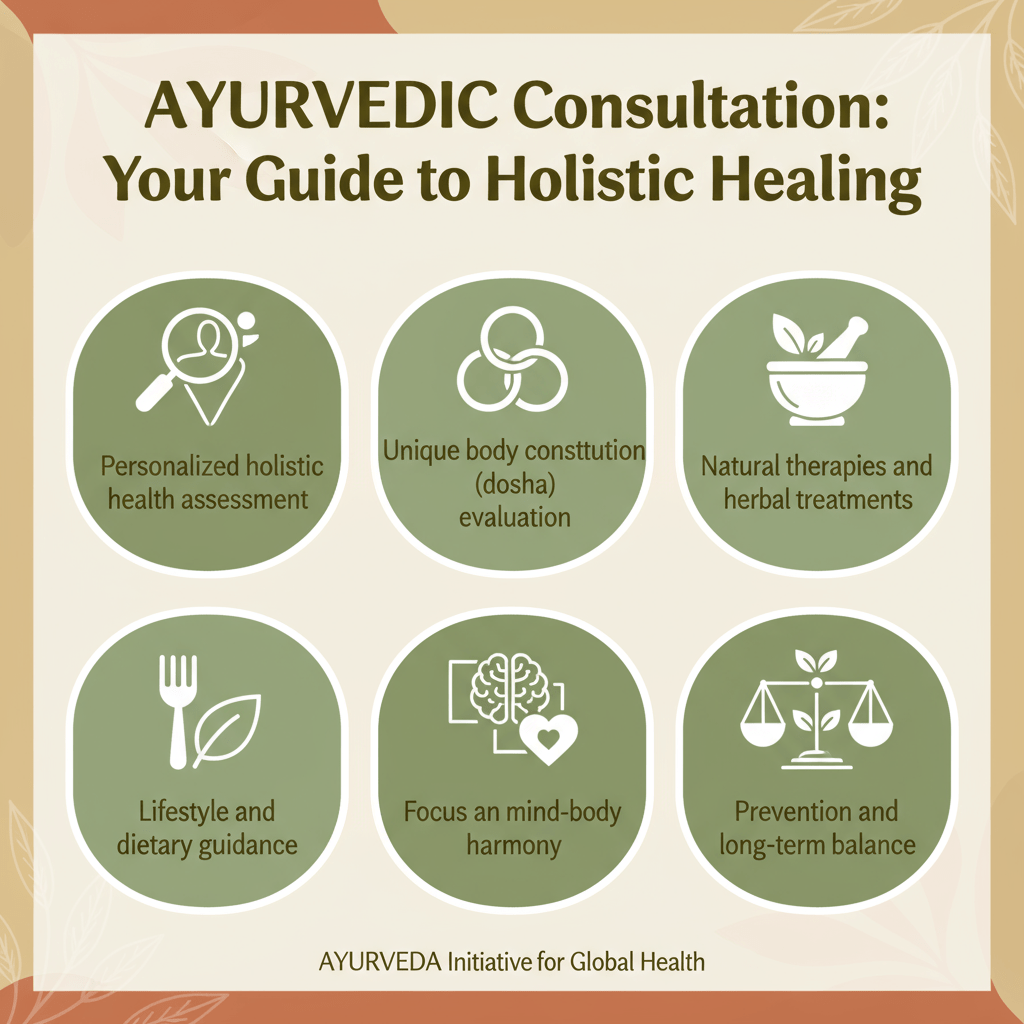
  • AYURVEDIC Consultation: Your Guide to Holistic Healing.

    Ayurveda, the ancient holistic healing system originating from India, offers a profound and personalized approach to health and wellness. At the heart of Ayurveda is the Ayurvedic consultation a detailed, individualized assessment that identifies your unique body constitution, imbalances, and health needs. This consultation serves as the foundation for tailored therapies, dietary guidelines, lifestyle recommendations, and herbal treatments designed to restore harmony and well-being.Unlike conventional medical appointments that often focus solely on symptoms, an Ayurvedic consultation seeks to understand the whole person body, mind, and spirit. Through this comprehensive evaluation, Ayurvedic practitioners use time-honored techniques, such as pulse diagnosis and personalized questionnaires, to uncover the root causes of health concerns rather than just addressing the effects.Whether you are seeking solutions for chronic health conditions, preventive care, or overall improvement in vitality, an Ayurvedic consultation provides insights and guidance aimed at long-term balance.
    It encourages natural healing by aligning your daily life with your inherent constitution and the rhythms of nature.This guide will explore the essentials of Ayurvedic consultation, answer common questions, and highlight the benefits of choosing this ancient yet ever-relevant path toward holistic health. Embrace the journey to well-being with expert Ayurvedic guidance.More about Ayurvedic consultation with short answers, emphasizing consultation with an Ayurvedic doctor for detailed advice:1. What is Ayurvedic consultation? Ayurvedic consultation is a health assessment by a qualified Ayurvedic doctor to diagnose and treat imbalances using traditional Ayurvedic principles.2. Why should I consult an Ayurvedic doctor? An Ayurvedic doctor provides personalized diagnosis, treatment, and lifestyle guidance based on your unique constitution and health needs.3. How does an Ayurvedic consultation work? The doctor evaluates your body type, symptoms, and lifestyle through questioning, physical examination, and sometimes pulse diagnosis to create a treatment plan.4. What can I expect during my first Ayurvedic consultation? You will discuss your health history, diet, daily routine, and symptoms, followed by Ayurvedic examination and recommendations.5. Can Ayurveda help with chronic diseases? Yes, Ayurveda supports managing chronic conditions through natural therapies, diet, and lifestyle adjustments tailored individually.6. How often should I have an Ayurvedic consultation? Frequency varies per individual; some benefit from monthly checks, others seasonally or as needed for specific health issues.
    7. Does Ayurvedic consultation include herbal treatments? Yes, herbal formulations are often prescribed but always personalized and supervised by the doctor.8. Is Ayurvedic consultation safe for pregnant women? Yes, but only under the guidance of a qualified Ayurvedic practitioner who can tailor safe treatments for pregnancy.9. Can children have Ayurvedic consultations? Yes, Ayurveda offers gentle, natural treatments suitable for children with proper consultation.10. How is Ayurvedic diagnosis different from allopathic diagnosis? Ayurveda diagnoses based on body constitution, energy imbalances, and causative factors rather than only symptoms or lab tests.11. What is Prakriti assessment in Ayurvedic consultation? Prakriti assessment identifies your unique body constitution (dosha balance) that guides personalized healthcare.12. Can Ayurveda treat mental health issues? Yes, Ayurveda addresses mental wellness with herbs, therapies, diet, and mindfulness practices according to individual needs.13. Are Ayurvedic therapies painful? Most Ayurvedic treatments are gentle and aim to restore balance without pain or harsh interventions.14. What is pulse diagnosis in Ayurveda? Pulse diagnosis is a skilled technique used to detect dosha imbalances, organ health, and energy flow by feeling the radial pulse.15. How long does an Ayurvedic consultation last? Initial consultations may last 45 to 90 minutes; follow-ups are typically shorter around 30 minutes.16. Can Ayurveda be combined with conventional medicine? Yes, many use Ayurveda alongside allopathic treatments under professional guidance for holistic care.17. Can I consult an Ayurvedic doctor online? Yes, many Ayurvedic practitioners offer virtual consultations accommodating wider access.18. Does Ayurvedic consultation include dietary advice? Yes, diet is a central part of Ayurveda; personalized nutrition plans are given to support health goals.19. How soon can I see results after Ayurvedic treatment? Results vary; some experience improvement within days while others need weeks or months depending on the condition.20. Is Ayurvedic consultation covered by health insurance? Coverage depends on the insurance provider and country policies; verification is recommended beforehand.21. What qualifications should an Ayurvedic doctor have? Look for certified degrees in Ayurveda from recognized institutions and experience in clinical practice.22. Are Ayurvedic medicines free from side effects? Properly prescribed Ayurvedic medicines are generally safe but should always be taken under supervision.23. Can Ayurveda help with skin problems? Yes, Ayurveda treats skin issues by addressing internal imbalances and using herbs and external therapies.24. How do Ayurvedic doctors personalize treatments? They consider your dosha, health status, environment, and preferences for a tailor-made regimen.25. Is it necessary to detox before Ayurveda treatment? Detoxification is recommended in certain cases but not always mandatory; your doctor decides.26. Can Ayurveda help with weight management? Yes, through balancing metabolism, diet adjustments, and lifestyle changes personalized for you.27. What is Panchakarma in Ayurvedic consultation? Panchakarma is a detoxification and rejuvenation procedure often recommended after evaluation.28. How do I prepare for an Ayurvedic consultation? Bring your medical history, list of medications, and be ready to discuss lifestyle and diet habits.29. Are there age limits for Ayurvedic treatments? Ayurveda treats people of all ages, from infants to elderly, with age-appropriate approaches.30. Can Ayurveda boost immunity? Yes, Ayurveda promotes immunity through herbs, nutrition, and routine tailored to your body type.31. What role does mind-body balance play in Ayurveda? Mind-body harmony is essential for health; Ayurveda treats mental and physical aspects together.32. How are Ayurvedic consultations different internationally? Core principles are consistent but practices may adapt to cultural and regional factors.33. Can Ayurveda help with digestive problems? Yes, digestive health is a primary focus; treatments aim to balance digestion and elimination.34. Can Ayurveda assist in managing diabetes? Ayurveda offers supportive treatments and lifestyle advice to help manage blood sugar levels naturally.35. How does Ayurveda view pain relief? Ayurveda uses herbs, oils, and therapies to reduce inflammation and restore balance to relieve pain.36. What is the significance of sleep in Ayurvedic consultation? Sleep quality affects health deeply; recommendations are made to improve restorative rest.37. Can Ayurveda improve energy and vitality? Yes, customized plans help boost vitality by balancing doshas and improving digestion.38. Does Ayurvedic consultation include yoga advice? Often, yes; yoga and breathing techniques may be recommended as part of holistic care.39. Can Ayurveda help with respiratory issues? Yes, specific herbs and therapies support lung health and respiratory balance.40. Is Ayurvedic consultation useful for women’s health? Absolutely, Ayurveda offers specialized care for menstrual health, fertility, pregnancy, and menopause.41. Can Ayurveda support mental clarity and focus? Yes, through dietary, lifestyle, and herbal approaches that nourish the nervous system.42. What should I avoid before an Ayurvedic consultation? Avoid heavy meals or stimulants just before your appointment for accurate assessment.43. How does Ayurveda treat allergies? Ayurveda uses detoxification, herbs, and dietary changes to reduce allergic reactions and strengthen immunity.44. What kind of follow-up is needed after Ayurvedic consultation? Periodic follow-ups help assess progress and adjust treatments as needed.45. Can Ayurveda help with stress management? Yes, it offers natural stress relief methods including meditation, herbs, and lifestyle changes.46. How important is lifestyle counseling in Ayurveda? Lifestyle guidance is crucial for maintaining treatment benefits and preventing disease.47. Are Ayurvedic medicines natural? Yes, primarily made from herbs, minerals, and natural substances traditionally used for healing.48. Can Ayurveda treat hormonal imbalances? Yes, Ayurveda addresses root causes and supports hormonal balance holistically.49. How does Ayurveda approach detoxification? Detox focuses on eliminating toxins through diet, therapies, and herbal support specific to your dosha.50. What is the role of meditation in Ayurvedic consultation? Meditation is recommended to enhance mental wellness and support overall healing.51. Can Ayurveda help improve digestion? Yes, treatments promote digestive fire and correct food absorption issues.52. Are Ayurvedic consultations useful for skin rejuvenation? Yes, they focus on internal balance and natural therapies to improve skin health and appearance.53. Can Ayurveda assist in managing arthritis? Yes, through herbal therapies, dietary changes, and physical treatments to reduce inflammation and pain.54. Will Ayurvedic doctors prescribe medications? Yes, they offer herbal and mineral formulations tailored to your condition.55. Can Ayurvedic consultation help with sleep disorders? Yes, personalized advice and herbal treatments can improve sleep quality.56. Does Ayurveda focus on prevention? Yes, prevention and maintaining balance are core principles of Ayurveda.57. Is Ayurvedic consultation helpful in detoxing after conventional treatments? Yes, it supports cleansing and rejuvenation post conventional therapies under professional care.58. Can Ayurveda aid in improving circulation? Yes, through specific herbs, therapies, and lifestyle adjustments to enhance blood flow.59. Are dietary changes always required in Ayurveda? Most treatments involve diet changes to restore dosha balance and health.60. How does Ayurveda view immunity? Immunity is linked to digestive strength and dosha balance, promoted through diet and herbs.61. Can Ayurveda help with hair health? Yes, treating hair problems by addressing internal imbalances and using herbal oils.62. Is Ayurvedic consultation punctual or flexible? Appointments may vary by clinic but typically allow enough time for detailed consultation.63. How do I find a trustworthy Ayurvedic doctor? Look for licensed practitioners with credentials and good reviews or referrals.64. Can Ayurveda treat insomnia? Yes, with calming herbs, sleep hygiene, and lifestyle recommendations.65. What tests are done in Ayurvedic consultation? Mostly non-invasive exams like pulse reading, tongue examination, and physical observation.66. Can Ayurveda improve lung function? Yes, targeted therapies and herbal support aim to strengthen respiratory health.67. What is the connection between Ayurveda and diet? Diet is fundamental to Ayurveda, customized to balance individual doshas and health conditions.68. How important is hydration in Ayurveda? Proper hydration supports digestion, toxin elimination, and overall balance.69. Can Ayurveda help with gastrointestinal disorders? Yes, including indigestion, bloating, constipation, and acidity through dietary and herbal therapy.70. Do Ayurvedic doctors recommend exercise? Yes, tailored exercise and yoga are usually part of holistic treatment plans.71. How does Ayurveda approach detox diets? Detox diets cleanse digestion while maintaining dosha balance through specific foods.72. Can Ayurveda support fertility? Yes, with lifestyle, diet, and herbal therapies to enhance reproductive health.73. Is Ayurvedic consultation confidential? Yes, patient confidentiality is maintained as in all health practices.74. Can Ayurveda help reduce cholesterol? Yes, through diet, herbs, and lifestyle changes focused on cardiovascular health.75. Do Ayurvedic medicines interact with allopathic drugs? Potential interactions exist; always inform both your Ayurvedic and conventional doctors about all treatments.76. Can Ayurveda help with anxiety? Yes, natural herbs, therapies, and meditation are used to calm the mind and reduce anxiety.77. Are Ayurvedic consultations expensive? Costs vary by practitioner and region; many offer affordable options.78. Can Ayurveda manage autoimmune diseases? Ayurveda supports immune balance and symptom relief but should be used alongside conventional care.79. Can I take Ayurvedic consultation for preventive care? Yes, Ayurveda is highly effective in promoting health and preventing disease before symptoms appear.80. Does Ayurveda treat respiratory allergies? Yes, with detoxification, strengthening herbs, and dietary adjustments.81. Can Ayurveda help with digestive parasites? Yes, specific herbs and cleansing protocols target parasites naturally.82. Is it safe to take Ayurvedic medicines long-term? When prescribed and monitored by a qualified doctor, long-term use is generally safe.83. How do I schedule an Ayurvedic consultation? Contact the clinic or practitioner directly by phone or online to book an appointment.84. Can Ayurveda improve kidney health? Yes, dietary, herbal, and lifestyle recommendations support kidney function.85. Does Ayurvedic consultation include physical therapy? Some clinics offer therapies like massage, steam, and other healing modalities.86. Can Ayurveda treat hormonal acne? Yes, by balancing hormones through diet, herbs, and lifestyle changes.87. Are there any side effects of Ayurvedic treatments? Side effects are rare but possible if treatments are unsupervised or improper.88. How important is the environment in Ayurveda? Environmental factors affect dosha balance and are considered during assessment.89. Can Ayurveda help with menstrual cramps? Yes, through herbal treatments, diet, and lifestyle advice to ease symptoms.90. What kind of diet does Ayurveda recommend? A balanced diet suited to your dosha aiming to support digestion and health.91. Can Ayurveda treat high blood pressure? Yes, through stress reduction, diet, and herbal therapies aimed at balance.92. Can Ayurvedic consultation help with detoxing from alcohol? Yes, Ayurveda offers supportive detox programs tailored to individual needs.93. Can Ayurveda support healthy aging? Yes, rejuvenation therapies and lifestyle guidance nurture vitality in aging.94. Is Ayurvedic consultation available in cities worldwide? Ayurveda clinics and practitioners are increasingly available globally, including urban centers.95. Can Ayurveda treat thyroid disorders? Yes, with careful diagnosis and customized herbal and dietary plans.96. Can I take Ayurvedic consultation for digestive enzyme support? Yes, Ayurveda offers herbal remedies to enhance digestion and enzyme function.97. Are Ayurvedic practices scientifically validated? Many Ayurvedic principles and herbs have scientific support; ongoing research continues.98. Can Ayurveda help with liver health? Yes, with detoxification and herbs that support liver function.99. Does Ayurvedic consultation involve meditation practices? Often meditation is part of holistic treatment for mental and physical wellbeing.100. How can I prepare for my Ayurvedic follow-up visit? Note any changes, symptoms, and questions to discuss, and follow your doctor’s instructions.This list is designed to offer brief answers while encouraging consulting an Ayurvedic doctor for comprehensive, personalized care.

  • AYURVEDA UPDATES: 11 October 2025.

    The dynamic global landscape of Ayurveda continues to evolve with exciting developments this October, as practitioners, researchers, and policymakers worldwide unite to advance this ancient science’s integration into modern health frameworks. From virtual global summits to national educational programs and cutting-edge research, Ayurvedic tradition and innovation converge to inspire holistic wellness on a broad scale.Global & International Highlights.The 2025 Global Ayurveda Online Summit launches today, October 11, running for two impactful days. This summit—titled “Ayurveda and Integrative Medicine: Healing Wisdom for Whole-Person Health”—is a major virtual gathering uniting experts across continents.

    Delegates include leading Ayurveda researchers, wellness advocates, practitioners, and policymakers who engage in vibrant dialogues. They explore Ayurveda’s dynamic interface with integrative medicine, sharing the latest innovations, research findings, and approaches that nurture physical, emotional, and spiritual wellbeing.This virtual event exemplifies how Ayurveda is gaining global momentum as a viable complement to Western medicine, emphasizing personalized care and sustainability. Prominent speakers will discuss Ayurveda’s role in managing chronic diseases, enhancing mental health, and promoting longevity through whole-person care. The summit fosters valuable cross-cultural knowledge exchanges, helping pave the way for wider acceptance and utilization of Ayurveda beyond its traditional heartlands.In another vital development, the World Health Organization (WHO) and the Government of India have formalized plans for the second Global Summit on Traditional Medicine, to be hosted in New Delhi. This collaboration underscores ongoing efforts to strengthen traditional medicine globally, advancing evidence-based research, policy alignment, and international partnerships. The summit will also focus on expanding access, education, and capacity building to enhance traditional health practices within modern healthcare systems, reflecting Ayurveda’s expanding global footprint.India & National Spotlight.India continues to be the epicenter of Ayurvedic medical education and research. The All India Institute of Ayurveda (AIIA) in New Delhi is hosting a Continuing Medical Education (CME) Program from October 6 to 11, dedicated to Panchakarma and foundational Ayurveda principles. Supported by the Ministry of AYUSH and Rashtriya Ayurveda Vidyapeeth, this initiative aims to enrich the clinical expertise and theoretical knowledge of Ayurvedic practitioners and scholars nationwide. This program highlights India’s commitment to fostering skilled Ayurveda professionals who can deliver high-quality patient care that integrates classical theory with practical advancements.Meanwhile, technological integration in traditional medicine is under spotlight at SASTRA Deemed University in Thanjavur, Tamil Nadu. From October 10, a three-day national conference convenes experts in medical technology, digital health, diagnostics, and data science to discuss their contributions to Ayurveda, Siddha, Naturopathy, and allied disciplines. This conference underscores the critical role of emerging technologies in enhancing diagnosis, treatment efficacy, and accessibility—bridging ancient wisdom with modern innovation.In the realm of Ayurveda product development and accessibility, reports indicate encouraging trends toward reducing consumer costs through innovative product design and scalable supply chains. These advancements are making Ayurvedic wellness offerings more affordable and widely available. By blending traditional Ayurvedic principles with contemporary technology-driven efficiencies, industry players are breaking economic barriers to wellness access, benefiting a larger demographic.Research & Thought-Leadership.Research continues to propel Ayurveda’s evidence base forward with the release of the Prakriti200 dataset, a pioneering bilingual tool providing standardized assessments of individual Ayurvedic body types using 24 carefully crafted questionnaire items. This dataset supports interdisciplinary work spanning computational biology, phenotype characterization, and AI-assisted health analyses based on Ayurvedic principles. It promises to deepen understanding of personalized medicine through Ayurveda’s unique lens of Dosha-based constitutions, facilitating more precise and predictive healthcare models.Complementing research efforts, women healers in rural India are emerging as vital connectors between Ayurvedic traditional knowledge and local healthcare needs. These trained women employ classical Ayurvedic remedies, preventive strategies, and community health education to address primary health challenges in underserved populations. This grassroots movement enhances health equity and resilience among vulnerable communities, showcasing Ayurveda’s social and cultural relevance beyond urban centers.Quote of the Day“Health is not a product of chance, but the result of wisdom, balance, and action.” — AYURVEDA Initiative for Global HealthThis October, Ayurveda’s rich heritage is invigorated by global collaboration, cutting-edge research, education, and innovation. The unfolding events—the Global Ayurveda Online Summit, WHO-India partnership, national CME programs, and academic conferences—collectively reinforce the vital role Ayurveda plays in holistic health worldwide. Innovations improving access and affordability promise to democratize wellness rooted in centuries-old healing traditions.AYURVEDA Initiative for Global Health remains committed to keeping you informed about these transformative developments. Engaging with Ayurveda today means embracing a future where timeless wisdom and modern science coalesce to create personalized pathways to health and well-being. Stay connected for further updates, resources, and expert insights from the forefront of global Ayurveda.For personalized guidance and integrative care, consulting qualified Ayurvedic practitioners is recommended. Together, we can nurture health as a balanced, informed, and empowered journey.

  • Prakriti in Ayurveda: Understanding Your Unique Body Type for Personalized Healing.

    Ayurveda, the ancient holistic healing system from India, emphasizes the importance of understanding your unique body constitution, or Prakriti, to achieve optimal health and wellness. Prakriti represents the natural balance of the three Doshas. Vata, Pitta, and Kapha. that shape your physical, mental, and emotional traits. Knowing your Prakriti helps tailor lifestyle, dietary choices, and treatments specifically suited to your individual constitution for more effective healing and prevention of diseases.Consulting an Ayurvedic doctor is essential for accurate identification of your Prakriti and any imbalances (Vikriti) that may have developed due to various factors such as diet, stress, or environment.

    Ayurvedic practitioners use detailed assessments. including pulse diagnosis, physical examinations, and lifestyle analysis to develop a personalized treatment plan that addresses root causes rather than just symptoms. This personalized approach provides safe, natural remedies comprising herbal medicines, dietary guidance, detoxification techniques, and mental wellness practices like meditation.By embracing Prakriti-based treatment, you not only restore balance and vitality but also promote long-term well-being tailored to your unique body type. To fully benefit from Ayurveda’s timeless wisdom, a consultation with a qualified Ayurvedic doctor is highly recommended, ensuring that your path to health is holistic, individualized, and deeply effective. AYURVEDA Initiative for Global Health recommends regular Ayurvedic consultations for personalized guidance and sustained wellness.More understanding about Prakriti : Ayurveda Body Types, Importance In Treatment And Remedies.1. What is Prakriti in Ayurveda? Prakriti refers to an individual’s natural constitution or body type determined by the unique combination of Doshas at birth.2. How many Prakriti types are there? There are three primary Prakriti types: Vata, Pitta, and Kapha, and combinations called dual or tri-doshic types.3. Why is understanding Prakriti important? It helps tailor diet, lifestyle, and treatments to maintain health and prevent disease based on individual constitution.4. How is Prakriti determined? Through evaluation of physical traits, mental characteristics, and physiological functions by an Ayurvedic doctor.5. Can Prakriti change over time? Prakriti is fixed at birth, but current state (Vikriti) can change due to diet, lifestyle, or illness.6. What is Vikriti in Ayurveda? Vikriti is the current imbalance or deviation from one’s original Prakriti.7. How does Prakriti affect treatment? Treatment plans are customized according to Prakriti to restore and maintain balance effectively.8. What are traits of Vata Prakriti? Light frame, dry skin, quick thinking, variable appetite, tendency to anxiety.9. What are traits of Pitta Prakriti? Medium build, warm body, strong digestion, sharp intellect, prone to anger.10. What are traits of Kapha Prakriti? Heavy set, smooth and oily skin, calm demeanor, steady appetite.11. Can Prakriti influence disease risk? Yes, each Prakriti type has predisposition to specific health issues and strengths.12. How can one balance their Vata Prakriti? Warm, oily foods, regular routine, calming activities, avoiding cold and wind.13. How to balance Pitta Prakriti? Cooling foods, avoiding spicy and oily meals, moderate exercise, stress management.14. How to balance Kapha Prakriti? Light, dry foods, vigorous exercise, stimulating activities.15. What role does Prakriti play in digestion? It determines digestive strength and food tolerance patterns.16. Can Prakriti guide weight management? Yes, diets and activities suited to Prakriti support healthy weight.17. How to identify your Prakriti? Consult an Ayurvedic practitioner for detailed assessment and pulse diagnosis.18. Is Prakriti related to personality? Yes, it influences temperament, behavior, and emotional tendencies.19. How does season affect Prakriti balance? Seasonal changes can aggravate certain Doshas affecting the Prakriti.20. What remedies suit Vata Prakriti? Nourishing oils, warm herbal teas, gentle yoga, and meditation.21. What remedies suit Pitta Prakriti? Cooling herbs, soothing oils, mindful breathing, and relaxation.22. What remedies suit Kapha Prakriti? Stimulating herbs, vigorous exercise, dry massage techniques.23. Can Prakriti affect skin type? Yes, Prakriti influences skin texture, moisture, and sensitivity.24. How does Prakriti influence sleep? Vata types may have light sleep, Pitta moderate, Kapha deep and long sleep.25. Can children have mixed Prakriti? Yes, many have dual or tri-dosha constitutions.26. How does Prakriti affect energy levels? Each type has characteristic energy patterns and endurance.27. What is dual-doshic Prakriti? A combination of two dominant Doshas, causing mixed traits.28. What is tri-doshic Prakriti? Balanced presence of all three Doshas in equal measure.29. How is Prakriti used in herbal treatment? Herbs are selected to balance the dominant Dosha in one’s Prakriti.30. Can Prakriti help in preventing lifestyle diseases? Yes, knowing Prakriti guides choices that reduce disease risk.31. How can diet be customized by Prakriti? Foods are recommended that pacify the dominant Dosha and support balance.32. Does Prakriti affect hair type and health? Yes, oiliness, texture, and hair loss tendencies vary by Prakriti.33. How does Prakriti affect metabolism? Pitta has strong metabolism, Kapha slow, and Vata variable.34. Can Prakriti help in mental health management? Yes, therapies suit emotional needs and stress patterns of each type.35. Is exercise prescription based on Prakriti? Yes, activities are tailored to balance the individual’s Dosha constitution.36. How can Prakriti guide detoxification? Detox treatments are designed considering Prakriti to ensure safety and efficacy.37. How does Prakriti influence hormonal balance? It affects endocrine system tendencies and responses.38. Can Prakriti indicate susceptibility to allergies? Certain types may be more prone to allergic reactions.39. Is Prakriti considered in pregnancy care? Yes, ensuring balance of the mother’s Prakriti is important for health.40. How does environment affect Prakriti? Climate and pollution can aggravate or pacify Doshas depending on Prakriti.41. Can Prakriti affect response to medications? Yes, it influences metabolism and tolerance of treatments.42. What is the role of meditation in balancing Prakriti? Meditation calms the mind and harmonizes Dosha imbalances.43. Can Prakriti be self-assessed? Basic self-assessment is possible, but professional diagnosis is recommended.44. How often should Prakriti be reviewed? Original Prakriti remains same; however, Vikriti assessment is done as needed.45. How is Prakriti useful in Ayurveda skin treatments? Treatments are selected to suit skin characteristics linked to Prakriti.46. Can Prakriti influence aging process? Yes, it affects vitality, skin texture, and aging signs.47. Does Prakriti affect taste preferences? Yes, different Doshas prefer different taste profiles.48. How does Prakriti relate to digestion strength? Strong in Pitta, variable in Vata, slow in Kapha types.49. Can Prakriti guide mental and emotional therapies? Yes, treatments target emotional imbalances specific to Prakriti.50. What is the importance of oil application in Prakriti care? Oils nourish tissues and pacify aggravated Doshas.51. How does Prakriti influence immunity? Some types have naturally stronger immunity than others.52. Can Prakriti impact appetite and eating habits? Yes, each type has characteristic hunger patterns.53. How does stress affect different Prakriti types? Vata increases anxiety, Pitta anger, Kapha depression.54. What role does sleep routine have in balancing Prakriti? Proper sleep protects Dosha balance and overall health.55. Can Prakriti guide choice of herbal supplements? Yes, herbs are chosen to target the dominant Dosha.56. Are Panchakarma therapies customized based on Prakriti? Yes, each therapy aligns with individual constitution.57. How does Prakriti impact respiratory health? Vata types may have dry coughs, Kapha types congestive issues.58. Can Prakriti help in managing skin disorders? Yes, treatments are personalized to correct Dosha imbalances.59. Does Prakriti affect physical endurance? Yes, Kapha has high endurance, Vata low, Pitta moderate.60. Is Prakriti considered in managing diabetes? Yes, diet and lifestyle are adjusted according to constitution.61. How does Prakriti affect mental clarity? Pitta types are sharp and focused, Vata creative but restless, Kapha calm but sometimes slow.62. What role does Panchakarma play in Prakriti balancing? It cleanses accumulated toxins and restores Dosha equilibrium.63. Can Prakriti affect susceptibility to infections? Yes, some body types may be more vulnerable.64. How to strengthen weak Doshas related to Prakriti? Through diet, lifestyle, herbs, and therapies that support balance.65. How do doshic imbalances disrupt Prakriti? They cause symptoms differing from an individual’s natural constitution.66. Can Prakriti be influenced by diet alone? Diet helps maintain balance but cannot change inherent Prakriti.67. What is the Ayurvedic approach to emotional health by Prakriti? Therapies focus on soothing the dominant Dosha’s emotional traits.68. How does climate change affect Prakriti expression? Cold climates may increase Vata symptoms, hot climates Pitta, damp climates Kapha.69. How important is hydration for different Prakriti? Vata needs more hydration due to dryness; Kapha less.70. What type of massage is best for Vata types? Warm oil massage with gentle strokes.71. What massage suits Pitta types? Cooling oil massage avoiding overheating.72. What massage is recommended for Kapha types? Stimulating, dry massage techniques.73. Can Prakriti affect dental health? Yes, tendencies for dry mouth, acidity, or congestion vary by type.74. How does Prakriti affect vision health? Some types are more prone to eye strain or dryness.75. Does Prakriti influence hair fall? Yes, hormonal and Dosha balance impact hair strength.76. How does Prakriti relate to respiratory allergies? Kapha types are more susceptible due to mucus accumulation.77. Can Prakriti guide detox program design? Customized detox suits the individual’s Dosha makeup.78. How does Prakriti influence emotional resilience? Pitta types may get angry, Vata anxious, Kapha calm and steady.79. How are sleep disorders addressed by Prakriti? Via diet, herbs, and calming routines tailored to Dosha.80. Can Prakriti influence tendency to constipation? Vata types commonly face dryness leading to constipation.81. Are breathing exercises different for Prakriti types? Yes, pranayama is tailored to balance dominating Doshas.82. How can Prakriti help manage arthritis? Targeting Dosha imbalances reduces inflammation and pain.83. What role does Prakriti play in allergies? Identifying sensitive Doshas helps manage triggers.84. Can emotional eating be managed with Prakriti knowledge? Yes, understanding Dosha cravings aids behavior control.85. How important is routine for Vata balance? Very important to provide stability and security.86. Can stress trigger Prakriti imbalances? Yes, it worsens Dosha disturbances and symptoms.87. What is the role of herbal teas in Prakriti care? They soothe and balance specific Doshas.88. Can Prakriti determine best sleep position? Recommendations vary to support Dosha comfort.89. Are Prakriti and Ayurvedic constitution the same? Yes, both describe the unique Dosha makeup at birth.90. How is Prakriti used in Ayurvedic diagnosis? It guides understanding of health tendencies and treatment needs.91. Can Prakriti help in choosing daily activities? Yes, activities suited to Dosha support well-being.92. How does Prakriti influence water intake recommendations? Different Doshas require varying hydration levels.93. What role can meditation play in Prakriti balance? Meditation calms doshas and improves mental clarity.94. Can Prakriti indicate sensitivity to weather? Yes, some types are more vulnerable to heat, cold, or humidity.95. How does Prakriti impact skin conditions like eczema? Imbalances in Doshas can make certain skin prone to irritation.96. Can Prakriti help in managing asthma? Yes, treatments are adapted to the dominant Dosha.97. What role does Prakriti play in menopause care? Balancing Doshas eases symptoms during menopause.98. Can Prakriti guide use of natural supplements? Yes, supplements are chosen to pacify aggravated Doshas.99. Is it important to consult an Ayurvedic doctor about Prakriti? Yes, professional guidance ensures accurate assessment and safe treatment.100. Where can I learn more about my Prakriti? Through Ayurvedic consultations, books, and educational courses by experts.For personalized advice and treatment, consulting an Ayurvedic doctor is recommended.

  • Meditation and Yoga in Ayurveda. Awaken Balance: A Journey of Mind, Breath, and Body Integration.

    In Ayurveda, the ancient science of holistic health, meditation and yoga are much more than physical practices. they are powerful pathways to inner harmony and overall well-being. Combining gentle movement, conscious breathwork, and mindful awareness, these timeless techniques foster a dynamic connection between body and mind, helping to navigate life’s stresses and restore natural equilibrium.

    Every individual is unique, with personal strengths and imbalances. Through custom yoga postures, pranayama (breath exercises), and targeted meditation practices, Ayurveda offers solutions tailored to your constitution and wellness needs. To experience the safest and most effective benefits, consult with a qualified Ayurvedic doctor. Professional guidance ensures that every step of your journey honors your body’s requirements and empowers sustainable healing from within.Meditation and Yoga in Ayurveda Awaken Balance: A Journey of Mind, Breath, and Body IntegrationAyurveda teaches that true health is achieved through the harmonious integration of mind, body, and breath. Meditation and yoga are at the heart of this wisdom, guiding us to greater awareness, resilience, and vitality in daily life. Through mindful movement, conscious breathing, and focused attention, these practices address stress, promote healing, and support our natural balance. Because every individual’s constitution and health needs are unique, consulting with a qualified Ayurvedic doctor is the key to developing a customized practice. An Ayurvedic expert can recommend the best meditation techniques, yoga postures, and pranayama to optimize your well-being and help you discover lasting inner peace.Meditation and Yoga in Ayurveda: For More understanding 1. What is the mind-body connection in Ayurveda? Ayurveda sees the mind and body as deeply interconnected. A healthy mind supports the body’s healing, while physical balance positively affects mental clarity.2. How does meditation help in Ayurveda? Meditation calms the mind, reduces stress, improves emotional well-being, and promotes inner healing, all of which support Ayurvedic balance.3. What is pranayama in Ayurveda? Pranayama is the practice of breath control. It balances prana, or life force, harmonizing the mind and body for better health.4. Which pranayama techniques are recommended in Ayurveda? Common techniques include Nadi Shodhana (alternate nostril breathing), Bhramari (bee breath), and Kapalabhati, each chosen based on individual constitution and needs.5. What are the main benefits of meditation? Meditation improves focus, reduces anxiety, enhances self-awareness, rejuvenates energy, and supports the healing of chronic conditions.6. How does yoga support Ayurvedic health? Yoga postures promote circulation, flexibility, digestion, and detoxification while keeping the mind steady and emotions balanced.7. Can meditation reduce stress-related diseases? Yes, regular meditation lowers cortisol, calms the nervous system, and reduces the risk of stress-triggered disorders.8. Which yoga postures are best for beginners? Simple asanas like Tadasana (Mountain Pose), Vrikshasana (Tree Pose), and gentle seated postures are ideal for beginners.9. What is the connection between prana and health? Prana is the vital energy. Balanced prana sustains life processes and prevents illness, as per Ayurveda.10. How does deep breathing improve focus? Deep breathing increases oxygen supply to the brain, relaxing the mind and improving attention span.11. How often should meditation be practiced? Daily meditation, even for 10-20 minutes, is encouraged for consistent benefits.12. Can yoga postures be tailored for health imbalances? Yes, an Ayurvedic doctor or yoga therapist can suggest postures based on individual dosha and health conditions.13. What is the role of diet in meditation and yoga practice? A light, sattvic (pure) diet is recommended, as it keeps the mind clear and supports deeper meditation.14. Does Ayurveda suggest group or solo meditation? Both are beneficial. Solo meditation aids self-reflection, while group meditation creates collective positivity.15. Can pranayama help with respiratory issues? Certain pranayama techniques improve lung capacity and reduce respiratory problems when gently practiced.16. Is meditation effective for emotional healing? Yes, meditation nurtures emotional stability, resilience, and genuine joy.17. Are there specific yoga poses for stress? Restorative poses like Balasana (Child’s Pose) and Savasana (Corpse Pose) relieve stress naturally.18. Which dosha benefits most from meditation? All doshas benefit, but Vata types, prone to anxiety and distraction, often see the most immediate improvement.19. What lifestyle supports effective yoga practice? Regular routine, good sleep, and a nourishing diet help deepen yoga’s effects.20. How soon are benefits felt with regular practice? Some notice changes in a week; others see gradual improvement in mood, health, and energy over weeks or months.21. Can meditation aid in lowering blood pressure? Yes, meditation has been shown to reduce blood pressure by calming the mind and relaxing blood vessels.22. Should yoga be practiced on an empty stomach? Yes, ideally yoga is practiced on an empty stomach or at least two hours after eating.23. Can pranayama be practiced at any time? Morning is best, but gentle pranayama is safe at almost any time, so long as the body is comfortable.24. Is there a best time for meditation? Dawn, dusk, or when the mind is moderately calm are considered ideal times.25. How is mantra meditation used in Ayurveda? Repeating sacred sounds or mantras focuses the mind and channels healing energy.26. Are there side effects to meditation or yoga? When practiced correctly, side effects are rare. Overexertion or improper practice can cause minor discomfort.27. Can meditation improve sleep quality? Yes, meditation relaxes the mind and body, supporting restful sleep.28. How is yoga integrated into Ayurveda treatment? Yoga is tailored to the individual’s constitution and condition as part of a holistic healing plan.29. What is the importance of a teacher or guide? A knowledgeable guide ensures safe practice, corrects technique, and personalizes practices for your needs.30. Which breathing techniques calm anxiety? Nadi Shodhana and gentle, slow abdominal breathing are effective for anxiety.31. Is meditation helpful for digestive issues? Yes, meditation calms nerves involved in digestion and reduces stress-related gut problems.32. Can yoga help balance hormones? Certain postures and breathwork support endocrine health, easing hormonal imbalances.33. How does yoga impact immunity? Yoga enhances lymph circulation, reduces stress, and boosts immunity.34. Which asana is recommended for daily energy? Surya Namaskar (Sun Salutation) is energizing and beneficial for most people.35. Can meditation help with addiction recovery? Yes, it provides emotional support, clarity, and willpower for those overcoming addiction.36. Is meditation necessary for yoga’s benefits? While yoga alone benefits the body, meditation maximizes yoga’s healing, especially at the mental level.37. What are signs of progress in meditation? Less reactivity, better mood, inner calm, and improved focus indicate progress.38. How long does it take to master pranayama? Basic techniques can be learned quickly, but mastery may take months to years with ongoing practice.39. Can children practice yoga and meditation? Yes, with gentle, age-appropriate techniques and guidance.40. Are there safety precautions for elderly practitioners? Yes, gentle modifications and supervision are needed for seniors.41. What is yoga nidra? It is a guided meditation practice inducing deep relaxation and restorative rest.42. Can meditation help chronic pain? Meditation improves pain management by reducing emotional suffering and enhancing resilience.43. Should I practice yoga and pranayama if ill? During illness, gentler techniques are best. Consult an Ayurvedic doctor for personal advice.44. Are there contraindications for certain techniques? Yes, high blood pressure, pregnancy, and certain diseases may require modifications.45. Can meditation help with weight management? It supports mindful eating and balanced hormones, indirectly aiding weight control.46. Are breathing exercises safe for everyone? Basic breathing is safe; advanced yoga breathing should be guided by a professional.47. Is yoga beneficial for mental health? Yes, yoga reduces symptoms of anxiety, depression, and improves general mental well-being.48. Which meditation type suits beginners? Simple mindfulness or breath awareness are best starting points.49. How does pranayama affect the mind? It steadies thoughts, calms anxiety, and increases clarity.50. Can yoga reverse lifestyle diseases? Yoga, as part of an integrated approach, can help manage and sometimes reverse lifestyle conditions.51. Which postures improve digestion? Twists and gentle forward bends are generally beneficial for digestion.52. Is meditation useful during pregnancy? Yes, it nurtures calmness and emotional balance for the mother and baby.53. How does one create a meditation space? Choose a quiet, clean place, use soft lighting, and minimize distractions.54. What music is helpful during meditation? Chants, soft instrumental, or nature sounds support a meditative mood.55. Can yoga be practiced at home without supervision? Gentle postures can be safely done, but guidance is recommended for complex sequences.56. Does meditation require special belief or religion? No, meditation is a universal practice benefiting people of all beliefs.57. Are there yoga postures for focus and concentration? Balance poses and forward bends help settle the mind.58. Can pranayama reduce headaches? Gentle breathwork can relieve stress headaches; consult a doctor for chronic pain.59. Should I force my mind to be silent in meditation? No, allow thoughts to come and go naturally, returning attention to the practice.60. Can meditation increase creativity? By calming mental distractions, meditation unlocks creative thought and inspiration.61. Is laughter yoga a form of Ayurveda? Laughter yoga isn’t traditional Ayurveda, but it has similar benefits for mind and body wellness.62. Are yoga accessories necessary? Simple accessories like a mat or cushion add comfort but are not essential.63. Does meditation help emotional trauma? Regular practice aids in processing and releasing emotional pain gently over time.64. What is the difference between asana, pranayama, and dhyana? Asana is posture, pranayama is breath control, and dhyana is meditative absorption.65. Can yoga and meditation be done during fasting? Meditation is safe, and gentle yoga can generally be continued, but consult a doctor for intense fasting.66. How can I stay motivated for daily practice? Set small goals, celebrate progress, and remember the benefits to encourage consistency.67. Are group classes more effective than self-practice? Group classes can build motivation, but personal practice creates deeper self-knowledge.68. How does Ayurveda personalize yoga for doshas? Practices are adapted in posture, pace, and sequence to balance Vata, Pitta, or Kapha.69. Is advanced yoga or meditation necessary for health? Basic, regular practice offers significant benefits for most people.70. What is the role of mudra in meditation? Hand gestures (mudras) enhance focus, channel energy, and complement pranayama.71. Can yoga reduce joint pain? Regular gentle yoga increases flexibility and relieves mild joint discomfort.72. What foods support yoga and meditation? Fresh, light, whole foods (such as fruits, vegetables, nuts, and grains) encourage mental clarity.73. Can pranayama help with energy slumps? Breathing techniques revive and balance vital energy, especially during fatigue.74. Does Ayurveda recommend meditation for students? Yes, it improves memory, focus, and stress resilience, supporting learning.75. Can pranayama help with asthma? Some breathwork may help, but it should be practiced gently and under expert supervision.76. What is the significance of OM chanting? Chanting OM is considered calming and harmonizing for the mind and nervous system.77. How does yoga benefit sleep? Relaxing postures and meditation before bed promote deeper, more restful sleep.78. Are there precautions for pregnant women in yoga? Yes, avoid strenuous poses. Practice gentle movements and consult a trained prenatal yoga teacher.79. How does Ayurveda view stress? Stress is seen as a cause of imbalance; meditation and yoga are key tools to restore calm.80. Can meditation help in managing anger? Yes, it develops mindfulness, allowing conscious response rather than reactive anger.81. Is self-guided meditation effective? Yes, especially with consistent use of recordings or written guidance.82. Can elderly people benefit equally? Gentle yoga and meditation support joint mobility, balance, and peace of mind for the elderly.83. Does yoga help with concentration for exams? Yes, certain poses and breathing exercises support memory and mental clarity.84. Can meditation help grieving individuals? Meditation offers emotional support, space for grief, and gentle healing.85. How does Ayurveda combine all these practices? By integrating yoga, breathing, meditation, diet, and lifestyle for holistic healing.86. Should yoga be vigorous or gentle for benefits? It depends on your body condition and dosha. Ayurveda recommends what best suits your need.87. Can yoga help with high blood pressure? Gentle yoga and breathing can lower blood pressure. Intense postures should be avoided.88. Does meditation help in chronic disease recovery? It supports healing by reducing stress and increasing body awareness.89. Are there yoga styles not recommended in Ayurveda? Aggressive or excessive heat-generating practices may not suit certain constitutions.90. What are typical obstacles in meditation? Restlessness, boredom, or physical discomfort, all of which can be managed with patience.91. Can balancing prana influence emotions? Yes, balanced prana supports stable and positive emotions.92. Does Ayurveda recommend cleansing before practice? A light, clean body and simple surroundings help deepen the experience.93. Can yoga and meditation help with insomnia? Yes, they calm the mind and release physical tension, promoting sound sleep.94. Should children meditate? Simple guided practices suited for their age are beneficial.95. What to do if I feel sleepy during meditation? Practice sitting upright, meditate earlier in the day, or try breathing techniques to refresh the mind.96. Can yoga correct posture problems? Yes, yoga builds body awareness, flexibility, and spinal alignment.97. Do I need spiritual beliefs for success in yoga/meditation? No, a sincere regular practice is sufficient, regardless of spiritual beliefs.98. Why consult an Ayurvedic doctor? An Ayurvedic doctor can personalize recommendations based on individual constitution, needs, and health challenges.99. Can allopathy and Ayurveda be combined with yoga and meditation? Yes, they can complement each other—but always consult your healthcare provider.100. Is lifelong practice of yoga and meditation important? Yes, lifelong practice supports lasting health, resilience, peace, and well-being in every phase of life. If detailed answers or personalized advice are desired, always consult an Ayurvedic doctor or qualified teacher.

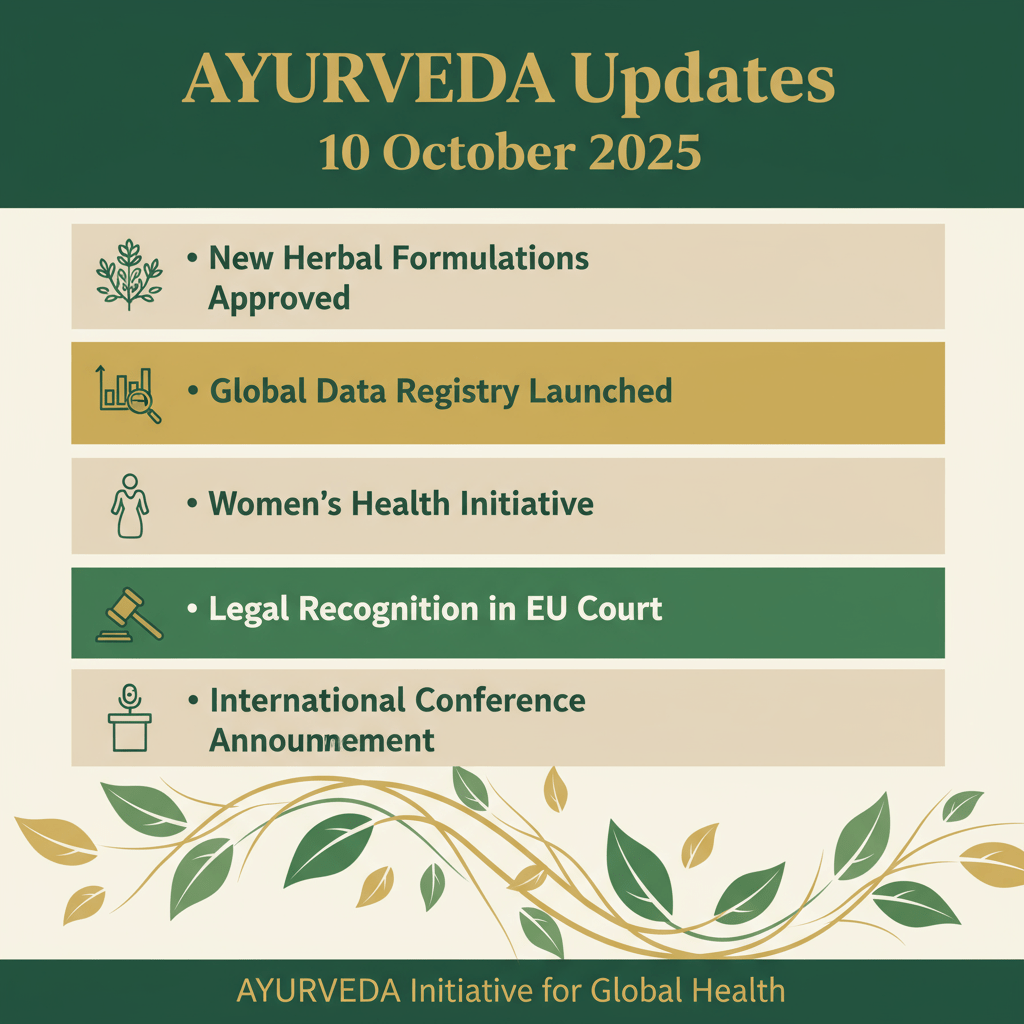
  • AYURVEDA UPDATES: 10 October 2025.By AYURVEDA Initiative for Global Health

    Daily Global and National Ayurveda News Digest Covering Events, Research, and Policy from 7 October 2025.

     Global Ayurveda Updates

    1. WHO Collaborates with AYUSH Ministry for Ayurveda Integration Guidelines (Geneva)  

    The World Health Organization (WHO) has initiated a global framework to integrate Ayurveda and other traditional systems into primary healthcare. Discussed on 7 October 2025, the draft emphasizes safety standards, certification for practitioners worldwide, and inclusion of Ayurveda in universal health coverage programs.

    2. Europe Sees Surge in Ayurveda-Based Wellness Tourism  

    Ayurveda retreats across Spain, Italy, and Portugal are experiencing record visitor numbers under the “Healing Nature 2025” campaign. The European Wellness Council reports that Ayurveda’s holistic detox therapies are becoming a preferred alternative to conventional spa treatments.

    3. Global Ayurveda Research Consortium Expands to Latin America  

    Brazil and Colombia have officially joined the Global Ayurveda Research Consortium (GARC). This expansion aims to promote scientific research and validation of traditional medicinal systems through modern pharmacology and clinical trials.

    4. Online Ayurveda Education Gains Recognition  

    Several European accreditation bodies have approved international Ayurveda e-learning platforms. This recognition paves the way for cross-border Ayurveda education and practitioner training with standardized curricula.

     National Ayurveda News (India).

    1. Countdown Begins for National Ayurveda Day 2025  

    The Ministry of AYUSH announced “Ayurveda for Mindful Living” as the theme for National Ayurveda Day 2025, scheduled on 20 October. State AYUSH departments have started organizing wellness walks, awareness camps, and student competitions nationwide.

    2. CCRAS Announces 10 New Clinical Research Projects  

    The Central Council for Research in Ayurvedic Sciences (CCRAS) approved ten new multi-centric research projects focusing on chronic pain management, metabolic health, and women’s wellness. These projects will include collaboration between Ayurveda and AIIMS researchers.

    3. Ayurvedic Startups Shine at Global Health Tech Summit (Bengaluru)  

    Innovative Ayurvedic startups showcased AI-driven diagnostic tools and personalized herbal formulations at the Bengaluru summit. The event highlighted the integration of Ayurveda principles with digital health technology.

    4. Maharashtra Launches ‘AyurSampada’  

    A new digital portal, AyurSampada, was launched in Pune to connect rural Ayurvedic practitioners with herbal suppliers and e-learning modules. The initiative aims to empower local health systems through enhanced access to Ayurveda resources.

     Press Note and Awareness

    Press Release – Ministry of AYUSH (7 October 2025):  

    “Ayurveda stands as the bridge between ancient wisdom and modern health needs. With renewed global partnerships and evidence-based research, India envisions Ayurveda as a cornerstone of global wellness by 2030.”

     Message:  

     “Live Ayurveda Daily — in Thought, Food, and Action. True health begins with balance.”

     Quote of the Day.

    “When nature heals, Ayurveda reveals.”  

    …. AYURVEDA Initiative for Global Health .

  • Who are your favorite artists?

    http://www.ayurvedainitiative.com.

    My favorite Artists Arun DabholkarArun Dabholkar is a distinguished artist celebrated for his versatile and expressive art style that bridges the realms of realism, abstraction, and scientific inspiration. His remarkable ability to merge diverse elements from human portraits to natural landscapes and anatomical abstractions. enables him to create a rich visual language that resonates deeply with viewers.

    Dabholkar’s art spans several genres including lifelike portraits, figures from everyday life, spacious landscape scenes painted en plein air, and abstract compositions incorporating faces, flora, and anatomical motifs. What makes his work truly unique is the seamless integration of his academic background in biomedical science with his artistic practice. Holding a PhD and postdoctoral research experience from top institutions like Northwestern University and Kyoto University, Dabholkar channels his scientific knowledge into abstract artworks that echo biological forms and scientific principles in creative ways.His mastery over various mediums including acrylics, watercolors, oils, charcoal, and ink demonstrates his technical prowess. Whether working on paper, canvas, wood, or wall murals, Arun Dabholkar’s brushwork reveals a dynamic range from delicately detailed portraits to bold, expressionistic abstractions filled with vibrant color and energy. This eclectic approach makes every piece distinctive, drawing viewers into a dialogue that is both intellectual and emotional.A highlight of his career is his project painting the Shri Sai Charitra large canvases that narrate the life of Shri Saibaba, endowed with a deep spiritual and cultural essence. These works, which combine realism and devotional themes, have been praised for their evocative portrayal and technical excellence. Dabholkar’s art also frequently celebrates Indian culture, festivals, and significant personalities, with a style that marries traditional motifs and contemporary interpretations.His exhibitions span prestigious venues such as the Hyde Park Art Center and Palette & Chisel Academy of Fine Arts in Chicago, where he showcased both expressive portraits and figure drawings. Notably, his plein air landscapes have been exhibited in shows dedicated to outdoor painting, revealing his sensitivity to natural light and atmosphere. Recognition for his work includes awards like the Kenosha International Slide Exhibition’s Best Night Photograph and honors for excellence in portraiture.Arun Dabholkar’s paintings captivate not only because of their aesthetic appeal but also due to the stories they unfold stories of science, spirituality, nature, and the human condition. His pieces invite contemplation, making each viewing an immersive experience that encourages reflection on life’s interconnectedness.In summary, Arun Dabholkar’s art style is a vibrant fusion of lifelike representation, scientific abstraction, and cultural homage. His highlights include multi-genre versatility, integration of biomedical science themes, spiritually significant projects like Shri Sai Charitra, and numerous exhibitions and awards that affirm his artistic excellence. Through his work, Dabholkar offers a compelling journey across the landscapes of perception, emotion, and intellect, establishing himself as a remarkable storyteller with paint and canvas.

  • Ayurveda and Women’s Health: Menopausal Balance.

    Ayurveda and Women’s Health: Menopausal Balance.Menopause is a natural phase in a woman’s life marked by the end of menstrual cycles and significant hormonal changes. Ayurveda regards menopause as an important transition requiring special care to balance the body’s energies (doshas), especially Vata and Pitta dosha, which often become aggravated during this stage.Ayurvedic treatments focus on restoring harmony through herbal remedies, diet, lifestyle modifications, and detox therapies. Herbs like Shatavari, Ashwagandha, Brahmi, and Guduchi support hormonal balance, reduce hot flashes, improve sleep, and ease mood swings. Panchakarma therapies like Nasya and Basti help detoxify and calm the nervous system, providing relief from menopausal symptoms.In addition to herbal and therapeutic interventions,

    Ayurveda emphasizes mental wellbeing through practices such as meditation, yoga, and stress management, encouraging a holistic approach to menopausal health.For personalized diagnosis and treatment plans that consider your unique body constitution (Prakriti), always consult a qualified Ayurvedic doctor. Proper guidance can ensure a healthier, balanced, and more comfortable transition through menopause.Menopause is a natural transitional phase in a woman’s life, bringing physical and emotional changes. Ayurveda offers holistic approaches to balance this phase by addressing dosha imbalances, promoting hormonal harmony, and supporting overall wellbeing naturally. Here are 151 short questions and answers regarding Ayurveda and menopausal health. For personalized treatment, consult an Ayurvedic doctor.More light on Menopausal Balance Know 1. What is menopause in Ayurveda? Menopause, called Rajonivrutti, is the natural cessation of menstruation with age and hormonal changes.2. Which dosha imbalance is most common during menopause? Vata dosha is often aggravated, causing symptoms like anxiety, dryness, and joint pain.3. How does Ayurveda explain menopausal symptoms? It views symptoms as imbalances in doshas, dhatu depletion, and impaired digestive fire (Agni).4. What Ayurvedic herbs help balance menopause? Shatavari, Ashwagandha, Brahmi, and Guduchi are commonly recommended.5. How does Shatavari benefit menopausal women? Shatavari supports hormonal balance, soothes hot flashes, and relieves vaginal dryness.6. What role does Ashwagandha play in menopause? Ashwagandha relieves anxiety, improves sleep, and boosts energy levels.7. Can Panchakarma help menopausal symptoms? Yes, therapies like Vasti (enema) and Shirodhara help detoxify and balance doshas.8. What dietary changes are suggested during menopause? Eat warm, nourishing foods, avoid caffeine and cold foods, and use spices like fennel and cumin.9. How important is lifestyle modification in menopause? Routine sleep, regular exercise, meditation, and oil massage support balance.10. What is Rasayana therapy? A rejuvenation therapy that enhances vitality, immunity, and mental health during menopause.11. How does Ayurveda address mood swings in menopause? Through herbal calming agents, meditation, and balancing Vata dosha.12. Is vaginal dryness treatable with Ayurveda? Yes, herbal oils and Shatavari help restore moisture and comfort.13. How does Ayurveda prevent osteoporosis in menopause? By strengthening bones with herbs like Ashwagandha and encouraging physical activity.14. Can Ayurvedic treatment reduce hot flashes? Yes, cooling herbs like Chandana (sandalwood) and herbs that balance Pitta reduce hot flashes.15. What are signs of Kapha imbalance in menopause? Weight gain, lethargy, and fluid retention are common symptoms.16. How does Ayurveda manage Kapha-related menopausal symptoms? With light diets, warming spices, and detoxification therapies.17. What is Sattvavajaya chikitsa? It is Ayurvedic therapy focusing on mental health through meditation and positive habits.18. How important is Yoga in menopausal balance? Yoga enhances flexibility, reduces stress, and balances doshas.19. Can Ayurveda help with sleep disturbances in menopause? Yes, herbs like Brahmi and Ashwagandha promote restful sleep.20. Are Ayurvedic medicines safe for long-term menopause management? They are generally safe when prescribed by an expert and tailored to individual dosha.21. What role does Agni (digestive fire) play in menopause? Strong Agni helps digest food and toxins effectively, reducing menopausal discomfort.22. How does Ayurveda view weight gain during menopause? It links weight gain to Kapha imbalance and slow metabolism.23. Can herbal teas aid menopausal symptoms? Yes, herbal teas like ginger, cinnamon, and fennel support digestion and calm symptoms.24. What is Abhyanga and how does it help? Daily oil massage that nourishes skin, calms nerves, and balances Vata.25. How is Guduchi beneficial during menopause? Guduchi boosts immunity, supports detox, and balances all three doshas.26. Can Ayurveda improve memory and concentration in menopause? Yes, herbs like Brahmi and Mandukaparni enhance cognitive function.27. What is the significance of Ritucharya in menopause? Following seasonal regimens helps balance doshas and maintain health.28. How does Ayurveda treat mood swings naturally? Through herbal remedies, lifestyle balance, and mind-calming practices.29. Are there specific foods to avoid during menopause? Avoid oily, fried, and processed foods that can aggravate doshas.30. What is Nasya therapy and its benefit in menopause? Nasya involves nasal herbal oils to relieve headaches, dryness, and mental stress.31. Can Ayurveda treat urinary issues related to menopause? Yes, through balanced diet, herbs, and detoxification therapies.32. How can one boost energy levels naturally in menopause? By consuming Rasayana herbs and practicing regular gentle exercise.33. What is the role of meditation in menopausal health? Meditation reduces stress and balances emotional fluctuations.34. How does warm water consumption affect menopause? Warm water aids digestion, detoxification, and balances Vata.35. Is hormonal therapy part of Ayurveda? Ayurveda uses natural herbs to balance hormones without synthetic drugs.36. What Ayurvedic oils are recommended during menopause? Bala oil, Brahmi oil, and Ashwagandha oil for massage and scalp health.37. How does Panchakarma detoxify menopausal toxins? It cleanses accumulated Ama and restores dosha balance.38. Can Ayurveda help menopause-related headaches? Yes, by balancing Pitta and calming the nervous system.39. What is the importance of sleep hygiene in menopause? Regular sleep patterns improve hormone balance and mental health.40. How can one manage hot flashes naturally? Cool foods, herbs like sandalwood, and avoiding heat triggers help.41. Are there exercises specifically suited for menopause? Gentle yoga, walking, and stretching improve flexibility and circulation.42. What is the role of spices in menopausal diet? Spices like turmeric, ginger, and cumin aid digestion and reduce inflammation.43. How does Ayurveda approach menopause-related anxiety? Through calming herbs, meditation, and lifestyle regulation.44. Can Ayurveda prevent early onset osteoporosis? Yes, with calcium-rich diet, herbal supplements, and weight-bearing exercise.45. What is the impact of stress on menopausal symptoms? Stress worsens symptoms by disturbing dosha balance and Agni.46. How does Ayurveda recommend coping with night sweats? Cool herbs, breathable fabrics, and calming routines reduce night sweats.47. Can herbal supplements affect menopausal hair loss? Yes, herbs like Bhringraj and Amla strengthen hair and prevent loss.48. How is Ashwagandha used in menopause treatment? It supports adrenal health and reduces fatigue and stress.49. What are signs of hormonal imbalance in menopause? Irregular cycles, mood changes, weight gain, and sleep issues.50. How does Ayurveda support bone density? Through minerals, herbs like Shatavari, and physical activity.51. Can Ayurveda improve skin texture during menopause? Yes, nourishing oils and antioxidants improve skin vitality.52. How important is hydration during menopause? Adequate water intake prevents dryness and supports detox.53. What role does digestive health play in menopausal balance? Healthy digestion reduces toxins and supports hormone metabolism.54. Can Ayurveda address menopausal depression? Yes, through holistic balancing of mind and body with herbs and therapies.55. What lifestyle changes support menopausal wellbeing? Balanced diet, regular exercise, stress management, and sleep routine.56. Is Ayurvedic counseling helpful for menopausal women? Yes, it provides personalized guidance on diet, lifestyle, and treatment.57. How can one balance Vata dosha in menopause? Warm food, oil massage, and calming routines help stabilize Vata.58. What is the effect of Kapha imbalance in menopause? Causes heaviness, lethargy, and sluggish metabolism.59. How does Ayurveda treat menopausal joint pain? Using anti-inflammatory herbs, massage, and strengthening therapies.60. What is the importance of fiber in menopausal diet? Fiber supports digestion and reduces cholesterol.61. Can meditation affect hot flash frequency? Yes, regular practice lowers stress and decreases frequency.62. Are there Ayurvedic remedies for memory lapses during menopause? Brahmi and Mandukaparni improve memory and focus.63. What is the significance of an individualized approach in Ayurveda? Each woman’s dosha and condition guide tailored treatment.64. How does Ayurveda view menopause as a life transition? As a natural phase requiring balance and rejuvenation.65. Can lifestyle balance reduce the need for medications in menopause? Yes, proper diet and routines minimize symptom severity.66. How does Ayurveda treat mood instability during menopause? Through balancing mental health with herbs and meditation.67. What is the role of antioxidants in menopause? They protect cells from aging and oxidative stress.68. Which Ayurvedic herbs promote hormone balance? Shatavari, Ashwagandha, Yashtimadhu, and Guggulu.69. How does Ayurveda suggest managing weight gain? With diet control, exercise, and metabolism-boosting herbs.70. Can Ayurvedic therapies improve libido in menopause? Yes, through Rasayana and balancing doshas.71. How to manage sleep disorders naturally with Ayurveda? Herbs like Jatamansi and Brahmi plus calming practices.72. What are the effects of dehydration in menopause? Increases dryness and worsens symptoms like hot flashes.73. How does Ayurveda view balancing toxins (Ama)? Clearing Ama is key to reducing menopausal ailments.74. Are dietary fats important during menopause? Healthy fats support hormone production and skin health.75. Can Ayurveda help with urinary incontinence in menopause? Yes, through strengthening pelvic muscles and herbal tonics.76. What role does exercise play in mental health during menopause? Improves mood, reduces anxiety, and supports hormonal balance.77. How important is self-care during menopause? Essential for physical and mental adjustment during this phase.78. What are some recommended Ayurvedic detox practices? Light diet, herbal teas, and Panchakarma therapies.79. Can Ayurveda treat hot flushes effectively? Yes, through cooling herbs, diet, and mental wellness.80. What is the role of herbal supplements in menopause? Support hormonal balance, reduce symptoms, and improve vitality.81. How does Ayurveda help prevent cardiovascular risks post-menopause? By improving metabolism, detox, and reducing inflammation.82. What diet supports bone health in menopause? Calcium-rich foods like leafy greens and milk with Shatavari.83. How does Ayurveda address dry skin in menopausal women? With nourishing oils, hydration, and cooling herbs.84. Can Ayurveda improve digestion during menopause? Yes, with digestive spices and balanced meals.85. How does meditation impact hormonal balance? Reduces stress hormones, promoting overall balance.86. What is the Ayurvedic view on hormone replacement therapy? Preference for natural herbal balance over synthetic hormones.87. Can Ayurveda help with menopausal hair thinning? Yes, through strengthening herbs and scalp treatments.88. How important is regular physical activity? Crucial for maintaining weight, mood, and bone strength.89. What kind of mental exercises does Ayurveda recommend? Mindfulness, meditation, and positive affirmations.90. How does Ayurveda treat vaginal atrophy? With herbal oils and phytoestrogenic plants.91. What are lifestyle tips for balancing Kapha during menopause? Stay active, eat light, and avoid heavy meals.92. Can Ayurveda support healthy cholesterol levels? Yes, through diet and detox therapies.93. How does Ayurveda view menopause in relation to aging? A natural process requiring rejuvenation and balance.94. What is the role of regular sleep schedules? Maintains hormonal rhythm and mental health.95. Can yoga reduce menopausal symptoms? Yes, it improves flexibility, breathing, and mental calm.96. How does Ayurveda suggest managing irritability? Herbal calming agents and proper lifestyle balance.97. What is the importance of emotional support in menopause? Crucial for mental well-being and symptom relief.98. How does Ayurveda view menopausal weight redistribution? As a result of dosha imbalance treated by diet and exercise.99. Can Ayurveda help with indigestion in menopause? Yes, with digestive aids and lifestyle adjustments.100. What is the effect of caffeine on menopause? Can aggravate symptoms like hot flashes and anxiety.101. How does Ayurveda manage joint stiffness? With warming therapies and anti-inflammatory herbs.102. Are probiotics beneficial during menopause? Yes, they support gut health and immunity.103. How can women maintain vitality in menopause? Through diet, exercise, and Rasayana therapies.104. What role do antioxidants play in menopausal skin care? Protect against aging and maintain elasticity.105. Can Ayurveda improve concentration during menopause? Yes, focusing on herbs and mental practices.106. What is the Ayurvedic approach to fatigue? Improving digestion, detox, and using energizing herbs.107. How does Ayurveda address facial flushing? Balancing Pitta with cooling herbs and diet.108. Can Ayurveda support bone marrow health? Yes, through nourishing herbs and diet.109. What role does water intake play? Essential for detox, hydration, and skin health.110. How to balance all three doshas in menopause? By following personalized diet and lifestyle.111. Can Ayurveda treat menopausal anxiety? Yes, herbal and lifestyle therapies reduce anxiety.112. What is the importance of mental peace in menopause? Improves quality of life and symptom management.113. How can one improve digestion naturally? Eat warm, fresh foods with digestive spices.114. What herbs are used for hormonal support? Shatavari, Yashtimadhu, Ashwagandha, and Guggulu.115. Can Ayurveda reduce dependence on synthetic drugs? Yes, with holistic therapies and natural preparations.116. How does Ayurveda manage menopausal insomnia? Through calming herbs and sleep hygiene.117. Can regular meditation improve menopausal symptoms? Yes, by reducing stress and balancing mind-body.118. How to alleviate menopausal irritability naturally? Herbs, meditation, and balanced nutrition.119. Is detoxification recommended in menopause? Yes, to remove Ama and restore balance.120. How does Ayurveda counteract menopausal joint pain? With nourishing massage and anti-inflammatory herbs.121. Can Ayurveda support weight loss naturally? Yes, via metabolism-boosting herbs and diet.122. How important is emotional stability during menopause? Vital for overall health and wellbeing.123. What is the role of Ayurvedic oils in menopause? To nourish skin and calm nervous system.124. How does Ayurveda view natural hormone fluctuation? Part of the life cycle needing balance and care.125. Can Rasayana therapy slow aging in menopause? Yes, it rejuvenates tissues and increases vitality.126. How to manage physical fatigue in menopause? Balanced diet, Rasayana, and moderate exercise.127. What is the importance of seasonal routines? They maintain dosha harmony throughout the year.128. Can Ayurveda treat hot flashes effectively? Yes, especially with cooling herbs and diet.129. How is menopause linked with digestion in Ayurveda? Weak digestion increases Ama leading to symptoms.130. What lifestyle changes support hormonal health? Balanced sleep, diet, and stress relief techniques.131. Can Ayurveda help with urinary tract infections? Yes, through herbal healing and hygiene.132. How to strengthen bones with Ayurveda? Calcium-rich diet, herbs, and weight-bearing exercise.For best guidance and individual tailored treatment, consulting an Ayurvedic practitioner is highly recommended.

  • I will continue to work on AYURVEDA Initiative for Global Health with more energetic.

    What would you do if you lost all your possessions?

    http://www.ayURVEDAINITIATIVE.COM

    What Would I Do If I Lost All My Possessions?

    Life is a journey of impermanence. What if, one day, everything I owned my belongings, wealth, and material comforts vanished? At first, the thought stirs fear and uncertainty. But with deeper reflection, I realize that all possessions are temporary; they come and go like clouds drifting across the sky.

    When I see this world as a dream fleeting, intangible I understand that I have nothing truly to gain or lose. This awareness frees me from the chains of attachment and worry. It invites me to shed the weight of materialism and live more authentically.

    With this clarity, I choose to begin anew. I embrace what I love most those passions and activities that nourish my soul and bring joy. Whether it’s creating, learning, helping others, or simply being present in nature’s beauty, I recommit to these pleasures without hesitation.

    Losing all possessions is not losing myself. It’s rediscovering the essence beyond things a life filled with meaning, freedom, and peace.

    And with this understanding,I live  every moment to  becomes an opportunity to live fully, deeply, and joyfully.

    I will continue to work on AYURVEDA Initiative for Global Health with more energetic.

  • Introduction to Ayurveda: The Wisdom of Ancient Healing.

    Ayurveda, often called the “Science of Life,” is a timeless holistic healing system that originated over 5,000 years ago in India. Rooted in the ancient Vedic tradition, Ayurveda emphasizes balancing the body, mind, and spirit to achieve optimal health and well-being. It views health not merely as the absence of disease but as a harmony of physical, mental, and spiritual energies.

    This ancient science offers a comprehensive approach through herbal remedies, dietary guidelines, lifestyle practices, and therapies like Panchakarma to cleanse and rejuvenate the body. Each individual is unique, with their own Prakriti (body constitution), and Ayurveda provides personalized methods to maintain health and treat ailments. In today’s fast-paced world, Ayurveda offers timeless insights into living closer to nature, embracing natural remedies, and fostering a balanced lifestyle. For those interested in holistic health and age-old wisdom, Ayurveda serves as a valuable guide. Consult a qualified Ayurveda practitioner for personalized advice and authentic treatment tailored to your constitution and needs.Know more About Ayurveda.1. What is Ayurveda?Ayurveda is an ancient Indian science of life focusing on balance between body, mind, and spirit for holistic well-being.2. What does the word ‘Ayurveda’ mean?It means “Science of Life,” derived from Sanskrit words Ayur (life) and Veda (knowledge).3. What are the main aims of Ayurveda?To maintain health in healthy individuals and cure disease in the sick.4. How old is Ayurveda?Ayurveda is over 5,000 years old, rooted in the Vedic tradition of India.5. Who is considered the father of Ayurveda?Acharya Charaka is regarded as the Father of Indian Medicine.6. What are the main classical texts of Ayurveda?The main texts are Charaka Samhita, Sushruta Samhita, and Ashtanga Hridaya.7. What are the three doshas?The three doshas are Vata, Pitta, and Kapha—energies governing physiological and psychological functions.8. What causes imbalance in doshas?Improper diet, lifestyle, stress, and environmental factors can disturb dosha balance.9. What is Vata dosha responsible for?Vata controls movement, circulation, and communication in the body.10. What is Pitta dosha responsible for?Pitta governs digestion, metabolism, and body temperature.11. What is Kapha dosha responsible for?Kapha maintains stability, strength, and lubrication in the body.12. What is Prakriti in Ayurveda?Prakriti is an individual’s unique body constitution determined by dosha balance at birth.13. How can one know their Prakriti?Through Ayurvedic consultation analyzing physical, mental, and emotional traits.14. What is Vikriti?Vikriti refers to the current state of dosha imbalance causing illness.15. What are the main branches of Ayurveda?They include internal medicine, surgery, pediatrics, psychiatry, toxicology, rejuvenation, and aphrodisiac therapy.16. What is Panchakarma?Panchakarma is a five-step detoxification therapy to cleanse and rejuvenate the body.17. What are the five main Panchakarma procedures?Vamana, Virechana, Basti, Nasya, and Raktamokshana.18. What is Dinacharya?Dinacharya means daily routine promoting health and harmony with natural rhythms.19. What is Ritucharya?Ritucharya is the seasonal regimen for maintaining dosha balance throughout the year.20. What role does food play in Ayurveda?Food is considered medicine; right diet according to body type maintains balance.21. What are the six tastes (Shad Rasa) in Ayurveda?The six tastes are sweet, sour, salty, bitter, pungent, and astringent, each influencing doshas differently.22. How does Ayurveda view digestion?Good digestion is key to health; weak digestion causes toxin buildup (Ama) leading to disease.23. What is Ama in Ayurveda?Ama is undigested toxic residue that accumulates due to impaired digestion.24. How does Ayurveda classify herbs?Herbs are classified by their taste, potency, post-digestive effect, and therapeutic action.25. What is the role of meditation in Ayurveda?Meditation calms the mind, balances doshas, and promotes mental and emotional health.26. Can Ayurveda help with stress management?Yes, through diet, lifestyle, yoga, and herbal remedies tailored to individual needs.27. What is the Ayurvedic view on mental health?Mind and body are interconnected; mental disorders are treated by balancing doshas and calming the mind.28. What are some common Ayurvedic herbs?Ashwagandha, Tulsi, Neem, Turmeric, Amla, and Brahmi are widely used herbs.29. What is Ashwagandha used for?It is an adaptogen that supports energy, reduces stress, and boosts immunity.30. What is Tulsi in Ayurveda?Tulsi (Holy Basil) is used for respiratory health, immunity, and stress relief.31. How is turmeric used in Ayurveda?Turmeric is an anti-inflammatory and antioxidant used for wounds, digestion, and immunity.32. What does Ayurveda say about sleep?Good sleep is essential for health; maintaining a routine and avoiding stimulants helps maintain sleep balance.33. What is the importance of daily self-massage (Abhyanga)?Abhyanga nourishes the skin, improves circulation, detoxifies, and calms the nervous system.34. Can Ayurveda help with weight management?Yes, by balancing doshas, improving digestion, and prescribing suitable diet and exercise.35. How does Ayurveda treat chronic diseases?Through detoxification, herbal therapy, diet, lifestyle changes, and rejuvenation therapies.36. What is Rasayana therapy?Rasayana is rejuvenation therapy aimed at improving longevity, vitality, and immunity.37. Is Ayurveda safe for children?Yes, Ayurvedic pediatrics (Kaumarbhritya) uses gentle natural treatments for children’s health.38. How does Ayurveda approach women’s health?It addresses hormonal balance, menstrual health, fertility, and menopause with natural remedies.39. What role does yoga play in Ayurveda?Yoga supports physical health, balances doshas, and enhances mental clarity in Ayurveda.40. Does Ayurveda recommend exercise?Yes, appropriate exercise tailored to individual constitution is part of a healthy lifestyle.41. What are common Ayurvedic detox practices?Dietary changes, herbal cleanses, Panchakarma therapies, and lifestyle adjustments are used.42. What is Nasya therapy?Nasya involves nasal administration of oils and herbs for head and respiratory wellness.43. How does Ayurveda view aging?Aging is natural; Rasayana therapies and healthy habits slow aging and promote vitality.44. Can Ayurveda be integrated with modern medicine?Yes, integrative approaches combine Ayurveda with modern medicine for holistic care.45. What precautions should be taken before starting Ayurveda?Consult a qualified Ayurvedic doctor to determine constitution and condition before treatment.46. Are Ayurvedic medicines herbal?Most are herbal, sometimes combined with minerals or metals prepared by specialized methods (Bhasmas).47. How long does Ayurvedic treatment take?It varies by condition and individual; chronic ailments may require longer treatments.48. Can Ayurveda treat allergies?Yes, by identifying triggers, balancing doshas, and strengthening immunity naturally.49. How can Ayurveda improve immunity?Through balanced diet, herbs, detoxification, stress management, and rejuvenation therapies.50. What are Bhasmas in Ayurveda?Bhasmas are Ayurvedic preparations of metals or minerals purified for therapeutic use.51. What are Kanakas (metal preparations) in Ayurveda?Kanakas are purified metal or mineral compounds used for specific therapies, like Bhasmas.52. What is the importance of lifestyle in Ayurveda?Lifestyle practices like daily routines align health with natural rhythms, preventing disease.53. How does Ayurveda view addictions?Addictions disturb dosha balance; therapies aim to detoxify and restore harmony naturally.54. Can Ayurveda help with skin problems?Yes, through herbal formulations, diet, detox, and external treatments like Panchakarma.55. What are common Ayurvedic facial treatments?Herbal masks, oils, cleaning therapies, and daily skincare routines based on skin type.56. What role does Ayurveda play in diabetes management?It aims to balance blood sugar by improving digestion, insulin sensitivity, and lifestyle.57. How does Ayurveda address digestive issues?With herbs, diet, lifestyle, and Panchakarma therapies targeting digestive fire (Agni).58. What are the qualities of a healthy body in Ayurveda?Balanced doshas, good digestion, quality sleep, proper hydration, and mental clarity.59. What is the role of sleep in Ayurveda?Sleep rejuvenates tissues, restores doshas, and maintains mental and physical health.60. Can Ayurveda help with anxiety?Yes, through herbal remedies, meditation, breathing exercises, and lifestyle modifications.61. What is a typical Ayurvedic breakfast?Light, easily digestible foods like khichdi, oats, or herbal teas suited to Prakriti.62. How does Ayurveda classify the seasons?Seasons are categorized into six Ritu, each requiring specific diet and regimen adjustments.63. What are the Ayurvedic approaches to postnatal care?Herbal tonics, rest, adequate nutrition, massage, and therapies to restore balance.64. How does Ayurveda view immunity?Immunity is linked to the balance of doshas, digestion, and overall health.65. What is Agni in Ayurveda?Agni is the digestive fire responsible for digestion, absorption, and assimilation.66. How to strengthen Agni?With suitable diet, herbs like ginger and cumin, regular meal times, and avoiding overstress.67. What is the significance of Abhyanga (oil massage)?It nourishes the skin, calms nerves, detoxifies tissues, and enhances longevity.68. What Ayurvedic remedies are used for fatigue?Ashwagandha, Brahmi, and Rasayana therapies boost energy and mental clarity.69. Can Ayurveda help with arthritis?Yes, through herbal treatments, diet, detox, and massage therapies to reduce inflammation.70. What role does Ayurveda play in weight loss?Tailored diet, herbs, detox, and lifestyle changes help restore metabolic balance.71. What is the significance of turmeric in Ayurveda?Turmeric is a natural anti-inflammatory, antimicrobial, and immune-boosting herb.72. How does Ayurveda handle chronic pain?With herbal remedies, massage, heat therapy, and lifestyle modifications.73. What Ayurvedic therapies exist for detoxification?Panchakarma, herbal cleansing, oil therapies, and dietary adjustments.74. Can Ayurveda improve cardiovascular health?Yes, via herbs, diet, stress reduction, and lifestyle practices.75. What is the importance of herbs in Ayurveda?Herbs are vital for restoring balance, detoxification, and treating various ailments.76. What are staple herbs used in Ayurveda?Tulsi, Ashwagandha, Neem, Brahmi, and Turmeric.77. How does Ayurveda view emotional health?Emotional disturbances are linked to dosha imbalances affecting physical health.78. What are Ayurvedic treatments for anxiety?Herbal teas, meditation, Abhyanga, and breathing exercises.79. What is the concept of Sattva in Ayurveda?Sattva represents purity, clarity, and harmony in mental and spiritual states.80. How does Ayurveda support reproductive health?By balancing hormones, strengthening immunity, and promoting overall vitality.81. What is Ama and how does it affect health?Ama is toxic buildup from improper digestion leading to disease and toxicity in the body.82. How can Ama be removed?Through detoxification therapies like Panchakarma, proper diet, and herbal cleanses.83. What is the Ayurvedic view of allergies?Allergies are caused by dosha imbalances and accumulation of Ama, treated with detox and herbs.84. What is the role of water in Ayurveda?Water supports digestion, detoxification, and hydration but should be consumed mindfully.85. When is the best time to drink water according to Ayurveda?Warm water is best, ideally between meals, to aid digestion and clear toxins.86. What is the Ayurvedic treatment for indigestion?Herbs like ginger, cumin, and Fennel along with dietary modifications.87. Does Ayurveda support seasonal detox?Yes, seasonal cleansing prevents dosha buildup and maintains balance.88. What is the significance of tongue diagnosis in Ayurveda?The tongue reveals body imbalances and helps diagnose dosha disturbances.89. What is the role of color therapy in Ayurveda?Colors influence mood and energy; they are used to balance doshas and mental state.90. What are the six seasons in Ayurveda?Vasanta (spring), Grishma (summer), Varsha (rainy), Sharad (autumn), Hemanta (early winter), Shishira (late winter).91. What foods increase Vata dosha?Dry, cold, light, and rough foods increase Vata.92. What foods balance Vata?Warm, moist, and oily foods with sweet, sour, and salty tastes balance Vata.93. What foods increase Pitta dosha?Hot, spicy, sour, and oily foods increase Pitta.94. What foods balance Pitta?Cool, sweet, bitter, and astringent foods balance Pitta.95. What foods increase Kapha dosha?Heavy, oily, cold, and sweet foods increase Kapha.96. What foods balance Kapha?Light, dry, warm, and spicy foods balance Kapha.97. What is the Ayurvedic approach to fasting?Short periodic fasting helps balance doshas and detoxify the body.98. Can Ayurveda treat hair loss?Yes, with herbal oils, diet, detoxification, and scalp therapies.99. What is the role of oil pulling (Gandusha)?Oil pulling detoxifies the mouth, improves dental health, and balances Kapha.100. How does Ayurveda treat constipation?Using fiber-rich foods, herbal laxatives, and lifestyle changes.101. What is the importance of breathing exercises in Ayurveda?Pranayama balances prana (life energy), calms the mind, and supports health.102. How is Ayurveda used in sports medicine?To enhance strength, flexibility, and quick recovery with herbs and therapies.103. What is the role of meditation in Ayurveda?Meditation promotes mental clarity, reduces stress, and balances doshas.104. What causes skin diseases in Ayurveda?Imbalance of Pitta, toxins (Ama), and aggravated doshas cause skin diseases.105. How can Ayurveda help thyroid disorders?By balancing metabolism, supporting endocrine health with herbs and lifestyle.106. Can Ayurveda treat asthma?Yes, through herbal formulations, diet, breathing exercises, and detoxification.107. What is the Ayurvedic view on cholesterol?High cholesterol relates to dosha imbalance and can be managed naturally.108. What is the significance of oil massage before bath?It softens tissues, detoxifies skin, and relaxes the nervous system.109. How does Ayurveda approach headaches?By identifying dosha imbalance and treating with herbs, diet, and lifestyle.110. What is the role of spices in Ayurveda?Spices enhance digestion, balance doshas, and have medicinal properties.111. How can Ayurveda improve vision?Through herbal eye washes, diet, and therapies promoting ocular health.112. Can Ayurveda treat infertility?Yes, by restoring hormonal balance and improving reproductive health.113. What are common Ayurvedic detox drinks?Herbal teas like ginger, tulsi, and coriander infused water.114. What is the role of Shirodhara therapy?Pouring warm oil on the forehead calms the mind and balances nervous system.115. How does Ayurveda treat respiratory disorders?With herbs, steam inhalation, diet, and lifestyle adjustments.116. What is the significance of Agni deepana?Stimulating digestive fire to improve digestion and reduce Ama.117. What is the Ayurvedic approach to heart health?Balanced diet, herbs, stress management, and exercise maintain heart health.118. How does Ayurveda handle fever?By cooling therapies, herbal remedies, and restoring dosha balance.119. What role do Panchakarma enemas play?Basti enemas detoxify colon and balance Vata dosha.120. What is the Ayurvedic treatment for insomnia?Calming herbs, meditation, Abhyanga, and proper sleep hygiene.121. How does Ayurveda approach dental care?Using herbal pastes, oil pulling, and regular oral hygiene.122. What is the importance of tongue scraping?Removing toxins and bacteria to improve digestion and oral health.123. Can Ayurveda help with depression?Yes, via herbs, meditation, detox, and balancing doshas.124. What is the role of herbal steam in Ayurveda?Clears respiratory tract, improves circulation, and detoxifies tissues.125. How does Ayurveda treat high blood pressure?By reducing stress, balancing diet, and herbal therapies.126. What is the Ayurvedic concept of immunity (Ojas)?Ojas is vital energy representing strength and immunity.127. What lifestyle changes can Ayurveda recommend?Balanced sleep, diet, exercise, meditation, and avoidance of toxins.128. Can Ayurveda treat digestive ulcers?Yes, with protective herbs and diet modifications.129. How does Ayurveda recommend skin care?Using natural oils, herbs, cleansing, and sun protection.130. What is the role of Pranayama in health?Enhances oxygen flow, calms mind, and balances doshas.131. How is Ayurveda personalized?Treatments are tailored to individual Prakriti and current health status.132. What is the significance of herbal decoctions (Kashayam)?Concentrated herbal waters used for internal cleansing and healing.133. Can Ayurveda treat chronic fatigue syndrome?Yes, by restoring balance, improving digestion, and rejuvenation therapies.134. How does Ayurveda approach cancer support?By strengthening immunity, detox, and improving quality of life.135. What is therapeutic fasting in Ayurveda?Controlled fasting to remove toxins and reset metabolism.136. How is Ayurveda helpful in menopause?Balancing hormones, reducing symptoms with herbs and lifestyle.137. What is the role of inflammation in Ayurveda?Imbalance of Pitta leading to excessive heat and inflammation.138. Can Ayurveda treat viral infections?Yes, through immune support and symptom relief herbs.139. What is Tridosha theory?The concept that health depends on balance of Vata, Pitta, and Kapha.140. How does Ayurveda view physical exercise?Exercise should be moderate and suited to dosha and constitution.141. What is the Ayurvedic approach to headaches?Identifying triggering dosha and treating with herbs and lifestyle changes.142. Can Ayurveda help with infertility?Yes, by addressing hormonal imbalances and improving reproductive health.143. What is the role of the five elements in Ayurveda?Earth, Water, Fire, Air, and Ether compose body and mind elements.144. How is Ayurvedic medicine prepared?Using herbs, minerals, metals processed through traditional methods.145. What is good digestion according to Ayurveda?Balanced Agni with no Ama formation.146. Can Ayurveda treat migraines?Yes, by balancing doshas and reducing triggers.147. What is Srotas in Ayurveda?Channels in the body for transport of fluids and energies.148. How does Ayurveda explain disease?As dosha imbalance, impaired Agni, and toxin accumulation.149. Is Ayurveda only herbal medicine?No, it includes diet, lifestyle, therapies, and spiritual practices.150. What is the role of detoxification in Ayurveda?Removing toxins to restore natural balance and health.151. When should one consult an Ayurvedic doctor?For personalized diagnosis, treatment, and health maintenance guidance.Consult Ayurvedic Doctor for more in details.

  • AYURVEDA Your Guide to Healthy Pregnancy and Postnatal Care.

    Pregnancy and postnatal care bring many changes and concerns for mothers to be and new mothers Ayurveda offers natural support through diet lifestyle and herbs for wellness Understanding when to seek medical advice is important for safety and health The questions below are tailored by trimester and postnatal period with answers incorporating Ayurvedic principles alongside a reminder to consult your healthcare provider for personalized care.

    First Trimester Weeks 1 to 131 How soon can I take a pregnancy testYou can take a pregnancy test as early as the first day of your missed period after that follow Ayurvedic practices for balanced health2 What are early signs of pregnancyCommon signs include missed periods nausea fatigue and changes in taste Ayurveda suggests gentle warm foods and adequate rest3 Is nausea normal in the first trimesterYes it is common Ayurveda recommends ginger tea and small frequent meals but consult your doctor if severe4 When should I start prenatal vitaminsBegin vitamins once pregnancy is confirmed Ayurveda also supports herbs like Ashwagandha after consulting your healthcare provider5 Can I exercise during the first trimesterLight exercises like walking or gentle yoga are beneficial avoid strenuous activities and always check with your doctor6 Should I avoid certain foodsYes avoid processed fried and excessively cold foods prefer warm fresh meals according to Ayurvedic dosha balance7 Are medications safe during pregnancyAvoid all medications without doctor advice discuss any Ayurvedic herbs with your healthcare provider8 How much weight should I gain in the first trimesterA gain of 1 to 4 pounds is common Ayurveda focuses on nourishing foods to support steady growth9 Can I travel during early pregnancyShort and comfortable travel is fine but avoid stress and fatigue seek doctor approval10 What tests are done in the first trimesterBlood tests ultrasounds and screenings Ayurveda complements this with regular self care and mindfulness11 Is spotting normal in early pregnancyLight spotting may be normal heavy bleeding needs prompt medical attention12 How do I manage fatigueRest well consume warm nourishing foods and use herbal teas like Brahmi but see your doctor if fatigue is extreme13 Can I drink coffee or teaAvoid coffee limit tea to mild herbal varieties like ginger or tulsi14 Is it safe to have sexGenerally safe unless your doctor advises otherwise15 When will I start feeling fetal movementBetween 16 to 20 weeks usually in the second trimester16 How can I deal with mood swingsPractice meditation and breathing exercises Ayurveda recommends Ashwagandha but consult your doctor first17 Should I avoid alcohol completelyYes alcohol is harmful to fetal development avoid completely18 Can I continue workingLight work is fine avoid stress and heavy lifting19 What can I do for morning sickness reliefGinger warm lemon water and small meals are helpful seek medical advice if severe20 When is my first prenatal visitUsually between 6 and 8 weeksSecond Trimester Weeks 14 to 2621 Why am I feeling more energetic nowHormonal balance improves Ayurveda supports this with balanced diet and gentle exercise22 Can I find out my babys gender nowYes ultrasounds can reveal gender around 1820 weeks23 What causes leg crampsCirculatory changes and mineral deficiencies Ayurvedic remedies include sesame oil massage and warm baths24 Is it normal to have back painYes due to body changes practice posture correction and Abhyanga oil massage with approval25 How often should I have prenatal visits nowEvery 4 weeks typically26 What should I eat to support my babys growthWarm cooked foods with ghee dairy grains and seasonal vegetables suit Ayurvedic nutrition27 How do I care for stretch marksMoisturize skin with natural oils like almond or coconut oil regularly28 Can I start prenatal exercise classesYes gentle yoga and swimming are safe after doctor’s clearance29 Should I get the glucose screening testYes between 24 to 28 weeks according to medical advice30 What if I feel decreased fetal movementContact your healthcare provider immediately31 Can I travel during the second trimesterGenerally safest trimester to travel but avoid long and stressful journeys32 What vaccinations are safe nowFlu and TDAP vaccines are recommended consult your doctor33 Can I dye my hairUse herbal dyes after checking with your healthcare provider34 How much weight gain is expected nowAround one pound per week35 What prenatal tests might I haveAnatomy ultrasound and routine health monitoring36 How do I manage heartburnEat slowly avoid spicy fatty foods try aloe vera juice with doctor approval37 Is it normal to have nasal congestionYes pregnancy hormones cause it practice oil pulling or steam inhalation cautiously38 Should I avoid stressYes meditation and pranayama are helpful39 How do I prepare for breastfeedingAttend classes and use herbal lactation support like fenugreek40 When do I start preparing a birth planDuring the second trimester is idealThird Trimester Weeks 27 to 4041 Why am I feeling short of breathUterus pressure on lungs common in late pregnancy42 What are Braxton Hicks contractionsPractice contractions preparing the body for labor43 How can I sleep comfortably nowUse pillows for support sleep on left side44 When should I pack my hospital bagBy 36 weeks or earlier if high risk45 What signs mean labor is startingRegular contractions watery discharge and backache46 Can I continue exercisingYes but reduce intensity and avoid heavy strain47 How often should I have prenatal visits nowEvery 2 weeks until 36 weeks weekly thereafter48 Is swelling normalMild swelling is common seek doctor if severe49 How do I deal with leg cramps and varicose veinsElevate legs massage with warm oil and wear support stockings50 What can I do to reduce labor painBreathing exercises and meditation are helpful51 When do I need to call my doctorIf heavy bleeding severe pain or fluid leakage occurs52 What are common delivery optionsVaginal cesarean or assisted delivery53 Can I eat during laborLight snacks allowed if approved by your provider54 What is an epiduralPain relief injection during labor55 How long does labor lastVaries from 12 to 24 hours in first time mothers56 How soon can I breastfeed after birthWithin one hour is best57 What postpartum recovery should I expectBleeding cramps and fatigue are common58 Can I have sex after birthUsually after 4 to 6 weeks with doctor guidance59 What support do I need after deliveryHelp with baby care nutrition rest and emotional support60 When will I have my postpartum checkupFour to six weeks after deliveryPostnatal Period After delivery until 6 weeks and beyond61 What is postpartum depressionA mood disorder needing support and treatment62 What are signs of postpartum depressionPersistent sadness anxiety and fatigue63 How do I care for stitches after deliveryKeep clean dry and follow doctor advice64 What activities should I avoid right after deliveryHeavy lifting and strenuous exercise65 How much rest do I needMany hours of rest with baby naps66 How often should I breastfeedOn demand eight to twelve times daily67 Can I take medications while breastfeedingOnly with doctor approval68 How do I prevent mastitisKeep breasts clean empty fully and avoid nipple trauma69 What if I have sore or cracked nipplesUse herbal creams and check latch technique70 How long should vaginal bleeding lastFour to six weeks usually71 When should I call my doctor about bleedingIf heavy or sudden bleeding occurs72 When can I resume exerciseAfter six weeks with doctor clearance73 How do I manage mood swings and stressMeditation rest and support groups help74 Is it normal to have hair lossYes it is temporary75 How do I take care of my umbilical cord stumpKeep clean dry until it falls off naturally76 Can I have sex after cesarean deliveryUsually after six weeks when healed77 How do I plan birth control postpartumConsult doctor for options78 When can I return to workDepends on health baby needs and leave79 How often should I have postpartum checkupsFollow doctor’s schedule carefully80 What signs indicate an emergency postpartumHeavy bleeding fever or severe pain seek immediate help81 How do I care for my babys feeding needsFeed on demand and look for hunger cues82 How can I ensure good sleep for my newbornFollow safe sleep advice and routines83 What vaccinations does my newborn needFollow immunization guidelines84 How do I recognize newborn jaundiceYellowing skin or eyes needs medical review85 When should I take my baby for checkupsAt two weeks one month two months and ongoing86 How do I manage postpartum constipationUse fiber fluids and gentle movement87 Can I have visitors after deliveryLimit to reduce infection and stress88 How do I prevent urinary incontinence postpartumDo pelvic floor exercises regularly89 What nutrition do I need while breastfeedingBalanced diet with sufficient fluids90 How soon will my body return to prepregnancy shapeTime varies be patient and consistent91 Can I get pregnant again soonDiscuss contraception with your doctor92 How do I handle breastfeeding challengesSeek lactation consultant support93 What are signs of baby feeding problemsPoor weight gain fussiness or long feeds94 How do I keep myself hydratedDrink water regularly throughout the day95 When should I call the doctor if I feel unwell postpartumWith fever severe pain or unusual symptoms96 What is the best way to bond with my babySkin to skin contact talking and breastfeeding97 How do I manage lack of sleepNap when baby naps and ask for help98 Should I attend postpartum support groupsYes they offer valuable emotional support99 When should I follow up with my healthcare provider after deliveryUsually at six weeks or earlier if neededConsult your healthcare provider regularly as Ayurveda complements medical care by supporting natural balance and wellness Always seek professional advice for any concerns during pregnancy and postpartum for the best outcomes for mother and baby

  • AYURVEDA: Recipes and Formulations.

    Ayurveda, the ancient science of life, offers a holistic approach to health by balancing the mind, body, and spirit using natural remedies and nutrition. Recipes and formulations in Ayurveda include a wide range of herbal teas, decoctions, tonics, diet recipes, and home remedies that have been refined through centuries of tradition. These preparations are designed not only to treat specific ailments but also to promote overall wellness and prevent disease by restoring harmony within the body’s doshas Vata, Pitta, and Kapha.Traditional Ayurvedic formulations come in various forms such as powders, decoctions, herbal jams, medicated ghee, and oils. Each recipe follows a careful selection of herbs and preparation methods rooted in classical texts, ensuring they provide synergistic benefits beyond the sum of their parts. From the energizing effects of Ashwagandha tonics to the digestive support of ginger teas,

    Ayurveda recipes emphasize natural ingredients, mindful preparation, and individualized use based on one’s unique constitution. Ayurvedic recipes and formulations that empower health through nature’s wisdom, inspiring a balanced and vital lifestyle.Below collection offers guidance on herbal formulations, diet recipes, and easy home remedies widely used in Ayurveda to support health and balance naturally.1. What is herbal tea in Ayurveda? Herbal tea is a warm infusion made from Ayurvedic herbs that helps balance doshas and improves health.2. How does Tulsi tea benefit health? Tulsi tea boosts immunity, relieves stress, improves digestion and has anti-inflammatory properties.3. What are common ingredients in Ayurvedic teas? Common ingredients include Tulsi, ginger, cinnamon, cardamom, fennel, licorice, and black pepper.4. How to prepare Ayurvedic ginger tea? Boil fresh or dried ginger in water for 5-10 minutes, strain, and drink warm with honey if desired.5. Can Ayurvedic teas help digestion? Yes, spices like ginger, fennel, and ajwain in teas stimulate digestion and reduce bloating.6. What is Ayurveda’s approach to tonics? Tonics are herbal preparations that nourish, strengthen immunity and promote overall wellness by restoring balance.7. What is a decoction (kashaya)? A decoction is a concentrated boiled extract of herbs taken warm for therapeutic effects.8. How is Chyawanprash considered a tonic? Chyawanprash is a herbal jam that rejuvenates, improves immunity and supports respiratory health.9. What are common home remedies for cold? Tulsi, ginger, and honey concoctions soothe throat and relieve congestion.10. How to balance Vata with diet? Eat warm, moist, and grounding foods including soups, cooked grains and warming spices.11. What Ayurvedic herbs aid Kapha dosha? Trikatu (black pepper, long pepper, ginger), turmeric, and neem help reduce Kapha.12. How does Ashwagandha support health? Ashwagandha reduces stress, improves stamina and supports mental clarity.13. What is Triphala used for? Triphala is a digestive detoxifier and antioxidant that supports bowel regularity.14. How is herbal tea consumed in Ayurveda? Sip warm tea slowly, preferably without milk for better absorption.15. Can Ayurvedic formulations aid sleep? Yes, herbs like Brahmi, Jatamansi, and Ashwagandha promote restful sleep.16. How to prepare Ajwain and fennel tea? Boil equal parts of ajwain and fennel seeds in water for 5-7 minutes, strain and drink.17. What is Ayurvedic detox tea? A blend of herbs that awakens metabolism and helps expel toxins through digestion and sweat.18. Why avoid honey in boiling tea? Heating honey above 40 degrees reduces its medicinal properties and can make it toxic.19. What are common Ayurvedic spices for immunity? Turmeric, ginger, black pepper, cinnamon, and Tulsi are known to boost immunity.20. How to make Ayurvedic turmeric milk? Warm milk with turmeric, black pepper, and honey, drink it before bed for immunity and inflammation.21. What is Dasamoola? A classical Ayurvedic ten-herb formulation used as an anti-inflammatory tonic.22. How does Ayurveda recommend treating acidity? With cooling and alkaline herbs like licorice, fennel and avoiding spicy and oily foods.23. What is the role of diet in Ayurveda? Diet balances doshas, improves digestion, and promotes health by choosing appropriate foods per constitution.24. What does ‘Prakriti’ mean in Ayurveda? Prakriti is the unique mind-body constitution guiding personalized treatment and diet.25. How to prepare herbal kadha? Boil powdered herbs with water until reduced by half, strain and drink warm.26. How does Cinnamon help in Ayurveda? Cinnamon improves digestion, circulation and balances Vata and Kapha.27. Are there Ayurvedic recipes for weight loss? Yes, recipes combining Trikatu, ginger tea, and light cooked vegetables support healthy metabolism.28. What is Tulsi’s role in respiratory health? Tulsi acts as an expectorant and antimicrobial agent easing cough, cold, and bronchitis.29. Can ghee be part of Ayurveda diet? Yes, ghee is a nourishing fat that aids digestion and carries herbal properties deep into tissues.30. How to make Triphala powder consumption effective? Take Triphala powder with warm water before bedtime to aid detox and digestion.31. What is the use of licorice in Ayurveda? Licorice soothes the throat, aids digestion and balances all three doshas.32. How can Ashwagandha be taken? It is taken as powder, capsules or mixed in warm milk depending on condition.33. What is Sage’s Ayurvedic use? Sage helps in detoxification and reducing inflammation.34. What Ayurvedic herbs help skin health? Neem, turmeric, manjistha and aloe vera support skin cleansing and rejuvenation.35. How is Ayurvedic diet seasonal? It changes to pacify seasonal dosha imbalances with warming foods in winter and cooling in summer.36. Can Ayurvedic teas be sweetened naturally? Yes, with jaggery, honey or natural sweeteners added after cooling.37. What is the role of ginger in Ayurveda? Ginger is a digestive stimulant and anti-inflammatory herb.38. How is Brahmi used for memory? In teas or powders, Brahmi enhances concentration and calms the mind.39. What is an Ayurvedic tonic for women’s health? Shatavari is commonly used to support hormonal balance and vitality.40. How to prepare Ayurvedic lemonade? Mix lemon juice, honey, a pinch of black salt and water for a digestive and detox drink.41. What is the importance of mindful eating in Ayurveda? Eating slowly and with awareness improves digestion and assimilation.42. Can peppermint be used in Ayurveda? Yes, peppermint soothes the digestive tract and reduces nausea.43. How should Ayurveda approach fasting? Fasting is done gently with herbal teas and light food to cleanse without stress.44. How to treat cough with Ayurveda? Use honey, ginger, and Tulsi decoctions.45. What is the role of cumin in Ayurveda? Cumin aids digestion, reduces gas and balances Vata and Kapha.46. Can Ayurvedic teas help in cold weather? Yes, warming teas with spices improve circulation and immune resistance.47. What are Ayurvedic home remedies for headache? Applying sandalwood paste and drinking ginger tea may relieve headache.48. How to prepare coriander water? Boil fresh coriander seeds in water, strain and drink for digestion and detox.49. What is the benefit of fennel seeds? They improve digestion, reduce acidity and soothe the stomach.50. Can turmeric be used daily? In moderate amounts, turmeric acts as an anti-inflammatory and immunity booster.51. What is the role of cardamom? Cardamom improves digestion, detoxifies and uplifts mood.52. How can Ayurveda support detoxification? By using herbal teas, tonics, and diet adjustments aligned with dosha balance.53. What are common Ayurvedic home remedies for indigestion? Ginger tea, ajwain water and warm lemon water are often used.54. How to prepare ginger and honey mixture? Mix grated ginger with raw honey, use as digestive aid or cold remedy.55. Does Ayurveda recommend dairy products? Yes, but preferably warm and easily digestible forms like milk, buttermilk, and ghee.56. How does Cinnamon support blood sugar? It helps stabilize glucose levels and improves insulin sensitivity.57. What is the importance of drinking warm water? Warm water activates digestive fire and flushes toxins gently.58. How is Shatavari used in Ayurveda? As a rejuvenative tonic especially for female reproductive health.59. Can Ayurveda help with anxiety? Yes, calming herbs like Brahmi and Ashwagandha soothe the nervous system.60. What is the method to prepare Ashwagandha milk? Boil Ashwagandha powder in milk and drink warm before bed.61. How to make a digestive herbal tea? Simmer ginger, fennel, cumin, and coriander in water and strain before drinking.62. What is the role of black pepper? It enhances nutrient absorption and stimulates digestion.63. Are Ayurvedic formulations safe for daily use? Yes, when used as per guidelines, they support long-term health.64. What home remedy aids sore throat? Tulsi leaves boiled in water with honey soothe irritation.65. How is Aloe Vera used in Ayurveda? It cleanses the digestive tract and supports skin health.66. How to prepare Triphala tea? Boil Triphala powder in water, strain and drink to aid digestion.67. Can cinnamon and honey help cough? Yes, their antimicrobial and soothing properties reduce cough symptoms.68. What is the significance of warm foods in Ayurveda? Warm foods balance Vata and Kapha and improve Agni (digestive fire).69. How does ginger tea help cold symptoms? It clears mucus and reduces inflammation.70. What is the benefit of fennel tea? It relieves bloating and improves digestion.71. Can Ayurvedic herbs help boost energy? Yes, Ashwagandha and Chyawanprash provide stamina and vitality.72. How does Ayurveda view sugar? Prefer natural sugars like jaggery in moderation over refined sugar.73. How to treat acidity with herbal formulations? Use cooling herbs like licorice and coriander while avoiding spicy foods.74. How to prepare ajwain water? Boil ajwain seeds in water, strain and drink for digestive relief.75. What is the use of holy basil in Ayurveda? Tulsi enhances immunity and respiratory health.76. Can turmeric and black pepper be combined? Yes, black pepper increases turmeric’s bioavailability and effectiveness.77. How is neem used in Ayurveda? Neem purifies blood and supports skin health.78. What diet is best for Pitta imbalance? Cooling, less spicy foods like cucumbers, melons, and dairy.79. Can herbal teas calm anxiety? Certain blends with lavender, Brahmi, and Mint relax the mind.80. How to prepare an Ayurvedic tonic for vitality? Mix Ashwagandha, Shatavari and honey in warm milk.81. What are benefits of Licorice root? Soothes digestive tract, reduces inflammation and heals ulcers.82. How to make fennel seed decoction? Boil fennel seeds in water for 10 minutes and drink warm.83. Can Ayurveda help healthy weight gain? Yes, nourishing tonics and diet rich in healthy fats support this.84. What is the Ayurvedic view of detox? Balancing doshas and supporting natural elimination processes via herbs and diet.85. How to prepare cinnamon tea? Simmer cinnamon sticks in water for 10 minutes and strain.86. What herbs aid respiratory health? Tulsi, Mulethi (licorice), and Vasaka improve breathing and reduce cough.87. Can Ayurveda support better sleep? Yes, herbs like Jatamansi, Brahmi, and Ashwagandha promote relaxation.88. How to use garlic in Ayurveda? Garlic boosts immunity and aids digestion but should be used in moderate amounts.89. What is the role of jaggery? Jaggery acts as a natural sweetener and detoxifier supporting liver function.90. How is herbal steam used in Ayurveda? Herbal steam clears sinuses and calms the nervous system.91. Can Ayurvedic drinks aid metabolism? Yes, teas with ginger, black pepper, and cinnamon boost metabolic rate.92. What is the difference between tea and decoction? Tea is a light herbal infusion; decoction is a strong boiled extract.93. Are Ayurvedic home remedies effective for digestion? Yes, many traditional herbs effectively soothe and enhance digestion.94. How do Ashwagandha and Brahmi help mental health? They reduce anxiety and improve cognition and mental clarity.95. Can diet alone balance doshas? A personalized diet is central to Ayurveda and is key in maintaining dosha balance.Consult Ayurvedic Doctor for more in details.

  • Ayurveda News Update: Progress, Recognition, and Renewed Hope.

    Date: 2 October 2025

    Ayurveda continues its upward trajectory as October begins with landmark achievements strengthening its presence and credibility worldwide.

    Signature: Oeb0OOwCE9gvRzS6tZlzjEY1J5A3+6EXC81bRz03RoFBuTKGQj7Oqsp7QJbM6excRAFjkjUv+DDUVqwtaaXB1kHTl4DKxZxtG9Nd/FpImzvhtJPj/Bf+ncRREIM+SlCNIiNTdDkMT5iDXtGjhTbD7zbcjB0NcEE6JCC4nXfdvxs=

    A Global Identity for Ayurveda

    From this year, Ayurveda Day will be celebrated annually on 23rd September. This date aligns with the autumnal equinox and symbolizes nature’s balance, a core principle of Ayurveda. The 2025 theme, Ayurveda for People and Planet, highlights holistic health and global sustainability.

    Policy, Integration, and Recognition

    The Ministry of AYUSH is launching national and international initiatives that showcase India’s leadership in holistic healing. New awards have been announced to honor outstanding professionals for their work in research and global implementation of Ayurveda.

    Ayurveda in Education and Everyday Life

    Efforts are underway to integrate Ayurveda into school and college curricula through partnerships with NCERT and UGC, aiming to share time-tested wisdom with future generations. There are now more than 30 AYUSH Information Cells worldwide, and new university Chairs have been established to expand Ayurveda’s influence.

    International Standards and Medical Research

    New ISO standards for Ayurveda are enhancing safety, quality, and trust on the world stage. The World Health Organization has included Ayurveda codes in the latest international classification and introduced benchmarks for training and practice, marking a major step for scientific recognition.

    Summits, Surveys, and Hope

    Upcoming events such as the Global Ayurveda Summit and the Global Ayurveda Online Summit will bring together experts worldwide, encouraging collaboration and research. Recent surveys show Ayurveda is the most trusted health system in India, valued in both urban and rural communities.

    Ayurveda stands as a beacon of integrated health, progressing with new global milestones, international recognition, and hope for a healthier society and planet.

  • सूर्य म्हणजे सातत्य आणि तेजस्वीपणा.

    सूर्य म्हणजे सातत्य, 
    दररोज तोच उदय, 
    तोच प्रवास आकाशाचा, 
    कधीही न थांबणारा. 

    त्याचे तेज म्हणजे प्रेरणा, 
    कधी सौम्य, कधी प्रखर, 
    पण नेहमीच उजळून टाकणारे, 
    अंधाराला हरवून नवे क्षितिज दाखवणारे. 

    सूर्य शिकवतो
    जरी ढगांनी झाकले तरी 
    त्याचे अस्तित्व अखंड असते, 
    विश्वासाने, चिकाटीने, 
    तो परत पुन्हा उजळतो. 

    त्याच्या सातत्याने कळते, 
    जीवन सुंदर होण्यासाठी 
    फक्त सातत्याची, उजेड देण्याची 
    मनापासूनची तयारी हवी. 

    सूर्य म्हणजे स्मरण
    तू थांबू नकोस, 
    तू कमी होऊ नकोस, 
    तुझ्या तेजाने जग उजळू दे. 

    #Ayurveda #AyurvedicDoctor #AyurvedicMedicine #AyurvedicTreatment #AyurvedicLifestyle #AyurvedicDiet #AyurvedicWellness #AyurvedicHealth #AyurvedicRemedies #AyurvedicTherapies #PanchakarmaTherapy #Yoga #Meditation #AyurvedicHealthTips #AyurvedicTipsForAHealthyLifestyle #WhatIsAyurveda #AyurvedaInIndia #AyurvedicTreatmentCentersInIndia #RejuvenateYourselfWithAyurvedaAndYoga #Dombivli #Kalwa #Thane #Mumbai
    #AyurvedaForGlobalHealth #AyurvedicHealthcare #NaturalHealth #HolisticHealth #Wellness #SelfCare #HealthyLiving

  • Ayurveda News Update: 30 September 2025 Progress, Recognition, and Renewed Hope in Traditional Medicine.

    Ayurveda, the age-old Indian system of holistic health, is gaining new momentum globally. Recent developments from 30 September 2025 spotlight breakthroughs in women’s health, scientific research, educational reforms, brand collaborations, and therapeutic advancements that collectively reinforce Ayurveda’s role as a powerful healthcare system for the modern era.

    Honouring a Visionary in Women’s HealthDr. Upasana Vohra, founder of Vohra Ayurvedic Hospital and Panchkarma Centre, received the prestigious International Icon Award for her exceptional work in Ayurvedic treatment of female hygiene issues such as Polycystic Ovary Disease (PCOD), fibroids, and leucorrhoea. Her dedication goes beyond clinical care; Dr. Vohra has spearheaded NGO efforts via Ek Khwaab and Mission Jugnu, spreading menstrual hygiene education and healthcare access to marginalized women in eight Indian states. Her work has empowered women in rural and underserved areas by addressing taboo health issues through Ayurveda. Kapiva’s $60 Million Investment: Bridging Tradition and Science.Leading Ayurveda brand Kapiva secured $60 million to expand research & development, health technology, manufacturing, and global market reach. The company partners with top institutions like AIIMS and CSIR, integrating Ayurvedic wisdom with scientific rigor through clinical trials. With a focus on diabetes, sports nutrition, cardiac, and liver health, Kapiva aims to mainstream Ayurveda globally, affirming the commercial and clinical potential of this ancient system.Government Integration of Ayurveda in Education.The Indian government announced plans to infuse Ayurveda teaching into school and higher education curricula. This initiative seeks to nurture awareness and appreciation for Ayurveda’s holistic health principles among young learners, fostering preventive care and lifestyle habits that support lifelong wellness. Embedding Ayurveda in education marks a historic step towards cultural preservation and health literacy.Promoting Women’s Wellness: Krishna’s Herbal & Ayurveda Collaboration.Krishna’s Herbal & Ayurveda collaborated with actress Pooja Singh to promote She Care Juice, an Ayurvedic product designed to support hormonal balance and reproductive health. The campaign seeks to raise awareness of Ayurveda’s natural approaches to managing women’s health concerns such as PCOD and menstrual discomfort, making traditional wellness accessible to contemporary audiences . Advancements in Panchkarma Therapy.A government-inaugurated seminar highlighted recent progress in Panchkarma, a classical Ayurvedic detoxification therapy. Renewed research and clinical developments are enhancing treatment efficacy, expanding Panchkarma’s appeal and applicability in integrative healthcare settings.The Ayurveda news from 30 September 2025 symbolizes a renaissance—a harmonization of ancient wisdom and modern innovation. As Ayurveda continues to gain scientific validation, social relevance, and policy support, it holds promise to enrich healthcare systems worldwide by offering holistic, natural, and personalized care options.These developments underscore Ayurveda’s evolving landscape and encourage all who seek integral wellness to embrace its time-tested principles and contemporary advances.

  • A Complete Guide to Ayurveda: Principles, Practices, and Healing Wisdom.

    Ancient Wisdom for Modern Wellbeing.

    Ayurveda, the 5,000-year-old “Science of Life,” offers timeless principles for living in harmony with nature, maintaining balance in body and mind, and embracing true health as the foundation of a fulfilling life. This complete guide will inspire you to connect with Ayurveda’s healing wisdom, practice self-care rituals, and move closer to lasting wellbeing. The Essence of Ayurveda. Ayurveda is not just a medical system; it is a philosophy of health that sees life as an interconnected whole. According to Ayurveda, harmony between body, mind, and spirit is the key to wellness. Every individual is unique, governed by their constitution made up of the three doshas Vata (air and space), Pitta (fire and water), and Kapha (earth and water).When these doshas are balanced, health flourishes.

    When they are disturbed by diet, lifestyle, stress, or environment, disease arises. Ayurveda teaches that we must care for our inner nature, live in rhythm with the natural world, and nurture balance daily. Principles that Guide Ayurveda. 1. Life in Balance. Ayurveda emphasizes sustainable balance in food, sleep, work, relationships, and thoughts. Balance is not about perfection; it is about aligning with your true nature. 2. The Power of Digestion (Agni).Strong digestion is considered the root of good health. Weak digestion leads to toxins (ama) in the body. Ayurveda teaches mindful eating, seasonal diets, and herbs to keep digestion strong. 3. Healing Nature’s Way. Ayurveda draws from nature—herbs, oils, minerals, therapies, and diet—to restore health. Plants like turmeric, ashwagandha, trikatu, and tulsi hold medicinal value scientifically validated today. 4. Mind–Body Connection.Mental peace is as important as physical vitality. Ayurveda highlights meditation, yogic breathing (pranayama), and awareness to calm the nervous system and enhance emotional balance. 5. Preventive Wellness. Ayurveda is proactive. Instead of waiting for illness, it recommends dinacharya (daily routine), ritucharya (seasonal rhythm), meditation, yoga, and mindful food choices to strengthen immunity. Practical Daily Practices for Healing. Morning Rituals: Start with Purity 1 Wake before sunrise (Brahma Muhurta) for mental clarity. 2 Drink warm water to cleanse digestion. 3 Practice meditation and pranayama for calmness. 4 Oil pulling and abhyanga (self-oil massage) to detox and energize. Food as Medicine .1 Eat fresh, seasonal, and sattvic (pure) foods. 2 Avoid overeating, junk food, and late-night meals. 3 Use spices like cumin, coriander, ginger, and fennel to aid digestion. Do Daily Meditation. Daily meditation is an Ayurvedic cornerstone. Just 15–20 minutes of mindful breathing or mantra meditation steadies the mind, relieves stress, and restores inner strength. Meditation nourishes both the mind and body, unlocking peace and joy. Healing Therapies.Ayurveda offers therapies like Shirodhara (oil pour on forehead), Panchakarma (detox and rejuvenation), Marma therapy (energy points activation), and herbal formulations to heal ailments deeply. Modern Relevance: Ayurveda and Research Today, modern science is increasingly validating Ayurvedic principles: 1 mmunity: Herbs like Ashwagandha and Giloy boost natural immunity. 2 Mental Health: Meditation, guided by Ayurveda, reduces stress, anxiety, and depression. 3 Chronic Illness: Studies support Ayurveda in managing diabetes, arthritis, digestive disorders, and hypertension. 4 Gut–Brain Axis: Ayurveda’s focus on digestion aligns with recent research on gut microbiota and mental wellbeing. Health leaders worldwide are exploring Ayurveda as a preventive and complementary system uniting tradition with modern health needs. Health is True Wealth. Ayurveda reminds us: “He who has health has hope, and he who has hope has everything.” No external success can bring peace if health is lost. By following simple Ayurvedic wisdom—balanced diet, mindful routine, meditation, and natural therapies you invest in the greatest treasure: your health. Consult an Ayurvedic Doctor. While self-care is empowering, Ayurveda is deeply personalized. Your constitution and imbalances are unique. To receive precise guidance, always consult a qualified Ayurvedic doctor. They can diagnose your dosha imbalance, recommend therapies, and design a personalized healing plan. A Journey Into Wholeness.Ayurveda is more than medicine; it is a way of living that reawakens our connection to self, nature, and spirit. By integrating simple practices—daily meditation, mindful eating, and natural healing—you can nurture vitality, cultivate peace, and live in harmony. When health shines, life flourishes. Begin your Ayurvedic journey today—heal, grow, and live with balance.

    Ayurveda Questions with Detailed Answers

     Basic Concepts.

    1. What is Ayurveda?  

    Ayurveda is the ancient Indian holistic medical science focused on balancing body, mind, and spirit using natural therapies, diet, herbal remedies, and lifestyle changes. It aims to promote health, prevent illness, and restore harmony.

    2. What is the meaning of the word Ayurveda?  

    “Ayurveda” combines two Sanskrit words: “Ayus” meaning life and “Veda” meaning knowledge. It translates to “the science of life,” emphasizing living in harmony for longevity and well-being.

    3. What are the three doshas?  

    The doshas—Vata, Pitta, and Kapha—are functional bio-energies derived from the five elements that govern bodily and mental processes. Vata controls movement, Pitta governs metabolism, and Kapha provides structure and lubrication.

    4. What are the Pancha Mahabhutas?  

    These are the five great elements: earth, water, fire, air, and ether. They compose everything in the universe, including the human body, and are the basis for dosha theory in Ayurveda.

    5. How do doshas relate to elements?  

    Vata dosha combines air and ether, Pitta combines fire and water, and Kapha integrates water and earth. Each dosha’s elemental makeup defines its qualities and effects on the body.

    6. What is Prakriti?  

    Prakriti is a person’s natural constitution determined at conception, reflecting unique proportions of doshas and influencing physical, mental, and emotional characteristics.

    7. What is Vikriti?  

    Vikriti indicates the present state of dosha imbalance caused by lifestyle, diet, environment, or illness, and differs from one’s original constitution (Prakriti).

    8. What is Agni?  

    Agni refers to the digestive and metabolic fire responsible for transforming food into energy and tissues. Balanced Agni is vital for health and immunity.

    9. What is Ama?  

    Ama is undigested, toxic material resulting from weak digestion. It accumulates and blocks bodily channels, leading to disease.

    10. What is Ojas?  

    Ojas is the essence of all body tissues representing vitality and immunity. It supports mental and physical strength and protects against diseases.

     History and Philosophy.

    11. Who is considered the father of Ayurveda?  

    Charaka is known as the father of Ayurvedic medicine, authoring the Charaka Samhita, whereas Sushruta is recognized as the father of surgery in Ayurveda.

    12. What is Charaka Samhita?  

    A classical Ayurvedic text focusing on medical theory, diagnosis, and internal treatments, emphasizing a holistic approach to health.

    13. What is Sushruta Samhita?  

    An ancient text focusing on surgical techniques, anatomy, and trauma management, pioneering plastic and reconstructive surgery.

    14. What is Ashtanga Hridaya?  

    A comprehensive and concise text by Vagbhata combining Charaka and Sushruta’s teachings, integrating theory and clinical practice.

    15. How old is Ayurveda?  

    Rooted in Vedic traditions, Ayurveda is over 5,000 years old, evolving through centuries as a holistic healing system.

    16. What are the Upaveda of Ayurveda?  

    Ayurveda is an Upaveda of the Atharva Veda, meaning it is a subsidiary knowledge derived from the Vedic scriptures.

    17. What is Swasthya?  

    Swasthya means “being established in the self,” indicating a balanced state where body, mind, and senses function optimally.

    18. How does Ayurveda define disease?  

    Disease originates from dosha imbalance, impaired Agni, accumulation of Ama, and disturbance in Dhatus and Malas, disrupting harmony.

    19. What is the ultimate goal of Ayurveda?  

    To maintain health in healthy individuals and cure diseases in the sick through personalized diet, lifestyle, and therapies.

    20. How does Ayurveda view the mind?  

    The mind (Manas) links the physical and spiritual self and influences emotions, cognition, and health.

     Diagnosis.

    21. What is Nidan Panchaka?  

    A five-step diagnostic process analyzing cause, symptoms, pathogenesis, premonitory signs, and prognosis.

    22. What is Ashtavidha Pariksha?  

    Eight-fold examination includes pulse, urine, stool, tongue, speech, touch, eyes, and general appearance.

    23. What is Nadi Pariksha?  

    Pulse diagnosis detecting dosha imbalances and disease tendencies by examining pulse quality and rhythm.

    24. Why is tongue examination important in Ayurveda?  

    Tongue reflects digestive health and dosha balance through its color, texture, and coating.

    25. What does Rogi-Roga Pariksha entail?  

    Examination of both patient (Rogi) and disease (Roga) ensures personalized treatment strategy.

    26. What is Trividha Pariksha?  

    Examination through sight (Darshana), touch (Sparshana), and questioning (Prashna).

    27. How is digestion assessed?  

    By analyzing appetite, tongue coating, bowel habits, and energy to evaluate Agni.

    28. What role does urine analysis play?  

    Urine color and consistency indicate dosha imbalances and metabolic health.

    29. What is the Prashna method in diagnosis?  

    Detailed patient questioning about symptoms, lifestyle, and mental health informs diagnosis.

    30. How are dreams interpreted?  

    Dreams provide insight into dosha imbalances, with distinct types reflecting mental and energetic states.

     Concepts and Principles.

    31. What are Dhatus?  

    Seven bodily tissues—plasma, blood, muscle, fat, bone, marrow, reproductive tissue—that nourish and maintain structure.

    32. What are Malas?  

    Metabolic wastes like feces, urine, and sweat whose proper elimination prevents disease.

    33. Define Srotas.  

    Channels that transport nutrients and wastes throughout the body; their blockage causes illness.

    34. What functions do the Dhatus perform?  

    They sequentially nourish one another and form the structural basis of the body.

    35. How is immunity explained?  

    Ojas, derived from proper tissue nourishment and digestion, underpins immunity.

    36. What is Prana’s role?  

    Vital life force governing breathing, circulation, and nervous function.

    37. How is Prakriti determined?  

    Set at conception, it balances dosha proportions influencing body and mind traits.

    38. What is Satmya?  

    Adaptation or compatibility to food, environment, and habits supporting individual health.

    39. What is Dinacharya?  

    Routine daily practices promoting balance, including hygiene, diet, and activity.

    40. What is Ritucharya?  

    Seasonal adjustments in lifestyle and diet to maintain dosha equilibrium.

    Therapies and Practices.

    41. What is Panchakarma?  

    Five detox therapies—emesis, purgation, enemas, nasal therapy, bloodletting—cleanse doshas and toxins.

    42. What is Abhyanga?  

    Full-body oil massage enhancing circulation, detoxification, and relaxation.

    43. What is Shirodhara?  

    Warm medicated oil poured on the forehead to soothe the nervous system.

    44. What is Nasya?  

    Nasal administration of herbal preparations treating head and sinus disorders.

    45. What is Basti?  

    Medicated enema therapy cleansing the colon and balancing Vata.

    46. What is Swedana?  

    Herbal steam therapy promoting sweating for toxin elimination.

    47. What is Rasayana?  

    Rejuvenative therapies to improve vitality, lifespan, and immunity.

    48. What is Kwatha?  

    Herbal decoctions used as internal medicines to treat various ailments.

    49. Why regulate diet?  

    Diet influences dosha balance, Agni strength, and toxin accumulation.

    50. What does Svedana do?  

    Induces perspiration to clear toxins and relieve stiffness.

     Herbs and Formulations.

    51. What is Ashwagandha used for?  

    Adaptogen that relieves stress, boosts immunity, and enhances energy.

    52. Why is Ashwagandha called the “King of Herbs”?  

    Because of its wide-ranging benefits modulating mind and body energy.

    53. What is Triphala?  

    Combination of three fruits aiding digestion, detoxification, and antioxidant defense.

    54. What are Turmeric’s benefits?  

    Anti-inflammatory, antimicrobial, antioxidant properties for skin and overall health.

    55. What is Brahmi’s use?  

    Enhances cognition, reduces anxiety, and calms the mind.

    56. What is Guduchi?  

    Immune-enhancer and blood purifier with detoxifying action.

    57. What does Guggulu do?  

    Reduces inflammation and cholesterol, used in arthritis and metabolism disorders.

    58. What is Shatavari?  

    Supports female reproductive health, balances hormones, and promotes lactation.

    59. What does Neem treat?  

    Antibacterial and antifungal for skin conditions and blood purification.

    60. What is Licorice used for?  

    Soothes mucous membranes, boosts immunity, and enhances herbal efficacy.

     Diagnosis and Clinical Applications.

    61. How is pulse diagnosis performed?  

    Practitioners examine pulse characteristics to identify dosha imbalances and organ health.

    62. What does urine color indicate?  

    Different hues correlate with dosha imbalances and disease states.

    63. How are digestive disorders managed?  

    Strengthening Agni, removing Ama, and balancing doshas with herbs and diet.

    64. What is Ayurveda’s approach to mental health?  

    Restoring dosha balance, calming herbs, meditation, and mental hygiene.

    65. How is arthritis treated?  

    Detoxification, anti-inflammatory herbs, Panchakarma, and diet.

    66. How does Yoga complement Ayurveda?  

    Supports physical health, mental balance, and spiritual growth.

    67. How is skin health addressed?  

    Detoxification, herbal rejuvenation, and lifestyle modifications.

    68. What is Ayurveda’s view on cancer?  

    Disease from dosha imbalance and toxins, treated with detox and immune support.

    69. How is diabetes treated?  

    Diet and lifestyle management with blood sugar-lowering herbs.

    70. How is hypertension managed?  

    Balancing doshas, stress reduction, and cardio-supportive herbs like Arjuna.

     Clinical and Therapeutic Applications.

    71. What herbs support respiratory health?  

    Tulsi, Pippali, and Vasaka help clear mucus and balance Kapha.

    72. How is digestive health maintained?  

    Through balanced Agni, herbs like ginger, and mindful eating.

    73. What helps treat insomnia?  

    Calming Vata and Pitta with Ashwagandha, Brahmi, and meditation.

    74. How does Ayurveda enhance women’s health?  

    Using hormone-balancing herbs, detox, and lifestyle support.

    75. What role does meditation play?  

    Reduces stress, balances doshas, and improves mental clarity.

    76. How is obesity viewed and treated?  

    Kapha imbalance managed by diet, exercise, and metabolism-enhancing herbs.

    77. What supports heart health?  

    Balancing Pitta and Kapha, using Arjuna and healthy lifestyle.

    78. How is stress handled?  

    Vata pacification via adaptogenic herbs, meditation, and routine.

    79. Why detoxify the body?  

    To remove toxins, restore balance, and improve vitality.

    80. How are skin diseases treated?  

    Through detox, herbal applications, and internal dosha balance.

     Diet and Lifestyle.

    81. What are Ayurveda’s diet principles?  

    Eating according to one’s dosha, digestive power, and seasonal requirements.

    82. What foods aggravate Vata?  

    Dry, cold, light, and astringent foods increase Vata dosha.

    83. What foods increase Pitta?  

    Hot, spicy, oily, and acidic foods aggravate Pitta.

    84. What foods increase Kapha?  

    Heavy, oily, cold, and sweet foods increase Kapha.

    85. Why practice mindful eating?  

    Enhances digestion, nutrient absorption, and prevents toxin formation.

    86. How does fasting benefit health?  

    It removes toxins, refreshes digestion, and balances doshas.

    87. How long should daily routines be followed?  

    Practiced lifelong for maintaining health and preventing disease.

    88. What water is best for digestion?  

    Warm or room-temperature water aids in digestion and dosha balance.

    89. Why is sleep important?  

    Restores Ojas and balances all doshas, supports immunity and healing.

    90. What lifestyle factors increase Vata?  

    Irregular routines, excessive movement, exposure to cold, and anxiety.

     Modern Practice and Integration.

    91. How is Ayurveda integrated with modern medicine?  

    As complementary therapy addressing root causes while improving immunity.

    92. Are Ayurvedic herbs safe with modern drugs?  

    Generally safe, but consult professionals for potential interactions.

    93. Can Ayurveda treat chronic diseases?  

    Yes, by managing symptoms and improving holistic well-being.

    94. What challenges exist in Ayurveda research?  

    Standardization, clinical validation, and rigorous protocols.

    95. How is Ayurveda taught?  

    Through academic institutions, workshops, and international programs.

    96. What services do Ayurvedic spas offer?  

    Detox, rejuvenation, massage, and relaxation therapies.

    97. How is Ayurveda regulated worldwide?  

    Regulations vary; some countries recognize and license practitioners.

    98. What is Ayurveda’s role in mental health today?  

    Providing holistic care through herbs, therapies, and lifestyle changes.

    99. How do modern Ayurvedic products differ?  

    Standardized, quality-controlled, and clinically tested formulations.

    100. How does Ayurveda help lifestyle diseases?  

    By correcting metabolic imbalances, diet, detoxification, and lifestyle management.

     Advanced Concepts and Clinical Details.

    101. What is Rasayana therapy?  

    Rejuvenation treatments enhancing vitality, slowing aging, and boosting immunity.

    102. How is immune health supported?  

    By strengthening Agni, removing toxins, and immune-enhancing herbs.

    103. What are Marma points?  

    Energy points that influence physical and energetic health via therapy.

    104. How do Pancha Mahabhutas guide diagnosis?  

    By identifying elemental imbalances that lead to disease in an individual.

    105. What is metabolism in Ayurveda?  

    Agni, the fire responsible for transformation of food into energy and tissues.

    106. How is skin rejuvenated?  

    Through detox, nourishing herbs, and treatments that enhance tissue regeneration.

    107. What treatments help joint pain?  

    Herbal oils, Guggulu, Panchakarma, and dietary changes.

    108. What causes aging in Ayurveda?  

    Gradual decline in Agni, Ojas, and tissue vitality leading to degeneration.

    109. How is fertility viewed?  

    Balanced doshas, nourished dhatus, and healthy reproductive tissues are essential.

    110. How is eye health maintained?  

    Using Triphala, detox, and dosha-balancing practices.

     Herbs and Their Clinical Uses.

    111. What is Haritaki?  

    A digestive aid and detoxifier improving bowel health and absorption.

    112. What is Amalaki?  

    Amla is rich in vitamin C, supports immunity, and balances Pitta dosha.

    113. How does Guduchi aid health?  

    It boosts immunity, detoxifies blood, and supports liver function.

    114. What is the use of Yashtimadhu?  

    Relieves inflammation, soothes mucous membranes, and enhances immunity.

    115. What is Shankhapushpi used for?  

    Improves memory, reduces anxiety, and enhances mental clarity.

    116. What does Arjuna treat?  

    Supports heart health and treats cardiovascular conditions.

    117. How is Vidanga helpful?  

    An effective dewormer for intestinal parasites.

    118. What is Gudmar used for?  

    Controls sugar cravings and helps regulate blood glucose levels.

    119. What benefits does Brahmi offer?  

    Improves cognitive function and calms the nervous system.

    120. What is Musta’s role?  

    Supports digestion and helps treat diarrhea and detoxifies the body.

     Diagnostic Techniques and Disease

     Understanding.

    121. How is fever diagnosed and treated?  

    By assessing dosha involved and applying cooling or warming herbs accordingly.

    122. How is constipation managed?  

    With diet, hydration, and gentle laxatives such as Triphala.

    123. What causes diarrhea?  

    Vata and Pitta aggravation combined with Ama leading to loose stools.

    124. How are headaches approached?  

    Balancing doshas alongside herbal and lifestyle interventions.

    125. What causes allergies?  

    Ama accumulation and dosha imbalance leading to immune hypersensitivity.

    126. How is anxiety treated?  

    Calm Vata dosha using herbs, meditation, and balanced routines.

    127. How is diabetes identified?  

    Symptoms such as excessive thirst, urination, weakness with dosha imbalance.

    128. How does Ayurveda deal with infections?  

    By enhancing immunity and cleansing toxins with herbal antimicrobials.

    129. How is arthritis classified?  

    Primarily due to aggravated Vata affecting joints causing pain and stiffness.

    130. How is cancer approached?  

    Through detoxification, Rasayana therapy, and balancing doshas to support.

     Modern Ayurveda and Research.

    131. How is quality ensured in Ayurvedic medicines?  

    Through standardization, purity testing, and adherence to classical formulations.

    132. Are clinical trials performed?  

    Yes, ongoing trials validate safety and effectiveness.

    133. How does Ayurveda address antibiotic resistance?  

    Using herbal antimicrobials with broad-spectrum effects and immunity boosters.

    134. Can Ayurveda prevent diseases?  

    Yes, through diet, lifestyle, and seasonal practices aimed at dosha balance.

    135. What global role does Ayurveda play in mental health?  

    Offers holistic, integrative approaches combining herbs and mind-body practices.

    136. What is Ayurvedic education?  

    Training in classical theory, diagnosis, therapies for holistic patient care.

    137. How is Ayurveda promoted worldwide?  

    Through government initiatives, research, education, and wellness industries.

    138. What is Ayurveda’s future outlook?  

    Greater integration with modern science and enhanced clinical research.

    139. How does Ayurveda impact lifestyle diseases?  

    By addressing underlying metabolic imbalances and promoting healthy habits.

    140. What scientific evidence supports Ayurvedic herbs?  

    Many herbs contain active compounds with antioxidant, anti-inflammatory, and immunomodulatory properties.

    141. How can Ayurveda be adapted to modern living?  

    By customizing ancient principles to contemporary lifestyles for holistic wellness.

    Consult an Ayurvedic Doctor for more in details.

  • The Ancient Healing Power of Marma Therapy.

    Marma Therapy is a sacred and powerful branch of Ayurveda, the ancient Indian system of holistic healing. Rooted in a 5,000-year-old tradition, it focuses on stimulating vital energy points called marma points located at the intersections of muscles, veins, ligaments, bones, and joints. The Sanskrit word “Marma” means “vulnerable point,” and these 107 points throughout the body are gateways to restoring balance, vitality, and wellness in body, mind, and spirit.

    What is Marma Therapy?Marma Therapy involves gentle, precise stimulation of these sensitive points through massage, touch, or pressure to release blocked energy (prana) and toxins. This revival of the body’s natural energy flow enhances physical functions, mental clarity, and emotional balance. Originally developed within martial arts traditions for both healing and protection, Marma Therapy today offers profound benefits without harm, enabling self-healing, pain relief, and rejuvenation.The Benefits of Marma Therapy.1 Supports detoxification at the cellular level and improves circulation.2 Enhances immune function, digestion, and organ vitality.3 Alleviates chronic pain, muscle tension, and inflammation.4 Balances the body’s three doshas (Vata, Pitta, Kapha) for holistic wellness.5 Induces deep relaxation, reduces stress, and calms the nervous system.6 Raises energy and awareness, fostering creativity and mindfulness.7 Harmonizes chakras and sensory-motor functions, elevating consciousness [5][6][11]. Daily Meditation for Marma Healing.Incorporating daily meditation complements Marma Therapy’s healing power. A simple meditation focusing on breath and awareness of subtle energy centers can amplify energy flow and calm the mind. Here is a recommended daily practice:1. Sit comfortably in a quiet place, spine straight.2. Close your eyes and take deep, slow breaths.3. Gently bring focus to your body’s marma points, especially at the heart of the hands, chest, and forehead.4. Visualize energy unblocking and flowing freely through these centers.5. Maintain this awareness for 10-15 minutes, embracing peace and vitality.Regular meditation nourishes prana, calms mental fluctuations, and deepens the mind-body connection, enhancing the effects of Marma Therapy.Harnessing Your Inner Healer.Marma Therapy teaches us that true health and happiness reside within. By learning to gently activate these vital points, you unlock a healing energy source unique to you — a wellspring of creativity, resilience, and spiritual growth. It offers not just relief from pain but a profound transformation of consciousness, revealing your innate potential to live joyfully, vibrantly, and mindfully.Marma Therapy is far more than a physical treatment; it is a sacred art of healing that integrates body, mind, and spirit. Through the gentle awakening of Marma points, it rejuvenates, detoxifies, and realigns the entire being. Combined with daily meditation, it empowers one to harness inner energy, restore balance, and cultivate lasting wellness and awareness. Embracing this ancient wisdom provides a pathway to vibrant health and a harmonious life.To experience the transformative benefits of Marma Therapy, one should seek guidance from trained practitioners and embrace meditation as a daily practice to nourish the flow of prana within.More about Marma Therapy and its health benefits :1. Marma therapy is an ancient Ayurvedic healing technique focusing on energy points called marma. 2. Marma points are vital junctions where muscles, veins, bones, ligaments, and joints meet. 3. There are 107 marma points located throughout the human body. 4. These points are considered gateways to the flow of prana or vital energy. 5. Marma therapy uses gentle stimulation of these points to promote healing. 6. It helps remove energy blocks and restore balance to the body’s energy channels. 7. Marma therapy supports pain relief in joints, muscles, and nerves. 8. It improves circulation, promoting oxygen and nutrient flow in the body. 9. The therapy boosts lymphatic drainage and detoxifies the body. 10. Marma massage enhances flexibility and relieves muscle stiffness. 11. It accelerates recovery from injuries by stimulating nerve rejuvenation. 12. Marma therapy balances the three doshas—Vata, Pitta, and Kapha—in the body. 13. It regulates body temperature by harmonizing metabolic processes. 14. Marma stimulation quiets the nervous system, easing anxiety and stress. 15. The therapy fosters emotional healing by releasing stored trauma. 16. It improves mental clarity, focus, and cognitive function. 17. Marma massage promotes deep relaxation and restful sleep. 18. It activates the body’s natural healing response and immunity. 19. Marma points correspond with major organ systems, aiding their function. 20. Therapy improves digestion, hormonal balance, and respiratory health. 21. Marma therapy influences the lymphatic system, enhancing detoxification. 22. It harmonizes the chakras, aligning energy centers for spiritual wellness. 23. The practice restores vitality by increasing ojas, the essence of health in Ayurveda. 24. It balances energetic pathways (nadis) vital for spiritual awakening. 25. Marma therapy is non-invasive, relying on sensitive touch and subtle pressure. 26. The technique calms the mind, reducing mental clutter and stress. 27. Marma healing can relieve headaches by targeting specific head points. 28. It reduces inflammation and supports faster healing of wounds. 29. Therapy helps regulate blood pressure through its calming effects. 30. It boosts emotional resilience and creates a sense of inner peace. 31. Marma points correspond to sensory and motor organs improving control. 32. Marma therapy is used in both self-care and professional treatment. 33. It is foundational in Ayurvedic rejuvenation therapies. 34. The therapy supports skin health by improving circulation and detox. 35. Marma therapy enhances creativity and energy flow. 36. It supports hormonal balance for reproductive health. 37. The practice improves respiratory function and eases breathlessness. 38. Marma massage can relieve back, neck, and joint pain effectively. 39. It opens subtle energy channels aiding in Kundalini awakening. 40. Marma points can be used to release accumulated stress and fatigue. 41. Therapy is gentle enough for all ages, including elderly and children. 42. It can complement other Ayurvedic treatments and therapies. 43. Marma stimulation during pregnancy aids relaxation and reduces discomfort. 44. Therapy enhances immune system response against illnesses. 45. It reduces symptoms of chronic diseases by balancing energetic flow. 46. Marma points relate to the endocrine system, influencing glands and hormones. 47. Therapy can improve circulation to the brain, supporting memory. 48. Marma therapy increases pranic energy, revitalizing body and mind. 49. It is effective in managing neurological disorders through energy balance. 50. The therapy promotes emotional balance by releasing grief and fear. 51. Marma therapy can help alleviate symptoms of insomnia. 52. It is used to treat digestive disorders by activating abdominal points. 53. Therapy supports detox through enhanced liver and kidney function. 54. Marma points on hands and feet can be stimulated for self-care. 55. The therapy aligns body clock and circadian rhythms. 56. It improves oxygenation at the cellular level. 57. Marma therapy reduces muscle spasms and cramps. 58. It promotes faster healing of bone fractures and soft tissue injuries. 59. The technique reduces symptoms of arthritis and joint stiffness. 60. Marma massage releases neuro-chemicals like serotonin for mood elevation. 61. It balances the autonomic nervous system for heart rate regulation. 62. Therapy can improve vision by stimulating eye-related marma points. 63. It nurtures psychological well-being and reduces panic attacks. 64. Marma therapy increases overall energy and reduces fatigue. 65. It supports detoxification of heavy metals and toxins. 66. Therapy enhances lymphatic system function, preventing edema. 67. Marma points connect deeply with the body’s energetic consciousness. 68. It fosters a deep body-mind connection, aiding mindfulness practice. 69. Marma therapy enhances feelings of wellbeing and vitality. 70. It reduces symptoms of seasonal allergies by enhancing immunity. 71. Therapy regulates endocrine secretions for balanced appetite and metabolism. 72. Marma therapy reduces muscle tension induced by emotional stress. 73. It promotes healthy skin glow and reduces signs of aging. 74. The therapy enhances motor coordination and physical balance. 75. Marma points on the face stimulate rejuvenation and clarity. 76. Therapy improves circulation in extremities, reducing numbness. 77. It supports natural hormonal changes during menopause. 78. Marma massage can lessen migraine severity and frequency. 79. Therapy enhances focus and sensory perception. 80. It supports regulation of blood sugar and insulin balance. 81. Marma therapy reduces physical and mental burnout symptoms. 82. It can improve reproductive system function for fertility support. 83. Therapy balances emotional responses and provides mental support during trauma. 84. Marma points are subtle but powerful centers impacting whole-body health. 85. Therapy increases detox pathways in liver leading to cellular repair. 86. It reduces anxiety through calming the nervous system and promoting relaxation. 87. Marma therapy balances body fluids and supports hydration. 88. It improves nerve function and sensory integration. 89. Therapy promotes mindfulness and spiritual awakening. 90. Marma massage stimulates acupressure points promoting healing. 91. It helps regulate sleep cycles for better rest quality. 92. Therapy supports adrenal health and reduces stress hormone levels. 93. Marma points influence muscle tone and relieve stiffness. 94. Therapy can be used as preventive care for long-term wellness. 95. It enhances digestive fire (Agni) improving overall metabolism. 96. Marma therapy improves mental clarity and reduces brain fog. 97. It supports emotional release and spiritual cleansing. 98. Therapy helps maintain healthy blood circulation and heart health. 99. Marma massage encourages detoxification at cellular and tissue levels. 100. Regular practice of Marma therapy integrates body, mind, and spirit for holistic health.Consult Ayurvedic Doctor for more in details.

  • The Power of Bija Mantra: The Seed Sound of Spiritual Energy.

    Bija Mantra, translating literally as “seed sound” in Sanskrit, holds profound significance in spiritual traditions like Ayurveda, Yoga, and Tantra. It represents the root or primal vibration from which all mantras and cosmic sounds emerge. Each Bija Mantra is a single syllable sound charged with energetic power, functioning as a key to unlock the deep spiritual consciousness and inner vitality within an individual.

     Bija Mantra means: 

    The essence of Bija Mantra lies in its vibratory frequency. Unlike longer mantras, Bija Mantras are compact, potent sounds considered the seed or core vibration of universal energy. As the foundational building blocks of sound meditation practices, these seed sounds correspond to specific energy centers in the body, especially the chakras, offering targeted activation and balance. For example, the widely known “Om” is the primordial Bija Mantra reflecting the sound of the cosmos itself.

     Insights into Bija Mantra Practice :

    Daily meditation using Bija Mantras encourages a deeper state of mental focus and spiritual awakening. The mantras act as sonic tools to clear mental clutter, reduce chaotic thoughts, and harmonize body-mind energies. Regular chanting creates sound vibrations that resonate through the nervous system and energy pathways (nadis), releasing stress and emotional blockages.

    Scientific research has begun to validate these ancient practices, revealing positive effects such as reduced cortisol levels, improved cognitive function, enhanced emotional stability, and increased parasympathetic nervous system activity promoting relaxation and healing. Practitioners report heightened clarity, improved mood, and an enduring sense of peace.

    Benefits of Daily Bija Mantra Meditation :

    1.Cultivates spiritual insight by opening intuition and higher consciousness  

    2.Supports emotional healing by calming anxiety, fear, and depression  

    3.Boosts mental resilience and sharpens focus for daily challenges  

    4.Balances physical energies, enhancing vitality and holistic wellness  

    5.Opens chakras promoting energetic flow and spiritual growth  

    6. Encourages harmony with cosmic rhythms and universal laws  

    7.Builds lasting inner peace as a foundation for mindful living  

     Why Commit to Daily Bija Mantra Meditation?

    Embarking on daily meditation with Bija Mantras is an inspiring journey toward self-realization and healing. These seed sounds provide a potent anchor in the fast-paced, distraction-filled modern world. By dedicating a small time each day, one harmonizes with the cosmic vibration and nurtures an unshakable calmness and centeredness. The practice cultivates a powerful internal sanctuary, strengthening spiritual resolve and enhancing overall well-being.

    Bija Mantras are ancient sonic treasures gifted to humanity by Vedic wisdom, encapsulating the cosmic sound vibration in their simplest, most powerful form. Integrating Bija Mantra chanting into daily meditation harnesses this energy to restore balance, clarity, and deep inner peace. The spiritual seeds sown through this practice blossom into profound transformation, empowering individuals to embrace life with wholeness and serenity.

    In the journey of holistic health and spiritual development, Bija Mantras shine as luminous gateways to unlocking one’s highest potential. With consistent practice, the seed sound nurtures and uplifts every aspect of life mind, body, and soul cultivating radiant wellness and lasting harmony.

     Bija Mantra along with their benefits, based on Ayurvedic and spiritual understanding:

    1. Bija Mantra means “seed sound” in Sanskrit, representing the root energy of mantras.  

    2. Each bija mantra is a single syllable sound that carries spiritual vibrations.  

    3. Bija Mantras are the core sounds from which other complex mantras derive.  

    4. Chanting bija mantras creates specific sound waves that activate energy centers (chakras).  

    5. The bija “Om” is the most universal bija mantra symbolizing cosmic vibration.  

    6. Chanting “Om” enhances spiritual awareness and mental clarity.  

    7. “Lam” mantra resonates with the root chakra, creating stability and groundedness.  

    8. “Vam” mantra activates the sacral chakra, promoting creativity and emotional balance.  

    9. “Ram” mantra energizes the solar plexus chakra, boosting willpower and confidence.  

    10. “Yam” mantra stimulates the heart chakra for love and compassion.  

    11. “Ham” mantra cleanses the throat chakra for communication and self-expression.  

    12. “Ksham” mantra opens the third eye chakra, enhancing intuition and insight.  

    13. “Om” also relates to the crown chakra, connecting to universal consciousness.  

    14. Regular chanting of bija mantras harmonizes body, mind, and spirit.  

    15. Bija mantras help in calming racing thoughts and improving focus.  

    16. These mantras work as sound therapy, balancing internal energies.  

    17. Bija mantras invoke specific deity energies for spiritual growth.  

    18. “Shreem” bija mantra is linked with abundance and prosperity by invoking goddess Lakshmi.  

    19. “Hreem” bija mantra is used for divine protection and purification.  

    20. Bija mantras can be combined to increase mantra power and effect.  

    21. Chanting bija mantras aids in balancing the flow of prana (life energy).  

    22. They activate dormant spiritual energies within the human body.  

    23. Bija mantras assist in emotional healing and releasing stress.  

    24. Repetition of bija mantras creates vibrational healing effects.  

    25. Bija mantras connect practitioners with universal cosmic energy.  

    26. They are integral in tantric and yogic spiritual disciplines.  

    27. “Klim” bija mantra is associated with attraction and love energy.  

    28. These mantras can be practiced during meditation for deeper concentration.  

    29. The sound vibrations of bija mantras tune the nervous system for calmness.  

    30. Bija mantras are useful for chakra balancing practices.  

    31. They help in removing energy blockages in the body’s subtle system.  

    32. Bija mantras kindle the inner fire (Agni) for spiritual awakening.  

    33. They open the doors to higher states of consciousness and awareness.  

    34. Bija mantras are effective tools for mantra meditation and sound healing.  

    35. Chanting bija mantras releases positive neurotransmitters reducing anxiety.  

    36. The vibrational nature of these mantras supports mental resilience.  

    37. Bija mantras enhance emotional stability and joyful living.  

    38. Each bija mantra is associated with a unique element or cosmic principle.  

    39. “Lam” mantra corresponds to Earth element, grounding the body and mind.  

    40. “Vam” mantra associates with Water, flowing emotional balance.  

    41. “Ram” mantra corresponds to Fire, energizing and empowering the self.  

    42. “Yam” mantra relates to Air, providing movement and balance.  

    43. “Ham” mantra represents Ether or Space, supporting expression and clarity.  

    44. Bija mantras stimulate the subtle channels (nadis) enhancing energy circulation.  

    45. They support the purification of mind and body through sound vibrations.  

    46. Bija mantras are reputed to awaken Kundalini energy safely.  

    47. They inspire spiritual transformation and personal evolution.  

    48. Bija mantras can help deepen the connection between practitioner and divine.  

    49. Mantra chanting enhances oxygen intake and improves mindfulness.  

    50. They provide a spiritual anchor to regulate emotions and thoughts.  

    51. Practicing bija mantras reduces cortisol, contributing to stress relief.  

    52. These sacred sounds encourage positive changes in subconscious patterns.  

    53. Bija mantras connect ancient wisdom with modern meditation practices.  

    54. The vibrations enhance overall wellness, promoting holistic health.  

    55. Bija mantras foster a sense of inner peace and tranquility.  

    56. When chanted collectively, bija mantras build a protective energetic shield.  

    57. Certain bija mantras are used to clear negative energies from spaces.  

    58. Bija mantras build mental stamina and patience over regular practice.  

    59. They strengthen cognitive functions and memory through vibrational effects.  

    60. Specific bija mantras are linked to healing particular physical ailments.  

    61. These include chants for detoxification and immune system support.  

    62. Bija mantras are ancient scriptures’ core sounds, preserved over millennia.  

    63. They are foundational in Ayurveda’s energetic healing systems.  

    64. Bija mantras create a bridge between earthly and spiritual dimensions.  

    65. Consistent chanting improves sleep quality and reduces insomnia.  

    66. They improve emotional intelligence and self-awareness.  

    67. Bija mantras support mindfulness, presence, and purposeful action.  

    68. They can be used as affirmations to manifest positive life changes.  

    69. Bija mantras are chanted in rituals to invoke divine blessings.  

    70. They are mnemonic devices connecting sound to spiritual states.  

    71. Bija mantras soften the ego and cultivate humility.  

    72. They promote forgiveness, gratitude, and loving-kindness.  

    73. Bija mantras enhance receptivity to healing energies.  

    74. They harmonize the subtle body and physical body vibration.  

    75. Each bija mantra creates a unique vibrational signature.  

    76. Chanting bija mantras with breath control deepens pranayama practice.  

    77. They help counteract mental fragmentation and focus scattered attention.  

    78. Bija mantras strengthen the practitioner’s energetic boundaries.  

    79. They help increase willpower and diminish negative habit loops.  

    80. Bija mantras cultivate dynamic spiritual energy flow.  

    81. Used in meditation, they help silence the monkey mind.  

    82. These mantras also assist in awakening dormant spiritual potential.  

    83. Bija mantras help overcome fear, anxiety, and depression.  

    84. They support alignment with cosmic rhythms and universal laws.  

    85. The vibrations influence subtle energy currents within the chakras.  

    86. Bija mantras amplify intentions and spiritual prayers.  

    87. They assist in emotional purification and psychological balance.  

    88. They generate harmony between the physical and subtle nervous systems.  

    89. Bija mantras express the essence of particular goddesses and gods.  

    90. They aid in spiritual empowerment through vibrational resonance.  

    91. The resonance of bija mantras produces healing sound waves.  

    92. They foster a deep connection to nature and natural rhythms.  

    93. Regular chanting fosters humility and spiritual patience.  

    94. Bija mantras support aligning one’s energy to planetary influences.  

    95. They assist in awakening love and compassion within the heart.  

    96. Bija mantras improve communication skills by clearing the throat chakra.  

    97. They balance right and left brain hemispheres through sound vibration.  

    98. Bija mantras deepen meditative absorption or samadhi.

  • Healthy Mind, Healthy Body — The Gateway to True Wealth.

    Healthy Mind, Healthy Body: The True Wealth of Life.

    Health is Wealth.a timeless truth that underscores the essence of living a fulfilling life. The harmony between mental well-being and physical health creates the foundation for vitality, happiness, and success. When the mind is calm and clear, the body functions optimally; likewise, a healthy body supports mental clarity and emotional balance.

    This interdependence highlights why a “Healthy Mind, Healthy Body” approach is essential in today’s fast-paced world. The Mind-Body Connection: Why It Matters The mind and body are not separate entities but parts of an intricate system. Stress, anxiety, and negative emotions can manifest as physical ailments, while physical health challenges often affect mental well-being. Cultivating mental peace through daily meditation is a powerful way to break this cycle. Meditation aids in reducing stress hormones, enhances focus, and balances emotions, all of which translate into improved physical health such as better immunity, digestion, and sleep. Do Daily Meditation: Your Gateway to Holistic Wellness Integrating meditation into your daily routine creates a sanctuary of calm amidst the chaos. Whether five minutes or thirty, meditation refreshes the nervous system, cleanses mental clutter, and nurtures inner resilience. This practice is a cornerstone of holistic health, opening the door for the mind and body to harmonize naturally. Over time, regular meditation leads to sustainable health improvements, emotional strength, and joyful living. Consult an Ayurvedic Doctor: Personalized Wellness Guidance Ayurveda, the ancient Indian system of medicine, offers profound insights into balancing mind and body according to one’s unique constitution (dosha). Consulting an Ayurvedic doctor provides personalized guidance tailored to individual health needs, including diet, lifestyle practices, natural therapies, and meditation techniques. This holistic approach empowers individuals to achieve enduring balance, prevent diseases, and enhance overall vitality. The Path to Lifelong Health and Success Invest in your health daily by nurturing both your mind and body. Practice meditation regularly, embrace Ayurvedic wisdom, and seek expert advice to tailor your wellness journey. Remember, true wealth is not measured by material possessions, but by the richness of health and inner peace.The intimate bond between mental clarity and physical health, inspiring to adopt meditation and Ayurvedic wisdom as pillars of lifelong wellness and prosperity. It’s an invitation to transform health into wealth through mindful, personalized practices.1 A calm mind acts as fertile ground for good health When thoughts are peaceful and centered the body relaxes and functions optimally fostering healing from within2 Deep breathing nourishes every cell calming anxious thoughts and relaxing tension in the body This simple act bridges mental clarity and physical ease3 A healthy sleep routine gives both mind and body a chance to recharge Restful sleep improves emotional balance energy and overall wellness4 Maintaining a positive attitude uplifts the spirit and strengthens the immune system Optimistic thoughts help the body heal faster and manage stress better5 Physical movement even gentle stretching boosts circulation and uplifts mood It creates vitality and refreshes the mind for daily challenges6 Practicing gratitude each day shifts perspective dissolves stress and invites healing energy The heart and mind grow lighter supporting better health7 Embracing balanced nutrition fuels both the brain and body Wholesome foods contribute to clear thinking and sustained physical vitality8 Meditation is a sanctuary for the mind It declutters thoughts and promotes deep relaxation resulting in improved emotional stability and physical health9 Smiling even on difficult days releases beneficial hormones and eases physical tension A simple smile can nurture optimism and foster healing10 Managing stress through mindful practices preserves mental peace and protects the body from illness Cultivating inner calm is essential for holistic wellness11 Keeping hydrated sharpens focus energizes muscles and keeps mental fatigue at bay Every sip of water is a step towards healthier living12 Organized clutter free spaces soothe the mind and support clear decision making Simplicity in surroundings brings harmony and inner calm13 Sunlight is a natural energizer that balances mood and enhances immunity Time outdoors revitalizes both mind and body14 Emotional balance is the foundation of true health Learning to process feelings builds resilience and steadies the bodys systems15 Laughter is a healing force reducing stress and boosting mood It refreshes the mind and relaxes the body supporting holistic wellbeing16 Warm herbal teas create moments of peace The calming notes relax nerves improve digestion and bridge the gap between mind and body17 Yoga integrates mental focus with physical flexibility Each pose encourages both inner balance and outer strength18 Being in nature restores mental clarity refreshes the spirit and soothes the body Natural beauty is a powerful antidote to stress19 Kindness is mutual nourishment for wellness Giving and receiving compassion activates healing restoring both mental stability and physical ease20 Balancing work and rest ensures lasting energy and joy A well paced routine empowers both mind and body to thrive21 Mindful eating invites greater satisfaction and prevents digestive issues Focusing on each bite fosters appreciation and strengthens self care22 Even light exercise refreshes thoughts relieves muscle tension and immediately boosts mood Movement revitalizes body and mind daily23 Clear thinking opens the path to purposeful action Mental focus brings confidence and supports healthy decisions in moments big and small24 Appreciating everyday blessings transforms anxiety into gratitude This mental shift brings peace and supports the immune system25 Healthy posture lifts confidence and aligns the body for deeper breathing sustaining energy throughout the day26 Soothing music is a gentle healer easing stress and creating emotional stability It unlocks joy and aids relaxation27 Willpower is the invisible force that sustains health Developing inner strength supports better habits and combats illness28 Glowing skin often reflects inner peace Cultivating calmness and happiness is reflected vividly in outer wellness29 Fresh air energizes the mind revitalizes organs and elevates mood A few moments outdoors can restore mental clarity and physical vigor30 Simplicity reduces the weight of stress and helps focus on what truly matters Lightening mental and physical loads paves the way for better health31 Through meditation emotions become easier to manage Regular practice increases resilience supporting both inner and outer wellness32 A joyful heart produces stability in hormones making recovery quicker and promoting long term health33 Purposeful morning routines enhance motivation and bring order to mind and body increasing stability throughout the day34 Forgiveness is powerful medicine it releases inner tension and frees energy for healing and growth35 Self love is a cornerstone of holistic health Nurturing oneself through kind thoughts and positive rituals builds lifelong wellness36 Open communication relieves stress and brings harmony to relationships supporting mental and physical wellness37 Regular stretching keeps muscles and thoughts flexible Physical ease mirrors openness of mind encouraging holistic balance38 Optimism is healing accelerating recovery and brightening every experience A positive outlook attracts wellness39 Balanced lifestyles prevent disease Well chosen habits build strong bodies and resilient minds for lifelong health40 Inner peace is reflected outward in healthy choices and habits sustaining wellbeing in all areas of life41 Silence is a sanctuary for the nervous system Quiet moments boost intuition and foster deep emotional rest42 Walking in nature brings clarity eases nerves and inspires creative thought Nature is both medicine and teacher43 Well rested minds think clearly and solve problems effectively Deep rest is essential for wellness in everyday life44 Daily routines provide stability during chaos Structure helps the mind stay focused and the body stay healthy45 Journaling is a detox for the soul allowing reflection and freeing the mind from hidden stress46 Happiness is the most effective medicine Activities that spark joy strengthen both body and mind against illness47 Eating slowly aids digestion and teaches mindfulness This simple practice encourages deeper self awareness and healthful enjoyment48 Mental relaxation through music and gentle activities creates healing states in both mind and body49 Compassion practiced daily lowers stress and supports emotional healing It builds networks of care that protect wellness50 Caring for digestion through healthy habits brings clarity and energy for the day51 Positive visualization relaxes the nervous system and encourages healing on every level52 Mental steadiness helps regulate heart rate and blood pressure supporting sustainable wellness53 Creative hobbies nourish the brain and relieve tension sparking joy and restoring balance54 Mornings in quiet reflection generate positive energy for a productive day55 Organic foods limit toxin intake nourishing both mind and body with cleaner fuel56 Generosity uplifts mood reduces stress and creates a deep sense of meaning benefiting all aspects of health57 Taking restful breaks throughout the day refreshes energy prevents burnout and sustains productivity58 The scent of flowers instantly calms the mind reduces stress and brings comfort59 Quality family time stabilizes emotions and anchors health in connectedness60 Breathwork soothes the heart and energizes the body supporting overall wellbeing61 Releasing anger protects immunity and increases peace Letting go is an act of self compassion and healing62 Regular spiritual practice supplies inner calm deep strength and holistic balance63 Peaceful mornings set the tone for resilient and balanced days64 Silent reflection cultivates strong decision making and rooted calm in lifes challenges65 Mindfulness while eating prevents unhealthy habits and teaches respect for nourishment66 Trust in lifes journey calms the mind and attracts strength from within67 Prayers and affirmations fuel hope offering tools to overcome health difficulties68 Mental harmony creates systemic health and outer balance69 Accepting life as it is relieves inner struggle and fosters calm healthy living70 Loving relationships lengthen life reduce stress and enhance mind body wellness71 Reading encouraging words inspires optimism and strengthens mental resolve72 Balanced meals keep moods steady supporting mental and physical endurance73 Daily meditation sharpens memory and increases concentration for higher productivity74 Affirmations refocus energy quiet the heart and calm the mind for healthy living75 Choosing simple natural foods supports mental clarity and nutrient absorption76 Self discipline in habits builds resilience strengthens immunity and protects health77 Quiet restful evenings promote deep sleep and serene transitions into night78 Joyful activities nourish hormones and create networks of positive energy for wellness79 Laughter is a free prescription for health releasing endorphins and dissolving tension80 Respect for the body models self appreciation and fosters lasting wellness81 Mindful breathing instantly calms the mind and relaxes the body making every moment an opportunity for wellness82 Supportive friendships help heal stress increase longevity and nurture happiness83 Sunrise meditation renews mental clarity and inspires creative beginnings84 Kind words spoken or written nurture emotional health and calm the nervous system85 Periodic fasting recharges digestion and refreshes the mind but should be practiced wisely86 Trusting natures wisdom teaches patience and supports deeper mind body healing87 Living in harmony with oneself brings real success where deep joy is partnered with good health88 Evening stillness cultivates deep sleep and peaceful closure to busy days89 Patience is the healer of unrest teaching emotional balance for longer healthier living90 Pausing mindfully during daily routines wards off exhaustion and restores balance91 Faith in self and the future converts fear into hope building resilience and energizing healing92 Moderate activity keeps the mind clear and dispels physical sluggishness even with minimal effort93 A peaceful setting at home or work stabilizes mood and supports holistic wellness94 Positive self talk encourages healthy choices and uplifts self image for lasting wellbeing95 Seasonal fruits energize body and mind squelching fatigue and sharping concentration96 Joyful living protects every aspect of health from brain to body to spirit97 Minimalism in objects and commitments creates freedom for deeper happiness and health98 Harmony in every area brings balance that sustains wellness through lifes storms99 Creating healthy habits nurtures mind body and spirit sowing the seeds of lifelong wellness100 The greatest medicine is a peaceful mind when thoughts are clear the body heals naturally.

  • Meditation: A Calm Mind is Fertile Ground for New Ideas

    Today’s fast-moving world, stress and constant distractions cloud our thoughts, making it difficult to focus and create or even simply relax. Yet, according to Ayurveda and other ancient wisdom traditions, one timeless practice offers profound restoration and balance: meditation.The famous saying, “A calm mind is fertile ground for new ideas to grow,” encapsulates the essence of meditation. When the mind is peaceful, creativity, clarity, and wellbeing naturally flourish.

    Why Daily Meditation Matters1. Reduces Stress: Daily meditation lowers cortisol, the stress hormone, calming the nervous system and relieving anxiety.2. Sharpens Focus: A quiet and disciplined mind naturally enhances concentration, boosting productivity and mental clarity.3. Boosts Creativity: Like fertile soil that nurtures seeds, a calm mind fosters the growth of innovative ideas and problem-solving skills.4. Supports Health: Scientific research confirms meditation improves sleep quality, lowers blood pressure, strengthens immunity, and balances emotional health.5. Spiritual Balance: Ayurveda views meditation as a means to harmonize body, mind, and spirit, aligning us with the rhythms of nature.Research and Ayurveda InsightsModern science strongly supports Ayurveda’s perspective on meditation. Studies from institutions such as Harvard and Stanford reveal meditation rewires the brain, enhancing regions responsible for memory, compassion, and emotional control.Ayurveda teaches that the manas (mind) governs both health and thoughts. When restless, it causes dosha imbalances manifesting as physical and mental ailments. Meditation calms the manas, preventing disease and promoting longevity.Think of the mind as a garden: if overgrown with weeds (stress and scattered thoughts), nothing can thrive. Meditation clears these mental weeds, creating space for peace, growth, and inspiration.Great thinkers and leaders have long relied on stillness and reflection. Even dedicating 10 minutes daily to meditation cultivates creativity and wellbeing.Practical Steps for Daily Meditation1. Choose a Quiet Space: Begin in a calm, clean area to minimize distractions.2. Set a Time: Start with 5 to 10 minutes daily, preferably at sunrise or sunset.3. Focus on Breath: Observe each inhale and exhale without judgment.4. Use a Mantra or Affirmation: Repeat soothing words like “peace” or Sanskrit “Om.”5. Consistency Is Key: Small daily practices outperform occasional extended sessions.At Ayurveda Initiative for Global Health, we encourage everyone to embrace meditation as a vital daily practice. Remember:“A calm mind is fertile ground for new ideas to grow.” Start now close your eyes, breathe deeply, and gift yourself the healing power of stillness.

  • Ayurveda Books : Ancient Wisdom for Holistic Health and Wellness.

    Ayurveda books encompass a rich collection of ancient and modern texts focused on holistic health, natural healing, and balanced living. These books cover Ayurvedic principles such as the tridosha theory, herbal medicine, nutrition, detoxification, and mind-body wellness. They provide guidance on diagnosis, treatment, and lifestyle practices to maintain physical, mental, and spiritual harmony. Combining wisdom from classical scriptures like the Caraka and Sushruta Samhitas with contemporary research, Ayurveda literature serves as a vital resource for practitioners, students, and health enthusiasts seeking natural and integrative health solutions.

    List of Book on Ayurveda. 

    1. Ayurvedic Healing by David Frawley – A foundational guide introducing Ayurvedic principles of health, healing, and herbal medicine for holistic wellness. It emphasizes traditional lifestyle practices combined with herbal remedies.

    2. The Yoga of Herbs by David Frawley and Vasant Lad – This book artfully combines Ayurveda and Yoga to explain the therapeutic use of medicinal plants in balancing body and mind.

    3. Ayurveda: The Science of Self-Healing by Vasant Lad – A beginner-friendly introduction to Ayurveda focusing on self-care, doshas, and natural healing approaches to sustain health.

    4. Ayurvedic Cooking for Self-Healing by Usha and Vasant Lad – A practical guide on preparing Ayurvedic meals tailored for health promotion and disease prevention.

    5. Secrets of the Pulse by Vasant Lad – Detailed exploration into Ayurvedic pulse diagnosis to understand individual health constitution and detect imbalances.

    6. The Textbook of Ayurveda, Volume One by Vasant Lad – Comprehensive coverage of Ayurvedic fundamentals, physiology, pathology, and treatment principles supporting a strong foundation in Ayurveda.

    7. The Ayurvedic Cookbook by Amadea Morningstar – Blends ancient Ayurvedic culinary wisdom with modern nutrition to promote healthy eating as healing therapy.

    8. The Book of Ayurveda: A Holistic Approach to Health and Longevity by Judith H. Morrison – An accessible resource introducing Ayurvedic diet, self-care, and rejuvenation for lasting wellness and longevity.

    9. Ayurveda: Life, Health and Longevity by Robert E. Svoboda – A clear and inspiring guide that explains the philosophical and practical aspects of Ayurveda for everyday life.

    10. The Hidden Secret of Ayurveda by Robert E. Svoboda – Reveals the deeper spiritual and philosophical underpinnings of Ayurveda beyond its healing practices.

    11. The Caraka Samhita (Ayurveda-Dipika) – One of the foundational classical texts of Ayurveda, offering deep insights into diagnostics, therapies, and preventive medicine principles. It is essential for understanding ancient Ayurvedic philosophy and practice.

    12. The Sushruta Samhita – An ancient Indian surgical text foundational to Ayurveda, detailing procedures, surgical techniques, and treatment of injuries. It underscores Ayurveda’s comprehensive approach to health and surgery.

    13. Ayurvedic Medicine: The Principles of Traditional Practice by Sebastian Pole – This book demystifies Ayurvedic healing concepts with modern interpretations and practical applications suited for contemporary readers.

    14. Textbook of Ayurveda, Volume Two: A Complete Guide to Clinical Assessment by Vasant Lad – Focuses on clinical examination, diagnostics, and assessment techniques within Ayurvedic medicine for practitioners.

    15. Ayurvedic Pharmacology by T. Patwardhan, K. Vaidya – Covers the use of herbal and mineral medicines in Ayurveda, highlighting pharmacological actions and therapeutic applications.

    16. Healing Plants of Ayurveda by Dr. P.V. Sharma – A detailed guide on medicinal plants and herbs used in Ayurveda, accompanied by descriptions and therapeutic uses.

    17. The Complete Book of Ayurvedic Home Remedies by Vasant Lad – A useful resource for home care that empowers readers to effectively use Ayurvedic herbs and remedies for common ailments.

    18. Ayurveda and the Mind: The Healing of Consciousness by David Frawley – Explores the psychological and spiritual dimensions of Ayurveda, focusing on mental wellness and consciousness healing.

    19. Ayurveda of the Heart by Dr. Robert Svoboda – Centers on cardiovascular health from an Ayurvedic perspective, integrating lifestyle and herbal therapy for a healthy heart.

    20. Principles and Practice of Ayurvedic Medicine by K.R. Srikanthamurthy – A comprehensive academic reference on the fundamentals, diagnostics, and treatments of Ayurvedic medicine.

    21. Ayurvedic Healing Cuisine: The Art and Science of Indian Food and Medicine by Harish Johari – This book explores the deep connection between Ayurveda and culinary arts, offering recipes and insights for balanced health through diet.

    22. Ayurveda: A Comprehensive Guide to Traditional Indian Medicine for the West by Frank John Ninivaggi – Provides an accessible overview of Ayurvedic philosophy, anatomy, and clinical practice tailored for Western readers.

    23. The Practice of Ayurveda by Ajaya Kashyap – A practical guide to Ayurvedic treatments, emphasizing daily routines, herbal remedies, and lifestyle changes for maintaining health.

    24. Ayurvedic Massage by Susan Williams – Focuses on the traditional techniques and health benefits of Ayurvedic massage therapy for relaxation and healing.

    25. Indian Materia Medica by K.R. Kirtikar and B.D. Basu – An extensive encyclopedia of Ayurvedic herbs and minerals, providing detailed descriptions and therapeutic uses.

    26. Ayurveda and Panchakarma: The Science of Healing and Rejuvenation by Dr. Sunil V. Joshi – Explains cleansing and rejuvenation therapies vital for detoxification and health restoration in Ayurveda.

    27. The Ayurvedic Pharmacopoeia of India – Official governmental compendium detailing standards for Ayurvedic medicines, formulations, and quality control.

    28. The Roots of Ayurveda by Dominik Wujastyk – Examines classical Sanskrit texts and their historical contexts, providing critical translations and scholarly insights.

    29. Ayurvedic Healing: A Comprehensive Guide by Loren D. Fishman and Ellen Salveson – Integrates theory and clinical application, focusing on healing body’s balance using traditional Ayurvedic principles.

    30. Ayurveda: The Divine Science of Life by Acharya Deepak – Holistic exploration of Ayurveda addressing spiritual, mental, and physical health dimensions.

    31. Ayurveda and Yoga: The Science of Self-Healing and Self-Realization by Dr. David Frawley – Combines practice and philosophy of Ayurveda and yoga for comprehensive wellbeing.

    32. Ayurvedic Remedies: A Practical Guide to Natural Healing by C. Eisenberg – A straightforward manual offering herbal and lifestyle remedies for everyday health concerns.

    33. Ayurvedic Psychology: The Science of Self-Awareness by Dr. David Frawley – Delivers insights into the mind and emotions through an Ayurvedic lens toward mental health and self-awareness.

    34. Ayurveda: The Science of Life and Longevity by Dr. R. H. Singh – Covers scientific basis and clinical practice of Ayurveda, aiming to bridge traditional knowledge with modern medicine.

    35. Handbook of Ayurveda by Harish Johari – A compact yet detailed handbook covering Ayurvedic principles, doshas, and treatment modalities.

    36. Ayurveda and Modern Medicine: An Integrative Approach by Dr. Pankaj N. Joshi – Discusses integrating Ayurveda with contemporary medical practices for more holistic treatment approaches.

    37. Ayurvedic Secrets of Healing by Dr. Vasant Lad – Offers deep insights into traditional Ayurvedic healing methods focusing on body, mind, and spirit balance.

    38. Ayurveda and Women’s Health by Dr. Abani Kanta Mishra – Focuses on Ayurvedic approaches to women’s health issues including reproductive and hormonal balance.

    39. The Essence of Ayurveda: A Guide to Our Physical, Mental, and Emotional Health by Harold F. Searles – Explores the holistic nature of Ayurveda emphasizing physical and psychological health connections.

    40. Ayurvedic Diet and Cooking by Sarah Kucera – Practical cookbook blending Ayurvedic principles with modern culinary practices focused on healing diets.

    41. Ayurveda: The Medicine of the Future by Dr. Vasant Lad – Introduces Ayurveda’s potential for future health care, emphasizing prevention and holistic treatment.

    42. Ayurvedic Pulse Diagnosis by Vasant Lad – Focuses on the ancient diagnostic technique of pulse reading to understand health imbalances.

    43. Ayurvedic Treatments by Usui Sensei – A comprehensive guide to Ayurvedic therapies, including herbal treatments, dietary recommendations, and detoxification.

    44. Ayurveda for Women: A Guide to Vitality and Health by Maya Tiwari – Delves into Ayurveda’s unique insights on women’s health, including fertility, menstruation, and menopause.

    45. The Ayurvedic Self-Care Handbook by Sarah Kucera – A practical manual to Ayurveda’s self-care routines including diet, exercise, and daily practices.

    46. Ayurveda and Aromatherapy by Light Miller – Integrates Ayurveda with the science of aromatherapy, exploring essential oils’ healing properties.

    47. Ayurvedic Medicine for Encyclopedia of Alternative and Complementary Therapies by Dominik Wujastyk – A scholarly compilation covering various Ayurvedic treatments and theoretical underpinnings.

    48. Ayurvedic Secrets for Health and Beauty by Andre Van Lysebeth – Offers traditional Ayurvedic beauty care and rejuvenation techniques for body and skin.

    49. Ayurveda and Yoga for a Healthy Heart by Dr. Robert Svoboda – Combines Ayurveda and Yoga practices aimed at cardiovascular health and wellness.

    50. Clinical Examination in Ayurveda by Vaidya Bhagwan Dash – Detailed guide to Ayurvedic methods of clinical examination and diagnosis.

    51. Ayurvedic Massage Techniques by Light Miller – Provides step-by-step instructions on traditional massage practices that enhance well-being.

    52. Ayurveda for Depression and Anxiety by Thomas Yarema – Explores Ayurvedic methods to balance mind and emotions in managing mood disorders.

    53. Ayurveda: A Lifetime Introduction to Ayurvedic Philosophy and Practice by Christopher Hedley – Introduces Ayurveda’s core philosophies and practical applications for lifelong wellness.

    54. The Principles of Ayurveda by Dr. M.S. Valiathan – Concise and scholarly overview of Ayurvedic medical principles and treatment strategies.

    55. Ayurveda and the Mind by David Frawley – Explores the connections between Ayurveda and mental health, focusing on consciousness and healing.

    56. Ayurvedic Beauty Care by Sebastian Pole – Guides readers on natural beauty routines based on Ayurvedic herbs and therapies.

    57. Ayurveda for Beginners by Judith H. Morrison – An easy-to-understand guide aimed at those new to Ayurveda, providing foundational knowledge.

    58. Ayurveda and Mindfulness by Dr. Anu Bhardwaj – Brings together Ayurveda and mindfulness to promote mental balance and emotional well-being.

    59. The Complete Book of Ayurvedic Home Remedies by Dr. Vasant Lad – Offers detailed instructions for using Ayurvedic herbs and home treatments for common ailments.

    60. Ayurvedic Cooking by Madhu – Combines traditional Ayurvedic cuisine principles with tasty recipes for health and balance.

    61. Ayurvedic Medicine: The Principles and Practice of Indian Medicine by Dr. K. R. Srikanthamurthy – Comprehensive coverage of Ayurvedic medical sciences including pathology, pharmacology, and clinical practice with modern insights.

    62. The Ayurvedic Pharmacopoeia of India: Volume 1 – An official government publication laying down the standards for Ayurvedic herbal drug formulations essential for practitioners and manufacturers.

    63. Practical Ayurveda by S.C. Vaidya – A practical guide covering Ayurvedic treatment methods, dietetics, and lifestyle therapies for common diseases.

    64. Essentials of Ayurvedic Medicine by Anil Kumar – Focuses on basic principles, diagnostic methods, and therapeutics in Ayurveda with clinical relevance.

    65. Ayurvedic Therapeutics: Herbal Medicine by P.V. Sharma – Detailed descriptions of Ayurvedic herbs and their medicinal uses with case studies and formulations.

    66. The Principles and Practice of Indian Medicine by K. R. Kang – A scholarly text on classical Ayurvedic theories integrated with modern medical perspectives.

    67. Ayurvedic Massage and Bodywork by Harish Johari – Explores the art, techniques, and benefits of Ayurvedic massage therapies enhancing physical and energetic balance.

    68. Ayurveda and Panchakarma: Detoxification and Rejuvenation by Dr. Sunil V. Joshi – Thorough exploration of Panchakarma treatments designed to cleanse and restore the body’s natural balance.

    69. Ayurvedic Cooking for All Seasons by Amadea Morningstar – Recipes and dietary advice tailored to the changing Ayurvedic seasons for maintaining optimal health.

    70. The Ayurveda Bible by Anne McIntyre – A comprehensive guide to Ayurveda principles, treatment methods, and dietary recommendations for health and well-being.

    71. Encyclopedia of Ayurveda by Dr. Vasant Lad – An authoritative reference covering a vast array of Ayurvedic concepts, treatments, herbs, and clinical practices.

    72. Ayurvedic Healing: A Scientific Approach by P.N. Joshi – Bridges traditional Ayurvedic wisdom with modern scientific understanding and research.

    73. Dance of Shiva: Ayurvedic Wisdom for the Self by David Frawley – A poetic exploration that links Ayurvedic teachings with deeper spiritual and metaphysical insights.

    74. The Ayurvedic Way: A Practical Guide to Holistic Health by Margaret Connell – A user-friendly guide to Ayurveda emphasizing lifestyle, diet, and herbal remedies for health.

    75. Ayurveda for the Soul by Dr. David Frawley – Focuses on Ayurveda’s spiritual aspects, guiding readers towards inner harmony and higher consciousness benefits.

    76. Ayurvedic Plant Remedies by C.P. Khare – Scientific and practical guide to Ayurvedic botanicals used in healing with phytochemical profiles.

    77. Ayurveda and Traditional Chinese Medicine: A Comparative Study by R.H Singh – Examines similarities and complementary features between Ayurveda and TCM for integrative healthcare.

    78. Ayurvedic Therapies: For Healing and Rejuvenation by Marc Halpern – Covers classical Ayurvedic treatment protocols and therapies with modern clinical cases.

    79. The Breath of Life: Ayurveda, Yoga, and the Art of Longevity by Vasant Lad – Integrates breathwork and Ayurvedic practices aimed at extending health span and vitality.

    80. Ayurvedic Transformation: A Holistic Approach to Health by Dr. Maya Tiwari – Offers comprehensive strategies for healing the body and mind through Ayurvedic nutrition and lifestyle.

    81. Ayurveda and Panchakarma Therapy by Dr. Rajesh Kotecha – Detailed exploration of Panchakarma, the Ayurvedic detox and rejuvenation process, with clinical applications and protocols.

    82. The Ayurvedic Pharmacopoeia of India: Volume 2 – Continuation of herbal drug standards and formulations, essential for quality control in Ayurveda.

    83. Practical Guide to Ayurvedic Herbs by Ajay Kumar Singh – A concise manual highlighting key Ayurvedic herbs, their identification, and medicinal uses.

    84. Ayurvedic Medicine: A Handbook for Physicians by Sunil V. Joshi – Combines classical principles with modern clinical insights to guide Ayurvedic practitioners.

    85. Ayurveda and Health Management by R. H. Singh – Covers Ayurvedic approaches for managing chronic diseases and lifestyle disorders effectively.

    86. Ayurvedic Shamanism: Ancient Healing through Rituals and Herbalism by Dominik Wujastyk – Explores traditional healing rituals combined with herbal medicine in Ayurveda.

    87. The Mind-Body Connection in Ayurveda by Maya Tiwari – Investigates the interrelation of mental and physical health from an Ayurvedic perspective.

    88. Ayurveda for Children by Dr. Shandilya – Provides Ayurvedic care guidelines for infants and children focusing on nutrition, health, and disease prevention.

    89. Medicinal Plants in Ayurveda by P.V. Sharma – Comprehensive reference on the botanical aspects, identification, and therapeutic properties of Ayurvedic plants.

    90. Ayurvedic Formulations and Therapeutics by K.R. Srikanthamurthy – Detailed coverage of classical Ayurvedic formulations and their preparation methods.

    91. Ayurveda and Life: Holistic Healing and Nutrition by Robert E. Svoboda – Insightful guide linking nutrition and lifestyle with Ayurvedic healing sciences.

    92. The Science of Ayurveda by Dr. S. Tripathi – Introductory text detailing the scientific principles underlying Ayurveda’s ancient knowledge.

    93. Ayurvedic Surgery by Prof. Sushruta – Classical surgical techniques and methodologies described in ancient Indian medical texts.

    94. Ayurveda for Radiant Health by Dr. Vasant Lad – A practical approach to Ayurvedic lifestyle and therapies designed to promote radiance and vitality.

    95. Maharishi Ayurveda: The Path to Health by Dr. David Frawley – Detailing Maharishi’s contribution to Ayurveda with a focus on meditation and consciousness.

    96. Ayurvedic Dietetics by Dr. K. Singh – Covers diet and nutrition based on Ayurvedic principles for maintaining balance and preventing disease.

    97. The Healing Power of Ayurveda by Dr. Harshad A. Oak – Explores Ayurveda’s therapeutic potential for various health conditions with modern adaptations.

    98. Ayurveda and Mental Health by Subhash Ranade – Addresses psychological disorders through Ayurvedic herbs, diet, and lifestyle practices.

    99. Ayurveda Today: A Comprehensive Guide to Ancient Healing by Sarah Kucera – Covers contemporary applications of Ayurveda including herbal treatments and wellness practices.

    100. Ayurvedic Remedies for Common Ailments by Vasant Lad – Practical remedies for everyday health problems based on Ayurvedic knowledge.

    101. Ayurvedic Botanical Charts by Dr. Yashodhan – Visual guide to Ayurvedic plants, their parts, and uses in medicine.

    102. History of Indian Medicine by Dr. P.V. Sharma – Chronicles the evolution of Ayurveda and its contribution to Indian medical heritage.

    103. Ayurvedic Herbal Formulations by Dr. M.L. Sharma – Compilation of effective herbal formulas with preparation and application guidelines.

    104. Indian Ayurveda: Tradition and Modernity by Dr. R.H. Singh – Discusses the integration of Ayurveda in the modern healthcare system.

    105. Ayurvedic Healing Massage by Anna Sharma – Stepwise instructions and benefits of traditional Ayurvedic massage techniques.

    106. Ayurveda and Modern Science by Dr. S.N. Bhattacharya – Bridges Ayurveda with modern scientific insights addressing research and development.

    107. Guide to Ayurvedic Medicines by K. Chopra – Detailed information on medicinal herbs and formulations used in Ayurveda.

    108. Ayurveda for Holistic Health by Dr. Prakash Patil – Emphasizes holistic health approaches including body, mind, and spirit balance.

    109. Ayurvedic Principles for Health by Ramdev Baba – A popular guide focusing on simple Ayurvedic principles for everyday wellness.

    110. The Art of Ayurveda by Dr. Vasant Lad – A comprehensive synthesis of Ayurvedic philosophy, treatments, and lifestyle for a balanced life.

  • Global Recognition of Ayurveda.

    Ayurveda, the ancient Indian system of natural healing, has gradually gained recognition and practice across the globe, evolving beyond its Indian roots into an internationally respected holistic healthcare tradition. This widespread acceptance can be attributed to Ayurveda’s comprehensive approach towards health, focusing not only on curing diseases but also on preventive care, lifestyle balance, and natural therapies.

    Global Recognition of Ayurveda

    Many countries have officially recognized Ayurveda as a legitimate system of medicine. This recognition often comes through government health ministries, legislative acts, or inclusion as part of national healthcare frameworks. Countries such as India, Nepal, Sri Lanka, Bangladesh, and the United Arab Emirates (UAE) have institutionalized Ayurveda, with dedicated regulatory bodies, educational systems, and licensed practitioners. In addition, countries in Africa like South Africa, Tanzania, and Mauritius have embraced Ayurveda through formal collaborations and health agreements.

    Practice and Legal Framework.

    In numerous countries, Ayurveda is practiced both formally and informally. Formal recognition means Ayurveda is integrated into the healthcare system with regulatory standards for practitioners, facilities, and products. For instance, Switzerland and Romania have recognized Ayurveda in their national regulations, allowing for certified clinics and Ayurvedic professional training. In others, such as Germany and the UK, Ayurveda is often practiced as an alternative or complementary therapy, with growing academic research centers and education programs.

    The legal framework varies, from being a fully regulated medical system to a complementary wellness practice. Many countries have signed Memorandums of Understanding (MoUs) with India to collaborate on Ayurveda education, research, and healthcare delivery. Such agreements help standardize practice, facilitate cross-border education, and promote safe use of Ayurvedic medicines.

     Academic Collaborations and Research.

    The expansion of Ayurveda globally has been supported by several academic and research collaborations. Universities and research institutes in countries like the USA, Germany, Japan, and Australia have established Ayurveda departments or centers focusing on clinical trials, pharmacology of Ayurvedic herbs, and integration with modern medicine. These partnerships enhance the scientific understanding of Ayurveda, validate its benefits, and foster innovations in holistic health solutions.

    Export of Ayurvedic Products and Services.

    The global demand for natural and holistic therapies has led to a booming export market for Ayurvedic products such as herbal supplements, cosmetics, medicinal oils, and dietary products. Countries worldwide import these products, increasing their availability and acceptance. Wellness tourism, including Ayurvedic spa treatments, Panchakarma detox therapies, and yoga retreats, further promotes Ayurveda’s presence worldwide.

     Informal Practice and Awareness.

    In many regions, Ayurveda is practiced informally as a complementary health approach. People adopt Ayurvedic lifestyle practices such as dietary habits, herbal remedies, meditation, and yoga to enhance well-being. This often occurs in countries without formal regulatory frameworks for Ayurveda but where there is cultural openness to traditional medicine.

    Holistic Healing and Future Prospects.

    The rising global recognition of Ayurveda reflects a growing preference for healthcare systems that emphasize root cause treatment, personalized care, and natural healing, aligning with sustainable and preventive healthcare trends. As chronic diseases, lifestyle disorders, and stress-related conditions increase worldwide, Ayurveda offers a time-tested alternative that complements modern medicine.

    With continued global collaborations, research validation, education, and standardized regulations, Ayurveda is poised to become an integral part of global healthcare, promoting holistic well-being and enriching medical pluralism.

    Global Recognition of Ayurveda In following Countries. 

    1. India  

    2. Nepal  

    3. Sri Lanka  

    4. Bangladesh  

    5. Pakistan  

    6. United Arab Emirates (UAE)  

    7. Malaysia  

    8. Switzerland  

    9. South Africa  

    10. Cuba  

    11. Tanzania  

    12. Romania  

    13. Hungary  

    14. Latvia  

    15. Serbia  

    16. Slovenia  

    17. Colombia  

    18. Mauritius  

    19. Oman  

    20. Saudi Arabia  

    21. Bahrain  

    22. Trinidad & Tobago  

    23. Mongolia  

    24. Turkmenistan  

    25. Myanmar  

    26. Germany (Joint Declaration)  

    27. Iran  

    28. Sao Tome & Principe  

    29. Equatorial Guinea  

    30. Bolivia  

    31. Gambia  

    32. Republic of Guinea  

    33. China  

    34. St. Vincent & The Grenadines  

    35. Suriname  

    36. Brazil  

    37. Zimbabwe  

    38. United Kingdom (integrated into national health policy)  

    39. Ghana  

    40. Chile  

    41. Canada (Ontario)  

    42. United States (growing popularity but limited formal scope)  

    43. Australia  

    44. Qatar  

    45. Russia  

    46. Turkey  

    47. France  

    48. Italy  

    49. Spain  

    50. Netherlands  

    51. Belgium  

    52. Austria  

    53. Poland  

    54. Czech Republic  

    55. Portugal  

    56. Greece  

    57. Sweden  

    58. Norway  

    59. Finland  

    60. Denmark  

    61. Japan  

    62. South Korea  

    63. Indonesia  

    64. Philippines  

    65. Thailand  

    66. Vietnam  

    67. Cambodia  

    68. Laos  

    69. Myanmar  

    70. New Zealand  

    71. Mexico  

    72. Argentina  

    73. Peru  

    74. Chile  

    75. Ecuador  

    76. Venezuela  

    77. Panama  

    78. Costa Rica  

    79. Jamaica  

    80. Bahamas  

    81. Barbados  

    82. Dominican Republic  

    83. Haiti  

    84. Lebanon  

    85. Jordan  

    86. Kuwait  

    87. Yemen  

    88. Libya  

    89. Egypt  

    90. Morocco  

    91. Tunisia  

    92. Algeria  

    93. Ethiopia  

    94. Kenya  

    95. Uganda  

    96. Zambia  

    97. Malawi  

    98. Botswana  

    99. Namibia  

    100. Mozambique 

  • Ayurveda Enhances Respiratory Health: Nurturing Breath for a Healthy Life.

    Breathing Life into Health.

    Respiratory health is fundamental to overall well-being because every breath we take fuels our body and mind. Ayurveda, the ancient holistic healing system, offers profound wisdom for enhancing respiratory function by addressing root causes rather than just symptoms. With natural herbs, breathing exercises, detoxification therapies, and lifestyle guidance, Ayurveda empowers us to breathe freely and live vibrantly.

    Ayurvedic Insights on Respiratory Health.

    According to Ayurveda, respiratory disorders arise primarily due to imbalance in the doshas, especially Vata and Kapha, affecting the Pranavaha Srotas (the respiratory channel). Conditions such as asthma, bronchitis, sinusitis, and chronic obstructive pulmonary disease (COPD) are manifestations of this imbalance. Ayurveda promotes holistic treatments to cleanse toxins, balance doshas, and strengthen the lungs and respiratory muscles naturally.

    Powerful Ayurvedic Remedies and Practices.

    1 Medicinal Herbs: Tulsi, Amla, Pippali, Ginger, and Turmeric are acclaimed to reduce inflammation, clear congestion, and boost immunity.  

    2 Pranayama (Breathing Exercises): Techniques like Nadi Shodhana (alternate nostril breathing), Kapalabhati (skull shining breath), and Bhastrika (bellows breath) improve lung capacity, oxygen absorption, and mental tranquility.  

    3 Panchakarma Therapies: Detoxifying processes such as Vamana (therapeutic vomiting) and Virechana (purging) help eliminate excess Kapha-related mucus and toxins.  

    4 Diet and Lifestyle: Warm, light, and easy-to-digest foods reduce mucus, while avoiding cold and heavy meals aids respiratory balance. Regular physical activity and avoiding pollutants are also emphasized.

    Just as breath connects body and mind, daily meditation deepens this connection, fostering calmness, better focus, and improved lung function. Meditation complements Ayurvedic treatments by enhancing mental clarity and reducing stress that can exacerbate respiratory problems.

    Remember, respiratory health is a gift  “Health is Wealth.” Dedicate time every day to mindful breathing and holistic wellness practices. Seek personalized guidance from an Ayurvedic doctor to unlock your body’s natural healing potential and ensure treatments are tailored to your unique constitution.

    “Breathe deeply, live fully. Embrace Ayurveda and meditation every day to nurture your lungs and your life”.

  • नदीसारखी पुढे वाहणारी जीवनधारा.  

    नदी कधी थांबत नाही,  

    पाषाण, खडक, वळणं पार करत  

    ती सतत पुढेच वाहत राहते.  

    ती शिकवते

    “जीवन म्हणजे प्रवाह,  

    स्थिर राहिलो तर साचून कुजशील,  

    पण वाहत राहिलास तर नव्यासाठी खुलं राहशील.”  

    प्रत्येक थेंब घेऊन ती चालते,  

    डोंगरावरून पठारावर, खेड्यांमधून गावांपर्यंत

    जिथे जाते तिथे जीवनाची तहान भागवते.  

    हीच तर खरी आरोग्याची देणगी

    वाहणाऱ्या पाण्यासारखं शरीरही शुद्ध होतं,  

    मन स्वच्छ होतं, आत्मा निर्मळ होतो.  

    ध्यानसुद्धा हाच गूढ संदेश देतं.

    श्वासावर लक्ष ठेव,  

    विचार वाहू दे पाण्याच्या प्रवाहासारखे,  

    त्यांना थांबवू नकोस,  

    फक्त पाहत राहा, मुक्त होत राहा.  

    हळूहळू मन हलकं होतं,  

    आणि जीवन प्रवाही सुखाने भरतं.  

    नदी आपल्याला शिकवते

    आडथळ्यांवर आपटूनही ती मार्ग शोधते,  

    तसंच आपणही अडचणींवर न अडकता पुढे सरकायचं.  

    कारण प्रवाह म्हणजेच प्रगती,  

    आणि थांबणं म्हणजे पराभव.  

    म्हणून रोज काही क्षण ध्यानकरा,  

    नदीसारखे मन पुढे जात आहे अशी अनुभूती घ्या.

    शरीर शुद्ध होईल, विचार पारदर्शक होतील,  

    आणि जीवन अखंड नवचैतन्याने उजळेल. 

  • नदीसारखी पुढे वाहणारी जीवनधारा.  

    नदी कधी थांबत नाही,  

    पाषाण, खडक, वळणं पार करत  

    ती सतत पुढेच वाहत राहते.  

    ती शिकवते

    “जीवन म्हणजे प्रवाह,  

    स्थिर राहिलो तर साचून कुजशील,  

    पण वाहत राहिलास तर नव्यासाठी खुलं राहशील.”  

    प्रत्येक थेंब घेऊन ती चालते,  

    डोंगरावरून पठारावर, खेड्यांमधून गावांपर्यंत

    जिथे जाते तिथे जीवनाची तहान भागवते.  

    हीच तर खरी आरोग्याची देणगी

    वाहणाऱ्या पाण्यासारखं शरीरही शुद्ध होतं,  

    मन स्वच्छ होतं, आत्मा निर्मळ होतो.  

    ध्यानसुद्धा हाच गूढ संदेश देतं.

    श्वासावर लक्ष ठेव,  

    विचार वाहू दे पाण्याच्या प्रवाहासारखे,  

    त्यांना थांबवू नकोस,  

    फक्त पाहत राहा, मुक्त होत राहा.  

    हळूहळू मन हलकं होतं,  

    आणि जीवन प्रवाही सुखाने भरतं.  

    नदी आपल्याला शिकवते

    आडथळ्यांवर आपटूनही ती मार्ग शोधते,  

    तसंच आपणही अडचणींवर न अडकता पुढे सरकायचं.  

    कारण प्रवाह म्हणजेच प्रगती,  

    आणि थांबणं म्हणजे पराभव.  

    म्हणून रोज काही क्षण ध्यानकरा,  

    नदीसारखे मन पुढे जात आहे अशी अनुभूती घ्या.

    शरीर शुद्ध होईल, विचार पारदर्शक होतील,  

    आणि जीवन अखंड नवचैतन्याने उजळेल. 

  • नदीसारखी पुढे वाहणारी जीवनधारा.  

    नदी कधी थांबत नाही,  

    पाषाण, खडक, वळणं पार करत  

    ती सतत पुढेच वाहत राहते.  

    ती शिकवते

    “जीवन म्हणजे प्रवाह,  

    स्थिर राहिलो तर साचून कुजशील,  

    पण वाहत राहिलास तर नव्यासाठी खुलं राहशील.”  

    प्रत्येक थेंब घेऊन ती चालते,  

    डोंगरावरून पठारावर, खेड्यांमधून गावांपर्यंत

    जिथे जाते तिथे जीवनाची तहान भागवते.  

    हीच तर खरी आरोग्याची देणगी

    वाहणाऱ्या पाण्यासारखं शरीरही शुद्ध होतं,  

    मन स्वच्छ होतं, आत्मा निर्मळ होतो.  

    ध्यानसुद्धा हाच गूढ संदेश देतं.

    श्वासावर लक्ष ठेव,  

    विचार वाहू दे पाण्याच्या प्रवाहासारखे,  

    त्यांना थांबवू नकोस,  

    फक्त पाहत राहा, मुक्त होत राहा.  

    हळूहळू मन हलकं होतं,  

    आणि जीवन प्रवाही सुखाने भरतं.  

    नदी आपल्याला शिकवते

    आडथळ्यांवर आपटूनही ती मार्ग शोधते,  

    तसंच आपणही अडचणींवर न अडकता पुढे सरकायचं.  

    कारण प्रवाह म्हणजेच प्रगती,  

    आणि थांबणं म्हणजे पराभव.  

    म्हणून रोज काही क्षण ध्यानकरा,  

    नदीसारखे मन पुढे जात आहे अशी अनुभूती घ्या.

    शरीर शुद्ध होईल, विचार पारदर्शक होतील,  

    आणि जीवन अखंड नवचैतन्याने उजळेल.