Tag: Wellness
-
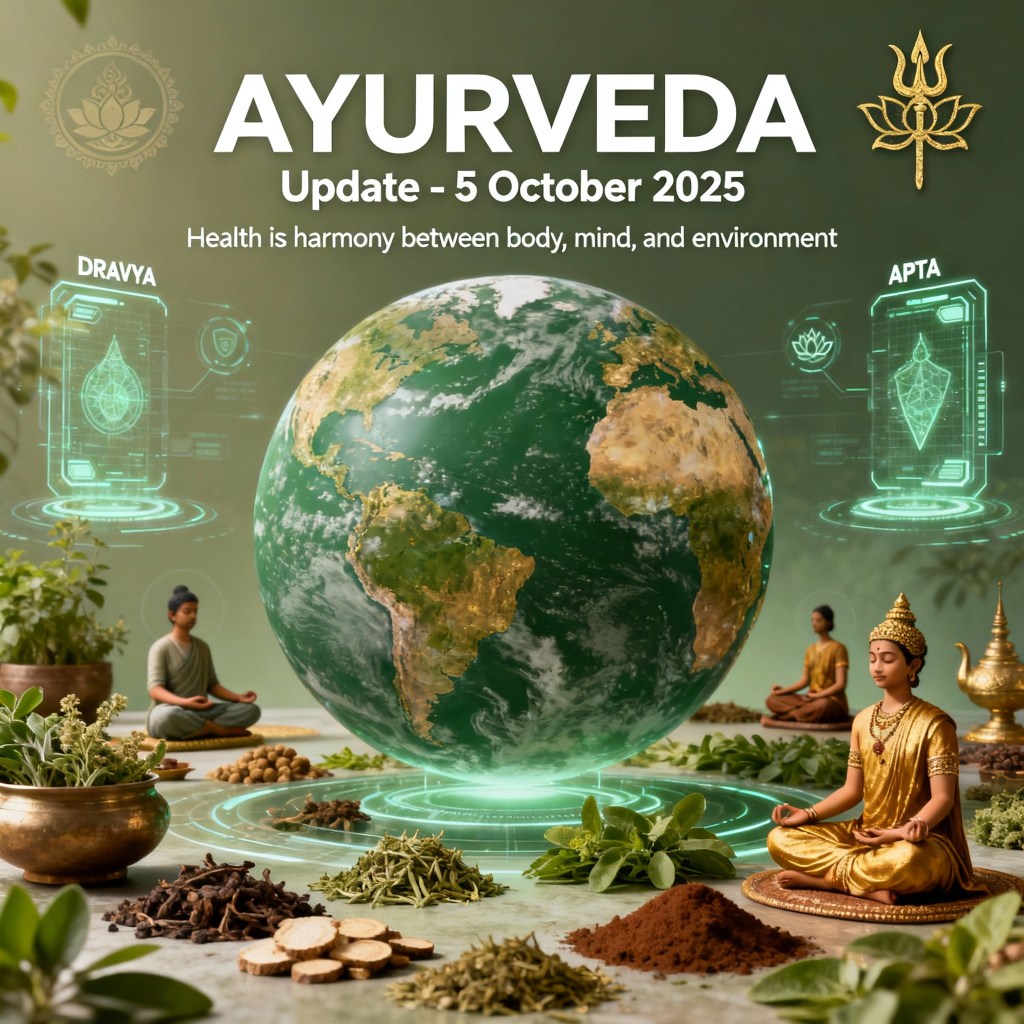
AYURVEDA Update 5 October 2025.
Global Ayurveda Updates.
The global Ayurveda sector continues its dynamic growth in 2025, with the upcoming 7th Global Ayurveda Summit scheduled for late October to foster international collaborations and integrative healthcare innovations. Traditional medicine, including Ayurveda, is practiced in nearly 90% of WHO member states, driving a booming market projected to reach over $583 billion globally. India leads with a rapidly expanding AYUSH industry valued at $43.4 billion, complemented by increasing international recognition and export of Ayurvedic products to over 150 countries, reflecting the rising consumer shift towards preventive and holistic health worldwide.
National Ayurveda News.
India recently celebrated the 10th Ayurveda Day on 23rd September 2025 with the theme “Ayurveda for People & Planet,” emphasizing Ayurveda’s role in health and ecological balance. The Ministry of AYUSH highlighted new initiatives including the launch of digital portals DRAVYA and APTA, expansion of healthcare units at the All India Institute of Ayurveda in Goa, and nationwide health assessment campaigns focusing on preventive healthcare. The prestigious National Dhanwantari Ayurveda Awards 2025 recognized leaders advancing Ayurveda education, research, and practice. Government efforts continue to integrate Ayurveda into national health programs and promote sustainability practices aligned with traditional wisdom.
Ayurvedic Herb of the Day: Ashwagandha (Withania somnifera).
Ashwagandha remains a cornerstone Ayurvedic herb known for its potent adaptogenic properties that reduce stress and anxiety, boost immunity, and enhance mental clarity. It is widely used for balancing the nervous system and supporting overall vitality amidst modern lifestyle stressors. Ashwagandha’s demand remains strong in global wellness and herbal medicine markets due to its scientifically validated benefits and relevance in managing mental health and chronic fatigue, making it a vital herb for both traditional treatments and contemporary health regimens.
Meditation & Ayurveda Spotlight.
Meditation and Ayurveda share an intrinsic connection rooted in holistic health aiming to harmonize body, mind, and spirit. Meditation complements Ayurveda by fostering mental calmness, reducing stress-related dosha imbalances, and enhancing the body’s natural healing capacities. October marks increased global awareness of mindfulness practices that align perfectly with Ayurvedic principles of balance and prevention. Integrative approaches combining meditation with Ayurvedic therapies are being promoted for comprehensive wellness, emphasizing a lifestyle that supports longevity, mental clarity, and emotional stability.
Quote of the Day.
“Health is harmony between the body, mind, and environment nourished by nature’s timeless wisdom.”#Ayurveda #AyurvedicDoctor #AyurvedicMedicine #AyurvedicTreatment #AyurvedicLifestyle #AyurvedicDiet #AyurvedicWellness #AyurvedicHealth #AyurvedicRemedies #AyurvedicTherapie
-
Essential Ayurvedic Terms and Their Meanings.
Ayurveda: The Eternal Science of Life and WellnessNourish Life, Nurture Health – Embrace Ayurveda and Meditation The Wisdom of Ayurveda and MeditationAyurveda, meaning “knowledge of life,” is the ancient holistic healing system promoting balance among body, mind, and spirit. Meditation deepens this balance by calming the mind and expanding awareness. Together they foster vibrant health, mental clarity, and long-lasting peace.Essential Ayurvedic Terms and Their Meanings
1. Abhyanga – Ayurvedic oil massage that cleanses and balances doshas 2. Agni – Digestive fire that controls metabolism 3. Ama – Toxic undigested waste causing imbalance 4. Dosha – Biological energies: Vata, Pitta, Kapha 5. Vata – Movement and nerve energy 6. Pitta – Metabolism and transformation energy 7. Kapha – Structure and lubrication energy 8. Prakriti – Individual constitution or natural body-mind type 9. Ojas – Vital energy supporting immunity and vitality 10. Dhatu – Body tissues like blood, muscle, fat, bone, marrow, reproductive tissue 11. Srotas – Channels for nourishment and waste elimination 12. Panchakarma – Five cleansing therapies for detoxification 13. Nasya – Nasal therapy for sinus and mind cleansing 14. Rasayana – Rejuvenation therapies and herbs 15. Sattva – Purity and harmony state of mind 16. Rajas – Activity and passion quality of mind 17. Tamas – Inertia and heaviness quality of mind 18. Dinacharya – Daily lifestyle routine for health 19. Ritucharya – Seasonal regimen adapting to environmental changes 20. Yoga – Union of body, mind, spirit through practice 21. Meditation – Focused mindfulness practice for calm and healing 22. Agada Tantra – Ayurvedic toxicology 23. Bala – Strength and vigor 24. Kapha – Dosha associated with earth and water elements 25. Pitta – Fire element dosha controlling digestion 26. Vata – Air and ether element dosha tied to movement 27. Kaphaja Vikara – Diseases caused by Kapha imbalance 28. Pittaja Vikara – Diseases caused by Pitta imbalance 29. Vataja Vikara – Diseases caused by Vata imbalance 30. Swedana – Herbal steam therapy 31. Virechana – Purgation therapy 32. Vasti – Herbal enema therapy 33. Nadi Pariksha – Pulse diagnosis 34. Hridaya – Heart and emotional center 35. Mano – Mind 36. Satmya – Habitual suitability or compatibility 37. Nidana – Cause of disease 38. Shodhana – Purification therapies 39. Shamana – Palliative therapies 40. Anupana – Medicine vehicle like water or honey 41. Sleshma – Mucus or Kapha 42. Prana – Life force 43. Atma – Soul or spirit 44. Asana – Physical posture in yoga 45. Chakras – Energy centers 46. Ras – Plasma or nutrient fluid 47. Meda – Fat tissue 48. Asthi – Bone tissue 49. Majja – Marrow and nervous tissue 50. Shukra – Reproductive tissue 51. Ama Visha – Toxic metabolic poisons 52. Vata Dosha – Movement disorders 53. Pitta Dosha – Inflammation disorders 54. Kapha Dosha – Congestion disorders 55. Marma – Vital energy points 56. Sneha – Oil or oleation therapy 57. Kashaya – Astringent taste 58. Lavana – Salty taste 59. Tikta – Bitter taste 60. Madhura – Sweet taste 61. Katu – Pungent taste 62. Amla – Sour taste 63. Rasayana – Longevity therapy 64. Dukha – Pain or discomfort 65. Ojas – Essence of vitality 66. Upaskara – Therapeutic treatments 67. Nidra – Sleep and rest 68. Swasthya – Health 69. Vyadhi – Disease 70. Ahar – Diet and nutrition 71. Vihara – Lifestyle 72. Satva Guna – Goodness nature 73. Rajas Guna – Passionate nature 74. Tamas Guna – Ignorance or inertia nature 75. Kriya – Action or function 76. Vata Vriddhi – Increase in Vata 77. Pitta Vriddhi – Increase in Pitta 78. Kapha Vriddhi – Increase in Kapha 79. Shamana Chikitsa – Pacification therapy 80. Shodhana Chikitsa – Cleansing therapy 81. Ras – Nutrient essence 82. Maha Vata – Large scale Vata 83. Abhyara – Supportive therapy 84. Bhakti – Devotion 85. Manas – Mind 86. Prakriti Vijnana – Knowledge of constitution 87. Kriya Sharira – Physiology 88. Sharira Rachana – Anatomy 89. Upachaya – Growth or healing 90. Vrudhi – Increase 91. Kshaya – Decrease or wasting 92. Agada – Poisons 93. Ushna – Hot quality 94. Sara – Essence or best part 95. Srotodushti – Channel obstruction 96. Vamana – Therapeutic vomiting 97. Rakta Moksha – Bloodletting 98. Bala Vidya – Knowledge of strength 99. Ayurveda Darshana – Ayurvedic philosophy 100. Yoga Darshana – Yoga philosophyMeditation and Ayurveda: The Twin Pillars of True Health Meditation quiets the mind and sharpens focus, while Ayurveda balances the unique energies within each person. Their combined power improves digestion, immunity, mental clarity, emotional resilience, and physical vitality.Health Is Wealth: The Ayurvedic Truth Ayurveda teaches that health is the greatest wealth. Meditation cultivates inner calm and strength, helping us meet life’s challenges with grace. Together, they offer a sustainable path to lifelong wellness and happiness.Consult an Ayurvedic Doctor: Your Partner in Wellness Personalized Ayurvedic guidance can tailor therapies and meditative practices to individual needs, optimizing therapeutic outcomes and holistic healing.Embrace the ancient wisdom of Ayurveda and meditation. Let balance, vitality, and peace blossom in every aspect of your life.
-
Ayurveda and Meditation: Pathway to True Health and Inner Peace
Balance Within, Radiate Wellness – Embrace Ayurveda and Meditation
The Ancient Wisdom of Ayurveda and Meditation.

Ayurveda, the science of life, teaches us that true health arises when the body, mind, and spirit are in perfect harmony. Meditation is one of Ayurveda’s most powerful tools. It has the ability to calm the restless mind, reduce stress, and restore this delicate balance naturally. Together, Ayurveda and meditation nurture holistic wellness, promote mental clarity, and awaken inner peace in mankind.
Benefits of Ayurveda and Meditation for Health and Wellness
Stress Reduction and Emotional Balance
Meditation lowers cortisol, the body’s stress hormone, which eases anxiety and calms the nervous system. Ayurveda complements this with soothing herbs and daily self-care routines that pacify the air element or Vata dosha, promoting tranquility in both body and mind.
Improved Sleep Quality
Both Ayurveda and meditation prepare the mind and body for deep, restorative sleep. Quality sleep rejuvenates all systems, boosts immunity, and enhances overall well-being.
Enhanced Immunity
Meditation acts as a mental detox, cleansing negative thoughts and boosting resilience. Alongside Ayurveda’s herbal formulations, this builds a stronger immune system that helps fight illness naturally.
Mental Clarity and Focus
Meditation trains the mind to be steady and attentive, while Ayurveda balances Pitta dosha, responsible for metabolism and intellect. Together, they improve concentration and prevent mental fatigue.
Physical Healing and Detoxification
Ayurveda’s detoxification therapies like Panchakarma cleanse the body of toxins. Meditation supports cellular regeneration, reduces inflammation, and accelerates healing from within.
Emotional Healing and Mindfulness
By practicing meditation, suppressed emotions come to light, allowing compassionate healing. Ayurveda guides lifestyle adjustments and therapies that nurture emotional balance.
Longevity and Vitality
Consistent meditation practice nourished by Ayurvedic principles promotes a long life filled with vitality, joy, and peace.
Holistic Self-awareness
Meditation deepens inner awareness. Ayurveda’s knowledge of individual constitutions helps tailor wellness plans that reflect unique physical and mental needs.
Health is Wealth: For Mind and Body
Ayurveda teaches that health is the greatest wealth one can possess. Meditation empowers individuals to face life’s challenges with calmness and resilience, strengthening body and soul. Whether managing chronic health issues or seeking daily well-being, the combination of Ayurveda and meditation offers a natural and sustainable path to health.
Consult an Ayurvedic Doctor: Personalized Path to Balance
Every individual is unique. Consulting a knowledgeable Ayurvedic practitioner ensures personalized diagnosis and guidance. This helps create effective meditative routines and herbal therapies that address one’s specific imbalances, maximizing benefits safely.
The timeless union of Ayurveda and meditation gifts mankind with a holistic path to healing, mental clarity, and radiant well-being. Embracing this ancient wisdom and cultivating daily calm can let health and happiness flourish naturally.
100 Ayurveda with Meditation benefits for mankind
Here is a detailed list of 100 benefits of Ayurveda combined with meditation for mankind, highlighting how this ancient holistic approach nurtures health, mental peace, and overall wellbeing:
1. Reduces stress and anxiety naturally
2. Balances the three doshas (Vata, Pitta, Kapha)
3. Improves mental clarity and focus
4. Enhances emotional stability
5. Boosts immunity and vitality
6. Promotes deep restful sleep
7. Detoxifies mind and body
8. Reduces inflammation
9. Alleviates chronic pain
10. Supports healthy digestion
11. Regulates blood pressure
12. Lowers cholesterol
13. Improves respiratory function
14. Strengthens the nervous system
15. Calms restless thoughts
16. Enhances self-awareness
17. Supports weight management
18. Encourages healthier eating habits
19. Increases energy levels
20. Reduces symptoms of depression
21. Improves cardiovascular health
22. Helps manage diabetes
23. Promotes hormonal balance
24. Encourages patience and acceptance
25. Facilitates emotional healing
26. Improves skin health
27. Supports detox through Panchakarma
28. Reinforces body’s natural healing abilities
29. Enhances concentration and memory
30. Cultivates inner peace
31. Reduces addictive behaviors
32. Boosts creativity
33. Balances sugar levels
34. Increases lung capacity
35. Supports kidney health
36. Promotes a balanced metabolism
37. Relieves headaches and migraines
38. Reduces risk of autoimmune disorders
39. Encourages positive thinking
40. Improves posture and body awareness
41. Increases presence and mindfulness
42. Restores hormonal cycles in women
43. Strengthens musculoskeletal system
44. Enhances interpersonal relationships
45. Improves digestion and absorption of nutrients
46. Reduces fatigue
47. Supports cognitive health in aging
48. Fosters compassion and empathy
49. Reduces insomnia
50. Helps control blood sugar spikes
51. Boosts liver function
52. Supports healthy joints
53. Promotes healthy aging
54. Increases resilience to illness
55. Regulates menstrual health
56. Reduces symptoms of asthma
57. Encourages sustainable lifestyle habits
58. Enhances spiritual growth and self-connection
59. Increases oxygen flow to brain and body
60. Improves circulation
61. Supports healthy weight gain or loss
62. Calms nervous system for better response to stress
63. Strengthens immune response to infections
64. Improves appetite regulation
65. Balances emotions during menopause
66. Reduces PMS symptoms
67. Enhances detox pathways
68. Creates habit of self-care and mindfulness
69. Improves organ function overall
70. Balances blood sugar levels
71. Helps relieve arthritis pain
72. Enhances lung health and breathing
73. Reduces symptoms of gastrointestinal disorders
74. Improves heart health
75. Promotes regeneration of tissues
76. Supports healthy brain function
77. Boosts self-confidence
78. Reduces anxiety and panic attacks
79. Balances cortisol levels
80. Increases mental endurance
81. Improves memory recall
82. Promotes calm and restful mind
83. Helps with addiction recovery
84. Supports healthy inflammatory response
85. Improves eye health
86. Increases body flexibility
87. Encourages better decision making
88. Supports detoxification through sweat and elimination
89. Enhances digestion efficiency
90. Increases vitality in chronic illness
91. Encourages gratitude and contentment
92. Reduces oxidative stress
93. Supports thyroid function
94. Increases longevity
95. Improves coordination and motor skills
96. Facilitates remission of symptoms in autoimmune diseases
97. Strengthens resilience against mental fatigue
98. Balances nervous system response
99. Supports mental clarity in high pressure situations
100. Promotes overall harmony of body, mind, and spirit
Ayurveda combined with meditation offers a comprehensive, natural approach to health that addresses physical, mental, and spiritual dimensions, empowering mankind to live balanced, vibrant, and joyful lives.
-
Ayurveda: Natural Balance for Blood Sugar, Pathway to Vibrant Health.
Ayurveda Regulates Blood Sugar Levels: A Holistic Pathway to Vibrant Health
Balancing blood sugar is not just about numbers—it’s about nurturing your whole being. Ayurveda, the ancient science of life, treats blood sugar regulation as a harmony between body, mind, and spirit. By addressing the root causes of imbalance with natural wisdom, Ayurveda offers a powerful and holistic approach that empowers you to embrace vibrant health and well-being.

Herbal Wisdom: Nature’s Gift for Blood Sugar Balance
Ayurveda draws from nature’s rich pharmacy to support healthy blood sugar levels. Herbs like Amalaki (Indian Gooseberry), Guduchi (Tinospora cordifolia), and Mamajjaka (Enicostemma littorale) have been treasured for centuries for their ability to stimulate insulin production, improve cellular glucose uptake, and reduce insulin resistance. These natural allies gently restore balance without side effects, making Ayurveda a trusted companion in managing blood sugar. Clinical studies affirm that these botanicals can reduce fasting and post-meal glucose levels, offering hope and healing through time-tested remedies.
Lifestyle and Diet: The Foundation of Metabolic Harmony
Healthful living is the cornerstone of Ayurveda’s approach. Warm, nourishing meals that are easy to digest kindle the digestive fire, or Agni, enhancing metabolism and preventing sugar imbalances. Ayurveda teaches mindful eating: savor the nourishment, honor your body’s signals, and avoid heavy, processed foods that disrupt harmony.
Incorporating yoga and meditation calms the mind, reducing stress hormones that spike blood sugar. Regular physical activity, sufficient restful sleep, and detox therapies such as Panchakarma facilitate the body’s natural cleansing and rejuvenation, paving the way for better insulin sensitivity and overall metabolic balance.
Meditation: Nurturing the Mind-Body Connection
The power of meditation extends beyond the mind, influencing bodily health in profound ways. Stress triggers the release of cortisol, a hormone that raises blood sugar and disrupts metabolic equilibrium. Through meditation and breathing exercises, Ayurveda fosters mental peace, lowering stress and cortisol levels. This serene state harmonizes the nervous system, supporting the body’s innate capacity to regulate glucose and maintain stability.
Health Is Wealth: The Journey of Empowerment
Ayurveda’s wisdom reminds us that true wealth is health. Managing blood sugar naturally not only protects against the challenges of diabetes but also awakens vitality, mental clarity, and joy. When we nurture ourselves with wholesome herbs, balanced meals, and mindful practices, we invest in a life of wellness and fulfillment. This journey embodies the essence of “Health is Wealth”—a profound truth guiding us toward wholeness and happiness.
Scientific Backing: Ayurveda Meets Modern Evidence
Modern scientific research supports Ayurveda’s efficacy in diabetes care. Meta-analyses of clinical trials reveal that Ayurvedic medicines improve glycemic control safely and effectively, working through various mechanisms including enhancing insulin function and glucose metabolism. Case studies demonstrate reduced HbA1c levels and symptomatic relief in patients receiving Ayurvedic therapy combined with lifestyle changes.
Moreover, Ayurveda emphasizes early intervention in prediabetes with herbal formulations and detoxification, potentially delaying or preventing progression to full diabetes. Government initiatives like India’s “Mission Madhumeha” integrate Ayurveda for diabetes prevention and management, reflecting growing recognition of its holistic benefits.
A Call to Embrace Holistic Wellness
Ayurveda invites us to look beyond symptoms and embrace healing that honors the whole person. By harmonizing herbs, diet, lifestyle, and meditation, we can balance blood sugar and illuminate our path to radiant health. Let Ayurveda inspire a lifestyle where body and mind flourish together, where health is the foundation of happiness, and where every moment is an opportunity to thrive.
#Ayurveda #AyurvedicDoctor #AyurvedicMedicine #AyurvedicTreatment #AyurvedicLifestyle #AyurvedicDiet #AyurvedicWellness #AyurvedicHealth #AyurvedicRemedies #AyurvedicTherapies #PanchakarmaTherapy #Yoga #Meditation #AyurvedicHealthTips #AyurvedicTipsForAHealthyLifestyle #WhatIsAyurveda #AyurvedaInIndia #AyurvedicTreatmentCentersInIndia #RejuvenateYourselfWithAyurvedaAndYoga #Dombivli #Kalwa #Thane #Mumbai
#AyurvedaForGlobalHealth #AyurvedicHealthcare #NaturalHealth #HolisticHealth #Wellness #SelfCare #HealthyLiving
-
निसर्गसोबत जगणे म्हणजेच खरी जीवनकला.
निसर्गासोबत जगणे…
याचा अर्थ साधेपणाला होकार देणे,
आणि कृत्रिमतेला नकार देणे.
ताज्या हवेतला श्वास
फुफ्फुसांना निरोगी करतो,
मोकळ्या आभाळाखाली केलेला फेरफटका
मनाला आनंदाचा नवा श्वास देतो.
फळांचे रस,
धान्यांचे पौष्टिक उर्जा,
औषधी वनस्पतींची करुणामयी शक्ती—
हीच खरी ‘आरोग्याची संपत्ती’,
जी रुग्णालयांपेक्षा, गोळ्यांपेक्षा जास्त बलवान.
निसर्गाच्या सान्निध्यात
माणूस शोधतो स्वतःला,
कारण पक्ष्यांचा किलबिलाट
आनंदाची आठवण करून देतो,
झुळूक मनातील चिंता दूर नेते,
आणि हिरवी झाडं
छायेतून शिकवतात दानशीलता.
जे निसर्गाशी एकरूप होतात,
तेच खऱ्या अर्थाने जगतात—
त्यांचं जीवन फक्त धावपळीत नाही,
तर संतुलनात, शांततेत आणि आरोग्यात असतं.
नदीसारखं वाहणं,
डोंगरासारखं उभं राहणं,
आणि झाडासारखं जगाला सावली देणं—
हीच खरी जीवनकला आहे.
निसर्गाशिवायचे दिवस म्हणजे
रिकामी दप्तरासारखे;
पण निसर्गासोबतचा प्रत्येक क्षण
समृद्ध आहे,
अर्थपूर्ण आहे,
खरं जीवन आहे.
-
Essential Topics in Ayurveda Study Discover Ancient Healing for Modern Health.
Ayurveda—Where Health Truly Means Wealth The Holistic Science of Life. Ayurveda, the ancient Indian science of life, offers a holistic approach to health that transcends mere treatment of illness. Rooted in philosophy and nature, Ayurveda teaches us to maintain balance through knowledge of body, mind, and environment. Diving into its rich syllabus is a journey toward understanding the secrets of longevity, wellness, and inner harmony.
Core Foundations: Ayurveda’s Universal Principles.The foundation subjects include philosophical texts, fundamental concepts, and biological principles that form Ayurveda’s core. Students begin their journey by exploring: 1. History and Philosophy of Ayurveda – Understanding its evolution and spiritual roots 2. Tridosha Theory – The dynamic balance of Vata, Pitta, and Kapha that governs health 3. Panchamahabhuta (Five Elements) – The building blocks of nature reflected in our bodies 4. Prakriti & Vikriti – Individual constitution and states of imbalance 5. Agni (Digestive Fire) – The vital force behind metabolism and immunity These form the blueprint for diagnosing and nurturing health. Anatomy and Physiology: The Science of Life in Ayurveda Ayurvedic anatomy is a blend of physical, functional, and energetic perspectives: 6. Sharira Rachana (Anatomy) – Study of bodily structures including bones, organs, and channels (Srotas) 7. Kriya Sharira (Physiology) – Understanding functions of doshas, tissues (Dhatus), and bodily systems 8. Marma Vigyan – Vital points that govern physiological and energetic harmony The knowledge empowers practitioners to perceive health beyond just the physical symptoms. Diagnostic Mastery: Knowing the Disease and the Diseased Diagnosis in Ayurveda is art and science combined: 9. Roga Nidana – Exploring causes, symptoms, and progression of diseases 10. Pariksha (Examination Techniques) – Including pulse (Nadi), tongue, urine, and stool examination 11. Nidana Panchaka – The fivefold diagnostic principles to understand disease deeply Clear diagnosis is the lighthouse guiding effective treatment. Clinical Disciplines: Healing Body and Mind Ayurveda’s clinical wisdom is vast and inclusive: 12. Kayachikitsa (Internal Medicine) – Treating systemic diseases through holistic therapies 13. Shalya Tantra (Surgery) and Shalakya Tantra (ENT & Ophthalmology) – Surgical and sensory organ treatments 14. Garbha Tantra – Women’s health and obstetrics 15. Kaumarbhritya – Pediatric care 16. Manas Chikitsa – Psychological and mental health treatments Each discipline highlights Ayurveda’s unique integration of body-mind health. Therapeutics: The Art of Healing in Ayurveda Therapeutic subjects focus on medicine and detoxification: 17. Dravyagunashastra – The study of herbs, minerals, and their actions 18. Bhaishajya Kalpana – Preparation of Ayurvedic medicines and formulations 19. Rasashastra – Ayurveda’s alchemy with minerals and metals 20. Panchakarma – Fivefold detox therapies restoring balance 21. Rasayana and Vajikarana – Rejuvenation and aphrodisiac therapies enhancing vitality These therapies restore vitality, support immunity, and prevent disease. Lifestyle and Preventive Sciences: Your Daily Path to Wellness The highest aim of Ayurveda is prevention and longevity: 22. Swasthavritta – Principles of holistic daily and seasonal regimen (Dinacharya and Ritucharya) 23. Ahara Vijnana – Nutrition science tailored for individual constitution and seasons 24. Yoga and Meditation – Mind-body practices nurturing mental peace and spiritual health 25. Vyayama (Exercise Therapy) – Strengthening body and spirit through motion Embracing these subjects teaches that health is wealth attainable through mindful living. Research, Ethics, and Integration Modern Ayurveda also emphasizes: 26. Research Methodology – Aligning ancient wisdom with scientific validation 27. Ayurvedic Ethics – Professional responsibility and holistic patient care 28. Integration with Modern Medicine – Complementing contemporary health sciences for enriched healing This ensures Ayurveda stays relevant and effective in modern healthcare landscapes. Meditation: The Inner Medicine Meditation is one of Ayurveda’s most potent tools for inner healing and health maintenance. It balances the mind, calms the nervous system, and enhances immunity—vital for holistic wellbeing. It bridges the ancient wisdom of Ayurveda with modern stress management techniques, reminding us that true health flows from harmony within. Ayurveda—Your Path to True Health.Studying Ayurveda opens doors to a timeless science that views health as harmony between body, mind, and environment. Its comprehensive syllabus guides learners to become custodians of wellbeing, able to offer natural, effective, and empowering healthcare. Remember, Health is Wealth—and Ayurveda is the key that unlocks this treasure through knowledge, lifestyle, and conscious living. #Ayurveda #AyurvedicDoctor #AyurvedicMedicine #AyurvedicTreatment #AyurvedicLifestyle #AyurvedicDiet #AyurvedicWellness #AyurvedicHealth #AyurvedicRemedies #AyurvedicTherapies #PanchakarmaTherapy #Yoga #Meditation #AyurvedicHealthTips #AyurvedicTipsForAHealthyLifestyle #WhatIsAyurveda #AyurvedaInIndia #AyurvedicTreatmentCentersInIndia #RejuvenateYourselfWithAyurvedaAndYoga #Dombivli #Kalwa #Thane #Mumbai#AyurvedaForGlobalHealth #AyurvedicHealthcare #NaturalHealth #HolisticHealth #Wellness #SelfCare #HealthyLiving
-
Ayurveda: The Natural Path to Inflammation-Free Living.
The Miracle of Holistic HealingAyurveda sees health as harmony between body, mind, and spirit. Inflammation is a sign of imbalance, a call for the body’s healing forces to restore equilibrium. Ayurveda uses nature’s wisdom and mindful living to soothe the fire within and promote lasting wellness.Herbal Allies for InflammationTurmeric, ginger, ashwagandha, and boswellia are nature’s anti-inflammatory powerhouses.
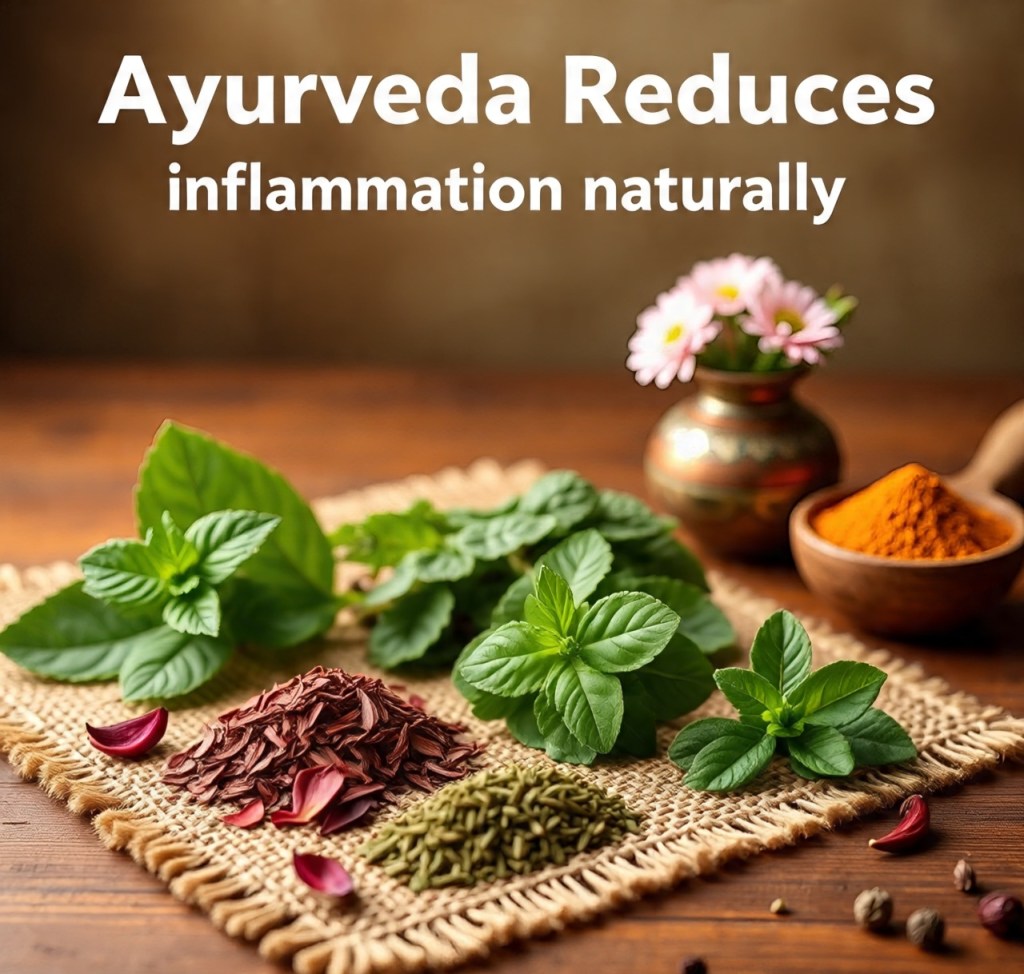
Their active compounds, such as curcumin and gingerol, calm swelling, cleanse toxins, and rejuvenate the joints and tissues. Herbal teas, oils, and powders become daily rituals that heal from within.Triphala and guggulu help with detoxification and immune balance. Tulsi and neem ease both internal and external inflammation.Lifestyle and DietWarm, nourishing meals such as herbal soups, lightly spiced vegetables, and golden milk promote healing and reduce inflammatory triggers. Avoiding processed, fried, and cold foods supports easier digestion and recovery. Daily self-massage, gentle yoga, and regular sleep nurture resilience. Panchakarma purification is Ayurveda’s unique way of removing deep-seated toxins and preventing chronic inflammation.Meditation: Healing Mind and BodyMeditation is central to Ayurveda’s vision of vibrant health. Mindful practices and conscious breathing calm stress, regulate hormones, and dissolve emotional tensions that fuel inflammation. This inner journey is as essential as any herbal remedy, forging a calm mind and a healthy body.Ayurveda teaches that health is the foundation of happiness, creativity, and prosperity. By embracing natural healing, meditation, and daily self-care, one unlocks energy and potential for a joyful life, proving that investing in well-being truly brings abundant wealth.Ayurveda Initiative for Global Health — Heal Naturally, Live Joyfully.
-
आराम म्हणजे आरोग्याचा सुवर्णमंत्र.
विश्रांती म्हणजे आळशीपणा नव्हे,
विश्रांती म्हणजे उर्जेचा खरा श्वास.
शरीराचा थकवा वितळवणारा ओलावा,
मनाचा गोंधळ शांत करणारा सुरेल विराम.आपण धावत राहतो सतत
ध्येयांच्या शोधात, संपत्तीच्या मोहात,
पण आरोग्य मागते थोडासा थांबा,
जसा गडगडाटानंतरचा पावसाचा श्वास,
तशीच विसाव्याची सुवर्ण संधी.
वैज्ञानिक सांगतात
योग्य झोप म्हणजे औषध,
झोपेत स्नायू दुरुस्त होतात,
मनाची घडी बसते,
आणि रोगप्रतिकारशक्ती नव्याने फुलते.आयुर्वेद सांगतो
निद्रा, आहार आणि ब्रह्मचर्य
ही तीन मूलतत्त्वे आरोग्याचे खांब,
निद्रा म्हणजेच जीवनशक्तीचे भांडार.विचारा जरा
थकलेल्या शेताला पाऊस हवा,
थकलेल्या मनाला मौन हवे,
आणि थकलेल्या जीवनाला
मौल्यवान विश्रांती हवी.प्रत्येक रात्र शरीरासाठी नवा आरंभ,
प्रत्येक डुलकी मनासाठी नवा उत्साह.
जसा सूर्योदय पुनः नव्याने येतो,
तसेच विश्रांतीनंतर जीवन जागते.विश्रांती हीच खरी संपत्ती आहे,
कारण शरीर सबल, मन स्थिर,
आणि आत्मा प्रकाशमान होतो.
म्हणूनच, प्रिय जीवनसाधका
काम आणि विश्रांती यांचा समतोल ठेवा,
कारण आरोग्याचा खरा पासवर्ड म्हणजे मौल्यवान विश्रांती.#Ayurveda #AyurvedicDoctor #AyurvedicMedicine #AyurvedicTreatment #AyurvedicLifestyle #AyurvedicDiet #AyurvedicWellness #AyurvedicHealth #AyurvedicRemedies #AyurvedicTherapies #PanchakarmaTherapy #Yoga #Meditation #AyurvedicHealthTips #AyurvedicTipsForAHealthyLifestyle #WhatIsAyurveda #AyurvedaInIndia #AyurvedicTreatmentCentersInIndia #RejuvenateYourselfWithAyurvedaAndYoga #Dombivli #Kalwa #Thane #Mumbai
#AyurvedaForGlobalHealth #AyurvedicHealthcare #NaturalHealth #HolisticHealth #Wellness #SelfCare #HealthyLiving -
Ayurveda Boosts Immune Function: A Holistic Path to Strength and Vitality.
In the timeless wisdom of Ayurveda, health is not merely the absence of disease but a dynamic balance of body, mind, and spirit. Central to this harmony is a robust immune system, our natural shield against illness. Ayurveda offers an inspiring, holistic approach to boost immunity—nurturing deep resilience through diet, herbs, lifestyle, and meditation, reflecting the profound truth that “Health is Wealth.”

Understanding Immunity in Ayurveda
Ayurveda describes immunity as Vyadhikshamatwa, the body’s power to resist disease. This immunity is both innate (Sahaja Bala) and acquired (Yuktikrita Bala), influenced by the balance of the doshas—Vata, Pitta, and Kapha. A strong immune system emerges from healthy digestion, balanced metabolism, and a peaceful mind. Ayurveda teaches that enhancing Ojas, the vital essence of life, is key to elevating immunity and vitality.
Nourishing Immunity Through Diet and Herbs
1. Whole, Fresh, Seasonal Foods: Ayurveda recommends eating vibrant fresh fruits and vegetables rich in antioxidants and vitamins, such as amla (Indian gooseberry) known for its high Vitamin C content. Whole grains, legumes, ghee, and warming spices like turmeric, ginger, and black pepper support digestion and immunity.
2. Immunity-Boosting Herbs:
– Ashwagandha supports stress adaptation and immune strength.
– Tulsi (Holy Basil) offers antioxidant and antimicrobial benefits.
– Guduchi (Tinospora cordifolia), revered as the “nectar of the gods,” strengthens the body’s defenses.
– Amalaki rejuvenates and protects cells.
– Turmeric reduces inflammation and promotes detoxification.Lifestyle Practices for Immune Strength
1. Daily Routines (Dinacharya): Regular schedules for sleeping, eating, and exercise align the body’s rhythms and strengthen immunity.
2. Detoxification: Panchakarma therapies cleanse toxins (ama), rejuvenate tissues, and restore balance.
3. Stress Reduction and Meditation: Chronic stress weakens immunity. Meditation and pranayama calm the mind, lower cortisol levels, and invigorate the immune response, fostering peace and resilience.
4. Moderate Exercise: Yoga, walking, and tailored movement enhance circulation and immunological function without straining the body.
The Transformational Power of Ayurveda
Ayurveda’s holistic view honors that immunity thrives on balance—nurture digestion, clear toxins, nourish tissues, and cultivate mental calm. Embracing these principles leads to vibrant health that shines from within. The body becomes a fortress, the mind a tranquil sanctuary, and the spirit a source of unshakeable vitality.
Breathe deeply, live mindfully, and let Ayurveda’s natural wisdom awaken your innate strength.
Health is Wealth—Nourish Your Immunity, Embrace Your Radiance, Live Your Best Life.
#Ayurveda #AyurvedicDoctor #AyurvedicMedicine #AyurvedicTreatment #AyurvedicLifestyle #AyurvedicDiet #AyurvedicWellness #AyurvedicHealth #AyurvedicRemedies #AyurvedicTherapies #PanchakarmaTherapy #Yoga #Meditation #AyurvedicHealthTips #AyurvedicTipsForAHealthyLifestyle #WhatIsAyurveda #AyurvedaInIndia #AyurvedicTreatmentCentersInIndia #RejuvenateYourselfWithAyurvedaAndYoga #Dombivli #Kalwa #Thane #Mumbai
#AyurvedaForGlobalHealth #AyurvedicHealthcare #NaturalHealth #HolisticHealth #Wellness #SelfCare #HealthyLiving -
समृद्धीचे आकाश मनाच्या उंच श्वासासोबत.
मनाच्या गाभ्यातून फुलणारी समृद्धी
फक्त बाहेरच्या संपत्तीत नाही,
तर जीवनाच्या प्रत्येक पैलूत
ती विखुरलेली आहे
प्रेम, धन, आरोग्य, मैत्री,
आनंद, समाधान
हे सारे विश्वाच्या अदृश्य धारेप्रमाणे
सदैव आपल्या सभोवताली आहे।
प्रत्येक पहाटेत
नवे सुवर्णसंधान दडलेले असते,
फुलांच्या मंद सुवासातून
जन्मतो नव्या संधींचा स्वर;
मन उघडं ठेवलं,
विश्वाच्या या संपन्न झऱ्यातून
समृद्धी अनुभवता येते,
जितकी अधिक स्वीकारता,
तितकी अधिक प्रचिती येते।आपल्या विचारांच्या पलीकडं
विश्व आनंद बहाल करायला सिद्ध आहे
फक्त अडथळा आपल्या दृष्टीकोनाचा,
शका नाही, हे मनापासून ठरवा,
कारण क्षणोक्षणी
प्रत्येक श्वासात
संधी, प्रेम, प्रगती,
या आनंदाच्या स्वरूपात
दारी थांबलेल्या असतात।मित्रांची साथ,
स्वतःच्या शरीराची ताकद,
मुक्तपणे वाहणारे हास्य,
हे समृद्धीचे दैवी रंग
आयुष्याच्या कॅनवासवर
अगदी सहज फुलतात।समृद्धी, भरभराट,
ही केवळ अपवाद नाही
तर विश्वाचा मूलगामी नियम आहे।
तुमच्या जन्माभाग्याने
ही ओंजळ सदैव भरून ठेवली आहे,
फक्त
त्या ओंजळीचे अस्तित्व
ओळखावे लागते।विश्व सांगते
“तुला हवे ते मिळेल
विश्वाचा चंद्र-सूर्य तुझ्या मागे उभा!
मन खुले ठेव,
आशावादाने समृद्धीला मिठी मार,
आनंद, आरोग्य, मैत्री, धन, प्रेम —
क्षणोक्षणाला तुझ्या जीवनी
सदैव ओतप्रोत वाहू दे!”#Ayurveda #AyurvedicDoctor #AyurvedicMedicine #AyurvedicTreatment #AyurvedicLifestyle #AyurvedicDiet #AyurvedicWellness #AyurvedicHealth #AyurvedicRemedies #AyurvedicTherapies #PanchakarmaTherapy #Yoga #Meditation #AyurvedicHealthTips #AyurvedicTipsForAHealthyLifestyle #WhatIsAyurveda #AyurvedaInIndia #AyurvedicTreatmentCentersInIndia #RejuvenateYourselfWithAyurvedaAndYoga #Dombivli #Kalwa #Thane #Mumbai
#AyurvedaForGlobalHealth #AyurvedicHealthcare #NaturalHealth #HolisticHealth #Wellness #SelfCare #HealthyLiving -
धैर्य आणि आशा हाच जीवनाचा शाश्वत प्रवास आहे.
यशाचा खरा प्रवास
यश म्हणजे अंतिम थांबा नव्हे,
ते तर एक पायरी आहे
आणखी पुढे जाण्यासाठी,

आणखी उंच शिखरे चढण्यासाठी.
अपयश म्हणजे शेवट नाही,
ते तर शिकवण आहे
नवी ताकद मिळवण्यासाठी,
नवा धडा मनात कोरण्यासाठी.
जीवनाच्या वळणांवर
धैर्याची दीपशिखा पेटव,
प्रत्येक अंधारातून
प्रकाशाकडे वाट शोध.
सुख-दुःखांच्या लाटा
क्षणाक्षणाला आपल्याला भिडतात,
पण शांत सागरासारखा
स्वतःच्या अस्तित्वात स्थिर राहा.
प्रत्येक पडझडीत
नवा उभारीचा बीज असतो,
प्रत्येक यशाच्या टप्प्यात
नवा प्रवास सुरू होतो.
धैर्यच असते खरी संपत्ती,
आणि आशाच असते खरा मार्गदर्शक.
धैर्य यशाचा खरा प्रवास
यश म्हणजे अंतिम थांबा नव्हे,
ते तर एक पायरी आहे
आणखी पुढे जाण्यासाठी,
आणखी उंच शिखरे चढण्यासाठी.
अपयश म्हणजे शेवट नाही,
ते तर शिकवण आहे
नवी ताकद मिळवण्यासाठी,
नवा धडा मनात कोरण्यासाठी.
जीवनाच्या वळणांवर
धैर्याची दीपशिखा पेटव,
प्रत्येक अंधारातून
प्रकाशाकडे वाट शोध.
सुख-दुःखांच्या लाटा
क्षणाक्षणाला आपल्याला भिडतात,
पण शांत सागरासारखा
स्वतःच्या अस्तित्वात स्थिर राहा.
प्रत्येक पडझडीत
नवा उभारीचा बीज असतो,
प्रत्येक यशाच्या टप्प्यात
नवा प्रवास सुरू होतो.
धैर्यच असते खरी संपत्ती,
आणि आशाच असते खरा मार्गदर्शक.
#Ayurveda #AyurvedicDoctor #AyurvedicMedicine ##AyurvedicTreatmentCentersInIndia #Rejuvena
-
Nurture your mind with nature—embrace Ayurvedic herbs for mental wellness and peaceful living.
The Power of Ayurvedic Herbs for Mental Health
Ayurveda, the ancient science of life, offers a holistic approach to mental well-being through potent herbs that nourish and balance the mind. Modern research and traditional use have revealed the remarkable benefits of key Ayurvedic herbs for mental health, making them an invaluable resource for managing stress, anxiety, depression, and enhancing cognitive function.

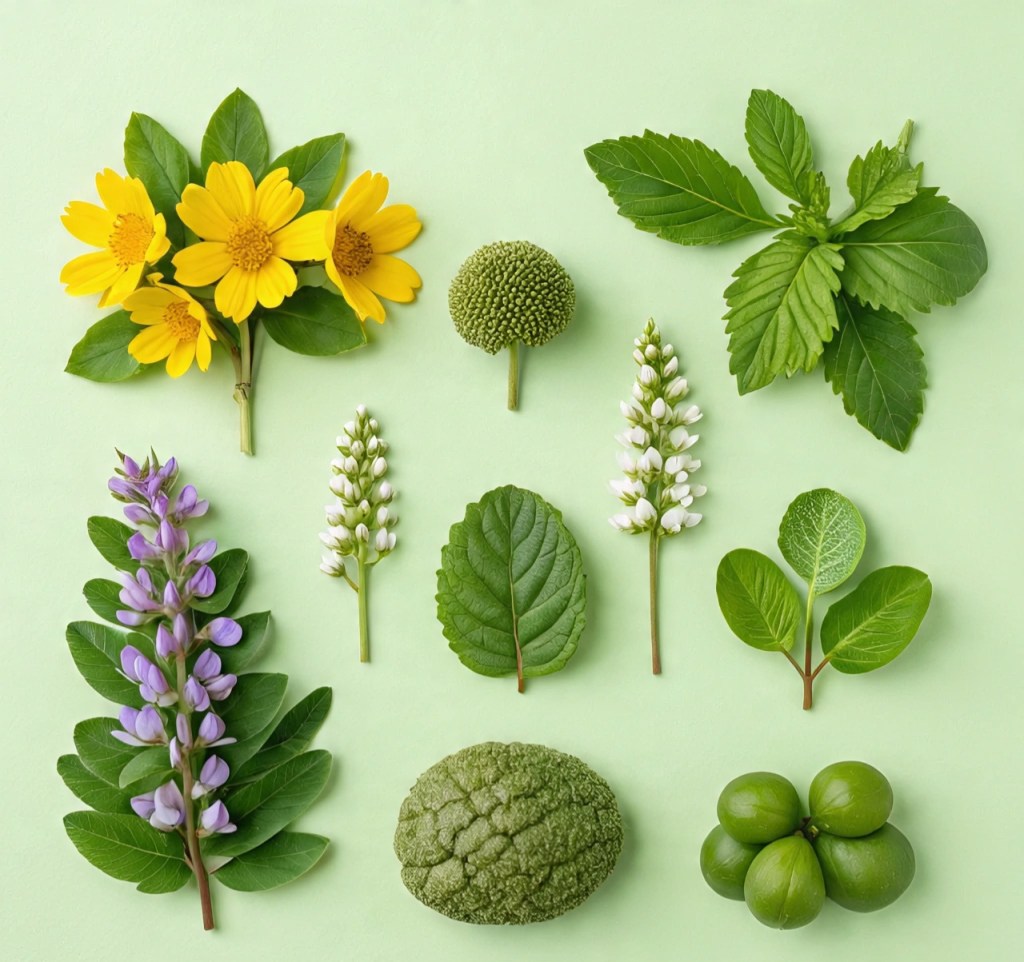
1 Ashwagandha is celebrated as a powerful adaptogen that reduces stress hormones like cortisol, easing anxiety and depression. It promotes mental clarity, improves mood, and strengthens resilience against daily stress
2 Brahmi (Bacopa monnieri) is renowned for boosting memory, concentration, and cognitive abilities while soothing anxiety. It acts as a neuroprotective agent, guarding brain cells and fostering sharp mental focus.
3 Jatamansi works as a natural calmative, relieving stress and promoting restful sleep. It balances emotional disturbances and helps maintain a steady, peaceful mind.
4 Shankhpushpi enhances mental alertness, learning capacity, and relieves mental fatigue, making it a vital tonic for brain health.
5 Tulsi (Holy Basil) alleviates stress, supports immune health, and protects the brain from oxidative damage, contributing to overall mental wellness.
6 Mandukaparni (Gotu Kola) enhances memory and mental stability while reducing anxiety, thus supporting a healthy nervous system.
These herbs, often combined in classical Ayurvedic formulations, work synergistically to balance the doshas, uplift mental faculties, and restore emotional equilibrium. Incorporating them mindfully into daily routines can lead to a serene, focused, and resilient mind—truly reflecting the essence of “Health is Wealth.”
-
सकारात्मक मन, सुदृढ शरीर – आयुष्याला अमूल्य वैभव!
सकारात्मक मन, निरोगी जीवन – जीवनाचं खरं वैभव
आरोग्य हेच जीवनाचं सर्वात मौल्यवान धन,
ते सोन्या-नाण्यांनी मोजता येत नाही;
शरीरात बळ, मनात शांती
आयुष्याला नवे रंग भरते.
जीवनाच्या पायऱ्या चढताना
सुंदर शरीर आणि आशावादी मन
संघर्षाच्या मार्गात आधार देतात;
सुदृढ आरोग्यासाठी फक्त आहार नव्हे,
तर सकारात्मक विचारांचं खाद्यही महत्त्वाचं आहे.

मनाचे रंग बदलतात जीवनाचा प्रवाह,
सकारात्मक विचार हे सूर्यकिरणांप्रमाणे
अंधारावर विजय मिळवतात,
दुःख, भय, शंका यांची छाया
आशावादी मन सहज मिटवते.
मन आनंदी असलं,
तर शरीरात उर्जा भरते.
प्रत्येक चांगल्या भावनेतून
शरीरात आरोग्याचं वरदान मिळतं,
आयुष्य तरंगते सुंदरतेच्या आणि समाधानाच्या लाटांवर.
मन आणि शरीर यांचा संतुलित संगम
चांगल्या आयुष्याचा गाभा बनतो.
जेव्हा मनात सकारात्मकता असते
तेव्हा प्रत्येक दिवस नवा उत्सव वाटतो;
जीवनातले सर्व क्षण
शांत, आनंदी आणि पूर्णतेने जपता येतात.
#Ayurveda #AyurvedicDoctor #AyurvedicMedicine #AyurvedicTreatment #AyurvedicLifestyle #AyurvedicDiet #AyurvedicWellness #AyurvedicHealth #AyurvedicRemedies #AyurvedicTherapies #PanchakarmaTherapy #Yoga #Meditation #AyurvedicHealthTips #AyurvedicTipsForAHealthyLifestyle #WhatIsAyurveda #AyurvedaInIndia #AyurvedicTreatmentCentersInIndia #RejuvenateYourselfWithAyurvedaAndYoga #Dombivli #Kalwa #Thane #Mumbai
#AyurvedaForGlobalHealth #AyurvedicHealthcare #NaturalHealth #HolisticHealth #Wellness #SelfCare #HealthyLiving
-
Ayurvedic herbs and their main recommended uses

Herb Main Recommendation Ashwagandha (Withania somnifera) Builds stamina, reduces stress, supports deep rejuvenation Shatavari (Asparagus racemosus) Nourishes female health, enhances vitality, supports motherhood Kapikacchu (Mucuna pruriens) Promotes reproductive vigor, uplifts mood, balances nervous system Gokshura (Tribulus terrestris) Strengthens urinary health and energy Safed Musli (Chlorophytum borivilianum) Improves vitality, stamina, and endurance Brahmi (Bacopa monnieri) Sharpens memory, calms restless mind Mandukaparni (Centella asiatica) Enhances focus, cools the nerves Jatamansi (Nardostachys jatamansi) Deeply calming, helps peaceful sleep Shankhapushpi (Convolvulus pluricaulis) Supports learning, intellect, anxiety relief Acorus Calamus (Vacha) Stimulates speech clarity, awakens dull senses Ginger (Zingiber officinale) Sparks digestion, relieves nausea, strengthens digestive fire Pepper (Piper nigrum) Improves metabolism and nutrient absorption Pippali (Piper longum) Good for lungs and digestion, enhances immunity Coriander (Coriandrum sativum) Coolant, balances pitta, aids digestion Ajwain (Trachyspermum ammi) Relieves indigestion and abdominal discomfort Trikatu (Ginger, Pepper, Pippali combination) Stimulates metabolism and clears toxins Jeera (Cuminum cyminum) Improves digestion and clears toxins Fennel (Foeniculum vulgare) Soothes bloating and acidity Cardamom (Elettaria cardamomum) Enhances digestion, refreshes breath Mustard Seeds (Brassica juncea) Improves circulation and digestion Tulsi (Ocimum sanctum) Strengthens immunity, calms the spirit Turmeric (Curcuma longa) Natural purifier, anti-inflammatory golden elixir Amla (Phyllanthus emblica) Rich in vitamin C, rejuvenates tissues, boosts defense Neem (Azadirachta indica) Purifies blood, clears skin issues Guduchi (Tinospora cordifolia) Detoxifies, rejuvenates immunity Haritaki (Terminalia chebula) Cleanses digestion, supports longevity Bibhitaki (Terminalia bellirica) Strengthens respiratory system Chitrak (Plumbago zeylanica) Burns toxins, awakens sluggish digestion Kutki (Picrorhiza kurroa) Cleanses liver, promotes detoxification Kalmegh (Andrographis paniculata) Boosts immunity, supports liver health Licorice (Glycyrrhiza glabra) Soothes throat and lungs Pushkarmool (Inula racemosa) Relieves chest congestion, supports breathing Vasaka (Adhatoda vasica) Clears phlegm, cools respiratory system Kantakari (Solanum xanthocarpum) Helps breathing difficulties Ela (Lesser Cardamom) Refreshes lungs, opens breath pathways Manjistha (Rubia cordifolia) Purifies blood, enhances complexion Sandalwood (Santalum album) Cools body, calms skin inflammation Kumari (Aloe Vera) Hydrates, soothes digestion, heals skin Sariva (Hemidesmus indicus) Purifies blood, cools skin conditions Bakuchi (Psoralea corylifolia) Promotes clear skin, balances pigmentation Kesar (Crocus sativus) Enhances complexion, uplifts mood Shallaki (Boswellia serrata) Relieves joint discomfort and stiffness Ashoka (Saraca indica) Aids women’s health, balances hormones Dashmoola (Group of 10 roots) Relieves inflammation and weakness Asthisamharaka (Cissus quadrangularis) Strengthens bones and joints Nirgundi (Vitex negundo) Relieves joint aches, balances Vata Madhuyashti (Licorice) Sweet, soothing, balances acidity Gokshura Diuretic, benefits kidneys and reproductive health Punarnava (Boerhavia diffusa) Rejuvenates kidneys, reduces swelling Shatavari Moistens tissues, preserves youthfulness Taruni (Rosa centifolia) Rose petals, soothing and cooling Triphala (Amla, Haritaki, Bibhitaki) Supports digestion, detoxifies tissues Arjuna (Terminalia arjuna) Strengthens heart health Bhringraj (Eclipta alba) Supports liver and hair growth Punarvana Cleans urinary channels Shilajit (Mineral pitch) Enhances strength, vitality, detoxification Bay Leaf (Cinnamomum tamala) Aids digestion, increases taste Cinnamon (Cinnamomum zeylanicum) Warms circulation, aids digestion Clove (Syzygium aromaticum) Relieves tooth and digestive discomfort Fenugreek (Trigonella foenum-graecum) Improves metabolism, relieves skin inflammation Bishop’s Weed (Ajwain) Clears indigestion and heaviness Arjuna Strengthens cardiac function Punarnava Removes excess fluids, supports circulation Garlic (Allium sativum) Improves heart health, clears vessels Onion (Allium cepa) Purifies blood, balances cholesterol Hingu (Asafoetida) Relieves spasms, supports circulation Yastimadhu Softens throat and balances voice Guggul (Commiphora mukul) Cleans fat tissues, supports joints Bala (Sida cordifolia) Restores strength and nourishes muscles Atibala (Abutilon indicum) Relieves Vata imbalance Vidarikanda (Pueraria tuberosa) Nourishes plasma and fertility Shigru (Moringa oleifera) Superfood, nourishes all systems Chakramarda (Cassia tora) Clears skin eruptions Eranda (Ricinus communis) Vata-reducing purgative oil seed Palasha (Butea monosperma) Supports urinary health Tagara (Valeriana wallichii) Calming sedative root Kapikacchu Supports brain, hormones, nerves Yava (Barley) Cleanses kidneys, balances weight Kulattha (Horse gram) Supports kidney stones clearance Masura (Lentil) Nourishes blood and digestion Tila (Sesame) Strengthens bones, hair, fertility Amrita (Tinospora cordifolia) Universal rejuvenator Agnimantha Removes toxins from joints Patola (Trichosanthes dioica) Improves skin health Shigru seeds Anti-inflammatory Palandu (Onion extract) Blood purifier Chavya (Piper retrofractum) Stimulates digestion Patha (Cissampelos pareira) Helps diarrhea and fever Musta (Cyperus rotundus) Relieves diarrhea, balances Pitta Vidanga (Embelia ribes) Expels intestinal worms Devadaru (Cedrus deodara) Relieves cough, balances Kapha Hribera (Pavonia odorata) Coolant, relieves excessive thirst Kantkari Supports respiratory strength Katuki Powerful liver tonic Chandan Cooling and pitta pacifying Lodhra (Symplocos racemosa) Improves women’s health and complexion Dhanyaka (Coriander) Cooling, digestive, refreshing Nagkesar (Mesua ferrea) Supports blood circulation Bharangi (Clerodendrum serratum) Relieves sinus and phlegm Punarva root Revives kidneys, detoxifies system -
Let nature’s wisdom guide your journey to health and happiness.
The Healing Map: 100 Ayurvedic Herbs Across the Land

From misty Himalayan slopes to Kerala’s warm embrace,
Amla shines—Emblica officinalis—amid soft rain in central India.
Ashwagandha (Withania somnifera) thrives in Rajasthan’s arid breath,
Brahmi (Bacopa monnieri) dreams by tranquil southern streams.
Tulsi—Ocimum sanctum—whispers blessings from every rural doorway,
Turmeric’s golden root (Curcuma longa) glows in Assam’s muddy fields,
Neem (Azadirachta indica) guards the gateways in dusty Deccan lanes.
Shatavari stands tall—Asparagus racemosus—western ghats enduring,
Haritaki (Terminalia chebula) stretches in south India’s deciduous woods,
Bibhitaki (Terminalia bellirica) flourishes in monsoon-rich heartlands.
Guduchi (Tinospora cordifolia) climbs ancient forest trees in Orissa,
Manjistha (Rubia cordifolia) spreads blood-red roots in Himalayan meadows.
Bhringraj (Eclipta alba) grows where earth and water meet—Ganges banks declare its worth.
Jatamansi (Nardostachys jatamansi) hides under cool Himalaya shade,
Vacha (Acorus calamus) delights in marshes’ gentle sway.
Cardamom (Elettaria cardamomum) scents the southern spice gardens,
Cinnamon (Cinnamomum verum) twists in Sri Lanka’s fertile loam,
Clove (Syzygium aromaticum) holds warmth in Kerala’s lush groves,
Peppermint (Mentha piperita) finds its freshness in Punjab’s greenery,
Coriander (Coriandrum sativum) graces fields from Gujarat to Bengal’s delta.
Aloe Vera (Aloe barbadensis) stands resilient in dry Rajasthani sands,
Moringa (Moringa oleifera) shakes its leaves in sub-Himalayan plains.
Saffron blooms—Crocus sativus—in Kashmir’s unique cool air,
Chamomile (Matricaria chamomilla) blooms gently in temperate gardens,
Ginger (Zingiber officinale) rises proudly in Kerala’s monsoon soil,
Lemongrass (Cymbopogon citratus) sways in tropical breeze.
Ashoka (Saraca indica) is a guardian under cloud-heavy southern canopies,
Kutki (Picrorhiza kurroa) struggles with the winds but endures, deep in Himalaya,
Shankhpushpi (Convolvulus pluricaulis) blossoms on dry hillocks,
Gotu Kola (Centella asiatica) stretches where wetlands shimmer,
Triphala—three gifts: Amla, Haritaki, Bibhitaki—blend north, south, east.
Kutaja (Holarrhena antidysenterica) lines forested paths throughout India,
Yashtimadhu (Glycyrrhiza glabra) thrives in Punjab’s fertile lands,
Nagarmotha (Cyperus rotundus) creeps through fields from coast to plateau,
Arjuna (Terminalia arjuna) roots near mighty Indian rivers,
Pippali (Piper longum) spices the Assam landscape with subtle warmth,
Daruharidra (Berberis aristata) clings to steep Himalayan slopes,
Musta (Cyperus rotundus) flourishes everywhere moist earth invites,
Vidanga (Embelia ribes) finds shelter in Western Ghats folds,
Chirayata (Swertia chirata) brings healing to mountain valleys,
Gokshura (Tribulus terrestris) survives dry, rocky Rajasthan plains,
Kantakari (Solanum xanthocarpum) bristles in open central and northern terrain,
Pashanbheda (Bergenia ciliata) softens Himalayan stones.
Bala (Sida cordifolia) waves in the breeze along central Indian paths,
Trikatu—Black pepper, Long pepper, Dry ginger—powers digestion everywhere.
Mustak (Cyperus rotundus) finds shade in city gardens,
Kushtha (Saussurea lappa) stands heroic in upper Himalayas,
Lavanga (Syzygium aromaticum) buds in southern orchards,
Kapikacchu (Mucuna pruriens) swings from wild vines near Konkan coast,
Shunthi (Zingiber officinale) builds heat wherever ginger finds home.
Dhataki (Woodfordia fruticosa) is a festival of flowers in India’s scrub,
Vidari (Pueraria tuberosa) anchors roots deep in clay,
Malabar Nut (Justicia adhatoda) colors Maharashtra’s hedges,
Bilva (Aegle marmelos) shades temple courtyards through India’s map.
Giloy (Tinospora cordifolia) climbs with resilience,
Sarpagandha (Rauwolfia serpentina) whispers in Assam shade,
Punarnava (Boerhavia diffusa) springs with the rain in countless fields,
Kumari—Aloe barbadensis—returns strength to sandy places,
Sandalwood (Santalum album) breathes fragrance in Tamil Nadu forests,
Kalmegh (Andrographis paniculata) thrives in the southern earth,
Gudmar (Gymnema sylvestre) sweetens fields across Karnataka,
Chitrak (Plumbago zeylanica) pushes up in dry, wild corners,
Medhya herbs—Brahmi, Shankhpushpi—calm minds in every green refuge,
Yarrow (Achillea millefolium) blooms white in rocky Himalayan earth…
May every root and leaf you nurture help you blossom
in peace, strength, and radiant holistic well-being.
-
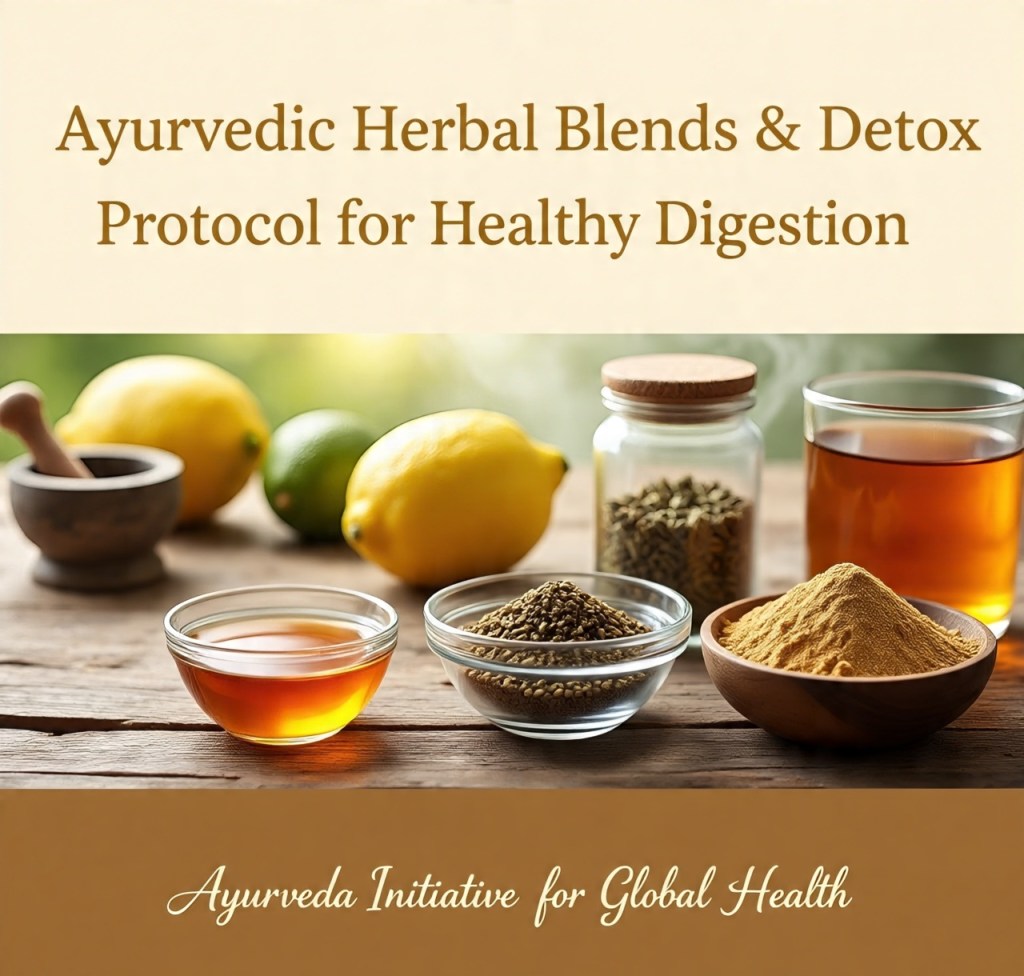
Ayurvedic Herbs are best for digestion and how to use them.
20 herbs are best for digestion and how to use them
Here are 20 of the best Ayurvedic herbs for digestion along with their common uses and how to use them:
1. Triphala.
Use: A blend of three fruits (Amla, Haritaki, Bibhitaki) that gently detoxifies and improves digestion.
How: Take as powder or tablets with warm water before bed or as advised by a practitioner.
2. Haritaki (Terminalia chebula)
3.
Use: Promotes bowel regularity, relieves constipation, and improves nutrient absorption.
How: Powder mixed with warm water or honey, typically before meals.
3. Bibhitaki (Terminalia bellirica)
Use: Supports digestion and detoxification, especially of the respiratory and digestive systems.
How: Taken as powder or in Triphala formulations.
4. Amla (Indian Gooseberry)
Use: Rich in Vitamin C, it balances stomach acid and enhances digestion.
How: Consumed fresh, as juice, or in powdered form with warm water.
5. Ginger.
Use: Stimulates digestive fire, relieves gas, nausea, and indigestion.
How: Fresh ginger tea or in powdered form with honey after meals.
6. Pippali (Long Pepper)
Use: Enhances digestive enzymes, useful in indigestion and bloating.
How: Powder or capsules, often as part of herbal blends.
7. Coriander
Use: Soothes the stomach lining, reduces gas and bloating.
How: Infused as tea or used as a spice in meals.
8. Fennel Seeds (Saunf)
Use: Relieves acidity, bloating, and promotes digestive ease.
How: Chew seeds post meals or drink fennel seed tea.
9. Cumin
Use: Enhances digestion, reduces gas formation.
How: Used as a spice or taken as warm cumin water.
10. Ajwain (Carom seeds)
Use: Fights indigestion, gas, and acidity.
How: Chew seeds or take warm ajwain water before meals.
11. Mint
Use: Calms the stomach and improves digestion.
How: Fresh leaves or mint tea.
12. Guduchi (Giloy)
Use: Detoxifies and improves digestive health.
How: Consumed as juice, powder or capsules.
13. Shunthi (Dry Ginger powder)
Use: Warms the digestive system, improves appetite and digestion.
How: Powder with honey or tea.
14. Black Pepper
Use: Stimulates digestive enzyme secretion and aids nutrient absorption.
How: Used as a spice or in herbal blends.
15. Dhania (Coriander seeds)
Use: Reduces acidity, promotes digestion.
How: Coriander tea or added as spice.
16. Kutki
Use: Supports liver and digestive fire, improves bile secretion.
How: Powder or decoction.
17. Trikatu (Combination of Black Pepper, Long Pepper, Dry Ginger)
Use: A powerful blend to stimulate digestion and metabolism.
How: Taken as powder with warm water.
18. Musta
Use: Strengthens digestion and reduces bloating.
How: Powder in warm water or tablets.
19. Patha
Use: Supports digestive tract health and relieves indigestion.
How: Decoction or powder.
20. Yashtimadhu (Licorice)
Use: Soothes stomach lining, reduces acidity and ulcers.
How: Powder or tea.
-
Ayurvedic herbal blend recipes and detox protocols incorporating digestion-supporting herbs
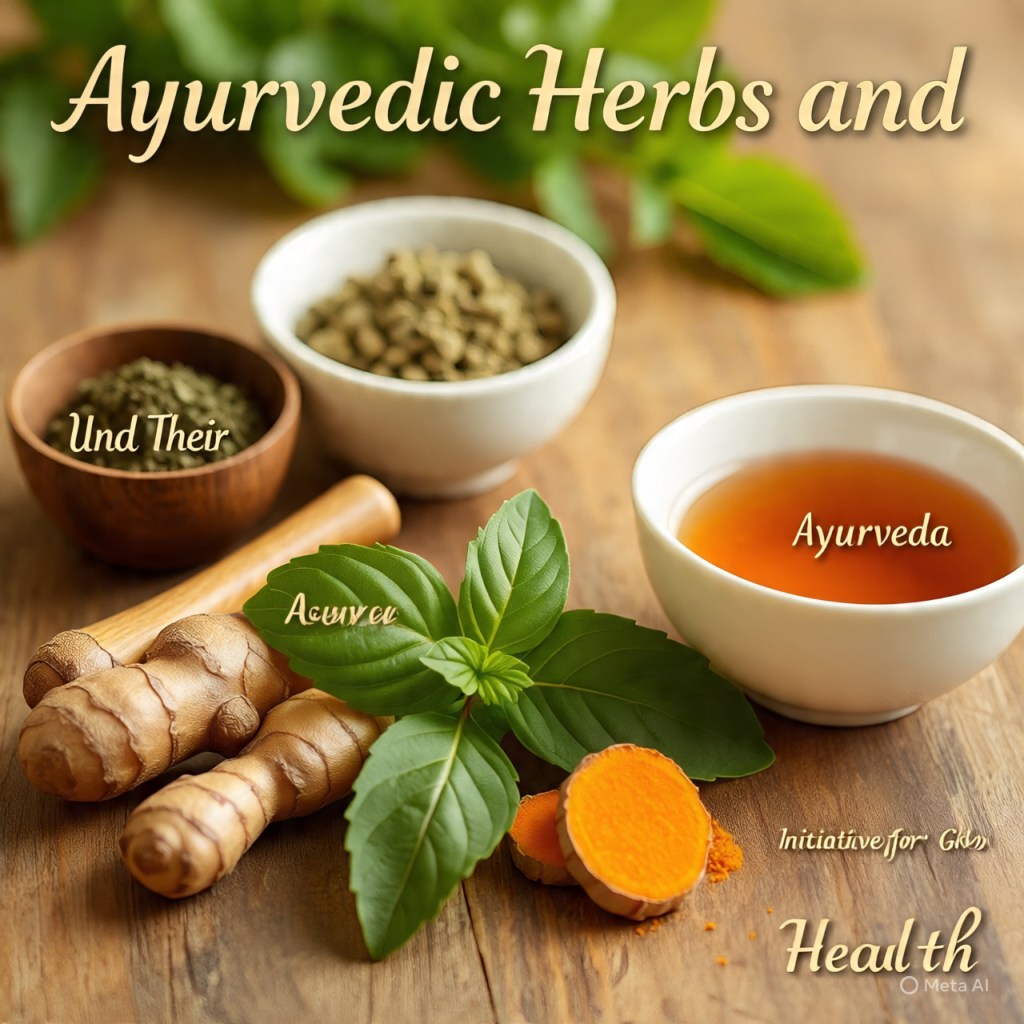
1. Triphala Detox Blend
Ingredients:
1 Triphala powder – 2 tbsp (Amla, Haritaki, Bibhitaki in equal parts)
2 Ginger powder – 1 tsp
3 Black pepper powder – ½ tsp
4 Honey (optional) – 1 tsp
Preparation & Use:
1 Mix Triphala, ginger, and black pepper powders thoroughly.
2 Boil 1 cup water, add 1 tsp of the blend, and simmer for 5-7 minutes.
3 Strain and drink warm, preferably before bedtime.
4 Optional: Add honey when warm for taste and enhanced digestion.
Benefit:
Promotes gentle detoxification, improves bowel movement, and strengthens digestive fire.
2. Digestive Booster Tea
Ingredients:
1 Fennel seeds – 1 tsp
2 Cumin seeds – 1 tsp
3 Coriander seeds – 1 tsp
4 Dry ginger powder – ½ tsp
5 Black pepper – ¼ tsp
Preparation & Use:
1 Lightly crush all seeds together to release aroma.
2 Boil in 2 cups water until reduced to 1 cup.
3 Strain and drink warm after meals or 2-3 times daily.
Benefit:
Soothes gastric discomfort, enhances digestion, reduces bloating and gas.
Ayurvedic Detox Protocol for Digestion
Day 1-3:
1 Morning: Warm water with lemon and honey.
2 Evening: Triphala tea as above.
3 Avoid heavy, oily, or processed foods. Emphasize fresh fruits, vegetables, and light grains like khichdi.
Day 4-7:
1 Continue Triphala tea in evening.
2 Include Digestive Booster Tea after meals.
3 Practice mindfulness and gentle yoga to support digestive health.
Additional Tips:
1 Avoid late-night meals and excessive caffeine.
2 Chew food thoroughly and eat mindfully.
3 Stay hydrated with warm water.
Always consult an Ayurvedic practitioner before starting any detox or herbal regimen to ensure it fits your constitution and health condition.
#Ayurveda #AyurvedicDoctor #AyurvedicMedicine #AyurvedicTreatment #AyurvedicLifestyle #AyurvedicDiet #AyurvedicWellness #AyurvedicHealth #AyurvedicRemedies #AyurvedicTherapies #PanchakarmaTherapy #Yoga #Meditation #AyurvedicHealthTips #AyurvedicTipsForAHealthyLifestyle #WhatIsAyurveda #AyurvedaInIndia #AyurvedicTreatmentCentersInIndia #RejuvenateYourselfWithAyurvedaAndYoga #Dombivli #Kalwa #Thane #Mumbai
#AyurvedaForGlobalHealth #AyurvedicHealthcare #NaturalHealth #HolisticHealth #Wellness #SelfCare #HealthyLiving
-
Important Ayurvedic herbs along with their common uses, Consult Ayurvedic Doctor For more details.
1. Amla (Indian Gooseberry) – Immunity booster, antioxidant, promotes digestion
2. Ashwagandha – Stress relief, stamina, improves sleep
3. Brahmi – Enhances memory, calms the mind
4. Tulsi (Holy Basil) – Respiratory support, immune booster
5. Turmeric – Anti-inflammatory, antioxidant, wound healing
6. Neem – Blood purifier, skin disorders
7. Guggul – Cholesterol reduction, anti-inflammatory
8. Shatavari – Female reproductive health, hormone balance
9. Haritaki – Digestive tonic, detoxifier
10. Bibhitaki – Detoxification, respiratory health
11. Guduchi (Giloy) – Immunity booster, anti-inflammatory
12. Manjistha – Blood purifier, skin health
13. Bhringraj – Hair growth, liver support
14. Jatamansi – Stress relief, sleep aid
15. Vacha – Cognitive enhancer, digestion
16. Cardamom – Digestive aid, breath freshener
17. Cinnamon – Blood sugar regulation, antioxidant
18. Clove – Dental health, antiseptic
19. Peppermint – Digestive relief, cooling effect
20. Coriander – Digestive aid, detoxifying
21. Aloe Vera – Skin healing, digestive health
22. Moringa – Nutrient-rich, energy booster
23. Saffron – Mood enhancer, antioxidant
24. Camomile – Relaxation, digestive aid
25. Ginger – Anti-inflammatory, digestive support
26. Lemongrass – Anti-anxiety, detoxifier
27. Ashoka – Female health, menstruation regulation
28. Kutki – Liver detox, digestion
29. Shankhpushpi – Brain tonic, improves memory
30. Gotu Kola – Cognitive enhancer, wound healing
31. Triphala – Digestive health, detox
32. Kutaja – Diarrhea, digestion
33. Yashtimadhu (Licorice) – Respiratory health, sore throat
34. Amalaki – Rich in Vitamin C, immunity
35. Haridra (Turmeric) – Anti-inflammatory, healing
36. Nagarmotha – Digestive stimulant
37. Bhumi Amla – Liver health, antioxidant
38. Arjuna – Heart health
39. Shatavari – Reproductive health
40. Pippali (Long Pepper) – Respiratory health
41. Daruharidra – Blood purifier
42. Musta – Digestive aid
43. Ashwagandha – Adaptogen, energy booster
44. Vidanga – Anthelmintic (kills intestinal worms)
45. Chirayata – Anti-malarial, detoxifying
46. Gokshura – Urinary tract health
47. Kantakari – Respiratory health
48. Pashanbheda – Kidney and urinary problems
49. Bala – Strength, immunity
50. Trikatu – Digestive stimulant
51. Pushkarmool – Respiratory and digestive support
52. Sariva – Blood purifier
53. Mustak – Digestive health
54. Kushtha – Skin disorders
55. Lavanga (Clove) – Pain relief, antiseptic
56. Kapikacchu – Nervine tonic, Parkinson’s support
57. Shunthi (Dry Ginger) – Digestive health
58. Dhataki – Skin health
59. Vidari – Female reproductive health
60. Malabar Nut – Respiratory ailments
61. Shatavari – Female tonic
62. Bilva – Digestive aid
63. Amala – Antioxidant, immunity
64. Haritaki – Detox, digestion
65. Vijaysar – Diabetes support
66. Guduchi – Immunity, anti-inflammatory
67. Kharjur – Digestive health
68. Medhya Herbs – Memory and brain tonic herbs (Brahmi, Shankhpushpi)
69. Yarrow – Wound healing
70. Ashwagandha – Stress reduction
71. Giloy – Immunity booster
72. Sarpagandha – Blood pressure regulation
73. Musta – Digestive stimulant
74. Guduchi – Detoxification
75. Punarnava – Edema, kidney tonic
76. Haridra – Anti-inflammatory
77. Amla – Vitamin C rich
78. Brahmi – Brain tonic
79. Gudmar – Sugar level regulator
80. Bhumi Amla – Liver support
81. Jatamansi – Nervine tonic
82. Mandukaparni – Cognitive health
83. Kumari (Aloe Vera) – Skin and digestive aid
84. Sandalwood – Cooling, antiseptic
85. Neem – Skin purifier
86. Arjuna – Cardiac tonic
87. Ashoka – Female reproductive health
88. Kalmegh – Liver tonic
89. Vidanga – Detox and intestinal worms
90. Pippali – Respiratory support
91. Kutaj – Diarrhea and digestive disorders
92. Bhringaraj – Hair health
93. Manjistha – Blood cleanser
94. Saptaparna – Anti-inflammatory
95. Bhumi Amla – Liver protector
96. Vacha – Nervine tonic
97. Shatavari – Female reproductive health
98. Guduchi – Immunity and stamina
99. Chitrak – Digestive stimulant
100. Triphala – Digestive health and detoxification
Consult Ayurvedic Doctor before using Ayurvedic herbs.
#Ayurveda #AyurvedicDoctor #AyurvedicMedicine #AyurvedicTreatment #AyurvedicLifestyle #AyurvedicDiet #AyurvedicWellness #AyurvedicHealth #AyurvedicRemedies #AyurvedicTherapies #PanchakarmaTherapy #Yoga #Meditation #AyurvedicHealthTips #AyurvedicTipsForAHealthyLifestyle #WhatIsAyurveda #AyurvedaInIndia #AyurvedicTreatmentCentersInIndia #RejuvenateYourselfWithAyurvedaAndYoga #Dombivli #Kalwa #Thane #Mumbai
#AyurvedaForGlobalHealth #AyurvedicHealthcare #NaturalHealth #HolisticHealth #Wellness #SelfCare #HealthyLiving
-
Important Ayurvedic herbs along with their common uses, Consult Ayurvedic Doctor For more details.
1. Amla (Indian Gooseberry) – Immunity booster, antioxidant, promotes digestion
2. Ashwagandha – Stress relief, stamina, improves sleep
3. Brahmi – Enhances memory, calms the mind
4. Tulsi (Holy Basil) – Respiratory support, immune booster
5. Turmeric – Anti-inflammatory, antImportant Ayurvedic herbs along with their common uses, Consult Ayurvedic Doctor For more details. ioxidant, wound healing
6. Neem – Blood purifier, skin disorders
7. Guggul – Cholesterol reduction, anti-inflammatory
8. Shatavari – Female reproductive health, hormone balance
9. Haritaki – Digestive tonic, detoxifier
10. Bibhitaki – Detoxification, respiratory health
11. Guduchi (Giloy) – Immunity booster, anti-inflammatory
12. Manjistha – Blood purifier, skin health
13. Bhringraj – Hair growth, liver support
14. Jatamansi – Stress relief, sleep aid
15. Vacha – Cognitive enhancer, digestion
16. Cardamom – Digestive aid, breath freshener
17. Cinnamon – Blood sugar regulation, antioxidant
18. Clove – Dental health, antiseptic
19. Peppermint – Digestive relief, cooling effect
20. Coriander – Digestive aid, detoxifying
21. Aloe Vera – Skin healing, digestive health
22. Moringa – Nutrient-rich, energy booster
23. Saffron – Mood enhancer, antioxidant
24. Camomile – Relaxation, digestive aid
25. Ginger – Anti-inflammatory, digestive support
26. Lemongrass – Anti-anxiety, detoxifier
27. Ashoka – Female health, menstruation regulation
28. Kutki – Liver detox, digestion
29. Shankhpushpi – Brain tonic, improves memory
30. Gotu Kola – Cognitive enhancer, wound healing
31. Triphala – Digestive health, detox
32. Kutaja – Diarrhea, digestion
33. Yashtimadhu (Licorice) – Respiratory health, sore throat
34. Amalaki – Rich in Vitamin C, immunity
35. Haridra (Turmeric) – Anti-inflammatory, healing
36. Nagarmotha – Digestive stimulant
37. Bhumi Amla – Liver health, antioxidant
38. Arjuna – Heart health
39. Shatavari – Reproductive health
40. Pippali (Long Pepper) – Respiratory health
41. Daruharidra – Blood purifier
42. Musta – Digestive aid
43. Ashwagandha – Adaptogen, energy booster
44. Vidanga – Anthelmintic (kills intestinal worms)
45. Chirayata – Anti-malarial, detoxifying
46. Gokshura – Urinary tract health
47. Kantakari – Respiratory health
48. Pashanbheda – Kidney and urinary problems
49. Bala – Strength, immunity
50. Trikatu – Digestive stimulant
51. Pushkarmool – Respiratory and digestive support
52. Sariva – Blood purifier
53. Mustak – Digestive health
54. Kushtha – Skin disorders
55. Lavanga (Clove) – Pain relief, antiseptic
56. Kapikacchu – Nervine tonic, Parkinson’s support
57. Shunthi (Dry Ginger) – Digestive health
58. Dhataki – Skin health
59. Vidari – Female reproductive health
60. Malabar Nut – Respiratory ailments
61. Shatavari – Female tonic
62. Bilva – Digestive aid
63. Amala – Antioxidant, immunity
64. Haritaki – Detox, digestion
65. Vijaysar – Diabetes support
66. Guduchi – Immunity, anti-inflammatory
67. Kharjur – Digestive health
68. Medhya Herbs – Memory and brain tonic herbs (Brahmi, Shankhpushpi)
69. Yarrow – Wound healing
70. Ashwagandha – Stress reduction
71. Giloy – Immunity booster
72. Sarpagandha – Blood pressure regulation
73. Musta – Digestive stimulant
74. Guduchi – Detoxification
75. Punarnava – Edema, kidney tonic
76. Haridra – Anti-inflammatory
77. Amla – Vitamin C rich
78. Brahmi – Brain tonic
79. Gudmar – Sugar level regulator
80. Bhumi Amla – Liver support
81. Jatamansi – Nervine tonic
82. Mandukaparni – Cognitive health
83. Kumari (Aloe Vera) – Skin and digestive aid
84. Sandalwood – Cooling, antiseptic
85. Neem – Skin purifier
86. Arjuna – Cardiac tonic
87. Ashoka – Female reproductive health
88. Kalmegh – Liver tonic
89. Vidanga – Detox and intestinal worms
90. Pippali – Respiratory support
91. Kutaj – Diarrhea and digestive disorders
92. Bhringaraj – Hair health
93. Manjistha – Blood cleanser
94. Saptaparna – Anti-inflammatory
95. Bhumi Amla – Liver protector
96. Vacha – Nervine tonic
97. Shatavari – Female reproductive health
98. Guduchi – Immunity and stamina
99. Chitrak – Digestive stimulant
100. Triphala – Digestive health and detoxification
Consult Ayurvedic Doctor before using Ayurvedic herbs.
#Ayurveda #AyurvedicDoctor #AyurvedicMedicine #AyurvedicTreatment #AyurvedicLifestyle #AyurvedicDiet #AyurvedicWellness #AyurvedicHealth #AyurvedicRemedies #AyurvedicTherapies #PanchakarmaTherapy #Yoga #Meditation #AyurvedicHealthTips #AyurvedicTipsForAHealthyLifestyle #WhatIsAyurveda #AyurvedaInIndia #AyurvedicTreatmentCentersInIndia #RejuvenateYourselfWithAyurvedaAndYoga #Dombivli #Kalwa #Thane #Mumbai
#AyurvedaForGlobalHealth #AyurvedicHealthcare #NaturalHealth #HolisticHealth #Wellness #SelfCare #HealthyLiving
-
आरोग्य, शांतता आणि आनंद – हाच खऱ्या यशाचा शाश्वत मार्ग.
यशाची खरी व्याख्या
खरे यश हे सोन्यात, पदांत, वा मानांत नाही,
ते सापडते आरोग्यात, शांततेत आणि आनंदात.
जिथे शरीर निरोगी, मन प्रसन्न
आणि आत्मा मुक्त असतो—
तेथेच उलगडते यशाचे खरे रहस्य.

आरोग्य म्हणजे पाया,
शांतता म्हणजे छत,
आणि आनंद म्हणजे प्रकाश,
जीवनाची खरी इमारत यावरच उभी राहते.
जगण्याच्या प्रवासात
संपत्तीही मिळेल, कीर्तीही मिळेल,
पण जर आरोग्य हरवले,
तर सारं वैभव अपूर्ण ठरेल.
शांत मनात उमलते करुणा,
निरोगी शरीरात उमलतो उत्साह,
आणि आनंदी अंतर्मनात जन्म घेतो आत्मविश्वास.
यांची एकत्रित धाराच आहे यशाचा अखंड प्रवाह.
#Ayurveda #AyurvedicDoctor #AyurvedicMedicine #AyurvedicTreatment #AyurvedicLifestyle #AyurvedicDiet #AyurvedicWellness #AyurvedicHealth #AyurvedicRemedies #AyurvedicTherapies #PanchakarmaTherapy #Yoga #Meditation #AyurvedicHealthTips #AyurvedicTipsForAHealthyLifestyle #WhatIsAyurveda #AyurvedaInIndia #AyurvedicTreatmentCentersInIndia #RejuvenateYourselfWithAyurvedaAndYoga #Dombivli #Kalwa #Thane #Mumbai
#AyurvedaForGlobalHealth #AyurvedicHealthcare #NaturalHealth #HolisticHealth #Wellness #SelfCare #HealthyLiving
-
आयुर्वेदाने शरीर शुद्ध करा, ध्यानाने मन उजळा – दोन्ही मिळून जीवन पूर्ण बनवा.
पूर्ण जीवन जगण्याचा खरा विज्ञान – आयुर्वेद आणि ध्यान एकत्र
जीवनाचा खरा अर्थ
मानव जीवन केवळ शरीर, मन किंवा आत्मा एवढ्यापुरते मर्यादित नाही; ते सगळ्यांचा समतोल आहे. जीवन जगण्याचे शास्त्र म्हणजे आरोग्य, शांतता आणि समाधान यांची सांगड घालणे. हाच समतोल आयुर्वेद आणि ध्यान या दोन प्राचीन भारतीय ज्ञानशाखा आपल्यापर्यंत पोहोचवतात.

आयुर्वेद – आरोग्याचे मूळ
आयुर्वेद हे फक्त औषधी वनस्पतींचे शास्त्र नाही, तर जीवनाच्या प्रत्येक अंगाला स्पर्श करणारे तत्त्वज्ञान आहे.
1 योग्य आहार-विहार
2 धनात्मक विचार
3 पंचकर्म आणि औषधींचा शुद्ध वापर
यांच्या आधारे शरीरातील दोषांचे संतुलन साधणे हे आयुर्वेदाचे प्रमुख ध्येय आहे. निरोगी शरीर म्हणजेच उर्जावान आणि आनंदी जीवनाचा पाया.
ध्यान – मनाची शांती
ध्यान ही आत्म्याशी तादात्म्य साधणारी एक गूढकला आहे.
1 मनातील अस्थिरता दूर करते
2 ताण, भीती, राग यांचा नाश करते
3 अंतर्मनातील सकारात्मक शक्ती जागृत करते
ध्यानामुळे मन स्थिर होते आणि अंतःकरण शांत व निःशंक होते. मन जसे निवांत होते तसे जीवनातील निर्णय अधिक स्पष्ट आणि योग्य बनतात.
एकत्रित विज्ञान – समग्र जीवन
जेव्हा आयुर्वेद शरीराला शुद्ध करतो आणि ध्यान मनाला स्थिर करतो, तेव्हा दोन्हीच्या संगमातून **पूर्ण जीवनशैली** निर्माण होते.
1 शरीराबरोबर मनालाही संतुलित ठेवणे
2 भौतिक यशासोबत आध्यात्मिक समाधान मिळवणे
3 रोजच्या जीवनात ताजेतवानेपणा आणि उर्जा अनुभवणे
हा संगम म्हणजेच खरे “जीवनाचे विज्ञान” – जगण्याची समग्र कला.
आयुर्वेद आणि ध्यान यांची सांगड म्हणजे केवळ उपचार पद्धती नव्हे, तर एक सर्वांगीण जीवनयात्रा आहे. शरीर, मन आणि आत्मा यांचा समतोल राखूनच आपण *पूर्ण जीवन* जगू शकतो. या मार्गाने केवळ आजारांवर विजय मिळत नाही, तर अंतर्गत शांती आणि खरे आनंद यांचा शोधही लागतो.
#Ayurveda #AyurvedicDoctor #AyurvedicMedicine #AyurvedicTreatment #AyurvedicLifestyle #AyurvedicDiet #AyurvedicWellness #AyurvedicHealth #AyurvedicRemedies #AyurvedicTherapies #PanchakarmaTherapy #Yoga #Meditation #AyurvedicHealthTips #AyurvedicTipsForAHealthyLifestyle #WhatIsAyurveda #AyurvedaInIndia #AyurvedicTreatmentCentersInIndia #RejuvenateYourselfWithAyurvedaAndYoga #Dombivli #Kalwa #Thane #Mumbai
#AyurvedaForGlobalHealth #AyurvedicHealthcare #NaturalHealth #HolisticHealth #Wellness #SelfCare #HealthyLiving
-
Know the illness, embrace awareness, and choose wellness—because every step toward health is a step toward freedom.The Journey to Healing.
Understanding Diseases and Embracing Wellness Health: The Foundation of Life Health is not merely the absence of illness but a state of balance between body, mind, and spirit. Around us lies an entire spectrum of diseases—infectious, chronic, genetic, mental health-related, and lifestyle-induced.

Understanding them is not an act of fear; it is a step toward empowerment. When we recognize the nature of illness, we also discover the path to prevention, healing, and holistic living. Infectious Diseases – The Body’s Battle Infectious diseases are caused by harmful microorganisms such as bacteria, viruses, fungi, or parasites. They often spread rapidly but can also be prevented with awareness and precaution. – Core signs: fever, fatigue, sudden weakness, and inflammation. Modern science, combined with time-tested preventive practices like hygiene and immunity-building, remind us that protection begins with mindful living. Chronic Diseases – The Long-Term Fight Chronic illnesses such as diabetes, heart disease, hypertension, and arthritis develop over time. They are often rooted in unhealthy habits, stress, or genetic tendencies. – Core signs: persistent pain, recurring weakness, lifestyle dependence on medications. The key lesson here is resilience. With nutrition, exercise, meditation, and medical guidance, one can not only manage but lead a fulfilling life despite chronic conditions. Genetic Disorders – The Inherited Codes Genetic conditions arise from changes or mutations in DNA passed down through families. While they cannot always be prevented, modern medicine provides care, while positivity and awareness bring strength to families and individuals. – Core signs: developmental variations, organ malfunction, or inherited illnesses. Living with a genetic disorder highlights the importance of compassion, support systems, and scientific advancements that make life easier and brighter. Mental Health Disorders – Healing the Invisible Mental health is as vital as physical health, yet it often remains overlooked. Depression, anxiety, bipolar disorder, and stress-related conditions affect millions silently. – Core signs: prolonged sadness, restlessness, hopelessness, or difficulty in emotions and focus. Hope lies in seeking help, practicing meditation, building support systems, and embracing therapy. Healing begins when courage overcomes stigma. Lifestyle Diseases – Choices that Shape Life The modern world gifts convenience but often steals health through sedentary habits, unhealthy eating, addictions, and imbalance. Obesity, hypertension, and type-II diabetes fall into this category. – Core signs: fatigue, excess weight gain, loss of stamina, early ageing. The message is clear: wellness is a choice. With mindful living, small daily changes, and consistency, lifestyle diseases can be reversed or prevented. Every disease, whether infectious, chronic, genetic, mental, or lifestyle-related, is not just a challenge but also a teacher. Illness reveals the fragility of life, yet it also awakens the strength within us to transform. By cultivating awareness, taking preventive steps, seeking timely treatment, and nurturing the body and mind through holistic practices, we move closer to the vision of complete health. True well-being is found not in fear of illness but in mastery over lifestyle, thoughts, and resilience. diseases for primary care. Infectious Diseases.1. Common Cold 2. Influenza 3. Pneumonia 4. Tuberculosis 5. COVID-19 6. Acute Bronchitis 7. Urinary Tract Infection 8. Skin and Soft Tissue Infection (Cellulitis) 9. Gastroenteritis 10. Hepatitis B 11. Hepatitis C 12. HIV/AIDS 13. Streptococcal Pharyngitis 14. Otitis Media 15. Sinusitis Cardiovascular Diseases . 16. Hypertension 17. Coronary Artery Disease 18. Heart Failure 19. Atrial Fibrillation 20. Peripheral Artery Disease 21. Deep Vein Thrombosis 22. Hyperlipidemia 23. Stroke 24. Transient Ischemic Attack 25. Valvular Heart Disease Respiratory Diseases. 26. Asthma 27. Chronic Obstructive Pulmonary Disease 28. Allergic Rhinitis 29. Sleep Apnea 30. Pulmonary Embolism Endocrine and Metabolic Disorders . 31. Diabetes Mellitus Type 2 32. Hypothyroidism 33. Hyperthyroidism 34. Obesity 35. Metabolic Syndrome 36. Osteoporosis 37. Polycystic Ovary Syndrome 38. Gout 39. Vitamin D Deficiency 40. Adrenal Insufficiency Gastrointestinal Diseases. 41. Gastroesophageal Reflux Disease 42. Peptic Ulcer Disease 43. Irritable Bowel Syndrome 44. Inflammatory Bowel Disease 45. Constipation 46. Hemorrhoids 47. Nonalcoholic Fatty Liver Disease 48. Gallstones 49. Appendicitis 50. Liver Cirrhosis Musculoskeletal and Rheumatologic Conditions . 51. Osteoarthritis 52. Rheumatoid Arthritis 53. Low Back Pain 54. Fibromyalgia 55. Tendonitis/Bursitis 56. Systemic Lupus Erythematosus 57. Ankylosing Spondylitis 58. Carpal Tunnel Syndrome 59. Gout 60. Osteoporosis Neurological Disorders. 61. Migraine 62. Tension Headache 63. Seizure Disorders 64. Stroke and Transient Ischemic Attack 65. Peripheral Neuropathy 66. Alzheimer’s Disease and Dementia 67. Parkinson’s Disease 68. Multiple Sclerosis 69. Bell’s Palsy 70. Restless Legs Syndrome Mental Health Disorders . 71. Depression 72. Generalized Anxiety Disorder 73. Bipolar Disorder 74. Schizophrenia 75. Post-Traumatic Stress Disorder 76. Attention Deficit Hyperactivity Disorder 77. Substance Use Disorder 78. Insomnia 79. Obsessive-Compulsive Disorder 80. Autism Spectrum Disorder Dermatologic Conditions . 81. Atopic Dermatitis (Eczema) 82. Psoriasis 83. Acne 84. Fungal Skin Infections 85. Warts 86. Skin Cancer (Basal Cell, Squamous Cell) 87. Melanoma 88. Contact Dermatitis 89. Urticaria (Hives) 90. Rosacea Genitourinary Disorders.91. Benign Prostatic Hyperplasia 92. Prostatitis 93. Urinary Incontinence 94. Erectile Dysfunction 95. Chronic Kidney Disease 96. Urinary Tract Infection 97. Polycystic Kidney Disease 98. Vaginitis 99. Cervical Dysplasia 100. Infertility This list balances acute and chronic illnesses, infectious diseases, mental health, and preventive concerns that are central to effective primary care. It supports diagnosis, treatment, ongoing management, and timely referrals. Additional diseases can be considered based on population specifics and clinical priorities.Consult Doctor for more in details. #Ayurveda #AyurvedicDoctor #AyurvedicMedicine #AyurvedicTreatment #AyurvedicLifestyle #AyurvedicDiet #AyurvedicWellness #AyurvedicHealth #AyurvedicRemedies #AyurvedicTherapies #PanchakarmaTherapy #Yoga #Meditation #AyurvedicHealthTips #AyurvedicTipsForAHealthyLifestyle #WhatIsAyurveda #AyurvedaInIndia #AyurvedicTreatmentCentersInIndia #RejuvenateYourselfWithAyurvedaAndYoga #Dombivli #Kalwa #Thane #Mumbai#AyurvedaForGlobalHealth #AyurvedicHealthcare #NaturalHealth #HolisticHealth #Wellness #SelfCare #HealthyLiving
-
Fundamental Ayurveda Principles.
1. Ayurveda teaches that life is the union of body, mind, soul, and senses.
2. Balance of the three doshas—Vata, Pitta, and Kapha—equals health.
3. The five elements (earth, water, fire, air, ether) compose all living things.
4. Health is a result of balanced doshas, agni, dhatus, and malas.
5. Prakriti defines one’s unique constitution at birth.
6. Agni—the digestive fire—is the essence of metabolism and health.
7. Ama, or toxins, accumulate when digestion is weak, causing disease.
8. Srotas are channels that connect and nourish the body’s tissues.
9. Sound mind, soul, and body make a truly healthy person.
10. Ayurveda believes in coordinated soul, mind, and body functioning with the cosmos.
11. Vata governs movement and communication in the body.
12. Pitta controls digestion, metabolism, and transformation.
13. Kapha gives structure, lubrication, and stability to the body.
14. The seven dhatus (tissues) form the sustaining framework of life.
15. Malas (wastes) must be regularly eliminated to maintain health.
16. Ayurveda’s goal is to restore harmony with natural laws.
17. Disease occurs when doshas lose balance and agni weakens.
18. The principle of opposite qualities heals imbalanced states.
19. Every individual must follow a lifestyle tailored to their dosha.
20. Ayurveda emphasizes prevention as the foundation for healing.
21. Health depends on balance between inward and outward energies.
22. Proper digestion builds healthy tissues and mind.
23. Panchamahabhutas are the five great elements constituting life.
24. Prakriti guides personalized diet and lifestyle choices.
25. Balanced doshas bring physical and emotional harmony.
26. Ayurveda honors natural urges and rhythms for wellness.
27. Sleep, food, and sexual activity should be moderate and mindful.
28. Ayurveda treats disease by balancing qualities opposite to symptoms.
29. The human body is a microcosm of the universe.
30. Ayurveda blends physical, mental, and spiritual health care.
31. Balanced agni is key to vibrant energy and immunity.
32. Understanding doshas reveals root causes of imbalances.
33. Ayurveda advocates ethical, compassionate healing.
34. Life is a dance between the five elements and doshas.
35. Ayurvedic wisdom unites ancient knowledge with modern health.
36. Sustainable health grows from daily routine and mindful practice.
37. Ayurveda embraces the interconnectedness of all life forms.
38. The body’s tissues are nourished continuously by food and air.
39. Balance is not static but a dynamic flow of energies.
40. Ayurveda celebrates the uniqueness and wholeness of each individual.
#Ayurveda #AyurvedicDoctor #AyurvedicMedicine #AyurvedicTreatment #AyurvedicLifestyle #AyurvedicDiet #AyurvedicWellness #AyurvedicHealth #AyurvedicRemedies #AyurvedicTherapies #PanchakarmaTherapy
-
प्रेम आणि मनोयोगानं शिजलेलं जेवण, आयुर्वेदाचं आरोग्याचं यंत्रणाचं गुपित.
प्रेम आणि मनोयोगाने शिजवलेला आहार: आयुर्वेदातील आरोग्यसंपन्नतेचा मंत्र
आयुर्वेदाचे तत्वज्ञान आपल्या जीवनशैलीत प्रेम आणि मनोयोगाने जेवण बनवण्यावर विशेष भर देते. प्रेम आणि स्नेहाने तयार केलेले अन्न केवळ स्वादिष्टच नसून ते शरीराला सजीव ऊर्जा आणि आरोग्यदायी शक्ती देखील प्रदान करते. जेव्हा आपण मन शांत ठेवून, सकारात्मक विचारांसह अन्न शिजवतो, तेव्हा त्यातील पोषण सेंद्रियपणे वाढते आणि अन्न हे केवळ भोजन नसून एक आरोग्याचा मार्ग बनते.

आयुर्वेदाने सांगितले आहे की, जेवणाची तयारी करताना मनाची शांती आणि सौम्यता आवश्यक असते, कारण अन्नामध्ये आपल्या भावनांचा आणि वृत्तीचा परिणाम होतो. जेवणातून शरीराला पोषण मिळण्यासाठी केवळ घटकांची निवड महत्त्वाची नसून, त्यांना ज्या प्रेमळ आणि संयमित पद्धतीने शिजवले जाते, तेही तितकेच महत्वाचे असते. प्रसिद्ध आयुर्वेदाचार्यांच्या मते, सतत प्रेमाने आणि ध्यानाने बनवलेले अन्न आपल्याला दीर्घायुष्य आणि उत्तम आरोग्याचा उपहार देते.
मनोयोग आणि प्रेमाने जेवण तयार करणे: आयुर्वेदाचा उपदेश
आयुर्वेदीनुसार, जेवणाचे प्रत्येक टप्पा म्हणजे एक प्रकारचा ध्यान आहे—तयारीपासून ते सर्व्हिंगपर्यंत. जेव्हा आपण शांत मनाने आणि प्रेमाने जेवण बनवतो, तेव्हा ते शरीराला सहजपणे आत्मसात होते, पचनक्रिया सुधारते आणि शरीराच्या अंतर्गत संतुलनाला चालना मिळते. यामुळे रोगप्रतिबंधक शक्ती वाढते आणि आपण निरोगी, उत्साही राहतो.
प्रेम आणि मनोयोग हा आयुर्वेदातील आरोग्यपूर्ण जीवनशैलीचा अविभाज्य भाग आहे. आयुर्वेद केवळ औषधशास्त्र नाही तर तो एक जीवनदर्शन आहे ज्यामध्ये अन्न, आहार आणि जीवनशैली या सर्व गोष्टी प्रेमानं आणि समजून करून करणं आवश्यक आहे. जेव्हा आपण हाच मंत्र आपल्या जेवणात अंगीकृत करतो, तेव्हा आम्ही शरीर, मन आणि आत्मा या त्रयस्थांच्या आरोग्याचा मंत्र जपतो.
#Ayurveda #AyurvedicDoctor #AyurvedicMedicine #AyurvedicTreatment #AyurvedicLifestyle #AyurvedicDiet #AyurvedicWellness #AyurvedicHealth #AyurvedicRemedies #AyurvedicTherapies #PanchakarmaTherapy #Yoga #Meditation #AyurvedicHealthTips #AyurvedicTipsForAHealthyLifestyle #WhatIsAyurveda #AyurvedaInIndia #AyurvedicTreatmentCentersInIndia #RejuvenateYourselfWithAyurvedaAndYoga #Dombivli #Kalwa #Thane #Mumbai
#AyurvedaForGlobalHealth #AyurvedicHealthcare #NaturalHealth #HolisticHealth #Wellness #SelfCare #HealthyLiving -
Live with nature’s rhythm, think with nature’s clarity—Ayurveda and Meditation, the twin paths to harmony.
Live with nature’s rhythm, think with nature’s clarity—Ayurveda and Meditation, the twin paths to harmony.Ayurveda is Living Naturally, Meditation is Thinking Naturally.The essence of holistic well-being beautifully lies in the harmony of Ayurveda and meditation—two timeless practices that guide us to live and think naturally.
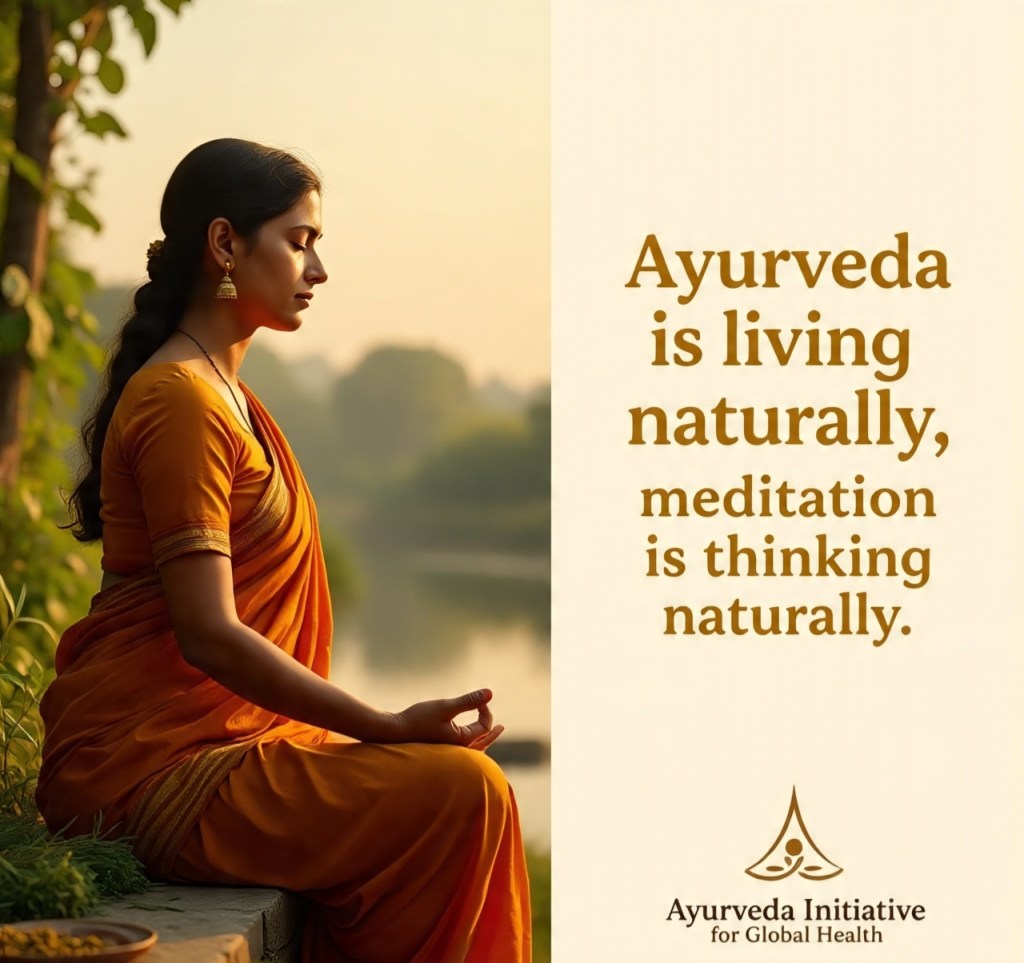
This profound statement, “Ayurveda is living naturally, meditation is thinking naturally,” captures the core wisdom behind nurturing the body and mind in their most authentic and balanced forms.Ayurveda: The Art of Living Naturally.Ayurveda, the ancient Indian science of life, teaches us to align our lifestyle with nature’s rhythms. It advocates a natural way of living by honoring our body’s innate wisdom through diet, daily routines, herbal remedies, and mindful self-care. When we live Ayurveda, we consciously choose foods that nourish, activities that energize, and habits that promote harmony with the environment.This natural living is not about restriction but about embracing simplicity and balance—respecting the cycles of nature, including seasons, day and night, and the elements present within and around us. Ayurveda empowers us to be proactive caretakers of our health, encouraging prevention and self-awareness as tools for sustained wellness. Meditation: The Practice of Thinking Naturally.Meditation complements Ayurveda by bringing the same natural harmony to the mind. Meditation is the art of stilling the mental chatter and returning to our true nature—the pure, clear awareness beneath all thoughts. It teaches us to observe the mind’s patterns without judgment and fosters natural, effortless thinking rooted in presence.When we meditate, we cultivate a mind that is naturally calm, focused, and intuitive, freeing ourselves from artificial stress, anxiety, and overthinking. Meditation fuels clarity and emotional stability, creating space to respond wisely rather than react impulsively. The Synergy of Living and Thinking Naturally.Together, Ayurveda and meditation create a powerful synergy where living and thinking naturally become a holistic lifestyle. Ayurveda tends to the physical body and its connection to nature, while meditation refines the mind and its alignment with inner truth. This dual approach nurtures wellness on all levels—physical, mental, emotional, and spiritual.Living naturally through Ayurveda and thinking naturally through meditation cultivates resilience, vitality, and inner peace. It helps us face life’s challenges with grace and fosters an abundant life filled with health, joy, and fulfillment.The wisdom behind “Ayurveda is living naturally, meditation is thinking naturally” invites us to reconnect with our authentic self and the world around us. By integrating these ancient sciences into daily life, we unlock the door to holistic well-being and timeless inner harmony. Together, they inspire a lifestyle that honors nature, cherishes health, and cultivates mindful awareness.#Ayurveda #AyurvedicDoctor #AyurvedicMedicine #AyurvedicTreatment #AyurvedicLifestyle #AyurvedicDiet #AyurvedicWellness #AyurvedicHealth #AyurvedicRemedies #AyurvedicTherapies #PanchakarmaTherapy #Yoga #Meditation #AyurvedicHealthTips #AyurvedicTipsForAHealthyLifestyle #WhatIsAyurveda #AyurvedaInIndia #AyurvedicTreatmentCentersInIndia #RejuvenateYourselfWithAyurvedaAndYoga #Dombivli #Kalwa #Thane #Mumbai#AyurvedaForGlobalHealth #AyurvedicHealthcare #NaturalHealth #HolisticHealth #Wellness #SelfCare #HealthyLiving
-
आयुर्वेदाने जगा समर्थपणे, ध्यानाने जगा शांतपणे.
आयुर्वेदाने जगा समर्थपणे, ध्यानाने जगा शांतपणे.आयुर्वेद जीवनशैली व ध्यान साधना – योग्य जगणे आणि योग्य अस्तित्व. आयुर्वेद शिकवतो योग्य जगणे.आयुर्वेद म्हणजे केवळ औषधोपचार नव्हे तर हे एक पूर्ण जीवनशास्त्र आहे. हे आपल्याला सांगते की योग्य खाणे, योग्य झोप, योग्य आहार-विहार आणि ऋतुअनुसार दिनचर्या हीच खरी आरोग्याची गुरुकिल्ली आहे.

आयुर्वेद शिकवतो की जीवनातील लहानसहान दैनंदिन गोष्टींमध्ये शिस्त आणि संयम असेल तर आपले शरीर निरोगी राहते आणि रोग दूर राहतात. म्हणजेच, आयुर्वेद योग्य जगण्याचे शास्त्र आहे—आधुनिक जीवनशैलीतील असंतुलन दूर करून शरीर-मनाला नैसर्गिक लयीत आणणारे. ध्यान शिकवते योग्य अस्तित्व.ध्यान म्हणजे स्वतःशी संवाद साधण्याचा मार्ग. हे मनातील अस्वस्थता, तणाव, भीती आणि लालसा हळूहळू वितळवते. जेव्हा आपण ध्यान साधतो, तेव्हा आपण मनापासून वर्तमान क्षणी जगायला शिकतो. ध्यान म्हणजे योग्य अस्तित्व—आत्म्याशी खरी जोडणी, शांतता आणि समाधानाने भरलेले जीवन. हे आपल्याला दाखवते की खरी शांती ही बाहेर नाही, तर आपल्या आतल्या अस्तित्वात आहे. जगणे + अस्तित्व = संपूर्ण आरोग्य व आनंद. आयुर्वेद आपल्याला निरोगी शारीरिक आयुष्य प्रदान करतो आणि ध्यान आपल्याला आध्यात्मिक समाधान. योग्य जीवनशैलीतून शरीराला बळ मिळते आणि योग्य अस्तित्वातून मनाला शांती मिळते. जेव्हा जीवनशैली व अस्तित्व यांचा संगम होतो, तेव्हा खरा आनंद, शांती व समाधानी यश आपले होते.उदाहरणार्थ: आयुर्वेद सांगतो दिवसाची सुरुवात सूर्योदयासोबत करा, आणि ध्यान शिकवते की सुरुवात शांततेत व कृतज्ञतेत करा. अशा प्रकारे दोन्ही एकत्र आल्यास जीवन अधिक अर्थपूर्ण व संतुलित होते. आयुर्वेद योग्य जगणे शिकवतो, ध्यान योग्य अस्तित्व शिकवते. या दोन्हींच्या अंगीकारामुळे आपले जीवन आरोग्यदायी, आनंदी, सर्जनशील आणि अखेर समाधानकारक होते. शारीरिक सुस्थिती आणि मानसिक शांती मिळाल्यास जीवन अधिक सुंदर व प्रेरणादायी होते.
-
आयुर्वेद देतो निरोगीपणा, ध्यान देते निर्मळता – यांच्याशिवाय परिपूर्ण आरोग्य अपूर्ण आहे.
निरोगी शरीर आणि निर्मळ मन : आयुर्वेद व ध्यानाची देणगी.
निरोगीपणाची पायरी : आयुर्वेदाचे शास्त्र.
आयुर्वेद म्हणजे केवळ आजार बरा करणारा उपचार नाही, तर तो एक संपूर्ण जीवनशैली आहे. योग्य आहार, दिनचर्या, ऋतूनुसार पालन केलेल्या सवयी, पंचकर्म व आरोग्यवर्धक औषधींचा योग्य वापर – हे सर्व शरीराला सुदृढ ठेवतात. जेव्हा शरीर निरोगी असते, तेव्हा आयुष्याचा प्रत्येक क्षण ऊर्जा, उत्साह आणि दीर्घायुष्य घेऊन समोर येतो.

शांततेचा स्रोत : ध्यानाचे सामर्थ्य.
ध्यान म्हणजे मनाला शुद्ध आणि स्थिर करण्याची प्रक्रिया. विचारांच्या गर्दीत शांततेचा दिवा लावणे म्हणजेच ध्यान. रोज काही क्षण डोळे मिटून आत्म्याशी संवाद साधल्यास मन स्वच्छ आणि निर्मळ बनते. ही अंतरीची स्पष्टता जीवनातील निर्णय अधिक योग्य घेण्याची क्षमता देते आणि तणाव, चिंता विरघळून जातात.अंतर्बाह्य समतोलाचे महत्त्व.
शरीर निरोगी आणि मन स्वच्छ असेल, तर जीवन प्रगतीचा आणि आनंदाचा प्रवास बनतो. आयुर्वेद आपल्याला बाह्य बळ आणि दीर्घायुष्य देते, तर ध्यान अंतरीची शांतता आणि योग्य दृष्टिकोन देते. या दोन शक्तींच्या संगमातून व्यक्ती अधिक समाधानाने, समृद्धीने आणि संतुलित पद्धतीने जगू शकतो.
आयुर्वेद आणि ध्यान हे आरोग्याचे दोन स्तंभ आहेत. एक आपल्याला निरोगी शरीर देतो आणि दुसरा निर्मळ मन. जेव्हा शरीर आणि मन दोन्ही संतुलित राहतात, तेव्हा जीवन अर्थपूर्ण, निरामय आणि आनंदमय होते.
#Ayurveda #AyurvedicDoctor #AyurvedicMedicine #AyurvedicTreatment #AyurvedicLifestyle #AyurvedicDiet #AyurvedicWellness #AyurvedicHealth #AyurvedicRemedies #AyurvedicTherapies #PanchakarmaTherapy #Yoga #Meditation #AyurvedicHealthTips #AyurvedicTipsForAHealthyLifestyle #WhatIsAyurveda #AyurvedaInIndia #AyurvedicTreatmentCentersInIndia #RejuvenateYourselfWithAyurvedaAndYoga #Dombivli #Kalwa #Thane #Mumbai
#AyurvedaForGlobalHealth #AyurvedicHealthcare #NaturalHealth #HolisticHealth #Wellness #SelfCare #HealthyLiving -
Live right. Be right. Embrace Ayurveda and meditation for a beautiful life.
Pathways to True Wellness
Ayurveda: The Art of Right Living.
Ayurveda, the ancient Indian science of life, is much more than just a healing system—it’s a mindful lifestyle . It teaches simple, powerful routines: eating fresh, seasonal foods, rising with the sun, caring for bodily rhythms, and aligning daily actions with nature’s laws. Through Ayurveda, ‘right living’ means living in balance; adopting healthy habits that prevent disease, nurture resilience, and create foundation for vitality. The focus is not only on curing illness but on creating a sustainable way of life that supports physical health, emotional stability, and harmony with self and environment.

Meditation: The Practice of Right Being.
Meditation, on the other hand, is about nurturing inner peace, self-awareness, and authentic presence. While Ayurveda masters the external world, meditation masters the internal world. By sitting quietly, observing thoughts, letting go of worries, and returning to the present, meditation helps cultivate a ‘right being’—a mind at ease, a heart open to compassion, and a spirit connected to higher purpose. It transforms stress into clarity, teaches acceptance, and empowers deeper wisdom. Meditation makes us conscious creators of our own reality, freeing us from reaction and helping us respond with intention and calm.
Integrating Living and Being.
Combined, Ayurveda and meditation shape a life where health and happiness thrive together. Right living gives structure and safety to daily existence; right being fills each moment with grace and meaning. When the body is balanced and the mind is peaceful, we unlock lasting success, contentment, and beauty.Following an Ayurvedic lifestyle while embracing meditation leads to radiant health outwardly and true joy inwardly—a wholeness that expands into every aspect of life.
Ayurveda guides us to live well with nature, and meditation guides us to be well with ourselves. Together, they form a transformative pair that empowers us to lead purposeful, joyful, and peaceful lives. Your journey to wellness begins with simple choices each day—how you live, and how you choose to be.
-
Focused mind, energized body—walk the path to success every day.
The Path to Success: Focus and Energy
Meditation gives focus, Ayurveda gives energy – the path to success.
Meditation: Powering the Mind’s Focus
Meditation is more than a moment of silence—it is training the mind to be present and sharply focused. Scientific research has shown regular meditation enhances concentration, lengthens attention span, and improves cognitive clarity, all of which are essential to achieving goals[1][6]. As distractions diminish, the mind becomes a powerful ally, enabling better decision-making and steady progress toward ambitions. Just a few minutes of daily practice can improve attention, memory, and resilience, making the journey to success smoother and more enjoyable.
Ayurveda: Fuel for the Body
Ayurveda provides the wisdom for vibrant physical health through natural practices, balanced nutrition, and harmonious living. By aligning one’s lifestyle with nature’s rhythms and using time-tested healing traditions, Ayurveda builds consistent energy and stamina. This energy empowers individuals to sustain efforts throughout the day and overcome challenges with vigor. When the body is well cared for, stress is reduced, immunity is strengthened, and the drive towards success is maintained.
Unity of Focus and Energy: Formula for Success
Success is not achieved by force but through harmonious synergy. Meditation and Ayurveda together create a holistic foundation where calm mental focus and steady physical energy intersect. Meditation offers the stillness to visualize goals and persist with clarity; Ayurveda nurtures the body to act with persistence and vitality. This dual power fosters a lifestyle that supports growth, self-mastery, and accomplishment.
Inspiration for Daily Practice
Incorporate meditation to sharpen your focus each day and follow Ayurveda principles for lasting energy. Together, these ancient sciences help you rise above challenges, transform stress to strength, and move confidently towards success. Anyone can start—progress comes from consistent small steps.
True success emerges when a focused mind and energetic body work in harmony. Meditation anchors your vision, while Ayurveda energizes your journey. Walking this integrated path leads not only to achievement but to enduring happiness and well-being.
-
आयुर्वेद शरीरासाठी, ध्यान मनासाठी – आणि दोन्ही मिळून जीवनासाठी.
शरीर-मन समतोलाचा मंत्र
“आयुर्वेद शरीराला आरोग्य देतो, ध्यान मनाला शांतता देतो – दोघे मिळून घडवतात खरा समतोल.”आयुर्वेद – जीवनशास्त्राचे अधिष्ठान.
आयुर्वेद केवळ उपचारपद्धती नाही, तर तो जीवन जगण्याची शास्त्रीय पद्धत आहे. शरीराचे दोष, धातू आणि मल यांचा समतोल राखून तो प्रकृतीला सुदृढ ठेवतो. आयुर्वेद सांगतो की आरोग्य म्हणजे केवळ रोग नसणे नव्हे, तर शरीर, इंद्रिये, मन आणि आत्मा यांची सुसंवादित अवस्था. त्यामुळे योग्य आहार-विहार, दिनचर्या आणि जीवनशैली हे शरीराच्या दीर्घकालीन आरोग्याचे भक्कम स्तंभ ठरतात.
ध्यान – अंतर्मनाचा अमृतस्रोत.
ध्यान म्हणजे अंतर्मनाच्या गाभ्याशी जाण्याचा मार्ग. जेव्हा मन सतत विचारांच्या गोंगाटात अडकते, तेव्हा ध्यान आपल्याला शांतीचा स्पर्श घडवते. ध्यानाच्या माध्यमातून ताणमुक्ती, एकाग्रता आणि सकारात्मकता या गुणांचा विकास होतो. बाह्य सुखापेक्षा अंतरंगातील खरे आनंदाचे दार ध्यान उघडून दाखवते.
शरीर आणि मन यांचे संमीलन.
फक्त शरीर निरोगी असूनही मन अस्वस्थ असेल, किंवा फक्त मन शांत असूनही शरीर दुर्बल असेल, तर पूर्ण जीवनाचा आनंद घेता येत नाही. शरीर आणि मन या दोघांचा एकत्रित संतुलनाशिवाय आरोग्याचे खरे चित्र पूर्ण होत नाही. आयुर्वेद आपल्याला निरोगी शरीराची आधारभूमी देतो, तर ध्यान मनाला निर्मळ, प्रसन्न आणि शांत ठेवते. जेव्हा हे दोन्ही एकत्र चालतात, तेव्हा जीवनात समग्र आरोग्य आणि आनंद फुलतो.
दररोज आयुर्वेदातील साधे तत्त्वे – संतुलित आहार, वेळेवर झोप, हळूहळू चालणे, ऋतुचर्या—हे अंगिकारले, आणि त्यासोबत दिवसातून फक्त काही मिनिटे ध्यान केले, तर जीवनाचा दर्जा मोठ्या प्रमाणात सुधारतो. कामातील कार्यक्षमता वाढते, विचार अधिक स्पष्ट होतात, आणि तन-मन आनंदाने भारून जाते.
आयुर्वेद व ध्यान ही दोन स्वतंत्र वाटा नसून समग्र आरोग्याकडे जाणारी दोन चाकं आहेत. शरीराची निरोगी घडी आणि मनाची निर्मळ दिशा मिळाली, तर जीवन खरोखरच उन्नत व आनंदी होते.
#Ayurveda #AyurvedicDoctor #AyurvedicMedicine #AyurvedicTreatment #AyurvedicLifestyle #AyurvedicDiet #AyurvedicWellness #AyurvedicHealth #AyurvedicRemedies #AyurvedicTherapies #PanchakarmaTherapy #Yoga #Meditation #AyurvedicHealthTips #AyurvedicTipsForAHealthyLifestyle #WhatIsAyurveda #AyurvedaInIndia #AyurvedicTreatmentCentersInIndia #RejuvenateYourselfWithAyurvedaAndYoga #Dombivli #Kalwa #Thane #Mumbai
#AyurvedaForGlobalHealth #AyurvedicHealthcare #NaturalHealth #HolisticHealth #Wellness #SelfCare #HealthyLiving -
ध्यानाने बुद्धीला तेज, आयुर्वेदाने शरीराला बळ, हास्याने मनाला सुख मिळते – यशस्वी जीवनाचे हे तीन मंत्र.”
ध्यान: मन शुद्ध करण्याचा दीपक
ध्यान म्हणजे मनाला शांत करणारी आणि त्याला एका ठराविक उद्दिष्टाकडे केंद्रित करणारी प्रक्रिया आहे. “ध्यान तीक्ष्णता वाढवते कारण ते मनाला स्वच्छ करते” या विचाराने आपण ध्यानाचा अर्थ समजू शकतो. जेव्हा मन स्वच्छ आणि स्थिर होते, तेव्हा आपली एकाग्रता वाढते, आणि कामकाज अधिक प्रभावी होते. आयुर्वेदानुसार मन आणि शरीर यात गाढ नाते असते, जेव्हा मन शांत आणि प्रसन्न असते, शरीराची कार्यक्षमता देखील वाढते. दैनंदिन ध्यानामुळे शरीरातील ताणतणाव कमी होतो, मानसिक स्पष्टता वाढते आणि एकाग्रतेची क्षमता प्रगल्भ होते.
आयुर्वेद जीवनशैलीचे फायदे
आयुर्वेद ही केवळ औषधपद्धती नाही तर पूर्णजीवनशैली आहे जी शरीर, मन आणि आत्मा यांच्यात संतुलन राखण्यावर भर देते. सकाळी लवकर उठणे, ताजे आणि नैसर्गिक आहार घेणे, नियमित व्यायाम आणि स्वच्छता राखणे ह्या सवयींमुळे शरीर निरोगी राहते. अश्वगंधा, आवळा, आणि शिलाजीत यांसारख्या आयुर्वेदिक वनस्पती शरीराला ऊर्जा देतात, रोगप्रतिकारशक्ती वाढवतात आणि मानसिक आरोग्य सुधारतात. या सगळ्यांच्या मदतीने आपण रोगांवापासून दूर राहू शकतो आणि आयुष्यात आनंद आणू शकतो.आनंदी हास्य व त्याचा स्वास्थ्यावर परिणाम
हास्य हे सृष्टीतील एक जादूई औषध आहे. तो आपल्या मनात सकारात्मकता वाढवतो, ताणतणाव हलका करतो आणि रक्ताभिसरण सुधारतो. आयुर्वेदानुसार, हसण्यामुळे श्वसन प्रक्रिया सुधारते, रोगप्रतिकारशक्ती वाढते आणि शरीरातील विषारी पदार्थ निघून जातात. त्यामुळे दैनंदिन आयुष्यात आनंदी आणि हास्यपूर्ण राहणे आवश्यक आहे.समतोल आणि सद्गतीची गुरुकिल्ली
ध्यान, आयुर्वेद आणि आनंदी हास्य हे तिन्ही एकत्र येऊन आयुष्यात आरोग्य, शांतता व समाधान देतात. शरीर आणि मन यामध्ये संतुलन साधले की जीवन अधिक उत्साही, कर्तृत्वशील आणि आनंददायी बनते. या तिन्ही गोष्टींचा आचरणात अवलंब केल्याने जीवनाची गुणवत्ता सुधारते, आणि आपण आपल्या उद्दिष्टांना अधिक सुलभतेने साध्य करू शकतो.ध्यानाने मनाला शुद्ध करणं, आयुर्वेदाने शरीराला बळकटी देणं आणि आनंदी हास्याने आत्म्याला प्रकाशमान करणं यामुळे जीवनाचा अर्थ नवनवीन उंचीवर नेला जातो. या तिन्ही घटकांचा योग्य समायोजन केल्यास आपण निसर्गाशी आणि आपल्या आतल्या शक्तीशी जोडले जातो, ज्यामुळे आयुष्य समृद्ध, आरोग्यपूर्ण आणि आनंदमय होते.
#Ayurveda #AyurvedicDoctor #AyurvedicMedicine #AyurvedicTreatment #AyurvedicLifestyle #AyurvedicDiet #AyurvedicWellness #AyurvedicHealth #AyurvedicRemedies #AyurvedicTherapies #PanchakarmaTherapy #Yoga #Meditation #AyurvedicHealthTips #AyurvedicTipsForAHealthyLifestyle #WhatIsAyurveda #AyurvedaInIndia #AyurvedicTreatmentCentersInIndia #RejuvenateYourselfWithAyurvedaAndYoga #Dombivli #Kalwa #Thane #Mumbai
#AyurvedaForGlobalHealth #AyurvedicHealthcare #NaturalHealth #HolisticHealth #Wellness #SelfCare #HealthyLiving -
संतुलित जीवन, आनंदी हास्य आणि स्थिर मन—यातूनच खरे आरोग्य जन्म घेते.
हास्य : ताण आणि आनंद यांच्यामधील सर्वात लहान अंतर.
आयुर्वेदिक जीवनशैलीची शक्ती.
आयुर्वेद सांगतो की शरीर, मन आणि आत्मा यांचे संतुलन साधले की खरी आरोग्यसंपत्ती प्राप्त होते. योग्य आहार, वेळेवर झोप, पंचकर्मासारख्या शुद्धीकरणाच्या पद्धती आणि ऋतूनुसार केलेला दिनचर्या हा केवळ शरीराला ताजेतवाने ठेवत नाही तर मनालाही स्थिर ठेवतो. संतुलित जीवनशैली म्हणजेच संतुलित मन.आनंदी हास्य : मनासाठी नैसर्गिक औषध.
एक साधा, मनापासून आलेला हसरा चेहरा ताण वितळवतो आणि आत्मविश्वास वाढवतो. हास्यामुळे शरीरात एंडॉर्फिन्स नावाचे ‘फील-गुड’ हार्मोन्स स्रवतात. हे हार्मोन्स मनाला प्रसन्न, हलके आणि ऊर्जा भरलेले ठेवतात. म्हणूनच “दररोज थोडंसं हसा, मन रोज थोडं बरं होतं.”
दररोज ध्यान : अंतरिक शांततेचा महामार्ग.
ध्यान म्हणजे फक्त डोळे मिटून बसणे नव्हे, तर स्वतःशी पुन्हा जोडल्या जाण्याची प्रक्रिया आहे. काही मिनिटांचे ध्यान मेंदूतील ताण कमी करते, मानसिक स्थैर्य वाढवते आणि निर्णय क्षमता मजबूत करते. दररोजच्या ध्यानामुळे मन जणू आरशासारखे स्वच्छ होते आणि त्यात केवळ समाधानाचे प्रतिबिंब दिसते.एकत्रित परिणाम : आनंदी मन, निरोगी जीवन.
आयुर्वेदिक जीवनशैली म्हणजे शरीराची शुद्धी, हास्य म्हणजे भावनांची शुद्धी आणि ध्यान म्हणजे मनाची शुद्धी. जेव्हा ही तीन स्तंभ एकत्र येतात तेव्हा मानसिक आरोग्य उत्तम राहते, आत्मविश्वास वाढतो आणि आयुष्य अधिक आनंदी बनते.योग्य दिनचर्या, मनमोकळं हसू आणि शांत ध्यान—या तिघांचा संगम म्हणजे सुदृढ मानसिक आरोग्याचा सुवर्णमार्ग . प्रत्येक दिवसाची सुरुवात हसतमुखाने, संतुलित आहाराने आणि काही मिनिटांच्या ध्यानाने करा… मग जीवन स्वतःच आनंदी आणि समाधानी होईल.
#Ayurveda #AyurvedicDoctor #AyurvedicMedicine #AyurvedicTreatment #AyurvedicLifestyle #AyurvedicDiet #AyurvedicWellness #AyurvedicHealth #AyurvedicRemedies #AyurvedicTherapies #PanchakarmaTherapy #Yoga #Meditation #AyurvedicHealthTips #AyurvedicTipsForAHealthyLifestyle #WhatIsAyurveda #AyurvedaInIndia #AyurvedicTreatmentCentersInIndia #RejuvenateYourselfWithAyurvedaAndYoga #Dombivli #Kalwa #Thane #Mumbai
#AyurvedaForGlobalHealth #AyurvedicHealthcare #NaturalHealth #HolisticHealth #Wellness #SelfCare #HealthyLiving -
आयुर्वेद जीवनशैली आणि ध्यान हे मानसिक आरोग्यासाठी सर्वोत्तम मार्गदर्शक आहेत.
आयुर्वेद जीवनशैली आणि ध्यान हे मानसिक आरोग्यासाठी सर्वोत्तम मार्गदर्शक आहेत. जीवनात प्रत्येकजण आपल्याबद्दल तितका विचार करत नाही, जितका आपण स्वतःबद्दल करतो. त्यामुळे प्रत्येक गोष्टीला मनाला लावून घेऊ नका. आपल्या मनाचे संतुलन आणि सातत्य टिकवण्यासाठी नियमित ध्यान व आयुर्वेदीय तत्त्वांचे पालन महत्वाचे आहे.
आयुर्वेदात “मन-शरीर संतुलन” अत्यंत महत्वाचे मानले जाते. ध्यान आणि सकारात्मक जीवनशैलीमुळे मन शांत, विचार स्पष्ट आणि भावना संतुलित राहतात. अस्थिर भावना किंवा नको असलेल्या विचारांपासून दूर राहून, आपण जीवनातील खऱ्या आनंदाची आणि समाधानी अनुभूती मिळवू शकतो.
सतत स्वतःबद्दल आणि दुसऱ्यांच्या विचारांबद्दलच चिंतित राहू नका. आयुर्वेदाच्या सल्ल्याप्रमाणे, साधे, नैसर्गिक आणि संतुलित दिनचर्या ठेवा, रोज ध्यान करा आणि चुकीच्या गोष्टींना महत्त्व न देता जीवनातील महत्वाच्या गोष्टींवर लक्ष केंद्रित करा. असे केल्याने मानसिक आरोग्य सुधारते आणि जीवन अधिक आनंदी व प्रेरणादायी होते.
#Ayurveda #AyurvedicDoctor #AyurvedicMedicine #AyurvedicTreatment #AyurvedicLifestyle #AyurvedicDiet #AyurvedicWellness #AyurvedicHealth #AyurvedicRemedies #AyurvedicTherapies #PanchakarmaTherapy #Yoga #Meditation #AyurvedicHealthTips #AyurvedicTipsForAHealthyLifestyle #WhatIsAyurveda #AyurvedaInIndia #AyurvedicTreatmentCentersInIndia #RejuvenateYourselfWithAyurvedaAndYoga #Dombivli #Kalwa #Thane #Mumbai
#AyurvedaForGlobalHealth #AyurvedicHealthcare #NaturalHealth #HolisticHealth #Wellness #SelfCare #HealthyLiving -
आत्म-निर्भरता का संदेश.
किसी के कहने से यदि अच्छा या बुरा होने लगे
तो ये संसार या तो स्वर्ग बन जाये या पूरी तरह से नर्क
इसलिए ये ध्यान मत दो कि कौन क्या कहता है
बस वो करो जो अच्छा है और सच्चा है.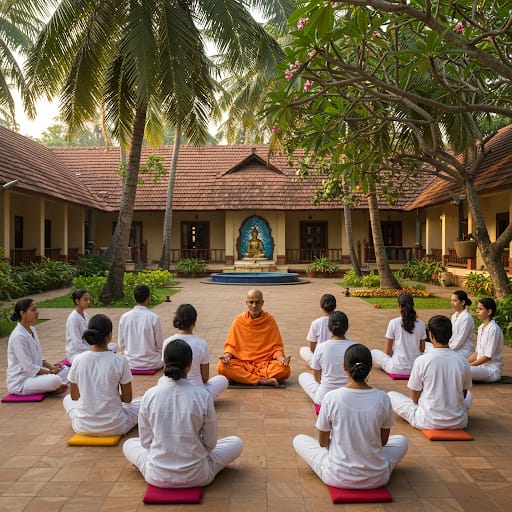
जीवन की सच्चाई
जीवन में हमें कई चुनौतियों का सामना करना पड़ता है
लेकिन हमें हमेशा सकारात्मक और आशावादी बने रहना चाहिए
ध्यान और आयुर्वेद हमें सिखाते हैं कि जीवन में संतुलन कैसे बनाए रखा जाए
नियमित अभ्यास से हम अपने जीवन में सकारात्मक परिवर्तन ला सकते हैंस्वस्थ जीवनशैली
स्वस्थ जीवनशैली हमें जीवन में सफलता और खुशी दिलाती है
नियमित व्यायाम, स्वस्थ आहार, और पर्याप्त नींद
हमें स्वस्थ और ऊर्जावान बनाते हैं
और हम अपने जीवन में सकारात्मकता और ऊर्जा का अनुभव करते हैंप्रेम और उत्साह
प्रेम और उत्साह हमें जीवन में सकारात्मकता और ऊर्जा देते हैं
नियमित प्राणायाम और प्रार्थना हमें शांति और संतुष्टि की अनुभूति कराती है
योग और ध्यान हमें शारीरिक और मानसिक रूप से मजबूत बनाते हैं
और हम अपने जीवन में सफलता और खुशी का अनुभव करते हैंआज का दिन शुभ हो
आज का दिन आपके लिए शुभ हो
आप अपने जीवन में सफलता और खुशी का अनुभव करें
आपके जीवन में सकारात्मकता और ऊर्जा का संचार हो
और आप अपने लक्ष्यों को प्राप्त करें#Ayurveda #AyurvedicDoctor #AyurvedicMedicine #AyurvedicTreatment #AyurvedicLifestyle #AyurvedicDiet #AyurvedicWellness #AyurvedicHealth #AyurvedicRemedies #AyurvedicTherapies #PanchakarmaTherapy #Yoga #Meditation #AyurvedicHealthTips #AyurvedicTipsForAHealthyLifestyle #WhatIsAyurveda #AyurvedaInIndia #AyurvedicTreatmentCentersInIndia #RejuvenateYourselfWithAyurvedaAndYoga #Dombivli #Kalwa #Thane #Mumbai
#AyurvedaForGlobalHealth #AyurvedicHealthcare #NaturalHealth #HolisticHealth #Wellness #SelfCare #HealthyLiving -
प्रेम की सच्चाई
.प्रेम में मांगा नहीं जाता, प्रेम में दिया जाता है,प्रेम किया नहीं जाता, प्रेम हो जाता है।प्रेम में स्वार्थ नहीं होता, प्रेम में निश्चल होना होता है,प्रेम को मापा नहीं जाता, प्रेम को भक्ति की तरह किया जाता है।प्रेम अधूरा नहीं होता, प्रेम का कोई विकल्प नहीं होता,

प्रेम में लीन होना पड़ता है, प्रेम में शुद्ध होना होता है।प्रेम एक ऐसी भावना है जो हमें जीवन में आगे बढ़ने की शक्ति देती है,और हमें जीवन की सच्चाई को समझने में मदद करती है।मेडिटेशन, आयुर्वेद, अच्छी आदतें, स्वस्थ जीवनशैली अपनाएं,उत्साह, प्रेम, खुशी, आनंद के साथ जीवन जिएं।व्यायाम, प्राणायाम, प्रार्थना, योग और मेडिटेशन के माध्यम से,अपने जीवन को सकारात्मक और सार्थक बनाएं।आज का दिन आपके लिए बहुत ही शुभ हो,आपके सभी सपने पूरे हों और आप सफलता की ऊंचाइयों को छूएं।सुखी और सफल जीवन की ओर बढ़ने के लिए,मेडिटेशन, आयुर्वेद और अच्छी आदतों को अपनाएं।
-
काम, खुशी और ईश्वर के साथ संबंध.
काम, खुशी और ईश्वर के साथ संबंध.काम और खुशी एक दूसरे से जुड़े हुए हैं,काम हमारे अनुभव और क्षमता को बढ़ाता है।इससे हमें पहचान, प्रशंसा और धन मिलता है,और हम जीवन का आनंद लेते हैं। इसलिए काम को पूजा कहा जाता है।अलस्य हमारी खुशी को दूर ले जाता है और हमारा असली दुश्मन है।

हमारे आसपास के लोगों के साथ हमारे कार्य और प्रतिक्रियाएं हमारे द्वारा बनाए गए संबंधों पर निर्भर करती हैं।इसलिए हमें अपने आसपास के हर किसी के साथ दोस्ती करनी चाहिए और एक खुशहाल और शांतिपूर्ण जीवन जीना चाहिए।इसी तरह, हमें ईश्वर के साथ भी संबंध बनाना चाहिए,प्रार्थना के माध्यम से और विश्वास के साथ।इससे हम मानसिक रूप से मजबूत बन सकते हैं और ईश्वर की कृपा से सशक्त बन सकते हैं।क्योंकि ईश्वर सर्वज्ञ, सर्वशक्तिमान और सर्वव्यापी है।हमारी ताकत हमारे मन में है, न कि हमारे शरीर में।इसलिए हमें अपने दिल में ईश्वर के लिए कुछ जगह बनानी चाहिए।जैसे एक नदी समुद्र में मिलकर समुद्र बन जाती है,वैसे ही हमारा मन भी शांति की तलाश में भटकता है और हमारे आसपास के लोगों और चीजों के पीछे भागता है।लेकिन कोई भी व्यक्ति या चीज हमारे मन की प्यास को पूरी तरह से और हमेशा के लिए नहीं बुझा सकता।केवल ईश्वर ही हमारे मन को शांत कर सकता है और हमें पूर्ण शांति प्रदान कर सकता है, क्योंकि ईश्वर सर्वज्ञ, सर्वशक्तिमान और सर्वव्यापी है।मेडिटेशन, आयुर्वेद, अच्छी आदतें, स्वस्थ जीवनशैली अपनाएं,उत्साह, प्रेम, खुशी, आनंद के साथ जीवन जिएं।व्यायाम, प्राणायाम, प्रार्थना, योग और मेडिटेशन के माध्यम से,अपने जीवन को सकारात्मक और सार्थक बनाएं।आज का दिन आपके लिए बहुत ही शुभ हो,आपके सभी सपने पूरे हों और आप सफलता की ऊंचाइयों को छूएं।सुखी और सफल जीवन की ओर बढ़ने के लिए,मेडिटेशन, आयुर्वेद और अच्छी आदतों को अपनाएं।
-
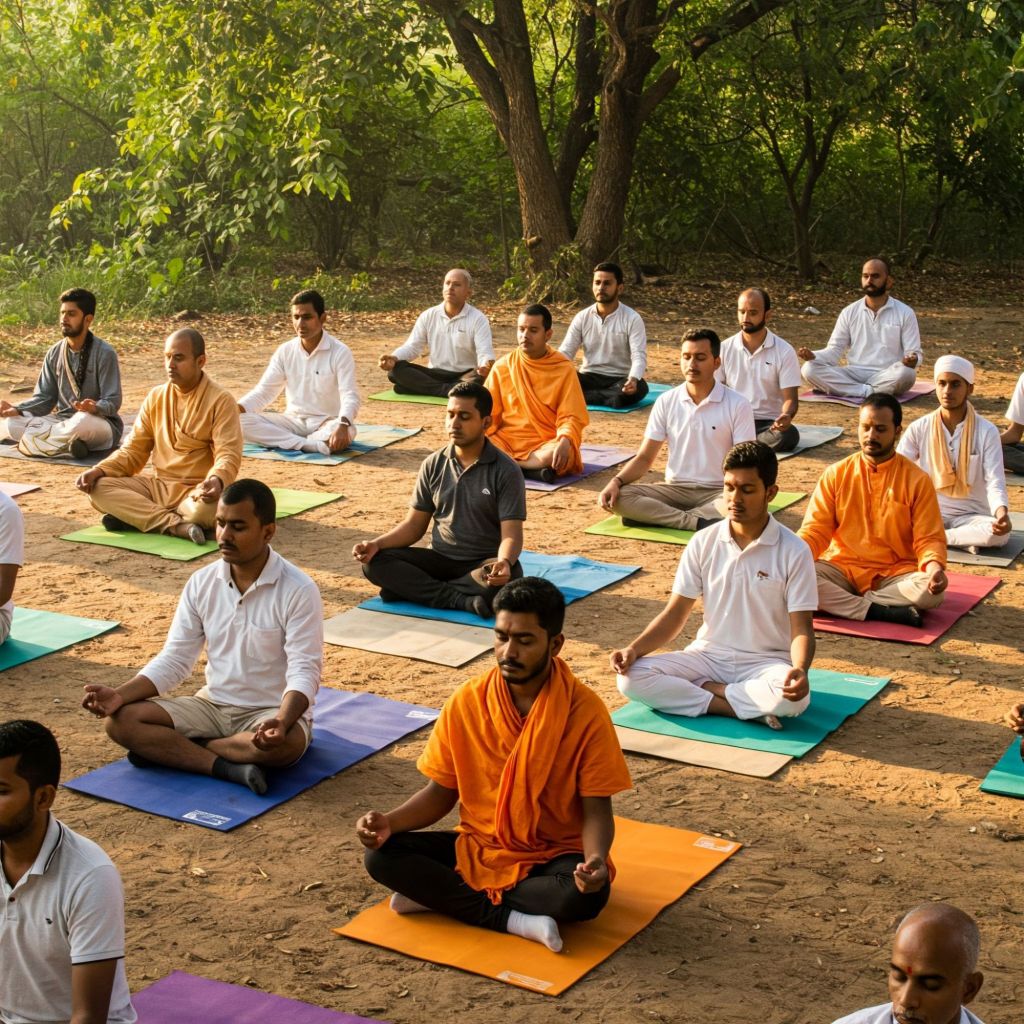
Balance your mind, transform your life.
Balancing the Mind: The Key to Overcoming Negativity
Negativity can creep into our lives in many forms, affecting our mental, emotional, and physical well-being. At its root, negativity often stems from an imbalance in the mind. In this blog, we’ll explore how an Ayurveda lifestyle can help balance the mind, overcome negativity, and cultivate a more positive outlook on life.
According to Ayurveda, the mind is composed of three gunas (qualities): sattva, rajas, and tamas. When the mind is balanced, sattva predominates, leading to clarity, calmness, and positivity. However, when rajas and tamas dominate, the mind becomes imbalanced, leading to negativity, stress, and anxiety. An Ayurveda lifestyle aims to balance the mind by:
1 Cultivating sattvic qualities through meditation, yoga, and pranayama
2 Reducing rajas and tamas through a balanced diet, lifestyle, and stress management
3 Nourishing the mind with wholesome thoughts, emotions, and experiences
Frequently Asked Questions and Answers:
Q: How can I balance my mind using Ayurveda principles?
A: You can balance your mind by cultivating sattvic qualities, reducing rajas and tamas, and nourishing your mind with wholesome thoughts and experiences.
Q: What are some Ayurvedic practices that can help me overcome negativity?
A: Ayurvedic practices like meditation, yoga, pranayama, and mantra recitation can help you overcome negativity by balancing the mind and cultivating positivity.
Q: Can an Ayurveda lifestyle really help me achieve mental balance and positivity?
A: Yes, an Ayurveda lifestyle can help you achieve mental balance and positivity by addressing the root causes of negativity and promoting overall well-being.
Q: How long does it take to see results from an Ayurveda lifestyle?
A: Results can vary depending on individual circumstances, but with consistent practice, you can start to notice improvements in mental balance and positivity within a few weeks.
Conclusion:
Balancing the mind is the key to overcoming negativity and cultivating a more positive outlook on life. By incorporating Ayurveda principles and practices into your daily life, you can achieve mental balance, reduce negativity, and promote overall well-being. Remember, a balanced mind is the foundation of a happy and healthy life. -
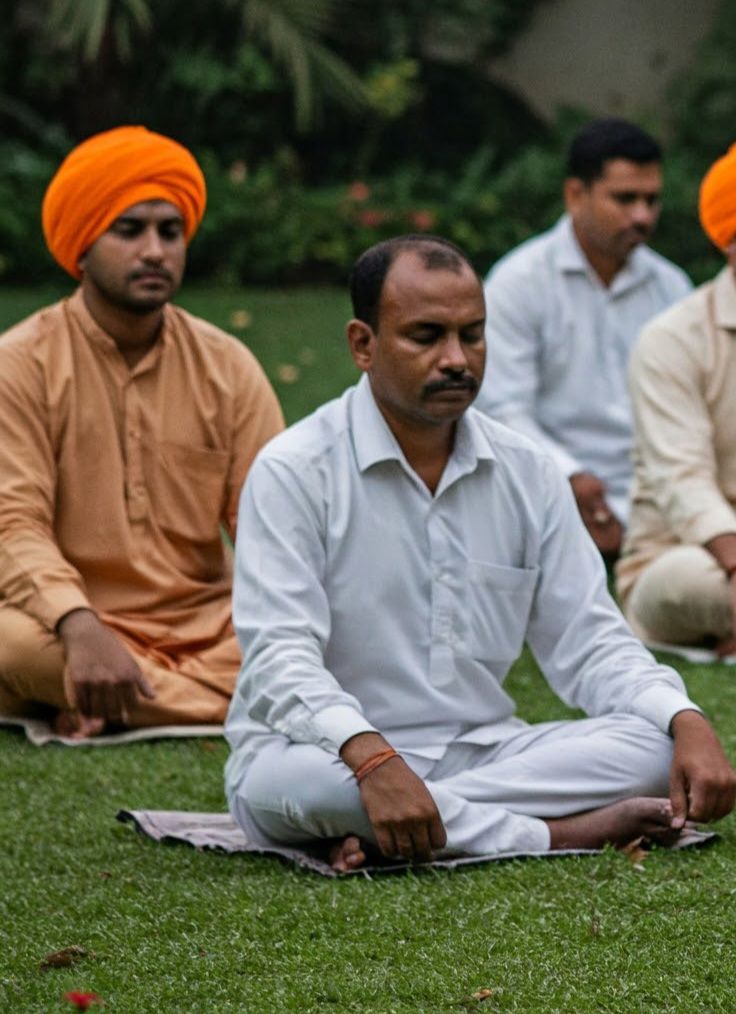
What are some Ayurvedic practices that can help me perform at my best?
Unlocking Your Full Potential: The Power of 100% Effort
Giving your best effort in any task or endeavor is a surefire way to cultivate a sense of satisfaction and fulfillment. When you hold back or give less than your all, you may be left with feelings of regret or “what ifs.” In this blog, we’ll explore how an Ayurveda lifestyle can help you unlock your full potential and perform at your best, every time.
Ayurveda teaches us that our potential is directly linked to our physical, mental, and emotional well-being. When we’re in balance, we’re able to tap into our inner reserves of energy, creativity, and motivation. An Ayurveda lifestyle helps you unlock your full potential by:
1 Cultivating physical vitality through a balanced diet, exercise, and sleep
2 Nourishing mental clarity and focus through meditation, yoga, and pranayama
3 Fostering emotional resilience and positivity through self-reflection, journaling, and connection with nature
Frequently Asked Questions and Answers:
Q: How can an Ayurveda lifestyle help me unlock my full potential?
A: An Ayurveda lifestyle helps you cultivate physical, mental, and emotional balance, allowing you to tap into your inner reserves of energy, creativity, and motivation.
Q: What are some Ayurvedic practices that can help me perform at my best?
A: Ayurvedic practices like meditation, yoga, pranayama, and journaling can help you cultivate mental clarity, focus, and emotional resilience.
Q: Can an Ayurveda lifestyle really help me overcome self-doubt and fear of failure?
A: Yes, an Ayurveda lifestyle can help you cultivate self-awareness, self-acceptance, and self-compassion, allowing you to overcome self-doubt and fear of failure.
Q: How long does it take to see results from an Ayurveda lifestyle?
A: Results can vary depending on individual circumstances, but with consistent practice, you can start to notice improvements in physical, mental, and emotional well-being within a few weeks.
Conclusion:
Unlocking your full potential requires a holistic approach that nurtures your physical, mental, and emotional well-being. An Ayurveda lifestyle offers a powerful framework for cultivating balance, resilience, and peak performance. Remember, when you give 100% effort, you’ll always feel satisfied, regardless of the outcome.
“Unlock your potential, unleash your best.” -
Balance your emotions, harmonize your life.
Embracing Emotional Balance: The Ayurveda Way
Emotions are a natural part of the human experience, influencing our thoughts, behaviors, and overall well-being. While we can’t control emotions through thought alone, we can invoke emotions and cultivate awareness to help them settle. In this blog, we’ll explore how an Ayurveda lifestyle can help achieve emotional balance and harmony.
Ayurveda recognizes that emotions are closely tied to the mind-body connection. When we’re out of balance, our emotions can become turbulent, leading to stress, anxiety, and other issues. By adopting an Ayurveda lifestyle, we can:
– Balance our doshas (energies) to calm the mind and emotions
– Cultivate self-awareness and mindfulness to recognize and manage emotions
– Practice stress-reducing techniques, such as yoga and meditation
– Nourish our minds and bodies with wholesome foods and habits
Frequently Asked Questions and Answers:
Q: Can I really control my emotions through Ayurveda practices?
A: While Ayurveda can’t eliminate emotions, it can help you become more aware of your emotions and manage them more effectively.
Q: How does Ayurveda address emotional imbalances?
A: Ayurveda addresses emotional imbalances by identifying and balancing the underlying doshic imbalances, as well as through stress-reducing practices and self-awareness techniques.
Q: What are some simple Ayurveda practices for emotional balance?
A: Simple practices include:
– Practicing yoga and meditation
– Taking a warm bath with calming essential oils
– Drinking a calming tea, such as chamomile or tulsi
– Engaging in a creative activity, such as painting or writing
Q: How long does it take to see results from Ayurveda practices?
A: Results can vary depending on individual circumstances, but with consistent practice, you can start to notice improvements in emotional balance within a few weeks.
Conclusion:
Embracing emotional balance is a journey that requires patience, self-awareness, and a willingness to cultivate healthy habits. By incorporating Ayurveda practices into your daily life, you can develop a deeper understanding of your emotions and improve your overall well-being. Remember, emotional balance is not about eliminating emotions, but about learning to navigate them with awareness and compassion.
-
The Benefits of Meditation for Inner Peace
Cultivating Inner Peace: How Meditation Nourishes the Mind, Body, and Soul
Meditation is a powerful tool for cultivating inner peace, clarity, and overall well-being. Just like a seed that’s carefully nurtured and cultivated, meditation has the potential to flourish and transform our lives in profound ways.
The Power of Meditation
Meditation is a practice that involves training our minds to focus, relax,
and become more aware of our thoughts, emotions, and physical sensations.
When we practice meditation regularly, we:
1 Cultivate inner peace and calm: Experience a sense of tranquility and serenity, even in the midst of chaos.
2 Improve our mental clarity and focus: Enhance our ability to concentrate and think clearly.
3 Boost our mood and overall well-being: Increase our feelings of happiness, joy, and fulfillment.
How Meditation benefited to the Nervous System and Body
Just like a seed that’s carefully cultivated, meditation has a profound impact on our nervous system and body. When we practice meditation regularly, we:
1 Reduce stress and anxiety: Lower our cortisol levels and experience a sense of relaxation and calm.
2 Improve our sleep: Enhance the quality of our sleep and wake up feeling refreshed and rejuvenated.
3 Boost our immune system: Strengthen our immune system and reduce our risk of illness and disease.
Tips for Cultivating a Meditation Practice
Here are some tips for cultivating a meditation practice:
1 Start small: Begin with short periods of meditation, such as 5-10 minutes,
and gradually increase as you become more comfortable with the practice.
2 Find a quiet and comfortable space: Identify a quiet and comfortable space
where you can meditate without distraction or interruption.
3 Be consistent: Aim to meditate at the same time each day,
so that it becomes a regular part of your routine.
Frequently Asked Questions and Answers
Q: How do I get started with meditation?
A: Start by finding a quiet and comfortable space, and begin with short periods of meditation.
Q: What are some common obstacles to meditation, and how can I overcome them?
A: Common obstacles include difficulty quieting the mind, physical discomfort,
and lack of motivation. To overcome these obstacles, try practicing mindfulness,
using guided meditations, and finding a meditation community.
Conclusion
Meditation is a powerful tool for cultivating inner peace, clarity, and overall well-being. By incorporating meditation into our daily routine, we can experience a sense of calm, clarity, and fulfillment that enhances our lives in profound ways.
Cultivate inner peace and clarity: How meditation nourishes the mind, body, and soul.
-
Eat citrus fruits to boost your potassium, fiber, and vitamin C intake.
The Power of Citrus Fruits: Managing High Blood Sugar and Boosting Overall Health
As the age-old adage goes, “Health is wealth.” In today’s fast-paced world, it’s essential to prioritize our well-being and take proactive steps to maintain optimal health. One of the most effective ways to do this is by using nutrient-rich foods into our diet, such as citrus fruits like oranges.
The Nutritional Benefits of Citrus Fruits
Citrus fruits are an excellent source of essential nutrients, including:1. Potassium: Helps regulate blood pressure and supports healthy heart function.2. Fiber: Aids in digestion, promotes satiety, and supports healthy blood sugar levels.3. Vitamin C: Boosts immune function, fights off free radicals, and supports collagen production.Managing High Blood Sugar with Citrus Fruits
The unique combination of potassium, fiber, and vitamin C in citrus fruits makes them an excellent addition to a diet aimed at managing high blood sugar levels. These nutrients work synergistically to:1. Regulate blood sugar levels: Fiber and potassium help slow down the absorption of sugar into the bloodstream, while vitamin C enhances insulin sensitivity.2. Improve insulin function: Vitamin C and potassium support healthy insulin function, reducing the risk of developing insulin resistance and type 2 diabetes.Ayurvedic Principles for Health
Ayurveda, the ancient Indian system of medicine, emphasizes the importance of living in harmony with nature and adopting a balanced lifestyle. To reap the benefits of citrus fruits and maintain overall well-being, follow these Ayurvedic principles:1. Eat seasonally: Consume citrus fruits during their peak season to ensure optimal nutritional value and flavor.2. Balance your diet: Combine citrus fruits with other nutrient-dense foods to maintain a balanced diet.3. Stay hydrated: Drink plenty of water throughout the day to support healthy digestion and nutrient absorption.Consult an Ayurvedic Doctor for Personalized Guidance
While using citrus fruits into your diet is a great starting point, it’s essential to consult with an Ayurvedic doctor to receive personalized guidance on managing high blood sugar levels and maintaining overall health. They can help you:1. Create a customized diet plan: Tailored to your unique needs and health goals.2. Develop a stress-management plan: To reduce stress and promote overall well-being.3. Recommend herbal supplements: To support healthy blood sugar levels and overall health.Citrus fruits like oranges are a nutritious and delicious addition to a healthy diet. By using these fruits into your meal plan and following Ayurvedic principles, you can take proactive steps towards managing high blood sugar levels and maintaining overall well-being. Remember, health is wealth, and prevention is better than cure. Consult with an Ayurvedic doctor today to start your journey towards optimal health.Frequently Asked Questions about citrus fruits and their health benefits:
Q1: What are the key nutrients found in citrus fruits like oranges?A1: Citrus fruits are rich in potassium, fiber, and vitamin C, making them an excellent choice for managing high blood sugar levels and supporting overall health.Q2: How do citrus fruits help in managing high blood sugar levels?A2: The fiber, potassium, and vitamin C in citrus fruits work together to slow down sugar absorption, improve insulin function, and regulate blood sugar levels.Q3: Can citrus fruits help in reducing the risk of chronic diseases?A3: Yes, the high content of vitamin C, flavonoids, and fiber in citrus fruits can help reduce the risk of chronic diseases like heart disease, stroke, and certain types of cancer.Q4: How can I incorporate citrus fruits into my daily diet?A4: Enjoy citrus fruits as a snack, add them to salads, or squeeze them for juice. You can also use citrus zest and peel in cooking and baking.Q5: Are citrus fruits suitable for people with diabetes or high blood sugar levels?A5: Yes, citrus fruits can be a healthy addition to a diabetic diet, but it’s essential to consume them in moderation and as part of a balanced meal plan.Q6: Can citrus fruits interact with any medications or worsen any health conditions?A6: Yes, citrus fruits can interact with certain medications, such as blood thinners, and worsen conditions like acid reflux. Consult with a healthcare professional before making any changes to your diet.Q7: How can I choose the right citrus fruits for my health needs?A7: Select citrus fruits that are in season, heavy for their size, and have a sweet aroma. Consult with a healthcare professional or a registered dietitian for personalized recommendations.Q8: Can citrus fruits be consumed by people with allergies or intolerances?A8: If you have a citrus allergy or intolerance, it’s best to avoid consuming citrus fruits or products containing citrus. Consult with a healthcare professional for personalized advice.Healthy Habits for a Wealthy Life
Daily Health Tips Series No 174. -
Refresh and Rehydrate: The Amazing Benefits of Cucumber and Mint-Infused Water.
Cucumber and Mint-Infused Water: A Detox Drink for a Health
In the summer months staying hydrated and refreshed becomes a top priority. One of the simplest and most effective ways to do this is by using cucumber and mint-infused water into your daily routine. This refreshing detox drink not only quenches your thirst but also provides a multitude of health benefits, from reducing bloating and flushing out toxins to aiding digestion and boosting energy levels.The Science Behind Cucumber and Mint-Infused Water
 Cucumbers are comprised of approximately 96% water, making them an excellent source of hydration. They are also rich in electrolytes, such as potassium, magnesium, and manganese, which play a crucial role in maintaining healthy blood pressure, bone health, and muscle function. Mint, on the other hand, contains a compound called menthol, which has natural digestive benefits and can help alleviate symptoms of indigestion, nausea, and irritable bowel syndrome.
The Benefits of Cucumber and Mint-Infused Water
1. Reduces bloating and water retention: The high water content and electrolyte-rich profile of cucumbers make them an excellent natural diuretic, helping to reduce bloating and water retention.2. Flushes out toxins : The antioxidants and anti-inflammatory compounds present in cucumbers and mint help to flush out toxins and promote overall health and well-being.3. Aids digestion: The menthol present in mint helps to alleviate symptoms of indigestion, nausea, and irritable bowel syndrome, while the electrolytes in cucumbers help to regulate bowel movements.4. Boosts energy levels: The combination of electrolytes, antioxidants, and anti-inflammatory compounds in cucumbers and mint helps to boost energy levels and promote overall physical and mental well-being.How to Make Cucumber and Mint-Infused Water
Making cucumber and mint-infused water is a simple process that requires just a few ingredients and some patience. Here’s a step-by-step guide to get started:Ingredients:– 1 large cucumber, sliced– 1/4 cup fresh mint leaves– 1 liter water– Ice cubes (optional)Instructions:1. In a large pitcher, combine the sliced cucumber and fresh mint leaves.2. Add the liter of water to the pitcher and stir well.3. Cover the pitcher with a lid and refrigerate for at least 2 hours or overnight.4. Strain the infused water into a glass and serve chilled, with or without ice cubes.Cucumber and mint-infused water is a refreshing, hydrating, and detoxifying drink that offers a multitude of health benefits. Whether you’re looking to reduce bloating, aid digestion,or simply quench your thirst, this infused water is an excellent choice.So go ahead, give it a try, and experience the refreshing power of cucumber andmint-infused water for yourself!Frequently Asked Questions (FAQs) on Cucumber and Mint-Infused Water
Q: What are the benefits of drinking cucumber and mint-infused water?A: Cucumber and mint-infused water is a refreshing and hydrating drink that offers several health benefits, including reducing bloating, flushing out toxins, and aiding digestion.Q: How do I make cucumber and mint-infused water?A: To make cucumber and mint-infused water, simply slice a cucumber and add it to a pitcher of water along with a few sprigs of fresh mint. Let it infuse overnight in the refrigerator and sip throughout the day.Q: What are the nutritional benefits of cucumbers?A: Cucumbers are low in calories and high in water content, making them an excellent source of hydration. They are also rich in electrolytes, such as potassium, magnesium, and manganese.Q: What are the digestive benefits of mint?A: Mint contains a compound called menthol, which has natural digestive benefits and can help alleviate symptoms of indigestion, nausea, and irritable bowel syndrome.Q: Can I add other ingredients to my cucumber and mint-infused water?A: Yes, you can add other ingredients to your cucumber and mint-infused water,such as lemon slices, lime juice, or berries. Experiment with different flavors andingredients to find what you enjoy most.Q: How often should I drink cucumber and mint-infused water?A: You can drink cucumber and mint-infused water as often as you like,but it’s recommended to drink at least 8-10 glasses a day to stay hydrated and reap the benefits.Q: Can I use dried mint instead of fresh mint?A: While dried mint can be used as a substitute for fresh mint,it’s recommended to use fresh mint for the best flavor and nutritional benefits.Q: Is cucumber and mint-infused water suitable for everyone?A: Cucumber and mint-infused water is generally suitable for everyone,but if you have any underlying health conditions or concerns, it’s always best to consult with a healthcare professional before making any changes to your diet. -
How Yoga and Meditation Can Help You Overcome Depression?
Transforming Your Energy Rise Above the Darkness
Depression is a pervasive and debilitating mental health condition that affects millions of people worldwide. While conventional treatments like medication and therapy can be effective, many people are turning to alternative approaches like yoga and meditation to help manage their symptoms. But can these practices really help transform your energy and overcome depression?
The Science Behind Yoga and Meditation’s Impact on Depression
Research has shown that yoga and meditation can have a profound impact on both physical and mental health. These practices have been shown to:
1 Reduce symptoms of anxiety and depression
2 Improve mood and overall sense of well-being
3 Enhance cognitive function and concentration
4 Boost self-esteem and body image
5 Improve sleep quality

How Yoga and Meditation Can Help Transform Your Energy
Yoga and meditation work on multiple levels to help transform your energy and overcome depression. Here are some key ways in which these practices can help:
1 Reduce stress and anxiety: Yoga and meditation have been shown to reduce stress hormones like cortisol, leading to a decrease in anxiety and depression symptoms.
2 Increase positive energy: Yoga and meditation can help increase feelings of positivity and well-being, which can help counteract the negative energy of depression.
3 Improve mood regulation: Yoga and meditation can help improve mood regulation by increasing the production of neurotransmitters like serotonin and dopamine.
4 Enhance self-awareness: Yoga and meditation can help increase self-awareness, allowing you to better understand your thoughts, emotions, and behaviors.
Simple Yoga and Meditation Techniques to Get You Started
Here are some simple yoga and meditation techniques you can try to help transform your energy and overcome depression:
A Deep breathing exercises: Take slow, deep breaths in through your nose and out through your mouth, focusing on the sensation of the breath.
B Body scan meditation: Lie down or sit comfortably, bringing your attention to different parts of your body, starting at your toes and moving up to the top of your head.
C Yoga poses for depression: Try poses like downward-facing dog, child’s pose, and warrior II, which can help reduce symptoms of depression.
Depression is a complex and multifaceted condition that requires a comprehensive treatment approach. While yoga and meditation should not be used as a replacement for conventional treatment, they can be a powerful adjunct therapy to help transform your energy and overcome depression. By incorporating these practices into your daily routine, you can take the first step towards healing and recovery.
Frequently asked questions on Yoga, Meditation, and Depression
Q: What is the concept of “particles of depression” and how does it affect our environment?
A: The concept of “particles of depression” refers to the idea that our emotions andcan affect the environment around us.When we feel depressed, we create a negative energy field that can attract similarenergies and stick to our surroundings. This can affect not onlyour own mood but also the mood of others who enter that space.
Q: How can yoga and meditation help in transforming our energy and overcoming depression?
A: Yoga and meditation are powerful tools that can help transform our energy andovercome depression. By practicing yoga and meditation,we can reduce stress and anxiety, increase positive energy, improve mood regulation,and enhance self-awareness.These practices can also help us develop greater resilienceand coping skills, making it easier to manage depressive symptoms.
Q: What are some simple yoga and meditation techniques that can help with depression?
A: Some simple yoga and meditation techniques that can help with depressioninclude deep breathing exercises, body scan meditation, andyoga poses like downward-facing dog, child’s pose, and warrior II.These techniques can help reduce symptoms of depression, improve mood,and increase feelings of relaxation and calm.
Q: Can yoga and meditation replace conventional treatment for depression?
A: No, yoga and meditation should not be used as a replacement for conventional treatmentfor depression. While these practices can be a powerful adjunct therapy,they should be used in conjunction with other treatments, such as medication and therapy,under the guidance of a qualified healthcare professional.
Q: How can I incorporate yoga and meditation into my daily routine?
A: Incorporating yoga and meditation into your daily routine can be simple.Start by setting aside a few minutes each day to practice deep breathing exercises,meditation, or yoga. You can also try incorporating yoga and meditation into your daily activities,such as taking a few deep breaths before a meeting or practicing yoga poses duringcommercial breaks while watching TV.
Q: What are some common misconceptions about yoga and meditation?
A: Some common misconceptions about yoga and meditation include the ideathat you need to be flexible or athletic to practice yoga, or that meditation is only for spiritualor religious purposes. In reality, yoga and meditation are accessible to anyone, regardless of age,ability, or background, and can be practiced in a variety of ways to suit your individual needsand goals.
Q: How can I find a qualified yoga or meditation instructor?
A: Finding a qualified yoga or meditation instructor can be easy.Look for instructors who have completed a reputable training programand have experience teaching students with needs similar to yours.You can also ask for referrals from friends, family, or healthcare professionals,or search online for qualified instructors in your area.References:
1. “Yoga and Meditation for Depression” (Harvard Health Publishing, 2019)
2. “The Effects of Yoga on Mental Health” (Journal of Clinical Psychology, 2018) -
Deficiency of Vitamin D Lead to Chronic Headaches.
The Importance of Vitamin D
The Role of Vitamin D in Headache Prevention
Vitamin D is an essential nutrient that plays a crucial role in maintaining strong bones, immune function, and overall health. Research has shown that low levels of vitamin D can increase the risk of chronic headaches, including migraines and tension headaches. In this article, we’ll explore the link between vitamin D deficiency and headaches, and provide practical tips on how to boost your vitamin D levels.
Vitamin D Deficiency and Headaches
Vitamin D deficiency has been linked to an increased risk of chronic headaches, including migraines and tension headaches. Research suggests that vitamin D plays a role in regulating pain pathways and reducing inflammation, which can contribute to headache development.Tips to Boost Your Vitamin D Levels
1. Get Morning Sunlight: Exposure to natural sunlight in the morning helps boost vitamin D levels. Spend at least 10-15 minutes outside in the morning, without sunscreen.2. Eat Vitamin D-Rich Foods: Include vitamin D-rich foods in your diet, such as drumsticks, mushrooms, fatty fish, and fortified dairy products.
3. Take Vitamin D Supplements: If you’re unable to get enough vitamin D through sunlight and diet, consider taking vitamin D supplements. Consult with a healthcare professional before starting any supplements.Frequently Asked Questions1. What are the symptoms of vitamin D deficiency?Symptoms of vitamin D deficiency include fatigue, muscle weakness, joint pain, and increased risk of infections.2. How can I get tested for vitamin D deficiency?You can get tested for vitamin D deficiency through a blood test, which measures the levels of vitamin D in your blood.3. Can vitamin D supplements interact with medications?Vitamin D supplements can interact with certain medications, such as anticoagulants and cholesterol-lowering medications. Consult with a healthcare professional before taking vitamin D supplements. -
The Power of Gratitude.
Happiness and Contentment
“If you don’t learn to appreciate what you have now, you will never have enough, even if you have the best of everything.” – UnknownIn today’s fast-paced world, it’s easy to get caught up in the pursuit of more – more wealth, more possessions, more status. But in the midst of this relentless striving, we often forget to appreciate what we already have. Gratitude is the practice of recognizing and appreciating the good things in our lives, and it has the power to transform our relationships, our mental health, and our overall well-being.
The Benefits of Gratitude.
Research has shown that practicing gratitude can have a significant impact on our lives. Some of the benefits of gratitude include:
1 Improved mental health: Gratitude has been shown to reduce stress, anxiety, and depression.
2 Stronger relationships: Expressing gratitude towards others can strengthen our relationships and build stronger bonds.
3 Better physical health: Studies have found that people who practice gratitude tend to have better physical health, including lower blood pressure and stronger immune systems.
4 Increased resilience: Gratitude can help us develop a more positive outlook and increase our resilience in the face of challenges.
Techniques and Tips for Practicing Gratitude.
So how can we start practicing gratitude in our daily lives? Here are some techniques and tips to get you started:
1. Keep a gratitude journal: Write down three things you’re grateful for each day before you go to bed.
2. Share your gratitude with others: Express your gratitude to someone you appreciate, whether it’s a kind word, a text message, or a small gift.
3. Practice mindfulness: Take a few minutes each day to focus on your breath and appreciate the present moment.
4. Create a gratitude ritual: Develop a daily or weekly ritual that involves practicing gratitude, such as lighting a candle or saying a prayer.
“Gratitude unlocks the fullness of life. It turns what we have into enough, and more.” – Melody Beattie
Gratitude is a powerful tool that can help us cultivate happiness, contentment, and well-being. By incorporating gratitude into our daily lives, we can develop a more positive outlook, strengthen our relationships, and improve our mental and physical health. So take a moment each day to appreciate what you have, and watch your life transform in amazing ways.
“The greatest happiness of life is the conviction that we are loved; loved for ourselves, or rather, loved in spite of ourselves.” – Victor Hugo.
Frequently Asked Questions
1. What is gratitude, and why is it important?
Gratitude is the practice of recognizing and appreciating the good things in our lives. It’s important because it can help us develop a more positive outlook, strengthen our relationships, and improve our mental and physical health.
2. How can I start practicing gratitude in my daily life?
Start by keeping a gratitude journal, sharing your gratitude with others, practicing mindfulness, and creating a gratitude ritual.
3. Can gratitude really improve my mental health?
Yes, research has shown that practicing gratitude can reduce stress, anxiety, and depression.
-
Healing Properties of Garlic in Ayurveda.
The Miraculous Benefits of Garlic in Ancient Indian Medicine.
“Garlic is the unsung hero of the plant kingdom.” – A wise old saying
In the traditional Indian system of medicine, garlic is revered as a potent medicinal plant that offers numerous health benefits, from improving cardiovascular health to boosting immunity. With its pungent flavor and aroma, garlic is a simple yet effective way to promote overall health and well-being.
Healing Properties of Garlic in Ancient Indian Medicine.

In this ancient Indian system of medicine, garlic is considered a heating plant that balances the Kapha dosha, which is responsible for maintaining healthy weight, digestion, and circulation. Garlic’s active compounds, such as allicin, have anti-inflammatory and antioxidant properties that help to reduce inflammation, improve cardiovascular health, and boost immunity.
The Three Doshas and Garlic.
Vata Dosha: Garlic’s heating properties help to balance Vata imbalances, reducing anxiety and stress.
Pitta Dosha: Garlic’s anti-inflammatory properties help to reduce Pitta imbalances, soothing inflammation and skin irritations.
Kapha Dosha: Garlic’s metabolism-boosting properties help to balance Kapha imbalances, reducing weight gain and promoting healthy digestion.
Practical Tips for use Garlic into Your Diet.
1. Eat garlic raw: Raw garlic contains more allicin than cooked garlic, making it a more potent medicinal plant.
2. Use garlic in cooking: Add garlic to your meals, such as stir-fries, soups, and curries, to reap its health benefits.
3. Make garlic tea: Steep garlic cloves in hot water to make a tea that can help to reduce blood pressure and improve cardiovascular health.
4. Consult with a healthcare professional before taking garlic supplements.
Garlic is a simple yet effective way to promote overall health and well-being. By incorporating garlic into your diet and using it in various ways, you can reap its numerous health benefits and reduce the risk of chronic diseases.
“A healthy body is the greatest wealth.” – An ancient Indian proverb
Frequently Asked Questions.
1. What are the benefits of eating garlic raw?
Eating garlic raw provides more health benefits than cooked garlic, as it contains more allicin.
2. Can garlic help lower blood pressure?
Yes, garlic has been shown to help lower blood pressure in people with hypertension.
3. Is it safe to take garlic supplements?
Consult with a healthcare professional before taking garlic supplements.
-
How Meditation Can Transform Your Life?
The Power of Pure Intentions: How Meditation Can Transform Your Life
Hey there, friends! Let’s talk about something that’s really important to me: meditation. I’ve been practicing meditation for a while now, and I can honestly say it’s changed my life. But before I dive into the benefits, let me tell you a little story.
My Struggle with Negative Influences
I used to be really affected by the opinions of others. I’d worry about what people thought of me, and it would hold me back from pursuing my dreams. I felt like I was living my life according to other people’s expectations, rather than my own. It was exhausting and frustrating.

How Meditation Helped Me
But then I discovered meditation. I started practicing regularly, and it completely shifted my perspective. I learned how to focus on my own intentions and desires, rather than worrying about what others thought. I felt more confident, more grounded, and more at peace.The Impact of Negative Influences
So, how do negative influences affect us? Well, when we’re surrounded by negativity, it can impact our mood, our relationships, and even our physical health. It’s like a dark cloud follows us around, casting a shadow over everything we do. But here’s the thing: we have the power to change that.
How Meditation Can Help
Meditation is a powerful tool for cultivating pure intentions and protecting ourselves from negative influences. By focusing our minds and quieting our thoughts, we can tap into our inner wisdom and connect with our true selves. It’s like a shield of positivity that surrounds us, keeping the negativity at bay.
Techniques and Tips for Cultivating Pure Intentions
So, how can you start cultivating pure intentions through meditation? Here are some techniques and tips that have worked for me:
1. *Set clear intentions*: Before you start meditating, take a moment to reflect on what you want to achieve. What kind of energy do you want to cultivate?
2. *Focus on your breath*: Bring your attention to your breath, feeling the sensation of the air moving in and out of your body. This can help calm your mind and focus your intentions.
3. *Practice loving-kindness meditation*: This type of meditation involves cultivating feelings of love, compassion, and kindness towards yourself and others. It’s a game-changer!
4. *Visualize positive energy*: Imagine a bright, white light filling your body and surrounding you with positive energy. It’s like a big hug from the universe!
Cultivating pure intentions through meditation has been a total game-changer for me. It’s helped me stay focused, confident, and at peace, even in the midst of chaos. So, if you’re struggling with negative influences, I encourage you to give meditation a try. Remember to set clear intentions, focus on your breath, practice loving-kindness meditation, and visualize positive energy. With regular practice, you can develop a strong sense of self and stay protected from negative influences. Happy meditating!
Frequently Asked Questions
1. *What is meditation, and how does it work?*
Meditation is a powerful tool for cultivating mindfulness, clarity, and inner peace. By focusing your mind and quieting your thoughts, you can tap into your inner wisdom and connect with your true self.
2. *How do I get started with meditation?*
Getting started with meditation is easy! Simply find a quiet and comfortable spot to sit, close your eyes, and focus on your breath. You can also try guided meditation apps or videos to help you get started.
3. *What are the benefits of meditation?*
The benefits of meditation are numerous! Regular practice can help reduce stress and anxiety, improve sleep, increase focus and productivity, and even boost your mood.
-
Drinking hot water for detoxification.
Boost Your Metabolism with Hot Water: An Ayurvedic Secret to a Healthy Life
I’ll never forget the day I discovered the power of hot water. I was feeling sluggish, stuck in a rut, and struggling to lose weight. But then I stumbled upon an ancient Ayurvedic practice that changed everything: drinking hot water daily.
As someone who’s passionate about natural health and wellness, I was blown away by the incredible benefits of drinking hot water. Not only can it help boost your metabolism and support weight loss, but it can also improve your digestion, circulation, and overall health.

So, how does it work? Well, it’s quite simple really. When you drink hot water, it stimulates your digestive system and improves circulation. This allows your body to more efficiently remove toxins and absorb nutrients.
Drinking hot water is also a powerful way to support your liver and kidneys, which are vital organs for detoxification. By helping to remove toxins and waste products from your body, drinking hot water can help to improve your overall health and well-being.
But here’s the best part: drinking hot water can actually help increase your metabolic rate. It improves digestion, enhances circulation, and supports detoxification – all of which are essential for a healthy metabolism.
So, how can you incorporate drinking hot water into your daily routine? Here are a few tips:
Start your day with a glass of hot water to stimulate your digestive system and boost your metabolism.
Drink hot water before meals to improve digestion and reduce symptoms of bloating and indigestion.
Make it a habit by incorporating hot water into your daily routine, such as drinking a glass of hot water at the same time each day.
In conclusion, drinking hot water is a simple yet powerful way to boost your metabolism, support weight loss, and improve your overall health. So, give it a try and see the benefits for yourself!
“Drink hot water, ignite your metabolism, and make a healthier you!”
FAQs:
- Q: How much hot water should I drink each day?
A: I recommend drinking at least 1-2 glasses of hot water per day, preferably before meals or as part of your morning routine.
- Q: Can I add lemon or honey to my hot water?
A: Absolutely! Adding lemon or honey can enhance the benefits of drinking hot water. Lemon can help stimulate digestion, while honey can provide antimicrobial properties.
- Q: Can drinking hot water help with weight loss?
A: Yes, drinking hot water can help support weight loss by increasing metabolic rate, improving digestion, and aiding in detoxification.
- Q: Is it safe to drink hot water every day?
A: Generally, yes. However, it’s always a good idea to consult with Ayurvedic Doctor if you have any underlying health conditions or concerns.
-
Just move on, and see where the journey takes you.
As I stood on the riverbank, watching the gentle current flow by, I couldn’t help but feel a sense of awe at the river’s wisdom. It’s been flowing for centuries, effortlessly adapting to changing circumstances and navigating obstacles with ease. It’s the ultimate symbol of resilience.
I think we can all learn from the river’s example. Life is constantly flowing and changing, just like the river. Sometimes we’re faced with murky waters, and sometimes we’re blessed with crystal-clear waters. But no matter what, the river keeps moving forward. And that’s a lesson we can all apply to our own lives.
The Power of Resilience.
 Rivers are incredibly resilient, and we can learn from their example. By developing our own resilience, we can navigate life’s challenges with greater ease and confidence. So, how can we do that?
For me, it’s about embracing the unknown and being open to change. Just like the river, we need to be willing to adapt to changing circumstances and navigate obstacles with ease. It’s not always easy, but it’s worth it.
Applying the River’s Wisdom to Our Lives
Here are a few tips that have helped me apply the river’s wisdom to my own life:
Let go of the past: Just like the river flows forward, we need to let go of past regrets and hurts. Holding onto them will only weigh us down and prevent us from moving forward.
Embrace change: Rivers are constantly changing, and we need to be willing to adapt to changing circumstances in our own lives. This might mean taking risks, trying new things, and stepping outside our comfort zones.
Focus on the present: Rivers don’t worry about the past or future; they focus on the present moment. We can do the same by practicing mindfulness and living in the here and now.
The Benefits of Just Moving On
Just moving on can have a profound impact on our lives. Some of the benefits I’ve experienced include:
Increased happiness: When we let go of past regrets and focus on the present moment, we can experience greater happiness and fulfillment.
Improved resilience: By developing our resilience and learning to navigate life’s challenges, we can better cope with stress and adversity.
Greater personal growth: Just moving on requires us to be adaptable, flexible, and open to new experiences. This can lead to greater personal growth and self-awareness.
Just move on, that’s the river’s wisdom. By embracing change, letting go of the past, and focusing on the present moment, we can navigate life’s challenges with greater ease and resilience. Remember, life is like a river – constantly flowing and changing. Just move on, and see where the journey takes you.
“Just move on, and let the river of life carry you forward.”
FAQs:
- Q: How can I develop my resilience and learn to navigate life’s challenges?
A: For me, it’s about taking small risks and stepping outside my comfort zone. It’s also about building a strong support network of friends, family, and mentors.
- Q: How can I let go of past regrets and hurts?
A: I’ve found that practicing mindfulness and focusing on the present moment really helps. It’s also important to practice forgiveness and self-compassion.
- Q: What are the benefits of mindfulness and living in the present moment?
A: Mindfulness and living in the present moment have been game-changers for me. I’ve experienced increased happiness, improved resilience, and greater personal growth.
- Q: How can I apply the river’s mantra to my own life?
A: Start by taking small steps and being open to new experiences. It’s also important to practice mindfulness and focus on the present moment.
- Q: What can I learn from nature about resilience and personal growth?
A: Nature has taught me so much about resilience and personal growth. By observing the natural world, I’ve learned about adaptability, flexibility, and the importance of living in the present moment.
-
Papaya for Asthma Management
The Power of Papaya: Boost Your Immunity and Breathe Easy
Papaya is a superfood as it contains various nutrients such as Vitamins, Folate, and Antioxidants. Papaya can be a valuable addition to a diet aiming to boost your immunity. Since Papaya contains vitamin C it is beneficial to manage asthma symptoms and improve lung function.
Nutritional Benefits of Papaya
Papaya is a nutrient-dense fruit that provides a range of essential vitamins, minerals, and antioxidants. Some of the key nutrients found in papaya include:
1 Vitamin C: important for immune function and collagen production
2 Vitamin A: essential for healthy vision and immune function
3 Folate: crucial for cell growth and development
4 Antioxidants: help protect against oxidative stress and inflammation.
How Papaya Can Help Boost Your Immunity
Papaya contains a range of nutrients that can help support immune function. Here are some ways that papaya can help boost your immunity:
Supports Immune Cell Function: Papaya contains vitamin C, which is essential for the production of white blood cells.
Antioxidant Properties: Papaya’s antioxidants help protect against oxidative stress and inflammation, which can weaken the immune system.
Anti-Inflammatory Effects: Papaya’s anti-inflammatory compounds may help reduce inflammation and promote healing.
Managing Asthma Symptoms with Papaya
Papaya’s vitamin C content makes it a beneficial fruit for managing asthma symptoms. Here are some ways that papaya can help:
1 Improves Lung Function: Vitamin C in papaya may help improve lung function and reduce symptoms of asthma.
2 Reduces Inflammation: Papaya’s anti-inflammatory compounds may help reduce inflammation and promote healing in the lungs.
3 Boosts Immune Function: Papaya’s immune-boosting properties may help reduce the severity of asthma symptoms.
Papaya is a nutrient-dense fruit that offers a range of health benefits, from boosting immunity to managing asthma symptoms. With its rich content of vitamins, minerals, and antioxidants, papaya is a great addition to a healthy diet.
“With the power of papaya and breathe easy with a stronger immune system.”
Frequently asked questions about papaya and its health benefits
Q: What are the nutritional benefits of papaya?
A: Papaya is a nutrient-dense fruit that provides a range of essential vitamins, minerals, and antioxidants.
Q: How can papaya help boost my immunity?
A: Papaya contains vitamin C, which is essential for immune function, as well as antioxidants and anti-inflammatory compounds that help support immune function.
Q: Can papaya help manage asthma symptoms?
A: Yes, papaya’s vitamin C content may help improve lung function and reduce symptoms of asthma.
Q: How can I incorporate papaya into my diet?
A: Papaya can be enjoyed fresh, added to smoothies, or used in a variety of recipes.
Q: Are there any potential health risks associated with consuming papaya?
A: Papaya is generally considered safe to eat, but individuals with certain allergies or sensitivities should exercise caution.
-
Ayurveda Initiative Global (AIG)
Ayurveda Initiative Global (AIG) is a collective effort to promote and preserve Ayurveda, the traditional system of Indian medicine, on a global scale. The initiative aims to:
1. Raise awareness about Ayurveda’s benefits and principles2. Encourage research and development in Ayurvedic science3. Support education and training in Ayurveda4. Promote Ayurvedic products and services5. Foster collaboration and networking among Ayurvedic practitioners and organizationsAIG’s objectives include:1. Standardizing Ayurvedic education and practice2. Developing evidence-based Ayurvedic treatments3. Creating a global network of Ayurvedic professionals4. Advocating for Ayurveda’s recognition and integration into modern healthcare5. Preserving traditional Ayurvedic knowledge and cultural heritageBy supporting AIG, you can contribute to the growth and recognition of Ayurveda worldwide, ultimately benefiting global health and well-being. -
Disclaimer
The information at any place in this website is just an informative basis as well as pure intention to create Awareness about Ayurveda , Yoga and Meditation to encourage people to adopt Ayurveda , Yoga and Meditation in their day to day lifestyle for Natural health. All the content is purely educational in nature and should not be considered medical advice. Please use the content only consultation with appropriate certified Doctor or medical or healthcare professional. This site contains External Links to third party websites ,These links are being provided as a convenience and for informational purposes only; they do not constitute an endorsement or an approval and no responsibility for the accuracy, legality or content of the external site or for that of subsequent links. Contact the external site for answers to questions regarding its content.
-
Dr Sheetal Desai, Founder and Consultant at ATULYA AYURVEDA, Panchkarma, & wellness Centre Thane Maharashtra India
 Dr Sheetal Desai, Founder and Consultant at ATULYA AYURVEDA, young , vivacious , energetic Health Professional working in the field of Ayurveda, Panchkarma, Beauty, Nutrition & wellness for last 6 years..After Working with renowned Organizations as Ayurveda Consultant, Teacher, Trainer in Goa, Bangalore & Mumbai she started ATULYA AYURVEDA( Ayurveda, Panchkarma & Wellness Centre) in Thane, Maharashtra with aim of propagating traditional authentic Ayurveda to today’s world...according to Dr Sheetal :“WE AT ATULYA AYURVEDA RECOGNIZE THAT EVERY PERSON IS UNIQUE & DIFFERENT, BOTH PHYSICALLY & MENTALLY HENCE EVERY INDIVIDUAL IS HANDLED WITH A DIFFERENT APPROACH..AYURVEDA IS NOT JUST AN AN ANCIENT SYSTEM; ITS A SCIENCE OF THE 21ST CENTURY & BEYOND. IT HAS GOT A GREAT OUTLOOK WHICH COMPRISES ALL TIME TO COME.”.Come experience complete body healing with regards to body, mind and spirit at ATULYA AYURVEDA THANE.
 -
WELLNESS PACKAGE I Nadi Pareeksha & Panchakarma Treatment I The Art Of Living , Triveni Ashram, Pune Maharashtra India

✨WELLNESS PACKAGE
From MAY 2022 to JUNE 2022 – 15% DiscountHealing Touch – 3 DaysEssence of Wellness – 5 DaysRevive & Refresh – Package 6 DaysTERA MAY Healing Packagewith an OFFER of 15% DiscountValid from 13 May to 13 June 2022 OnlyNadi Pariksha is the ancient ayurvedic technique of diagnosis through the pulse. It can accurately diagnose physical, mental and emotional imbalances as well as diseases. It is a non- invasive science that enables to reach the root cause of health issues and not just address the symptoms.The Art Of Living , Triveni Ashram, PuneNadi Pareeksha & Panchakarma Treatment – SSTP, PuneDr Aravind krishnan-7499914542


 Ayurveda Initiative for Global Health