Ayurveda Initiative for Global Health

Tag: Mumbai

  • AYURVEDA Update 5 October 2025.

    Global Ayurveda Updates.

    The global Ayurveda sector continues its dynamic growth in 2025, with the upcoming 7th Global Ayurveda Summit scheduled for late October to foster international collaborations and integrative healthcare innovations. Traditional medicine, including Ayurveda, is practiced in nearly 90% of WHO member states, driving a booming market projected to reach over $583 billion globally. India leads with a rapidly expanding AYUSH industry valued at $43.4 billion, complemented by increasing international recognition and export of Ayurvedic products to over 150 countries, reflecting the rising consumer shift towards preventive and holistic health worldwide.

    National Ayurveda News.

    India recently celebrated the 10th Ayurveda Day on 23rd September 2025 with the theme “Ayurveda for People & Planet,” emphasizing Ayurveda’s role in health and ecological balance. The Ministry of AYUSH highlighted new initiatives including the launch of digital portals DRAVYA and APTA, expansion of healthcare units at the All India Institute of Ayurveda in Goa, and nationwide health assessment campaigns focusing on preventive healthcare. The prestigious National Dhanwantari Ayurveda Awards 2025 recognized leaders advancing Ayurveda education, research, and practice. Government efforts continue to integrate Ayurveda into national health programs and promote sustainability practices aligned with traditional wisdom.

    Ayurvedic Herb of the Day: Ashwagandha (Withania somnifera).

    Ashwagandha remains a cornerstone Ayurvedic herb known for its potent adaptogenic properties that reduce stress and anxiety, boost immunity, and enhance mental clarity. It is widely used for balancing the nervous system and supporting overall vitality amidst modern lifestyle stressors. Ashwagandha’s demand remains strong in global wellness and herbal medicine markets due to its scientifically validated benefits and relevance in managing mental health and chronic fatigue, making it a vital herb for both traditional treatments and contemporary health regimens.

    Meditation & Ayurveda Spotlight.

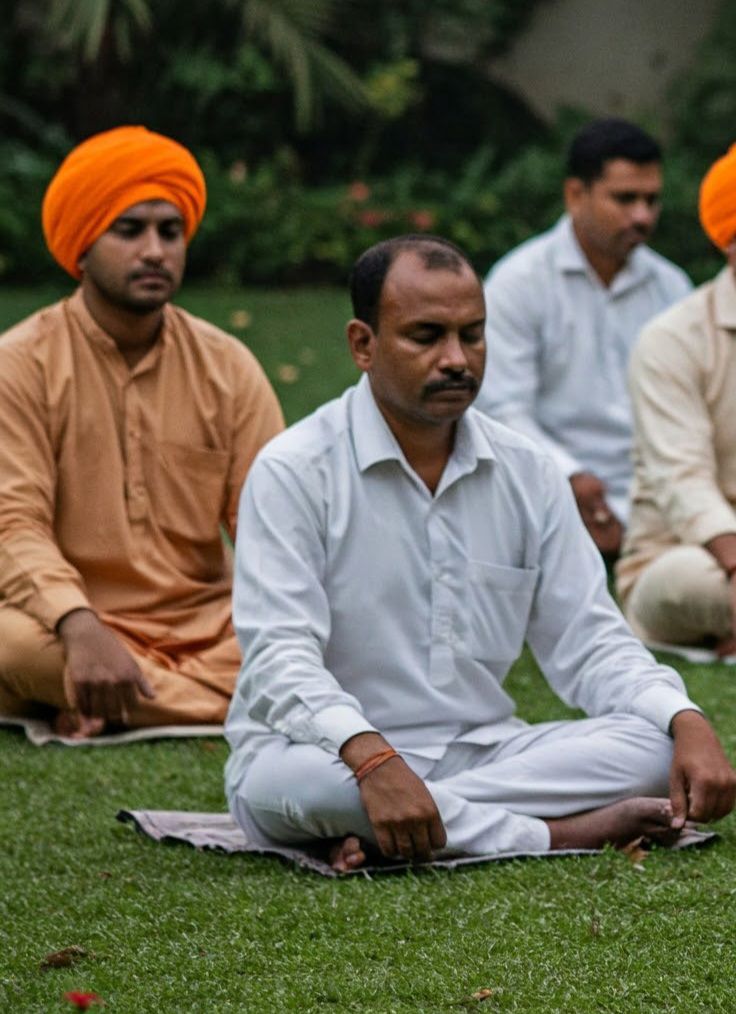
    Meditation and Ayurveda share an intrinsic connection rooted in holistic health aiming to harmonize body, mind, and spirit. Meditation complements Ayurveda by fostering mental calmness, reducing stress-related dosha imbalances, and enhancing the body’s natural healing capacities. October marks increased global awareness of mindfulness practices that align perfectly with Ayurvedic principles of balance and prevention. Integrative approaches combining meditation with Ayurvedic therapies are being promoted for comprehensive wellness, emphasizing a lifestyle that supports longevity, mental clarity, and emotional stability.

    Quote of the Day.
    “Health is harmony between the body, mind, and environment nourished by nature’s timeless wisdom.” 

    #Ayurveda #AyurvedicDoctor #AyurvedicMedicine #AyurvedicTreatment #AyurvedicLifestyle #AyurvedicDiet #AyurvedicWellness #AyurvedicHealth #AyurvedicRemedies #AyurvedicTherapie

  • Essential Ayurvedic Terms and Their Meanings.

    Ayurveda: The Eternal Science of Life and WellnessNourish Life, Nurture Health – Embrace Ayurveda and Meditation The Wisdom of Ayurveda and MeditationAyurveda, meaning “knowledge of life,” is the ancient holistic healing system promoting balance among body, mind, and spirit. Meditation deepens this balance by calming the mind and expanding awareness. Together they foster vibrant health, mental clarity, and long-lasting peace.Essential Ayurvedic Terms and Their Meanings

    1. Abhyanga – Ayurvedic oil massage that cleanses and balances doshas 2. Agni – Digestive fire that controls metabolism 3. Ama – Toxic undigested waste causing imbalance 4. Dosha – Biological energies: Vata, Pitta, Kapha 5. Vata – Movement and nerve energy 6. Pitta – Metabolism and transformation energy 7. Kapha – Structure and lubrication energy 8. Prakriti – Individual constitution or natural body-mind type 9. Ojas – Vital energy supporting immunity and vitality 10. Dhatu – Body tissues like blood, muscle, fat, bone, marrow, reproductive tissue 11. Srotas – Channels for nourishment and waste elimination 12. Panchakarma – Five cleansing therapies for detoxification 13. Nasya – Nasal therapy for sinus and mind cleansing 14. Rasayana – Rejuvenation therapies and herbs 15. Sattva – Purity and harmony state of mind 16. Rajas – Activity and passion quality of mind 17. Tamas – Inertia and heaviness quality of mind 18. Dinacharya – Daily lifestyle routine for health 19. Ritucharya – Seasonal regimen adapting to environmental changes 20. Yoga – Union of body, mind, spirit through practice 21. Meditation – Focused mindfulness practice for calm and healing 22. Agada Tantra – Ayurvedic toxicology 23. Bala – Strength and vigor 24. Kapha – Dosha associated with earth and water elements 25. Pitta – Fire element dosha controlling digestion 26. Vata – Air and ether element dosha tied to movement 27. Kaphaja Vikara – Diseases caused by Kapha imbalance 28. Pittaja Vikara – Diseases caused by Pitta imbalance 29. Vataja Vikara – Diseases caused by Vata imbalance 30. Swedana – Herbal steam therapy 31. Virechana – Purgation therapy 32. Vasti – Herbal enema therapy 33. Nadi Pariksha – Pulse diagnosis 34. Hridaya – Heart and emotional center 35. Mano – Mind 36. Satmya – Habitual suitability or compatibility 37. Nidana – Cause of disease 38. Shodhana – Purification therapies 39. Shamana – Palliative therapies 40. Anupana – Medicine vehicle like water or honey 41. Sleshma – Mucus or Kapha 42. Prana – Life force 43. Atma – Soul or spirit 44. Asana – Physical posture in yoga 45. Chakras – Energy centers 46. Ras – Plasma or nutrient fluid 47. Meda – Fat tissue 48. Asthi – Bone tissue 49. Majja – Marrow and nervous tissue 50. Shukra – Reproductive tissue 51. Ama Visha – Toxic metabolic poisons 52. Vata Dosha – Movement disorders 53. Pitta Dosha – Inflammation disorders 54. Kapha Dosha – Congestion disorders 55. Marma – Vital energy points 56. Sneha – Oil or oleation therapy 57. Kashaya – Astringent taste 58. Lavana – Salty taste 59. Tikta – Bitter taste 60. Madhura – Sweet taste 61. Katu – Pungent taste 62. Amla – Sour taste 63. Rasayana – Longevity therapy 64. Dukha – Pain or discomfort 65. Ojas – Essence of vitality 66. Upaskara – Therapeutic treatments 67. Nidra – Sleep and rest 68. Swasthya – Health 69. Vyadhi – Disease 70. Ahar – Diet and nutrition 71. Vihara – Lifestyle 72. Satva Guna – Goodness nature 73. Rajas Guna – Passionate nature 74. Tamas Guna – Ignorance or inertia nature 75. Kriya – Action or function 76. Vata Vriddhi – Increase in Vata 77. Pitta Vriddhi – Increase in Pitta 78. Kapha Vriddhi – Increase in Kapha 79. Shamana Chikitsa – Pacification therapy 80. Shodhana Chikitsa – Cleansing therapy 81. Ras – Nutrient essence 82. Maha Vata – Large scale Vata 83. Abhyara – Supportive therapy 84. Bhakti – Devotion 85. Manas – Mind 86. Prakriti Vijnana – Knowledge of constitution 87. Kriya Sharira – Physiology 88. Sharira Rachana – Anatomy 89. Upachaya – Growth or healing 90. Vrudhi – Increase 91. Kshaya – Decrease or wasting 92. Agada – Poisons 93. Ushna – Hot quality 94. Sara – Essence or best part 95. Srotodushti – Channel obstruction 96. Vamana – Therapeutic vomiting 97. Rakta Moksha – Bloodletting 98. Bala Vidya – Knowledge of strength 99. Ayurveda Darshana – Ayurvedic philosophy 100. Yoga Darshana – Yoga philosophyMeditation and Ayurveda: The Twin Pillars of True Health Meditation quiets the mind and sharpens focus, while Ayurveda balances the unique energies within each person. Their combined power improves digestion, immunity, mental clarity, emotional resilience, and physical vitality.Health Is Wealth: The Ayurvedic Truth Ayurveda teaches that health is the greatest wealth. Meditation cultivates inner calm and strength, helping us meet life’s challenges with grace. Together, they offer a sustainable path to lifelong wellness and happiness.Consult an Ayurvedic Doctor: Your Partner in Wellness Personalized Ayurvedic guidance can tailor therapies and meditative practices to individual needs, optimizing therapeutic outcomes and holistic healing.Embrace the ancient wisdom of Ayurveda and meditation. Let balance, vitality, and peace blossom in every aspect of your life.

  • Ayurveda and Meditation: Pathway to True Health and Inner Peace

    Balance Within, Radiate Wellness – Embrace Ayurveda and Meditation

    The Ancient Wisdom of Ayurveda and Meditation.

    Ayurveda, the science of life, teaches us that true health arises when the body, mind, and spirit are in perfect harmony. Meditation is one of Ayurveda’s most powerful tools. It has the ability to calm the restless mind, reduce stress, and restore this delicate balance naturally. Together, Ayurveda and meditation nurture holistic wellness, promote mental clarity, and awaken inner peace in mankind.

    Benefits of Ayurveda and Meditation for Health and Wellness

    Stress Reduction and Emotional Balance  

    Meditation lowers cortisol, the body’s stress hormone, which eases anxiety and calms the nervous system. Ayurveda complements this with soothing herbs and daily self-care routines that pacify the air element or Vata dosha, promoting tranquility in both body and mind.

    Improved Sleep Quality  

    Both Ayurveda and meditation prepare the mind and body for deep, restorative sleep. Quality sleep rejuvenates all systems, boosts immunity, and enhances overall well-being.

    Enhanced Immunity  

    Meditation acts as a mental detox, cleansing negative thoughts and boosting resilience. Alongside Ayurveda’s herbal formulations, this builds a stronger immune system that helps fight illness naturally.

    Mental Clarity and Focus  

    Meditation trains the mind to be steady and attentive, while Ayurveda balances Pitta dosha, responsible for metabolism and intellect. Together, they improve concentration and prevent mental fatigue.

    Physical Healing and Detoxification  

    Ayurveda’s detoxification therapies like Panchakarma cleanse the body of toxins. Meditation supports cellular regeneration, reduces inflammation, and accelerates healing from within.

    Emotional Healing and Mindfulness  

    By practicing meditation, suppressed emotions come to light, allowing compassionate healing. Ayurveda guides lifestyle adjustments and therapies that nurture emotional balance.

    Longevity and Vitality  

    Consistent meditation practice nourished by Ayurvedic principles promotes a long life filled with vitality, joy, and peace.

    Holistic Self-awareness  

    Meditation deepens inner awareness. Ayurveda’s knowledge of individual constitutions helps tailor wellness plans that reflect unique physical and mental needs.

    Health is Wealth: For Mind and Body

    Ayurveda teaches that health is the greatest wealth one can possess. Meditation empowers individuals to face life’s challenges with calmness and resilience, strengthening body and soul. Whether managing chronic health issues or seeking daily well-being, the combination of Ayurveda and meditation offers a natural and sustainable path to health.

    Consult an Ayurvedic Doctor: Personalized Path to Balance

    Every individual is unique. Consulting a knowledgeable Ayurvedic practitioner ensures personalized diagnosis and guidance. This helps create effective meditative routines and herbal therapies that address one’s specific imbalances, maximizing benefits safely.

    The timeless union of Ayurveda and meditation gifts mankind with a holistic path to healing, mental clarity, and radiant well-being. Embracing this ancient wisdom and cultivating daily calm can let health and happiness flourish naturally.

    100 Ayurveda with Meditation benefits for mankind

    Here is a detailed list of 100 benefits of Ayurveda combined with meditation for mankind, highlighting how this ancient holistic approach nurtures health, mental peace, and overall wellbeing:

    1. Reduces stress and anxiety naturally  

    2. Balances the three doshas (Vata, Pitta, Kapha)  

    3. Improves mental clarity and focus  

    4. Enhances emotional stability  

    5. Boosts immunity and vitality  

    6. Promotes deep restful sleep  

    7. Detoxifies mind and body  

    8. Reduces inflammation  

    9. Alleviates chronic pain  

    10. Supports healthy digestion  

    11. Regulates blood pressure  

    12. Lowers cholesterol  

    13. Improves respiratory function  

    14. Strengthens the nervous system  

    15. Calms restless thoughts  

    16. Enhances self-awareness  

    17. Supports weight management  

    18. Encourages healthier eating habits  

    19. Increases energy levels  

    20. Reduces symptoms of depression  

    21. Improves cardiovascular health  

    22. Helps manage diabetes  

    23. Promotes hormonal balance  

    24. Encourages patience and acceptance  

    25. Facilitates emotional healing  

    26. Improves skin health  

    27. Supports detox through Panchakarma  

    28. Reinforces body’s natural healing abilities  

    29. Enhances concentration and memory  

    30. Cultivates inner peace  

    31. Reduces addictive behaviors  

    32. Boosts creativity  

    33. Balances sugar levels  

    34. Increases lung capacity  

    35. Supports kidney health  

    36. Promotes a balanced metabolism  

    37. Relieves headaches and migraines  

    38. Reduces risk of autoimmune disorders  

    39. Encourages positive thinking  

    40. Improves posture and body awareness  

    41. Increases presence and mindfulness  

    42. Restores hormonal cycles in women  

    43. Strengthens musculoskeletal system  

    44. Enhances interpersonal relationships  

    45. Improves digestion and absorption of nutrients  

    46. Reduces fatigue  

    47. Supports cognitive health in aging  

    48. Fosters compassion and empathy  

    49. Reduces insomnia  

    50. Helps control blood sugar spikes  

    51. Boosts liver function  

    52. Supports healthy joints  

    53. Promotes healthy aging  

    54. Increases resilience to illness  

    55. Regulates menstrual health  

    56. Reduces symptoms of asthma  

    57. Encourages sustainable lifestyle habits  

    58. Enhances spiritual growth and self-connection  

    59. Increases oxygen flow to brain and body  

    60. Improves circulation  

    61. Supports healthy weight gain or loss  

    62. Calms nervous system for better response to stress  

    63. Strengthens immune response to infections  

    64. Improves appetite regulation  

    65. Balances emotions during menopause  

    66. Reduces PMS symptoms  

    67. Enhances detox pathways  

    68. Creates habit of self-care and mindfulness  

    69. Improves organ function overall  

    70. Balances blood sugar levels  

    71. Helps relieve arthritis pain  

    72. Enhances lung health and breathing  

    73. Reduces symptoms of gastrointestinal disorders  

    74. Improves heart health  

    75. Promotes regeneration of tissues  

    76. Supports healthy brain function  

    77. Boosts self-confidence  

    78. Reduces anxiety and panic attacks  

    79. Balances cortisol levels  

    80. Increases mental endurance  

    81. Improves memory recall  

    82. Promotes calm and restful mind  

    83. Helps with addiction recovery  

    84. Supports healthy inflammatory response  

    85. Improves eye health  

    86. Increases body flexibility  

    87. Encourages better decision making  

    88. Supports detoxification through sweat and elimination  

    89. Enhances digestion efficiency  

    90. Increases vitality in chronic illness  

    91. Encourages gratitude and contentment  

    92. Reduces oxidative stress  

    93. Supports thyroid function  

    94. Increases longevity  

    95. Improves coordination and motor skills  

    96. Facilitates remission of symptoms in autoimmune diseases  

    97. Strengthens resilience against mental fatigue  

    98. Balances nervous system response  

    99. Supports mental clarity in high pressure situations  

    100. Promotes overall harmony of body, mind, and spirit

    Ayurveda combined with meditation offers a comprehensive, natural approach to health that addresses physical, mental, and spiritual dimensions, empowering mankind to live balanced, vibrant, and joyful lives.

  • Ayurveda: Natural Balance for Blood Sugar, Pathway to Vibrant Health.

    Ayurveda Regulates Blood Sugar Levels: A Holistic Pathway to Vibrant Health  

    Balancing blood sugar is not just about numbers—it’s about nurturing your whole being. Ayurveda, the ancient science of life, treats blood sugar regulation as a harmony between body, mind, and spirit. By addressing the root causes of imbalance with natural wisdom, Ayurveda offers a powerful and holistic approach that empowers you to embrace vibrant health and well-being.  

    Herbal Wisdom: Nature’s Gift for Blood Sugar Balance  

    Ayurveda draws from nature’s rich pharmacy to support healthy blood sugar levels. Herbs like Amalaki (Indian Gooseberry), Guduchi (Tinospora cordifolia), and Mamajjaka (Enicostemma littorale) have been treasured for centuries for their ability to stimulate insulin production, improve cellular glucose uptake, and reduce insulin resistance. These natural allies gently restore balance without side effects, making Ayurveda a trusted companion in managing blood sugar. Clinical studies affirm that these botanicals can reduce fasting and post-meal glucose levels, offering hope and healing through time-tested remedies.  

    Lifestyle and Diet: The Foundation of Metabolic Harmony  

    Healthful living is the cornerstone of Ayurveda’s approach. Warm, nourishing meals that are easy to digest kindle the digestive fire, or Agni, enhancing metabolism and preventing sugar imbalances. Ayurveda teaches mindful eating: savor the nourishment, honor your body’s signals, and avoid heavy, processed foods that disrupt harmony.  

    Incorporating yoga and meditation calms the mind, reducing stress hormones that spike blood sugar. Regular physical activity, sufficient restful sleep, and detox therapies such as Panchakarma facilitate the body’s natural cleansing and rejuvenation, paving the way for better insulin sensitivity and overall metabolic balance.  

    Meditation: Nurturing the Mind-Body Connection  

    The power of meditation extends beyond the mind, influencing bodily health in profound ways. Stress triggers the release of cortisol, a hormone that raises blood sugar and disrupts metabolic equilibrium. Through meditation and breathing exercises, Ayurveda fosters mental peace, lowering stress and cortisol levels. This serene state harmonizes the nervous system, supporting the body’s innate capacity to regulate glucose and maintain stability.  

    Health Is Wealth: The Journey of Empowerment  

    Ayurveda’s wisdom reminds us that true wealth is health. Managing blood sugar naturally not only protects against the challenges of diabetes but also awakens vitality, mental clarity, and joy. When we nurture ourselves with wholesome herbs, balanced meals, and mindful practices, we invest in a life of wellness and fulfillment. This journey embodies the essence of “Health is Wealth”—a profound truth guiding us toward wholeness and happiness.  

    Scientific Backing: Ayurveda Meets Modern Evidence  

    Modern scientific research supports Ayurveda’s efficacy in diabetes care. Meta-analyses of clinical trials reveal that Ayurvedic medicines improve glycemic control safely and effectively, working through various mechanisms including enhancing insulin function and glucose metabolism. Case studies demonstrate reduced HbA1c levels and symptomatic relief in patients receiving Ayurvedic therapy combined with lifestyle changes.  

    Moreover, Ayurveda emphasizes early intervention in prediabetes with herbal formulations and detoxification, potentially delaying or preventing progression to full diabetes. Government initiatives like India’s “Mission Madhumeha” integrate Ayurveda for diabetes prevention and management, reflecting growing recognition of its holistic benefits.  

    A Call to Embrace Holistic Wellness  

    Ayurveda invites us to look beyond symptoms and embrace healing that honors the whole person. By harmonizing herbs, diet, lifestyle, and meditation, we can balance blood sugar and illuminate our path to radiant health. Let Ayurveda inspire a lifestyle where body and mind flourish together, where health is the foundation of happiness, and where every moment is an opportunity to thrive.  

    #Ayurveda #AyurvedicDoctor #AyurvedicMedicine #AyurvedicTreatment #AyurvedicLifestyle #AyurvedicDiet #AyurvedicWellness #AyurvedicHealth #AyurvedicRemedies #AyurvedicTherapies #PanchakarmaTherapy #Yoga #Meditation #AyurvedicHealthTips #AyurvedicTipsForAHealthyLifestyle #WhatIsAyurveda #AyurvedaInIndia #AyurvedicTreatmentCentersInIndia #RejuvenateYourselfWithAyurvedaAndYoga #Dombivli #Kalwa #Thane #Mumbai

    #AyurvedaForGlobalHealth #AyurvedicHealthcare #NaturalHealth #HolisticHealth #Wellness #SelfCare #HealthyLiving

  • निसर्गसोबत जगणे म्हणजेच खरी जीवनकला.

    निसर्गासोबत जगणे…  

    याचा अर्थ साधेपणाला होकार देणे,  

    आणि कृत्रिमतेला नकार देणे.  

    ताज्या हवेतला श्वास  

    फुफ्फुसांना निरोगी करतो,  

    मोकळ्या आभाळाखाली केलेला फेरफटका  

    मनाला आनंदाचा नवा श्वास देतो.  

    फळांचे रस,  

    धान्यांचे पौष्टिक उर्जा,  

    औषधी वनस्पतींची करुणामयी शक्ती—  

    हीच खरी ‘आरोग्याची संपत्ती’,  

    जी रुग्णालयांपेक्षा, गोळ्यांपेक्षा जास्त बलवान.  

    निसर्गाच्या सान्निध्यात  

    माणूस शोधतो स्वतःला,  

    कारण पक्ष्यांचा किलबिलाट  

    आनंदाची आठवण करून देतो,  

    झुळूक मनातील चिंता दूर नेते,  

    आणि हिरवी झाडं  

    छायेतून शिकवतात दानशीलता.  

    जे निसर्गाशी एकरूप होतात,  

    तेच खऱ्या अर्थाने जगतात—  

    त्यांचं जीवन फक्त धावपळीत नाही,  

    तर संतुलनात, शांततेत आणि आरोग्यात असतं.  

    नदीसारखं वाहणं,  

    डोंगरासारखं उभं राहणं,  

    आणि झाडासारखं जगाला सावली देणं—  

    हीच खरी जीवनकला आहे.  

    निसर्गाशिवायचे दिवस म्हणजे  

    रिकामी दप्तरासारखे;  

    पण निसर्गासोबतचा प्रत्येक क्षण  

    समृद्ध आहे,  

    अर्थपूर्ण आहे,  

    खरं जीवन आहे.  

  • Essential Topics in Ayurveda Study Discover Ancient Healing for Modern Health.

    Ayurveda—Where Health Truly Means Wealth The Holistic Science of Life. Ayurveda, the ancient Indian science of life, offers a holistic approach to health that transcends mere treatment of illness. Rooted in philosophy and nature, Ayurveda teaches us to maintain balance through knowledge of body, mind, and environment. Diving into its rich syllabus is a journey toward understanding the secrets of longevity, wellness, and inner harmony.

    Core Foundations: Ayurveda’s Universal Principles.The foundation subjects include philosophical texts, fundamental concepts, and biological principles that form Ayurveda’s core. Students begin their journey by exploring: 1. History and Philosophy of Ayurveda – Understanding its evolution and spiritual roots 2. Tridosha Theory – The dynamic balance of Vata, Pitta, and Kapha that governs health 3. Panchamahabhuta (Five Elements) – The building blocks of nature reflected in our bodies 4. Prakriti & Vikriti – Individual constitution and states of imbalance 5. Agni (Digestive Fire) – The vital force behind metabolism and immunity These form the blueprint for diagnosing and nurturing health. Anatomy and Physiology: The Science of Life in Ayurveda Ayurvedic anatomy is a blend of physical, functional, and energetic perspectives: 6. Sharira Rachana (Anatomy) – Study of bodily structures including bones, organs, and channels (Srotas) 7. Kriya Sharira (Physiology) – Understanding functions of doshas, tissues (Dhatus), and bodily systems 8. Marma Vigyan – Vital points that govern physiological and energetic harmony The knowledge empowers practitioners to perceive health beyond just the physical symptoms. Diagnostic Mastery: Knowing the Disease and the Diseased Diagnosis in Ayurveda is art and science combined: 9. Roga Nidana – Exploring causes, symptoms, and progression of diseases 10. Pariksha (Examination Techniques) – Including pulse (Nadi), tongue, urine, and stool examination 11. Nidana Panchaka – The fivefold diagnostic principles to understand disease deeply Clear diagnosis is the lighthouse guiding effective treatment. Clinical Disciplines: Healing Body and Mind Ayurveda’s clinical wisdom is vast and inclusive: 12. Kayachikitsa (Internal Medicine) – Treating systemic diseases through holistic therapies 13. Shalya Tantra (Surgery) and Shalakya Tantra (ENT & Ophthalmology) – Surgical and sensory organ treatments 14. Garbha Tantra – Women’s health and obstetrics 15. Kaumarbhritya – Pediatric care 16. Manas Chikitsa – Psychological and mental health treatments Each discipline highlights Ayurveda’s unique integration of body-mind health. Therapeutics: The Art of Healing in Ayurveda Therapeutic subjects focus on medicine and detoxification: 17. Dravyagunashastra – The study of herbs, minerals, and their actions 18. Bhaishajya Kalpana – Preparation of Ayurvedic medicines and formulations 19. Rasashastra – Ayurveda’s alchemy with minerals and metals 20. Panchakarma – Fivefold detox therapies restoring balance 21. Rasayana and Vajikarana – Rejuvenation and aphrodisiac therapies enhancing vitality These therapies restore vitality, support immunity, and prevent disease. Lifestyle and Preventive Sciences: Your Daily Path to Wellness The highest aim of Ayurveda is prevention and longevity: 22. Swasthavritta – Principles of holistic daily and seasonal regimen (Dinacharya and Ritucharya) 23. Ahara Vijnana – Nutrition science tailored for individual constitution and seasons 24. Yoga and Meditation – Mind-body practices nurturing mental peace and spiritual health 25. Vyayama (Exercise Therapy) – Strengthening body and spirit through motion Embracing these subjects teaches that health is wealth attainable through mindful living. Research, Ethics, and Integration Modern Ayurveda also emphasizes: 26. Research Methodology – Aligning ancient wisdom with scientific validation 27. Ayurvedic Ethics – Professional responsibility and holistic patient care 28. Integration with Modern Medicine – Complementing contemporary health sciences for enriched healing This ensures Ayurveda stays relevant and effective in modern healthcare landscapes. Meditation: The Inner Medicine Meditation is one of Ayurveda’s most potent tools for inner healing and health maintenance. It balances the mind, calms the nervous system, and enhances immunity—vital for holistic wellbeing. It bridges the ancient wisdom of Ayurveda with modern stress management techniques, reminding us that true health flows from harmony within. Ayurveda—Your Path to True Health.Studying Ayurveda opens doors to a timeless science that views health as harmony between body, mind, and environment. Its comprehensive syllabus guides learners to become custodians of wellbeing, able to offer natural, effective, and empowering healthcare. Remember, Health is Wealth—and Ayurveda is the key that unlocks this treasure through knowledge, lifestyle, and conscious living. #Ayurveda #AyurvedicDoctor #AyurvedicMedicine #AyurvedicTreatment #AyurvedicLifestyle #AyurvedicDiet #AyurvedicWellness #AyurvedicHealth #AyurvedicRemedies #AyurvedicTherapies #PanchakarmaTherapy #Yoga #Meditation #AyurvedicHealthTips #AyurvedicTipsForAHealthyLifestyle #WhatIsAyurveda #AyurvedaInIndia #AyurvedicTreatmentCentersInIndia #RejuvenateYourselfWithAyurvedaAndYoga #Dombivli #Kalwa #Thane #Mumbai#AyurvedaForGlobalHealth #AyurvedicHealthcare #NaturalHealth #HolisticHealth #Wellness #SelfCare #HealthyLiving

  • Ayurveda: The Natural Path to Inflammation-Free Living.

    The Miracle of Holistic HealingAyurveda sees health as harmony between body, mind, and spirit. Inflammation is a sign of imbalance, a call for the body’s healing forces to restore equilibrium. Ayurveda uses nature’s wisdom and mindful living to soothe the fire within and promote lasting wellness.Herbal Allies for InflammationTurmeric, ginger, ashwagandha, and boswellia are nature’s anti-inflammatory powerhouses.

    Their active compounds, such as curcumin and gingerol, calm swelling, cleanse toxins, and rejuvenate the joints and tissues. Herbal teas, oils, and powders become daily rituals that heal from within.Triphala and guggulu help with detoxification and immune balance. Tulsi and neem ease both internal and external inflammation.Lifestyle and DietWarm, nourishing meals such as herbal soups, lightly spiced vegetables, and golden milk promote healing and reduce inflammatory triggers. Avoiding processed, fried, and cold foods supports easier digestion and recovery. Daily self-massage, gentle yoga, and regular sleep nurture resilience. Panchakarma purification is Ayurveda’s unique way of removing deep-seated toxins and preventing chronic inflammation.Meditation: Healing Mind and BodyMeditation is central to Ayurveda’s vision of vibrant health. Mindful practices and conscious breathing calm stress, regulate hormones, and dissolve emotional tensions that fuel inflammation. This inner journey is as essential as any herbal remedy, forging a calm mind and a healthy body.Ayurveda teaches that health is the foundation of happiness, creativity, and prosperity. By embracing natural healing, meditation, and daily self-care, one unlocks energy and potential for a joyful life, proving that investing in well-being truly brings abundant wealth.Ayurveda Initiative for Global Health — Heal Naturally, Live Joyfully.

  • आराम म्हणजे आरोग्याचा सुवर्णमंत्र.

    विश्रांती म्हणजे आळशीपणा नव्हे, 
    विश्रांती म्हणजे उर्जेचा खरा श्वास. 
    शरीराचा थकवा वितळवणारा ओलावा, 
    मनाचा गोंधळ शांत करणारा सुरेल विराम. 

    आपण धावत राहतो सतत
    ध्येयांच्या शोधात, संपत्तीच्या मोहात, 
    पण आरोग्य मागते थोडासा थांबा, 
    जसा गडगडाटानंतरचा पावसाचा श्वास, 
    तशीच विसाव्याची सुवर्ण संधी. 

    वैज्ञानिक सांगतात
    योग्य झोप म्हणजे औषध, 
    झोपेत स्नायू दुरुस्त होतात, 
    मनाची घडी बसते, 
    आणि रोगप्रतिकारशक्ती नव्याने फुलते. 

    आयुर्वेद सांगतो
    निद्रा, आहार आणि ब्रह्मचर्य 
    ही तीन मूलतत्त्वे आरोग्याचे खांब, 
    निद्रा म्हणजेच जीवनशक्तीचे भांडार. 

    विचारा जरा
    थकलेल्या शेताला पाऊस हवा, 
    थकलेल्या मनाला मौन हवे, 
    आणि थकलेल्या जीवनाला 
    मौल्यवान विश्रांती हवी. 

    प्रत्येक रात्र शरीरासाठी नवा आरंभ, 
    प्रत्येक डुलकी मनासाठी नवा उत्साह. 
    जसा सूर्योदय पुनः नव्याने येतो, 
    तसेच विश्रांतीनंतर जीवन जागते. 

    विश्रांती हीच खरी संपत्ती आहे, 
    कारण शरीर सबल, मन स्थिर, 
    आणि आत्मा प्रकाशमान होतो. 
    म्हणूनच, प्रिय जीवनसाधका
    काम आणि विश्रांती यांचा समतोल ठेवा, 
    कारण आरोग्याचा खरा पासवर्ड म्हणजे मौल्यवान विश्रांती. 

    #Ayurveda #AyurvedicDoctor #AyurvedicMedicine #AyurvedicTreatment #AyurvedicLifestyle #AyurvedicDiet #AyurvedicWellness #AyurvedicHealth #AyurvedicRemedies #AyurvedicTherapies #PanchakarmaTherapy #Yoga #Meditation #AyurvedicHealthTips #AyurvedicTipsForAHealthyLifestyle #WhatIsAyurveda #AyurvedaInIndia #AyurvedicTreatmentCentersInIndia #RejuvenateYourselfWithAyurvedaAndYoga #Dombivli #Kalwa #Thane #Mumbai
    #AyurvedaForGlobalHealth #AyurvedicHealthcare #NaturalHealth #HolisticHealth #Wellness #SelfCare #HealthyLiving

  • Ayurveda Boosts Immune Function: A Holistic Path to Strength and Vitality.

    In the timeless wisdom of Ayurveda, health is not merely the absence of disease but a dynamic balance of body, mind, and spirit. Central to this harmony is a robust immune system, our natural shield against illness. Ayurveda offers an inspiring, holistic approach to boost immunity—nurturing deep resilience through diet, herbs, lifestyle, and meditation, reflecting the profound truth that “Health is Wealth.”

    Understanding Immunity in Ayurveda

    Ayurveda describes immunity as Vyadhikshamatwa, the body’s power to resist disease. This immunity is both innate (Sahaja Bala) and acquired (Yuktikrita Bala), influenced by the balance of the doshas—Vata, Pitta, and Kapha. A strong immune system emerges from healthy digestion, balanced metabolism, and a peaceful mind. Ayurveda teaches that enhancing Ojas, the vital essence of life, is key to elevating immunity and vitality.

    Nourishing Immunity Through Diet and Herbs

    1. Whole, Fresh, Seasonal Foods: Ayurveda recommends eating vibrant fresh fruits and vegetables rich in antioxidants and vitamins, such as amla (Indian gooseberry) known for its high Vitamin C content. Whole grains, legumes, ghee, and warming spices like turmeric, ginger, and black pepper support digestion and immunity.

    2. Immunity-Boosting Herbs:
    – Ashwagandha supports stress adaptation and immune strength.
    – Tulsi (Holy Basil) offers antioxidant and antimicrobial benefits.
    – Guduchi (Tinospora cordifolia), revered as the “nectar of the gods,” strengthens the body’s defenses.
    – Amalaki rejuvenates and protects cells.
    – Turmeric reduces inflammation and promotes detoxification.

    Lifestyle Practices for Immune Strength

    1. Daily Routines (Dinacharya): Regular schedules for sleeping, eating, and exercise align the body’s rhythms and strengthen immunity.

    2. Detoxification: Panchakarma therapies cleanse toxins (ama), rejuvenate tissues, and restore balance.

    3. Stress Reduction and Meditation: Chronic stress weakens immunity. Meditation and pranayama calm the mind, lower cortisol levels, and invigorate the immune response, fostering peace and resilience.

    4. Moderate Exercise: Yoga, walking, and tailored movement enhance circulation and immunological function without straining the body.

    The Transformational Power of Ayurveda

    Ayurveda’s holistic view honors that immunity thrives on balance—nurture digestion, clear toxins, nourish tissues, and cultivate mental calm. Embracing these principles leads to vibrant health that shines from within. The body becomes a fortress, the mind a tranquil sanctuary, and the spirit a source of unshakeable vitality.

    Breathe deeply, live mindfully, and let Ayurveda’s natural wisdom awaken your innate strength.

    Health is Wealth—Nourish Your Immunity, Embrace Your Radiance, Live Your Best Life.

    #Ayurveda #AyurvedicDoctor #AyurvedicMedicine #AyurvedicTreatment #AyurvedicLifestyle #AyurvedicDiet #AyurvedicWellness #AyurvedicHealth #AyurvedicRemedies #AyurvedicTherapies #PanchakarmaTherapy #Yoga #Meditation #AyurvedicHealthTips #AyurvedicTipsForAHealthyLifestyle #WhatIsAyurveda #AyurvedaInIndia #AyurvedicTreatmentCentersInIndia #RejuvenateYourselfWithAyurvedaAndYoga #Dombivli #Kalwa #Thane #Mumbai
    #AyurvedaForGlobalHealth #AyurvedicHealthcare #NaturalHealth #HolisticHealth #Wellness #SelfCare #HealthyLiving

  • समृद्धीचे आकाश  मनाच्या उंच श्वासासोबत.

    मनाच्या गाभ्यातून फुलणारी समृद्धी 
    फक्त बाहेरच्या संपत्तीत नाही, 
    तर जीवनाच्या प्रत्येक पैलूत 
    ती विखुरलेली आहे 
    प्रेम, धन, आरोग्य, मैत्री, 
    आनंद, समाधान 
    हे सारे विश्वाच्या अदृश्य धारेप्रमाणे 
    सदैव आपल्या सभोवताली आहे। 

    प्रत्येक पहाटेत 
    नवे सुवर्णसंधान दडलेले असते, 
    फुलांच्या मंद सुवासातून 
    जन्मतो नव्या संधींचा स्वर; 
    मन उघडं ठेवलं, 
    विश्वाच्या या संपन्न झऱ्यातून 
    समृद्धी अनुभवता येते, 
    जितकी अधिक स्वीकारता, 
    तितकी अधिक प्रचिती येते। 

    आपल्या विचारांच्या पलीकडं 
    विश्व आनंद बहाल करायला सिद्ध आहे 
    फक्त अडथळा आपल्या दृष्टीकोनाचा, 
    शका नाही, हे मनापासून ठरवा, 
    कारण क्षणोक्षणी 
    प्रत्येक श्वासात 
    संधी, प्रेम, प्रगती, 
    या आनंदाच्या स्वरूपात 
    दारी थांबलेल्या असतात। 

    मित्रांची साथ, 
    स्वतःच्या शरीराची ताकद, 
    मुक्तपणे वाहणारे हास्य, 
    हे समृद्धीचे दैवी रंग 
    आयुष्याच्या कॅनवासवर 
    अगदी सहज फुलतात। 

    समृद्धी, भरभराट, 
    ही केवळ अपवाद नाही 
    तर विश्वाचा मूलगामी नियम आहे। 
    तुमच्या जन्माभाग्याने 
    ही ओंजळ सदैव भरून ठेवली आहे, 
    फक्त 
    त्या ओंजळीचे अस्तित्व 
    ओळखावे लागते। 

    विश्व सांगते 
    “तुला हवे ते मिळेल 
    विश्वाचा चंद्र-सूर्य तुझ्या मागे उभा! 
    मन खुले ठेव, 
    आशावादाने समृद्धीला मिठी मार, 
    आनंद, आरोग्य, मैत्री, धन, प्रेम — 
    क्षणोक्षणाला तुझ्या जीवनी 
    सदैव ओतप्रोत वाहू दे!” 

    #Ayurveda #AyurvedicDoctor #AyurvedicMedicine #AyurvedicTreatment #AyurvedicLifestyle #AyurvedicDiet #AyurvedicWellness #AyurvedicHealth #AyurvedicRemedies #AyurvedicTherapies #PanchakarmaTherapy #Yoga #Meditation #AyurvedicHealthTips #AyurvedicTipsForAHealthyLifestyle #WhatIsAyurveda #AyurvedaInIndia #AyurvedicTreatmentCentersInIndia #RejuvenateYourselfWithAyurvedaAndYoga #Dombivli #Kalwa #Thane #Mumbai
    #AyurvedaForGlobalHealth #AyurvedicHealthcare #NaturalHealth #HolisticHealth #Wellness #SelfCare #HealthyLiving

  • धैर्य आणि आशा हाच जीवनाचा शाश्वत प्रवास आहे.  

    यशाचा खरा प्रवास  

    यश म्हणजे अंतिम थांबा नव्हे,  

    ते तर एक पायरी आहे

    आणखी पुढे जाण्यासाठी,  

    आणखी उंच शिखरे चढण्यासाठी.  

    अपयश म्हणजे शेवट नाही,  

    ते तर शिकवण आहे 

    नवी ताकद मिळवण्यासाठी,  

    नवा धडा मनात कोरण्यासाठी.  

    जीवनाच्या वळणांवर  

    धैर्याची दीपशिखा पेटव,  

    प्रत्येक अंधारातून  

    प्रकाशाकडे वाट शोध.  

    सुख-दुःखांच्या लाटा  

    क्षणाक्षणाला आपल्याला भिडतात,  

    पण शांत सागरासारखा  

    स्वतःच्या अस्तित्वात स्थिर राहा.  

    प्रत्येक पडझडीत  

    नवा उभारीचा बीज असतो,  

    प्रत्येक यशाच्या टप्प्यात  

    नवा प्रवास सुरू होतो.  

    धैर्यच असते खरी संपत्ती,  

    आणि आशाच असते खरा मार्गदर्शक.  

    धैर्य यशाचा खरा प्रवास  

    यश म्हणजे अंतिम थांबा नव्हे,  

    ते तर एक पायरी आहे

    आणखी पुढे जाण्यासाठी,  

    आणखी उंच शिखरे चढण्यासाठी.  

    अपयश म्हणजे शेवट नाही,  

    ते तर शिकवण आहे 

    नवी ताकद मिळवण्यासाठी,  

    नवा धडा मनात कोरण्यासाठी.  

    जीवनाच्या वळणांवर  

    धैर्याची दीपशिखा पेटव,  

    प्रत्येक अंधारातून  

    प्रकाशाकडे वाट शोध.  

    सुख-दुःखांच्या लाटा  

    क्षणाक्षणाला आपल्याला भिडतात,  

    पण शांत सागरासारखा  

    स्वतःच्या अस्तित्वात स्थिर राहा.  

    प्रत्येक पडझडीत  

    नवा उभारीचा बीज असतो,  

    प्रत्येक यशाच्या टप्प्यात  

    नवा प्रवास सुरू होतो.  

    धैर्यच असते खरी संपत्ती,  

    आणि आशाच असते खरा मार्गदर्शक.  

    #Ayurveda #AyurvedicDoctor #AyurvedicMedicine ##AyurvedicTreatmentCentersInIndia #Rejuvena

  • Nurture your mind with nature—embrace Ayurvedic herbs for mental wellness and peaceful living.

    The Power of Ayurvedic Herbs for Mental Health  

    Ayurveda, the ancient science of life, offers a holistic approach to mental well-being through potent herbs that nourish and balance the mind. Modern research and traditional use have revealed the remarkable benefits of key Ayurvedic herbs for mental health, making them an invaluable resource for managing stress, anxiety, depression, and enhancing cognitive function.

    1 Ashwagandha is celebrated as a powerful adaptogen that reduces stress hormones like cortisol, easing anxiety and depression. It promotes mental clarity, improves mood, and strengthens resilience against daily stress

    2 Brahmi (Bacopa monnieri) is renowned for boosting memory, concentration, and cognitive abilities while soothing anxiety. It acts as a neuroprotective agent, guarding brain cells and fostering sharp mental focus.  

    3 Jatamansi works as a natural calmative, relieving stress and promoting restful sleep. It balances emotional disturbances and helps maintain a steady, peaceful mind.  

    4 Shankhpushpi enhances mental alertness, learning capacity, and relieves mental fatigue, making it a vital tonic for brain health.  

    5 Tulsi (Holy Basil) alleviates stress, supports immune health, and protects the brain from oxidative damage, contributing to overall mental wellness.  

    6 Mandukaparni (Gotu Kola) enhances memory and mental stability while reducing anxiety, thus supporting a healthy nervous system.  

    These herbs, often combined in classical Ayurvedic formulations, work synergistically to balance the doshas, uplift mental faculties, and restore emotional equilibrium. Incorporating them mindfully into daily routines can lead to a serene, focused, and resilient mind—truly reflecting the essence of “Health is Wealth.”

  • सकारात्मक मन, सुदृढ शरीर – आयुष्याला अमूल्य वैभव!

    सकारात्मक मन, निरोगी जीवन – जीवनाचं खरं वैभव

    आरोग्य हेच जीवनाचं सर्वात मौल्यवान धन,  

    ते सोन्या-नाण्यांनी मोजता येत नाही;  

    शरीरात बळ, मनात शांती  

    आयुष्याला नवे रंग भरते.

    जीवनाच्या पायऱ्या चढताना  

    सुंदर शरीर आणि आशावादी मन  

    संघर्षाच्या मार्गात आधार देतात;  

    सुदृढ आरोग्यासाठी फक्त आहार नव्हे,  

    तर सकारात्मक विचारांचं खाद्यही महत्त्वाचं आहे.

    मनाचे रंग बदलतात जीवनाचा प्रवाह,  

    सकारात्मक विचार हे सूर्यकिरणांप्रमाणे  

    अंधारावर विजय मिळवतात,  

    दुःख, भय, शंका यांची छाया  

    आशावादी मन सहज मिटवते.

    मन आनंदी असलं,  

    तर शरीरात उर्जा भरते.  

    प्रत्येक चांगल्या भावनेतून  

    शरीरात आरोग्याचं वरदान मिळतं,  

    आयुष्य तरंगते सुंदरतेच्या आणि समाधानाच्या लाटांवर.

    मन आणि शरीर यांचा संतुलित संगम  

    चांगल्या आयुष्याचा गाभा बनतो.  

    जेव्हा मनात सकारात्मकता असते  

    तेव्हा प्रत्येक दिवस नवा उत्सव वाटतो;  

    जीवनातले सर्व क्षण  

    शांत, आनंदी आणि पूर्णतेने जपता येतात.

    #Ayurveda #AyurvedicDoctor #AyurvedicMedicine #AyurvedicTreatment #AyurvedicLifestyle #AyurvedicDiet #AyurvedicWellness #AyurvedicHealth #AyurvedicRemedies #AyurvedicTherapies #PanchakarmaTherapy #Yoga #Meditation #AyurvedicHealthTips #AyurvedicTipsForAHealthyLifestyle #WhatIsAyurveda #AyurvedaInIndia #AyurvedicTreatmentCentersInIndia #RejuvenateYourselfWithAyurvedaAndYoga #Dombivli #Kalwa #Thane #Mumbai

    #AyurvedaForGlobalHealth #AyurvedicHealthcare #NaturalHealth #HolisticHealth #Wellness #SelfCare #HealthyLiving

  • Ayurvedic herbs and their main recommended uses

    HerbMain Recommendation
    Ashwagandha (Withania somnifera)Builds stamina, reduces stress, supports deep rejuvenation
    Shatavari (Asparagus racemosus)Nourishes female health, enhances vitality, supports motherhood
    Kapikacchu (Mucuna pruriens)Promotes reproductive vigor, uplifts mood, balances nervous system
    Gokshura (Tribulus terrestris)Strengthens urinary health and energy
    Safed Musli (Chlorophytum borivilianum)Improves vitality, stamina, and endurance
    Brahmi (Bacopa monnieri)Sharpens memory, calms restless mind
    Mandukaparni (Centella asiatica)Enhances focus, cools the nerves
    Jatamansi (Nardostachys jatamansi)Deeply calming, helps peaceful sleep
    Shankhapushpi (Convolvulus pluricaulis)Supports learning, intellect, anxiety relief
    Acorus Calamus (Vacha)Stimulates speech clarity, awakens dull senses
    Ginger (Zingiber officinale)Sparks digestion, relieves nausea, strengthens digestive fire
    Pepper (Piper nigrum)Improves metabolism and nutrient absorption
    Pippali (Piper longum)Good for lungs and digestion, enhances immunity
    Coriander (Coriandrum sativum)Coolant, balances pitta, aids digestion
    Ajwain (Trachyspermum ammi)Relieves indigestion and abdominal discomfort
    Trikatu (Ginger, Pepper, Pippali combination)Stimulates metabolism and clears toxins
    Jeera (Cuminum cyminum)Improves digestion and clears toxins
    Fennel (Foeniculum vulgare)Soothes bloating and acidity
    Cardamom (Elettaria cardamomum)Enhances digestion, refreshes breath
    Mustard Seeds (Brassica juncea)Improves circulation and digestion
    Tulsi (Ocimum sanctum)Strengthens immunity, calms the spirit
    Turmeric (Curcuma longa)Natural purifier, anti-inflammatory golden elixir
    Amla (Phyllanthus emblica)Rich in vitamin C, rejuvenates tissues, boosts defense
    Neem (Azadirachta indica)Purifies blood, clears skin issues
    Guduchi (Tinospora cordifolia)Detoxifies, rejuvenates immunity
    Haritaki (Terminalia chebula)Cleanses digestion, supports longevity
    Bibhitaki (Terminalia bellirica)Strengthens respiratory system
    Chitrak (Plumbago zeylanica)Burns toxins, awakens sluggish digestion
    Kutki (Picrorhiza kurroa)Cleanses liver, promotes detoxification
    Kalmegh (Andrographis paniculata)Boosts immunity, supports liver health
    Licorice (Glycyrrhiza glabra)Soothes throat and lungs
    Pushkarmool (Inula racemosa)Relieves chest congestion, supports breathing
    Vasaka (Adhatoda vasica)Clears phlegm, cools respiratory system
    Kantakari (Solanum xanthocarpum)Helps breathing difficulties
    Ela (Lesser Cardamom)Refreshes lungs, opens breath pathways
    Manjistha (Rubia cordifolia)Purifies blood, enhances complexion
    Sandalwood (Santalum album)Cools body, calms skin inflammation
    Kumari (Aloe Vera)Hydrates, soothes digestion, heals skin
    Sariva (Hemidesmus indicus)Purifies blood, cools skin conditions
    Bakuchi (Psoralea corylifolia)Promotes clear skin, balances pigmentation
    Kesar (Crocus sativus)Enhances complexion, uplifts mood
    Shallaki (Boswellia serrata)Relieves joint discomfort and stiffness
    Ashoka (Saraca indica)Aids women’s health, balances hormones
    Dashmoola (Group of 10 roots)Relieves inflammation and weakness
    Asthisamharaka (Cissus quadrangularis)Strengthens bones and joints
    Nirgundi (Vitex negundo)Relieves joint aches, balances Vata
    Madhuyashti (Licorice)Sweet, soothing, balances acidity
    GokshuraDiuretic, benefits kidneys and reproductive health
    Punarnava (Boerhavia diffusa)Rejuvenates kidneys, reduces swelling
    ShatavariMoistens tissues, preserves youthfulness
    Taruni (Rosa centifolia)Rose petals, soothing and cooling
    Triphala (Amla, Haritaki, Bibhitaki)Supports digestion, detoxifies tissues
    Arjuna (Terminalia arjuna)Strengthens heart health
    Bhringraj (Eclipta alba)Supports liver and hair growth
    PunarvanaCleans urinary channels
    Shilajit (Mineral pitch)Enhances strength, vitality, detoxification
    Bay Leaf (Cinnamomum tamala)Aids digestion, increases taste
    Cinnamon (Cinnamomum zeylanicum)Warms circulation, aids digestion
    Clove (Syzygium aromaticum)Relieves tooth and digestive discomfort
    Fenugreek (Trigonella foenum-graecum)Improves metabolism, relieves skin inflammation
    Bishop’s Weed (Ajwain)Clears indigestion and heaviness
    ArjunaStrengthens cardiac function
    PunarnavaRemoves excess fluids, supports circulation
    Garlic (Allium sativum)Improves heart health, clears vessels
    Onion (Allium cepa)Purifies blood, balances cholesterol
    Hingu (Asafoetida)Relieves spasms, supports circulation
    YastimadhuSoftens throat and balances voice
    Guggul (Commiphora mukul)Cleans fat tissues, supports joints
    Bala (Sida cordifolia)Restores strength and nourishes muscles
    Atibala (Abutilon indicum)Relieves Vata imbalance
    Vidarikanda (Pueraria tuberosa)Nourishes plasma and fertility
    Shigru (Moringa oleifera)Superfood, nourishes all systems
    Chakramarda (Cassia tora)Clears skin eruptions
    Eranda (Ricinus communis)Vata-reducing purgative oil seed
    Palasha (Butea monosperma)Supports urinary health
    Tagara (Valeriana wallichii)Calming sedative root
    KapikacchuSupports brain, hormones, nerves
    Yava (Barley)Cleanses kidneys, balances weight
    Kulattha (Horse gram)Supports kidney stones clearance
    Masura (Lentil)Nourishes blood and digestion
    Tila (Sesame)Strengthens bones, hair, fertility
    Amrita (Tinospora cordifolia)Universal rejuvenator
    AgnimanthaRemoves toxins from joints
    Patola (Trichosanthes dioica)Improves skin health
    Shigru seedsAnti-inflammatory
    Palandu (Onion extract)Blood purifier
    Chavya (Piper retrofractum)Stimulates digestion
    Patha (Cissampelos pareira)Helps diarrhea and fever
    Musta (Cyperus rotundus)Relieves diarrhea, balances Pitta
    Vidanga (Embelia ribes)Expels intestinal worms
    Devadaru (Cedrus deodara)Relieves cough, balances Kapha
    Hribera (Pavonia odorata)Coolant, relieves excessive thirst
    KantkariSupports respiratory strength
    KatukiPowerful liver tonic
    ChandanCooling and pitta pacifying
    Lodhra (Symplocos racemosa)Improves women’s health and complexion
    Dhanyaka (Coriander)Cooling, digestive, refreshing
    Nagkesar (Mesua ferrea)Supports blood circulation
    Bharangi (Clerodendrum serratum)Relieves sinus and phlegm
    Punarva rootRevives kidneys, detoxifies system

  • Let nature’s wisdom guide your journey to health and happiness.

     The Healing Map: 100 Ayurvedic Herbs Across the Land

    From misty Himalayan slopes to Kerala’s warm embrace,  

    Amla shines—Emblica officinalis—amid soft rain in central India.  

    Ashwagandha (Withania somnifera) thrives in Rajasthan’s arid breath,  

    Brahmi (Bacopa monnieri) dreams by tranquil southern streams.  

    Tulsi—Ocimum sanctum—whispers blessings from every rural doorway,  

    Turmeric’s golden root (Curcuma longa) glows in Assam’s muddy fields,  

    Neem (Azadirachta indica) guards the gateways in dusty Deccan lanes.  

    Shatavari stands tall—Asparagus racemosus—western ghats enduring,  

    Haritaki (Terminalia chebula) stretches in south India’s deciduous woods,  

    Bibhitaki (Terminalia bellirica) flourishes in monsoon-rich heartlands.  

    Guduchi (Tinospora cordifolia) climbs ancient forest trees in Orissa,  

    Manjistha (Rubia cordifolia) spreads blood-red roots in Himalayan meadows.  

    Bhringraj (Eclipta alba) grows where earth and water meet—Ganges banks declare its worth.  

    Jatamansi (Nardostachys jatamansi) hides under cool Himalaya shade,  

    Vacha (Acorus calamus) delights in marshes’ gentle sway.  

    Cardamom (Elettaria cardamomum) scents the southern spice gardens,  

    Cinnamon (Cinnamomum verum) twists in Sri Lanka’s fertile loam,  

    Clove (Syzygium aromaticum) holds warmth in Kerala’s lush groves,  

    Peppermint (Mentha piperita) finds its freshness in Punjab’s greenery,  

    Coriander (Coriandrum sativum) graces fields from Gujarat to Bengal’s delta.  

    Aloe Vera (Aloe barbadensis) stands resilient in dry Rajasthani sands,  

    Moringa (Moringa oleifera) shakes its leaves in sub-Himalayan plains.  

    Saffron blooms—Crocus sativus—in Kashmir’s unique cool air,  

    Chamomile (Matricaria chamomilla) blooms gently in temperate gardens,  

    Ginger (Zingiber officinale) rises proudly in Kerala’s monsoon soil,  

    Lemongrass (Cymbopogon citratus) sways in tropical breeze.  

    Ashoka (Saraca indica) is a guardian under cloud-heavy southern canopies,  

    Kutki (Picrorhiza kurroa) struggles with the winds but endures, deep in Himalaya,  

    Shankhpushpi (Convolvulus pluricaulis) blossoms on dry hillocks,  

    Gotu Kola (Centella asiatica) stretches where wetlands shimmer,  

    Triphala—three gifts: Amla, Haritaki, Bibhitaki—blend north, south, east.  

    Kutaja (Holarrhena antidysenterica) lines forested paths throughout India,  

    Yashtimadhu (Glycyrrhiza glabra) thrives in Punjab’s fertile lands,  

    Nagarmotha (Cyperus rotundus) creeps through fields from coast to plateau,  

    Arjuna (Terminalia arjuna) roots near mighty Indian rivers,  

    Pippali (Piper longum) spices the Assam landscape with subtle warmth,  

    Daruharidra (Berberis aristata) clings to steep Himalayan slopes,  

    Musta (Cyperus rotundus) flourishes everywhere moist earth invites,  

    Vidanga (Embelia ribes) finds shelter in Western Ghats folds,  

    Chirayata (Swertia chirata) brings healing to mountain valleys,  

    Gokshura (Tribulus terrestris) survives dry, rocky Rajasthan plains,  

    Kantakari (Solanum xanthocarpum) bristles in open central and northern terrain,  

    Pashanbheda (Bergenia ciliata) softens Himalayan stones.  

    Bala (Sida cordifolia) waves in the breeze along central Indian paths,  

    Trikatu—Black pepper, Long pepper, Dry ginger—powers digestion everywhere.  

    Mustak (Cyperus rotundus) finds shade in city gardens,  

    Kushtha (Saussurea lappa) stands heroic in upper Himalayas,  

    Lavanga (Syzygium aromaticum) buds in southern orchards,  

    Kapikacchu (Mucuna pruriens) swings from wild vines near Konkan coast,  

    Shunthi (Zingiber officinale) builds heat wherever ginger finds home.  

    Dhataki (Woodfordia fruticosa) is a festival of flowers in India’s scrub,  

    Vidari (Pueraria tuberosa) anchors roots deep in clay,  

    Malabar Nut (Justicia adhatoda) colors Maharashtra’s hedges,  

    Bilva (Aegle marmelos) shades temple courtyards through India’s map.  

    Giloy (Tinospora cordifolia) climbs with resilience,  

    Sarpagandha (Rauwolfia serpentina) whispers in Assam shade,  

    Punarnava (Boerhavia diffusa) springs with the rain in countless fields,  

    Kumari—Aloe barbadensis—returns strength to sandy places,  

    Sandalwood (Santalum album) breathes fragrance in Tamil Nadu forests,  

    Kalmegh (Andrographis paniculata) thrives in the southern earth,  

    Gudmar (Gymnema sylvestre) sweetens fields across Karnataka,  

    Chitrak (Plumbago zeylanica) pushes up in dry, wild corners,  

    Medhya herbs—Brahmi, Shankhpushpi—calm minds in every green refuge,  

    Yarrow (Achillea millefolium) blooms white in rocky Himalayan earth…

    May every root and leaf you nurture help you blossom  

    in peace, strength, and radiant holistic well-being.

  • Ayurvedic Herbs are best for digestion and how to use them.

    20 herbs are best for digestion and how to use them

    Here are 20 of the best Ayurvedic herbs for digestion along with their common uses and how to use them:

    1. Triphala.

        Use: A blend of three fruits (Amla, Haritaki, Bibhitaki) that gently detoxifies and improves digestion.  

       How: Take as powder or tablets with warm water before bed or as advised by a practitioner.

    2. Haritaki (Terminalia chebula)

    3. 

       Use: Promotes bowel regularity, relieves constipation, and improves nutrient absorption.  

       How: Powder mixed with warm water or honey, typically before meals.

    3. Bibhitaki (Terminalia bellirica)

       Use: Supports digestion and detoxification, especially of the respiratory and digestive systems.  

        How: Taken as powder or in Triphala formulations.

    4. Amla (Indian Gooseberry)

       Use: Rich in Vitamin C, it balances stomach acid and enhances digestion.  

       How: Consumed fresh, as juice, or in powdered form with warm water.

    5. Ginger.

        Use: Stimulates digestive fire, relieves gas, nausea, and indigestion.  

        How: Fresh ginger tea or in powdered form with honey after meals.

    6. Pippali (Long Pepper) 

       Use: Enhances digestive enzymes, useful in indigestion and bloating.  

        How: Powder or capsules, often as part of herbal blends.

    7. Coriander  

        Use: Soothes the stomach lining, reduces gas and bloating.  

        How: Infused as tea or used as a spice in meals.

    8. Fennel Seeds (Saunf) 

        Use: Relieves acidity, bloating, and promotes digestive ease.  

        How: Chew seeds post meals or drink fennel seed tea.

    9. Cumin

       Use: Enhances digestion, reduces gas formation.  

       How: Used as a spice or taken as warm cumin water.

    10. Ajwain (Carom seeds)

         Use: Fights indigestion, gas, and acidity.  

         How: Chew seeds or take warm ajwain water before meals.

    11. Mint

        Use: Calms the stomach and improves digestion.  

         How: Fresh leaves or mint tea.

    12. Guduchi (Giloy)

         Use: Detoxifies and improves digestive health.  

         How: Consumed as juice, powder or capsules.

    13. Shunthi (Dry Ginger powder)  

        Use: Warms the digestive system, improves appetite and digestion.  

         How: Powder with honey or tea.

    14. Black Pepper

         Use: Stimulates digestive enzyme secretion and aids nutrient absorption.  

         How: Used as a spice or in herbal blends.

    15. Dhania (Coriander seeds) 

         Use: Reduces acidity, promotes digestion.  

        How: Coriander tea or added as spice.

    16. Kutki 

        Use: Supports liver and digestive fire, improves bile secretion.  

        How: Powder or decoction.

    17. Trikatu (Combination of Black Pepper, Long Pepper, Dry Ginger) 

        Use: A powerful blend to stimulate digestion and metabolism.  

        How: Taken as powder with warm water.

    18. Musta

         Use: Strengthens digestion and reduces bloating.  

        How: Powder in warm water or tablets.

    19. Patha

        Use: Supports digestive tract health and relieves indigestion.  

        How: Decoction or powder.

    20. Yashtimadhu (Licorice)  

        Use: Soothes stomach lining, reduces acidity and ulcers.  

        How: Powder or tea.

  • Ayurvedic herbal blend recipes and detox protocols incorporating digestion-supporting herbs

    1. Triphala Detox Blend  

    Ingredients: 

    1 Triphala powder – 2 tbsp (Amla, Haritaki, Bibhitaki in equal parts)  

    2 Ginger powder – 1 tsp  

    3 Black pepper powder – ½ tsp  

    4 Honey (optional) – 1 tsp  

    Preparation & Use:

    1 Mix Triphala, ginger, and black pepper powders thoroughly.  

    2 Boil 1 cup water, add 1 tsp of the blend, and simmer for 5-7 minutes.  

    3 Strain and drink warm, preferably before bedtime.  

    4 Optional: Add honey when warm for taste and enhanced digestion.  

    Benefit:

    Promotes gentle detoxification, improves bowel movement, and strengthens digestive fire.

    2. Digestive Booster Tea  

    Ingredients:

    1 Fennel seeds – 1 tsp  

    2 Cumin seeds – 1 tsp  

    3 Coriander seeds – 1 tsp  

    4 Dry ginger powder – ½ tsp  

    5 Black pepper – ¼ tsp  

    Preparation & Use:

    1  Lightly crush all seeds together to release aroma.  

    2  Boil in 2 cups water until reduced to 1 cup.  

    3 Strain and drink warm after meals or 2-3 times daily.  

    Benefit:

    Soothes gastric discomfort, enhances digestion, reduces bloating and gas.

     Ayurvedic Detox Protocol for Digestion  

    Day 1-3:

    1  Morning: Warm water with lemon and honey.  

    2 Evening: Triphala tea as above.  

    3  Avoid heavy, oily, or processed foods. Emphasize fresh fruits, vegetables, and light grains like khichdi.  

    Day 4-7:

    1  Continue Triphala tea in evening.  

    2 Include Digestive Booster Tea after meals.  

    3  Practice mindfulness and gentle yoga to support digestive health.  

    Additional Tips:

    1 Avoid late-night meals and excessive caffeine.  

    2 Chew food thoroughly and eat mindfully.  

    3 Stay hydrated with warm water.  

    Always consult an Ayurvedic practitioner before starting any detox or herbal regimen to ensure it fits your constitution and health condition.  

    #Ayurveda #AyurvedicDoctor #AyurvedicMedicine #AyurvedicTreatment #AyurvedicLifestyle #AyurvedicDiet #AyurvedicWellness #AyurvedicHealth #AyurvedicRemedies #AyurvedicTherapies #PanchakarmaTherapy #Yoga #Meditation #AyurvedicHealthTips #AyurvedicTipsForAHealthyLifestyle #WhatIsAyurveda #AyurvedaInIndia #AyurvedicTreatmentCentersInIndia #RejuvenateYourselfWithAyurvedaAndYoga #Dombivli #Kalwa #Thane #Mumbai

    #AyurvedaForGlobalHealth #AyurvedicHealthcare #NaturalHealth #HolisticHealth #Wellness #SelfCare #HealthyLiving

  • Important Ayurvedic herbs along with their common uses, Consult Ayurvedic Doctor For more details. 

    1. Amla (Indian Gooseberry) – Immunity booster, antioxidant, promotes digestion  

    2. Ashwagandha – Stress relief, stamina, improves sleep  

    3. Brahmi – Enhances memory, calms the mind  

    4. Tulsi (Holy Basil) – Respiratory support, immune booster  

    5. Turmeric – Anti-inflammatory, antioxidant, wound healing  

    6. Neem – Blood purifier, skin disorders  

    7. Guggul – Cholesterol reduction, anti-inflammatory  

    8. Shatavari – Female reproductive health, hormone balance  

    9. Haritaki – Digestive tonic, detoxifier  

    10. Bibhitaki – Detoxification, respiratory health  

    11. Guduchi (Giloy) – Immunity booster, anti-inflammatory  

    12. Manjistha – Blood purifier, skin health  

    13. Bhringraj – Hair growth, liver support  

    14. Jatamansi – Stress relief, sleep aid  

    15. Vacha – Cognitive enhancer, digestion  

    16. Cardamom – Digestive aid, breath freshener  

    17. Cinnamon – Blood sugar regulation, antioxidant  

    18. Clove – Dental health, antiseptic  

    19. Peppermint – Digestive relief, cooling effect  

    20. Coriander – Digestive aid, detoxifying  

    21. Aloe Vera – Skin healing, digestive health  

    22. Moringa – Nutrient-rich, energy booster  

    23. Saffron – Mood enhancer, antioxidant  

    24. Camomile – Relaxation, digestive aid  

    25. Ginger – Anti-inflammatory, digestive support  

    26. Lemongrass – Anti-anxiety, detoxifier  

    27. Ashoka – Female health, menstruation regulation  

    28. Kutki – Liver detox, digestion  

    29. Shankhpushpi – Brain tonic, improves memory  

    30. Gotu Kola – Cognitive enhancer, wound healing  

    31. Triphala – Digestive health, detox  

    32. Kutaja – Diarrhea, digestion  

    33. Yashtimadhu (Licorice) – Respiratory health, sore throat  

    34. Amalaki – Rich in Vitamin C, immunity  

    35. Haridra (Turmeric) – Anti-inflammatory, healing  

    36. Nagarmotha – Digestive stimulant  

    37. Bhumi Amla – Liver health, antioxidant  

    38. Arjuna – Heart health  

    39. Shatavari – Reproductive health  

    40. Pippali (Long Pepper) – Respiratory health  

    41. Daruharidra – Blood purifier  

    42. Musta – Digestive aid  

    43. Ashwagandha – Adaptogen, energy booster  

    44. Vidanga – Anthelmintic (kills intestinal worms)  

    45. Chirayata – Anti-malarial, detoxifying  

    46. Gokshura – Urinary tract health  

    47. Kantakari – Respiratory health  

    48. Pashanbheda – Kidney and urinary problems  

    49. Bala – Strength, immunity  

    50. Trikatu – Digestive stimulant  

    51. Pushkarmool – Respiratory and digestive support  

    52. Sariva – Blood purifier  

    53. Mustak – Digestive health  

    54. Kushtha – Skin disorders  

    55. Lavanga (Clove) – Pain relief, antiseptic  

    56. Kapikacchu – Nervine tonic, Parkinson’s support  

    57. Shunthi (Dry Ginger) – Digestive health  

    58. Dhataki – Skin health  

    59. Vidari – Female reproductive health  

    60. Malabar Nut – Respiratory ailments  

    61. Shatavari – Female tonic  

    62. Bilva – Digestive aid  

    63. Amala – Antioxidant, immunity  

    64. Haritaki – Detox, digestion  

    65. Vijaysar – Diabetes support  

    66. Guduchi – Immunity, anti-inflammatory  

    67. Kharjur – Digestive health  

    68. Medhya Herbs – Memory and brain tonic herbs (Brahmi, Shankhpushpi)  

    69. Yarrow – Wound healing  

    70. Ashwagandha – Stress reduction  

    71. Giloy – Immunity booster  

    72. Sarpagandha – Blood pressure regulation  

    73. Musta – Digestive stimulant  

    74. Guduchi – Detoxification  

    75. Punarnava – Edema, kidney tonic  

    76. Haridra – Anti-inflammatory  

    77. Amla – Vitamin C rich  

    78. Brahmi – Brain tonic  

    79. Gudmar – Sugar level regulator  

    80. Bhumi Amla – Liver support  

    81. Jatamansi – Nervine tonic  

    82. Mandukaparni – Cognitive health  

    83. Kumari (Aloe Vera) – Skin and digestive aid  

    84. Sandalwood – Cooling, antiseptic  

    85. Neem – Skin purifier  

    86. Arjuna – Cardiac tonic  

    87. Ashoka – Female reproductive health  

    88. Kalmegh – Liver tonic  

    89. Vidanga – Detox and intestinal worms  

    90. Pippali – Respiratory support  

    91. Kutaj – Diarrhea and digestive disorders  

    92. Bhringaraj – Hair health  

    93. Manjistha – Blood cleanser  

    94. Saptaparna – Anti-inflammatory  

    95. Bhumi Amla – Liver protector  

    96. Vacha – Nervine tonic  

    97. Shatavari – Female reproductive health  

    98. Guduchi – Immunity and stamina  

    99. Chitrak – Digestive stimulant  

    100. Triphala – Digestive health and detoxification  

    Consult Ayurvedic Doctor before using Ayurvedic herbs. 

    #Ayurveda #AyurvedicDoctor #AyurvedicMedicine #AyurvedicTreatment #AyurvedicLifestyle #AyurvedicDiet #AyurvedicWellness #AyurvedicHealth #AyurvedicRemedies #AyurvedicTherapies #PanchakarmaTherapy #Yoga #Meditation #AyurvedicHealthTips #AyurvedicTipsForAHealthyLifestyle #WhatIsAyurveda #AyurvedaInIndia #AyurvedicTreatmentCentersInIndia #RejuvenateYourselfWithAyurvedaAndYoga #Dombivli #Kalwa #Thane #Mumbai

    #AyurvedaForGlobalHealth #AyurvedicHealthcare #NaturalHealth #HolisticHealth #Wellness #SelfCare #HealthyLiving

  • Important Ayurvedic herbs along with their common uses, Consult Ayurvedic Doctor For more details. 

    1. Amla (Indian Gooseberry) – Immunity booster, antioxidant, promotes digestion  

    2. Ashwagandha – Stress relief, stamina, improves sleep  

    3. Brahmi – Enhances memory, calms the mind  

    4. Tulsi (Holy Basil) – Respiratory support, immune booster  

    5. Turmeric – Anti-inflammatory, antImportant Ayurvedic herbs along with their common uses, Consult Ayurvedic Doctor For more details. ioxidant, wound healing  

    6. Neem – Blood purifier, skin disorders  

    7. Guggul – Cholesterol reduction, anti-inflammatory  

    8. Shatavari – Female reproductive health, hormone balance  

    9. Haritaki – Digestive tonic, detoxifier  

    10. Bibhitaki – Detoxification, respiratory health  

    11. Guduchi (Giloy) – Immunity booster, anti-inflammatory  

    12. Manjistha – Blood purifier, skin health  

    13. Bhringraj – Hair growth, liver support  

    14. Jatamansi – Stress relief, sleep aid  

    15. Vacha – Cognitive enhancer, digestion  

    16. Cardamom – Digestive aid, breath freshener  

    17. Cinnamon – Blood sugar regulation, antioxidant  

    18. Clove – Dental health, antiseptic  

    19. Peppermint – Digestive relief, cooling effect  

    20. Coriander – Digestive aid, detoxifying  

    21. Aloe Vera – Skin healing, digestive health  

    22. Moringa – Nutrient-rich, energy booster  

    23. Saffron – Mood enhancer, antioxidant  

    24. Camomile – Relaxation, digestive aid  

    25. Ginger – Anti-inflammatory, digestive support  

    26. Lemongrass – Anti-anxiety, detoxifier  

    27. Ashoka – Female health, menstruation regulation  

    28. Kutki – Liver detox, digestion  

    29. Shankhpushpi – Brain tonic, improves memory  

    30. Gotu Kola – Cognitive enhancer, wound healing  

    31. Triphala – Digestive health, detox  

    32. Kutaja – Diarrhea, digestion  

    33. Yashtimadhu (Licorice) – Respiratory health, sore throat  

    34. Amalaki – Rich in Vitamin C, immunity  

    35. Haridra (Turmeric) – Anti-inflammatory, healing  

    36. Nagarmotha – Digestive stimulant  

    37. Bhumi Amla – Liver health, antioxidant  

    38. Arjuna – Heart health  

    39. Shatavari – Reproductive health  

    40. Pippali (Long Pepper) – Respiratory health  

    41. Daruharidra – Blood purifier  

    42. Musta – Digestive aid  

    43. Ashwagandha – Adaptogen, energy booster  

    44. Vidanga – Anthelmintic (kills intestinal worms)  

    45. Chirayata – Anti-malarial, detoxifying  

    46. Gokshura – Urinary tract health  

    47. Kantakari – Respiratory health  

    48. Pashanbheda – Kidney and urinary problems  

    49. Bala – Strength, immunity  

    50. Trikatu – Digestive stimulant  

    51. Pushkarmool – Respiratory and digestive support  

    52. Sariva – Blood purifier  

    53. Mustak – Digestive health  

    54. Kushtha – Skin disorders  

    55. Lavanga (Clove) – Pain relief, antiseptic  

    56. Kapikacchu – Nervine tonic, Parkinson’s support  

    57. Shunthi (Dry Ginger) – Digestive health  

    58. Dhataki – Skin health  

    59. Vidari – Female reproductive health  

    60. Malabar Nut – Respiratory ailments  

    61. Shatavari – Female tonic  

    62. Bilva – Digestive aid  

    63. Amala – Antioxidant, immunity  

    64. Haritaki – Detox, digestion  

    65. Vijaysar – Diabetes support  

    66. Guduchi – Immunity, anti-inflammatory  

    67. Kharjur – Digestive health  

    68. Medhya Herbs – Memory and brain tonic herbs (Brahmi, Shankhpushpi)  

    69. Yarrow – Wound healing  

    70. Ashwagandha – Stress reduction  

    71. Giloy – Immunity booster  

    72. Sarpagandha – Blood pressure regulation  

    73. Musta – Digestive stimulant  

    74. Guduchi – Detoxification  

    75. Punarnava – Edema, kidney tonic  

    76. Haridra – Anti-inflammatory  

    77. Amla – Vitamin C rich  

    78. Brahmi – Brain tonic  

    79. Gudmar – Sugar level regulator  

    80. Bhumi Amla – Liver support  

    81. Jatamansi – Nervine tonic  

    82. Mandukaparni – Cognitive health  

    83. Kumari (Aloe Vera) – Skin and digestive aid  

    84. Sandalwood – Cooling, antiseptic  

    85. Neem – Skin purifier  

    86. Arjuna – Cardiac tonic  

    87. Ashoka – Female reproductive health  

    88. Kalmegh – Liver tonic  

    89. Vidanga – Detox and intestinal worms  

    90. Pippali – Respiratory support  

    91. Kutaj – Diarrhea and digestive disorders  

    92. Bhringaraj – Hair health  

    93. Manjistha – Blood cleanser  

    94. Saptaparna – Anti-inflammatory  

    95. Bhumi Amla – Liver protector  

    96. Vacha – Nervine tonic  

    97. Shatavari – Female reproductive health  

    98. Guduchi – Immunity and stamina  

    99. Chitrak – Digestive stimulant  

    100. Triphala – Digestive health and detoxification  

    Consult Ayurvedic Doctor before using Ayurvedic herbs. 

    #Ayurveda #AyurvedicDoctor #AyurvedicMedicine #AyurvedicTreatment #AyurvedicLifestyle #AyurvedicDiet #AyurvedicWellness #AyurvedicHealth #AyurvedicRemedies #AyurvedicTherapies #PanchakarmaTherapy #Yoga #Meditation #AyurvedicHealthTips #AyurvedicTipsForAHealthyLifestyle #WhatIsAyurveda #AyurvedaInIndia #AyurvedicTreatmentCentersInIndia #RejuvenateYourselfWithAyurvedaAndYoga #Dombivli #Kalwa #Thane #Mumbai

    #AyurvedaForGlobalHealth #AyurvedicHealthcare #NaturalHealth #HolisticHealth #Wellness #SelfCare #HealthyLiving

  • आरोग्य, शांतता आणि आनंद – हाच खऱ्या यशाचा शाश्वत मार्ग.  

    यशाची खरी व्याख्या  

    खरे यश हे सोन्यात, पदांत, वा मानांत नाही,  

    ते सापडते आरोग्यात, शांततेत आणि आनंदात.  

    जिथे शरीर निरोगी, मन प्रसन्न  

    आणि आत्मा मुक्त असतो—  

    तेथेच उलगडते यशाचे खरे रहस्य.  

    आरोग्य म्हणजे पाया,  

    शांतता म्हणजे छत,  

    आणि आनंद म्हणजे प्रकाश,

    जीवनाची खरी इमारत यावरच उभी राहते.  

    जगण्याच्या प्रवासात  

    संपत्तीही मिळेल, कीर्तीही मिळेल,  

    पण जर आरोग्य हरवले,  

    तर सारं वैभव अपूर्ण ठरेल.  

    शांत मनात उमलते करुणा,  

    निरोगी शरीरात उमलतो उत्साह,  

    आणि आनंदी अंतर्मनात जन्म घेतो आत्मविश्वास.  

    यांची एकत्रित धाराच आहे यशाचा अखंड प्रवाह.  

    #Ayurveda #AyurvedicDoctor #AyurvedicMedicine #AyurvedicTreatment #AyurvedicLifestyle #AyurvedicDiet #AyurvedicWellness #AyurvedicHealth #AyurvedicRemedies #AyurvedicTherapies #PanchakarmaTherapy #Yoga #Meditation #AyurvedicHealthTips #AyurvedicTipsForAHealthyLifestyle #WhatIsAyurveda #AyurvedaInIndia #AyurvedicTreatmentCentersInIndia #RejuvenateYourselfWithAyurvedaAndYoga #Dombivli #Kalwa #Thane #Mumbai

    #AyurvedaForGlobalHealth #AyurvedicHealthcare #NaturalHealth #HolisticHealth #Wellness #SelfCare #HealthyLiving

  • आयुर्वेदाने शरीर शुद्ध करा, ध्यानाने मन उजळा – दोन्ही मिळून जीवन पूर्ण बनवा.

     पूर्ण जीवन जगण्याचा खरा विज्ञान – आयुर्वेद आणि ध्यान एकत्र  

     जीवनाचा खरा अर्थ  

    मानव जीवन केवळ शरीर, मन किंवा आत्मा एवढ्यापुरते मर्यादित नाही; ते सगळ्यांचा समतोल आहे. जीवन जगण्याचे शास्त्र म्हणजे आरोग्य, शांतता आणि समाधान यांची सांगड घालणे. हाच समतोल आयुर्वेद आणि ध्यान या दोन प्राचीन भारतीय ज्ञानशाखा आपल्यापर्यंत पोहोचवतात.  

     आयुर्वेद – आरोग्याचे मूळ  

    आयुर्वेद हे फक्त औषधी वनस्पतींचे शास्त्र नाही, तर जीवनाच्या प्रत्येक अंगाला स्पर्श करणारे तत्त्वज्ञान आहे.  

    1 योग्य आहार-विहार  

    2  धनात्मक विचार  

    3 पंचकर्म आणि औषधींचा शुद्ध वापर  

    यांच्या आधारे शरीरातील दोषांचे संतुलन साधणे हे आयुर्वेदाचे प्रमुख ध्येय आहे. निरोगी शरीर म्हणजेच उर्जावान आणि आनंदी जीवनाचा पाया.  

    ध्यान – मनाची शांती  

    ध्यान ही आत्म्याशी तादात्म्य साधणारी एक गूढकला आहे.  

    1 मनातील अस्थिरता दूर करते  

    2 ताण, भीती, राग यांचा नाश करते  

    3 अंतर्मनातील सकारात्मक शक्ती जागृत करते  

    ध्यानामुळे मन स्थिर होते आणि अंतःकरण शांत व निःशंक होते. मन जसे निवांत होते तसे जीवनातील निर्णय अधिक स्पष्ट आणि योग्य बनतात.  

     एकत्रित विज्ञान – समग्र जीवन  

    जेव्हा आयुर्वेद शरीराला शुद्ध करतो आणि ध्यान मनाला स्थिर करतो, तेव्हा दोन्हीच्या संगमातून **पूर्ण जीवनशैली** निर्माण होते.  

    1 शरीराबरोबर मनालाही संतुलित ठेवणे  

    2 भौतिक यशासोबत आध्यात्मिक समाधान मिळवणे  

    3 रोजच्या जीवनात ताजेतवानेपणा आणि उर्जा अनुभवणे  

    हा संगम म्हणजेच खरे “जीवनाचे विज्ञान” – जगण्याची समग्र कला.  

    आयुर्वेद आणि ध्यान यांची सांगड म्हणजे केवळ उपचार पद्धती नव्हे, तर एक सर्वांगीण जीवनयात्रा आहे. शरीर, मन आणि आत्मा यांचा समतोल राखूनच आपण *पूर्ण जीवन* जगू शकतो. या मार्गाने केवळ आजारांवर विजय मिळत नाही, तर अंतर्गत शांती आणि खरे आनंद यांचा शोधही लागतो.  

    #Ayurveda #AyurvedicDoctor #AyurvedicMedicine #AyurvedicTreatment #AyurvedicLifestyle #AyurvedicDiet #AyurvedicWellness #AyurvedicHealth #AyurvedicRemedies #AyurvedicTherapies #PanchakarmaTherapy #Yoga #Meditation #AyurvedicHealthTips #AyurvedicTipsForAHealthyLifestyle #WhatIsAyurveda #AyurvedaInIndia #AyurvedicTreatmentCentersInIndia #RejuvenateYourselfWithAyurvedaAndYoga #Dombivli #Kalwa #Thane #Mumbai

    #AyurvedaForGlobalHealth #AyurvedicHealthcare #NaturalHealth #HolisticHealth #Wellness #SelfCare #HealthyLiving

  • Know the illness, embrace awareness, and choose wellness—because every step toward health is a step toward freedom.The Journey to Healing.

    Understanding Diseases and Embracing Wellness Health: The Foundation of Life Health is not merely the absence of illness but a state of balance between body, mind, and spirit. Around us lies an entire spectrum of diseases—infectious, chronic, genetic, mental health-related, and lifestyle-induced.

    Understanding them is not an act of fear; it is a step toward empowerment. When we recognize the nature of illness, we also discover the path to prevention, healing, and holistic living. Infectious Diseases – The Body’s Battle Infectious diseases are caused by harmful microorganisms such as bacteria, viruses, fungi, or parasites. They often spread rapidly but can also be prevented with awareness and precaution. – Core signs: fever, fatigue, sudden weakness, and inflammation. Modern science, combined with time-tested preventive practices like hygiene and immunity-building, remind us that protection begins with mindful living. Chronic Diseases – The Long-Term Fight Chronic illnesses such as diabetes, heart disease, hypertension, and arthritis develop over time. They are often rooted in unhealthy habits, stress, or genetic tendencies. – Core signs: persistent pain, recurring weakness, lifestyle dependence on medications. The key lesson here is resilience. With nutrition, exercise, meditation, and medical guidance, one can not only manage but lead a fulfilling life despite chronic conditions. Genetic Disorders – The Inherited Codes Genetic conditions arise from changes or mutations in DNA passed down through families. While they cannot always be prevented, modern medicine provides care, while positivity and awareness bring strength to families and individuals. – Core signs: developmental variations, organ malfunction, or inherited illnesses. Living with a genetic disorder highlights the importance of compassion, support systems, and scientific advancements that make life easier and brighter. Mental Health Disorders – Healing the Invisible Mental health is as vital as physical health, yet it often remains overlooked. Depression, anxiety, bipolar disorder, and stress-related conditions affect millions silently. – Core signs: prolonged sadness, restlessness, hopelessness, or difficulty in emotions and focus. Hope lies in seeking help, practicing meditation, building support systems, and embracing therapy. Healing begins when courage overcomes stigma. Lifestyle Diseases – Choices that Shape Life The modern world gifts convenience but often steals health through sedentary habits, unhealthy eating, addictions, and imbalance. Obesity, hypertension, and type-II diabetes fall into this category. – Core signs: fatigue, excess weight gain, loss of stamina, early ageing. The message is clear: wellness is a choice. With mindful living, small daily changes, and consistency, lifestyle diseases can be reversed or prevented. Every disease, whether infectious, chronic, genetic, mental, or lifestyle-related, is not just a challenge but also a teacher. Illness reveals the fragility of life, yet it also awakens the strength within us to transform. By cultivating awareness, taking preventive steps, seeking timely treatment, and nurturing the body and mind through holistic practices, we move closer to the vision of complete health. True well-being is found not in fear of illness but in mastery over lifestyle, thoughts, and resilience. diseases for primary care. Infectious Diseases.1. Common Cold 2. Influenza 3. Pneumonia 4. Tuberculosis 5. COVID-19 6. Acute Bronchitis 7. Urinary Tract Infection 8. Skin and Soft Tissue Infection (Cellulitis) 9. Gastroenteritis 10. Hepatitis B 11. Hepatitis C 12. HIV/AIDS 13. Streptococcal Pharyngitis 14. Otitis Media 15. Sinusitis Cardiovascular Diseases . 16. Hypertension 17. Coronary Artery Disease 18. Heart Failure 19. Atrial Fibrillation 20. Peripheral Artery Disease 21. Deep Vein Thrombosis 22. Hyperlipidemia 23. Stroke 24. Transient Ischemic Attack 25. Valvular Heart Disease Respiratory Diseases. 26. Asthma 27. Chronic Obstructive Pulmonary Disease 28. Allergic Rhinitis 29. Sleep Apnea 30. Pulmonary Embolism Endocrine and Metabolic Disorders . 31. Diabetes Mellitus Type 2 32. Hypothyroidism 33. Hyperthyroidism 34. Obesity 35. Metabolic Syndrome 36. Osteoporosis 37. Polycystic Ovary Syndrome 38. Gout 39. Vitamin D Deficiency 40. Adrenal Insufficiency Gastrointestinal Diseases. 41. Gastroesophageal Reflux Disease 42. Peptic Ulcer Disease 43. Irritable Bowel Syndrome 44. Inflammatory Bowel Disease 45. Constipation 46. Hemorrhoids 47. Nonalcoholic Fatty Liver Disease 48. Gallstones 49. Appendicitis 50. Liver Cirrhosis Musculoskeletal and Rheumatologic Conditions . 51. Osteoarthritis 52. Rheumatoid Arthritis 53. Low Back Pain 54. Fibromyalgia 55. Tendonitis/Bursitis 56. Systemic Lupus Erythematosus 57. Ankylosing Spondylitis 58. Carpal Tunnel Syndrome 59. Gout 60. Osteoporosis Neurological Disorders. 61. Migraine 62. Tension Headache 63. Seizure Disorders 64. Stroke and Transient Ischemic Attack 65. Peripheral Neuropathy 66. Alzheimer’s Disease and Dementia 67. Parkinson’s Disease 68. Multiple Sclerosis 69. Bell’s Palsy 70. Restless Legs Syndrome Mental Health Disorders . 71. Depression 72. Generalized Anxiety Disorder 73. Bipolar Disorder 74. Schizophrenia 75. Post-Traumatic Stress Disorder 76. Attention Deficit Hyperactivity Disorder 77. Substance Use Disorder 78. Insomnia 79. Obsessive-Compulsive Disorder 80. Autism Spectrum Disorder Dermatologic Conditions . 81. Atopic Dermatitis (Eczema) 82. Psoriasis 83. Acne 84. Fungal Skin Infections 85. Warts 86. Skin Cancer (Basal Cell, Squamous Cell) 87. Melanoma 88. Contact Dermatitis 89. Urticaria (Hives) 90. Rosacea Genitourinary Disorders.91. Benign Prostatic Hyperplasia 92. Prostatitis 93. Urinary Incontinence 94. Erectile Dysfunction 95. Chronic Kidney Disease 96. Urinary Tract Infection 97. Polycystic Kidney Disease 98. Vaginitis 99. Cervical Dysplasia 100. Infertility This list balances acute and chronic illnesses, infectious diseases, mental health, and preventive concerns that are central to effective primary care. It supports diagnosis, treatment, ongoing management, and timely referrals. Additional diseases can be considered based on population specifics and clinical priorities.Consult Doctor for more in details. #Ayurveda #AyurvedicDoctor #AyurvedicMedicine #AyurvedicTreatment #AyurvedicLifestyle #AyurvedicDiet #AyurvedicWellness #AyurvedicHealth #AyurvedicRemedies #AyurvedicTherapies #PanchakarmaTherapy #Yoga #Meditation #AyurvedicHealthTips #AyurvedicTipsForAHealthyLifestyle #WhatIsAyurveda #AyurvedaInIndia #AyurvedicTreatmentCentersInIndia #RejuvenateYourselfWithAyurvedaAndYoga #Dombivli #Kalwa #Thane #Mumbai#AyurvedaForGlobalHealth #AyurvedicHealthcare #NaturalHealth #HolisticHealth #Wellness #SelfCare #HealthyLiving

  • Fundamental Ayurveda Principles.

    1. Ayurveda teaches that life is the union of body, mind, soul, and senses. 
    2. Balance of the three doshas—Vata, Pitta, and Kapha—equals health. 
    3. The five elements (earth, water, fire, air, ether) compose all living things. 
    4. Health is a result of balanced doshas, agni, dhatus, and malas. 
    5. Prakriti defines one’s unique constitution at birth. 
    6. Agni—the digestive fire—is the essence of metabolism and health. 
    7. Ama, or toxins, accumulate when digestion is weak, causing disease. 
    8. Srotas are channels that connect and nourish the body’s tissues. 
    9. Sound mind, soul, and body make a truly healthy person. 
    10. Ayurveda believes in coordinated soul, mind, and body functioning with the cosmos. 
    11. Vata governs movement and communication in the body. 
    12. Pitta controls digestion, metabolism, and transformation. 
    13. Kapha gives structure, lubrication, and stability to the body. 
    14. The seven dhatus (tissues) form the sustaining framework of life. 
    15. Malas (wastes) must be regularly eliminated to maintain health. 
    16. Ayurveda’s goal is to restore harmony with natural laws. 
    17. Disease occurs when doshas lose balance and agni weakens. 
    18. The principle of opposite qualities heals imbalanced states. 
    19. Every individual must follow a lifestyle tailored to their dosha. 
    20. Ayurveda emphasizes prevention as the foundation for healing. 
    21. Health depends on balance between inward and outward energies. 


    22. Proper digestion builds healthy tissues and mind. 
    23. Panchamahabhutas are the five great elements constituting life. 
    24. Prakriti guides personalized diet and lifestyle choices. 
    25. Balanced doshas bring physical and emotional harmony. 
    26. Ayurveda honors natural urges and rhythms for wellness. 
    27. Sleep, food, and sexual activity should be moderate and mindful. 
    28. Ayurveda treats disease by balancing qualities opposite to symptoms. 
    29. The human body is a microcosm of the universe. 
    30. Ayurveda blends physical, mental, and spiritual health care. 
    31. Balanced agni is key to vibrant energy and immunity. 
    32. Understanding doshas reveals root causes of imbalances. 
    33. Ayurveda advocates ethical, compassionate healing. 
    34. Life is a dance between the five elements and doshas. 
    35. Ayurvedic wisdom unites ancient knowledge with modern health. 
    36. Sustainable health grows from daily routine and mindful practice. 
    37. Ayurveda embraces the interconnectedness of all life forms. 
    38. The body’s tissues are nourished continuously by food and air. 
    39. Balance is not static but a dynamic flow of energies. 
    40. Ayurveda celebrates the uniqueness and wholeness of each individual.

    #Ayurveda #AyurvedicDoctor #AyurvedicMedicine #AyurvedicTreatment #AyurvedicLifestyle #AyurvedicDiet #AyurvedicWellness #AyurvedicHealth #AyurvedicRemedies #AyurvedicTherapies #PanchakarmaTherapy

  • प्रेम आणि मनोयोगानं शिजलेलं जेवण, आयुर्वेदाचं आरोग्याचं यंत्रणाचं गुपित.

    प्रेम आणि मनोयोगाने शिजवलेला आहार: आयुर्वेदातील आरोग्यसंपन्नतेचा मंत्र

    आयुर्वेदाचे तत्वज्ञान आपल्या जीवनशैलीत प्रेम आणि मनोयोगाने जेवण बनवण्यावर विशेष भर देते. प्रेम आणि स्नेहाने तयार केलेले अन्न केवळ स्वादिष्टच नसून ते शरीराला सजीव ऊर्जा आणि आरोग्यदायी शक्ती देखील प्रदान करते. जेव्हा आपण मन शांत ठेवून, सकारात्मक विचारांसह अन्न शिजवतो, तेव्हा त्यातील पोषण सेंद्रियपणे वाढते आणि अन्न हे केवळ भोजन नसून एक आरोग्याचा मार्ग बनते.

    आयुर्वेदाने सांगितले आहे की, जेवणाची तयारी करताना मनाची शांती आणि सौम्यता आवश्यक असते, कारण अन्नामध्ये आपल्या भावनांचा आणि वृत्तीचा परिणाम होतो. जेवणातून शरीराला पोषण मिळण्यासाठी केवळ घटकांची निवड महत्त्वाची नसून, त्यांना ज्या प्रेमळ आणि संयमित पद्धतीने शिजवले जाते, तेही तितकेच महत्वाचे असते. प्रसिद्ध आयुर्वेदाचार्यांच्या मते, सतत प्रेमाने आणि ध्यानाने बनवलेले अन्न आपल्याला दीर्घायुष्य आणि उत्तम आरोग्याचा उपहार देते.

    मनोयोग आणि प्रेमाने जेवण तयार करणे: आयुर्वेदाचा उपदेश

    आयुर्वेदीनुसार, जेवणाचे प्रत्येक टप्पा म्हणजे एक प्रकारचा ध्यान आहे—तयारीपासून ते सर्व्हिंगपर्यंत. जेव्हा आपण शांत मनाने आणि प्रेमाने जेवण बनवतो, तेव्हा ते शरीराला सहजपणे आत्मसात होते, पचनक्रिया सुधारते आणि शरीराच्या अंतर्गत संतुलनाला चालना मिळते. यामुळे रोगप्रतिबंधक शक्ती वाढते आणि आपण निरोगी, उत्साही राहतो.

    प्रेम आणि मनोयोग हा आयुर्वेदातील आरोग्यपूर्ण जीवनशैलीचा अविभाज्य भाग आहे. आयुर्वेद केवळ औषधशास्त्र नाही तर तो एक जीवनदर्शन आहे ज्यामध्ये अन्न, आहार आणि जीवनशैली या सर्व गोष्टी प्रेमानं आणि समजून करून करणं आवश्यक आहे. जेव्हा आपण हाच मंत्र आपल्या जेवणात अंगीकृत करतो, तेव्हा आम्ही शरीर, मन आणि आत्मा या त्रयस्थांच्या आरोग्याचा मंत्र जपतो.

    #Ayurveda #AyurvedicDoctor #AyurvedicMedicine #AyurvedicTreatment #AyurvedicLifestyle #AyurvedicDiet #AyurvedicWellness #AyurvedicHealth #AyurvedicRemedies #AyurvedicTherapies #PanchakarmaTherapy #Yoga #Meditation #AyurvedicHealthTips #AyurvedicTipsForAHealthyLifestyle #WhatIsAyurveda #AyurvedaInIndia #AyurvedicTreatmentCentersInIndia #RejuvenateYourselfWithAyurvedaAndYoga #Dombivli #Kalwa #Thane #Mumbai
    #AyurvedaForGlobalHealth #AyurvedicHealthcare #NaturalHealth #HolisticHealth #Wellness #SelfCare #HealthyLiving

  • Live with nature’s rhythm, think with nature’s clarity—Ayurveda and Meditation, the twin paths to harmony.

    Live with nature’s rhythm, think with nature’s clarity—Ayurveda and Meditation, the twin paths to harmony.Ayurveda is Living Naturally, Meditation is Thinking Naturally.The essence of holistic well-being beautifully lies in the harmony of Ayurveda and meditation—two timeless practices that guide us to live and think naturally.

    This profound statement, “Ayurveda is living naturally, meditation is thinking naturally,” captures the core wisdom behind nurturing the body and mind in their most authentic and balanced forms.Ayurveda: The Art of Living Naturally.Ayurveda, the ancient Indian science of life, teaches us to align our lifestyle with nature’s rhythms. It advocates a natural way of living by honoring our body’s innate wisdom through diet, daily routines, herbal remedies, and mindful self-care. When we live Ayurveda, we consciously choose foods that nourish, activities that energize, and habits that promote harmony with the environment.This natural living is not about restriction but about embracing simplicity and balance—respecting the cycles of nature, including seasons, day and night, and the elements present within and around us. Ayurveda empowers us to be proactive caretakers of our health, encouraging prevention and self-awareness as tools for sustained wellness. Meditation: The Practice of Thinking Naturally.Meditation complements Ayurveda by bringing the same natural harmony to the mind. Meditation is the art of stilling the mental chatter and returning to our true nature—the pure, clear awareness beneath all thoughts. It teaches us to observe the mind’s patterns without judgment and fosters natural, effortless thinking rooted in presence.When we meditate, we cultivate a mind that is naturally calm, focused, and intuitive, freeing ourselves from artificial stress, anxiety, and overthinking. Meditation fuels clarity and emotional stability, creating space to respond wisely rather than react impulsively. The Synergy of Living and Thinking Naturally.Together, Ayurveda and meditation create a powerful synergy where living and thinking naturally become a holistic lifestyle. Ayurveda tends to the physical body and its connection to nature, while meditation refines the mind and its alignment with inner truth. This dual approach nurtures wellness on all levels—physical, mental, emotional, and spiritual.Living naturally through Ayurveda and thinking naturally through meditation cultivates resilience, vitality, and inner peace. It helps us face life’s challenges with grace and fosters an abundant life filled with health, joy, and fulfillment.The wisdom behind “Ayurveda is living naturally, meditation is thinking naturally” invites us to reconnect with our authentic self and the world around us. By integrating these ancient sciences into daily life, we unlock the door to holistic well-being and timeless inner harmony. Together, they inspire a lifestyle that honors nature, cherishes health, and cultivates mindful awareness.#Ayurveda #AyurvedicDoctor #AyurvedicMedicine #AyurvedicTreatment #AyurvedicLifestyle #AyurvedicDiet #AyurvedicWellness #AyurvedicHealth #AyurvedicRemedies #AyurvedicTherapies #PanchakarmaTherapy #Yoga #Meditation #AyurvedicHealthTips #AyurvedicTipsForAHealthyLifestyle #WhatIsAyurveda #AyurvedaInIndia #AyurvedicTreatmentCentersInIndia #RejuvenateYourselfWithAyurvedaAndYoga #Dombivli #Kalwa #Thane #Mumbai#AyurvedaForGlobalHealth #AyurvedicHealthcare #NaturalHealth #HolisticHealth #Wellness #SelfCare #HealthyLiving

  • आयुर्वेदाने जगा समर्थपणे, ध्यानाने जगा शांतपणे.

    आयुर्वेदाने जगा समर्थपणे, ध्यानाने जगा शांतपणे.आयुर्वेद जीवनशैली व ध्यान साधना – योग्य जगणे आणि योग्य अस्तित्व. आयुर्वेद शिकवतो योग्य जगणे.आयुर्वेद म्हणजे केवळ औषधोपचार नव्हे तर हे एक पूर्ण जीवनशास्त्र आहे. हे आपल्याला सांगते की योग्य खाणे, योग्य झोप, योग्य आहार-विहार आणि ऋतुअनुसार दिनचर्या हीच खरी आरोग्याची गुरुकिल्ली आहे.

    आयुर्वेद शिकवतो की जीवनातील लहानसहान दैनंदिन गोष्टींमध्ये शिस्त आणि संयम असेल तर आपले शरीर निरोगी राहते आणि रोग दूर राहतात. म्हणजेच, आयुर्वेद योग्य जगण्याचे शास्त्र आहे—आधुनिक जीवनशैलीतील असंतुलन दूर करून शरीर-मनाला नैसर्गिक लयीत आणणारे. ध्यान शिकवते योग्य अस्तित्व.ध्यान म्हणजे स्वतःशी संवाद साधण्याचा मार्ग. हे मनातील अस्वस्थता, तणाव, भीती आणि लालसा हळूहळू वितळवते. जेव्हा आपण ध्यान साधतो, तेव्हा आपण मनापासून वर्तमान क्षणी जगायला शिकतो. ध्यान म्हणजे योग्य अस्तित्व—आत्म्याशी खरी जोडणी, शांतता आणि समाधानाने भरलेले जीवन. हे आपल्याला दाखवते की खरी शांती ही बाहेर नाही, तर आपल्या आतल्या अस्तित्वात आहे. जगणे + अस्तित्व = संपूर्ण आरोग्य व आनंद. आयुर्वेद आपल्याला निरोगी शारीरिक आयुष्य प्रदान करतो आणि ध्यान आपल्याला आध्यात्मिक समाधान. योग्य जीवनशैलीतून शरीराला बळ मिळते आणि योग्य अस्तित्वातून मनाला शांती मिळते. जेव्हा जीवनशैली व अस्तित्व यांचा संगम होतो, तेव्हा खरा आनंद, शांती व समाधानी यश आपले होते.उदाहरणार्थ: आयुर्वेद सांगतो दिवसाची सुरुवात सूर्योदयासोबत करा, आणि ध्यान शिकवते की सुरुवात शांततेत व कृतज्ञतेत करा. अशा प्रकारे दोन्ही एकत्र आल्यास जीवन अधिक अर्थपूर्ण व संतुलित होते. आयुर्वेद योग्य जगणे शिकवतो, ध्यान योग्य अस्तित्व शिकवते. या दोन्हींच्या अंगीकारामुळे आपले जीवन आरोग्यदायी, आनंदी, सर्जनशील आणि अखेर समाधानकारक होते. शारीरिक सुस्थिती आणि मानसिक शांती मिळाल्यास जीवन अधिक सुंदर व प्रेरणादायी होते.

  • आयुर्वेद देतो निरोगीपणा, ध्यान देते निर्मळता – यांच्याशिवाय परिपूर्ण आरोग्य अपूर्ण आहे.

    निरोगी शरीर आणि निर्मळ मन : आयुर्वेद व ध्यानाची देणगी.

    निरोगीपणाची पायरी : आयुर्वेदाचे शास्त्र.

    आयुर्वेद म्हणजे केवळ आजार बरा करणारा उपचार नाही, तर तो एक संपूर्ण जीवनशैली आहे. योग्य आहार, दिनचर्या, ऋतूनुसार पालन केलेल्या सवयी, पंचकर्म व आरोग्यवर्धक औषधींचा योग्य वापर – हे सर्व शरीराला सुदृढ ठेवतात. जेव्हा शरीर निरोगी असते, तेव्हा आयुष्याचा प्रत्येक क्षण ऊर्जा, उत्साह आणि दीर्घायुष्य घेऊन समोर येतो. 

    शांततेचा स्रोत : ध्यानाचे सामर्थ्य.

    ध्यान म्हणजे मनाला शुद्ध आणि स्थिर करण्याची प्रक्रिया. विचारांच्या गर्दीत शांततेचा दिवा लावणे म्हणजेच ध्यान. रोज काही क्षण डोळे मिटून आत्म्याशी संवाद साधल्यास मन स्वच्छ आणि निर्मळ बनते. ही अंतरीची स्पष्टता जीवनातील निर्णय अधिक योग्य घेण्याची क्षमता देते आणि तणाव, चिंता विरघळून जातात. 

    अंतर्बाह्य समतोलाचे महत्त्व.

    शरीर निरोगी आणि मन स्वच्छ असेल, तर जीवन प्रगतीचा आणि आनंदाचा प्रवास बनतो. आयुर्वेद आपल्याला बाह्य बळ आणि दीर्घायुष्य देते, तर ध्यान अंतरीची शांतता आणि योग्य दृष्टिकोन देते. या दोन शक्तींच्या संगमातून व्यक्ती अधिक समाधानाने, समृद्धीने आणि संतुलित पद्धतीने जगू शकतो. 

    आयुर्वेद आणि ध्यान हे आरोग्याचे दोन स्तंभ आहेत. एक आपल्याला निरोगी शरीर देतो आणि दुसरा निर्मळ मन. जेव्हा शरीर आणि मन दोन्ही संतुलित राहतात, तेव्हा जीवन अर्थपूर्ण, निरामय आणि आनंदमय होते. 

    #Ayurveda #AyurvedicDoctor #AyurvedicMedicine #AyurvedicTreatment #AyurvedicLifestyle #AyurvedicDiet #AyurvedicWellness #AyurvedicHealth #AyurvedicRemedies #AyurvedicTherapies #PanchakarmaTherapy #Yoga #Meditation #AyurvedicHealthTips #AyurvedicTipsForAHealthyLifestyle #WhatIsAyurveda #AyurvedaInIndia #AyurvedicTreatmentCentersInIndia #RejuvenateYourselfWithAyurvedaAndYoga #Dombivli #Kalwa #Thane #Mumbai
    #AyurvedaForGlobalHealth #AyurvedicHealthcare #NaturalHealth #HolisticHealth #Wellness #SelfCare #HealthyLiving

  • Live right. Be right. Embrace Ayurveda and meditation for a beautiful life.

    Pathways to True Wellness  

    Ayurveda: The Art of Right Living.

    Ayurveda, the ancient Indian science of life, is much more than just a healing system—it’s a mindful lifestyle . It teaches simple, powerful routines: eating fresh, seasonal foods, rising with the sun, caring for bodily rhythms, and aligning daily actions with nature’s laws. Through Ayurveda, ‘right living’ means living in balance; adopting healthy habits that prevent disease, nurture resilience, and create foundation for vitality. The focus is not only on curing illness but on creating a sustainable way of life that supports physical health, emotional stability, and harmony with self and environment.  

    Meditation: The Practice of Right Being.

    Meditation, on the other hand, is about nurturing inner peace, self-awareness, and authentic presence. While Ayurveda masters the external world, meditation masters the internal world. By sitting quietly, observing thoughts, letting go of worries, and returning to the present, meditation helps cultivate a ‘right being’—a mind at ease, a heart open to compassion, and a spirit connected to higher purpose. It transforms stress into clarity, teaches acceptance, and empowers deeper wisdom. Meditation makes us conscious creators of our own reality, freeing us from reaction and helping us respond with intention and calm.  

     Integrating Living and Being.

    Combined, Ayurveda and meditation shape a life where health and happiness thrive together. Right living gives structure and safety to daily existence; right being fills each moment with grace and meaning. When the body is balanced and the mind is peaceful, we unlock lasting success, contentment, and beauty.Following an Ayurvedic lifestyle while embracing meditation leads to radiant health outwardly and true joy inwardly—a wholeness that expands into every aspect of life.  

    Ayurveda guides us to live well with nature, and meditation guides us to be well with ourselves. Together, they form a transformative pair that empowers us to lead purposeful, joyful, and peaceful lives. Your journey to wellness begins with simple choices each day—how you live, and how you choose to be.  

  • Focused mind, energized body—walk the path to success every day.

     The Path to Success: Focus and Energy  

    Meditation gives focus, Ayurveda gives energy – the path to success.

     Meditation: Powering the Mind’s Focus  

    Meditation is more than a moment of silence—it is training the mind to be present and sharply focused. Scientific research has shown regular meditation enhances concentration, lengthens attention span, and improves cognitive clarity, all of which are essential to achieving goals[1][6]. As distractions diminish, the mind becomes a powerful ally, enabling better decision-making and steady progress toward ambitions. Just a few minutes of daily practice can improve attention, memory, and resilience, making the journey to success smoother and more enjoyable.

     Ayurveda: Fuel for the Body  

    Ayurveda provides the wisdom for vibrant physical health through natural practices, balanced nutrition, and harmonious living. By aligning one’s lifestyle with nature’s rhythms and using time-tested healing traditions, Ayurveda builds consistent energy and stamina. This energy empowers individuals to sustain efforts throughout the day and overcome challenges with vigor. When the body is well cared for, stress is reduced, immunity is strengthened, and the drive towards success is maintained.

     Unity of Focus and Energy: Formula for Success  

    Success is not achieved by force but through harmonious synergy. Meditation and Ayurveda together create a holistic foundation where calm mental focus and steady physical energy intersect. Meditation offers the stillness to visualize goals and persist with clarity; Ayurveda nurtures the body to act with persistence and vitality. This dual power fosters a lifestyle that supports growth, self-mastery, and accomplishment.

     Inspiration for Daily Practice  

    Incorporate meditation to sharpen your focus each day and follow Ayurveda principles for lasting energy. Together, these ancient sciences help you rise above challenges, transform stress to strength, and move confidently towards success. Anyone can start—progress comes from consistent small steps.

    True success emerges when a focused mind and energetic body work in harmony. Meditation anchors your vision, while Ayurveda energizes your journey. Walking this integrated path leads not only to achievement but to enduring happiness and well-being.

  • आयुर्वेद शरीरासाठी, ध्यान मनासाठी – आणि दोन्ही मिळून जीवनासाठी.

    शरीर-मन समतोलाचा मंत्र 
    “आयुर्वेद शरीराला आरोग्य देतो, ध्यान मनाला शांतता देतो – दोघे मिळून घडवतात खरा समतोल.”

    आयुर्वेद – जीवनशास्त्राचे अधिष्ठान.


    आयुर्वेद केवळ उपचारपद्धती नाही, तर तो जीवन जगण्याची शास्त्रीय पद्धत आहे. शरीराचे दोष, धातू आणि मल यांचा समतोल राखून तो प्रकृतीला सुदृढ ठेवतो. आयुर्वेद सांगतो की आरोग्य म्हणजे केवळ रोग नसणे नव्हे, तर शरीर, इंद्रिये, मन आणि आत्मा यांची सुसंवादित अवस्था. त्यामुळे योग्य आहार-विहार, दिनचर्या आणि जीवनशैली हे शरीराच्या दीर्घकालीन आरोग्याचे भक्कम स्तंभ ठरतात. 

    ध्यान – अंतर्मनाचा अमृतस्रोत.

    ध्यान म्हणजे अंतर्मनाच्या गाभ्याशी जाण्याचा मार्ग. जेव्हा मन सतत विचारांच्या गोंगाटात अडकते, तेव्हा ध्यान आपल्याला शांतीचा स्पर्श घडवते. ध्यानाच्या माध्यमातून ताणमुक्ती, एकाग्रता आणि सकारात्मकता या गुणांचा विकास होतो. बाह्य सुखापेक्षा अंतरंगातील खरे आनंदाचे दार ध्यान उघडून दाखवते. 

    शरीर आणि मन यांचे संमीलन.

    फक्त शरीर निरोगी असूनही मन अस्वस्थ असेल, किंवा फक्त मन शांत असूनही शरीर दुर्बल असेल, तर पूर्ण जीवनाचा आनंद घेता येत नाही. शरीर आणि मन या दोघांचा एकत्रित संतुलनाशिवाय आरोग्याचे खरे चित्र पूर्ण होत नाही. आयुर्वेद आपल्याला निरोगी शरीराची आधारभूमी देतो, तर ध्यान मनाला निर्मळ, प्रसन्न आणि शांत ठेवते. जेव्हा हे दोन्ही एकत्र चालतात, तेव्हा जीवनात समग्र आरोग्य आणि आनंद फुलतो. 

    दररोज आयुर्वेदातील साधे तत्त्वे – संतुलित आहार, वेळेवर झोप, हळूहळू चालणे, ऋतुचर्या—हे अंगिकारले, आणि त्यासोबत दिवसातून फक्त काही मिनिटे ध्यान केले, तर जीवनाचा दर्जा मोठ्या प्रमाणात सुधारतो. कामातील कार्यक्षमता वाढते, विचार अधिक स्पष्ट होतात, आणि तन-मन आनंदाने भारून जाते. 

    आयुर्वेद व ध्यान ही दोन स्वतंत्र वाटा नसून समग्र आरोग्याकडे जाणारी दोन चाकं आहेत. शरीराची निरोगी घडी आणि मनाची निर्मळ दिशा मिळाली, तर जीवन खरोखरच उन्नत व आनंदी होते. 

    #Ayurveda #AyurvedicDoctor #AyurvedicMedicine #AyurvedicTreatment #AyurvedicLifestyle #AyurvedicDiet #AyurvedicWellness #AyurvedicHealth #AyurvedicRemedies #AyurvedicTherapies #PanchakarmaTherapy #Yoga #Meditation #AyurvedicHealthTips #AyurvedicTipsForAHealthyLifestyle #WhatIsAyurveda #AyurvedaInIndia #AyurvedicTreatmentCentersInIndia #RejuvenateYourselfWithAyurvedaAndYoga #Dombivli #Kalwa #Thane #Mumbai
    #AyurvedaForGlobalHealth #AyurvedicHealthcare #NaturalHealth #HolisticHealth #Wellness #SelfCare #HealthyLiving

  • ध्यानाने बुद्धीला तेज, आयुर्वेदाने शरीराला बळ, हास्याने मनाला सुख मिळते – यशस्वी जीवनाचे हे तीन मंत्र.”

    ध्यान: मन शुद्ध करण्याचा दीपक 
    ध्यान म्हणजे मनाला शांत करणारी आणि त्याला एका ठराविक उद्दिष्टाकडे केंद्रित करणारी प्रक्रिया आहे. “ध्यान तीक्ष्णता वाढवते कारण ते मनाला स्वच्छ करते” या विचाराने आपण ध्यानाचा अर्थ समजू शकतो. जेव्हा मन स्वच्छ आणि स्थिर होते, तेव्हा आपली एकाग्रता वाढते, आणि कामकाज अधिक प्रभावी होते. आयुर्वेदानुसार मन आणि शरीर यात गाढ नाते असते, जेव्हा मन शांत आणि प्रसन्न असते, शरीराची कार्यक्षमता देखील वाढते. दैनंदिन ध्यानामुळे शरीरातील ताणतणाव कमी होतो, मानसिक स्पष्टता वाढते आणि एकाग्रतेची क्षमता प्रगल्भ होते.

    आयुर्वेद जीवनशैलीचे फायदे 
    आयुर्वेद ही केवळ औषधपद्धती नाही तर पूर्णजीवनशैली आहे जी शरीर, मन आणि आत्मा यांच्यात संतुलन राखण्यावर भर देते. सकाळी लवकर उठणे, ताजे आणि नैसर्गिक आहार घेणे, नियमित व्यायाम आणि स्वच्छता राखणे ह्या सवयींमुळे शरीर निरोगी राहते. अश्वगंधा, आवळा, आणि शिलाजीत यांसारख्या आयुर्वेदिक वनस्पती शरीराला ऊर्जा देतात, रोगप्रतिकारशक्ती वाढवतात आणि मानसिक आरोग्य सुधारतात. या सगळ्यांच्या मदतीने आपण रोगांवापासून दूर राहू शकतो आणि आयुष्यात आनंद आणू शकतो.

    आनंदी हास्य व त्याचा स्वास्थ्यावर परिणाम 
    हास्य हे सृष्टीतील एक जादूई औषध आहे. तो आपल्या मनात सकारात्मकता वाढवतो, ताणतणाव हलका करतो आणि रक्ताभिसरण सुधारतो. आयुर्वेदानुसार, हसण्यामुळे श्वसन प्रक्रिया सुधारते, रोगप्रतिकारशक्ती वाढते आणि शरीरातील विषारी पदार्थ निघून जातात. त्यामुळे दैनंदिन आयुष्यात आनंदी आणि हास्यपूर्ण राहणे आवश्यक आहे.

    समतोल आणि सद्गतीची गुरुकिल्ली 
    ध्यान, आयुर्वेद आणि आनंदी हास्य हे तिन्ही एकत्र येऊन आयुष्यात आरोग्य, शांतता व समाधान देतात. शरीर आणि मन यामध्ये संतुलन साधले की जीवन अधिक उत्साही, कर्तृत्वशील आणि आनंददायी बनते. या तिन्ही गोष्टींचा आचरणात अवलंब केल्याने जीवनाची गुणवत्ता सुधारते, आणि आपण आपल्या उद्दिष्टांना अधिक सुलभतेने साध्य करू शकतो.

    ध्यानाने मनाला शुद्ध करणं, आयुर्वेदाने शरीराला बळकटी देणं आणि आनंदी हास्याने आत्म्याला प्रकाशमान करणं यामुळे जीवनाचा अर्थ नवनवीन उंचीवर नेला जातो. या तिन्ही घटकांचा योग्य समायोजन केल्यास आपण निसर्गाशी आणि आपल्या आतल्या शक्तीशी जोडले जातो, ज्यामुळे आयुष्य समृद्ध, आरोग्यपूर्ण आणि आनंदमय होते.

    #Ayurveda #AyurvedicDoctor #AyurvedicMedicine #AyurvedicTreatment #AyurvedicLifestyle #AyurvedicDiet #AyurvedicWellness #AyurvedicHealth #AyurvedicRemedies #AyurvedicTherapies #PanchakarmaTherapy #Yoga #Meditation #AyurvedicHealthTips #AyurvedicTipsForAHealthyLifestyle #WhatIsAyurveda #AyurvedaInIndia #AyurvedicTreatmentCentersInIndia #RejuvenateYourselfWithAyurvedaAndYoga #Dombivli #Kalwa #Thane #Mumbai
    #AyurvedaForGlobalHealth #AyurvedicHealthcare #NaturalHealth #HolisticHealth #Wellness #SelfCare #HealthyLiving

  • संतुलित जीवन, आनंदी हास्य आणि स्थिर मन—यातूनच खरे आरोग्य जन्म घेते.

    हास्य : ताण आणि आनंद यांच्यामधील सर्वात लहान अंतर.

    आयुर्वेदिक जीवनशैलीची शक्ती.

    आयुर्वेद सांगतो की शरीर, मन आणि आत्मा यांचे संतुलन साधले की खरी आरोग्यसंपत्ती प्राप्त होते. योग्य आहार, वेळेवर झोप, पंचकर्मासारख्या शुद्धीकरणाच्या पद्धती आणि ऋतूनुसार केलेला दिनचर्या हा केवळ शरीराला ताजेतवाने ठेवत नाही तर मनालाही स्थिर ठेवतो. संतुलित जीवनशैली म्हणजेच संतुलित मन. 

    आनंदी हास्य : मनासाठी नैसर्गिक औषध.
     
    एक साधा, मनापासून आलेला हसरा चेहरा ताण वितळवतो आणि आत्मविश्वास वाढवतो. हास्यामुळे शरीरात एंडॉर्फिन्स नावाचे ‘फील-गुड’ हार्मोन्स स्रवतात. हे हार्मोन्स मनाला प्रसन्न, हलके आणि ऊर्जा भरलेले ठेवतात. म्हणूनच “दररोज थोडंसं हसा, मन रोज थोडं बरं होतं.” 

    दररोज ध्यान : अंतरिक शांततेचा महामार्ग.
    ध्यान म्हणजे फक्त डोळे मिटून बसणे नव्हे, तर स्वतःशी पुन्हा जोडल्या जाण्याची प्रक्रिया आहे. काही मिनिटांचे ध्यान मेंदूतील ताण कमी करते, मानसिक स्थैर्य वाढवते आणि निर्णय क्षमता मजबूत करते. दररोजच्या ध्यानामुळे मन जणू आरशासारखे स्वच्छ होते आणि त्यात केवळ समाधानाचे प्रतिबिंब दिसते. 

    एकत्रित परिणाम : आनंदी मन, निरोगी जीवन.

    आयुर्वेदिक जीवनशैली म्हणजे शरीराची शुद्धी, हास्य म्हणजे भावनांची शुद्धी आणि ध्यान म्हणजे मनाची शुद्धी. जेव्हा ही तीन स्तंभ एकत्र येतात तेव्हा मानसिक आरोग्य उत्तम राहते, आत्मविश्वास वाढतो आणि आयुष्य अधिक आनंदी बनते. 

    योग्य दिनचर्या, मनमोकळं हसू आणि शांत ध्यान—या तिघांचा संगम म्हणजे सुदृढ मानसिक आरोग्याचा सुवर्णमार्ग . प्रत्येक दिवसाची सुरुवात हसतमुखाने, संतुलित आहाराने आणि काही मिनिटांच्या ध्यानाने करा… मग जीवन स्वतःच आनंदी आणि समाधानी होईल. 

    #Ayurveda #AyurvedicDoctor #AyurvedicMedicine #AyurvedicTreatment #AyurvedicLifestyle #AyurvedicDiet #AyurvedicWellness #AyurvedicHealth #AyurvedicRemedies #AyurvedicTherapies #PanchakarmaTherapy #Yoga #Meditation #AyurvedicHealthTips #AyurvedicTipsForAHealthyLifestyle #WhatIsAyurveda #AyurvedaInIndia #AyurvedicTreatmentCentersInIndia #RejuvenateYourselfWithAyurvedaAndYoga #Dombivli #Kalwa #Thane #Mumbai
    #AyurvedaForGlobalHealth #AyurvedicHealthcare #NaturalHealth #HolisticHealth #Wellness #SelfCare #HealthyLiving

  • आयुर्वेद जीवनशैली आणि ध्यान हे मानसिक आरोग्यासाठी सर्वोत्तम मार्गदर्शक आहेत.

    आयुर्वेद जीवनशैली आणि ध्यान हे मानसिक आरोग्यासाठी सर्वोत्तम मार्गदर्शक आहेत. जीवनात प्रत्येकजण आपल्याबद्दल तितका विचार करत नाही, जितका आपण स्वतःबद्दल करतो. त्यामुळे प्रत्येक गोष्टीला मनाला लावून घेऊ नका. आपल्या मनाचे संतुलन आणि सातत्य टिकवण्यासाठी नियमित ध्यान व आयुर्वेदीय तत्त्वांचे पालन महत्वाचे आहे.

    आयुर्वेदात “मन-शरीर संतुलन” अत्यंत महत्वाचे मानले जाते. ध्यान आणि सकारात्मक जीवनशैलीमुळे मन शांत, विचार स्पष्ट आणि भावना संतुलित राहतात. अस्थिर भावना किंवा नको असलेल्या विचारांपासून दूर राहून, आपण जीवनातील खऱ्या आनंदाची आणि समाधानी अनुभूती मिळवू शकतो.

    सतत स्वतःबद्दल आणि दुसऱ्यांच्या विचारांबद्दलच चिंतित राहू नका. आयुर्वेदाच्या सल्ल्याप्रमाणे, साधे, नैसर्गिक आणि संतुलित दिनचर्या ठेवा, रोज ध्यान करा आणि चुकीच्या गोष्टींना महत्त्व न देता जीवनातील महत्वाच्या गोष्टींवर लक्ष केंद्रित करा. असे केल्याने मानसिक आरोग्य सुधारते आणि जीवन अधिक आनंदी व प्रेरणादायी होते.

    #Ayurveda #AyurvedicDoctor #AyurvedicMedicine #AyurvedicTreatment #AyurvedicLifestyle #AyurvedicDiet #AyurvedicWellness #AyurvedicHealth #AyurvedicRemedies #AyurvedicTherapies #PanchakarmaTherapy #Yoga #Meditation #AyurvedicHealthTips #AyurvedicTipsForAHealthyLifestyle #WhatIsAyurveda #AyurvedaInIndia #AyurvedicTreatmentCentersInIndia #RejuvenateYourselfWithAyurvedaAndYoga #Dombivli #Kalwa #Thane #Mumbai
    #AyurvedaForGlobalHealth #AyurvedicHealthcare #NaturalHealth #HolisticHealth #Wellness #SelfCare #HealthyLiving

  • आत्म-निर्भरता का संदेश.

    किसी के कहने से यदि अच्छा या बुरा होने लगे
    तो ये संसार या तो स्वर्ग बन जाये या पूरी तरह से नर्क
    इसलिए ये ध्यान मत दो कि कौन क्या कहता है
    बस वो करो जो अच्छा है और सच्चा है.

    जीवन की सच्चाई

    जीवन में हमें कई चुनौतियों का सामना करना पड़ता है
    लेकिन हमें हमेशा सकारात्मक और आशावादी बने रहना चाहिए
    ध्यान और आयुर्वेद हमें सिखाते हैं कि जीवन में संतुलन कैसे बनाए रखा जाए
    नियमित अभ्यास से हम अपने जीवन में सकारात्मक परिवर्तन ला सकते हैं

    स्वस्थ जीवनशैली

    स्वस्थ जीवनशैली हमें जीवन में सफलता और खुशी दिलाती है
    नियमित व्यायाम, स्वस्थ आहार, और पर्याप्त नींद
    हमें स्वस्थ और ऊर्जावान बनाते हैं
    और हम अपने जीवन में सकारात्मकता और ऊर्जा का अनुभव करते हैं

    प्रेम और उत्साह

    प्रेम और उत्साह हमें जीवन में सकारात्मकता और ऊर्जा देते हैं
    नियमित प्राणायाम और प्रार्थना हमें शांति और संतुष्टि की अनुभूति कराती है
    योग और ध्यान हमें शारीरिक और मानसिक रूप से मजबूत बनाते हैं
    और हम अपने जीवन में सफलता और खुशी का अनुभव करते हैं

    आज का दिन शुभ हो

    आज का दिन आपके लिए शुभ हो
    आप अपने जीवन में सफलता और खुशी का अनुभव करें
    आपके जीवन में सकारात्मकता और ऊर्जा का संचार हो
    और आप अपने लक्ष्यों को प्राप्त करें

    #Ayurveda #AyurvedicDoctor #AyurvedicMedicine #AyurvedicTreatment #AyurvedicLifestyle #AyurvedicDiet #AyurvedicWellness #AyurvedicHealth #AyurvedicRemedies #AyurvedicTherapies #PanchakarmaTherapy #Yoga #Meditation #AyurvedicHealthTips #AyurvedicTipsForAHealthyLifestyle #WhatIsAyurveda #AyurvedaInIndia #AyurvedicTreatmentCentersInIndia #RejuvenateYourselfWithAyurvedaAndYoga #Dombivli #Kalwa #Thane #Mumbai
    #AyurvedaForGlobalHealth #AyurvedicHealthcare #NaturalHealth #HolisticHealth #Wellness #SelfCare #HealthyLiving

  • प्रेम की सच्चाई

    .प्रेम में मांगा नहीं जाता, प्रेम में दिया जाता है,प्रेम किया नहीं जाता, प्रेम हो जाता है।प्रेम में स्वार्थ नहीं होता, प्रेम में निश्चल होना होता है,प्रेम को मापा नहीं जाता, प्रेम को भक्ति की तरह किया जाता है।प्रेम अधूरा नहीं होता, प्रेम का कोई विकल्प नहीं होता,

    प्रेम में लीन होना पड़ता है, प्रेम में शुद्ध होना होता है।प्रेम एक ऐसी भावना है जो हमें जीवन में आगे बढ़ने की शक्ति देती है,और हमें जीवन की सच्चाई को समझने में मदद करती है।मेडिटेशन, आयुर्वेद, अच्छी आदतें, स्वस्थ जीवनशैली अपनाएं,उत्साह, प्रेम, खुशी, आनंद के साथ जीवन जिएं।व्यायाम, प्राणायाम, प्रार्थना, योग और मेडिटेशन के माध्यम से,अपने जीवन को सकारात्मक और सार्थक बनाएं।आज का दिन आपके लिए बहुत ही शुभ हो,आपके सभी सपने पूरे हों और आप सफलता की ऊंचाइयों को छूएं।सुखी और सफल जीवन की ओर बढ़ने के लिए,मेडिटेशन, आयुर्वेद और अच्छी आदतों को अपनाएं।

  • काम, खुशी और ईश्वर के साथ संबंध.

    काम, खुशी और ईश्वर के साथ संबंध.काम और खुशी एक दूसरे से जुड़े हुए हैं,काम हमारे अनुभव और क्षमता को बढ़ाता है।इससे हमें पहचान, प्रशंसा और धन मिलता है,और हम जीवन का आनंद लेते हैं। इसलिए काम को पूजा कहा जाता है।अलस्य हमारी खुशी को दूर ले जाता है और हमारा असली दुश्मन है।

    हमारे आसपास के लोगों के साथ हमारे कार्य और प्रतिक्रियाएं हमारे द्वारा बनाए गए संबंधों पर निर्भर करती हैं।इसलिए हमें अपने आसपास के हर किसी के साथ दोस्ती करनी चाहिए और एक खुशहाल और शांतिपूर्ण जीवन जीना चाहिए।इसी तरह, हमें ईश्वर के साथ भी संबंध बनाना चाहिए,प्रार्थना के माध्यम से और विश्वास के साथ।इससे हम मानसिक रूप से मजबूत बन सकते हैं और ईश्वर की कृपा से सशक्त बन सकते हैं।क्योंकि ईश्वर सर्वज्ञ, सर्वशक्तिमान और सर्वव्यापी है।हमारी ताकत हमारे मन में है, न कि हमारे शरीर में।इसलिए हमें अपने दिल में ईश्वर के लिए कुछ जगह बनानी चाहिए।जैसे एक नदी समुद्र में मिलकर समुद्र बन जाती है,वैसे ही हमारा मन भी शांति की तलाश में भटकता है और हमारे आसपास के लोगों और चीजों के पीछे भागता है।लेकिन कोई भी व्यक्ति या चीज हमारे मन की प्यास को पूरी तरह से और हमेशा के लिए नहीं बुझा सकता।केवल ईश्वर ही हमारे मन को शांत कर सकता है और हमें पूर्ण शांति प्रदान कर सकता है, क्योंकि ईश्वर सर्वज्ञ, सर्वशक्तिमान और सर्वव्यापी है।मेडिटेशन, आयुर्वेद, अच्छी आदतें, स्वस्थ जीवनशैली अपनाएं,उत्साह, प्रेम, खुशी, आनंद के साथ जीवन जिएं।व्यायाम, प्राणायाम, प्रार्थना, योग और मेडिटेशन के माध्यम से,अपने जीवन को सकारात्मक और सार्थक बनाएं।आज का दिन आपके लिए बहुत ही शुभ हो,आपके सभी सपने पूरे हों और आप सफलता की ऊंचाइयों को छूएं।सुखी और सफल जीवन की ओर बढ़ने के लिए,मेडिटेशन, आयुर्वेद और अच्छी आदतों को अपनाएं।

  • शनिवार की शुभकामनाएं

    आज शनिवार है, एक विशेष दिन,
    जब आप अपने आप पर ध्यान दें और अपने जुनून को पूरा करें।

    आज आप अपने ज्ञान और उत्साह को दूसरों के साथ बांटें,
    और उनके जीवन में सकारात्मक परिवर्तन लाएं।

    आज आप ध्यान, योग, और आयुर्वेद जीवनशैली के माध्यम से,
    अपने जीवन को स्वस्थ, सुखी और समृद्ध बनाएं।

    प्राणायाम, प्रार्थना, और योग के माध्यम से,
    आप अपने शरीर को मजबूत और लचीला बना सकते हैं।

    ध्यान और सकारात्मक सोच के माध्यम से,
    आप अपने मन को शांत और एकाग्र बना सकते हैं।

    आयुर्वेद जीवनशैली अपनाकर,
    आप अपने जीवन को स्वस्थ, सुखी और समृद्ध बना सकते हैं।

    आइए, आज से ही अपने जीवन को बदलने का संकल्प लें,
    और आयुर्वेद के सिद्धांतों को अपनाकर अपने जीवन को स्वस्थ और सुखी बनाएं।

    आपको शनिवार की शुभकामनाएं!

    आपका दिन मंगलमय हो,
    और आप अपने जीवन के लक्ष्यों की ओर बढ़ते रहें।

    आप अपने जीवन में खुशियों और सफलता के रंग भरें,
    और अपने सपनों को पूरा करने के लिए निरंतर प्रयास करें।

  • Meditation and Ayurveda

    What activities do you lose yourself in?

    Meditation and Spreading Ayurveda in these two activities I lose myself.

    sometimes I feel Strongly that all activities are happening spontaneous with out reason

    All activities happened with out any gain

    that’s the joy

  • रंगपंचमी की शुभकामनाएं


    रंगपंचमी का त्योहार रंगों का त्योहार है,
    जो जीवन में खुशियों के रंग भरता है।

    इस रंगपंचमी पर,
    आपके जीवन की यात्रा खुशियों और सफलता के रंगों से रंगीन हो।

    आयुर्वेद जीवनशैली अपनाकर,
    आप अपने जीवन को स्वस्थ, सुखी और समृद्ध बना सकते हैं।

    नियमित व्यायाम, प्राणायाम, और योग के माध्यम से,
    आप अपने शरीर को मजबूत और लचीला बना सकते हैं।

    ध्यान और प्रार्थना के माध्यम से,
    आप अपने मन को शांत और एकाग्र बना सकते हैं।

    सकारात्मक सोच और उत्साह के साथ,
    आप अपने जीवन को सुंदर और समृद्ध बना सकते हैं।

    आइए, आज से ही अपने जीवन को बदलने का संकल्प लें,
    और आयुर्वेद के सिद्धांतों को अपनाकर अपने जीवन को स्वस्थ और सुखी बनाएं।

    आपको रंगपंचमी की शुभकामनाएं!

    आपका जीवन रंगीन और खुशहाल हो,
    और रंगपंचमी का त्योहार आपके जीवन में खुशियों का संचार करे।

  • Ramayan

    What movies or TV series have you watched more than 5 times?

    A Timeless Epic: A  Ramanand Sagar’s Ramayan

    I have had the privilege of watching Ramanand Sagar’s iconic Ramayan serial more than five times, and each time, I am struck by its timeless appeal and profound impact. This classic adaptation of the ancient Indian epic, the Ramayana, is a masterpiece that continues to captivate audiences with its rich storytelling, memorable characters, and universal life lessons.

    Faithful Adaptation

    Ramanand Sagar’s Ramayan is a faithful adaptation of the original epic, staying true to the spirit and essence of the story. The serial’s narrative is engaging, and the characters are well-developed and complex, making it easy to become invested in their journeys.

    Memorable Performances

    The cast, including Arun Govil as Ram, Deepika Chikhalia as Sita, and Dara Singh as Hanuman, deliver memorable performances that bring the characters to life. Their portrayals are nuanced and heartfelt, making it easy to connect with them on an emotional level.

    Timeless Values

    One of the standout aspects of Ramayan is its ability to convey timeless values and life lessons that are just as relevant today as they were when the epic was first written. The serial teaches us about the importance of duty, loyalty, and compassion, and reminds us that true strength lies not in physical power, but in moral character.

    Artistic and Cinematic Achievement

    Considering the technical limitations of the time, the serial’s production values are impressive. The sets, costumes, and special effects all come together to create a visually stunning and immersive experience.

    Conclusion

    Ramanand Sagar’s Ramayan is a must-watch for anyone interested in Indian mythology, culture, and history. Its timeless appeal, memorable performances, and universal life lessons make it a classic that continues to inspire and captivate audiences to this day. If you haven’t already, do yourself a favor and watch this iconic serial – you won’t regret it!

  • होली की रंगीन शुभकामनाएं


    होली का त्योहार रंगों का त्योहार है,
    जो जीवन में खुशियाँ, प्रेम, और आनंद लाता है।

    जैसे होली के रंग जीवन को रंगीन बनाते हैं,
    वैसे ही आपका जीवन भी उज्ज्वल पलों, अविस्मरणीय यादों, और प्यारे मित्रों से भरा हो।

    होली के इस त्योहार में,
    रंगों के साथ खेलें, प्रेम का संचार करें, और जीवन को रंगीन बनाएं।

    पूरन पोली की मिठास का आनंद लें,
    और होली के रंगों में खो जाएं।

    आयुर्वेद जीवनशैली अपनाकर,
    आप अपने जीवन को स्वस्थ, सुखी और समृद्ध बना सकते हैं।

    नियमित व्यायाम, प्राणायाम, और योग के माध्यम से,
    आप अपने शरीर को मजबूत और लचीला बना सकते हैं।

    ध्यान और प्रार्थना के माध्यम से,
    आप अपने मन को शांत और एकाग्र बना सकते हैं।

    सकारात्मक सोच और उत्साह के साथ,
    आप अपने जीवन को सुंदर और समृद्ध बना सकते हैं।

    आइए, आज से ही अपने जीवन को बदलने का संकल्प लें,
    और आयुर्वेद के सिद्धांतों को अपनाकर अपने जीवन को स्वस्थ और सुखी बनाएं।

    आपको होली की शुभकामनाएं!

    आपका जीवन रंगीन और खुशहाल हो,
    और होली का त्योहार आपके जीवन में खुशियों का संचार करे।

  • आत्म-सुधार का मार्ग

    जब तुम दूसरों को दोष देने के बजाय,
    खुद पर काम करना शुरू करते हो,
    तभी वास्तविक विकास होता है।

    जब तुम अपने जीवन की जिम्मेदारी लेते हो,
    तुम मजबूत बनते हो, और आगे बढ़ते हो।

    आयुर्वेद जीवनशैली अपनाकर,
    तुम अपने जीवन को स्वस्थ और सुखी बना सकते हो।

    नियमित व्यायाम, प्राणायाम, और योग के माध्यम से,
    तुम अपने शरीर को मजबूत और लचीला बना सकते हो।

    ध्यान और प्रार्थना के माध्यम से,
    तुम अपने मन को शांत और एकाग्र बना सकते हो।

    सकारात्मक सोच और उत्साह के साथ,
    तुम अपने जीवन को सुंदर और समृद्ध बना सकते हो।

    आइए, आज से ही अपने जीवन को बदलने का संकल्प लें,
    और आयुर्वेद के सिद्धांतों को अपनाकर अपने जीवन को स्वस्थ और सुखी बनाएं।

    बुधवार की शुभकामनाएं!

    आज का दिन तुम्हारे लिए मंगलमय हो,
    और तुम अपने जीवन के लक्ष्यों की ओर बढ़ते रहो।

  • Balance your energies, revive your vitality.

    Overcoming Fatigue: The Ayurveda Way


    Fatigue is a common complaint that can affect anyone, regardless of age or health status. It can be debilitating, making it difficult to perform even the simplest tasks. While conventional treatments often focus on quick fixes, Ayurveda offers a holistic approach to addressing fatigue and promoting overall well-being. In this blog, we’ll explore how an Ayurveda lifestyle can help you overcome fatigue and regain your energy.


    Ayurveda views fatigue as a symptom of imbalance in the body and mind. When our energies are out of balance, we can experience physical, mental, and emotional exhaustion. An Ayurveda lifestyle aims to restore balance to the body and mind by:

    1 Identifying and addressing the underlying causes of fatigue
    2 Nourishing the body with wholesome foods and herbs
    3 Cultivating stress-reducing practices like yoga, meditation, and pranayama
    4 Establishing a balanced daily routine that honors the body’s natural rhythms

    Frequently Asked Questions and Answers:

    Q: What are the common causes of fatigue according to Ayurveda?
    A: Ayurveda identifies several causes of fatigue, including poor digestion, stress, lack of sleep, and imbalance of the doshas (energies).

    Q: How can Ayurvedic diet help overcome fatigue?
    A: An Ayurvedic diet can help overcome fatigue by nourishing the body with wholesome foods that balance the doshas and support energy production.

    Q: What are some Ayurvedic herbs that can help alleviate fatigue?
    A: Ayurvedic herbs like ashwagandha, ginseng, and tulsi can help alleviate fatigue by reducing stress, improving energy production, and promoting overall well-being.

    Q: Can yoga and meditation really help reduce fatigue?
    A: Yes, yoga and meditation can help reduce fatigue by reducing stress, improving sleep quality, and increasing energy levels.

    Conclusion:

    Fatigue is a common complaint that can be addressed through an Ayurveda lifestyle. By identifying and addressing the underlying causes of fatigue, nourishing the body with wholesome foods and herbs, and cultivating stress-reducing practices, you can overcome fatigue and regain your energy. Remember, a balanced lifestyle is the key to vibrant health and well-being.

    Dr Varma sreeviraj k Dombivli

    Contact for Ayurvedic Consultation, Ayurvedic Treatments, and Panchakarma Therapy Dombivli.

    Discover personalized Ayurvedic solutions, experience transformative treatments, and renew your body and mind with Panchakarma therapy at Dr. Varma’s Ayurveda Vaidyasala in Dombivli.

    Meet  Ayurvedic Expert Today .

    – Dr. Varma K. Sreeviraj.

        – Qualifications: B.A.M.S., D.Y.M.S.

    Dr.Darshana Varma
    B.A.M.S MUMBAI


         Mobile:
    9820472331/9930644683.
    Online Consultation:-
    Mob No : 9619695666

        Email:
    drksvarma1@gmail.com

    Clinic Locations and Timings.

    – Gandhi Nagar Clinic:
        – Address:
    Plot No. 34, Varma Apts., Nr. Subhash Dairy & DNS Bank, Gandhi Nagar, Dombivli East, Maharashtra, India, Pin 421201
        – Time: 1.00 p.m. to 2.00 p.m.

    – Dombivli East Clinic:
        – Address:
    Above Varma Stores, Opp. Kailash Mandir & Railway Station, Dombivli East, Maharashtra, India, Pin 421201
        – Time: 10 a.m. to 1.00 p.m. & 5.00 p.m. to 9.00 p.m.

    – Dombivli West Clinic:
        – Address:
    Shram Saphalya, Near Samaj Mandir, Gupte Cross 2nd Road, Dombivli West, Maharashtra, India, Pin 421202
        – Time: On Appointment

    Facilities Available.

    – Ayurvedic Consultation
    – Ayurvedic Treatments
    – Panchakarma Therapy
    – Ayurvedic Solutions for various health problems, including:
        – Joints
        – Skin
        – Hair
        – ENT
        – Respiratory
        – Abdomen
        – Urinary
        – Menstrual
        – Ano-Rectal
        – Infertility
        – Pediatrics
        – Diabetes
        – Hyper Tension

    Reach out to us today to experience the transformative power of Ayurveda!

  • Let go, and find peace.

    Let go, and find peace.

    Embracing Detachment: The Ayurveda Path to Inner Peace

    Desires are a natural part of the human experience, but when we become overly attached to them, they can lead to suffering and discontent. In this blog, we’ll explore the concept of detachment and how an Ayurveda lifestyle can help you cultivate a sense of inner peace and contentment.

    Ayurveda teaches us that attachment to desires can create an imbalance in the mind and body. When we’re overly attached to our desires, we can become consumed by feelings of craving and aversion. Detachment, on the other hand, allows us to approach life with a sense of equanimity and acceptance. By letting go of attachment to desires, we can:

    1 Cultivate a sense of inner peace and contentment
    2 Reduce stress and anxiety
    3 Increase our sense of freedom and flexibility
    4 Develop a greater sense of self-awareness and understanding

    Frequently Asked Questions and Answers:

    Q: How can I cultivate detachment in my daily life?
    A: You can cultivate detachment by practicing mindfulness, meditation, and self-reflection. These practices can help you develop a greater sense of awareness and understanding of your thoughts and emotions.

    Q: Is it possible to have no desires in life?
    A: Wanting to have no desires in life is, in itself, a desire. The goal of detachment is not to eliminate desires entirely, but to approach them with a sense of equanimity and acceptance.

    Q: How can an Ayurveda lifestyle help me cultivate detachment?
    A: An Ayurveda lifestyle can help you cultivate detachment by promoting balance and harmony in the mind and body. By following an Ayurvedic diet, practicing yoga and meditation, and cultivating self-awareness, you can develop a greater sense of detachment and inner peace.

    Q: What are some Ayurvedic practices that can help me cultivate detachment?
    A: Ayurvedic practices such as meditation, yoga, and pranayama can help you cultivate detachment by promoting relaxation, reducing stress and anxiety, and increasing self-awareness.

    Conclusion:

    Cultivating detachment is a powerful way to reduce suffering and increase inner peace. By embracing an Ayurveda lifestyle and practicing mindfulness, meditation, and self-reflection, you can develop a greater sense of detachment and contentment. Remember, detachment is not about eliminating desires entirely, but about approaching them with a sense of equanimity and acceptance.

  • Celebrate life with reverence, joy with sacredness.

    Celebrate life with reverence, joy with sacredness.

    Celebrating Life with Sacredness: The Ayurveda Way

    Celebrations are an integral part of human life, allowing us to connect with others, honor special occasions, and create lasting memories. However, in today’s fast-paced world, celebrations can often feel superficial and lacking in depth. In this blog, we’ll explore how incorporating sacredness into our celebrations can add more meaning and joy, and how an Ayurveda lifestyle can help us achieve this.

    Ayurveda teaches us that everything in life is interconnected and sacred. When we approach celebrations with a sense of reverence and devotion, we can transcend the mundane and connect with something deeper and more meaningful. By incorporating sacred practices into our celebrations, we can:

    1 Create a sense of community and connection with others
    2 Honor the occasion and the people involved
    3 Cultivate gratitude and appreciation for life’s blessings
    4 Experience a deeper sense of joy and fulfillment

    Frequently Asked Questions and Answers:

    Q: How can I incorporate sacredness into my celebrations?
    A: You can incorporate sacred practices such as meditation, prayer, or ritual into your celebrations to add depth and meaning.

    Q: What are some Ayurvedic practices that can help me cultivate a sense of sacredness?
    A: Ayurvedic practices such as pujas (rituals), havans (fire ceremonies), and mantra recitation can help you cultivate a sense of sacredness and connection to the divine.

    Q: Can incorporating sacredness into my celebrations really make a difference in my life?
    A: Yes, incorporating sacredness into your celebrations can help you cultivate a deeper sense of meaning, connection, and joy in your life.

    Q: How can I balance the sacred and the mundane in my celebrations?
    A: You can balance the sacred and the mundane in your celebrations by incorporating sacred practices into your daily life and approaching everyday activities with a sense of reverence and devotion.

    Conclusion:

    Celebrating life with sacredness can add depth, meaning, and joy to our experiences. By incorporating Ayurvedic practices and sacred rituals into our celebrations, we can cultivate a deeper sense of connection to ourselves, others, and the world around us. Remember, every moment is an opportunity to celebrate the sacredness of life.

  • Balance your mind, transform your life.

    Balance your mind, transform your life.

    Balancing the Mind: The Key to Overcoming Negativity

    Negativity can creep into our lives in many forms, affecting our mental, emotional, and physical well-being. At its root, negativity often stems from an imbalance in the mind. In this blog, we’ll explore how an Ayurveda lifestyle can help balance the mind, overcome negativity, and cultivate a more positive outlook on life.

    According to Ayurveda, the mind is composed of three gunas (qualities): sattva, rajas, and tamas. When the mind is balanced, sattva predominates, leading to clarity, calmness, and positivity. However, when rajas and tamas dominate, the mind becomes imbalanced, leading to negativity, stress, and anxiety. An Ayurveda lifestyle aims to balance the mind by:

    1 Cultivating sattvic qualities through meditation, yoga, and pranayama
    2 Reducing rajas and tamas through a balanced diet, lifestyle, and stress management
    3 Nourishing the mind with wholesome thoughts, emotions, and experiences

    Frequently Asked Questions and Answers:

    Q: How can I balance my mind using Ayurveda principles?
    A: You can balance your mind by cultivating sattvic qualities, reducing rajas and tamas, and nourishing your mind with wholesome thoughts and experiences.

    Q: What are some Ayurvedic practices that can help me overcome negativity?
    A: Ayurvedic practices like meditation, yoga, pranayama, and mantra recitation can help you overcome negativity by balancing the mind and cultivating positivity.

    Q: Can an Ayurveda lifestyle really help me achieve mental balance and positivity?
    A: Yes, an Ayurveda lifestyle can help you achieve mental balance and positivity by addressing the root causes of negativity and promoting overall well-being.

    Q: How long does it take to see results from an Ayurveda lifestyle?
    A: Results can vary depending on individual circumstances, but with consistent practice, you can start to notice improvements in mental balance and positivity within a few weeks.

    Conclusion:

    Balancing the mind is the key to overcoming negativity and cultivating a more positive outlook on life. By incorporating Ayurveda principles and practices into your daily life, you can achieve mental balance, reduce negativity, and promote overall well-being. Remember, a balanced mind is the foundation of a happy and healthy life.

  • What are some Ayurvedic practices that can help me perform at my best?

    What are some Ayurvedic practices that can help me perform at my best?

    Unlocking Your Full Potential: The Power of 100% Effort

    Giving your best effort in any task or endeavor is a surefire way to cultivate a sense of satisfaction and fulfillment. When you hold back or give less than your all, you may be left with feelings of regret or “what ifs.” In this blog, we’ll explore how an Ayurveda lifestyle can help you unlock your full potential and perform at your best, every time.

    Ayurveda teaches us that our potential is directly linked to our physical, mental, and emotional well-being. When we’re in balance, we’re able to tap into our inner reserves of energy, creativity, and motivation. An Ayurveda lifestyle helps you unlock your full potential by:

    1 Cultivating physical vitality through a balanced diet, exercise, and sleep
    2 Nourishing mental clarity and focus through meditation, yoga, and pranayama
    3 Fostering emotional resilience and positivity through self-reflection, journaling, and connection with nature

    Frequently Asked Questions and Answers:

    Q: How can an Ayurveda lifestyle help me unlock my full potential?
    A: An Ayurveda lifestyle helps you cultivate physical, mental, and emotional balance, allowing you to tap into your inner reserves of energy, creativity, and motivation.

    Q: What are some Ayurvedic practices that can help me perform at my best?
    A: Ayurvedic practices like meditation, yoga, pranayama, and journaling can help you cultivate mental clarity, focus, and emotional resilience.

    Q: Can an Ayurveda lifestyle really help me overcome self-doubt and fear of failure?
    A: Yes, an Ayurveda lifestyle can help you cultivate self-awareness, self-acceptance, and self-compassion, allowing you to overcome self-doubt and fear of failure.

    Q: How long does it take to see results from an Ayurveda lifestyle?
    A: Results can vary depending on individual circumstances, but with consistent practice, you can start to notice improvements in physical, mental, and emotional well-being within a few weeks.

    Conclusion:

    Unlocking your full potential requires a holistic approach that nurtures your physical, mental, and emotional well-being. An Ayurveda lifestyle offers a powerful framework for cultivating balance, resilience, and peak performance. Remember, when you give 100% effort, you’ll always feel satisfied, regardless of the outcome.

    “Unlock your potential, unleash your best.”

  • स्वयं की उन्नति के लिए प्रयत्नशील रहें

    जो व्यक्ति हमेशा स्वयं अपनी उन्नति के लिए,
    प्रयत्नशील रहता है, उसे कभी भी दूसरों का बुरा करने के लिए,
    समय ही नहीं मिलता।

    वह अपने लक्ष्यों की ओर बढ़ता है, निरंतर प्रयत्न करता है,
    और अपने सपनों को सच करने के लिए, हर दिन एक नई कोशिश करता है।

    आयुर्वेद के सिद्धांतों को अपनाकर,
    वह अपने शरीर, मन और आत्मा को स्वस्थ रखता है।

    नियमित व्यायाम, प्राणायाम और योग के माध्यम से,
    वह अपने शरीर को मजबूत और लचीला बनाता है।

    ध्यान और प्रार्थना के माध्यम से,
    वह अपने मन को शांत और एकाग्र बनाता है।

    सकारात्मक सोच और उत्साह के साथ,
    वह अपने जीवन को सुंदर और समृद्ध बनाता है।

    इसलिए, स्वयं की उन्नति के लिए प्रयत्नशील रहें,
    और अपने जीवन को सफल, सुखी और सुंदर बनाएं।

    शुभ दिन की शुभकामनाएं!

  • Balance your doshas, balance your cholesterol.

    Lowering Cholesterol the Ayurveda Way: A Natural Approach


    High cholesterol is a common health concern that can increase the risk of heart disease, stroke, and other cardiovascular conditions. While conventional treatments often focus on medication and dietary restrictions, Ayurveda offers a holistic approach to managing cholesterol levels and promoting overall well-being. In this blog, we’ll explore how an Ayurveda lifestyle can help lower cholesterol naturally.


    According to Ayurveda, high cholesterol is often linked to an imbalance of the Kapha dosha, which governs the body’s metabolic processes. When Kapha is out of balance, it can lead to an accumulation of toxins and excess fats in the body, contributing to high cholesterol. An Ayurveda lifestyle aims to restore balance to the Kapha dosha through:

    1 Dietary changes: Eating a balanced diet that includes plenty of fruits, vegetables, whole grains, and healthy fats.
    2 Herbal remedies: Using herbs like turmeric, ginger, and triphala to help lower cholesterol and improve digestion
    3 Stress management: Practicing stress-reducing techniques like yoga, meditation, and deep breathing to help manage stress and anxiety
    5 Exercise: Engaging in regular physical activity to help improve circulation, boost metabolism, and lower cholesterol

    Frequently Asked Questions and Answers:

    Q: How can Ayurveda help lower cholesterol?
    A: Ayurveda offers a holistic approach to managing cholesterol levels by addressing the underlying imbalance of the Kapha dosha through dietary changes, herbal remedies, stress management, and exercise.

    Q: What are some Ayurvedic herbs that can help lower cholesterol?
    A: Herbs like turmeric, ginger, and triphala have been shown to help lower cholesterol and improve digestion.

    Q: Can Ayurveda replace conventional treatments for high cholesterol?
    A: While Ayurveda can be a helpful complementary approach, it’s essential to consult with a healthcare professional before making any changes to your treatment plan.

    Q: How long does it take to see results from an Ayurveda lifestyle?
    A: Results can vary depending on individual circumstances, but with consistent practice, you can start to notice improvements in cholesterol levels and overall health within a few weeks.

    Conclusion:

    High cholesterol is a common health concern that can be managed through a combination of dietary changes, herbal remedies, stress management, and exercise. An Ayurveda lifestyle offers a holistic approach to promoting overall well-being and lowering cholesterol levels naturally. By incorporating Ayurvedic principles into your daily life, you can take a proactive approach to managing your cholesterol and improving your overall health.


    “Balance your doshas, balance your cholesterol.”

    Dr Varma sreeviraj k

    Contact for Ayurvedic Consultation, Ayurvedic Treatments, and Panchakarma Therapy Dombivli.

    Discover personalized Ayurvedic solutions, experience transformative treatments, and renew your body and mind with Panchakarma therapy at Dr. Varma’s Ayurveda Vaidyasala in Dombivli.

    Meet  Ayurvedic Expert Today .

    – Dr. Varma K. Sreeviraj.

        – Qualifications: B.A.M.S., D.Y.M.S.

    Dr.Darshana Varma
    B.A.M.S MUMBAI


         Mobile:
    9820472331/9930644683.
    Online Consultation:-
    Mob No : 9619695666

        Email:
    drksvarma1@gmail.com

    Clinic Locations and Timings.

    – Gandhi Nagar Clinic:
        – Address:
    Plot No. 34, Varma Apts., Nr. Subhash Dairy & DNS Bank, Gandhi Nagar, Dombivli East, Maharashtra, India, Pin 421201
        – Time: 1.00 p.m. to 2.00 p.m.

    – Dombivli East Clinic:
        – Address:
    Above Varma Stores, Opp. Kailash Mandir & Railway Station, Dombivli East, Maharashtra, India, Pin 421201
        – Time: 10 a.m. to 1.00 p.m. & 5.00 p.m. to 9.00 p.m.

    – Dombivli West Clinic:
        – Address:
    Shram Saphalya, Near Samaj Mandir, Gupte Cross 2nd Road, Dombivli West, Maharashtra, India, Pin 421202
        – Time: On Appointment

    Facilities Available.

    – Ayurvedic Consultation
    – Ayurvedic Treatments
    – Panchakarma Therapy
    – Ayurvedic Solutions for various health problems, including:
        – Joints
        – Skin
        – Hair
        – ENT
        – Respiratory
        – Abdomen
        – Urinary
        – Menstrual
        – Ano-Rectal
        – Infertility
        – Pediatrics
        – Diabetes
        – Hyper Tension

    Reach out to us today to experience the transformative power of Ayurveda!

  • The Art of Ayurvedic Herbal Formulation.

    The Power of Synergistic Herbal Blends
    Creating Balanced Formulas for Optimal Wellness
    The Science of Combining Herbs for Enhanced Efficacy
    A Holistic Approach to Health and Healing
    In Ayurveda, herbal formulation is a precise art that requires careful selection and balancing of herbs to achieve optimal results.
    Each formula has a chief herb that drives its primary action, supported by secondary herbs that amplify and reinforce its effects. This synergistic approach ensures a well-rounded treatment, addressing health concerns from multiple angles.
    Ayurvedic herbal formulation is a thoughtful process that combines herbs to create a balanced and effective treatment, promoting holistic wellness.
    For personalized guidance on Ayurvedic herbal formulation and treatment, consult with a healthcare professional or certified Ayurvedic practitioner.
    “Unlock the full potential of Ayurvedic herbs through the ancient art of synergistic formulation.”
    Dr. Gaurangi G. Karmarkar MD Ayurveda (Panchakarma)
    Contact No :
    93200 71818
    89283 99957
    Dr. Karmarkar’s
    तेजस्वी ॥
    आयुर्वेद व पंचकर्म क्लिनिक
    Email: tejasveeayurved@yahoo.com
    THANE CLINIC 
    B-103, Sopan Society, (Thane Co.Op. Hsg.), Ram Maruti Road, Near Gajanan Maharaj Temple, Thane (W)-400 602.
     TIME: Mon-Sat: Mor. 10.00 am to 1:00pm
    Mon-Sat: Eve. 6.00 pm 8.30pm
    Kanchan Bldg., 1st Floor, Opp. Datta Mandir, Chendani, Near Railway Station, Thane (W). TIME: 
    Sat: Mor. 10.00 am to 1.00pm
    MUMBAI
    Office No.102, Jasmine Apartment, 1st Floor, Opp. Kala Kendra Showroom, Dadasaheb Phalke Road, Near Kallsah Lassi, Gautam Nagar, Dadar (E), Mumbal-400 014.
    TIME: 1st & 2th Sun, Mor, 11.00 am to 100 gm
  • Puffed Rice: A Nutritious Snack for Immune Boost.

    Unlocking the Health Benefits of Puffed Rice
     Puffed rice, a popular and easily digestible snack, is packed with an impressive array of antioxidants, minerals, and essential nutrients that can significantly enhance our overall health and wellbeing.
    The rich nutritional profile of puffed rice plays a vital role in strengthening our immune system, enabling our body to effectively combat harmful microbes and defend against various infections. From stomach issues to fevers, colds, sore throats, and respiratory problems, puffed rice provides a natural shield against a wide range of health concerns. Its beneficial components work synergistically to boost immunity, promoting overall health and resilience.
    Puffed rice is a nutritious snack that offers a wealth of health benefits, including immune system support and protection against various infections.
     For personalized advice on incorporating puffed rice into your diet, consult a healthcare professional for expert guidance.
     “Puffed rice: The crunchy way to a healthier you!”
    *Ayurvedic Consultation, Treatments, and Panchakarma Therapy*
    Discover personalized Ayurvedic solutions, experience transformative treatments, and renew your body and mind with Panchakarma therapy. Reach out to Ayurvedic experts today!
    * Dr. Gaurangi G. Karmarkar MD Ayurveda (Panchakarma)
    *Contact Numbers:* 93200 71818, 89283 99957
    *Clinic Locations:*
    1. *Thane Clinic*
        – Address: B-103, Sopan Society, Ram Maruti Road, Near Gajanan Maharaj Temple, Thane (W) – 400 602
        – Time: Mon-Sat: 10:00 am – 1:00 pm, 6:00 pm – 8:30 pm
    2. *Kanchan Bldg. Clinic*
        – Address: 1st Floor, Opp. Datta Mandir, Chendani, Near Railway Station, Thane (W)
        – Time: Sat: 10:00 am – 1:00 pm
    3. *Mumbai Office*
        – Address: Office No.102, Jasmine Apartment, 1st Floor, Opp. Kala Kendra Showroom, Dadasaheb Phalke Road, Near Kallsah Lassi, Gautam Nagar, Dadar (E), Mumbai – 400 014
        – Time: 1st & 2nd Sun, 11:00 am – 1:00 pm.
  • Discover the Ancient Wisdom of Ayurveda.

    Unlock the Power of Ayurveda for Holistic Well-being.

    Ayurveda: The Key to Unlocking Your Body’s Healing Potential.
    Harnessing the Power of Nature for Transformative Health.
    Embracing the Journey to Wholeness.
    Ayurveda, the ancient Indian system of medicine, offers a profound approach to health and wellness. By tapping into the body’s innate healing abilities, Ayurveda empowers individuals to achieve holistic well-being.
    Ayurveda’s core belief is that true healing originates from within. This ancient wisdom recognizes the body’s incredible capacity for self-healing and offers a comprehensive approach to unlock this potential. By understanding an individual’s unique constitution (dosha) and imbalances, Ayurveda provides personalized guidance on diet, lifestyle, and stress management. This holistic approach nurtures the body, mind, and spirit, leading to transformative health and wellness.
     Ayurveda offers a natural and holistic approach to health, empowering individuals to tap into their body’s innate healing abilities and achieve well-being.
     “Unlock your body’s healing potential with the timeless wisdom of Ayurveda!”
    Glossary:
    – Ayurveda: Ancient Indian system of medicine emphasizing natural healing and holistic well-being
    – Dosha: Unique constitutional type (Vata, Pitta, Kapha) influencing an individual’s health and characteristics
    – Holistic well-being: Harmony and balance among physical, mental, and spiritual aspects of health.
    *Ayurvedic Consultation, Treatments, and Panchakarma Therapy*
    Discover personalized Ayurvedic solutions, experience transformative treatments, and renew your body and mind with Panchakarma therapy. Reach out to  Ayurvedic experts today!
    * Dr. Gaurangi G. Karmarkar MD Ayurveda (Panchakarma)
    *Contact Numbers:* 93200 71818, 89283 99957
    *Clinic Locations:*
    1. *Thane Clinic*
        – Address: B-103, Sopan Society, Ram Maruti Road, Near Gajanan Maharaj Temple, Thane (W) – 400 602
        – Time: Mon-Sat: 10:00 am – 1:00 pm, 6:00 pm – 8:30 pm
    2. *Kanchan Bldg. Clinic*
        – Address: 1st Floor, Opp. Datta Mandir, Chendani, Near Railway Station, Thane (W)
        – Time: Sat: 10:00 am – 1:00 pm
    3. *Mumbai Office*
        – Address: Office No.102, Jasmine Apartment, 1st Floor, Opp. Kala Kendra Showroom, Dadasaheb Phalke Road, Near Kallsah Lassi, Gautam Nagar, Dadar (E), Mumbai – 400 014
        – Time: 1st & 2nd Sun, 11:00 am – 1:00 pm
  • Ayurvedic Regimens for Parkinson's Disease.

    Holistic Healing through Ayurveda and Yoga.
    Understanding the Root Causes of Imbalance.
    Harmonizing Body, Mind, and Spirit.
    Empowering Patients through Self-Discovery.
    Ayurvedic regimens offer a comprehensive approach to managing Parkinson’s disease, addressing physical, emotional, and spiritual imbalances through lifestyle modifications, herbal remedies, and yogic practices.
    Parkinson’s disease is a neurodegenerative disorder that affects movement, balance, and coordination. It is characterized by:
    1. Tremors or shaking of hands, arms, legs, or jaw
    2. Rigidity or stiffness of muscles
    3. Bradykinesia or slow movement
    4. Postural instability or balance problems
    5. Difficulty with walking, gait, and coordination
    Parkinson’s disease occurs when dopamine-producing neurons in the brain’s substantia nigra region die or become damaged, leading to a deficiency of dopamine, a neurotransmitter crucial for movement control.
    Causes and risk factors:
    1. Genetics
    2. Environmental toxins
    3. Age (most common after 60)
    4. Family history
    5. Head trauma
    Symptoms progress gradually, and treatment options include:
    1. Medications (dopamine replacement therapy)
    2. Deep brain stimulation surgery
    3. Physical therapy
    4. Occupational therapy
    5. Lifestyle modifications (diet, exercise, stress management)
    Early detection and treatment can help manage symptoms and improve quality of life.
    Ayurvedic treatment for Parkinson’s disease extends beyond herbal remedies like Atmagupta (Mucuna Pruriens) to encompass a holistic approach. By understanding an individual’s unique constitution and imbalance (vikruti), Ayurveda and Yoga guide patients in identifying underlying psychological and spiritual factors contributing to their condition. This self-discovery enables patients to take corrective actions, harmonizing their physical, emotional, and spiritual aspects, and ultimately, their consciousness.
    Summary:
    Ayurvedic regimens for Parkinson’s disease focus on holistic healing, empowering patients to discover and address underlying imbalances through lifestyle modifications, herbal remedies, and yogic practices.
    “Heal from within, harmonize your being.”
    Glossary:
    – Ayurveda: Traditional Indian system of medicine emphasizing holistic healing.
    – Vikruti: Imbalance or disorder in an individual’s constitution.
    – Constitution: Unique physical, mental, and spiritual characteristics of an individual.
    – Yoga: Ancient Indian practice combining physical postures, breathing techniques, and meditation.
    – Holistic healing: Approach considering physical, emotional, and spiritual aspects of an individual.
    *Ayurvedic Consultation, Treatments, and Panchakarma Therapy*
    Discover personalized Ayurvedic solutions, experience transformative treatments, and renew your body and mind with Panchakarma therapy. Reach out to our Ayurvedic experts today!
    * Dr. Gaurangi G. Karmarkar MD Ayurveda (Panchakarma)
    *Contact Numbers:* 93200 71818, 89283 99957
    *Clinic Locations:*
    1. *Thane Clinic*
        – Address: B-103, Sopan Society, Ram Maruti Road, Near Gajanan Maharaj Temple, Thane (W) – 400 602
        – Time: Mon-Sat: 10:00 am – 1:00 pm, 6:00 pm – 8:30 pm
    2. *Kanchan Bldg. Clinic*
        – Address: 1st Floor, Opp. Datta Mandir, Chendani, Near Railway Station, Thane (W)
        – Time: Sat: 10:00 am – 1:00 pm
    3. *Mumbai Office*
        – Address: Office No.102, Jasmine Apartment, 1st Floor, Opp. Kala Kendra Showroom, Dadasaheb Phalke Road, Near Kallsah Lassi, Gautam Nagar, Dadar (E), Mumbai – 400 014
        – Time: 1st & 2nd Sun, 11:00 am – 1:00 pm
    Please note that the timings and addresses may be subject to change, so it’s always best to call ahead or check the website for the latest information.
  • Nourish your body with whole foods and prevent bloating.

    Foods to Avoid.

    Frozen and Sugar-Free Foods.
    Preservatives and Salt Content.
    Bloating can be uncomfortable and painful. To prevent bloating, it’s essential to avoid certain foods that can cause it.¹
    *Nourish Your Body with Whole Foods and Prevent Bloating*
    *Benefits of Whole Foods*
    – Promote digestive health
    – Reduce bloating and discomfort
    – Increase energy levels
    – Support overall well-being
    *Foods to Include*
    – Fresh fruits and vegetables
    – Whole grains like brown rice and quinoa
    – Legumes like lentils and chickpeas
    – Nuts and seeds like almonds and chia seeds
    – Herbs and spices like ginger and turmeric
    *Foods to Avoid*
    – Processed and packaged foods
    – Frozen foods with preservatives
    – Sugar-free foods with artificial sweeteners
    – Heavy and cold foods that can cause bloating
    *Tips for a Balanced Diet*
    – Eat seasonal and local foods
    – Incorporate fermented foods like yogurt and kimchi
    – Drink plenty of water throughout the day
    – Practice mindful eating and listen to your body’s needs
    *Ayurvedic Tips*
    – Follow your individual constitution and dietary needs
    – Eat according to your digestive fire and gut health
    – Incorporate Ayurvedic spices and herbs to aid digestion
    By following these tips and incorporating whole foods into your diet, you can promote digestive health, reduce bloating, and nourish your body for overall well-being.
    Frozen foods and sugar-free foods are two common culprits that can lead to bloating. Frozen foods contain preservatives that can disrupt gut health and cause bloating. Additionally, frozen foods often contain high amounts of salt, which can also contribute to bloating. Sugar-free foods, on the other hand, often contain artificial sweeteners that can be difficult for the body to digest, leading to bloating.
    Avoiding frozen and sugar-free foods can help prevent bloating. These foods contain preservatives and salt that can disrupt gut health and cause discomfort.
    Ayurvedic Tips:
    – Eat fresh and whole foods
    – Avoid processed and packaged foods
    – Drink plenty of water
    – Practice yoga and meditation to reduce stress
    Ayurvedic Diet:
    – Focus on whole, unprocessed foods
    – Incorporate digestive-friendly foods like ginger and turmeric
    – Avoid cold and heavy foods that can cause bloating
    Important Books to Read:
    – “The Complete Book of Ayurvedic Home Remedies” by Vasant Lad
    – “Ayurvedic Cooking for Self-Healing” by Usha Lad
    Ayurvedic Dinacharya:
    – Start your day with a warm glass of water
    – Practice yoga and meditation in the morning
    – Eat a balanced and nutritious lunch
    – Avoid heavy foods in the evening.
    “Nourish your body with whole foods and prevent bloating.”
    Glossary:
    – Ayurvedic: Relating to the traditional system of Indian medicine
    – Dinacharya: Daily routine
    – Preservatives: Chemicals added to foods to extend shelf life.
    _Contact for Ayurvedic Consultation, Ayurvedic Treatments, and Panchakarma Therapy:_
    – Discover personalized Ayurvedic solutions
    – Experience transformative Ayurvedic treatments
    – Renew your body and mind with Panchakarma therapy
    Reach out to Ayurvedic experts today!
    Dr. KAUSTUBH BHURE’s 
    Shree Ayurved and Panchkarma Chikitsalaya Thane ,Pune,Dadar,
    We have 2 Clinics 
    Thane OPD:- at 304, Shivneri Building, Opp Gaondevi Maidan, Near Thane rly station,Naupada,Thane (w)
    Find us on Google
    Pune OPD:- C/o Ojas Clinic, Shop No 9, Balwant Niwas, Bhikardas Maruti Road, Opp Prasad Prakashan, Besides Scout Ground, Sadashiv peth, PUNE 411030
    Available Every Second and Fourth Sunday with prior appointment
    Find us on Google
    Very Soon opening to DADAR..
    We treat all kind of diseases in an ayurvedic way.
    We will try our level best to relieve your sufferings, we promise.
    Do visit website
    To book appointment in discounted rates follow this link.
    Do subscribe our YOUTUBE channel and press bell icon
    Do Like our Facebook page
    Follow us on Instagram
    Follow us on Twitter
    More details
    Dr. Kaustubh Bhure.
    02266098148
  • Watch Dr Gaurangi Karmarkar On Pudhari channel At 3:30 pm on 9 August 2024 Subject-PCOD & Ayurvedic Treatment

    Watch Dr Gaurangi Karmarkar (MD Ayurveda)
    On Pudhari channel
    At 3:30 pm on 9 August 2024
    Subject-PCOD & Ayurvedic Treatment
  • Nutrient-Rich Bitter Gourd for Stronger Bones

    Unlocking the Power of Bitter Gourd

    The Bone-Boosting Benefits of Bitter Gourd
    Magnesium, Calcium, and Phosphorus for Improved Bone Health
    Anti-Inflammatory Properties for Joint Health.
    Bitter gourd, a nutrient-rich vegetable, supports overall bone health and facilitates bone mass growth, while its anti-inflammatory properties help with joint disorders and disease.
    What is Bitter Gourd?
    Bitter Gourd, also known as Momordica charantia, is a tropical vine-ripened vegetable native to Africa, Asia, and the Caribbean.
    Location:
    Bitter Gourd is commonly found in:
    – Africa
    – Asia (India, China, and Southeast Asia)
    – Caribbean
    – Latin America
    Uses:
    Bitter Gourd is used in:
    – Cooking (stir-fries, curries, soups)
    – Traditional medicine
    – Ayurvedic and Unani practices
    – Skincare and haircare products
    – Animal feed
    Health Benefits:
    Bitter Gourd has numerous health benefits, including:
    – Rich in antioxidants and anti-inflammatory compounds
    – Supports blood sugar control and insulin sensitivity
    – May help reduce cholesterol levels
    – Supports immune function
    – May have anti-cancer properties
    – Supports digestive health
    – May help reduce inflammation and pain
    – Supports bone health (rich in magnesium, calcium, and phosphorus)
    Bitter gourd’s high levels of magnesium, calcium, and phosphorus make it an excellent food for building and maintaining strong bones. Additionally, its anti-inflammatory properties help reduce joint pain and inflammation, making it an effective remedy for joint disorders.
    Incorporating bitter gourd into your diet can have numerous health benefits, from improving bone density to reducing joint pain. Its unique combination of nutrients and anti-inflammatory properties makes it an excellent addition to an Ayurvedic diet.
    Bitter gourd is a nutrient-rich vegetable that supports bone health and reduces joint inflammation. Its high levels of magnesium, calcium, and phosphorus make it an excellent food for building strong bones.
    Ayurvedic Tips:
    – Incorporate bitter gourd into your meals to reap its nutritional benefits
    – Balance your diet with Ayurvedic principles to support overall health
    Ayurvedic Diet:
    – Eat bitter gourd regularly to support bone health
    – Pair bitter gourd with other Ayurvedic foods for enhanced benefits.
    Note: Bitter Gourd is a nutrient-dense vegetable, and its health benefits are being researched and validated by scientific studies. Consult with a healthcare professional before using bitter gourd for medicinal purposes.
    Important Books to Read:
    – “The Complete Book of Ayurvedic Home Remedies” by Vasant Lad
    – “Ayurveda: The Science of Self-Healing” by Vasant Lad
    Ayurvedic Dinacharya:
    – Follow a daily routine to support overall health and well-being.
    “Build strong bones with the power of bitter gourd!”
    Glossary:
    – Magnesium: A mineral essential for bone health
    – Calcium: A mineral crucial for bone growth and density
    – Phosphorus: A mineral important for bone health and growth
    – Anti-Inflammatory: Reducing inflammation and pain
    *Ayurvedic Consultation, Treatments, and Panchakarma Therapy*
    Discover personalized Ayurvedic solutions, experience transformative treatments, and renew your body and mind with Panchakarma therapy. Reach out to our Ayurvedic experts today!
    * Dr. Gaurangi G. Karmarkar MD Ayurveda (Panchakarma)
    *Contact Numbers:* 93200 71818, 89283 99957
    *Clinic Locations:*
    1. *Thane Clinic*
        – Address: B-103, Sopan Society, Ram Maruti Road, Near Gajanan Maharaj Temple, Thane (W) – 400 602
        – Time: Mon-Sat: 10:00 am – 1:00 pm, 6:00 pm – 8:30 pm
    2. *Kanchan Bldg. Clinic*
        – Address: 1st Floor, Opp. Datta Mandir, Chendani, Near Railway Station, Thane (W)
        – Time: Sat: 10:00 am – 1:00 pm
    3. *Mumbai Office*
        – Address: Office No.102, Jasmine Apartment, 1st Floor, Opp. Kala Kendra Showroom, Dadasaheb Phalke Road, Near Kallsah Lassi, Gautam Nagar, Dadar (E), Mumbai – 400 014
        – Time: 1st & 2nd Sun, 11:00 am – 1:00 pm
    Please note that the timings and addresses may be subject to change, so it’s always best to call ahead or check the website for the latest information.
  • The Miraculous Benefits of Asafoetida

    Unlocking the Power of Asafoetida

    Ayurvedic Remedies for Pain Relief
    Natural Pain Relief for a Healthier Life
    Ayurvedic Tips for Effective Pain Management.
    Pain can be debilitating, but Ayurveda offers natural solutions. Asafoetida, a common spice, holds the key to relieving pain caused by periods, teeth, migraines, and more.
    Asafoetida contains antioxidants and pain-relieving elements, making it an effective natural remedy. By consuming asafoetida, you can experience relief from pain and inflammation.
    What is Asafoetida?
    Asafoetida (Ferula asafoetida) is a perennial herb native to the Middle East and Central Asia. It is also known as Hing or Heeng.
    Location:
    Asafoetida is native to:
    – Middle East
    – Central Asia
    – India (cultivated in various regions)
    – Afghanistan
    – Iran
    – Pakistan
    Uses:
    Asafoetida has been used for centuries in:
    – Cooking (as a spice and flavoring agent)
    – Ayurvedic medicine
    – Traditional Persian medicine
    – Skincare and haircare (due to its antiseptic and antioxidant properties)
    – Perfumery (as a fragrance ingredient)
    Health Benefits:
    Asafoetida has numerous health benefits, including:
    – Relieving pain and inflammation
    – Aiding digestion and reducing flatulence
    – Reducing stress and anxiety
    – Antimicrobial properties
    – Anti-inflammatory properties
    – Antioxidant properties
    – Relieving menstrual cramps and pain
    – Relieving toothache and mouth pain.
    In addition to pain relief, asafoetida also aids digestion and reduces stress. Ayurvedic practitioners recommend incorporating asafoetida into your daily routine for overall well-being.
    Asafoetida is a natural and effective solution for pain relief. By incorporating it into your daily routine, you can experience relief from pain and improve your overall health.
    Note: Asafoetida is a natural remedy, but it’s essential to consult with a healthcare professional before using it for medicinal purposes, especially if you have any underlying health conditions or allergies.
    Ayurvedic Diet:
    – Consume asafoetida with warm water for pain relief
    – Apply asafoetida paste to affected areas for localized relief
    – Incorporate asafoetida into your meals for digestive benefits
    Important Books to Read:_
    – “The Complete Book of Ayurvedic Home Remedies” by Vasant Lad
    – “Ayurveda: The Science of Self-Healing” by Vasant Lad
    Ayurvedic Lifestyle:
    – Practice yoga and meditation for stress relief
    – Incorporate Ayurvedic herbs into your daily routine
    – Consult with an Ayurvedic doctor for personalized advice
    Consult Ayurvedic Doctor for more details:_
    – Get personalized advice on using asafoetida for pain relief
    – Learn more about Ayurvedic herbs and their benefits
    Be Connected with us for Ayurvedic Consultation, Treatments, Ayurvedic Tips:_
    -Join our community for Ayurvedic guidance and support
    – Stay updated on the latest Ayurvedic tips and advice.
    “Unlock the power of asafoetida and say goodbye to pain!”
    Glossary:
    – Asafoetida: a spice with antioxidant and pain-relieving properties
    – Ayurveda: an ancient Indian system of medicine and wellness.
    Reference:-
    DR. PUSHKAR N. PRABHU
    M.D.(AYURVED) MEDICINE
    PRABHUVED CHIKITSALAYA ,
    LEGACY OF AYURVED,
    IN DOMBIVLI 
    229, JAGANNATH COMMERCE PLAZA,
    BESIDE GODREJ SHOWROOM , CHAR RASTA,
    MANPADA ROAD,
    DOMBIVLI EAST 
    THANE 
    MAHARASHTRA 
    INDIA 421201
    ON MON – WED & SAT IN DOMBIVLI
    TIME 11 AM TO 1 PM
               7 PM TO 9 PM
    IN DADAR
    80, KIRTIKAR MARKET,
    DR D’SILVA ROAD,
    NEAR KABUTARKHANA,
    DADAR WEST
    MUMBAI
    MAHARASHTRA
    INDIA 400228
    ON TUE–THU–FRI
    TIME:- 5 PM TO 8 PM
    mob.no:- +91 7400156178.
  • Supporting Thyroid Function for Optimal Health.

    Selenium: The Stress-Reducing Mineral.

    Protecting the Body from Oxidative Stress.
    Reducing Stress and Boosting Metabolism.
    Ayurvedic Wisdom for a Healthy Life.
    – Selenium: an essential mineral with antioxidant properties
    – Oxidative stress: imbalance between free radicals and antioxidants
    – Thyroid function: regulates metabolism and stress responses.
    Selenium is a vital mineral that plays a crucial role in protecting the body from oxidative stress and supporting thyroid function. Foods rich in selenium, such as Brazil nuts, cottage cheese, and eggs, can help reduce stress and promote overall well-being.
    _Selenium: The Essential Mineral_
    Selenium is an essential mineral with the atomic number 34, denoted by the symbol Se.
    Selenium is found in:
    – Soil and rocks
    – Water and seafood
    – Brazil nuts, cottage cheese, eggs, and other foods
    Uses:_
    – Dietary supplement
    – Antioxidant in cosmetics and pharmaceuticals
    – Catalyst in industrial processes
    Health Benefits:_
    1. _Antioxidant properties_: protects cells from damage and oxidative stress
    2. _Thyroid function support_: regulates metabolism and stress responses
    3. _Immune system booster_: supports immune function and reduces inflammation
    4. _Cancer prevention_: may reduce risk of certain cancers
    5. _Heart health_: may reduce risk of cardiovascular disease
    6. _Anti-aging_: may reduce signs of aging and improve skin health
    7. _Neuroprotection_: may reduce risk of neurodegenerative diseases
    _Precautions:_
    – Excessive intake can be toxic
    – Consult a healthcare professional before taking supplements
    – Ensure adequate intake through a balanced diet
     Selenium is named after the Greek word “selene,” meaning moon, due to its discovery in 1817 by Swedish chemist Jöns Jacob Berzelius.
    Selenium’s benefits include:
    – Reducing oxidative stress and inflammation
    – Supporting thyroid function and metabolism
    – Boosting immune system and antioxidant defenses
    – Helping reduce stress and anxiety.
    – Selenium protects the body from oxidative stress
    – Supports thyroid function and metabolism
    – Reduces stress and anxiety
    – Boosts immune system and antioxidant defenses
    Ayurvedic Diet:_
    – Include selenium-rich foods like Brazil nuts, cottage cheese, and eggs
    – Consume foods that support thyroid function like seaweed and fish
    – Avoid foods that can disrupt thyroid function like soy and cruciferous vegetables
    Important Books to Read:_
    – “The Complete Book of Ayurvedic Home Remedies” by Vasant Lad
    – “Ayurveda: The Science of Self-Healing” by Vasant Lad
    Ayurvedic Lifestyle:_
    – Follow a balanced diet and lifestyle
    – Practice yoga and meditation for stress relief
    – Consult an Ayurvedic doctor for personalized advice.
    – Selenium is essential for protecting the body from oxidative stress
    – Supports thyroid function and overall health
    – Consult an Ayurvedic doctor for personalized advice.
    “Nourish your body with selenium and unlock a life of reduced stress and optimal health!”
    Reference:-
    DR. PUSHKAR N. PRABHU
    M.D.(AYURVED) MEDICINE
    PRABHUVED CHIKITSALAYA ,
    LEGACY OF AYURVED,
    IN DOMBIVLI 
    229, JAGANNATH COMMERCE PLAZA,
    BESIDE GODREJ SHOWROOM , CHAR RASTA,
    MANPADA ROAD,
    DOMBIVLI EAST 
    THANE 
    MAHARASHTRA 
    INDIA 421201
    ON MON – WED & SAT IN DOMBIVLI
    TIME 11 AM TO 1 PM
               7 PM TO 9 PM
    IN DADAR
    80, KIRTIKAR MARKET,
    DR D’SILVA ROAD,
    NEAR KABUTARKHANA,
    DADAR WEST
    MUMBAI
    MAHARASHTRA
    INDIA 400228
    ON TUE–THU–FRI
    TIME:- 5 PM TO 8 PM
    mob.no:- +91 7400156178.
  • Reducing Stress and Boosting Energy

    Unlocking the Power of Ashwagandha: Ayurvedic Tips for Wellness

    Discovering the Benefits of Ashwagandha
    The Adaptogenic Herb for Modern Life
    Ayurvedic Wisdom for a Healthy Life.
    – Ashwagandha: an adaptogenic herb in Ayurvedic medicine
    – Adaptogenic: helps the body adapt to stress and promotes balance
    – Ayurveda: ancient Indian system of medicine emphasizing natural remedies.
    Ashwagandha, also known as Indian ginseng, is an adaptogenic herb that has been used in Ayurvedic medicine for centuries to promote overall wellness. Its benefits include:
    – Reducing stress and anxiety
    – Boosting energy and vitality
    – Improving sleep quality
    – Enhancing cognitive function
    – Supporting immune system
    _Ashwagandha:_
    – Means: “smell of horse” in Sanskrit, due to its unique aroma
    – Location: native to India, Africa, and the Middle East
    – Uses: consumed as a supplement, added to food and beverages, or applied topically
    – Health Benefits: reduces stress, boosts energy, improves sleep, enhances cognitive function, and supports immune system.
    – Ashwagandha helps reduce stress and anxiety
    – Boosts energy and vitality
    – Improves sleep quality
    – Enhances cognitive function
    – Supports immune system
    Ayurvedic Diet:_
    – Include Ashwagandha in your diet as a supplement or add to food and beverages
    – Consume with milk or ghee for enhanced absorption
    – Avoid consuming with alcohol or caffeine
    Important Books to Read:_
    – “The Complete Book of Ayurvedic Home Remedies” by Vasant Lad
    – “Ayurveda: The Science of Self-Healing” by Vasant Lad
    Ayurvedic Lifestyle:_
    – Follow a balanced diet and lifestyle
    – Practice yoga and meditation for stress relief
    – Consult an Ayurvedic doctor for personalized advice.
    – Ashwagandha is an adaptogenic herb with numerous health benefits
    – Consult an Ayurvedic doctor for personalized advice
    – Incorporate Ashwagandha into your diet and lifestyle for overall wellness.
    “Unlock the power of Ashwagandha and discover a life of balance and wellness!”
    *Ayurvedic Consultation, Treatments, and Panchakarma Therapy*
    Discover personalized Ayurvedic solutions, experience transformative treatments, and renew your body and mind with Panchakarma therapy. Reach out to  Ayurvedic experts today!
    * Dr. Gaurangi G. Karmarkar MD Ayurveda (Panchakarma)
    *Contact Numbers:* 93200 71818, 89283 99957
    *Clinic Locations:*
    1. *Thane Clinic*
        – Address: B-103, Sopan Society, Ram Maruti Road, Near Gajanan Maharaj Temple, Thane (W) – 400 602
        – Time: Mon-Sat: 10:00 am – 1:00 pm, 6:00 pm – 8:30 pm
    2. *Kanchan Bldg. Clinic*
        – Address: 1st Floor, Opp. Datta Mandir, Chendani, Near Railway Station, Thane (W)
        – Time: Sat: 10:00 am – 1:00 pm
    3. *Mumbai Office*
        – Address: Office No.102, Jasmine Apartment, 1st Floor, Opp. Kala Kendra Showroom, Dadasaheb Phalke Road, Near Kallsah Lassi, Gautam Nagar, Dadar (E), Mumbai – 400 014
        – Time: 1st & 2nd Sun, 11:00 am – 1:00 pm
    Please note that the timings and addresses may be subject to change, so it’s always best to call ahead or check the website for the latest information.
  • Bananas: A Nutritious Snack for Optimal Health

    Ayurvedic Tips for a Balanced Lifestyle
    Unlocking the Benefits of Bananas
    Replenish Electrolytes and Support Muscle Function
    Embracing Bananas for Overall Wellness
    – Magnesium: an essential mineral for muscle function and electrolyte balance
    – Electrolytes: vital for maintaining proper fluid balance and nerve function
    – Ayurvedic Diet: a traditional Indian approach to nutrition and wellness
    Bananas are a nutritious fruit that offers numerous health benefits and uses. Here are some of the key advantages of including bananas in your diet:
    *Health Benefits:*
    1. *Rich in Potassium*: Bananas are an excellent source of potassium, an essential mineral that helps maintain healthy blood pressure, promotes bone health, and supports muscle function.
    2. *Good Source of Fiber*: Bananas contain dietary fiber, which can help regulate bowel movements, prevent constipation, and support healthy digestion.
    3. *Antioxidant Properties*: Bananas contain antioxidants that can help protect the body against free radicals, reducing the risk of chronic diseases like cancer, diabetes, and heart disease.
    4. *Supports Heart Health*: The potassium, fiber, and antioxidants in bananas can help support heart health by reducing the risk of heart disease, high blood pressure, and stroke.
    5. *Can Help Manage Weight*: Bananas are low in calories and high in fiber, making them a nutritious addition to a weight management diet.
    6. *Supports Healthy Bones*: Bananas are a good source of several minerals, including calcium, magnesium, and potassium, which are essential for maintaining healthy bones.
    7. *Can Help Regulate Blood Sugar*: The fiber in bananas can help slow down the absorption of sugar into the bloodstream, supporting healthy blood sugar levels.
    *Uses:*
    1. *Snacking*: Bananas make a convenient and healthy snack on their own or paired with nut butters, honey, or yogurt.
    2. *Smoothies*: Add bananas to your favorite smoothie recipe for a boost of potassium, fiber, and natural sweetness.
    3. *Baking*: Use ripe bananas in baked goods like bread, muffins, and cakes.
    4. *Face Masks*: Mash ripe bananas and mix with honey and yogurt for a soothing face mask.
    5. *Hair Care*: Use banana oil or mashed bananas as a hair mask to nourish and moisturize your hair.
    Bananas are a convenient and portable snack that provides a rich source of magnesium, vitamin C, vitamin B6, manganese, and fiber. These essential nutrients support muscle function, replenish electrolytes, and promote overall wellness. Ayurveda recommends bananas as a nutritious addition to a balanced diet.
    – Bananas are a rich source of magnesium and electrolytes
    – Supports muscle function and nerve health
    – Provides essential vitamins and minerals
    – Ayurvedic diet recommends bananas for overall wellness
    – Consult an Ayurvedic doctor for personalized guidance
    _Ayurvedic Diet:_
    – Incorporate bananas into your daily snacks
    – Balance your diet with whole, nutrient-rich foods
    – Practice mindful eating and self-care.
    Remember to consult with a healthcare professional or registered dietitian for personalized advice on incorporating bananas into your diet.
    _Important Books to Read:_
    – “The Ayurvedic Cookbook” by Amrita Sondhi
    – “Ayurveda for Beginners” by Nancy Lonsdorf
    _Ayurvedic Lifestyle:_
    – Embrace a balanced diet and lifestyle
    – Practice stress-reducing techniques like yoga and meditation
    – Connect with nature and cultivate self-awareness
    – Bananas are a nutritious snack for optimal health
    – Ayurvedic diet and lifestyle promote balance and harmony
    _Consult Ayurvedic Doctor:_
    For personalized advice on incorporating bananas into your diet and creating a tailored wellness plan, consult with an Ayurvedic doctor.
    “Go bananas for a healthy and balanced life!”
    *Ayurvedic Consultation, Treatments, and Panchakarma Therapy*
    Discover personalized Ayurvedic solutions, experience transformative treatments, and renew your body and mind with Panchakarma therapy. Reach out to our Ayurvedic experts today!
    * Dr. Gaurangi G. Karmarkar MD Ayurveda (Panchakarma)
    *Contact Numbers:* 93200 71818, 89283 99957
    *Email:* tejasveeayurved@yahoo.com
    *Clinic Locations:*
    1. *Thane Clinic*
        – Address: B-103, Sopan Society, Ram Maruti Road, Near Gajanan Maharaj Temple, Thane (W) – 400 602
        – Time: Mon-Sat: 10:00 am – 1:00 pm, 6:00 pm – 8:30 pm
    2. *Kanchan Bldg. Clinic*
        – Address: 1st Floor, Opp. Datta Mandir, Chendani, Near Railway Station, Thane (W)
        – Time: Sat: 10:00 am – 1:00 pm
    3. *Mumbai Office*
        – Address: Office No.102, Jasmine Apartment, 1st Floor, Opp. Kala Kendra Showroom, Dadasaheb Phalke Road, Near Kallsah Lassi, Gautam Nagar, Dadar (E), Mumbai – 400 014
        – Time: 1st & 2nd Sun, 11:00 am – 1:00 pm
    Please note that the timings and addresses may be subject to change, so it’s always best to call ahead or check the website for the latest information.
  • Boosting Metabolism with Sesame Seeds

    Unlocking the Power of Sesame Seeds

    Ayurvedic Secrets for Efficient Calorie Burning
    Stimulating Thermogenesis with Sesamin and Sesamolin
    Enhance Your Metabolic Rate with Ayurvedic Tips
    Sesame seeds are small, flat seeds that come from the sesame plant (Sesamum indicum). They are a popular ingredient in many cuisines, particularly in Asian, Middle Eastern, and African cooking.
    Sesame seeds have a nutty flavor and are rich in nutrients, including:
    – Protein
    – Fiber
    – Healthy fats
    – Vitamins (B, E)
    – Minerals (calcium, magnesium, potassium)
    They are also a good source of antioxidants and have been linked to several potential health benefits, including:
    – Lowering cholesterol
    – Improving heart health
    – Supporting bone health
    – Aiding digestion
    – Reducing inflammation
    Sesame seeds are used in a variety of ways, including:
    – As a topping for bread, salads, and stir-fries
    – As an ingredient in baked goods, such as cakes and cookies
    – As a flavor enhancer in sauces and marinades
    – As a source of oil (sesame oil)
    In Ayurvedic medicine, sesame seeds are considered a warming and nourishing food, and are used to support overall health and well-being.
    Sesame seeds contain powerful compounds like sesamin and sesamolin, which can boost metabolism, enhance fat burning, and stimulate thermogenesis, leading to increased energy expenditure and efficient calorie burning.
    In Ayurveda, sesame seeds are considered a treasure trove of health benefits. The compounds sesamin and sesamolin present in sesame seeds have been shown to stimulate thermogenesis, a process that generates heat and increases energy expenditure, leading to enhanced fat burning and metabolism. By incorporating sesame seeds into your diet, you can unlock their potential to boost your metabolic rate and achieve optimal health.
    – Sesame seeds contain sesamin and sesamolin, which boost metabolism and enhance fat burning
    – These compounds stimulate thermogenesis, increasing energy expenditure and calorie burning
    – Ayurvedic diet recommends sesame seeds for their health benefits
    – Incorporating sesame seeds into your diet can enhance metabolic rate and overall health
    _Ayurvedic Diet:_
    – Include sesame seeds in your meals
    – Use sesame oil for cooking
    – Try Ayurvedic recipes with sesame seeds
    _Important Books to Read:_
    – “The Ayurvedic Cookbook” by Amrita Sondhi
    – “Ayurveda: The Science of Self-Healing” by Vasant Lad
    _Ayurvedic Lifestyle:_
    – Follow an Ayurvedic diet
    – Practice yoga and meditation
    – Incorporate Ayurvedic herbs and spices into your daily routine
    – Sesame seeds have the power to boost metabolism and enhance fat burning
    – Ayurvedic diet and lifestyle can help unlock their potential
    – Incorporate sesame seeds into your diet for optimal health
    “Unlock the power of sesame seeds and boost your metabolism with Ayurvedic secrets!”
    *Ayurvedic Consultation, Treatments, and Panchakarma Therapy*
    Discover personalized Ayurvedic solutions, experience transformative treatments, and renew your body and mind with Panchakarma therapy. Reach out to Ayurvedic experts today!
    * Dr. Gaurangi G. Karmarkar MD Ayurveda (Panchakarma)
    *Contact Numbers:* 93200 71818, 89283 99957
    *Clinic Locations:*
    1. *Thane Clinic*
        – Address: B-103, Sopan Society, Ram Maruti Road, Near Gajanan Maharaj Temple, Thane (W) – 400 602
        – Time: Mon-Sat: 10:00 am – 1:00 pm, 6:00 pm – 8:30 pm
    2. *Kanchan Bldg. Clinic*
        – Address: 1st Floor, Opp. Datta Mandir, Chendani, Near Railway Station, Thane (W)
        – Time: Sat: 10:00 am – 1:00 pm
    3. *Mumbai Office*
        – Address: Office No.102, Jasmine Apartment, 1st Floor, Opp. Kala Kendra Showroom, Dadasaheb Phalke Road, Near Kallsah Lassi, Gautam Nagar, Dadar (E), Mumbai – 400 014
        – Time: 1st & 2nd Sun, 11:00 am – 1:00 pm
    Please note that the timings and addresses may be subject to change, so it’s always best to call ahead or check the website for the latest information.
  • Flaxseeds: A Nutritious Boost for Heart and Brain Health

    Unlocking the Power of Flaxseeds_

    Discover the Benefits of Flaxseeds
    Ayurvedic Tips for a Healthy Lifestyle
    Experience the Healing Properties of Flaxseeds
    Flaxseeds are a rich source of magnesium and omega-3 fatty acids, making them an excellent addition to a heart-healthy diet. They also support brain health and provide essential nutrients for overall well-being. Flaxseeds have been shown to reduce cholesterol levels and may have benefits against breast cancer.
    _Ayurvedic Diet:_
    – Include flaxseeds in your daily diet
    – Consume flaxseeds regularly for optimal benefits
    – Combine flaxseeds with a balanced diet for a healthy lifestyle
    _Important Books to Read:_
    – “Ashtanga Hridayam” for Ayurvedic principles
    – “The Complete Book of Ayurvedic Home Remedies” for natural remedies
    _Ayurvedic Lifestyle:_
    – Follow a balanced diet and lifestyle
    – Incorporate stress-reducing techniques like meditation and yoga
    – Consult an Ayurvedic practitioner for personalized advice
    – Flaxseeds support heart and brain health
    – Ayurvedic diet and lifestyle play a crucial role in overall health
    – Consult an Ayurvedic practitioner for personalized advice
     “Nourish Your Body with Flaxseeds”
    _Contact for Ayurvedic Consultation, Ayurvedic Treatments, and Panchakarma Therapy:_
    DR. PUSHKAR N. PRABHU
    M.D.(AYURVED) MEDICINE
    PRABHUVED CHIKITSALAYA
    LEGACY OF AYURVED DOMBIVLI AND DADAR. 
    Dombivli:
    229, Jagannath Commerce Plaza,
    Beside Godrej Showroom,
    Char Rasta, Manpada Road,
    Dombivli East, Thane,
    Maharashtra, India 421201
    Time: Mon-Wed & Sat, 11 am to 1 pm, 7 pm to 9 pm
    Dadar:
    80, Kirtikar Market,
    Dr. D’Silva Road,
    Near Kabutarkhana,
    Dadar West, Mumbai,
    Maharashtra, India 400228
    Time: Tue-Thu-Fri, 5 pm to 8 pm
    Mob: +91 7400156178
  • Garlic: A Natural Immunity Booster

    Unlocking the Power of Garlic

    Discover the Benefits of Garlic
    Ayurvedic Tips for a Healthy Lifestyle
    Experience the Healing Properties of Garlic
    Garlic contains sulfur-containing chemicals and antioxidants that help strengthen your immune system, combating infections and boosting overall health. While raw garlic is not always essential, incorporating garlic into your diet in various ways can provide numerous health benefits.
    _Ayurvedic Diet:_
    – Include garlic in your daily diet
    – Consume garlic regularly for optimal benefits
    – Combine garlic with a balanced diet for a healthy lifestyle
    _Important Books to Read:_
    – “Ashtanga Hridayam” for Ayurvedic principles
    – “The Complete Book of Ayurvedic Home Remedies” for natural remedies
    _Ayurvedic Lifestyle:_
    – Follow a balanced diet and lifestyle
    – Incorporate stress-reducing techniques like meditation and yoga
    – Consult an Ayurvedic practitioner for personalized advice
    – Garlic is a natural immunity booster
    – Ayurvedic diet and lifestyle play a crucial role in overall health
    – Consult an Ayurvedic practitioner for personalized advice
    “Boost Your Immunity with Garlic”
    _Contact for Ayurvedic Consultation, Ayurvedic Treatments, and Panchakarma Therapy:_
    Dr. Gaurangi G. Karmarkar
    MD Ayurveda (Panchakarma)
    Contact No: 93200 71818, 89283 99957
    Dr. Karmarkar’s Tejaswini Ayurved & Panchakarma Clinic
    Clinic Addresses:
    – Thane Clinic: B-103, Sopan Society, Ram Maruti Road, Near Gajanan Maharaj Temple, Thane (W)-400 602
    – Kanchan Bldg., 1st Floor, Opp. Datta Mandir, Chendani, Near Railway Station, Thane (W)
    – Mumbai Office: Office No.102, Jasmine Apartment, 1st Floor, Opp. Kala Kendra Showroom, Dadasaheb Phalke Road, Near Kallsah Lassi, Gautam Nagar, Dadar (E), Mumbai-400 014
  • Benefits of Urad Daal

    Unlocking the Power of Urad Daal_

    The Nutritional Powerhouse  Urad Daal
    How Urad Daal Boosts Health and Well-being
    The Science Behind Urad Daal’s Nutritional Properties
    Urad daal, or black gram, is a rich source of protein, dietary fiber, and essential nutrients like folate, iron, magnesium, and potassium. It also possesses anti-inflammatory and immune-boosting properties, making it an excellent addition to an Ayurvedic diet.
    _Ayurvedic Tips:_
    – Incorporate urad daal into your meals
    – Use urad daal flour for baking
    – Make urad daal soup for a nutritious snack
    _Ayurvedic Diet:_ 
    Nourishing Foods for Overall Health
    – Eat foods rich in protein and fiber
    – Include urad daal in your diet
    – Stay hydrated for optimal health
    _Important Books to Read:_
    – “The Complete Book of Ayurvedic Home Remedies” by Vasant Lad
    – “Ayurveda: The Science of Self-Healing” by Vasant Lad
    _Ayurvedic Lifestyle:_ 
    Embracing Nature’s Power
    – Follow a balanced diet
    – Practice yoga and meditation
    – Get enough sleep
    – Urad daal is a nutrient-rich food with numerous health benefits
    – Ayurveda recommends urad daal for overall well-being
    – A balanced lifestyle leads to optimal health
    “Nourish Your Body with Urad Daal”
    _Contact for Ayurvedic Consultation, Ayurvedic Treatments, and Panchakarma Therapy:_
    DR. PUSHKAR N. PRABHU 
    M.D.(AYURVED) MEDICINE
    PRABHUVED CHIKITSALAYA, LEGACY OF AYURVED
    Dombivli: 229, Jagannath Commerce Plaza, Beside Godrej Showroom, Char Rasta, Manpada Road, Dombivli East, Thane, Maharashtra, India – 421201
    Dadar: 80, Kirtikar Market, Dr D’Silva Road, Near Kabutarkhana, Dadar West, Mumbai, Maharashtra, India – 400228
    _Email:_ dr.pushkarprabhu@gmail.com
    _Mobile No.:_ +91 7400156178
    _Timings:_
    – Dombivli: Mon, Wed, Sat – 11 am to 1 pm, 7 pm to 9 pm
    – Dadar: Tue, Thu, Fri – 5 pm to 8 pm
  • The Importance of Sleep in Ayurveda

    Sleep and Weight Loss
    How Lack of Sleep Affects Your Body
    The Ayurvedic Perspective on Sleep
    Tips for a Restful Night’s Sleep
    Sleep is crucial for overall health and weight management. Lack of sleep can lead to fat accumulation, reduced calorie burn, and weight gain. Ayurveda emphasizes the importance of sleep in maintaining a healthy balance.
    _Ayurvedic Tips:_
    – Establish a consistent sleep schedule
    – Create a relaxing bedtime routine
    – Avoid caffeine and tea  before bedtime
    _Ayurvedic Diet:_ 
    Nourishing Foods for Better Sleep
    – Eat foods rich in magnesium like dark leafy greens
    – Avoid heavy meals close to bedtime
    _Important Books to Read:_
    – “The Complete Book of Ayurvedic Home Remedies” by Vasant Lad
    – “Ayurveda: The Science of Self-Healing” by Vasant Lad
    _Ayurvedic Lifestyle:_ 
    Embracing the Power of Sleep
    – Follow a balanced diet
    – Practice yoga and meditation regularly
    – Get enough sleep and maintain a consistent sleep schedule
    – Sleep is essential for weight management
    – Lack of sleep can lead to fat accumulation
    – Ayurvedic tips can help improve sleep quality
    “Sleep Well, Live Well”
    _Contact for Ayurvedic Consultation, Ayurvedic Treatments, and Panchakarma Therapy:_
    Dr. Gaurangi G. Karmarkar MD Ayurveda (Panchakarma)
    Contact No: 93200 71818, 89283 99957
    _Clinic Addresses:_
    – Thane: B-103, Sopan Society, Ram Maruti Road, Near Gajanan Maharaj Temple, Thane (W)-400 602
    – Mumbai: Office No.102, Jasmine Apartment, 1st Floor, Opp. Kala Kendra Showroom, Dadasaheb Phalke Road, Near Kallsah Lassi, Gautam Nagar, Dadar (E), Mumbai-400 014
  • Ayurvedic Tips for Incorporating Cucumbers into Your Diet

    Ayurvedic benefits of cucumbers for skin, hair, and overall health:

    Ayurvedic Secrets for Glowing Skin and Hair
    Unlocking the Power of Cucumbers for Radiant Health
    Nature’s Solution for Hydration, Nourishment, and Detoxification
    Cucumbers are a nutrient-rich vegetable that not only hydrate the body but also nourish the skin, nails, and hair. Their rich sulphur content supports the health of skin cells, promoting a radiant glow. Additionally, cucumbers help cleanse the bloodstream by eliminating toxic waste, promoting overall health and wellbeing.
    Ayurvedic diet and health tips recommend incorporating cucumbers into your daily meals to experience the benefits of hydrated, nourished skin, hair, and nails. Whether eaten raw, added to salads, or used as a face mask, cucumbers are a versatile and valuable ingredient.
    – Cucumbers hydrate and nourish the skin, nails, and hair
    – Rich sulphur content supports skin cell health
    – Helps cleanse the bloodstream by eliminating toxic waste
    _ Tips _
    – Eat raw cucumbers as a snack or add to salads
    – Use cucumber slices as a face mask for hydrated skin
    – Drink cucumber juice for detoxification benefits
    _Ayurvedic Diet_
    – Incorporate cucumbers into your diet to promote skin, hair, and nail health
    – Pair cucumbers with other Ayurvedic herbs like turmeric and ginger for enhanced benefits
    _Health Tips_
    – Stay hydrated by drinking plenty of water
    – Eat a balanced diet rich in whole foods
    _Important Points_
    – Cucumbers are a natural and effective way to promote skin, hair, and nail health
    – Ayurvedic medicine recommends cucumbers for their numerous health benefits
    Incorporate cucumbers into your daily routine to experience the Ayurvedic benefits of radiant, healthy skin, hair, and nails.
    _Important Notes_
    – Consult with an Ayurvedic practitioner for personalized health advice
    – Use fresh and organic cucumbers for optimal benefits.
    Reference:-
    DR. PUSHKAR N. PRABHU
    M.D.(AYURVED) MEDICINE
    PRABHUVED CHIKITSALAYA ,
    LEGACY OF AYURVED,
    IN DOMBIVLI 
    229, JAGANNATH COMMERCE PLAZA,
    BESIDE GODREJ SHOWROOM , CHAR RASTA,
    MANPADA ROAD,
    DOMBIVLI EAST 
    THANE 
    MAHARASHTRA 
    INDIA 421201
    ON MON – WED & SAT IN DOMBIVLI
    TIME 11 AM TO 1 PM
               7 PM TO 9 PM
    IN DADAR
    80, KIRTIKAR MARKET,
    DR D’SILVA ROAD,
    NEAR KABUTARKHANA,
    DADAR WEST
    MUMBAI
    MAHARASHTRA
    INDIA 400228
    ON TUE–THU–FRI
    TIME:- 5 PM TO 8 PM
    mob.no:- +91 7400156178.
  • Maintaining good oral health is crucial for overall wellbeing.

    Keep Your Mouth and Teeth Healthy!

    A healthy mouth is essential for eating, smiling, speaking, and overall quality of life. Poor oral health can lead to dental and medical problems, but fortunately, there are simple steps you can take to maintain a healthy mouth.
    *Daily Habits:*
    ✅ Brush your teeth at least twice a day with fluoride toothpaste
    ✅ Floss your teeth at least once a day
    *Additional Tips:*
    ❌ Don’t smoke or chew tobacco
    ❓ Ask your doctor about potential oral side effects of medications
    👀 Regularly inspect your mouth for sores, irritated gums, or changes
    📅 Schedule dental check-ups and cleanings every 6 months
    By following these simple tips, you can:
    🦷 Prevent dental problems like cavities and gum disease
    👍 Boost your overall health and wellbeing
    🎉 Enjoy a healthy, happy smile!
    Remember, a healthy mouth is a vital part of a healthy life!
    Reference : 
    Dr. Gaurangi G. Karmarkar MD Ayurveda (Panchakarma)
    Contact No :
    93200 71818
    89283 99957
    Dr. Karmarkar’s
    तेजस्वी ॥
    आयुर्वेद व पंचकर्म क्लिनिक
    Email: tejasveeayurved@yahoo.com
    THANE CLINIC 
    B-103, Sopan Society, (Thane Co.Op. Hsg.), Ram Maruti Road, Near Gajanan Maharaj Temple, Thane (W)-400 602.
     TIME: Mon-Sat: Mor. 10.00 am to 1:00pm
    Mon-Sat: Eve. 6.00 pm 8.30pm
    Kanchan Bldg., 1st Floor, Opp. Datta Mandir, Chendani, Near Railway Station, Thane (W). TIME: 
    Sat: Mor. 10.00 am to 1.00pm
    MUMBAI
    Office No.102, Jasmine Apartment, 1st Floor, Opp. Kala Kendra Showroom, Dadasaheb Phalke Road, Near Kallsah Lassi, Gautam Nagar, Dadar (E), Mumbal-400 014.
    TIME: 1st & 2th Sun, Mor, 11.00 am to 100 gm
  • Ayurvedic Tips for Preventing Diabetes

    Adopt a Healthy Lifestyle to Reduce the Risk of Diabetes
    Simple Ways to Prevent Diabetes
    Take Control of Your Health
    Preventing diabetes requires a combination of healthy habits and smart choices. By following these tips, you can reduce your risk of developing diabetes and maintain overall well-being.
    Maintaining a healthy weight, eating a balanced diet, monitoring blood sugar levels, exercising regularly, avoiding smoking, controlling blood pressure, getting adequate sleep, managing stress, and limiting alcohol consumption can all help prevent diabetes. Regular health check-ups and a healthy lifestyle can go a long way in reducing the risk of diabetes.
    Examples:
    – Eat vegetables, fruits, whole grains, and high-quality protein
    – Engage in physical activity for at least 150 minutes per week
    – Monitor blood sugar levels and follow a healthcare plan
    – Get enough sleep and maintain a regular sleep schedule
    – Learn stress-reduction techniques like meditation or yoga
    Health Tips:
    – Drink plenty of water throughout the day
    – Limit sugary drinks and foods high in sugar
    – Incorporate physical activity into your daily routine
    – Eat smaller, frequent meals to control blood sugar
    Important Points:
    – Healthy weight and lifestyle habits can reduce the risk of diabetes
    – Regular health check-ups are essential for early detection and prevention
    – Ayurvedic practices emphasize a holistic approach to health
    – Diabetes prevention requires a long-term commitment to healthy habits
    – Consult with a healthcare professional before starting any new exercise or diet program
    By adopting a healthy lifestyle and following these simple tips, you can reduce your risk of developing diabetes and maintain overall well-being.
    Important Notes:
    – Consult with a healthcare professional before starting any new exercise or diet program
    – Monitor your health regularly and seek medical attention if you notice any symptoms
    – Diabetes prevention requires a long-term commitment to healthy habits
    – Ayurvedic practices emphasize a holistic approach to health
    – Take control of your health and reduce your risk of diabetes.
    Reference:-
    DR. PUSHKAR N. PRABHU
    M.D.(AYURVED) MEDICINE
    PRABHUVED CHIKITSALAYA ,
    LEGACY OF AYURVED,
    IN DOMBIVLI 
    229, JAGANNATH COMMERCE PLAZA,
    BESIDE GODREJ SHOWROOM , CHAR RASTA,
    MANPADA ROAD,
    DOMBIVLI EAST 
    THANE 
    MAHARASHTRA 
    INDIA 421201
    ON MON – WED & SAT IN DOMBIVLI
    TIME 11 AM TO 1 PM
               7 PM TO 9 PM
    IN DADAR
    80, KIRTIKAR MARKET,
    DR D’SILVA ROAD,
    NEAR KABUTARKHANA,
    DADAR WEST
    MUMBAI
    MAHARASHTRA
    INDIA 400228
    ON TUE–THU–FRI
    TIME:- 5 PM TO 8 PM
    mob.no:- +91 7400156178.
  • The Power of Poha and Lemon

    Ayurvedic Tips for Optimal Health

    Boosting Iron Absorption with Vitamin C
    Unlocking the Potential of Plant-Based Iron
    Discover the benefits of combining Poha with lemon to enhance iron absorption and support overall health.
    Vitamin C in lemon juice enhances the absorption of non-heme iron from plant sources like Poha, promoting healthy red blood cell production and overall well-being.
    Examples:
    – Poha with lemon and honey
    – Poha with lemon and nuts
    – Poha with lemon and dried fruits
    Important Points:
    – Vitamin C boosts non-heme iron absorption
    – Poha is a rich plant-based iron source
    – Combining Poha with lemon optimizes iron levels
    – Ayurvedic practices emphasize nutrient absorption
    – Healthy iron levels support energy and vitality
    Unlock the potential of plant-based iron by combining Poha with lemon, and support your overall health and well-being.
    Important Notes:
    – Consult an Ayurvedic practitioner for personalized advice
    – Combine Poha with lemon as part of a balanced diet
    – Monitor iron levels and adjust diet accordingly
    – Prioritize nutrient absorption for optimal health
    Reference : 
    Dr. Gaurangi G. Karmarkar MD Ayurveda (Panchakarma)
    Contact No :
    93200 71818
    89283 99957
    Dr. Karmarkar’s
    तेजस्वी ॥
    आयुर्वेद व पंचकर्म क्लिनिक
    Email: tejasveeayurved@yahoo.com
    THANE CLINIC 
    B-103, Sopan Society, (Thane Co.Op. Hsg.), Ram Maruti Road, Near Gajanan Maharaj Temple, Thane (W)-400 602.
     TIME: Mon-Sat: Mor. 10.00 am to 1:00pm
    Mon-Sat: Eve. 6.00 pm 8.30pm
    Kanchan Bldg., 1st Floor, Opp. Datta Mandir, Chendani, Near Railway Station, Thane (W). TIME: 
    Sat: Mor. 10.00 am to 1.00pm
    MUMBAI
    Office No.102, Jasmine Apartment, 1st Floor, Opp. Kala Kendra Showroom, Dadasaheb Phalke Road, Near Kallsah Lassi, Gautam Nagar, Dadar (E), Mumbal-400 014.
    TIME: 1st & 2th Sun, Mor, 11.00 am to 100 gm
  • Hydrate Your Way to Weight Loss and Wellness!

    Ayurvedic Tips:_
    – Drink plenty of water throughout the day for weight loss and overall health
    – Aim for at least 8 cups (64 oz) of water daily
    – Adjust intake based on individual needs and activity level
    _Benefits:_
    – Supports digestion and reduces cravings
    – Helps with weight loss and maintenance
    – Boosts energy and mental clarity
    – Flushes toxins and supports overall bodily functions
    – Promotes healthy skin, hair, and nails
    _Ayurvedic Benefits:_
    – Balances doshas (Vata, Pitta, Kapha)
    – Supports agni (digestive fire)
    – Enhances overall well-being and vitality
    Remember, staying hydrated is essential for overall health and weight loss. Make drinking water a habit and adjust your intake based on your individual needs and activity level.
    Reference : 
    Dr. Gaurangi G. Karmarkar MD Ayurveda (Panchakarma)
    Contact No :
    93200 71818
    89283 99957
    Dr. Karmarkar’s
    तेजस्वी ॥
    आयुर्वेद व पंचकर्म क्लिनिक
    Email: tejasveeayurved@yahoo.com
    THANE CLINIC 
    B-103, Sopan Society, (Thane Co.Op. Hsg.), Ram Maruti Road, Near Gajanan Maharaj Temple, Thane (W)-400 602.
     TIME: Mon-Sat: Mor. 10.00 am to 1:00pm
    Mon-Sat: Eve. 6.00 pm 8.30pm
    Kanchan Bldg., 1st Floor, Opp. Datta Mandir, Chendani, Near Railway Station, Thane (W). TIME: 
    Sat: Mor. 10.00 am to 1.00pm
    MUMBAI
    Office No.102, Jasmine Apartment, 1st Floor, Opp. Kala Kendra Showroom, Dadasaheb Phalke Road, Near Kallsah Lassi, Gautam Nagar, Dadar (E), Mumbal-400 014.
    TIME: 1st & 2th Sun, Mor, 11.00 am to 100 gm
  • What is Ayurveda?

    Ayurveda is a traditional system of medicine that originated in India over 5,000 years ago. The term “Ayurveda” is derived from the Sanskrit words “Ayur” meaning “life” and “Veda” meaning “science” or “knowledge”. It is a holistic approach to health and wellness that emphasizes the interconnectedness of the physical, mental, and spiritual bodies.

    Ayurveda is based on the concept that each individual has a unique constitution, or “prakriti”, which is composed of three fundamental energies or “doshas” – Vata, Pitta, and Kapha. These doshas govern the functioning of the body and mind, and any imbalance in them can lead to disease.
    Ayurveda offers a comprehensive approach to health and wellness, encompassing:
    1. Diet and nutrition
    2. Herbal remedies
    3. Yoga and meditation
    4. Panchakarma (detoxification and rejuvenation)
    5. Lifestyle modifications
    Ayurveda aims to:
    1. Promote overall health and wellness
    2. Prevent disease
    3. Enhance mental clarity and focus
    4. Support spiritual growth and self-awareness
    5. Foster a sense of balance and harmony in daily life
    By understanding an individual’s unique constitution and imbalance, Ayurveda provides personalized guidance on diet, lifestyle, and stress management to restore balance and promote optimal health.
    In essence, Ayurveda is a timeless wisdom that offers a profound understanding of the human body, mind, and spirit, and provides a holistic approach to achieving overall well-being.
    Reference:
    Dr. Gaurangi G. Karmarkar MD Ayurveda (Panchakarma)
    Contact No :
    93200 71818
    89283 99957
    Dr. Karmarkar’s
    तेजस्वी ॥
    आयुर्वेद व पंचकर्म क्लिनिक
    THANE CLINIC 
    B-103, Sopan Society, (Thane Co.Op. Hsg.), Ram Maruti Road, Near Gajanan Maharaj Temple, Thane (W)-400 602.
     TIME: Mon-Sat: Mor. 10.00 am to 1:00pm
    Mon-Sat: Eve. 6.00 pm 8.30pm
    Kanchan Bldg., 1st Floor, Opp. Datta Mandir, Chendani, Near Railway Station, Thane (W). TIME: 
    Sat: Mor. 10.00 am to 1.00pm
    MUMBAI
    Office No.102, Jasmine Apartment, 1st Floor, Opp. Kala Kendra Showroom, Dadasaheb Phalke Road, Near Kallsah Lassi, Gautam Nagar, Dadar (E), Mumbal-400 014.
    TIME: 1st & 2th Sun, Mor, 11.00 am to 100 gm
  • Betel leaves (PAAN) have several benefits, including

    Wednesday Wisdom!

    Betel leaves (PAAN) have several benefits, including:
    – Regulating blood pressure
    – Increasing sexual desire
    – Reducing hyperacidity
    – Managing hypertension
    – Aiding in bloodletting
    – Supporting Ayurvedic treatment and Panchakarma therapy
    Additionally, betel leaves can help with:
    – Indigestion
    – Epistaxis (nosebleeds)
    – Libido enhancement
    Stay healthy and well with Ayurveda! 
    Note: Please consult an Ayurvedic practitioner before using betel leaves for medicinal purposes.
    For more information, contact Tejasvee Ayurveda And Panchakarma Clinic at Thane and  Mumbai. 
    Contact  : 
    8928399957 or 9320071818.
  • Benefits of Basti Therapy in Ayurveda

    Basti is a powerful treatment that can help prevent and cure various degenerative diseases, especially during the rainy season when Vata dosha is aggravated.

     Basti Therapy can help in :
    – Osteoarthritis
    – Rheumatoid Arthritis
    – Gout
    – Cervical Spondylosis
    – Lumbar Spondylitis
    – Slip disc
    – Sciatica
    – Spondylolisthesis
    – Pain in heels
    – Worm Infestation
    – Irregular menses
    – PCOD
    – Male and Female Infertility
    – Constipation
    – Heart Diseases
    – Cholesterol
    – Thyroid Disorders
    – Diabetes
    – Frequent cold and cough in children
    – Chronic Fatigue Syndrome
    – Insomnia
    – General weakness in old age
    – Anti-Aging Rejuvenation
    Basti Therapy is a highly effective treatment that can be customized to individual needs. By undergoing Basti Therapy during the rainy season, individuals can prevent and alleviate various health issues.
    Panchakarma, which includes Basti Therapy, is a holistic approach to healthcare that aims to balance the doshas and promote overall well-being. Ayurveda emphasizes the importance of prevention and self-care, and Basti Therapy is a powerful tool in maintaining health and preventing disease.
    Reference:
    Dr. Gaurangi G. Karmarkar MD Ayurveda (Panchakarma)
    Contact No :
    93200 71818
    89283 99957
    Dr. Karmarkar’s
    तेजस्वी ॥
    आयुर्वेद व पंचकर्म क्लिनिक
    THANE CLINIC 
    B-103, Sopan Society, (Thane Co.Op. Hsg.), Ram Maruti Road, Near Gajanan Maharaj Temple, Thane (W)-400 602.
     TIME: Mon-Sat: Mor. 10.00 am to 1:00pm
    Mon-Sat: Eve. 6.00 pm 8.30pm
    Kanchan Bldg., 1st Floor, Opp. Datta Mandir, Chendani, Near Railway Station, Thane (W). TIME: 
    Sat: Mor. 10.00 am to 1.00pm
    MUMBAI
    Office No.102, Jasmine Apartment, 1st Floor, Opp. Kala Kendra Showroom, Dadasaheb Phalke Road, Near Kallsah Lassi, Gautam Nagar, Dadar (E), Mumbal-400 014.
    TIME: 1st & 2th Sun, Mor, 11.00 am to 100 gm
  • Arthritis is a common condition that affects many people worldwide.

    In Ayurveda, arthritis is known as “Sandhi Vata” or “Amavata” and is caused by an imbalance of the vata dosha.

    Ayurvedic Symptoms and Causes:
    – Symptoms: joint pain, stiffness, swelling, and limited mobility
    – Causes: imbalance of vata dosha, poor digestion, stress, and lifestyle factors
    Ayurvedic Treatments:
    – Panchakarma procedures: Abhyanga (oil massage), Swedana (steam therapy), and Basti (enemas)
    – Ayurvedic medicines: Ashwagandha, Turmeric, Ginger, and Boswellia
    – Ayurvedic pure herbs: Triphala, Guggulu, and Yogaraj Guggulu
    – Ayurvedic diet: warm, nourishing foods, avoiding cold and raw foods
    – Ayurvedic lifestyle: regular exercise, stress management, and relaxation techniques
    Ayurvedic Consultation:
    – Consult with an Ayurvedic practitioner to determine the underlying cause of arthritis
    – Receive personalized treatment and lifestyle recommendations
    Some Ayurvedic herbs and medicines that may be helpful in managing arthritis include:
    – Ashwagandha: reduces inflammation and stress
    – Turmeric: anti-inflammatory properties
    – Ginger: anti-inflammatory properties
    – Boswellia: reduces inflammation and pain
    – Triphala: supports digestion and detoxification
    – Guggulu: reduces inflammation and pain
    – Yogaraj Guggulu: supports joint health and reduces pain
    Remember to consult with an Ayurvedic practitioner before starting any new treatments or supplements. They will help determine the best course of treatment based on your individual needs and health status.
    Reference:
    Dr. Gaurangi G. Karmarkar MD Ayurveda (Panchakarma)
    Contact No :
    93200 71818
    89283 99957
    Dr. Karmarkar’s
    तेजस्वी ॥
    आयुर्वेद व पंचकर्म क्लिनिक
    THANE CLINIC 
    B-103, Sopan Society, (Thane Co.Op. Hsg.), Ram Maruti Road, Near Gajanan Maharaj Temple, Thane (W)-400 602.
     TIME: Mon-Sat: Mor. 10.00 am to 1:00pm
    Mon-Sat: Eve. 6.00 pm 8.30pm
    Kanchan Bldg., 1st Floor, Opp. Datta Mandir, Chendani, Near Railway Station, Thane (W). TIME: 
    Sat: Mor. 10.00 am to 1.00pm
    MUMBAI
    Office No.102, Jasmine Apartment, 1st Floor, Opp. Kala Kendra Showroom, Dadasaheb Phalke Road, Near Kallsah Lassi, Gautam Nagar, Dadar (E), Mumbal-400 014.
    TIME: 1st & 2th Sun, Mor, 11.00 am to 100 gm
  • KESHAV Ayurvedic chikitsalaya Curry road Mumbai

    || KESHAV ||

    Ayurvedic chikitsalaya
    Dr. Nivedita Ravindra Sawant
    B.A.M.S (Ayurvedacharya) Mumbai C.R.A.V (Certificate Rashtriya Ayurveda vidyapeeth)
    58/Saphalya no.2, Curry road, Mumbai 400013, Tel No. 022-65203107, Mob. 9867668191 Email-ID – vd.niveditasawant@gmail.com
  • Dr. Nivedita Ravindra Sawant Curry road, Mumbai

    || KESHAV ||

    Ayurvedic chikitsalaya
    Dr. Nivedita Ravindra Sawant
    B.A.M.S (Ayurvedacharya) Mumbai C.R.A.V (Certificate Rashtriya Ayurveda vidyapeeth)
    58/Saphalya no.2, Curry road, Mumbai 400013, Tel No. 022-65203107, Mob. 9867668191 Email-ID – vd.niveditasawant@gmail.com
  • Vedang AYURVED, PANCHAKARMA & PHYSIOTHERAPY CENTER Mulund Mumbai

    Dr. Chintan A. Sangani

    MD (Ayu.) (Mum.)
    Contact 
     9757035060
    8422882215
    Affiliated to:
    ORTHO VED HOSPITAL
     Vedang AYURVED, PANCHAKARMA & PHYSIOTHERAPY CENTER
    A Treasure of Traditional Knowledge with Modern Wisdom
    1st Floor, Kini’s Nursing Home, M.G. Station Road, Near Colo Photo Shop, Mulund (West), Mumbai – 400080.
  • Dr. Chintan A. Sangani Mulund West

    Dr. Chintan A. Sangani

    MD (Ayu.) (Mum.)
    Contact 
     9757035060
    8422882215
    Affiliated to:
    ORTHO VED HOSPITAL
     Vedang AYURVED, PANCHAKARMA & PHYSIOTHERAPY CENTER
    A Treasure of Traditional Knowledge with Modern Wisdom
    1st Floor, Kini’s Nursing Home, M.G. Station Road, Near Colo Photo Shop, Mulund (West), Mumbai – 400080.
  • How to prepare fermented rice


    how to prepare fermented rice 

    #MiracleDrinks

    ——————————————————————–

    #MiracleDrinks is a unique Ayurvedic proprietary medicine for chronic health disorders, 

    invented by an IAS officer Dr. S. M. Raju.

    Manufacturing unit is located 70 kms from Bangalore and is equipped with a modern state of art facility. 

    Factory follows “Good Manufacturing Practices” (GMP)

     and is compliant to WHO standards and is licensed under A U/S-932, Govt of Karnataka.

    Miracle Drinks is the brand name of a series of Herbal Dietary Health Supplements.

     These supplements were created by keeping the future of Ayurveda in mind; 

    the age-old Vedic literature was referred to formulate the supplements

     while the consumption guidelines were compiled to be at par with the 21st century.

    Contact Us : 📞808-69043800

    For more information visit our website:

    https://miracledrinks.in/

    Also Connect to us at:

    Facebook:   / miracledrinksin  

    Instagram:   / miracledrinksin  

    Twitter:   / miracledrinksin  

  • The Power Of Love: Meeting Gurudev

    When I first met Gurudev, I saw him on stage at an advanced course I was attending. Though I couldn’t quite fathom who or what he was, I admired the wisdom of his words and his humor and was filled with gratitude for the practices and knowledge with which he had transformed my life. I saw him as a wise and wonderful man. Later that evening, he did “darshan,” i.e going around to every person and handing them a little bag of nuts. When he came around to me to give me a little bag of nuts, he looked in my eyes, it must have been for half a second. I stood transfixed. I felt such a wave of love coming from him that I quite nearly fell over. In that split second, which seemed like an hour due to its power, I realised why people say that “love conquers all” and that love is the most powerful thing in the world. In that moment, I realised that these sayings were all true. And that a being so full of love is capable of transforming the whole world because what everyone wants is love. I felt in that moment that Gurudev could transform and bring out the best in anyone, even Saddam Hussein, through his very gaze of love. Though we see Love in him, Gurudev tells us that we are the source of Love. We keep looking for it outside of us, but Gurudev points his finger back inside us. Our need to look outside of us is so strong that he has come here to be with us, to manifest love, so that we would pay attention to his message – the message to turn back inside and seek for the divine where we had not yet looked for it inside. Gurudev is a manifestation of love, and in his essence, he is a manifestation of our true potential as human beings. He does not tell us that we can be like him, he tells us that we are like him. He is here to show us who we really are. Do not make any excuses to miss the opportunity to meet Gurudev and to encounter yourself. There is no excuse.

    ~ A Devotee 
  • Having met death and then coming back to life was the most wonderful thing

    बहूनामेमि प्रथमो बहूनामेमि मध्यमः ।
    किँ स्विध्यमस्य कर्तव्यं यन्मयाऽद्य करिष्यति ॥
    Nachiketa thought , “let me be the first to do among those who are going to die. Everyone is going to die. I will go a little earlier. Like corn which ripens and falls and then , comes up again. Everything is temporary. People are dying and I will also die. It’s just that I am going a little early , I am going to go to the Lord of Death.”
    Nachiketa knew that his father said it in anger , but he still went to death. This is very beautiful. This Upanishad is about dialogue of this young boy and the Lord of Death.
    What is death? What is the ultimate secret that nobody is able to unwind? What is that? There is another story related to Nachiketa. Once , Vajashravas was praying on a river bank. He accidently left all his belongings on the river bank and came back home. He told his son , “I forgot my pot. Go and get it.” By the time Nachiketa went to the river bank , the water had risen and the flood had washed away all his father’s belongings – yoga mat , pitcher , water pot , etc.
    Nachiketa came back and said that all those belongings were lost. Vajashravas got angry and said , “You are useless. Why you didn’t do anything? You better die. You are good for nothing. Get lost. ” Nachiketa immediately died there. That is why you should never say negative things if you are a good sadhak. Your words carry power. If you call someone stupid , even though that person is not stupid, he will become stupid. Vajashravas was such a great sadhak. He said , “You are good for nothing, you better die” and that boy fell on the floor and died right then. When his son died , Vajashravas became miserable. “Oh My God! What I have done?”
    अनुपश्य यथा पूर्वे 
    प्रतिपश्य तथाऽपरे ।
    सस्यमिव मर्त्यः पच्यते
    सस्यमिवाजायते पुनः ॥
    Now the experience of death is described here – what happened to Nachiketa. The spirit of Nachiketa left the body and went to the abode of Yama , the lord of death. Yama told him , “You have come here just because your father’s words are so powerful and they had to be fulfilled. It is not your time yet. Go back. You still have to acquire knowledge and give love.” Nachiketa was dead for one whole hour while his father lamented and prayed. Suddenly , the boy got up and looked effulgent. Having met death and then coming back to life was the most wonderful thing. It was then that he propounded the whole fire ceremony , named after Nachiketa. He described what death is. It is nothing to be afraid of. Nachiketa proclaims that death is beautiful , that there is no fear , there is eternal silence. If you have read about people having near death experiences , they all say the same thing. They go through a tunnel and see a light. Sometimes the light tells them that it is not yet time and they should go back. The same thing happened some thousands of years ago to Nachiketa. He went through effulgent light , but was told that it was not his time and that he should go back. So , Nachiketa came back after an encounter with death. This is one story. What is death? Is it to be something afraid of? How does death happen? Honour death , people who commit suicide are not honouring death. You must remember this. The craving for living , results in suicide not in death. There is a big difference. They can’t bear the pain , they can’t get rid of it. Their life is important for them, not death. So , they commit suicide. That which is different from the body , different from everything around that is changing , is central to spiritual growth.
  • What you think is impossible starts happening.

    Give a chance for miracles to happen. It can happen when you are hollow and empty. When both, your heart and mind are pure and clear, then positive energy rises in you. 

    But if your mind is full of negativity, and if you are stressed out; or if you are complaining about this and that, and grumbling and griping, then no miracle is possible. Even regular work which has to happen does not happen. Simple things do not happen because energy is low and negative. When energy is high, what you think is impossible starts happening. 

    – Sri Sri Ravi Shankar
  • Meditation matures your intellect as well as your heart.

    Weekly Knowledge 61

    Los Angeles, California
    07 Aug 1996 
    USA
    Faith and Devotion
    Faith is the subject of head. Devotion is the subject of heart. And meditation is of both and connects both.
    A mature intellect is devoted. A mature heart is full of knowledge. And meditation matures your intellect as well as your heart.
    Mr. John Pb: But people with good intellect seem to have less faith.
    Guruji: They have more faith in the matter. Head puts the faith in the matter more and heart puts the faith in the abstract more.
    It’s next to impossible that one can be in total lack of faith or total lack of devotion. It’s only a question of balance.
    🌸Jai Guru Dev🌸
    साप्ताहिक ज्ञानपत्र ०६१
    ७ अगस्त , १९९६
    लॉस एंगेल्स , कैलिफोर्निआ
    श्रद्धा, भक्ति व ध्यान
    विश्वास दिमाग का विषय है।
    भक्ति हृदय का विषय है।
    और ध्यान , दिमाग व हृदय दोनों को जोड़ता है।
    एक विकसित बुद्धि श्रध्दापूर्ण होती है। एक विकसित हृदय ज्ञान से परिपूर्ण है। ध्यान आपकी बुद्धि व हृदय दोनों में ही परपक्वता लता है।
    जॉन : प्रायः बुद्धिमान लोगो में श्रद्धा कुछ कम प्रतीत होती है।
    श्री श्री: उनका विश्वास वस्तु-तत्त्व में अधिक होता है। दिमाग तत्त्व में ज्यादा विश्वास रखता है और हृदय अव्यक्त में, भावो में।
    यह असंभव है कि किसी भी बुद्धिजीवी व्यक्ति में श्रद्धा लेशमात्र भी न हो, भक्ति हो ही नहीं। प्रश्न केवल संतुलन और प्रौढ़ता का है।
    🌸जय गुरुदेव 🌸
  • Miracles are in abundance

    When Sri Rama was building the bridge to Sri Lanka, a lot of monkeys were helping him. The monkeys wrote “Sri Rama” on the stones and placed them in the ocean and the stones would float. When Sri Rama saw this, he wanted to try it himself. He wrote Sri Rama on a stone and put it in the water. 

    The stone sank! Sri Rama was surprised. One monkey started laughing and said to Sri Rama, ‘Those who you throw away from your hands, how will they float? They will only sink!’ This has a spiritual significance. When the name of the Lord is with you, you will float through the ocean of misery; you won’t sink in the world of misery. And second, that devotees are so much more powerful than the Lord himself; devotees can do so much more than the Lord himself.
    So you don’t need to get stuck in material belief only. Physical laws are there, but there is something higher than them. There is something higher than the obviously seen physical creation of names and forms. The understanding of consciousness – mind over matter, and consciousness over physical reality, is what we need to attend to. So don’t underestimate your love, your faith and your strength. All that we need to do is to keep our heart clean.
    When your heart is filled with love, and compassion, you are so powerful. Never underestimate yourself. Miracles are in abundance! Everyone has had some miracle or the other in life. We don’t look for it, they just happen. Ask, and it shall be given. Ask and ask with faith. Every moment there is a miracle happening; every moment, there is grace. Even if something appears to be not so good for the moment, in the long run, something good comes out of it.
  • Want to be calm, quiet, peaceful, patient for your own good

    He removes the steam out of the whole thing, out of the feverishness of expectation of your action. Then the action becomes more grounded. When you act with an expectation, you are ready to get frustrated and complain a little later. See, you have meditated for 20 years, “What did I get?” 

    See what you got. You did not know that 20 years of meditation has made you a much better person. And after twenty years, one day you got upset and you say, “See twenty years of meditation, I still got upset, miserable.” You could have been miserable all the twenty years otherwise. 
    You should say in spite of your meditation you got upset. Suppose you were never doing, what would have happened? You could have been much worse. None of the sadhanas or practices are to be left or shunned until you get centred. And they always improve you. We don’t expect that one day in the future I will experience, I will be in Divine love. 
    Right now it is paradoxical to listen to that. It doesn’t take a second, yet, it will take some time. It is paradoxical. And truth is always paradoxical. A Master and a disciple were going in a boat. Behind them there was a group of four people in another boat. 
    These four were teasing the disciple who was going behind the Master. You know, usually if you follow some spiritual path, people who don’t consider themselves to be spiritual, or consider themselves very normal people, consider you as abnormal. 
    They make fun of you. So those boys were making fun of him, and sometimes even throwing things at him, torturing him. When they got into the boat, the boat with the four people capsized and started sinking. They had a very difficult time and barely managed to come to the shore alive. The Master’s boat with the disciple reached the shore safely, but because the other boat capsized and they were saved with great difficulty, the Master gave a slap to the disciple. 
    You know why? He said, “Look, you should have spoken something back. You kept quiet. And if you had punished them, Nature wouldn’ t have punished them. You did not punish them, so nature punished them even worse. Your patience made them suffer more.” 
    Look at the compassion of the Master. It is an event that happened, this is not just a story. It is such a great lesson. A person who is in equanimity and peace, even if he scolds, blames, it is taken as a blessing, something good is happening. (That doesn’t happen very often). Don’t drop all your practices. 
    Stick to them until maturity comes. It is said that love and compassion for the whole creation, for all beings is the goal and you are the proof. Question – Gurudev, you said the compassion of the Master was shown by that slap? Could you explain why? Gurudev – Yes, he taught a lesson to the disciple. 
    Upto a certain level in your knowledge, in your evolution, you have to be patient. When? When you have feverishness. And then compassion is born, equanimity, because you want to be calm, quiet, peaceful, patient for your own good, isn’t it? But the Master’s mind was thinking about the good of all the others, too. 
    Question – Gurudev, it also take away some karma from that boy? 
    Gurudev Sri Sri – It taught him something, it lifted him to one more level. Until then he was thinking about his own behaviour, the way to conduct himself, now he was given an understanding that you have to be compassionate. Get it? It is very subtle and very deep.
  • You are whole, holy, the Brahman, Purna Brahman, Nārāyana.

    You have many faces; only that, you don’t face them. When you come face to face with your faces, then conflicts, confusion, and chaos arise in you. 
    From time to time, in different phases, different faces appear. As you come close to your Being, all faces melt and leave you as the Space that you are. 
    At the gross level, you identify yourself as somebody. As you move to more subtle levels, you may identify yourself as some energy, or an incarnation of some angel, saint, or prophet. 
    When you go beyond even this identity, you are whole, holy, the _Brahman_ – _Purna Brahman, Nārāyana._
  • BE EVER NEW, HAPPY YOU!

    People who serve will have good times even in bad times. 
    When there is famine or war, Red Cross people will be fine because they are serving. The more relief they can bring to others, the happier they feel. On the other hand, selfish people who just live for their own enjoyment will be miserable even in good times. 
    In good times, people often lose their happiness due to some trivial happening. Hosts often do not enjoy their parties because of some little thing is missing; they forgot to invite somebody, somebody did not come, or some little thing went wrong. A wise person is happy even in bad times. A stupid person is unhappy even in good times. 
    You make the time good or bad. People usually blame the bad time and wait for a good time. But even if an astrologer says you are in a hopeless time, you can make it good!
    Like weather, time has its own impact on you. Your satsangs and sādhana are your shield, your protection! 
    Realise that you are more than time and that you can move through time with your timeless connection to the Divine. Don’t feel shy to speak about human and spiritual values. The time has come now to call the whole world!
                 The ALL is calling,
                  The ball is rolling!
                    Time is milling,
              The soul is willing…
    BE EVER NEW, HAPPY YOU!
  • 7 astonishing truths from Yoga Vasistha that will blow your mind

    7 astonishing truths from Yoga Vasistha that will blow your mind

    When Lord Rama realizes the futility of existence and the misery it brings with itself, he is struck with sorrow. When he seeks refuge in Rishi Vasistha, the enlightened rishi takes him to the pinnacle of truth through a dialogue between the two that later was captured in the scripture, Yoga Vasistha. The timeless dialogue interspersed with deep stories brings out astounding truths about this existence and destroys Lord Rama’s sorrow. Here are some of the truths unveiled in this ancient scripture:
    1. The universe does not exist in the first place
    According to the text, the world is as real as a mirage. In other words, it does not exist!
    Modern physics seems to agree. A 2017 CERN (The European Organization for Nuclear Research) study observes a complete symmetry between matter and anti-matter in the universe. So, all the anti-matter in the universe should have cancelled the matter in the universe, which further suggests that the universe should not exist in the first place.
    So, how are you and I breathing and functioning in the world?
    Maybe it is all a dream! If we look closely, the world in the past does not exist at this moment and the world today will not exist in the future. Considering that, the world is nothing but a fleeting appearance. It is unreal to its core.
    Rishi Vasistha explains this mind-boggling truth when Lord Rama asks him where does the world go during dissolution.
    He is quoted in Yoga Vasistha: “Water in the mirage does not come into being and go out of existence; even so, this world does not come out of the absolute nor does it go anywhere. The creation of the world has no cause, and therefore it has no beginning. It does not exist even now; how can it reach destruction?”
    2. The world is created by the mind
    Our minds yield the power to create our world.
    Yoga Vasistha reveals the power of the mind when it states, “The mind alone is the creator of the world; and the mind alone is the supreme person. What is done by the mind is action, what is done by the body is not action.”
    In other words, welcome karma! Karma (impression of an action) is created through thoughts, not the actions of the body.
    The text further, propounds, “Whatever appears in one’s consciousness, that seems to come into being, gets established and even bear fruits.”
    Think of your life right now. Your work, relationships and other life events are a product of the thoughts that could have appeared in your mind five years ago or even five days ago. The direct connection between your life and mind would be apparent in some cases and less apparent in others. But, the truth remains. You create your life. You have been doing this with thoughts of several lifetimes – one lifetime impacting the another.
    Gurudev Sri Sri Ravi Shankar on Yoga Vasistha
    “Yoga Vasistha is a very big thing. Yoga Vasistha needs to be read again and again, reading it once won’t work. If you read it every two to three years, something altogether different will come up. Read and ponder on it. You will gain new understandings.”
    3. Time is not absolute
    According to Einstein’s theory of relativity, time is relative to the observer. So, events that occur at a particular time for an observer could occur at different time for another observer. For instance, to an observer on earth, time might run slow on another planet.
    Rishi Vasistha explained this astonishing theory through a story where a queen is led through her previous lifetimes by Goddess Saraswati, the Goddess of knowledge.
    When the queen is told by the Goddess that it has been just eight days since her husband in his previous life died, the queen is puzzled.
    She asks how is it possible considering she and her husband have lived for a long time.
    Goddess Saraswati explains, “Just as the world and its creation are mere appearances, a moment and an epoch are also imaginary, not real. Even as in a dream there is birth, death, and relationship all in a very short time, and even as a lover feels that a single night without his beloved is an epoch, the jiva (soul) thinks experienced and non-experienced objects in the twinkling of an eye.”
    4. There is life outside Earth
    While speculations around the existence of extraterrestrial life continue to baffle humankind, it seems Rishi Vasistha knew it quite clear: that life outside our blue dot called earth does exist.
    Rishi Vasistha tells the uncanny truth while explaining the variety of existence. He says, “Rama, just as in this universe there are countless beings of various species, in other universes, too, there are similar beings, with different bodies suited to those universes.”
    5. We are affected by a dead entity
    Rishi Vasistha calls the mind an entity which is forever dead. Yet, in this mind, thoughts, and emotions which disturb us, give us sleepless nights are created. So, he expresses his wonder at the amount of influence this unreal entity has on everyone. He says, “The mind has no self, nobody, no support and no form; yet by this mind everything is consumed in this world. This is indeed a great mystery. To say that one can be hurt by the mind which is inert, dumb and blind is like saying that one is roasted by the heat of the full moon!”
    Only with the life force within the mind perceives the world and thinks. Yet, its functions come to a stop when the life force within is gone. With no form, no permanent and independent support for its existence, the mind is as good as dead!
    6. If you do not understand the true nature of mind, you will be fraught with fear
    Our miseries are the making of our minds. Very few realize the mind’s incapability to see the world in its true picture. Instead, we trust our mind’s short-sighted assumptions too soon. This further, batters our soul with fear. This fear does not let us trust our family members and friends.
    Rishi Vasistha explains the reason for our baseless fears, “He who is unable to understand the true nature of mind is unfit for being instructed in the truth expounded in the scriptures. Such a mind is full of fear. It is afraid of the melodious sound of the veena and it is even afraid of a sleeping relative. It is frightened by hearing someone shout aloud and flees that spot. The ignorant man is completely overcome by his own deluded mind.”
    7. There is nothing such as divine dispensation or fate
    Many of us attribute our life’s happenings to fate. Rishi Vasistha fiercely rejects the idea of fatalism.
    He explains, “Fate is merely a convention which has come to be regarded as truth by being repeatedly declared to be true. If this god or fate is truly the ordainer of everything in the world, of what meaning is any action? In this world except for a corpse, everything is active and such activity yields its appropriate result.”
    He goes on to declare the fatalist as brainless. “One who says, ‘Fate is directing me to do this’ is brainless and the goddess of fortune abandons him.”
    Lord Rama found Rishi Vasistha at the time when he was drowned in misery. However, the two have left a scripture that can help anyone struggling with profound questions like the reason for existence and the cause of suffering. While most of us have been tormented with such questions at some point of time, we have shoved them aside for the fear of never finding the answers. With Yoga Vasistha, you can find the answers albeit the answers promise to batter your mind with confusion and disprove all that you thought was true!
    ~ Sri Sri Ravi Shankar
  • What is happening in the body, let it happen."

    People are having different sensations as a game. It is already happening. If you can watch, energy is oozing out of every pore of your body. If you watch, it flows in an even manner. It creates balance. 

    And you realise vou are not this bod or these sensations. You have been alwavs reacung to the sensations. You are like that, year after year, life after life. Now, when you watch, that is liberation. 
    Watch all the feelings and sensations in your body. You go beyond. “Now, Eureka, I have found it” What was happening? An emotion used to give rise to some sensation, the sensation, in turn, used to create an impression, another emotion. 
    So these circles of craving and aversion with sensation and emotion, made your life, both subtle body and gross body, and that took you from life to life. Every sensation has its own quality and nature. When you feel pleasant, what is happening? 
    Those sensations are moving upward. Whenever vou feel unpleasant, the same sensations are moving downward. A pleasant sensation is pushing you up, an unpleasant sensation is pushing you down, just watch it. 
    When all the energy goes down, an unpleasant sensation occurs and your head feels fuzzy and empty. Your body has certain centers with emotions associated with them. When you feel jealousy, joy, arrogance or attachment, you feel the sensation in the stomach. 
    It churns your stomach. When you experience love, fear or hatred, you feel the sensation in the heart region. Grief is in the throat. There is a choking sensation in the throat. Gratitude is also in the throat. 
    Being full of gratitude chokes the throat. You can’t speak. Anger is in the forehead and so is awareness. People who are alert, get angry. Each emotion has a particular pattern of sensation in the body. 
    Your body is enough of a thing to watch. There is no time to think about others if you could just watch your body. There is no time to think about anything else or to form any opinion about anybody. Somebody came and asked a saint, “What do you think about this particular situation?” 
    The saint said, “Where is the time to think about anything? I have no time to think.” This statement is difficult to understand : “I have no time to think.” But how can you think when you are in the present, when you are aware, when you are in the now totally? 
    Thinking is like chewing gum. It doesn’t produce anything. You can think about only those things which you know. And once you know, what is the need to think about it ? And you can’t think something which you don’t know. 
    Ultimately, thinking is useless. Knowing this difference is Bheda. The third thing that you can do is differentiate between the permanent and the impermanent. Buddha said, “Look into every sensation, this is impermanent. You disassociate yourself from the sensation. What is happening in the body, let it happen.” 
    A grief is coming. He says, “This is impermanent. This is something that is changing. I shall not associate with it. I’ll watch the sensation instead.” It becomes very intense and disappears. It is the same with a pleasant sensation. 
    Hang on to it, grab it and you will see that all pleasant sensations vanish and become painful a little later on. Bheda means seeing the permanence and the impermanence. This very body is impermanent and, with the very attention into it, you become a glow of consciousness. 
    It is not the body it is the glow, it’s the consciousness. It is Chetana, Chitta, that is coming out of every pore of the body. There is a wick coming out of the candle. The wick is not the glow, is not the light. See, the wick is dark and ugly, but the glow is so beautiful. 
    So are you. The wick is the body and you are the glow. Any moment you are walking, eating or sitting, just become aware that your body is hollow and empty. The body is nothing but a handful of ashes, would-be ashes. 
    You will see, when you shift from the wick to the glow, your mind becomes stable Bheda. You say your mind is wandering very much. I don’t think so. Mind is not wandering. It is your lack of understanding. 
    Bheda Buddhi, this Bheda is not there. You don’t know what is impermanent and what is permanent. You have never put attention on it. If somebody’s life is in danger and you ask them, “What do think about politics? Who do you want to vote for?” 
    They would say, “I don’t care. Rescue me” Your mind will go according to Bheda, according to your discrimination. Then comes Danda – Dada means support. Determination and commitment are the Danda. 
    Your spiritual discipline is Danda. Mind is like a vine (creeper), it needs a support. Listening to spiritual discourses, satsangs, practice, Guru’s presence are all the support, the Danda.
  • Surrender happens out of love, gratitude and trust

    Dana, that is surrender. Surrender is the most misunderstood word in the world today. Surrender is not slaverv. surrender Is not something vou can force upon someone, surrender Is a happening. 

    Surrender happens out of love, gratitude and trust. When there is fear, drop the fear. The dropping of the fear happens with the trust, and that is surrender. If doubt still remains, do nothing, just watch. 
    Breathe, meditate. That will clear your doubts out. There is no other way to come out of your doubt. Four types of doubt will arise in your mind. The first doubt is about yourself, ‘Don’t think this is for me. There is still time for me. I think I should go very slowly. Maybe it is not the right time’.
    ‘It doesn’t suit me at all, I am not the person for it. I can never have it. I have my old patterns. I will never come out of it’. These things, doubting the very self, doubting your ability – what do you know about your ability? 
    You have no knowledge about your ability. So you doubt your own abilities. And there is doubt about the technique. “Is this technique approved by so-and-so? Is this technique proper? Is this from some tradition? Is it a right technique? Will it do some harm to me?” 
    You doubt the very technique.
    And then there is doubting the teacher. This teacher says, “Watch the breath, be aware” And we think, “Is he aware? Is he watching the breath? He doesn’t seem to be doing that, he seems to be watching us” You doubt the teacher.
    And, finally, there is doubting your success, doubting your own experience. There was a gentleman who came to one of the courses. He was confused about everything. I asked, “What experience did you have?”
    “I don’t know,” he said. I asked, “Okay, did you have good rest?” He said, “I don’t know.” I said, “Are you tired?” He said, “I don’t know.” I said, “There could be only one thing, either you are tired or you are rested” He said, “I don’t know.” I asked, “Are you here?” 
    He said, “I don’t know.” The real joke is that he did not even know that he was there. I said, “You are enlightened. You take it from me.” Doubting whether you had that experience; “Is it true or not. Is it my imagination or what is it? 
    Will I be able to achieve success?” This is doubting the experience. These four doubts can hamper our progress. And when these doubts come in the mind, then surrender that mind. Drop it, “Okay, I am going to give up the very mind.” It is such a weight on your head.
    About judging – How can you judge? You judge from your own consciousness, from your own state of awareness. So whatever you see in the other person, you are seeing in yourself. A person who was very egoistic, fought with everybody else. 
    He came and told me, “Gurudev, you have collected all big egos around you.” I said, “How did you know that? You are seeing yourself in other people. You are egoistic and you see everybody else is egoistic. 
    Okay, I understand if one person is egoistic, two are egoistic, or three. But if you find all the people around me egoistic, it is your own ego.” And he was known for his egoistic nature. The mind sees through its own eye. 
    You can trust anything in the world except your doubting mind. It will doubt you. When such a thing comes, dropping that is called surrender, dropping the judgements. Dana (giving), the second aspect of inner growth, is very important. 
    Giving includes forgiving also. Without surrender and without love, your meditation will be dry. You can learn one hundred and one techniques. You can go on collecting technique after technique. 
    People say, “Oh, I know this technique. I have done this before.” Anything you are doing again, which you feel you have done before, you have never done. When you do some-thing, it should appear fresh. Every day you are new.
    Love makes your practice fresh and new. It is love which nourishes, pushes forward your technique, your progress, your growth. You don’t say when you love somebody, “Oh, it is an old love I am experiencing today. I have loved for so many years. It has become old and stale.” 
    There is one thing that is ever fresh and new. That is love. Any technique you do, do it with love. Even if you simply hold a stick, love the stick in front of you. It is your breath. Love is very essential. Your memory can block and arrest your love.
    When your mind wanders around, allow it to go. Don’t try to hold it back. Don’t try to force it. Where it goes, let it go. Follow it and bring it back. This is Dana, forgiving. Not saying, “Oh, my mind is full of nonsense. I am sick and tired of my mind. My mind makes me feel jealous and I don’t want it. It is very bad” 
    Don’t start hating your mind. Forgive your mind. Say, “It is out of ignorance that my mind is going into such stupid things.” Then you are not creating a fight with your mind. In most of our problems, the main problem is that we fight with our mind.
    Now comes Bheda. Bheda – differentiate, separate the imperishable from the perishable. This very body is so hollow and so empty. We never realised before that inside our body there is so much emptiness. 
    The whole body could be put into a small envelope. When you are watching the body, pleasant sensations arise, unpleasant sensations arise. As you watch, they all disappear. Enlightenment is not just having some sensation. 
    What has happened? Many people go and do different types of kundalini. They try here, there, raising this chakra, raising that chakra. What are they doing? They are just playing with some sensations. You can do it with acupuncture. 
    Acupuncturists will put needles in different places. You can yell and shout and have the energy move up and down. It has some utility in the sense that it energises you. It puts your mind a little bit in the present moment. But that’s all. 
    Nothing beyond that. It doesn’t give you the knowledge of your self, your being, which is space, emptiness and the fullness.
  • Urtica dioica , Stinging Nettle

    Urtica dioica (Stinging Nettle) – Urticaceae, 

     an herbaceous perennial monoecious plant spread in temperate and sub-tropical zones. Nettle has a long medicinal history. In medieval Europe, it was used as a diuretic and to treat joint pain. In addition, it has been used for hundreds of years to treat anemia, eczema, arthritis, and gout. Other folk medicine applications are wound healing and treatment of scalp seborrhea. Modern clinical application of nettle is in the management of symptoms of benign prostatic hyperplasia (BPH), cardiovascular symptoms, diabetes, arthritis, and allergic rhinitis.

    Reference 

    Surendra Parihar

    Ex.Professor and Head.

    Deptt. of Seed , Science and Technology.

    Indian Agricultural Research Institute,

    Pusa, 

    New Delhi, 

    India 110012

  • Celosia argentea Syn.: Celosia japonica, Celosia stricta, Celosia plumose , Silver Cockscomb, White Cockscomb, Flamingo Feathers, Wheat Celosia

    Medicinal_Plants

    Celosia argentea Syn.: Celosia japonica, Celosia stricta, Celosia plumose (Common name: Silver Cockscomb, White Cockscomb, Flamingo Feathers, Wheat Celosia) – Amaranthaceae,
     an erect branching plant with narrow-elliptic or lance-shaped leaves with hundreds of tiny flowers packed in dense spikes of silver-white flowers which usually stand above the foliage. This species also found in the Himalayas and Western Ghats and also used in folk medicine as the seeds are hypotensive and ophthalmic and used in the treatment of diarrhoea, bloodshot eyes, blurring of vision, cataracts and hypertension. The seeds are widely used in India for the treatment of diabetes mellitus). 

    Reference 

    Surendra Parihar

    Ex.Professor and Head.

    Deptt. of Seed , Science and Technology.

    Indian Agricultural Research Institute,

    Pusa, 

    New Delhi, 

    India 110012

  • Scoparia dulcis , licorice weed, goatweed, scoparia-weed, and sweet-broom

    Scoparia dulcis (commonly known as licorice weed, goatweed, scoparia-weed, and sweet-broom) – Plantiginaceae,

     a native to the Neotropics but can be found throughout the tropical and subtropical world. Considered a weed, it has been used in traditional medicine for various purposes. For instance, it has been used for diabetes in India and hypertension in Taiwan. In Siddha medicine, it is used for the treatment of kidney stones. Chemicals that have been isolated from Scoparia dulcis include scoparinol and epinephrine. 

    Reference 

    Surendra Parihar

    Ex.Professor and Head.

    Deptt. of Seed , Science and Technology.

    Indian Agricultural Research Institute,

    Pusa, 

    New Delhi, 

    India 110012

  • What should one do when one experiences sorrow and suffering?

     Question – Gurudev, what should one do when one experiences sorrow and suffering?

    Gurudev Sri Sri – Have patience. When you have come here to the Ashram, drop all your sorrow and miseries here, and just walk ahead. There is no misery or suffering that cannot be gotten rid of. Have you ever seen a cloud that never moves and stays in one place permanently? It is impossible. In the same way, your misery and suffering are like clouds. Some clouds disappear in an instant, while some take a little longer to go away. But they do pass away and that is inevitable.

  • What is the truth of relationships, after being bitten once I am now twice shy. How do I overcome this fear?

     Question – Gurudev, what is the truth of relationships, after being bitten once I am now twice shy. How do I overcome this fear?

    Gurudev Sri Sri – You are asking this question that means you have already overcome the fear. If you had not, you wouldn’t even ask this question. You would just say, ‘Relationships, I am not going to go into it’, and you would have run away. Since you don’t have that much fear and only a little bit, and the mind is tempted to go that way, you just want a confirmation seal of mine. You know, in life, everything is a risk. Your own mind is uncertain. You cannot rely even on your own mind. Relying on somebody else is another thing. Can you rely on your own mind? I have seen so many people go for shopping and they say, ‘Can I come back and exchange it, or return it?’ People buy something, they come back home and they don’t like it, and they go back and say that they want to exchange this. Especially ladies, A lady used to come and ask me, ‘Gurudev, please bless me so that I shop for the right things. Every time I go shopping, I come back home and then I have to go back again. So the mind is always wavering. When your mind is wavering, others’ minds can also be wavering, isn’t it? So there are different people, different emotions, different way of behaviors, and we have to move with them all. We have no choice. Accept and move. Always there is compromise in life, in any interaction with anyone, young or old.

  • How should one keep awareness and alertness and not become angry when things go wrong?

     Question – Gurudev, how should one keep awareness and alertness and not become angry when things go wrong?

    Gurudev Sri Sri – Listen, sometimes if you do become angry, never mind. Just be angry. But it should not stay in your head for long. It should just come and go. Anger is necessary and essential also at times. So let it be. If it is for a good cause, and your anger does something good to people, then it is okay. But if your anger is cutting your own head, your own finger, and if it is bothering you, then it is not good and you should take a look at it. Do you know why you get angry? It is because, either you find others are wrong, or you find you are wrong and you are angry at yourself. That is why this wisdom is good for you as it helps tame your mind. If you are pampered too much then you do not realise what you have, and you do not see what you are. So nature gives you the right lesson at the right time and makes you wake up to the reality.

  • You say that we are here to serve other people, then what are other people here for?

    Question – Gurudev, you say that we are here to serve other people, then what are other people here for?

    Gurudev Sri Sri – Certainly not to create trouble for you. Other people are here to teach you some lesson. Everyone teaches you some lesson or other, learn from everybody. The world is filled with teachers, you only have to be a good student. There is an ancient proverb in Sanskrit that says, ‘First salute the wicked, and then the good. For the wicked is teaching you a lesson at his own cost, and the good walks his own path and teaches you a lesson. The good is just pointing out, but the wicked is teaching you a lesson at his own cost. He is falling in a pit and telling you, ‘Hey, look what has happened to me. You better don’t do it. So, it is a costlier lesson that he is teaching you. In Srimad Bhagavatam there is a chapter by Dattatreya, where we see how he learns from a crow, to a swan, to a mouse. He says, ‘Every animal is giving me some message, everything is giving me some knowledge, some education.’ You only need to be an eternal student, that’s all. Life is a continuous schooling, which never ends 

  • I heard from one teacher that in order to live life 100%, you have to have clarity in your mind. How to eliminate confusion?

     Question- Gurudev, I heard from one teacher that in order to live life 100%, you have to have clarity in your mind. How to eliminate confusion?

    Gurudev Sri Sri – Are you still confused? Every confusion is a step towards growth. What is confusion? Some old concept just broke apart. Old ideas simply vanished and new ideas started coming up. You couldn’t grasp the new and the old is gone, that is confusion, and it is a good transition, be in it. It won’t last for too long I tell you.

  • The journey is from form to formless, then how important is it to be with a Guru? We see even very senior people running after the Guru. So should we just be with knowledge, or feel the presence, or run behind you?

     Question – Gurudev, the journey is from form to formless, then how important is it to be with a Guru? We see even very senior people running after the Guru. So should we just be with knowledge, or feel the presence, or run behind you?

    Gurudev Sri Sri – See there is nobody behind me. Everybody is in front of me. Do whatever you want to do. I have no wants. If you stay in a place and be contented, it is fine. And don’t get in to a guilt trip. I don’t want to put you in to more problems. When your heart says run and your mind says don’t run, you are already in a conflict. So, I’m not going to take either your mind’s side or your heart’s side, because both are important. You decide what you want to do. Make one win sometimes and the other win sometimes. Sometimes your head should win and sometimes your heart should win, that is life. It is all about compromise. Just know this that there is a power and know that miracles happen. Give some space for miracles to happen.